Featured series

Work & Economy
-

Gen Z puts high priority on jobs with meaning, purpose, but sees daunting hurdles
School of Ed report says they have concerns over low pay for caring professions, emotionally draining nature of work
 Data Visualization
-
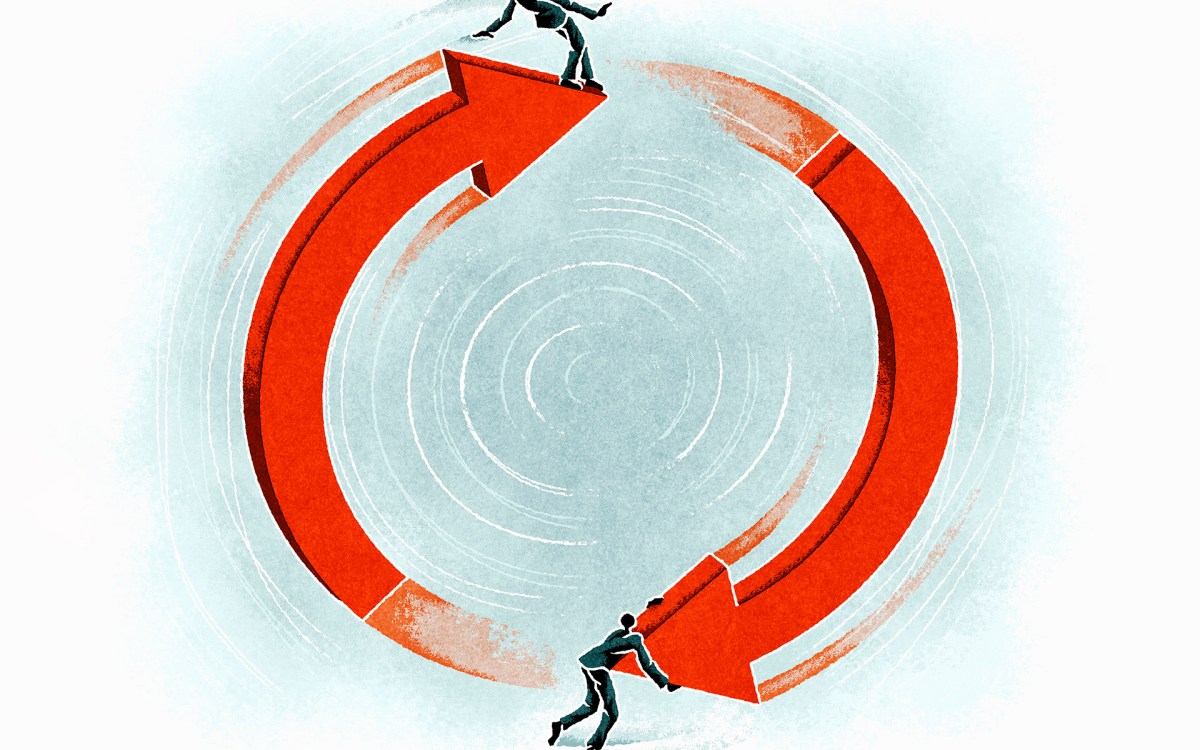
Are we headed toward recession? Unpredictable.
Economic historian rebuts various beliefs about cause, concerns around downturns, explains why expansions are more important anyway
-
Furman on Social Security: Attention must be paid
‘Interest in the problem has diminished over time, not grown.’ Meanwhile, day of reckoning is ahead of schedule.
-

20 societal problems, 20 solutions
Projects translating research into public good — spanning fields from medicine and climate to civics and arts — win $4 million from new Harvard fund
-
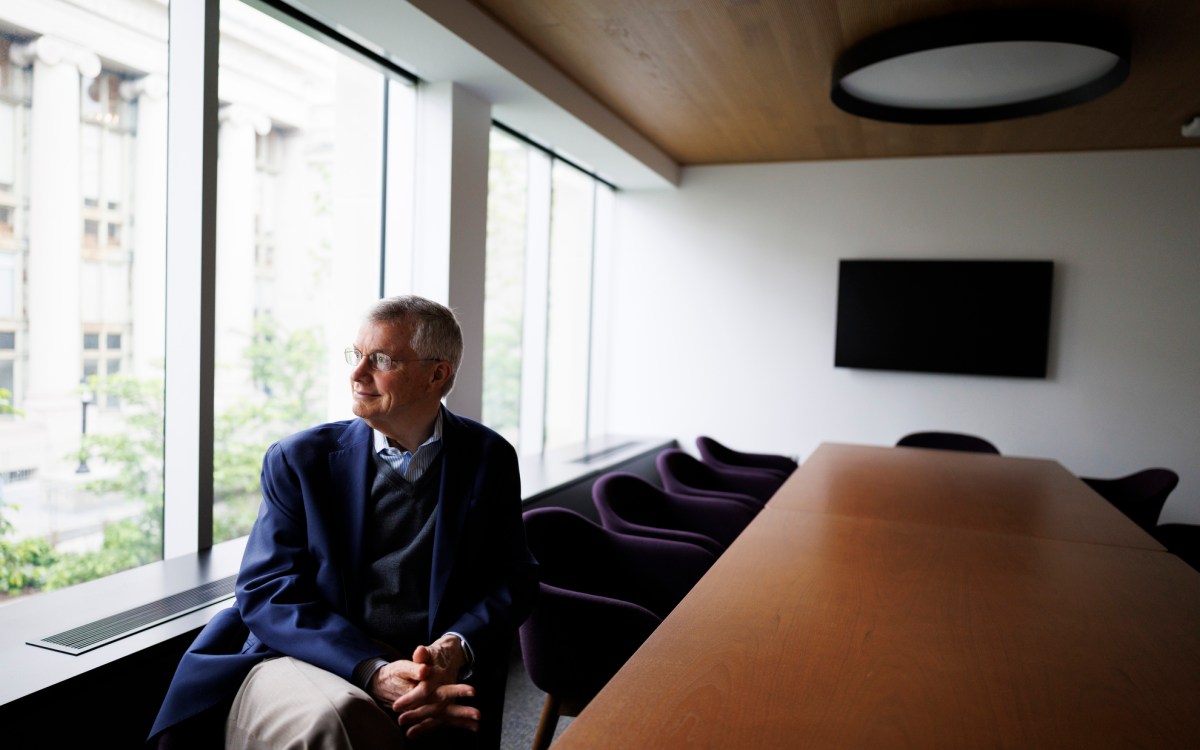
Would it be fair if you could bet on date of your college reunion?
Financial regulation expert says greater oversight needed of wager-on-anything prediction markets given risk of insider trading, worsening of gambling problems
-
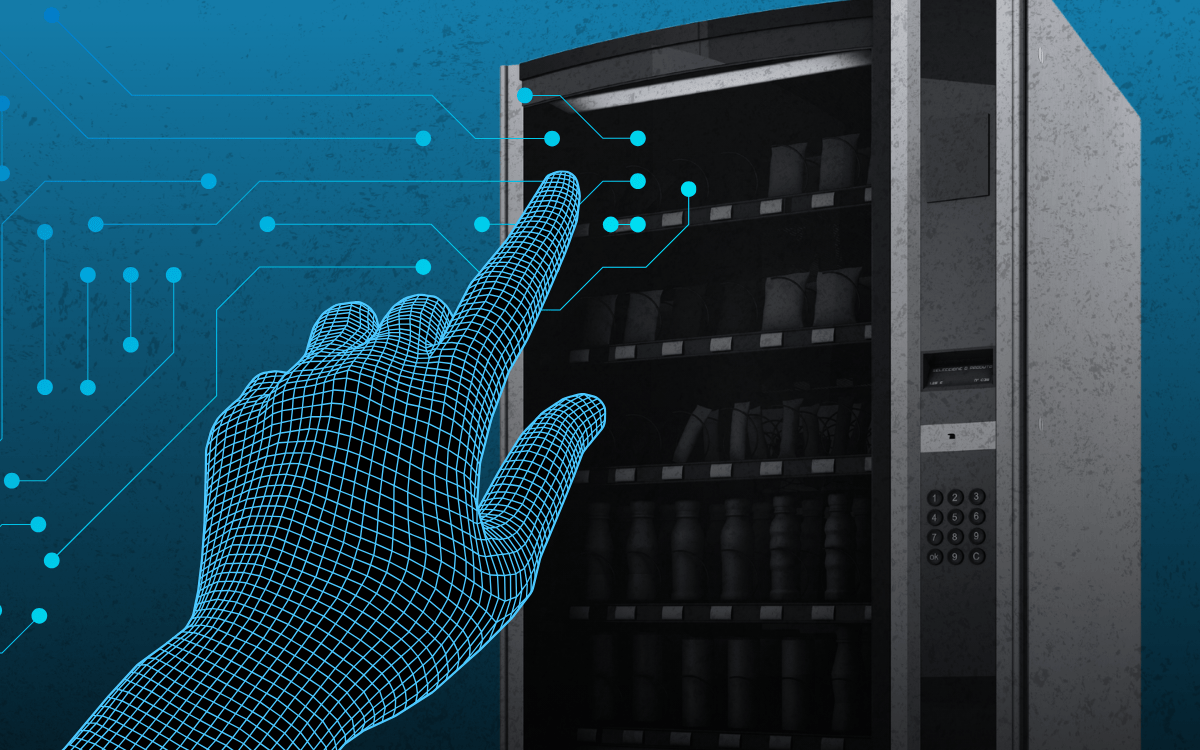
Single-minded pursuit of profit can get firms in trouble. Same thing with AI.
Researchers see lesson for lawmakers, executives as systems asked to run business, maximize gain resort to unethical, fraudulent tactics
-
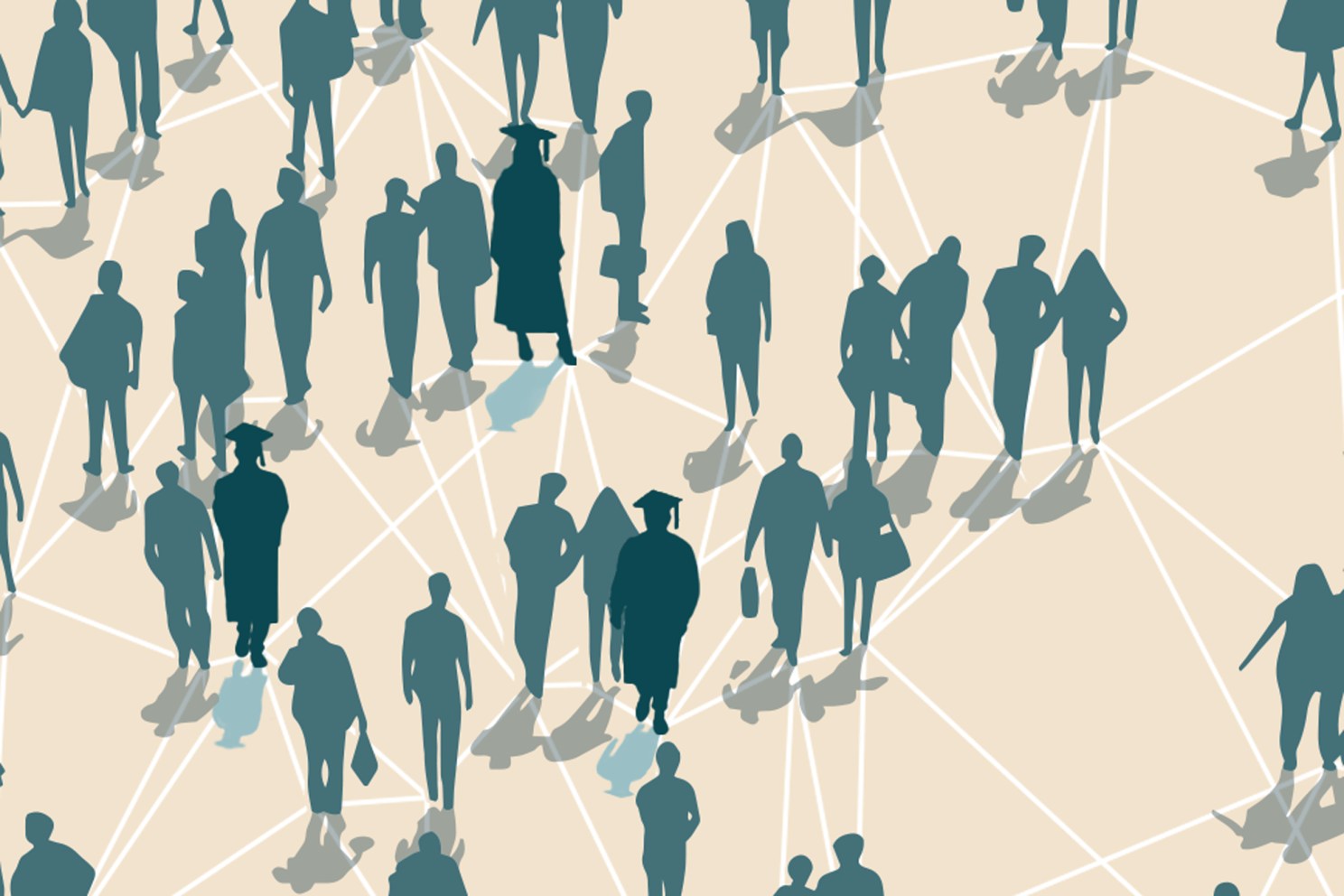
More educated communities tend to be healthier. Why? Culture.
New study finds places with more college graduates tend to develop better lifestyle habits overall
-
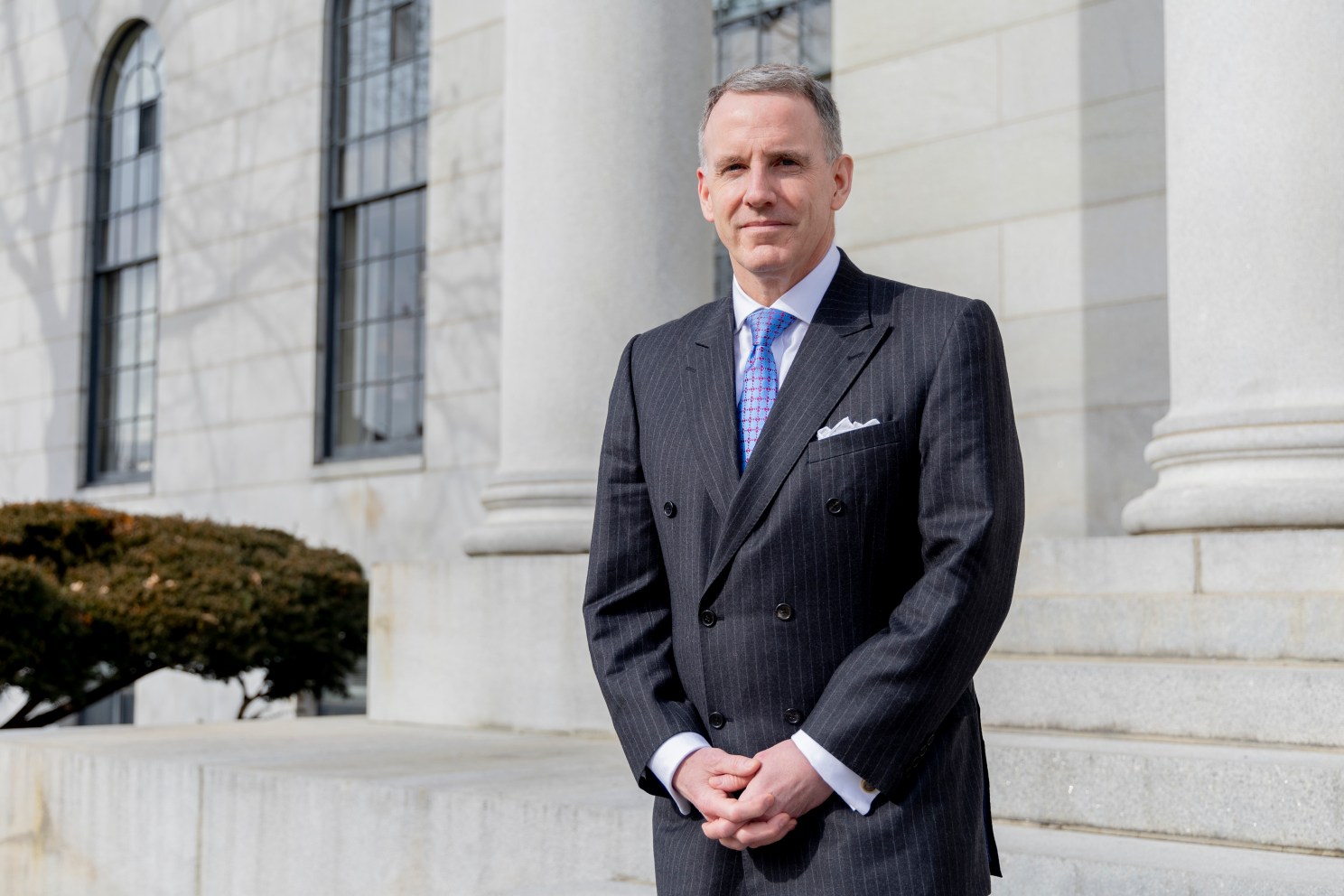
Lending a hand to a former student — Boston’s mayor
Economist gathers group of Boston area academics to assess costs of creating tax incentives for developers to ease housing crunch
-
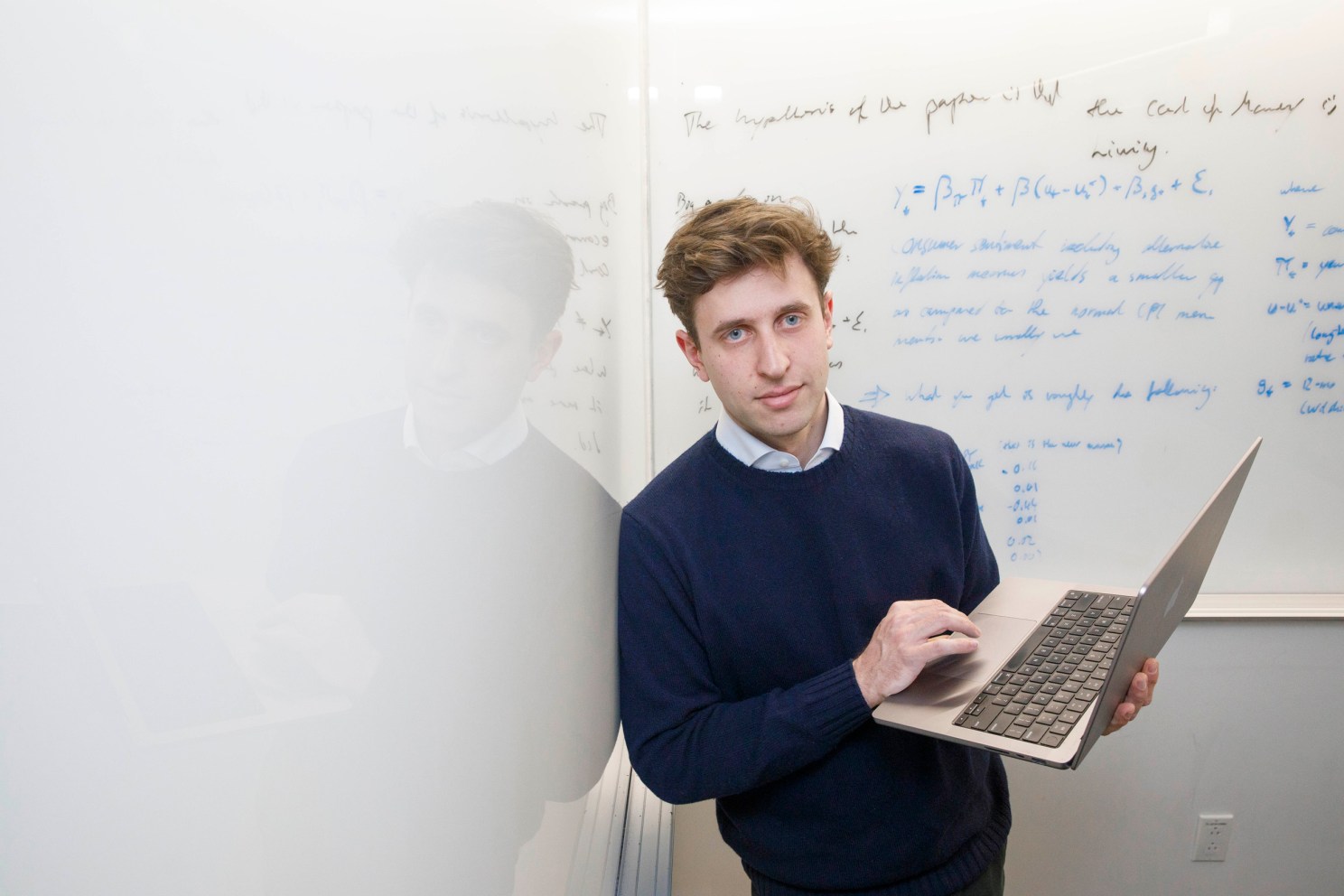
Where money isn’t cheap, misery follows
Student’s analysis of global attitudes called key contribution to research linking higher cost of borrowing to persistent consumer gloom
-
Larger lesson about tariffs in a move that helped Trump but not the country
Researcher details findings on policy that failed to boost U.S. employment even as it scored political points

-
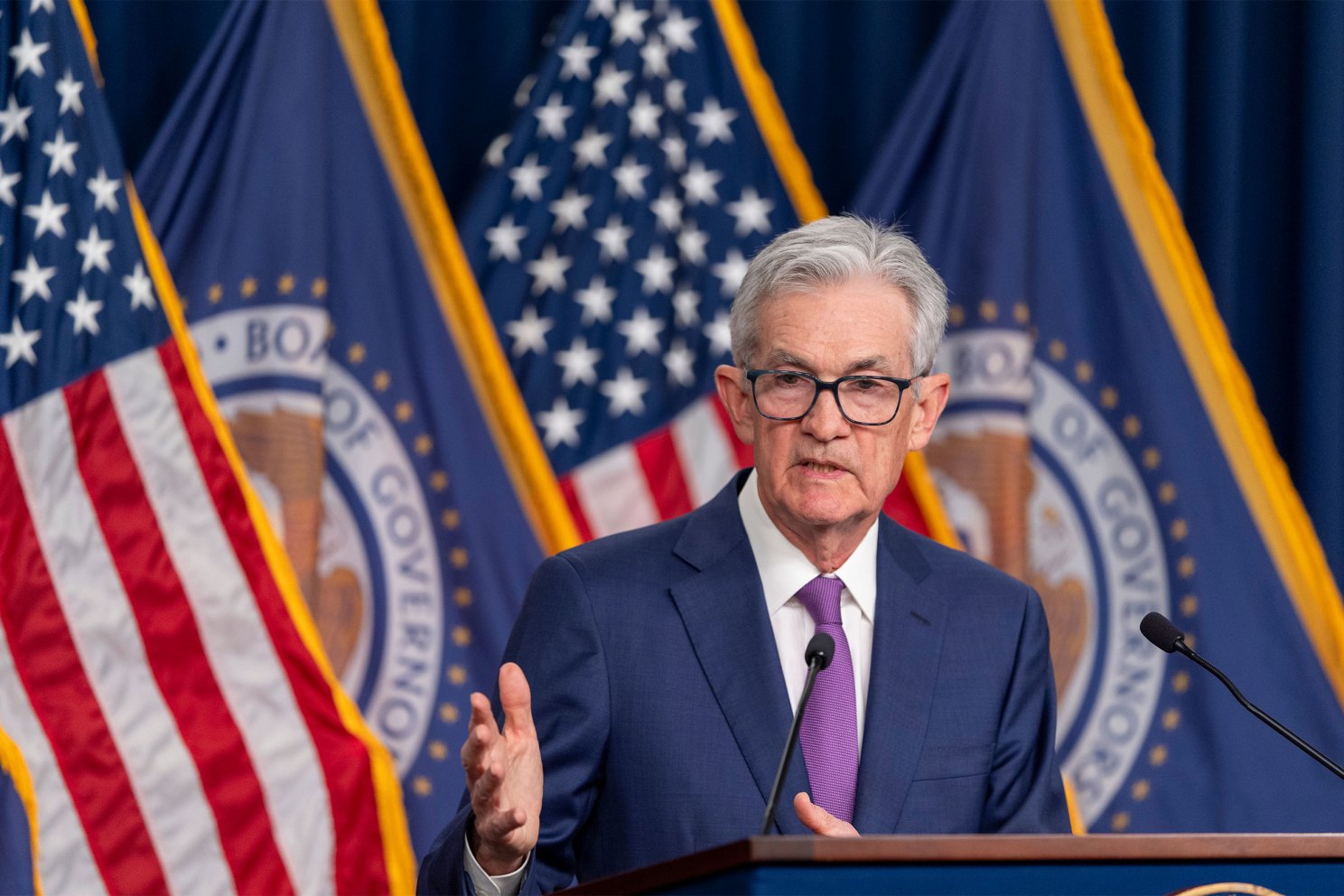
Fed delivers good news overall on economy
Economist Jeffrey Frankel says the central bank held off on easing interest rates, but signs point to soft landing
-
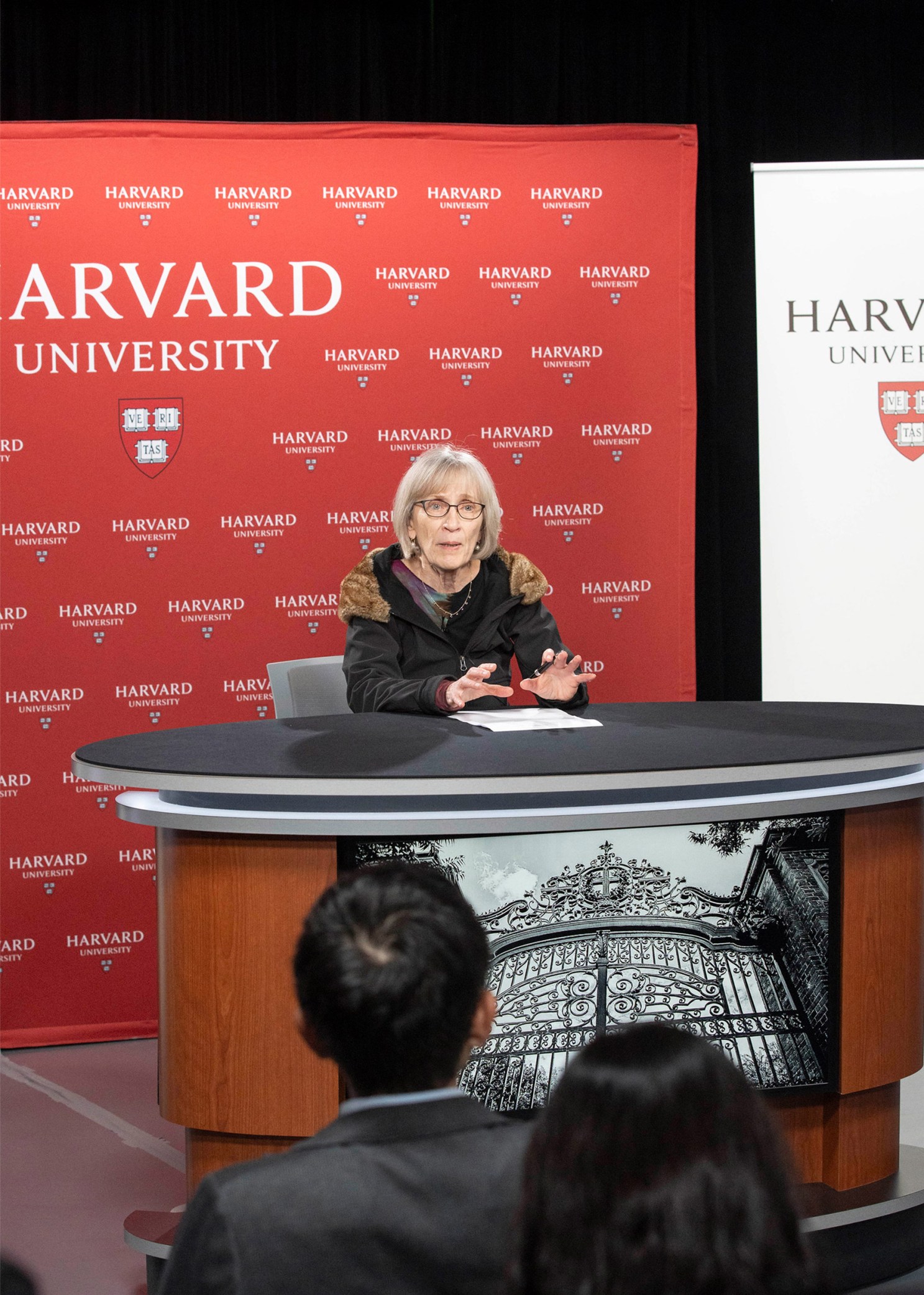
Studying ‘why women are interesting, and men are boring’
Nobel laureate Claudia Goldin recounts pioneering career spent tracing major part of U.S. workforce, economy hidden in plain sight

-
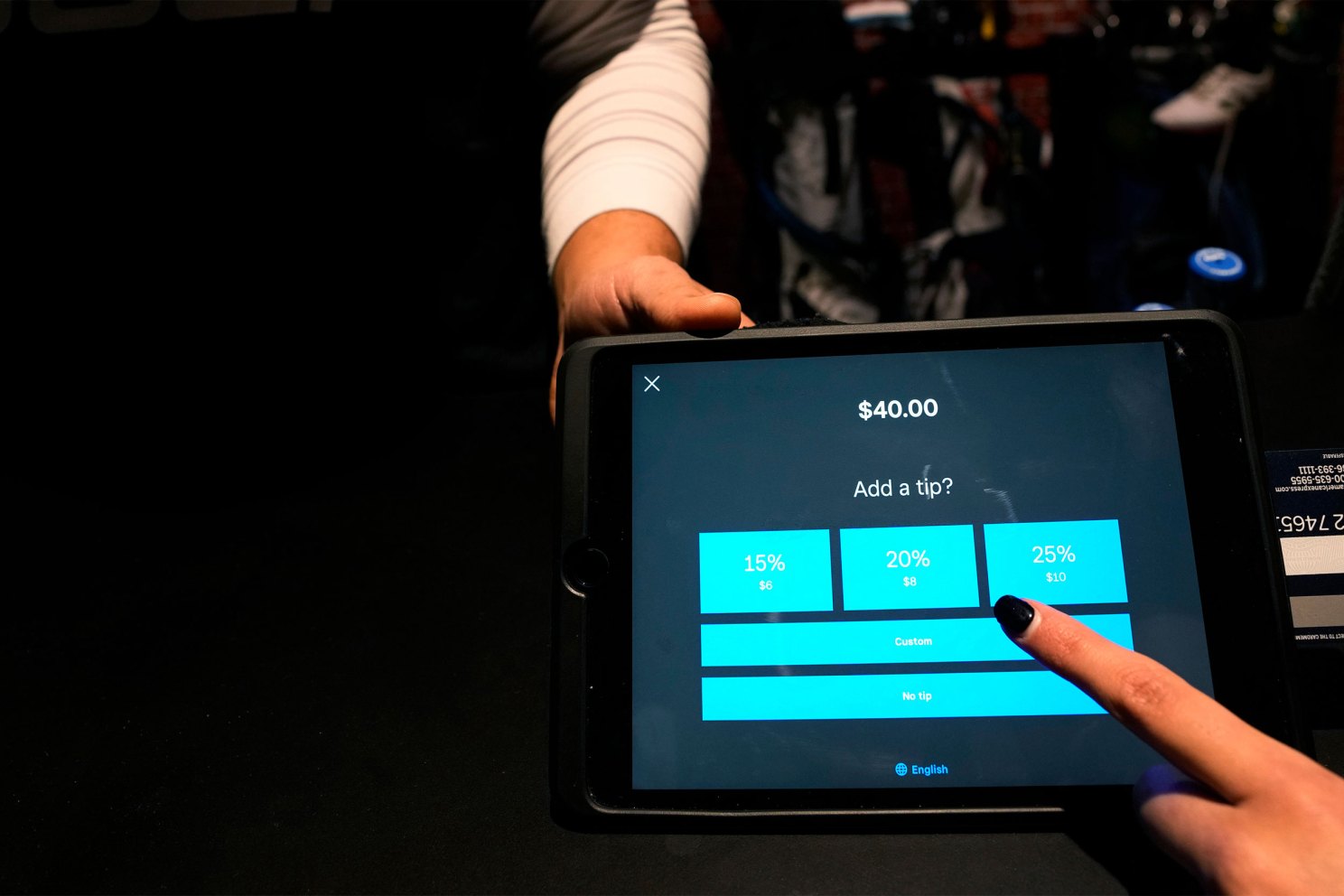
Confused about changes in tipping customs? You’re not alone.
Customer relations expert says technologies, COVID changed behaviors across the U.S.
-
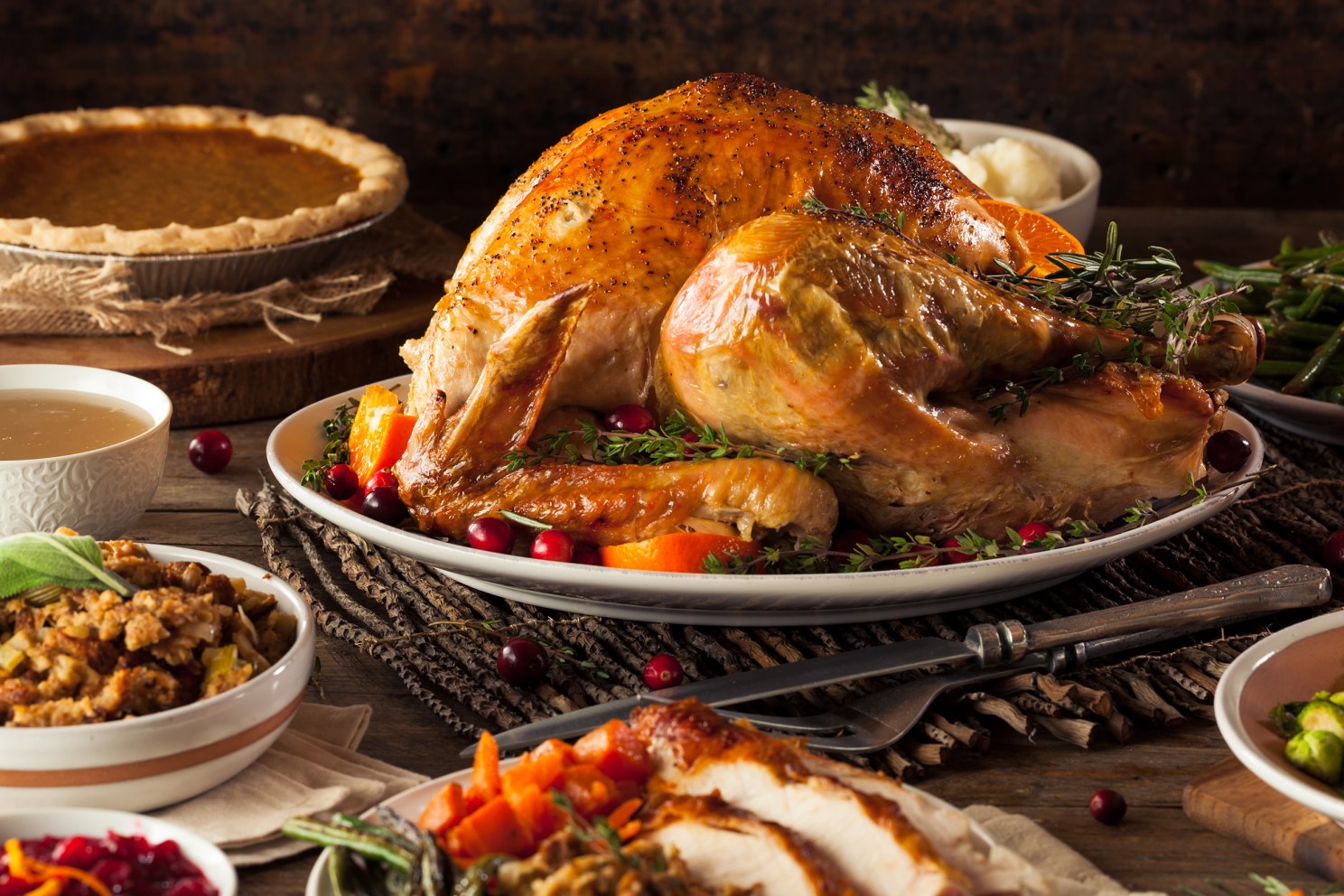
We’ll gather together — even though everything seems so much more expensive
Economists explain why Americans feel inflation, economy are much, much worse than they actually are
-
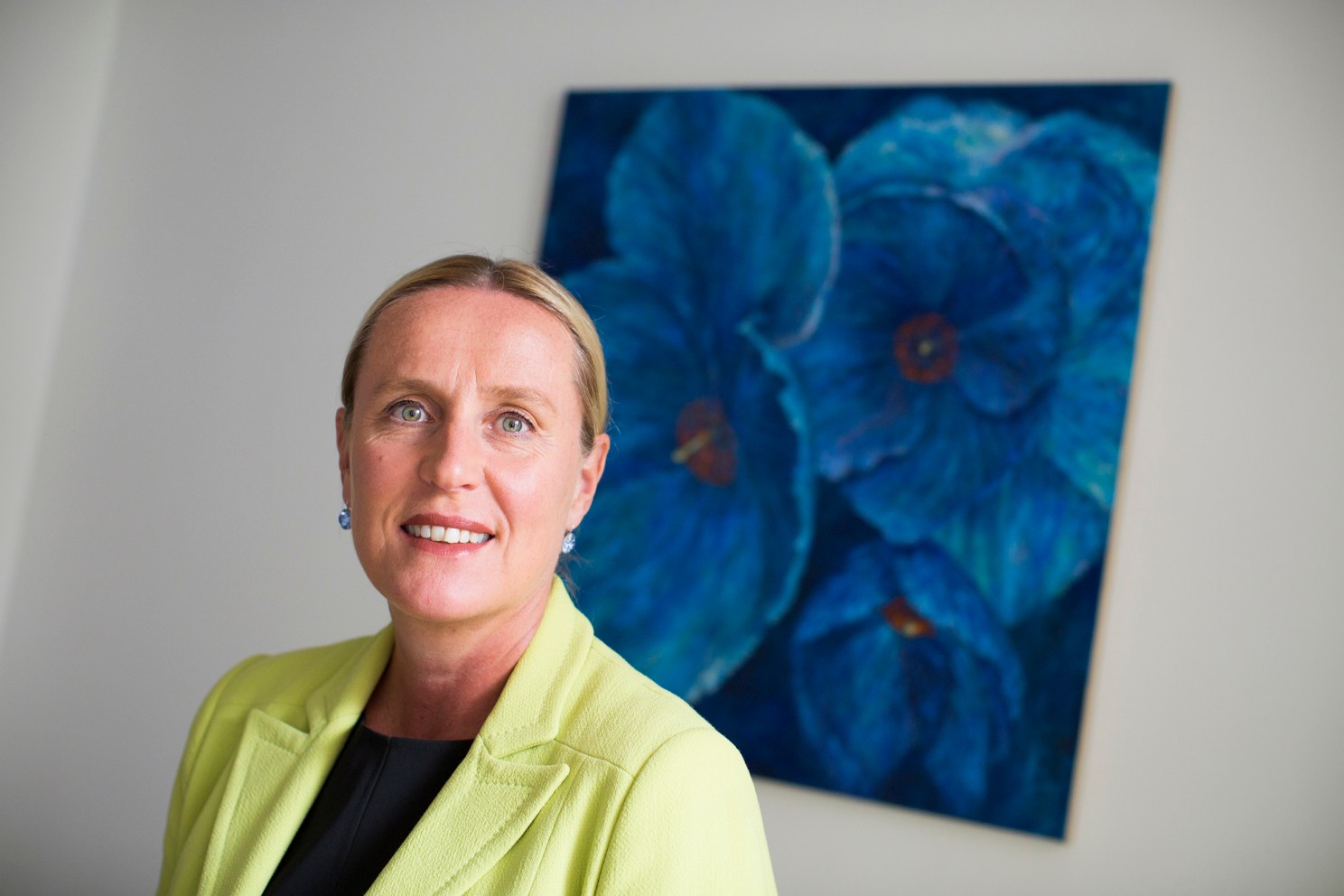
‘Glass ceiling’ is problem, but so are ‘broken rungs’
New report examines myths hampering advancement of women in workplace, actual barriers, and possible solutions
-
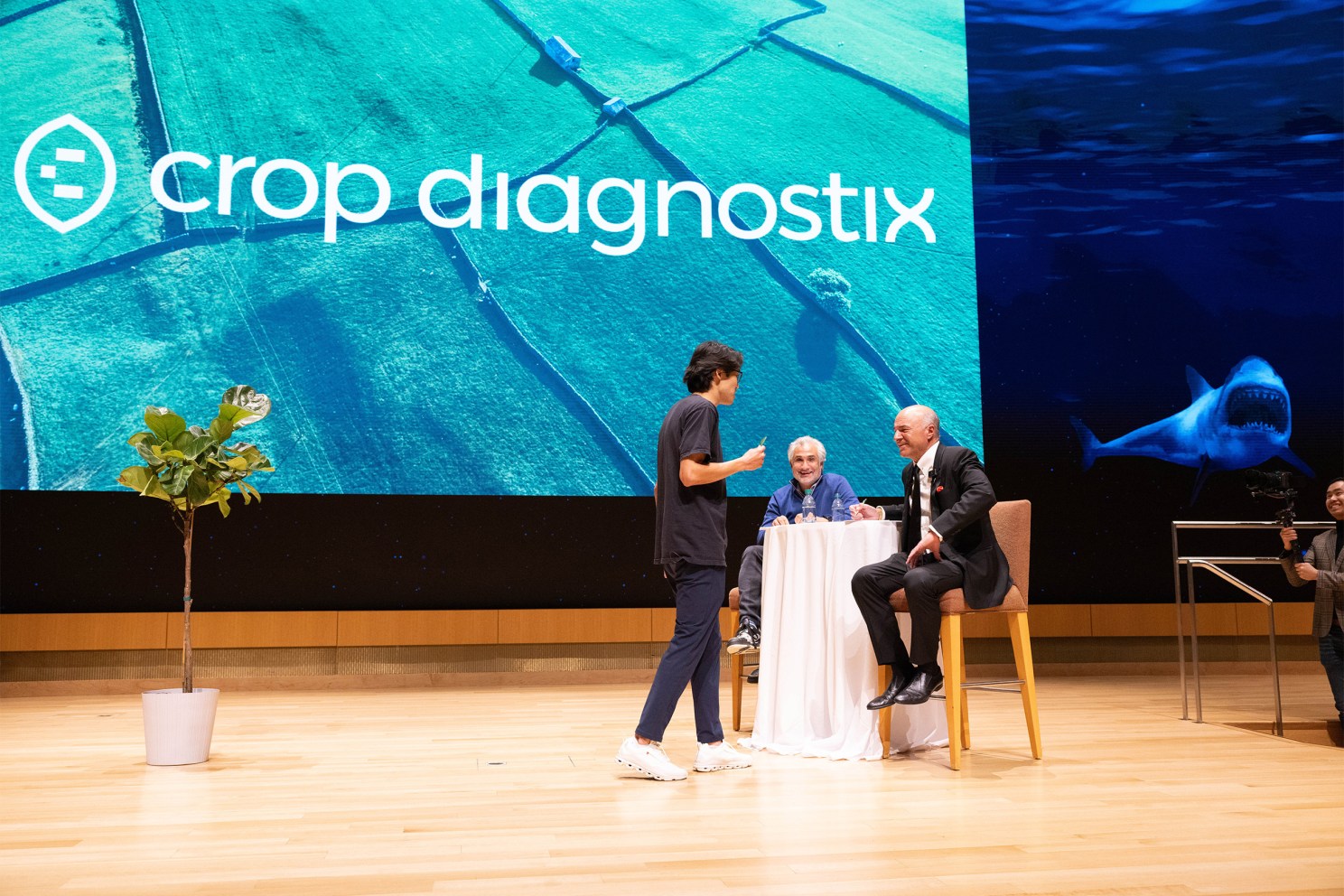
‘Shark Tank’s’ Kevin O’Leary talks startups and setbacks
The celebrity entrepreneur explained what it takes for a founder to develop a product or service, raise capital from investors, and grow from a small business into a larger enterprise.
-
Gender pay gap? Culprit is ‘greedy work’
In “Career and Family” Claudia Goldin tracks evolution through 20th-century gains to era of earning inequality that forces harsh life choices.
-
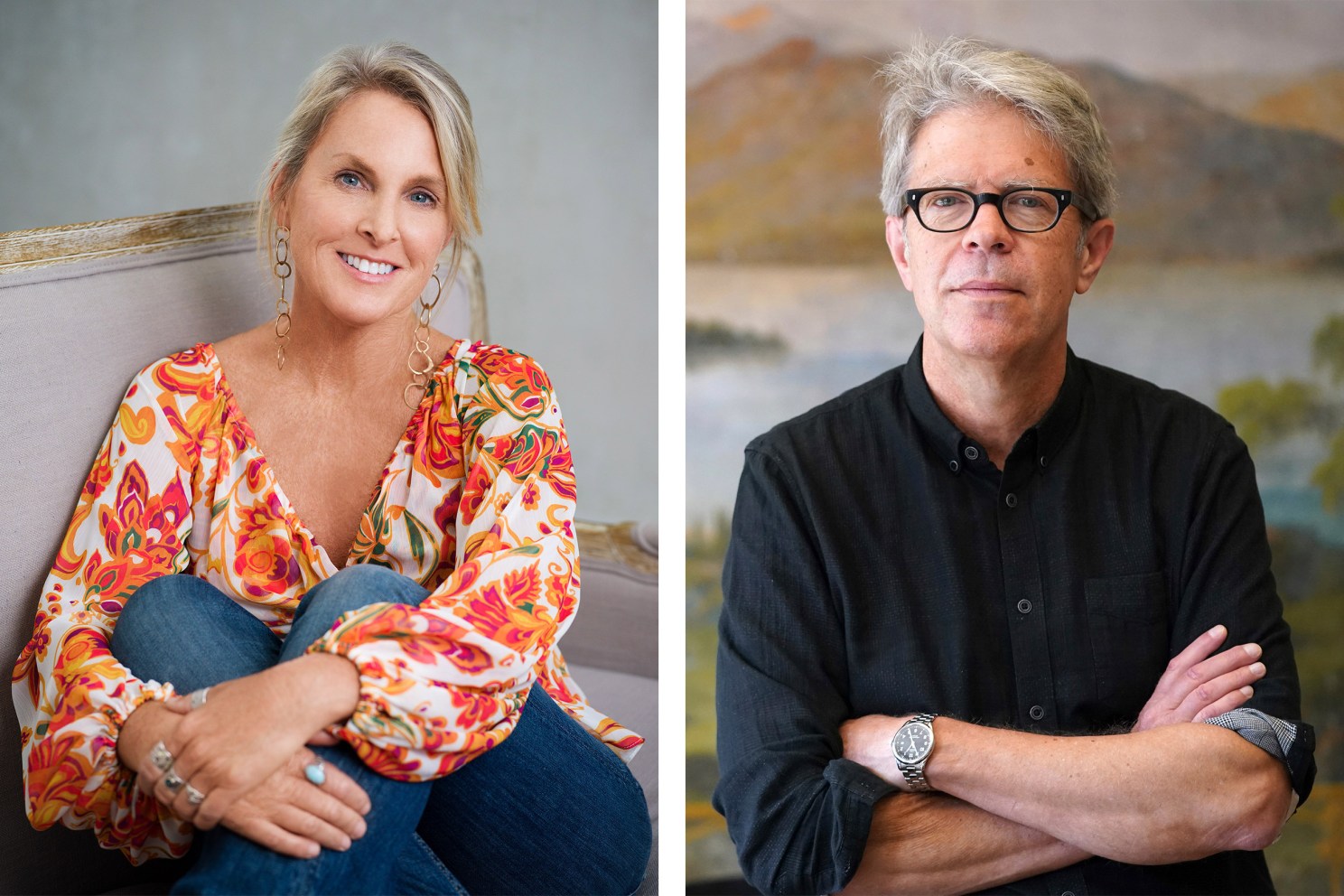
Is ChatGPT more foul than fair?
Copyright expert Rebecca Tushnet discusses the growing battle between book authors and tech companies who use their books to improve generative AI products like ChatGPT without their consent or compensation.
-
How Jeanne Gang married soaring wonder, structural necessity at Gilder Center
The Design School professor talks about her latest project, a new wing for New York City’s American Museum of Natural History.

-
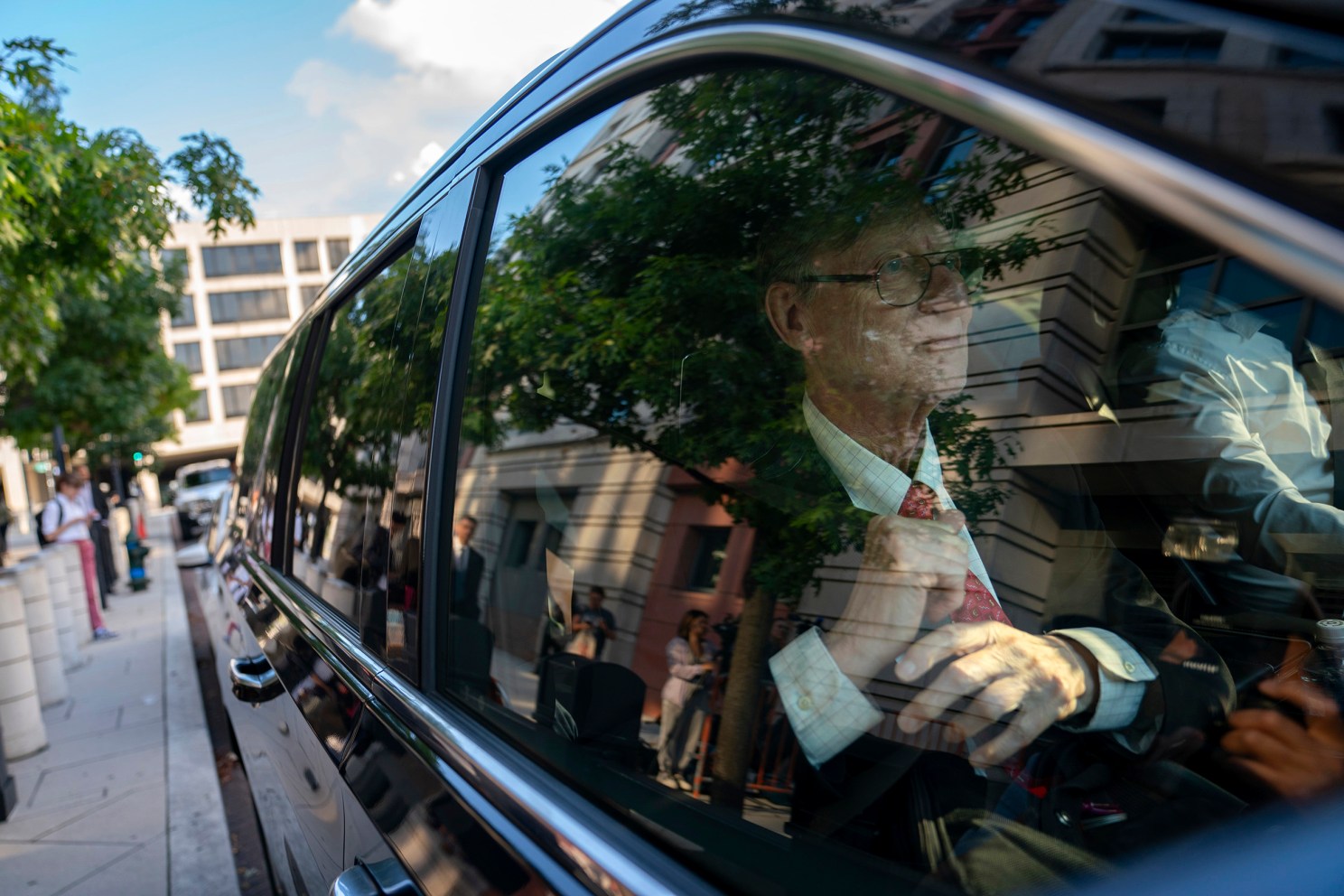
So what exactly is Google accused of?
Much comes down to how much influence the search giant wields on default setting on devices, digital economy expert says.
-
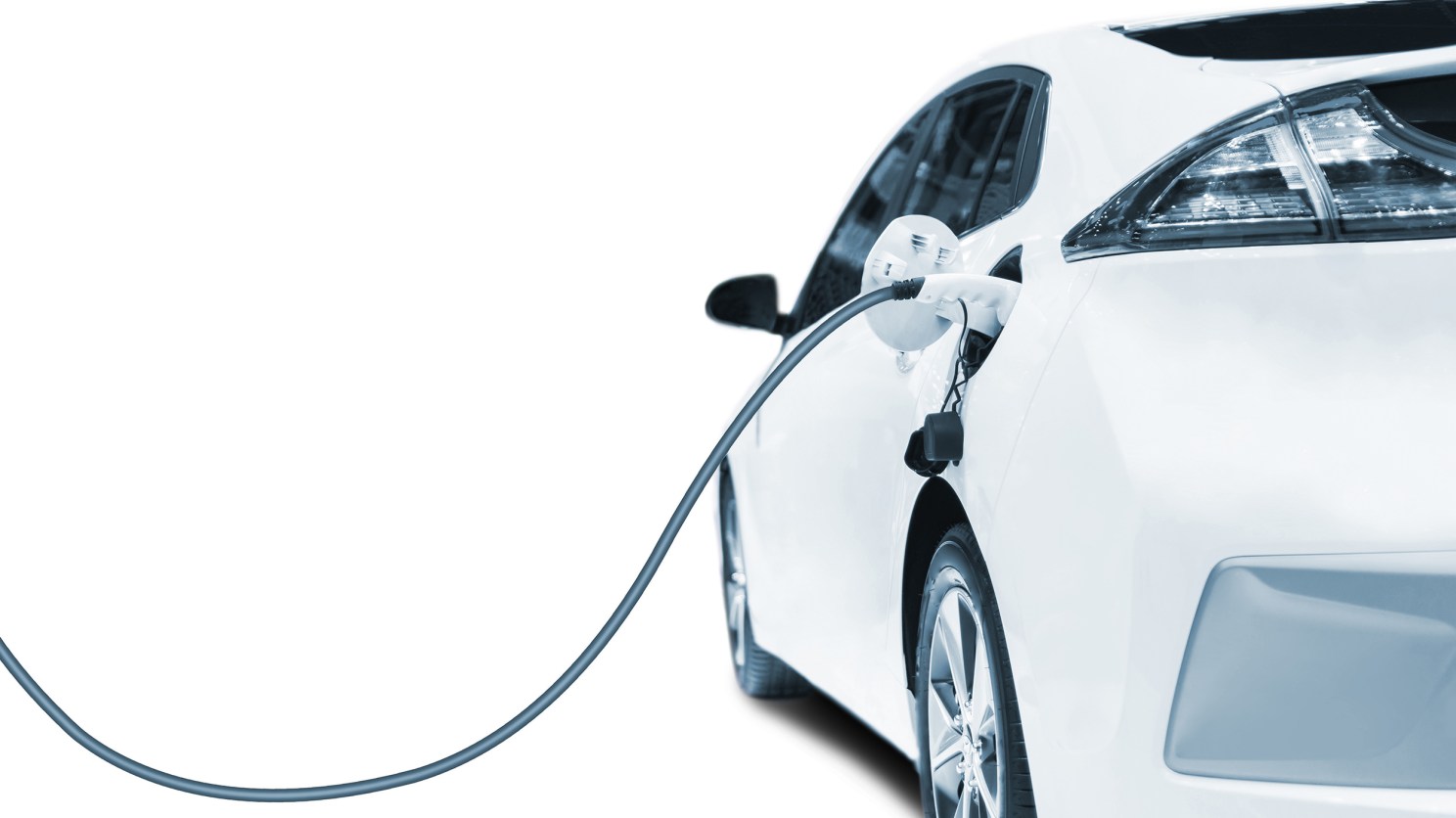
You bought an electric car. Why did your carbon footprint grow?
It may sound counterintuitive but you probably don’t drive enough, says grad’s research on the effectiveness of government incentives.
-
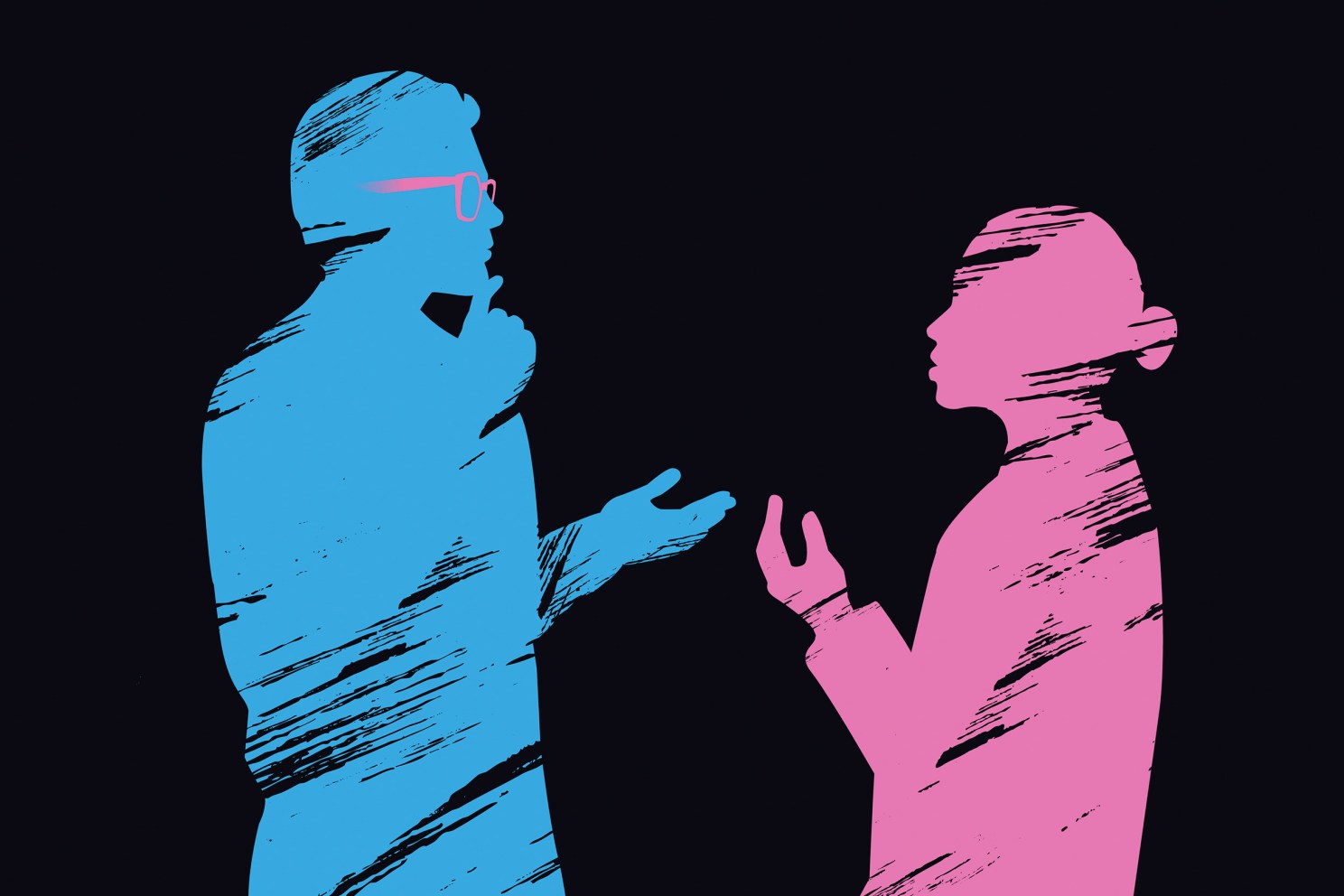
Don’t tell Bob in accounting he’s a raging jerk (even if he is)
Conflict is a natural part of any office. Clare Fowler’s new book offers a practical guide to managing it with confidence.
-
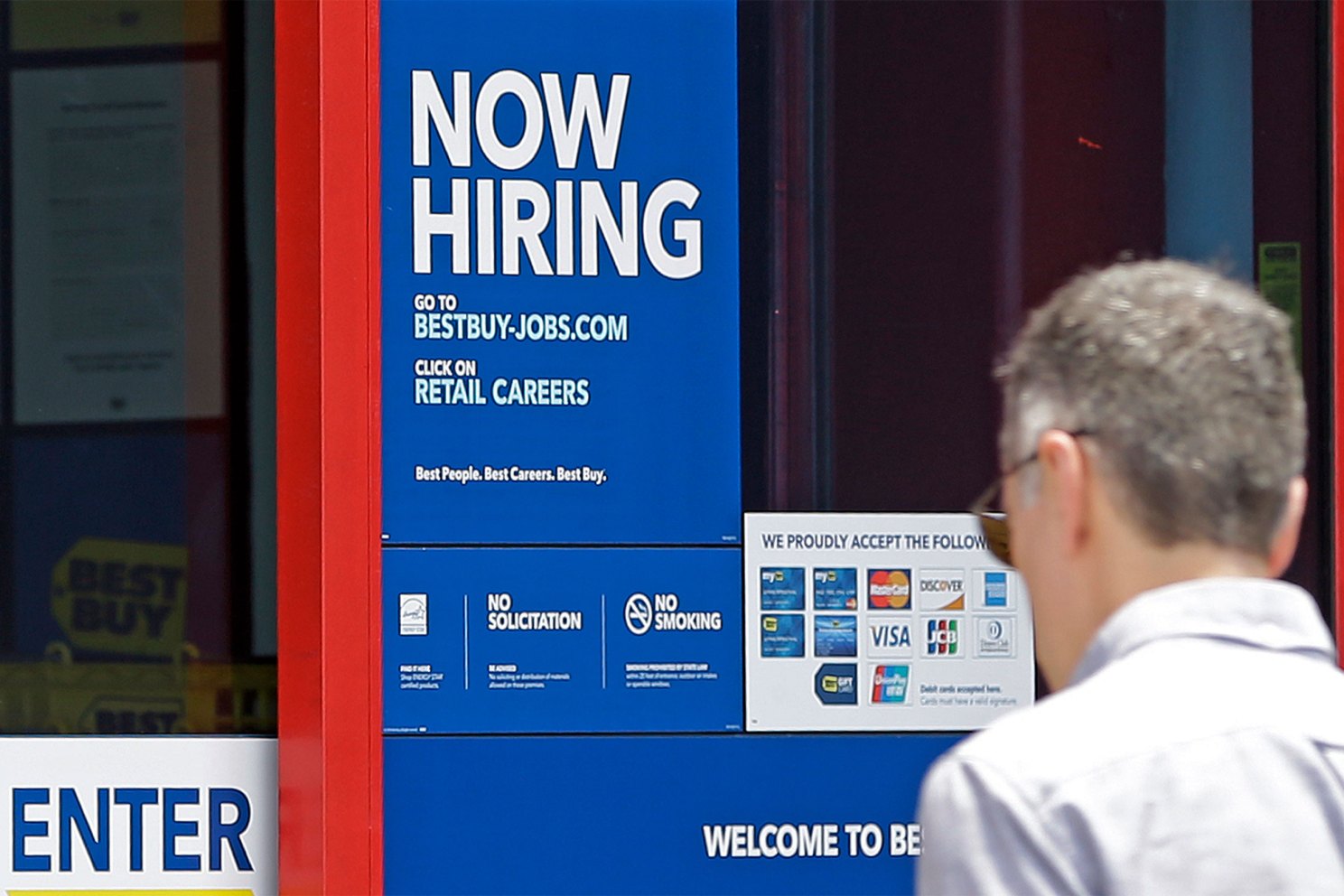
The economy keeps getting better. Our moods? Not so much.
By nearly every metric, the U.S. economy is not only recovering, it’s thriving. So why don’t consumers feel that way?
-
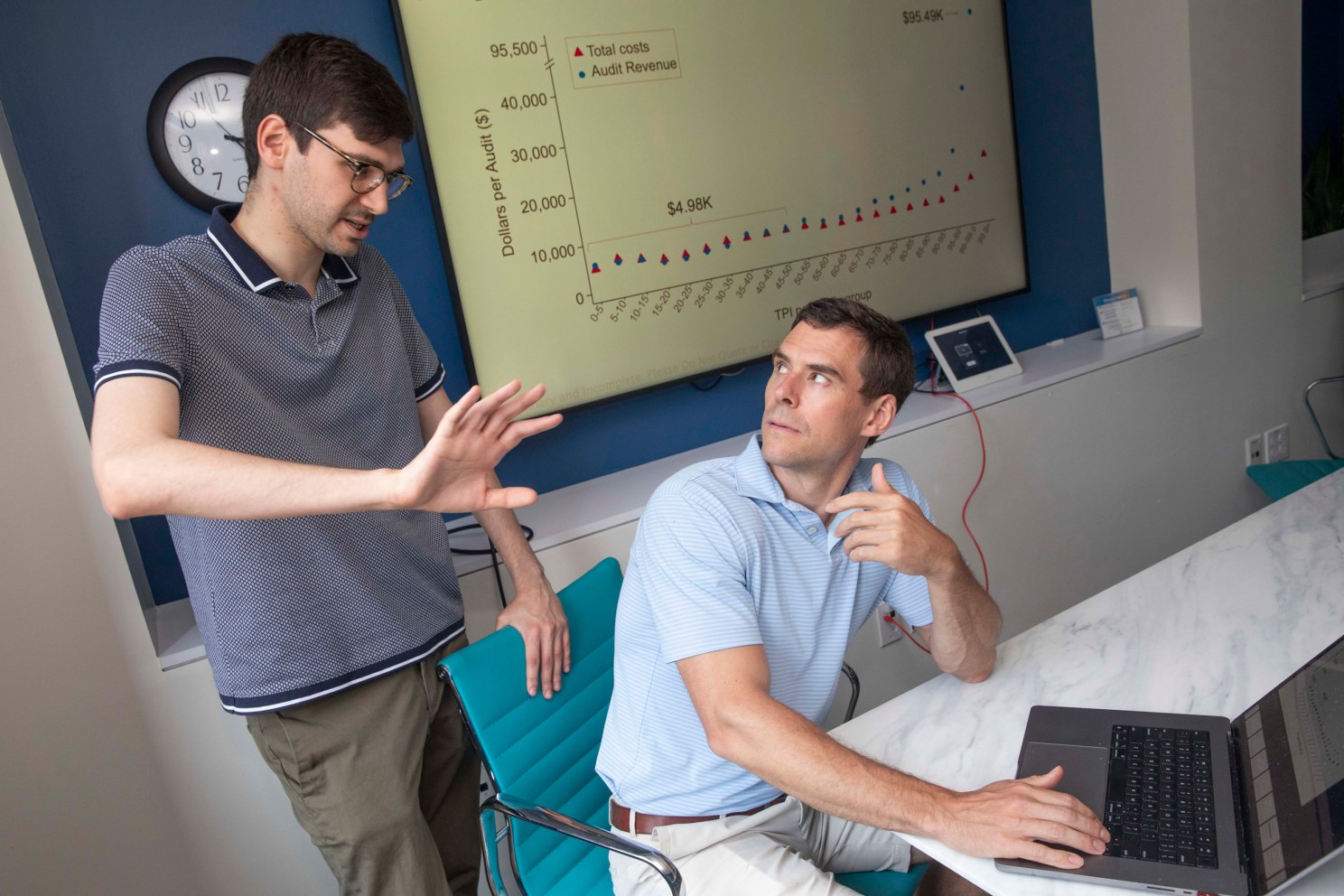
Turns out IRS audits of wealthy offer terrific return on investment for taxpayers
New research shows that audits, particularly of higher-income taxpayers, raise significantly more money than they cost.
-
Retailers have been cutting costs, so why are prices still so high?
Why are items like cereal and paper towels still so expensive? Is the pandemic really to blame or could shoppers be at fault? A Harvard Business School professor explains.
-
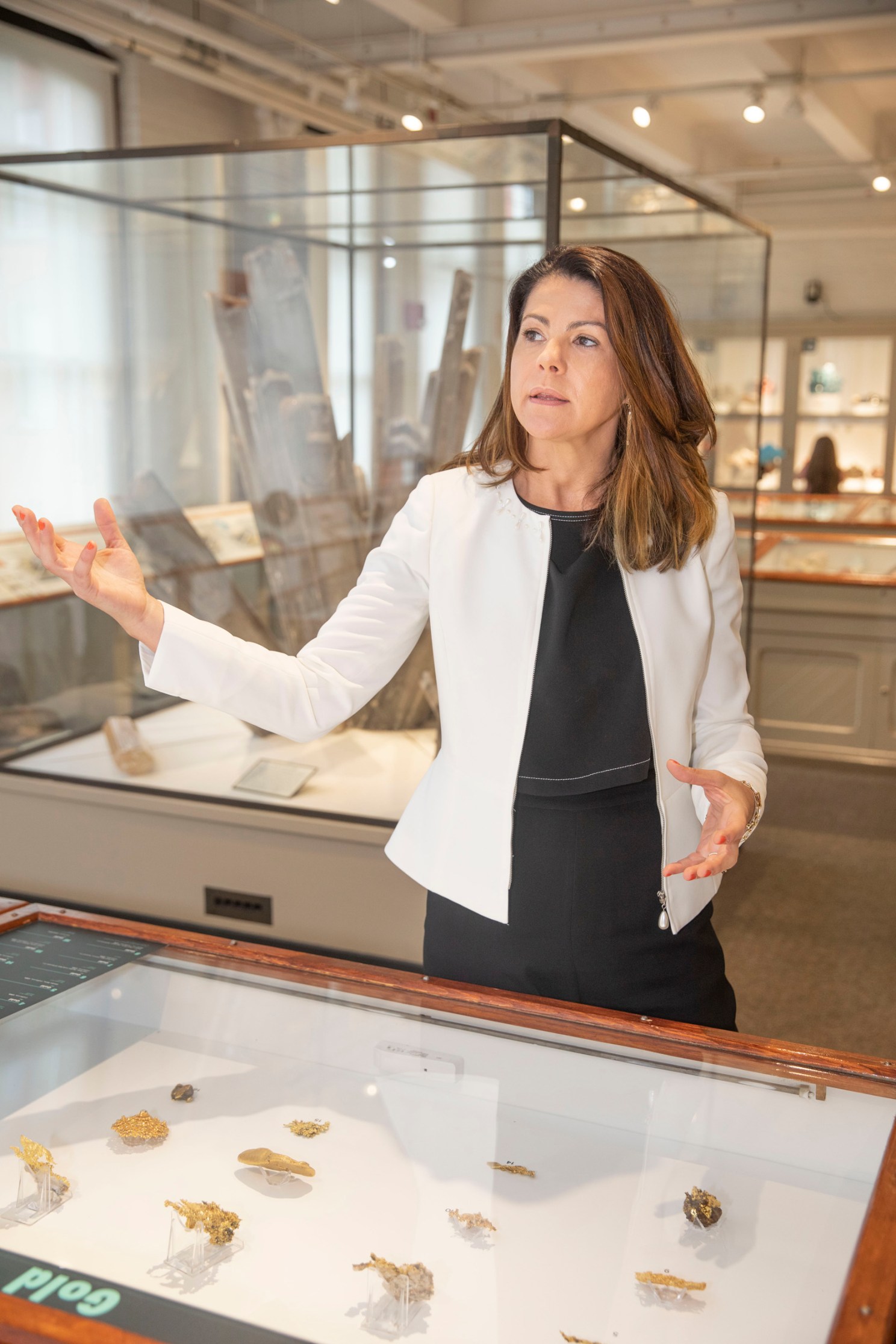
Are you sure diamonds are forever?
State of the Art Jewelry Summit draws artists, executives, and scientists to discuss the jewelry industry’s challenges.
-
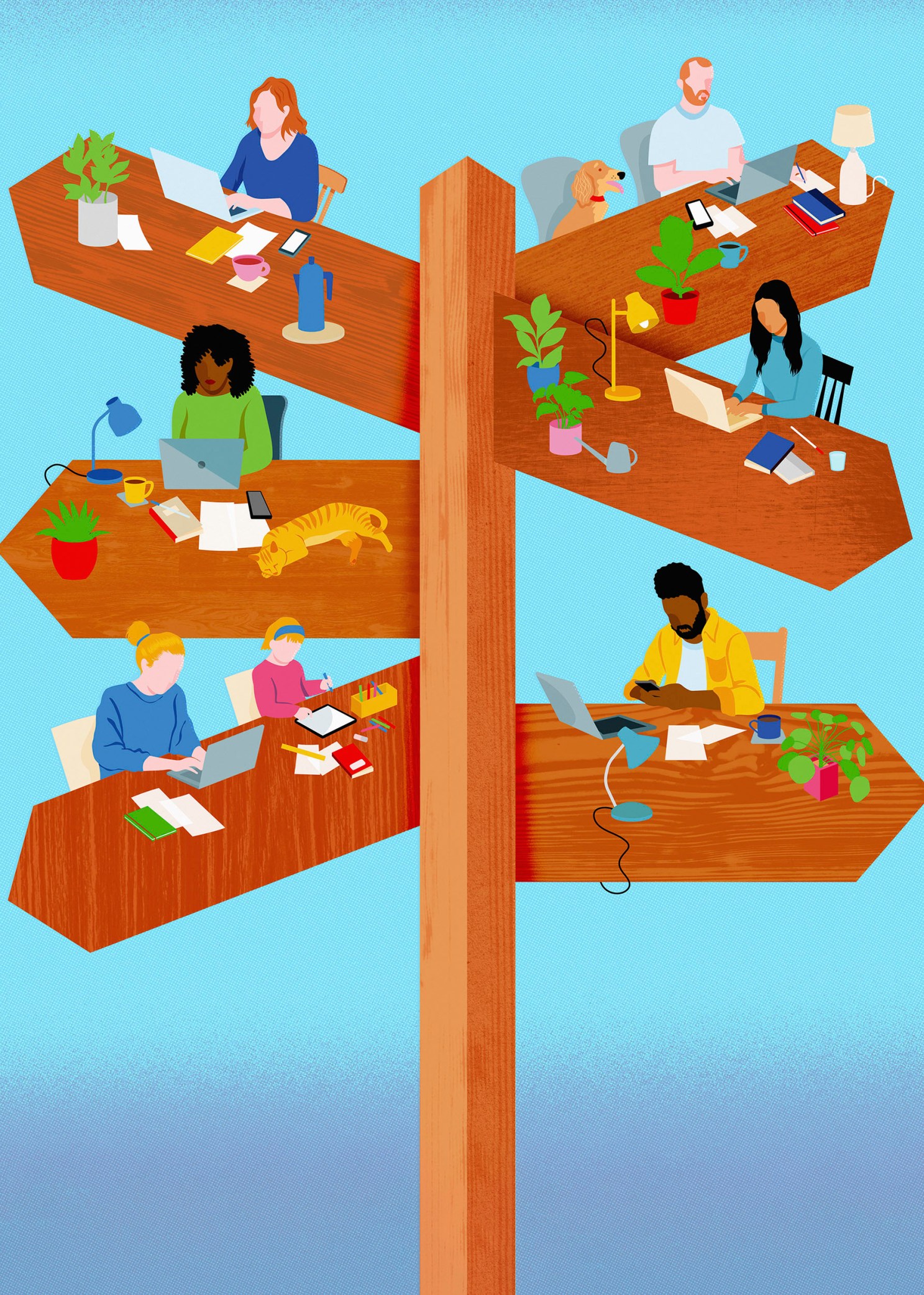
Deserted office when you’re new to office life? Probably not ideal.
Work from home creates particular challenges for young employees, especially women, study suggests.
-
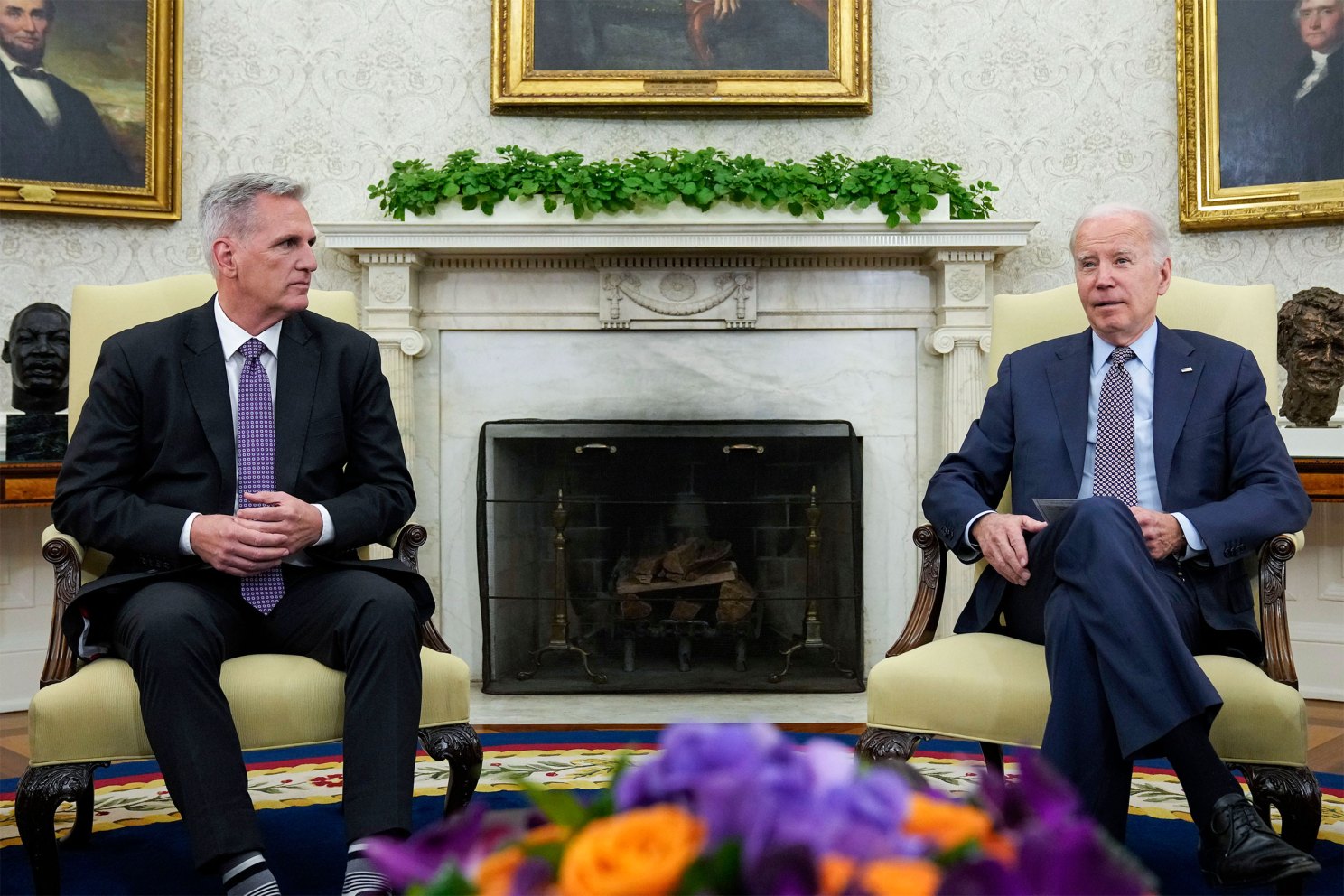
How U.S. debt-limit drama has hurt economy
Policy expert examines prospects of Biden-McCarthy plan as Congress wrestles over details, Monday deadline looms.
-
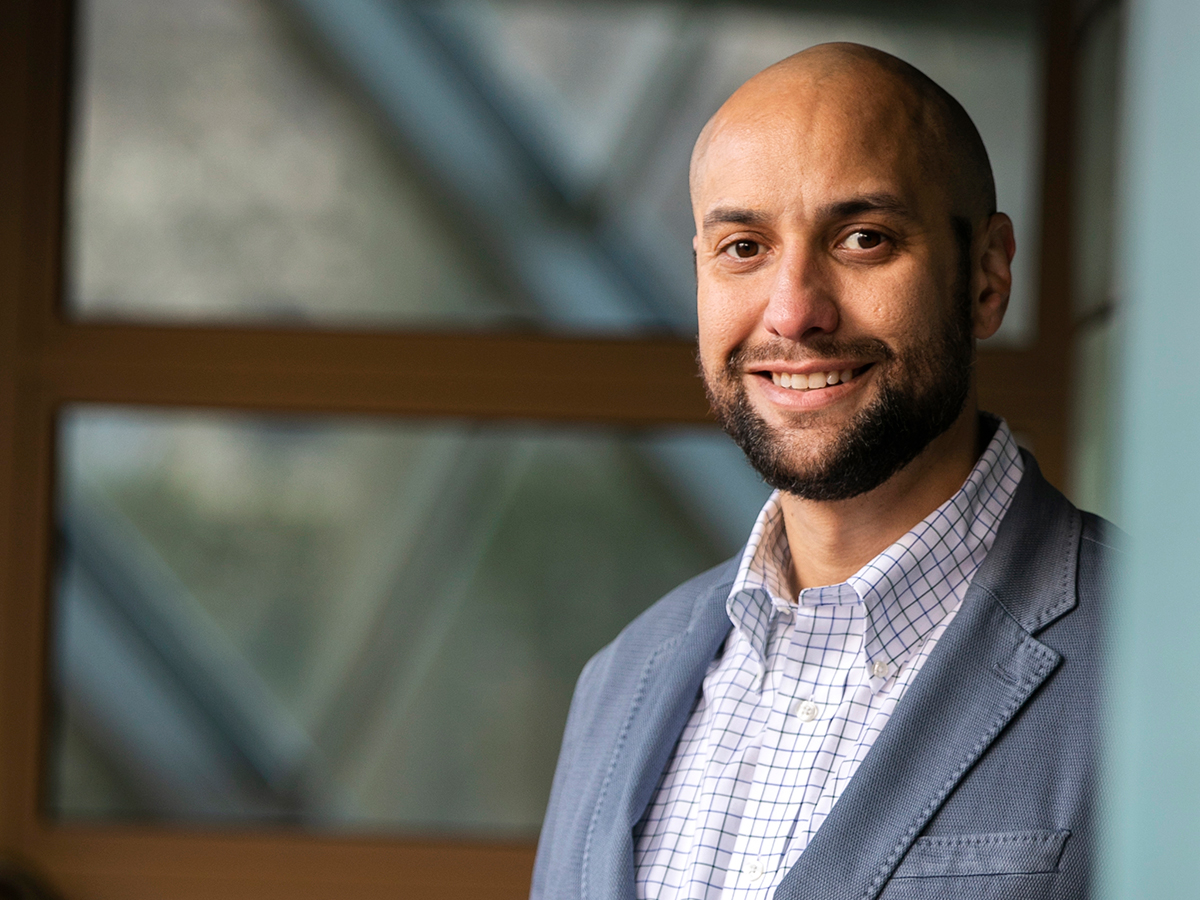
James Riley’s indelible past
Graffiti of his Los Angeles youth colors the work of Business School sociologist.
-
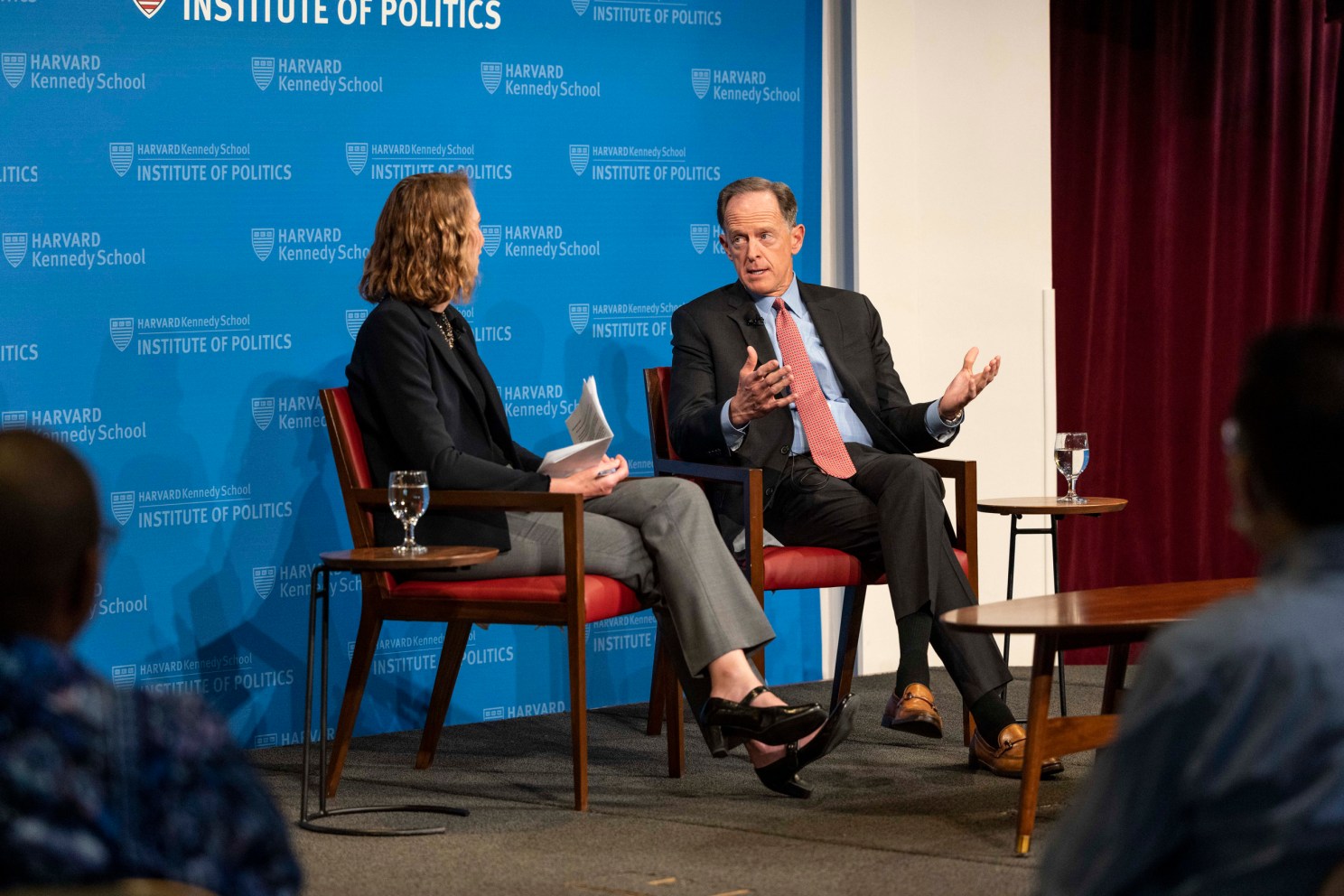
Toomey doesn’t see recession looming
The former Republican senator offered his views on the state of the U.S. economy and the looming debt ceiling showdown in Washington.
-
Cost of cleanups set to spiral with continued rise in CO2
By framing U.S. natural disaster cleanup in an economic light, Disaster Medicine Fellows from Beth Israel Deaconess Medical Center hope it will motivate change among policymakers.

-
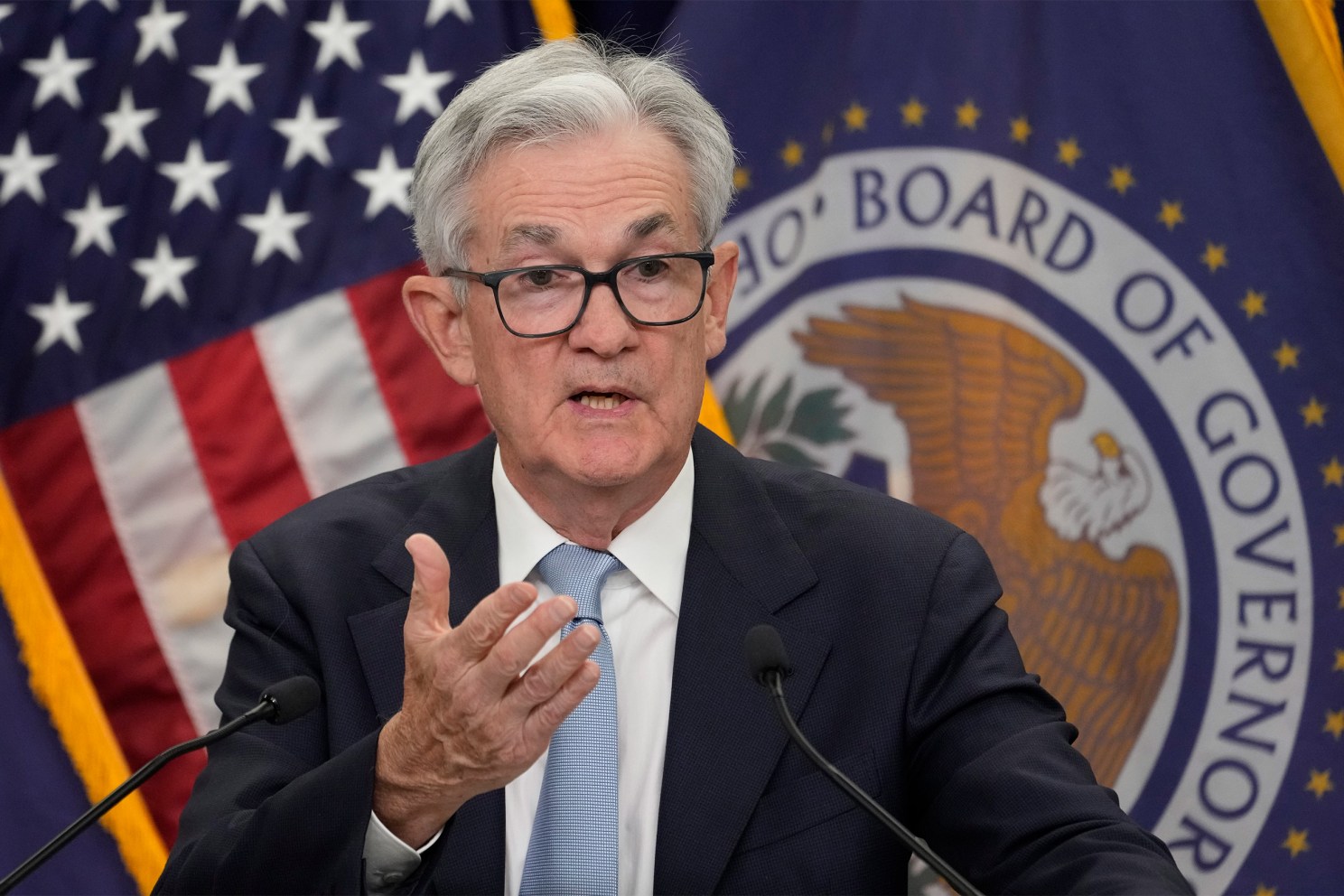
Prospects of avoiding recession fading
Economist Kenneth Rogoff discusses the Federal Reserve Board’s latest rate hike and pronouncements about the health of the nation’s banks.
-
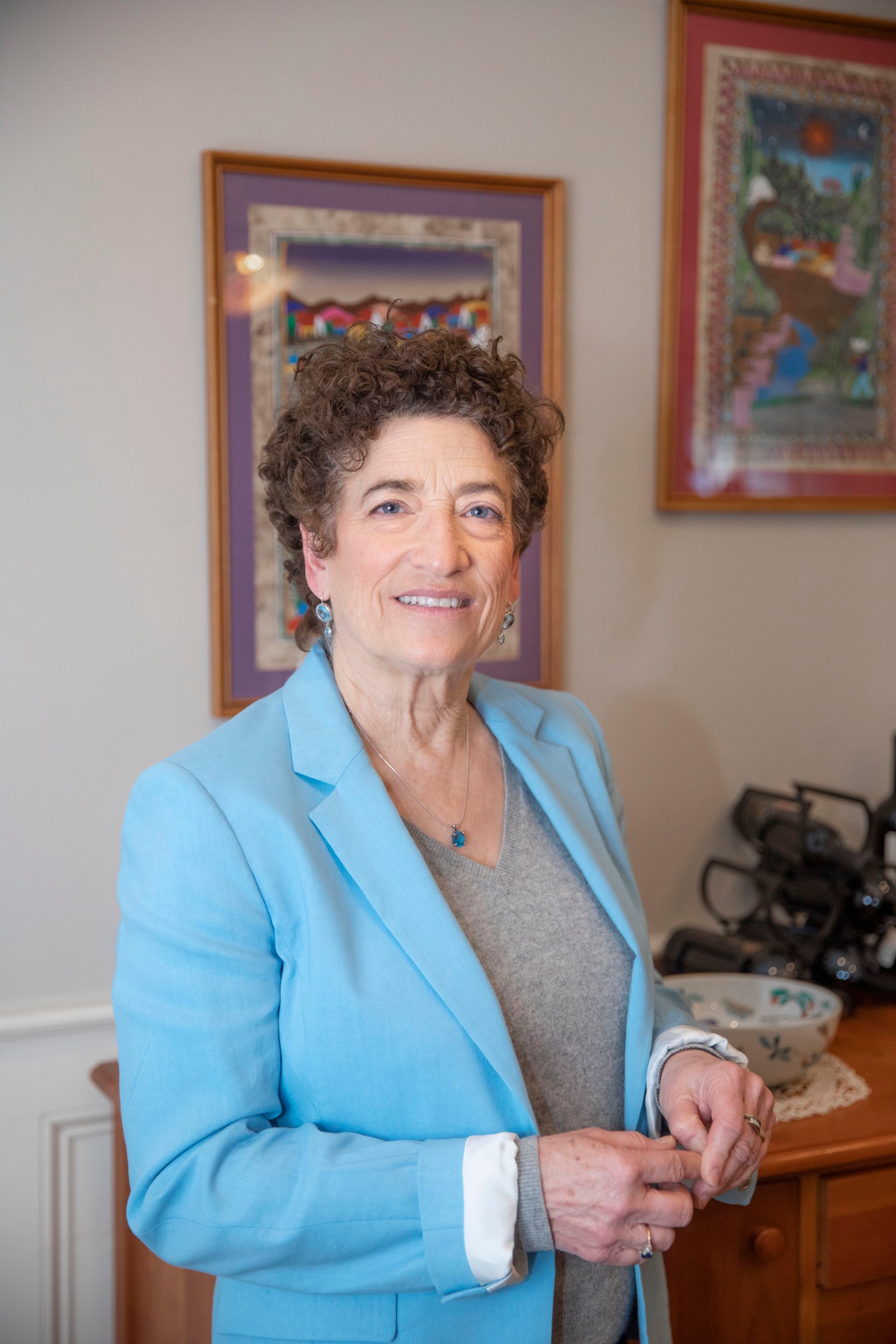
High point for market fundamentalism? Would you guess Clinton?
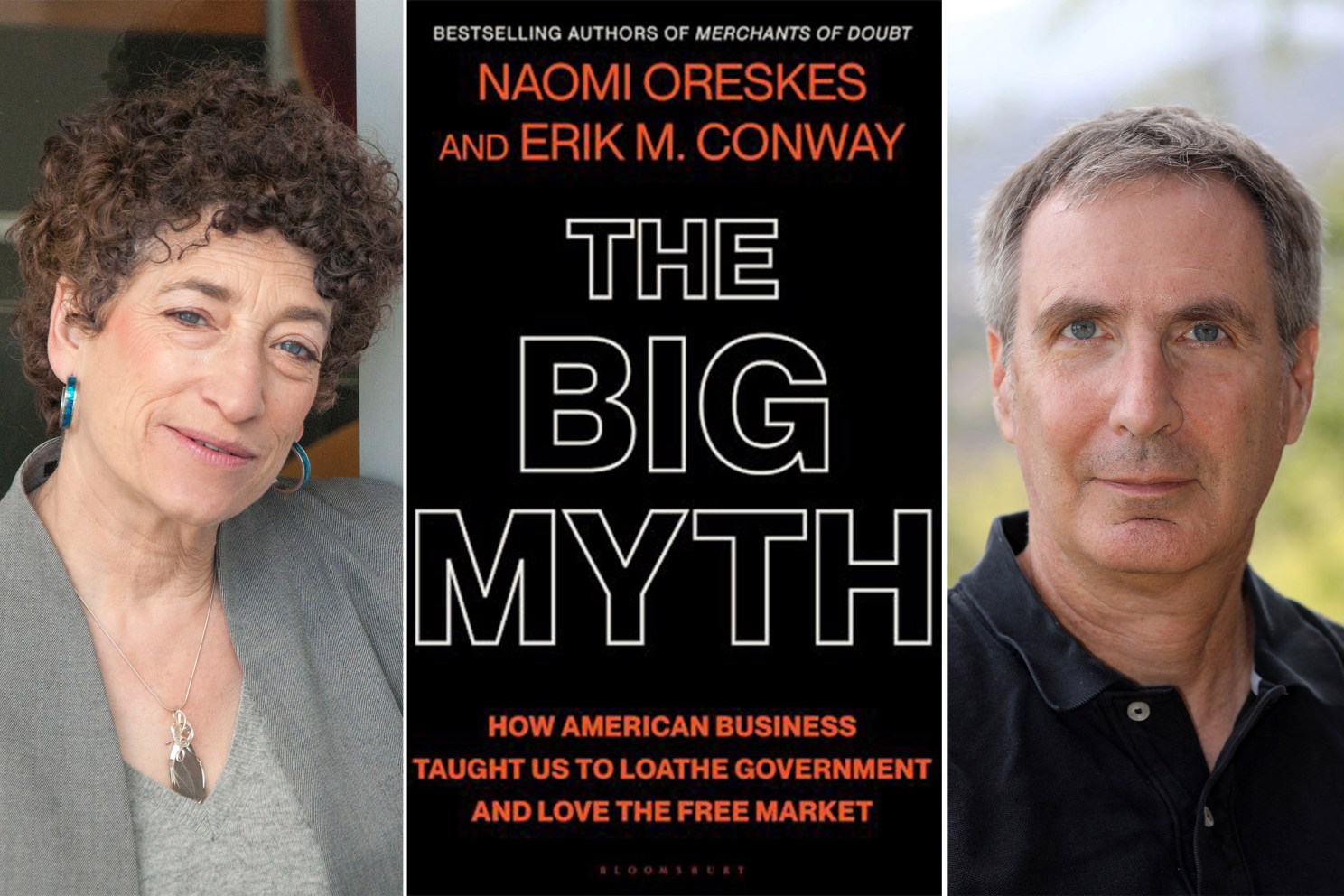
Naomi Oreskes traces the decadeslong campaign to get Americans to put their faith in free market as a force for positive change over government.
-
More turbulence likely ahead after bank collapses
Former U.S. Treasury Secretary Lawrence H. Summers says regulators have significant tools at their disposal, need to be vigilant of specific vulnerabilities.
-
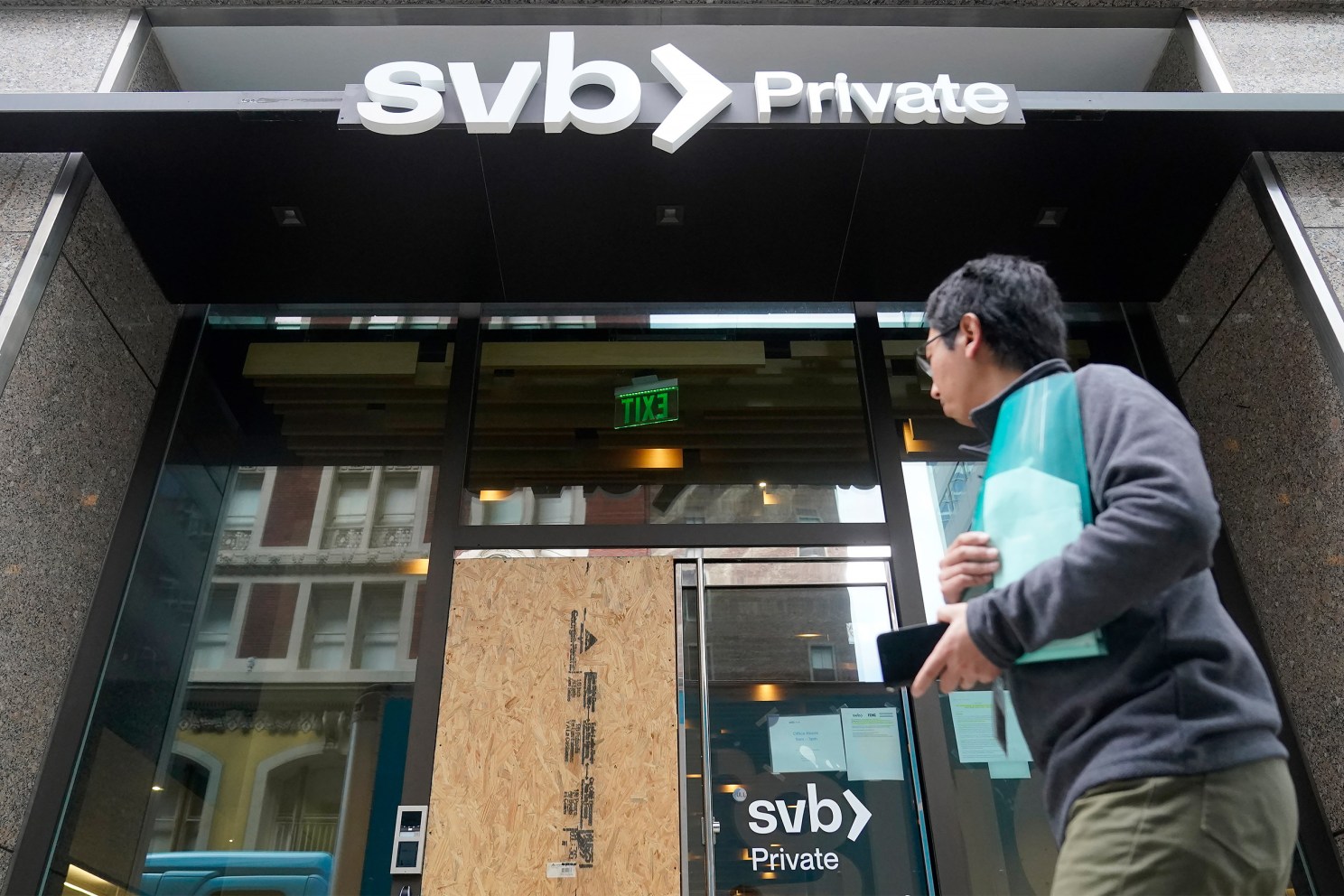
Bailouts for everyone?
Harvard Law School professor Daniel Tarullo, a former Federal Reserve Board member, explains the fallout from the bank failures and how they could complicate the Fed’s efforts to curb inflation.
-
How did Americans come to trust markets more than government?
Book by Naomi Oreskes, Erik Conway traces history of how Americans came to trust markets more than government.