Featured series

Tag: Exercise
-
-
Nation & World
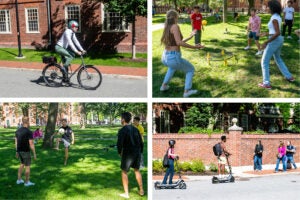
Getting some exercise, with a little help from friends — and app
CrimsonZip aims to get the community off the couch by helping people find others looking for a workout — or just a walk.
-
Nation & World
Longevity benefits of Mediterranean diet know no boundaries
In a study of adults in the U.K., those who adhered closely to a Mediterranean lifestyle had a 29% lower risk of all-cause mortality and a 28% lower risk of cancer mortality.

-
Nation & World
Too busy for daily exercise? Study finds same benefits for ‘weekend warriors.’
Study finds similar health benefits for those who concentrate workouts 1-2 days a week.
-
Nation & World
Take it from the experts, a pet can change your life
The health benefits of animal companions have been supported by science but not society, with the disadvantaged facing similar barriers to pet ownership as they do in securing proper healthcare, experts said at the Harvard T.H. Chan School of Public Health on Monday.

-
Nation & World
Faster, fitter?
Not really, says Spaulding Rehab expert. When you go for a walk, focus on this instead.
-
Nation & World
Lifestyle influences long COVID risk
Findings suggest that simple lifestyle changes, such as having adequate sleep and maintaining a healthy body weight could prevent long COVID symptoms.
-
Nation & World
Really need to start exercising but hate it? Just move
Health professionals say any regular activity is useful. If it’s been a while, ramp up ‘like a crockpot: low and slow’
-
Nation & World
Gorge today, sweat tomorrow? That’s not how it works.
Researcher I-Min Lee outlines fresh data showing that you can’t outrun a bad diet.

-
Nation & World
Grandma’s workouts may have made you healthier
Researchers found that grandmothers’ exercise habits likely impact their grandchildren’s health.
-
Nation & World
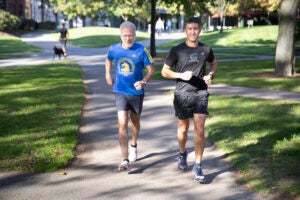
Taking it easy as you get older? Wrong.
Study says that physical activity later in life shifts energy away from processes that compromise health and toward mechanisms in the body that extend it.
-
Nation & World
People weren’t so lazy back then
Research comparing 19th- and 21st-century Americans finds a half-hour decline in physical activity. Blame it on planes, trains, and automobiles.

-
Nation & World
No one outruns death, but hunter-gatherers come closest
Our sedentary tendencies may be robbing us of a key benefit of physical activity.
-
Nation & World
Exercise: It’s all about timing
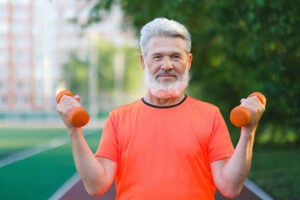
Based on observational data, it was found that the timing of daily physical activity was linked to fitness levels and cardiovascular risks in men with Type 2 diabetes.
-
Nation & World
‘In mens sana, in corpore sano’ — even in fourth grade
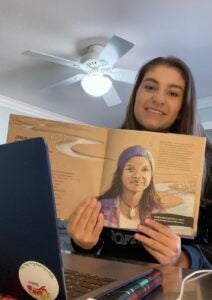
College students helped read Lindsey Metcalf’s “No Voice Too Small” and talked about the importance of staying active, even when school is at home.
-
Nation & World
How to make exercise happen
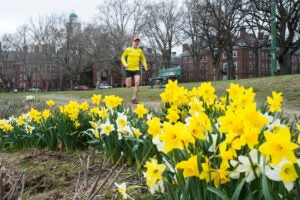
An excerpt from Daniel Lieberman’s newest book, “Exercised: Why Something We Never Evolved to Do is Healthy and Rewarding.”
-
Nation & World
Why run unless something is chasing you?
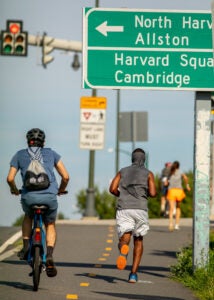
In his new book, “Exercised: Why Something We Never Evolved to Do Is Healthy and Rewarding,” Daniel Lieberman ’86 explores exercising myths.
-
Nation & World
12-minute exercise bursts offer big benefits
A new study describes how a 12-minute burst of cardio exercise impacted more than 80 percent of circulating metabolites, including pathways linked key bodily functions such as insulin resistance, oxidative stress, vascular reactivity, inflammation, and longevity.
-
Nation & World
Running, walking, cycling, and rolling together
In a one-of-a-kind, University-wide virtual 5K called Harvard Moves, participants will “run, jog, walk, cycle, or roll” to promote wellness, build community, and raise funds for student financial aid.
-
Nation & World
Lower risk of depression with elevated exercise
After mining millions of electronic health record data points, researchers found people who were more physically active at baseline were less likely to develop depression, even after accounting for genetic risks.
-
Nation & World
Exercise, fasting help cells shed defective proteins
A new study from the Blavatnik Institute finds that intense exercise and fasting activate hormones that boost cells’ capacity to dispose of defective proteins, which clog up the cell, interfere with its functions, and, over time, precipitate diseases including neurodegenerative conditions such as ALS and Alzheimer’s.

-
Nation & World
12-step guide to keeping those resolutions
Figure out what resolutions fit your lifestyle and then make them happen with some expert advice.

-
Nation & World
‘Exercise hormone’ found to target key bone cells
Scientists have discovered that irisin, a hormone released by muscles during exercise, directly acts on key regulatory cells that control the breakdown and formation of bone.
-
Nation & World
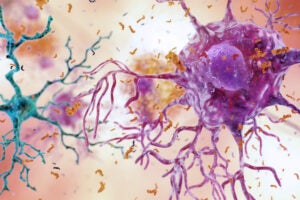
Exercise can ‘clean up’ Alzheimer’s environment
Study finds that inducing production of new neurons can improve cognitive function in a mouse model of Alzheimer’s disease.
-
Nation & World
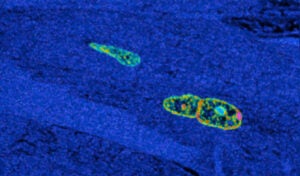
Exercise may help make heart younger
In a new study performed in mice, Harvard researchers found that exercise stimulates the heart to make new muscle cells, both under normal conditions and after a heart attack.
-
Nation & World
Giving kids a running start
Massachusetts General Hospital and Harvard Medical School researchers tested the impact of a before-school exercise program on kids’ emotional and physical health.

-
Nation & World
Design for movement
GSD architecture graduate Lauren Friedrich, M.Arch. ’16, looks at how architecture can better support health by providing unexpected physical challenges and minor obstacles rather than always prioritizing ease and comfort.

-
Nation & World
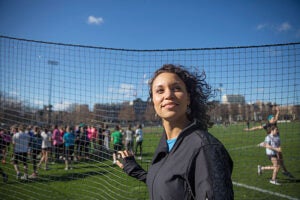
The joys (and benefits) of movement
Erica Tukiainen used exercise to transform herself from a chubby kid to a collegiate basketball player. She wants to use lessons learned at the Harvard Chan School to help others add much-needed exercise to their lives.
-
Nation & World
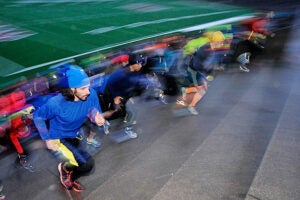
Ups and downs at Harvard Stadium
“Good morning!” barks a scarf-wrapped runner in tights, peering through the darkness as she climbs the steps into cavernous Harvard Stadium. A woman nearby responds, “Oh, Hallie, how are you?…
-
Nation & World
A strong start toward good health: Good choices
Lifestyle choices remain the best way to prevent heart attack, stroke, diabetes, cancer, and cognitive decline, panelists agreed.