
 Featured series

Arts & Culture
-
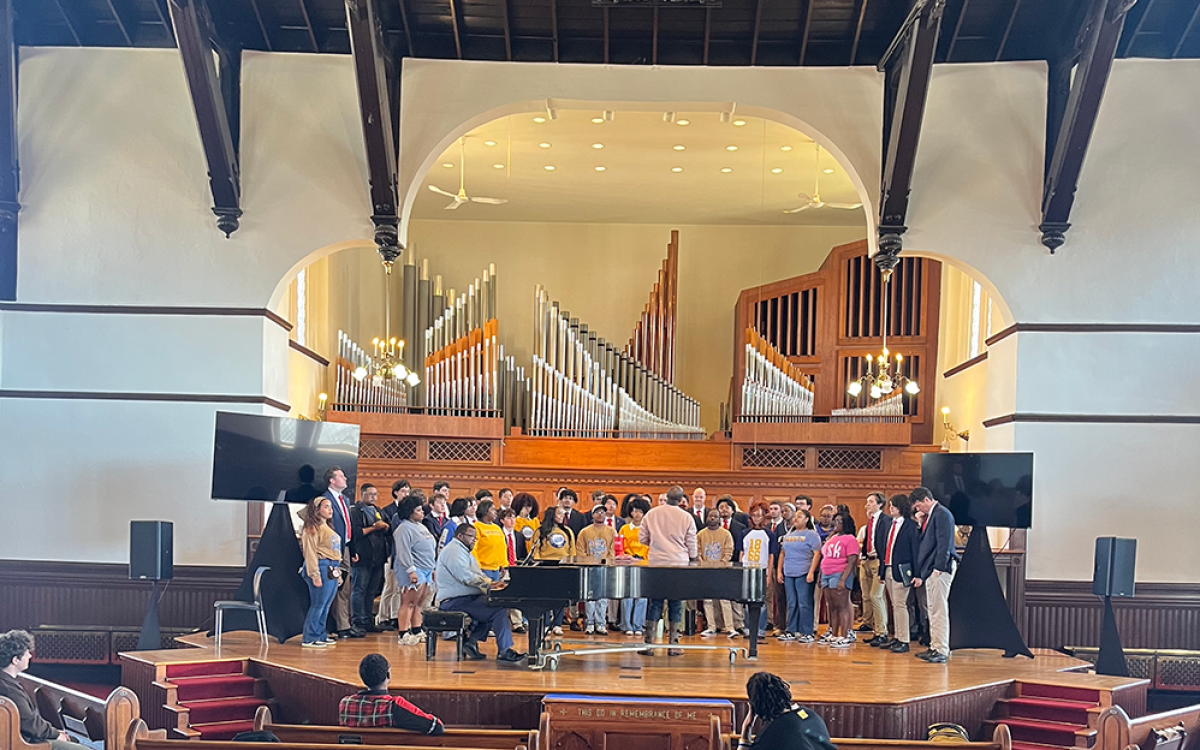
Historic collab: Harvard’s Glee Club, Fisk’s Jubilee Singers
Two of nation’s most storied collegiate choirs join to share, perform in Nashville
-
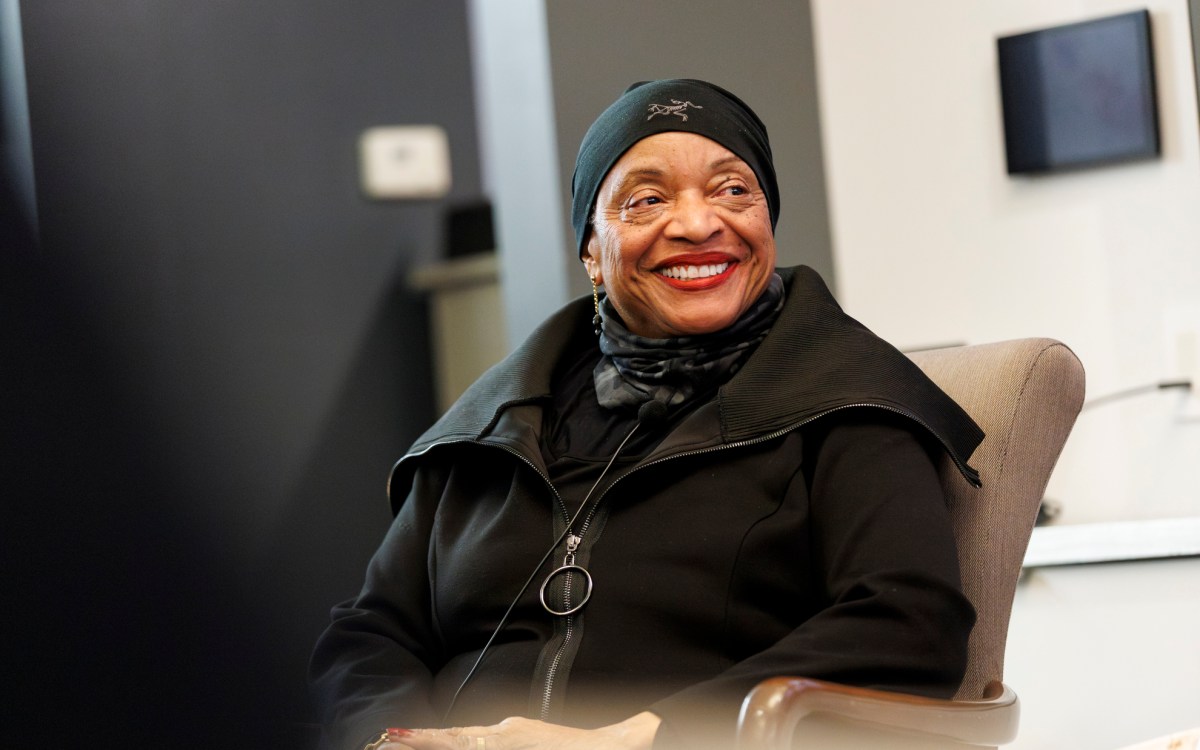
A lost archive of Black history
25 years after landmark photography book, Deborah Willis is still scouring albums, attics, cabinets, cards to fill in the record
-
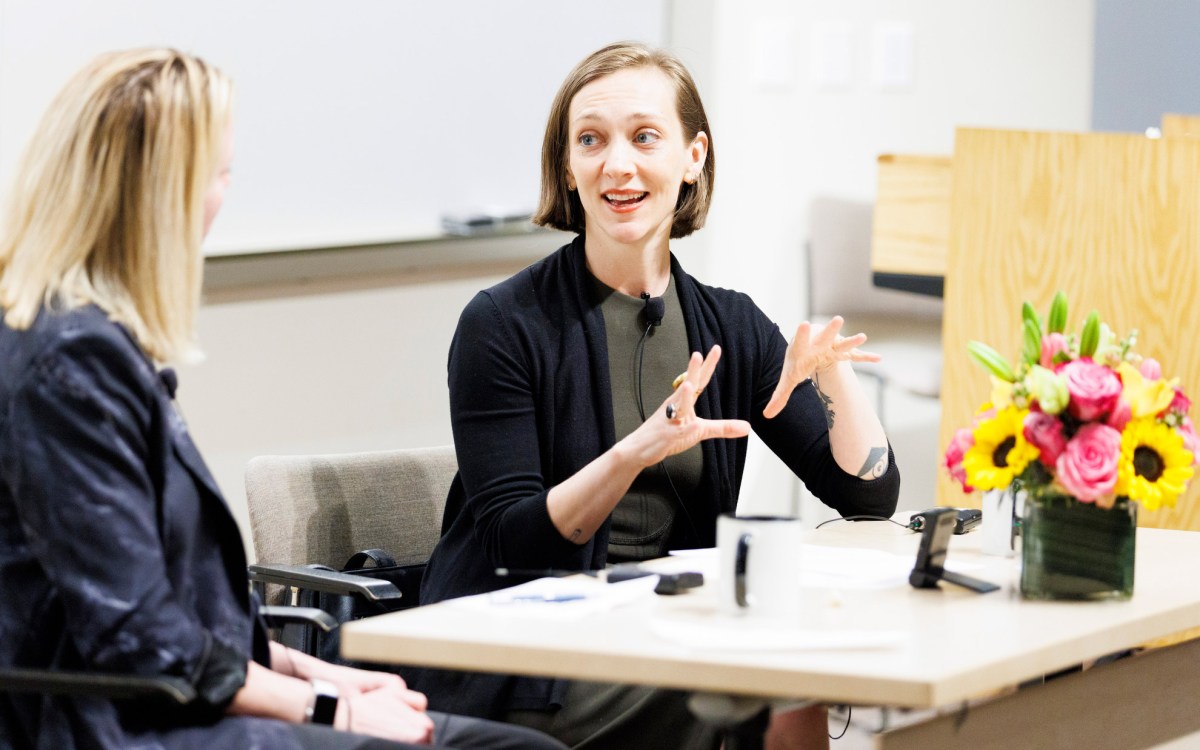
When a fictional character becomes too real
Why Catherine Lacey can’t avoid ‘terrifying’ disclosures on the page and every story feels like her last
-
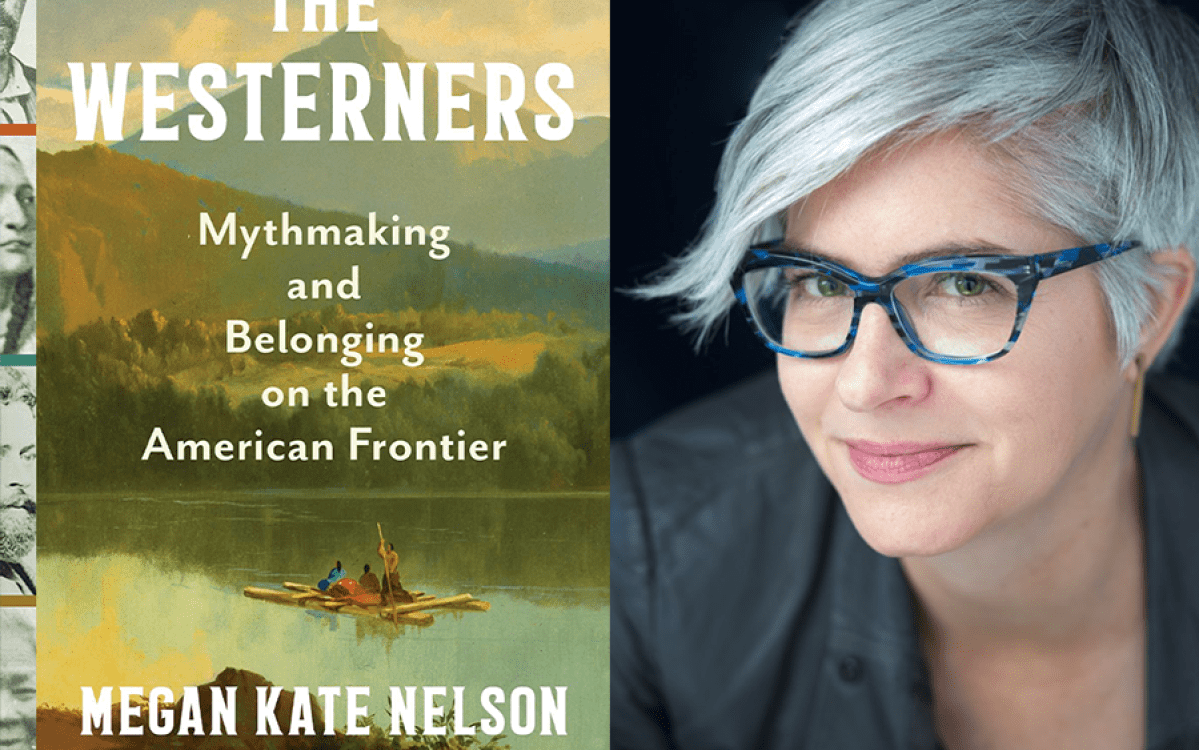
Not your father’s Wild, Wild West
Megan Kate Nelson’s new book challenges myths of American frontier, finds more diverse, complex saga
-
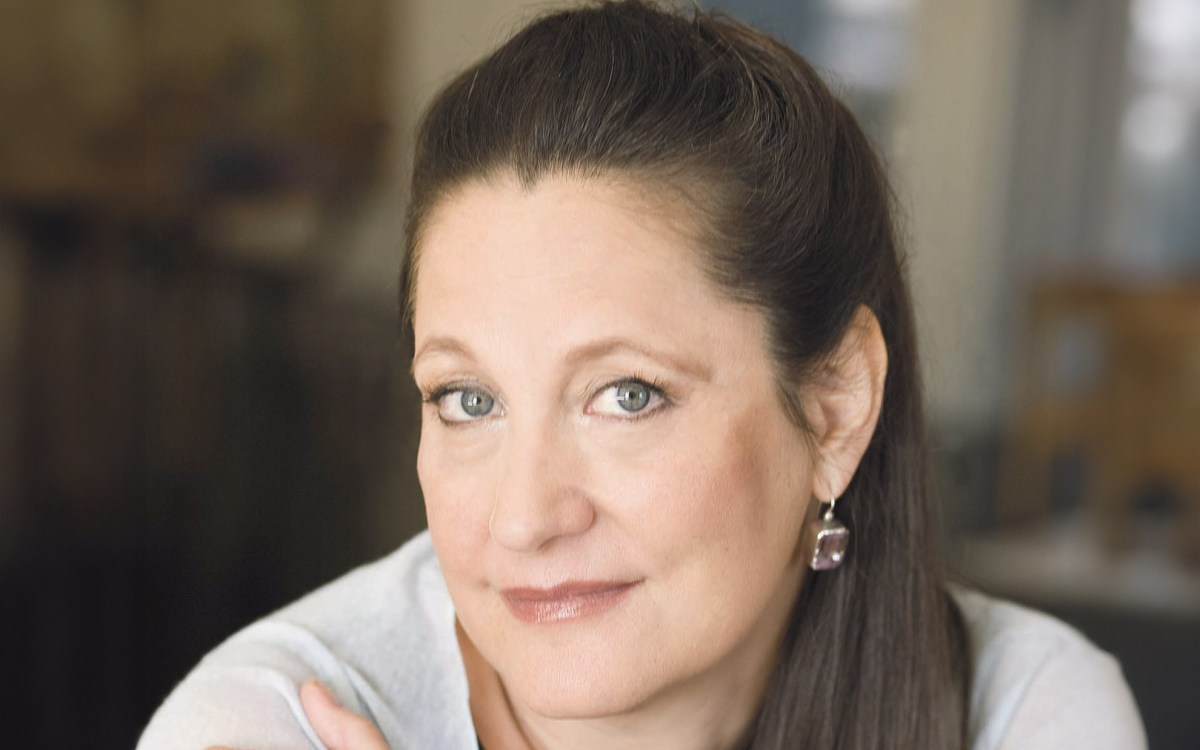
‘She took those kids and left before he got home from work.’
Jayne Anne Phillips recalls childhood visits to beauty shop in rural West Virginia hometown in new memoir
Part of the Excerpts series -
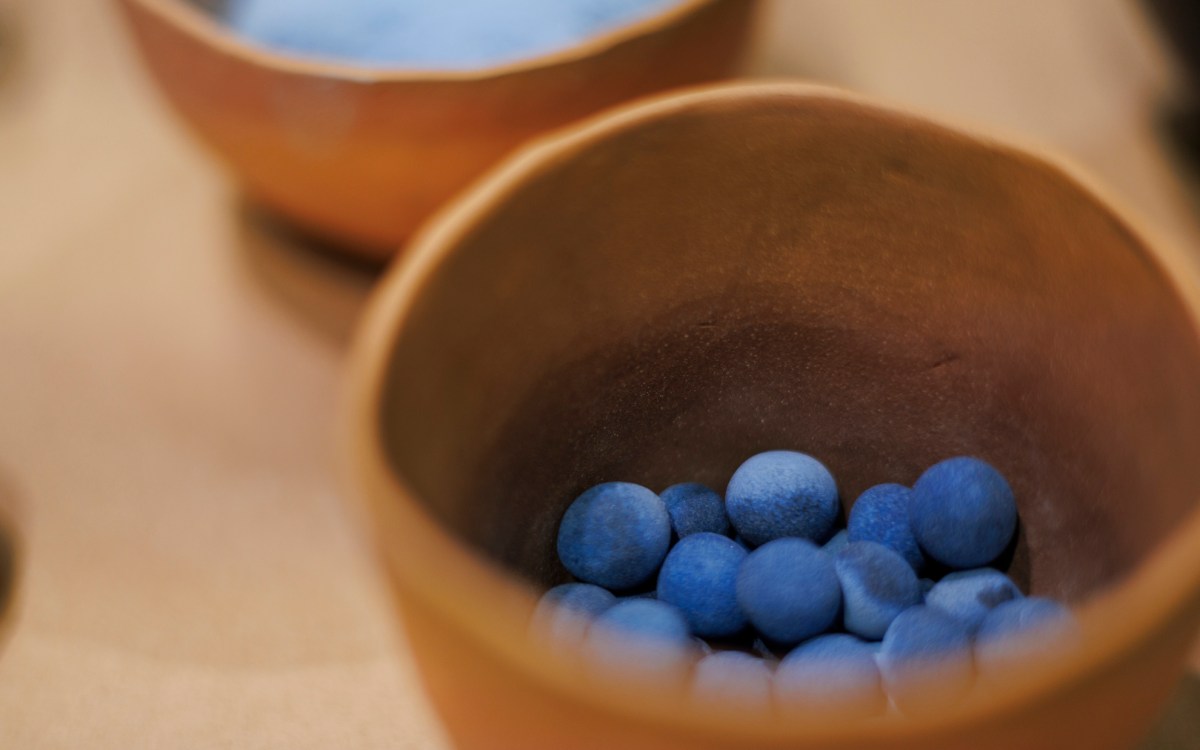
When Egyptians made blue
Art Museums workshop explores 1st synthesized pigment, examines its legacy
-
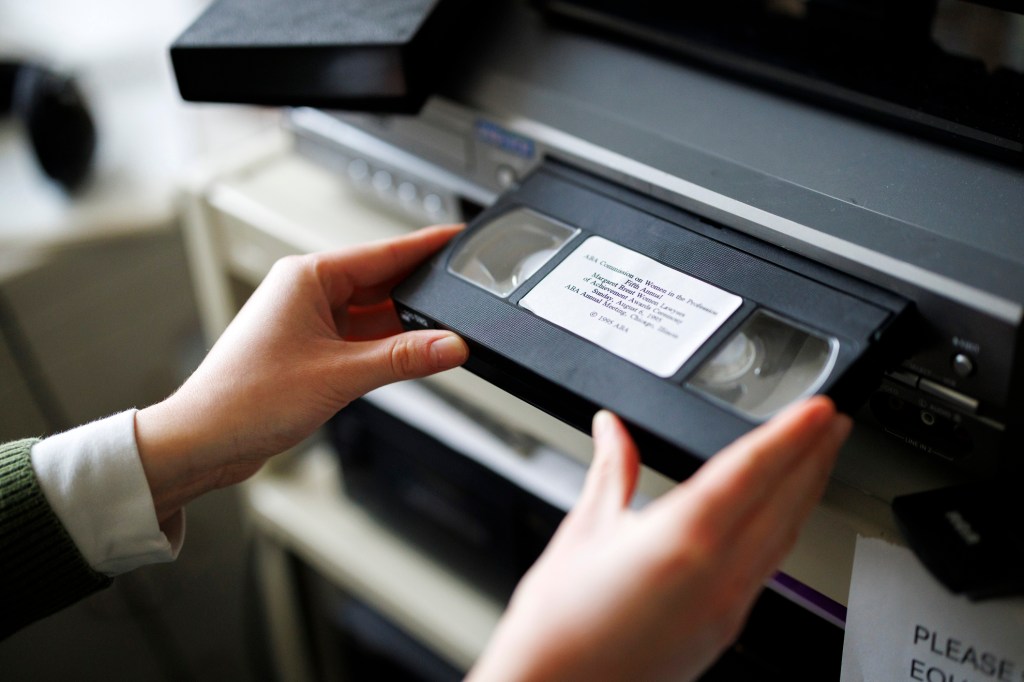
Time has not been kind to VHS
As tech turns 50, preservationists race to save material stored on vanishing format. Methods include … baking?
-
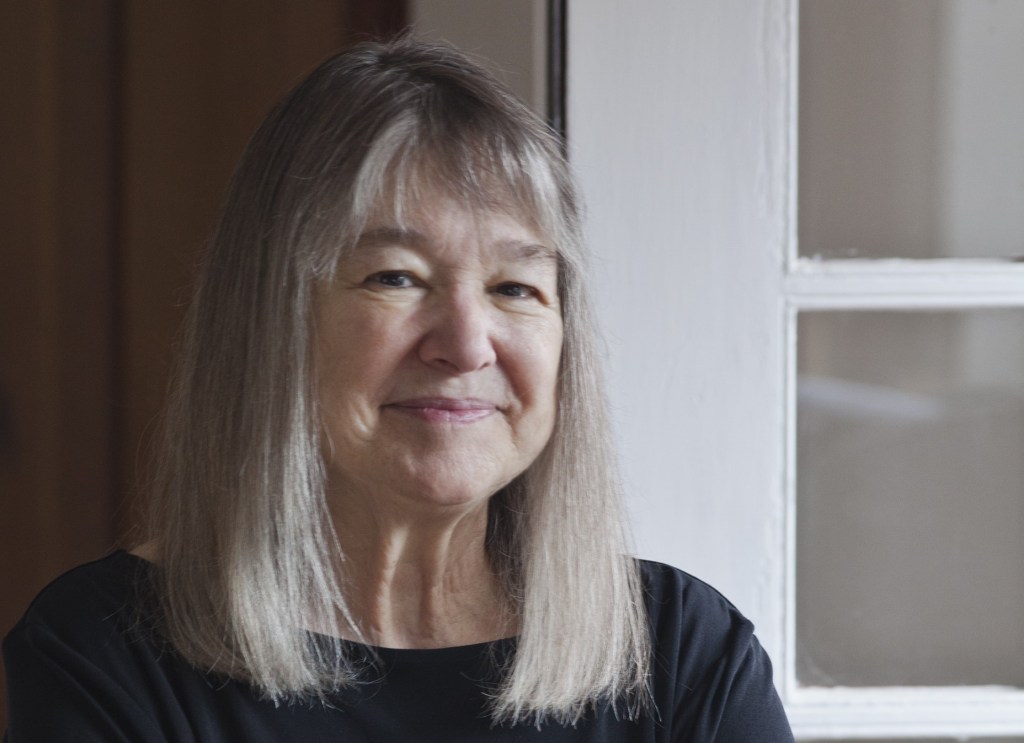
Writing about a pet frog is trivial? Anne Fadiman disagrees.
‘We need beauty, wit, and attention to small things even more when we have to face large, painful things,’ essayist says about new book
-
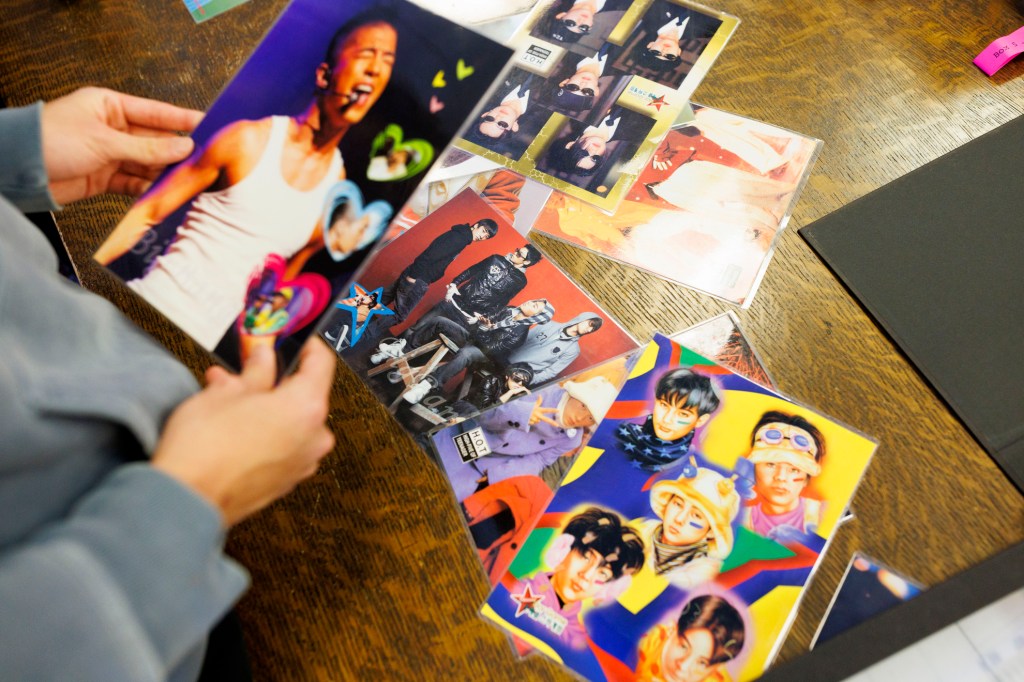
A treasure trove for K-pop fans
‘Korean Stars’ course inspires Yenching’s 17-box collection of merch spanning ’90s to today
-
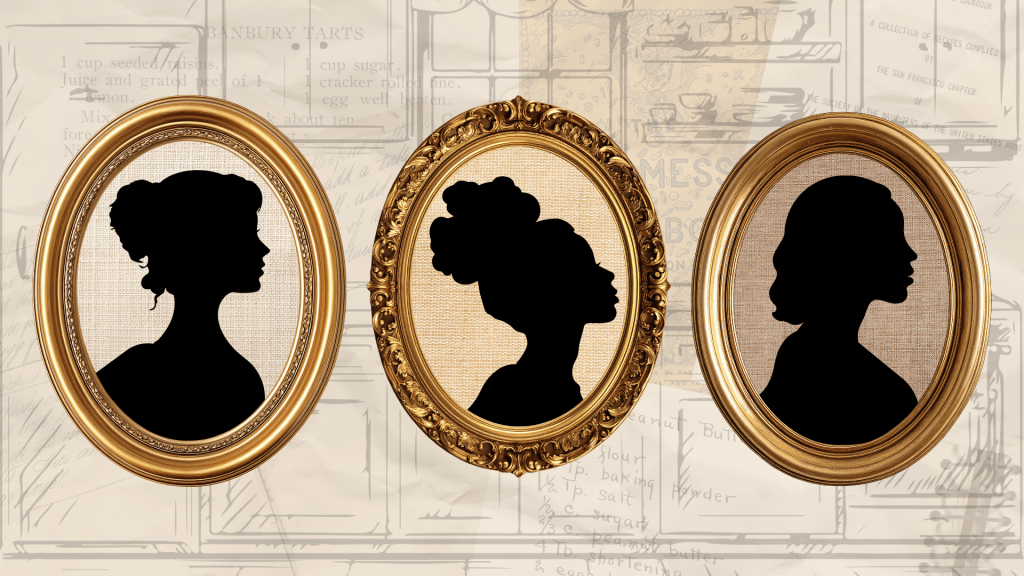
An exhibit marked with food stains and handwritten notes
Radcliffe explores social histories of recipes through its vast collection of community cookbooks
-
Ways to keep talking — and maybe find way forward — amid riven times
Julia Minson’s new book says starting point involves signaling goodwill, respect, highlighting shared interests
-
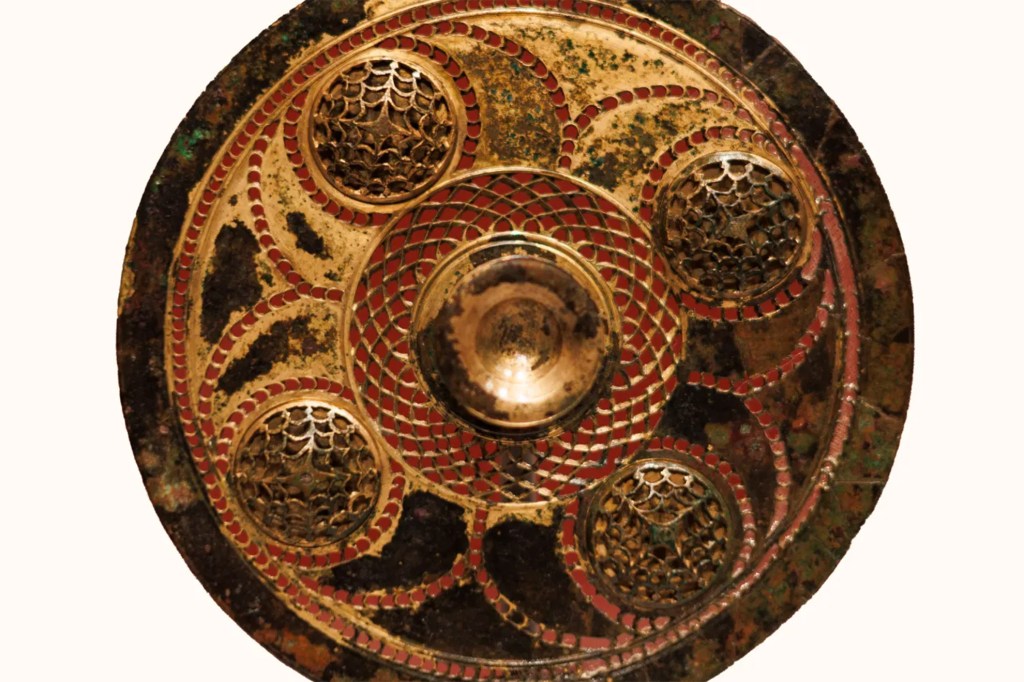
Is this art Celtic? It’s complicated.
New Harvard Art Museums exhibition aims to upend expectations as it explores history, complexity of group of diverse peoples
-
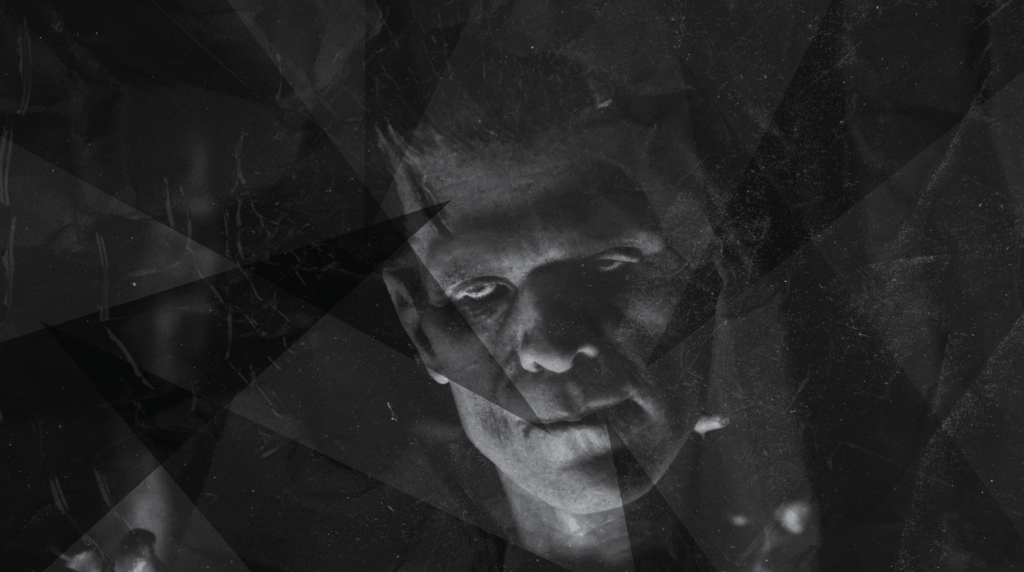
Our ‘Frankenstein’ fixation
Why Mary Shelley’s 19th-century monster haunts us still
-
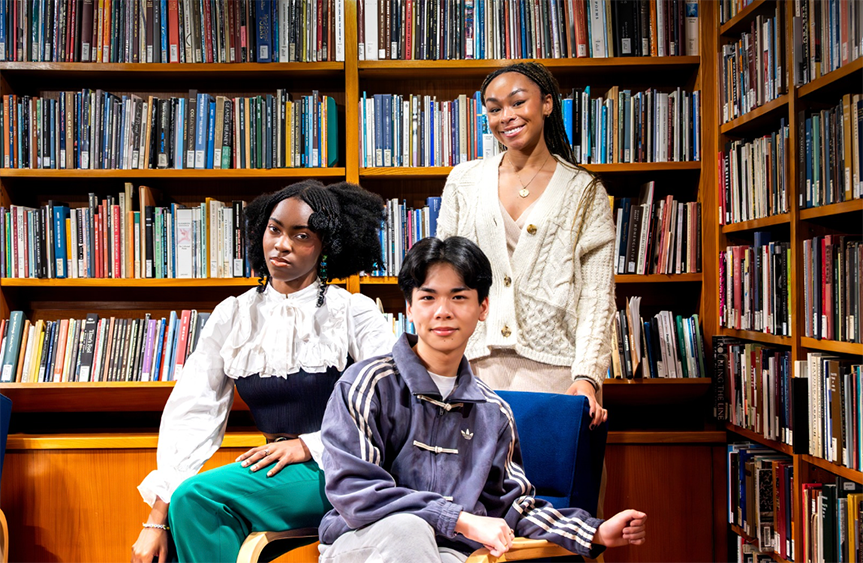
The art of College poetry
‘This is the thing I love,’ says one Harvard laureate. She’s not alone.
-
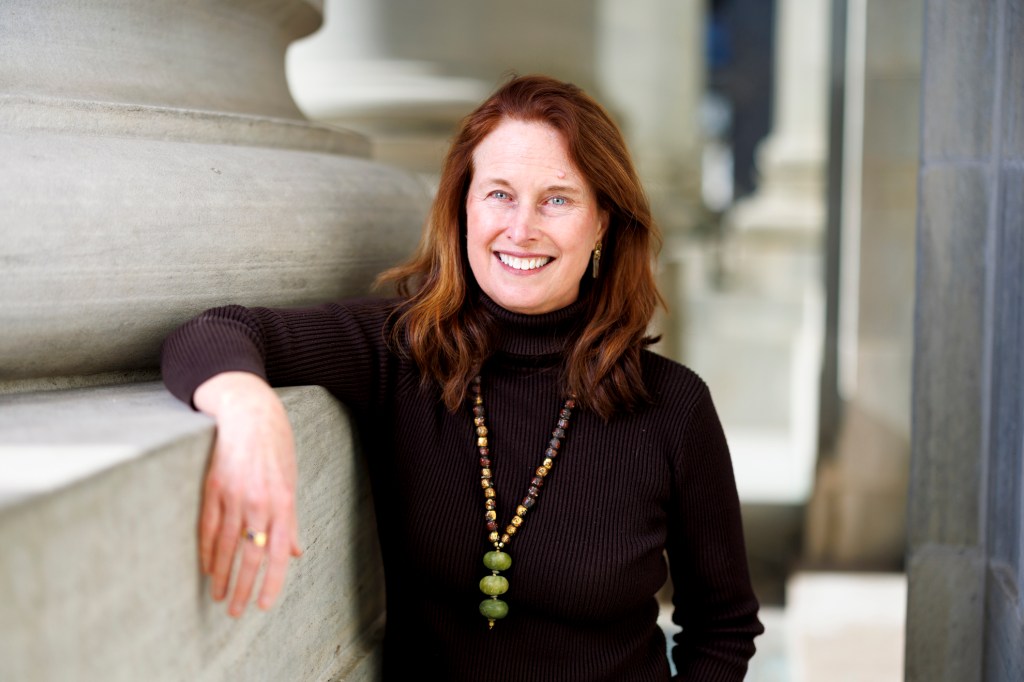
‘New trick’ at 50: Fiction. And now, raves.
Janet Rich-Edwards on the Radcliffe moment that helped turn an epidemiologist into a novelist
-
Harvard meets Hollywood: A quiz
What, like it’s hard?

-
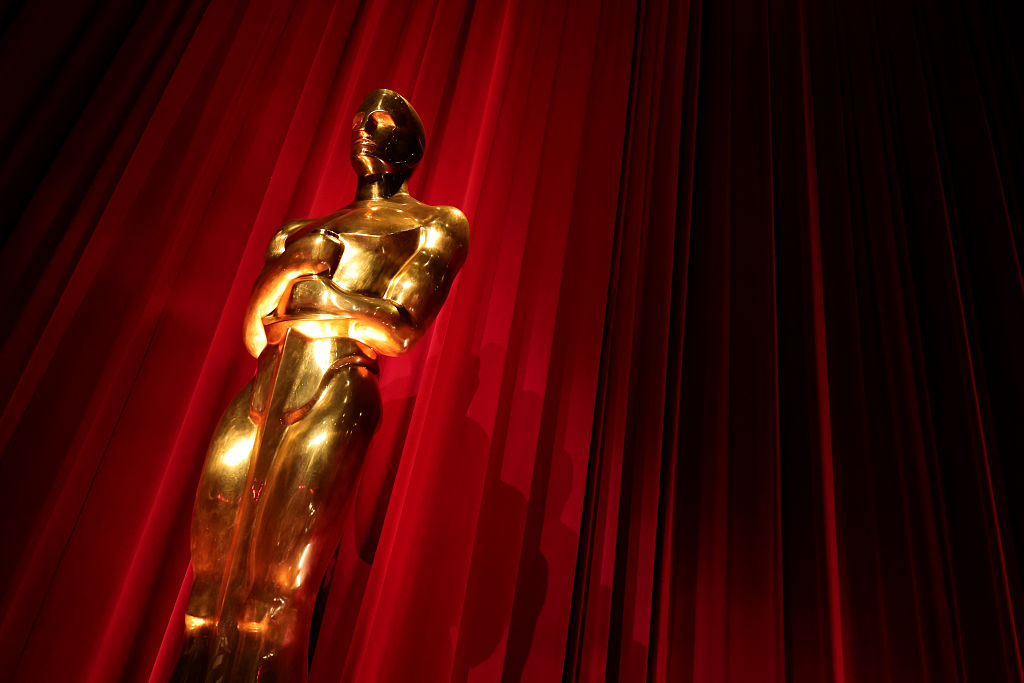
The downside of winning an Oscar
Alum with Academy Award to his credit details hills and valleys of Hollywood career
-
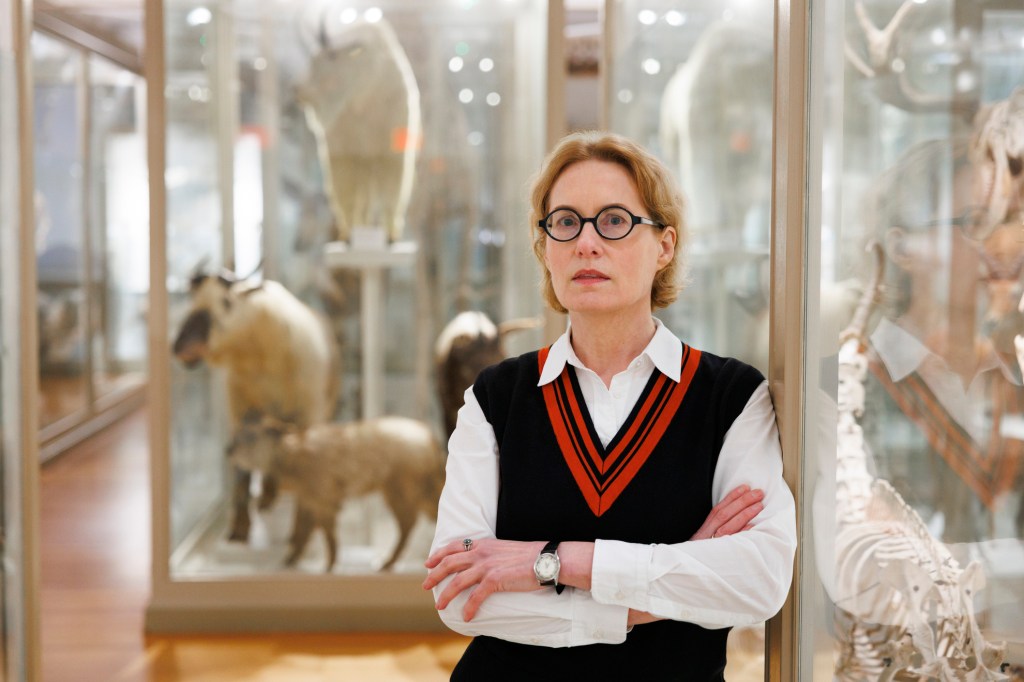
How Ben Franklin put a charge into American independence
Reputation in science was key to his political power, historian says. On the other hand, ‘Frankenstein.’
-
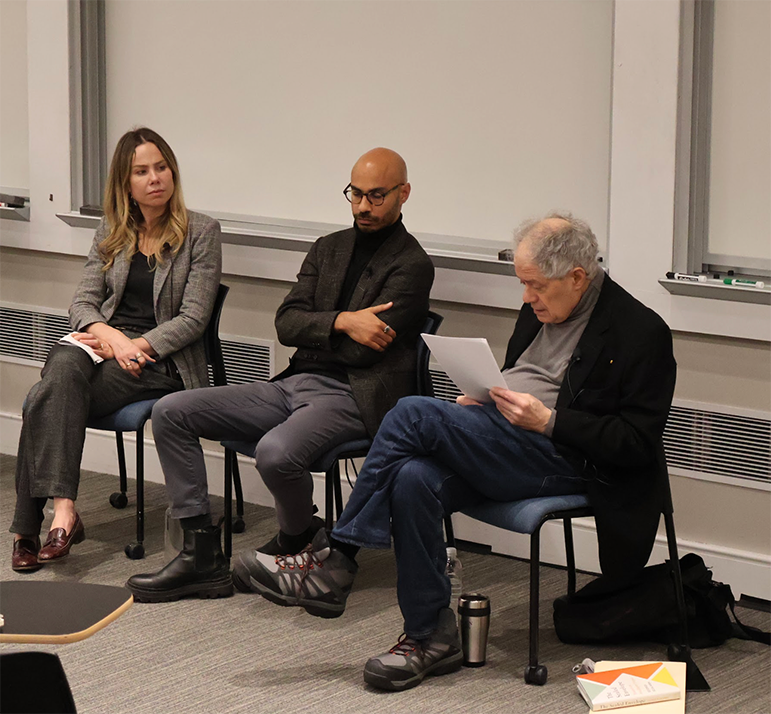
Where have all the public intellectuals gone?
Panel discusses evolving tradition in U.S. due to social, economic shifts, and need for such thinkers in democratic cultures
-
Who still goes to the movies?
For some, ease of streaming can’t beat thrill of watching films on the big screen
-
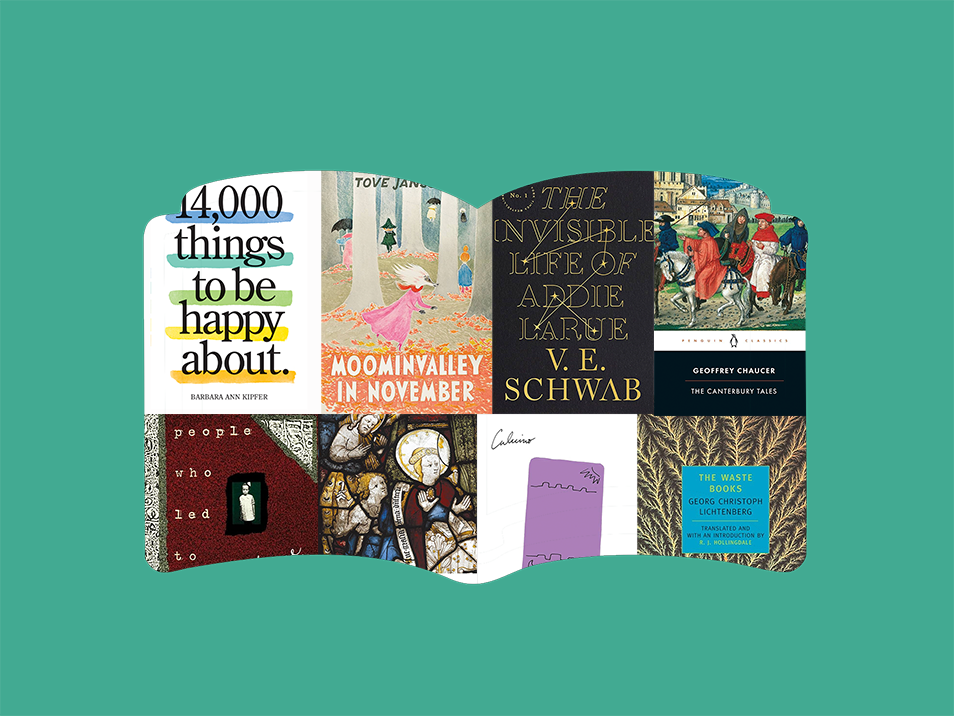
That’s a book?
Faculty, staff offer recommendations for side trips off the beaten path
-
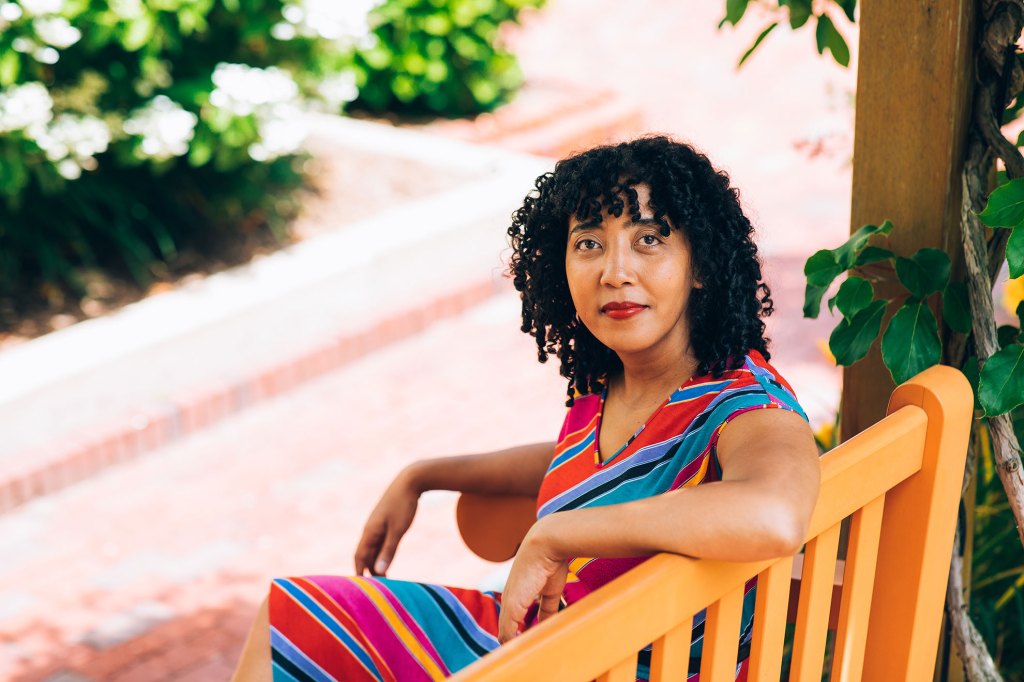
Immersed in Toni Morrison’s multitudes
Professor’s book is an appreciation of Nobel-winning novelist’s ‘difficult’ oeuvre — and a defense
-
Audiobooks don’t really count as reading? Think again.
Education scholars say rigor, learning same as paper, stigma an unnecessary hurdle

-
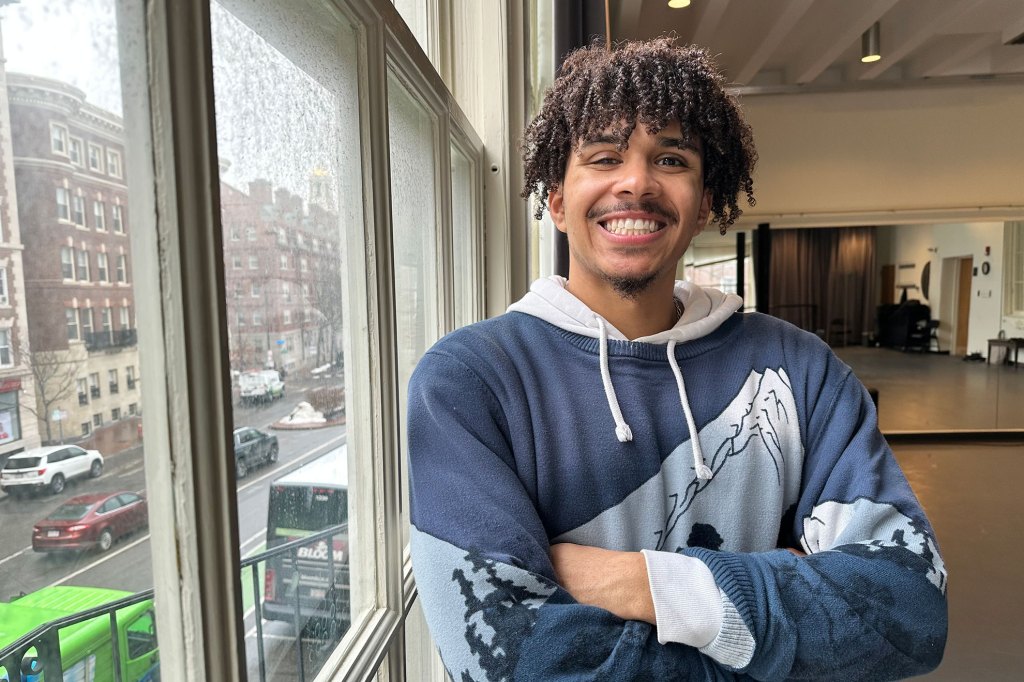
Retelling Frederick Douglass’ story, with a soundtrack
Senior composes musical about abolitionist’s early life
-
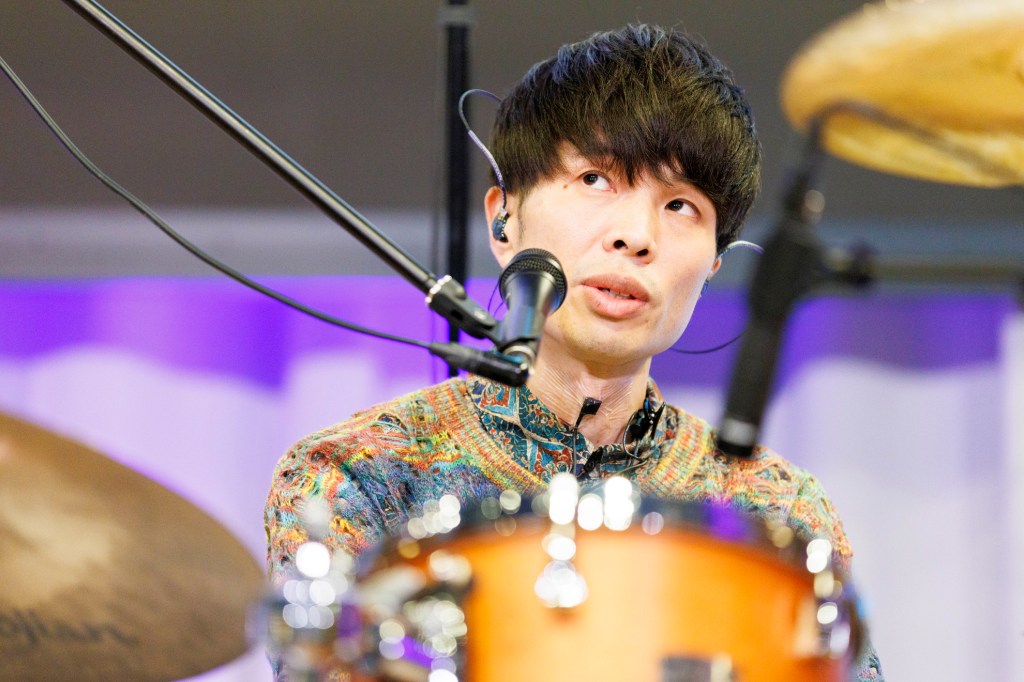
‘The sound stopped suddenly’
After rare condition robbed drummer of ability to play music, science led him back
-
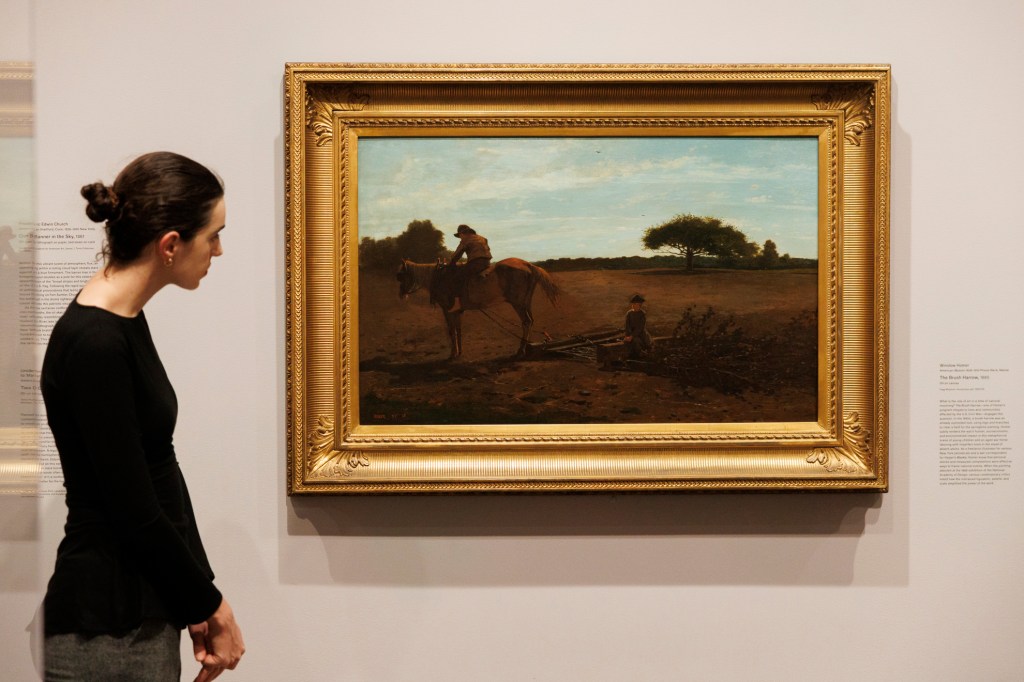
Moved by what’s missing in Homer’s ‘Harrow’
Curator launches series steeped in U.S. history
-
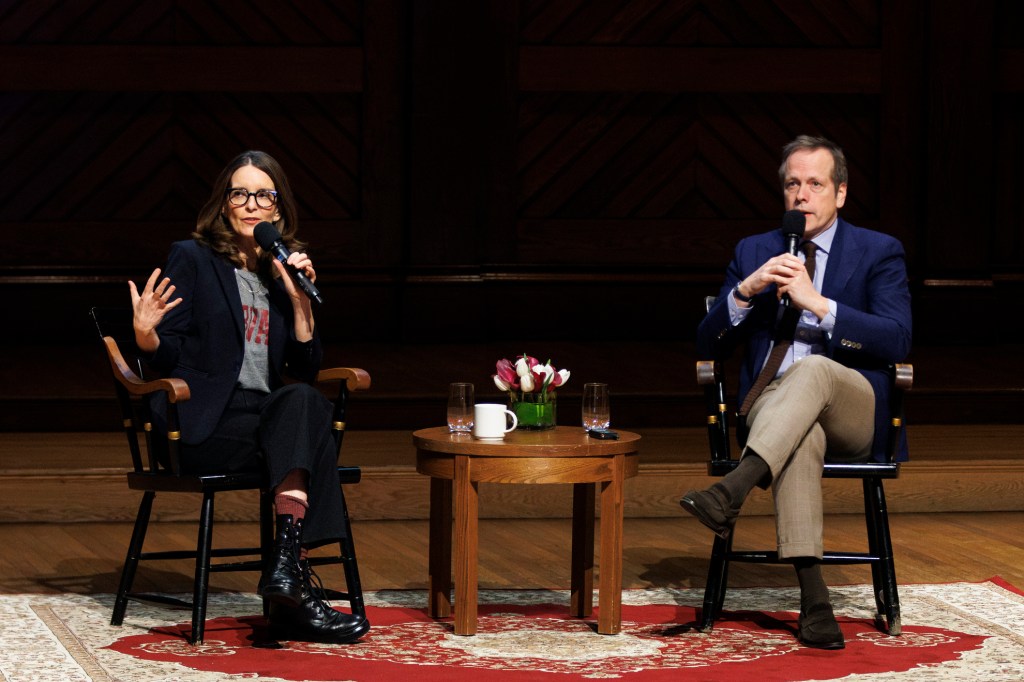
Tina Fey’s keys to a good joke: Snark, confidence, surprise
Comedian keeps Harvard crowd laughing with longtime co-writer Robert Carlock ’95
-
How Bad Bunny rocketed to global stardom
Music scholar charts ‘remarkable’ rise that transcended language barriers and cultural stigma

-
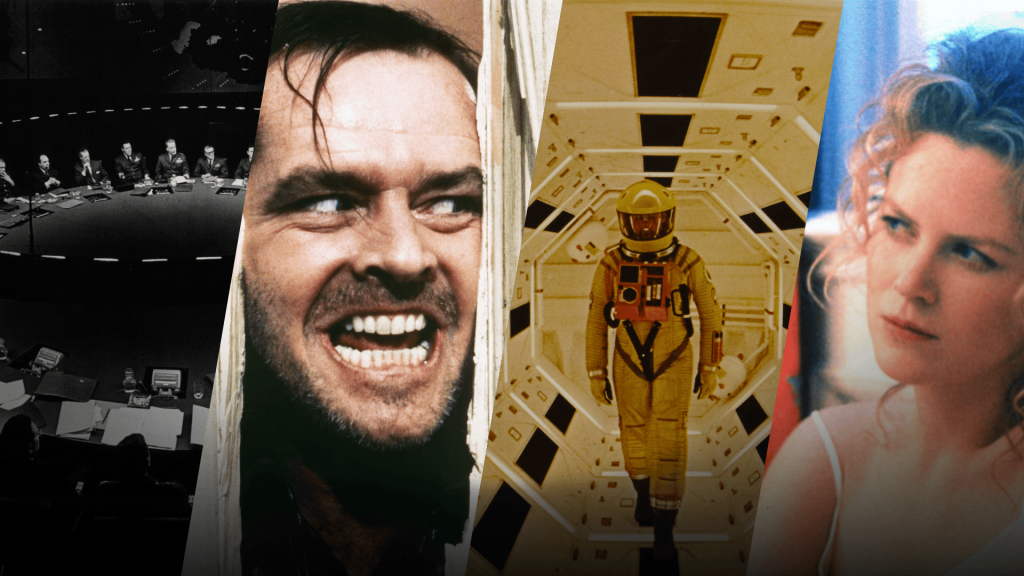
‘A whole new experience of Kubrick’
As HFA screens full works, professor dissects why films like ‘The Shining’ and ‘2001’ still provoke audiences today
-
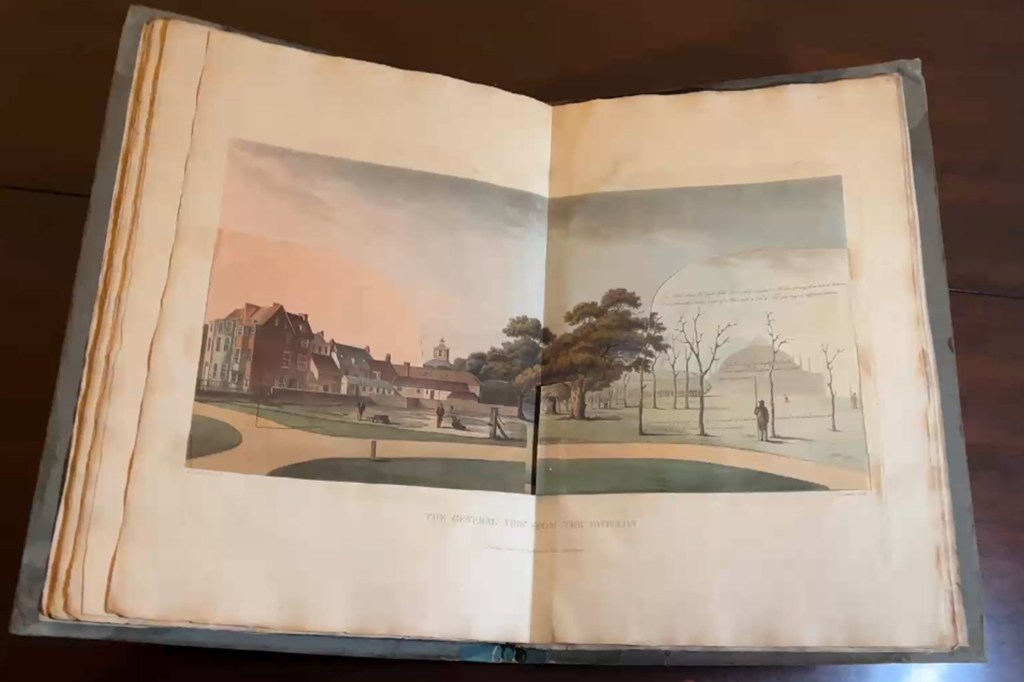
The stories behind the books
Harvard’s libraries hold volumes whose worth goes beyond their words
-
What do Whoopi Goldberg, Tony Kushner, and Yo-Yo Ma have in common?
They all visited Harvard as part of arts program kicking off 50th year with talk by Robert Carlock, Tina Fey

-
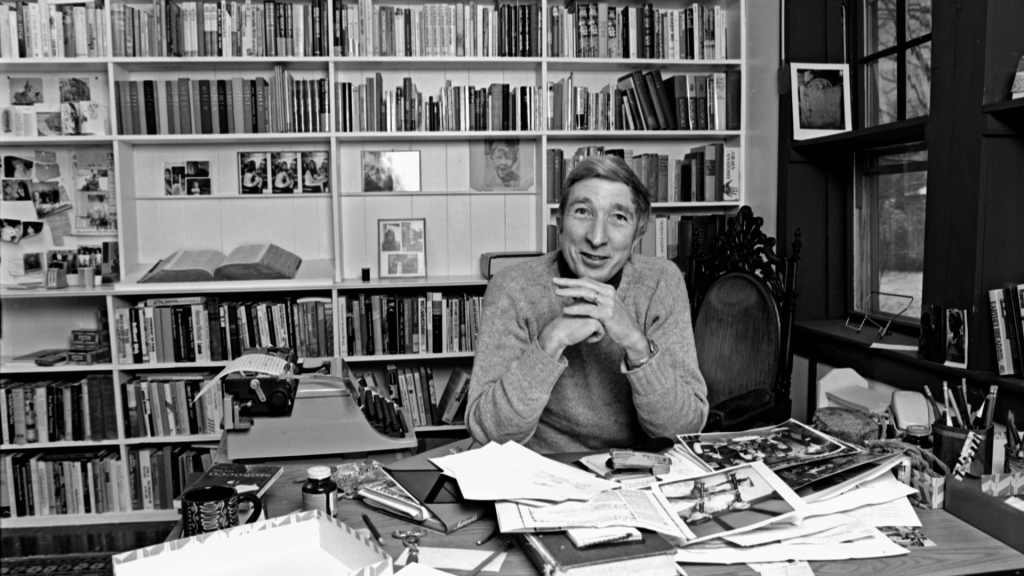
Updike’s life in letters
From teen penning fan mail on family farm to Pulitzer Prize-winning author: ‘He needed to write the way most of us need to breathe or eat’
-
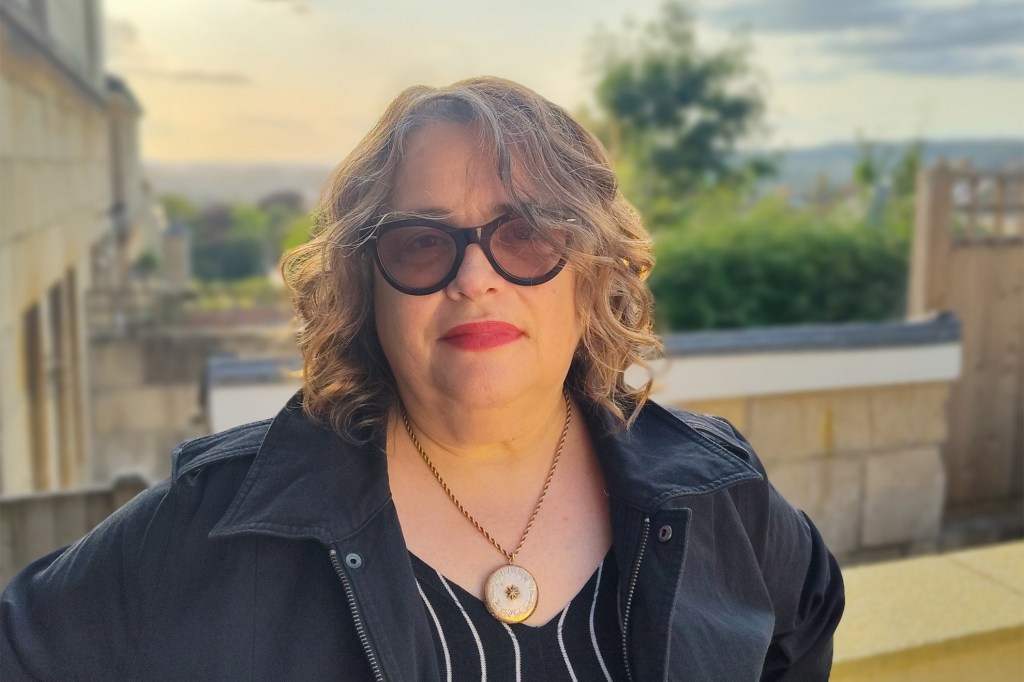
What karaoke taught Elizabeth McCracken about fiction
In new guide to writing, novelist details value of being able to live with failure — and why she no longer sings in public
-
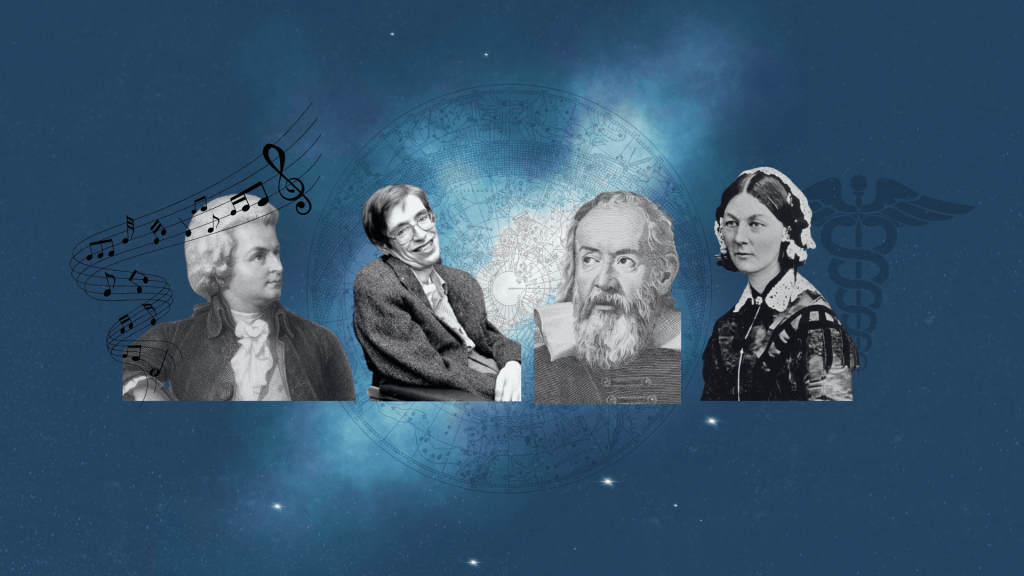
Dramatizing genius
Pop culture portrayals tend to favor the lone mastermind. These faculty faves are more realistic.
-
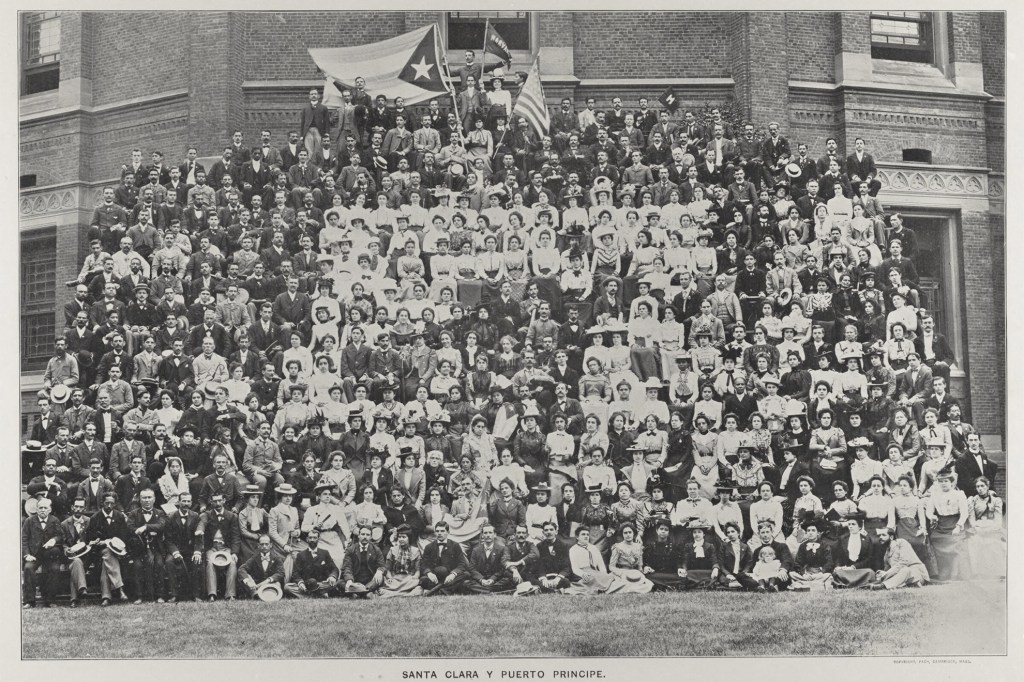
When Cambridge was a ‘tiny Cuba’
125 years ago, a Harvard expedition drew 1,200 Cuban educators to class
-
Seamus Heaney’s long migration
New collection traces life of courage, caution from Northern Ireland to Harvard
