Featured series


Health
-
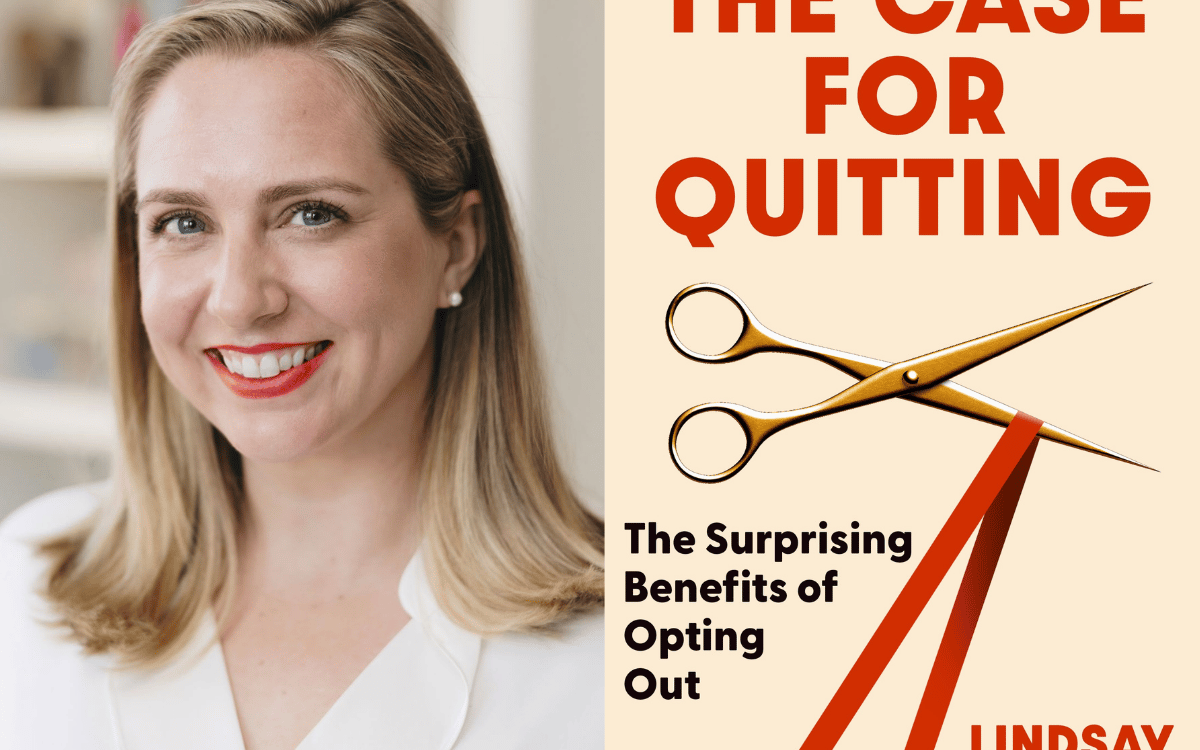
Time to leave?
‘Case for Quitting’ author Lindsay Crouse on why you’re wrong when you answer ‘persevere’
-
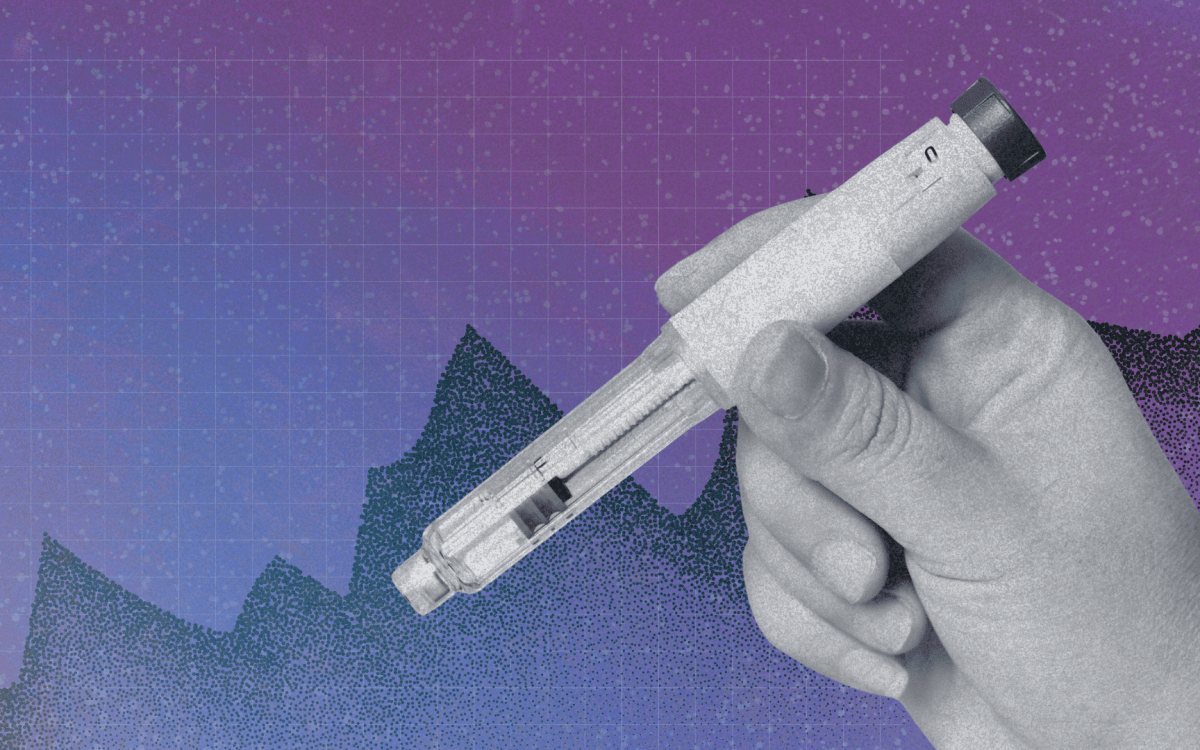
Who should take GLP-1s?
Experts dig into what we’ve overlooked in rush to embrace ‘magical’ weight-loss drugs
 Podcast
-
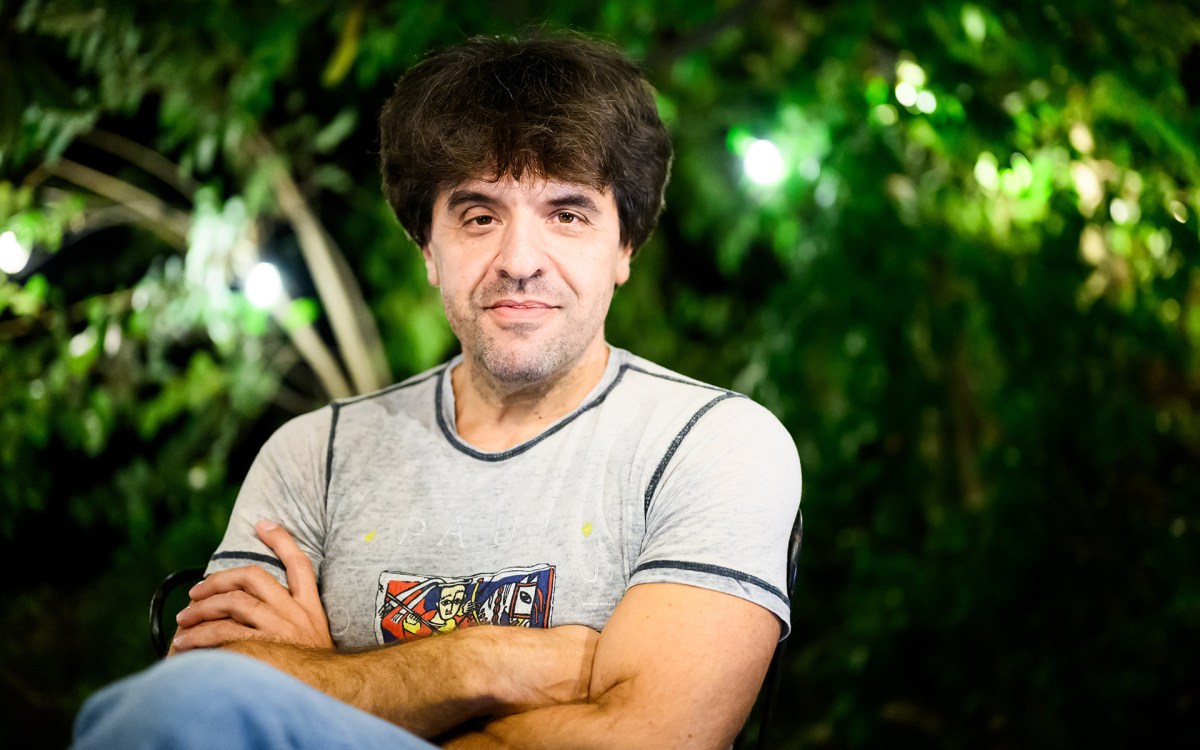
How can a book make you cry?
New Nobel laureate Karl Deisseroth draws line from his early interest in power of words to research on how brain works
-
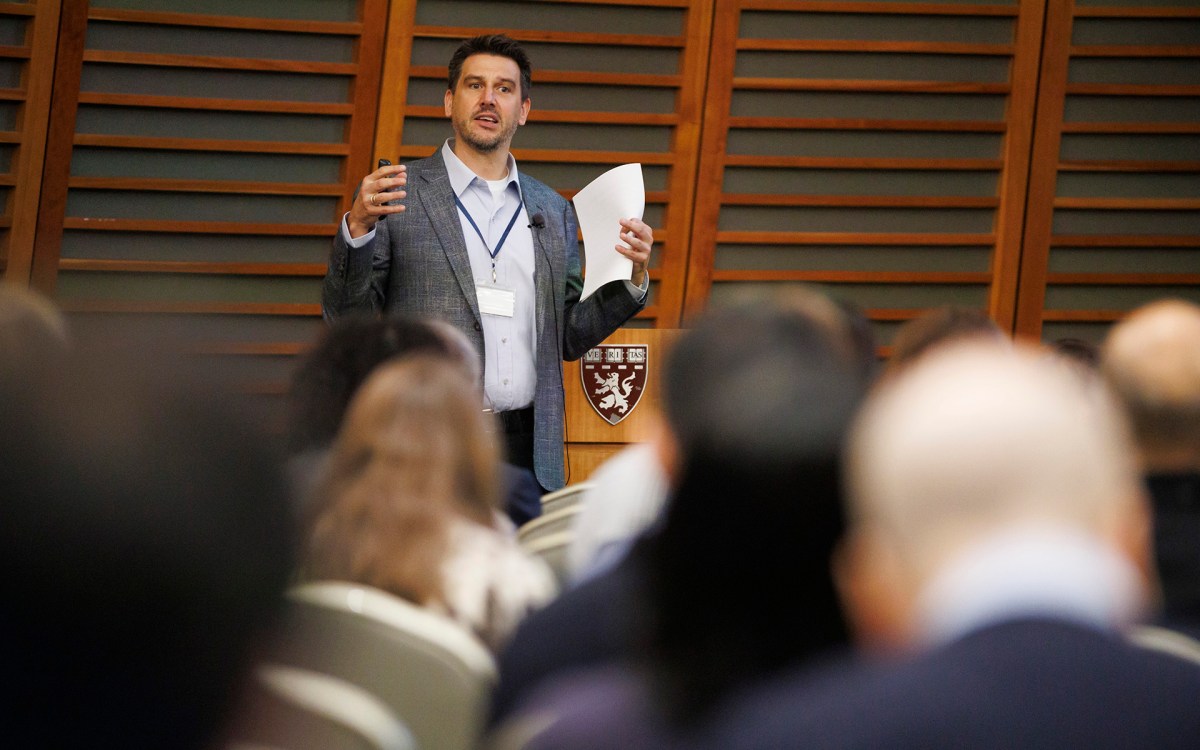
Living longer, disease-free
Healthy Aging Symposium convenes experts to discuss everything from ‘Nutrition 3.0’ to biology of dogs
-
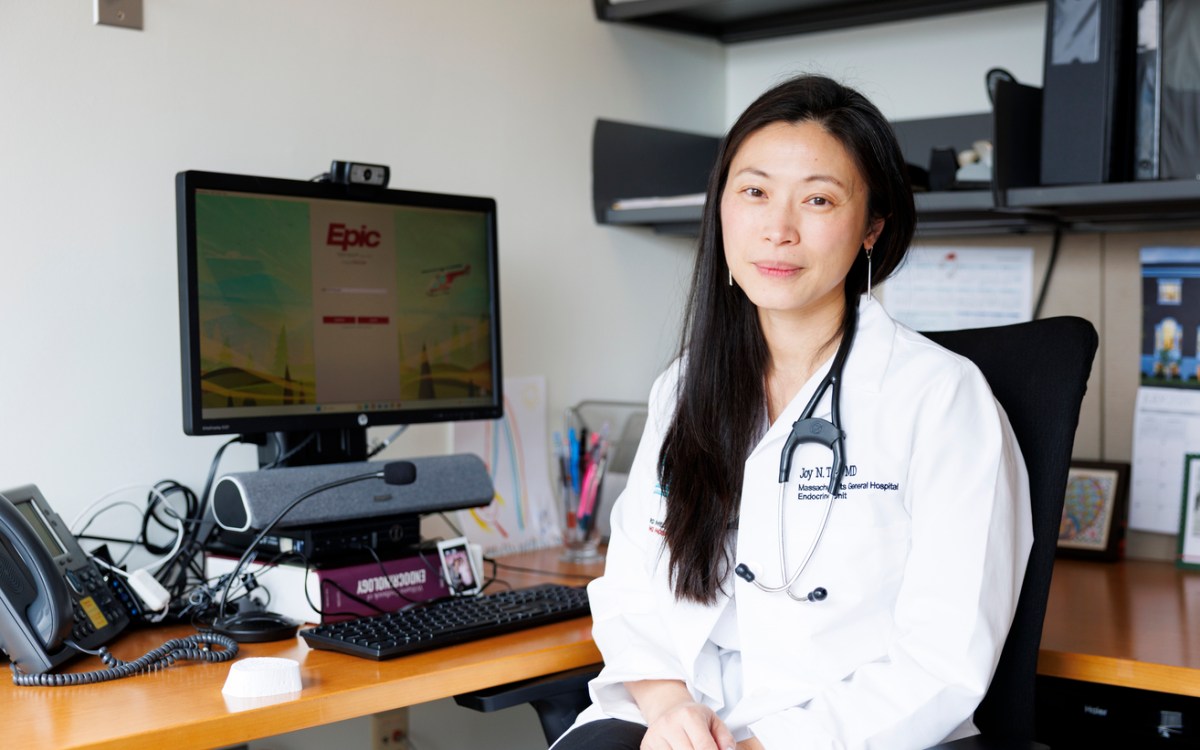
Heart attack, stroke — and hip fractures
Endocrinologist discusses life-or-death stakes of weak bones and how to protect against devastating falls

 Data Visualization
-

Is your parenting style working?
Trends come and go but experts say raising happy, healthy kids requires certain key ‘ingredients’
Podcast
-
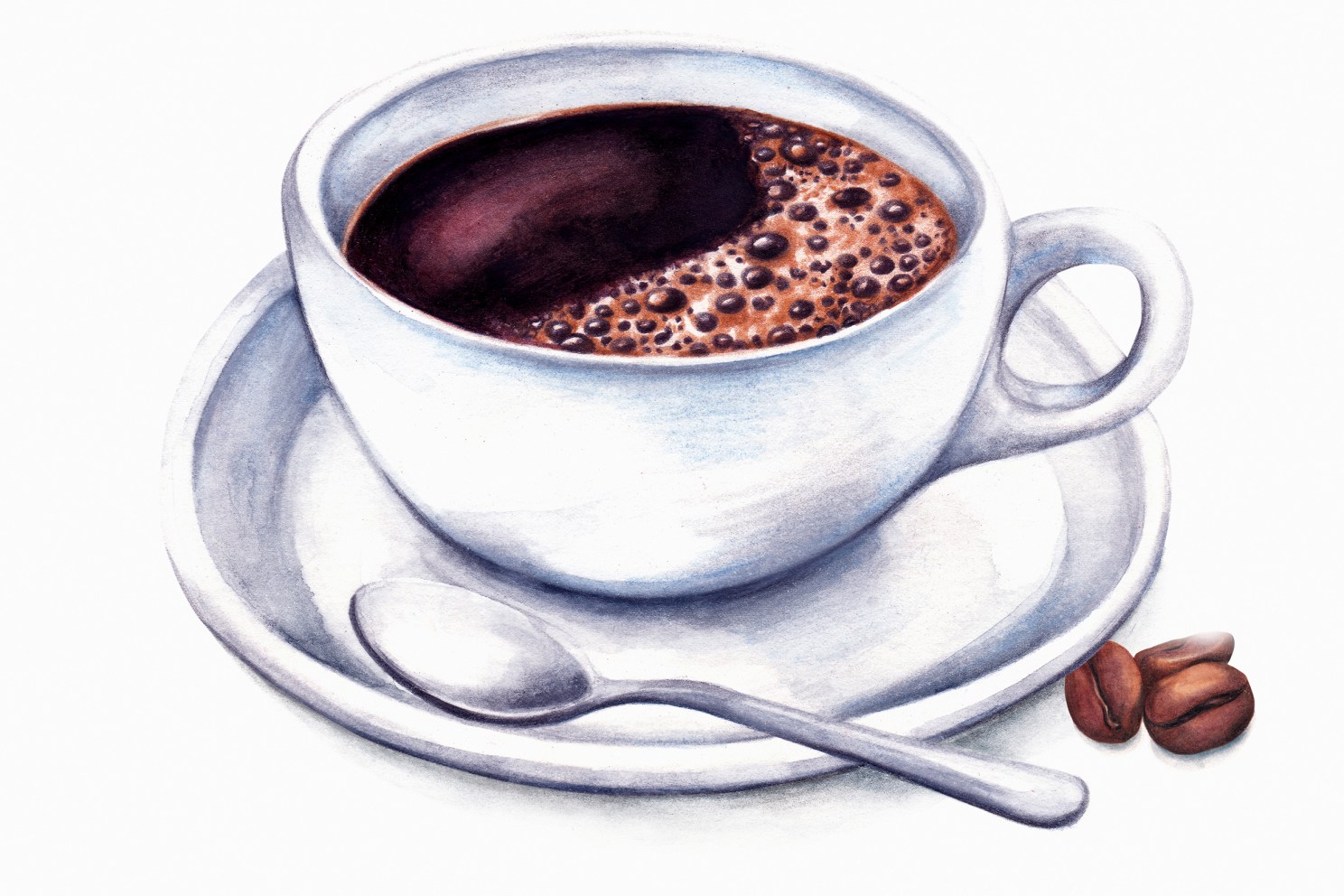
Molecular component of caffeine may play role in gut health
Researchers zero in on molecular component in caffeinated foods such as coffee, tea and chocolate.
-
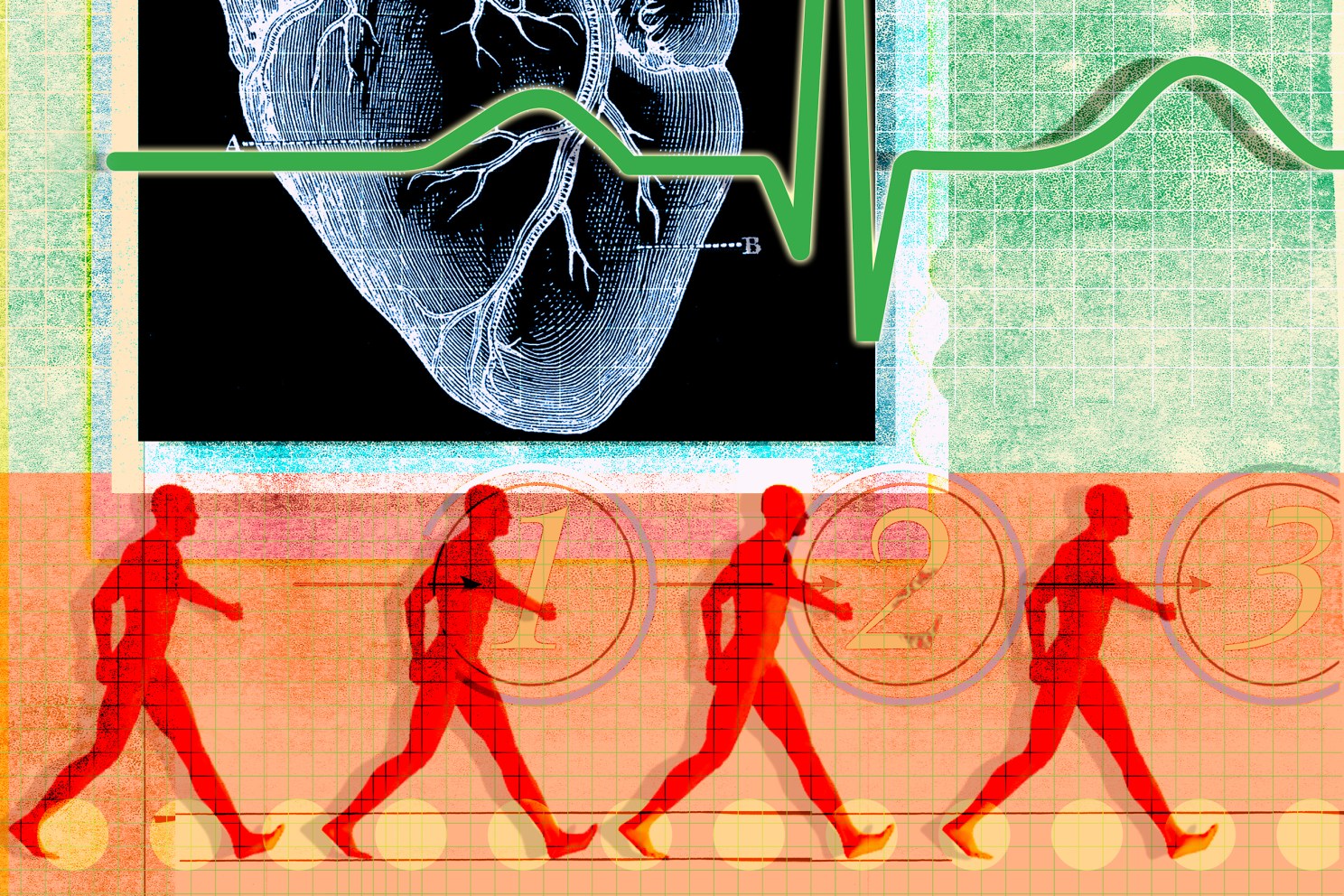
Faster, fitter?
Not really, says Spaulding Rehab expert. When you go for a walk, focus on this instead.
-
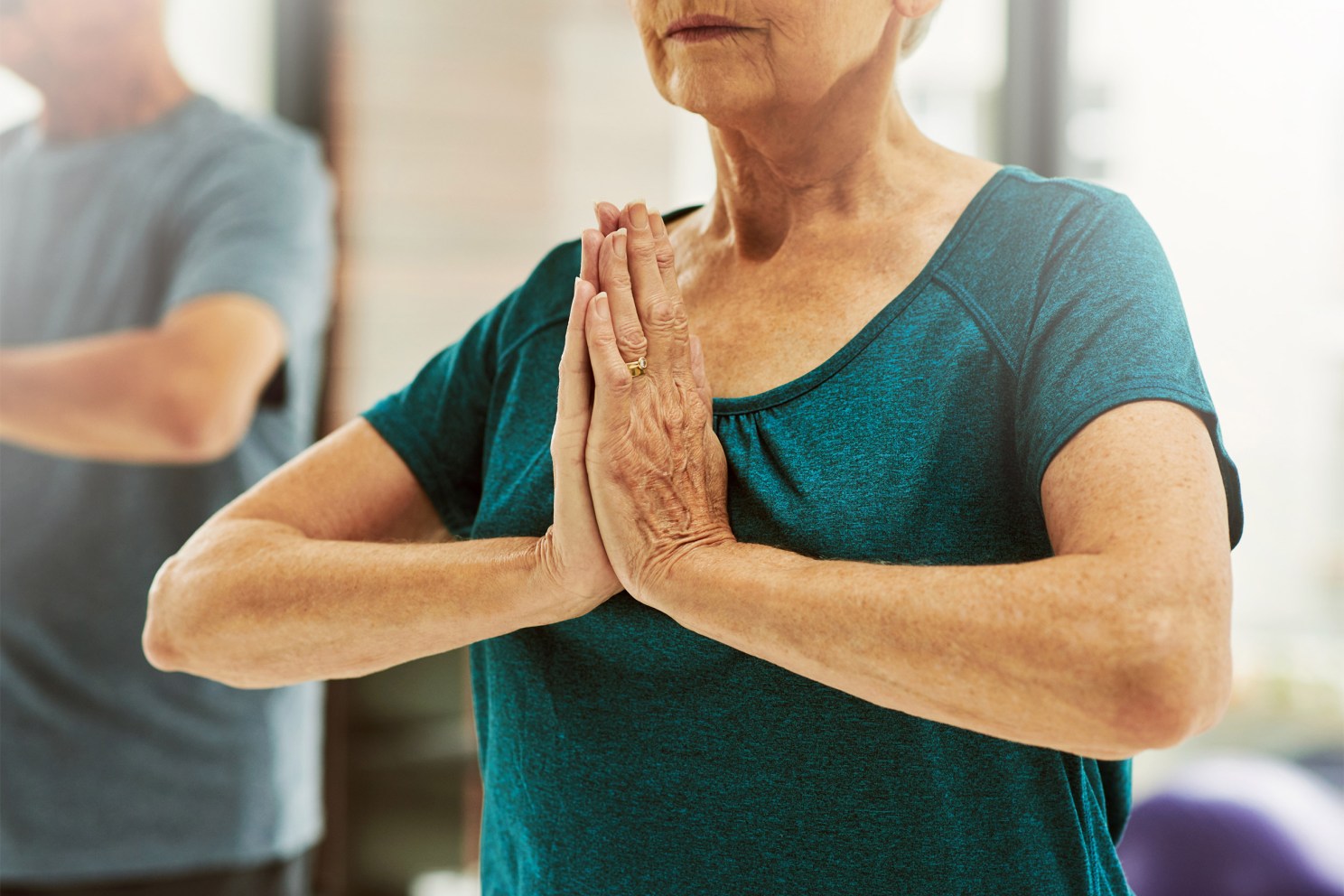
Strong evidence that yoga protects against frailty
A review of 33 studies found that yoga improved known predictors of longevity, including walking speed and leg strength.
-
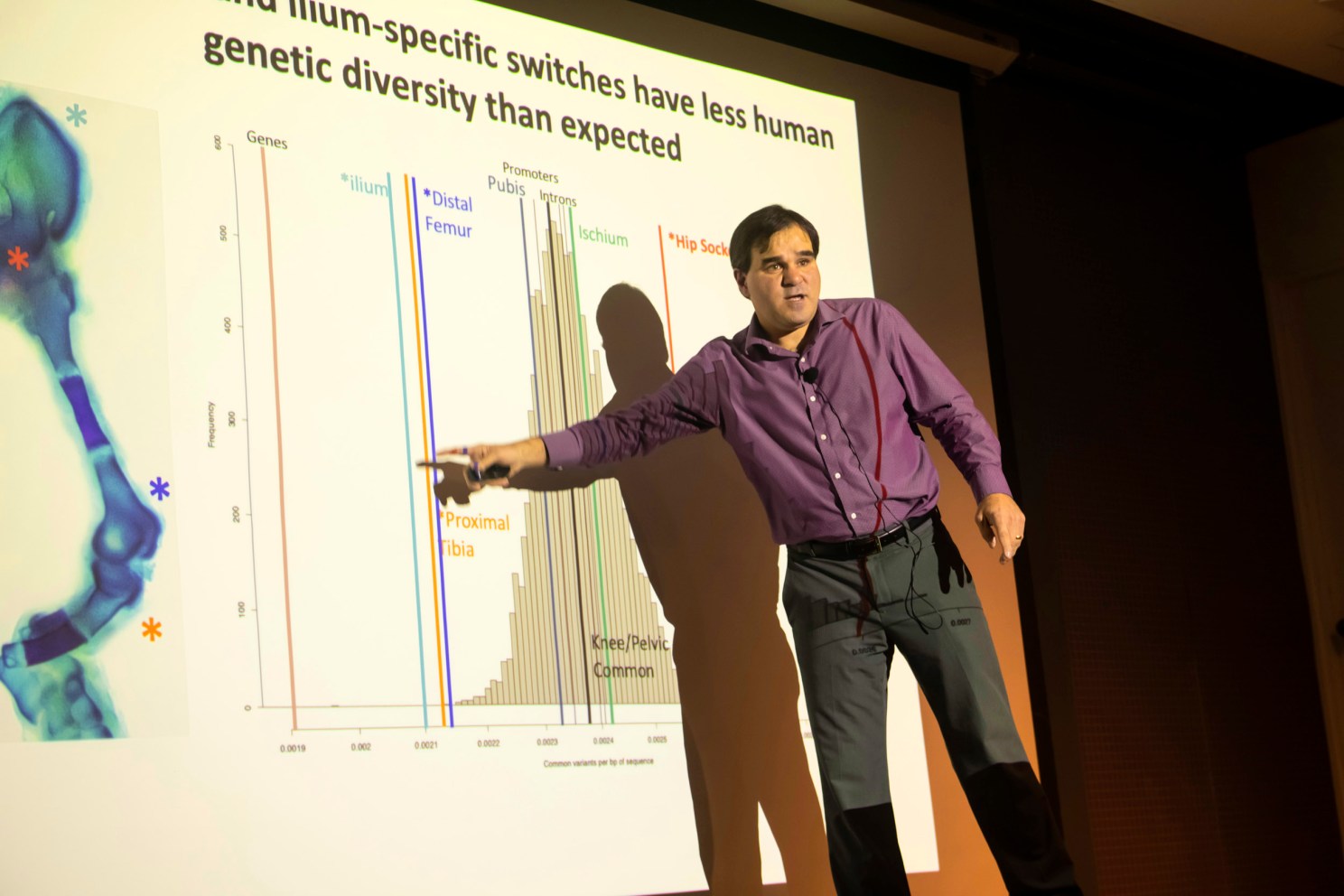
Evolution hurts sometimes
The same skeletal changes that allowed humans to walk upright make us vulnerable to knee osteoarthritis as we age, human evolutionary biologist says.
-
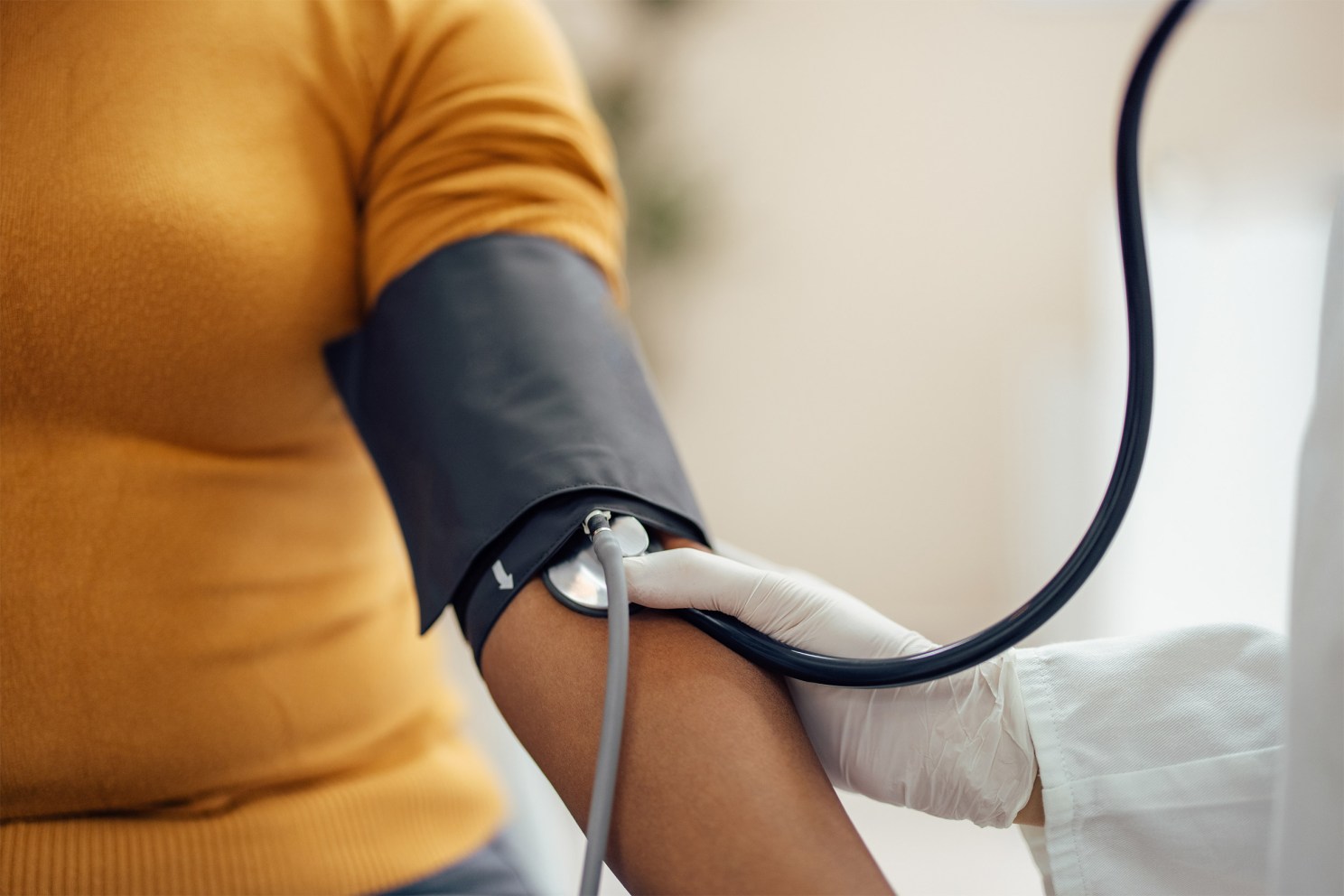
Study signals heart trouble for young adults
Researchers find hypertension, diabetes, and obesity worsened across the board in study group of people in their 20s, 30s, and 40s, with racial and ethnic disparities present.
-
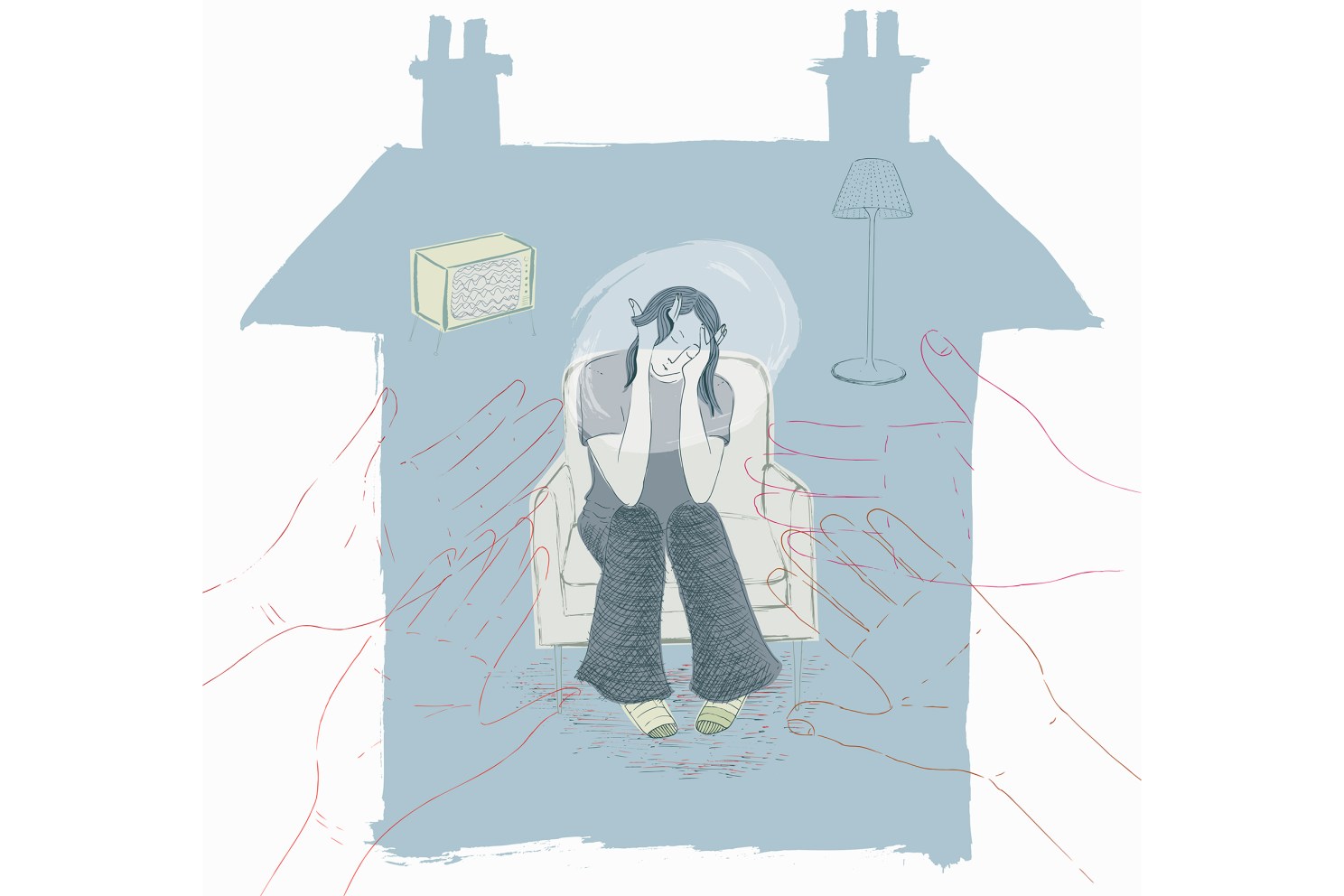
Young people are hurting, and their parents are feeling it
Anxiety and depression top parental concerns about their children, a Pew survey finds. Harvard experts offer advice.
-
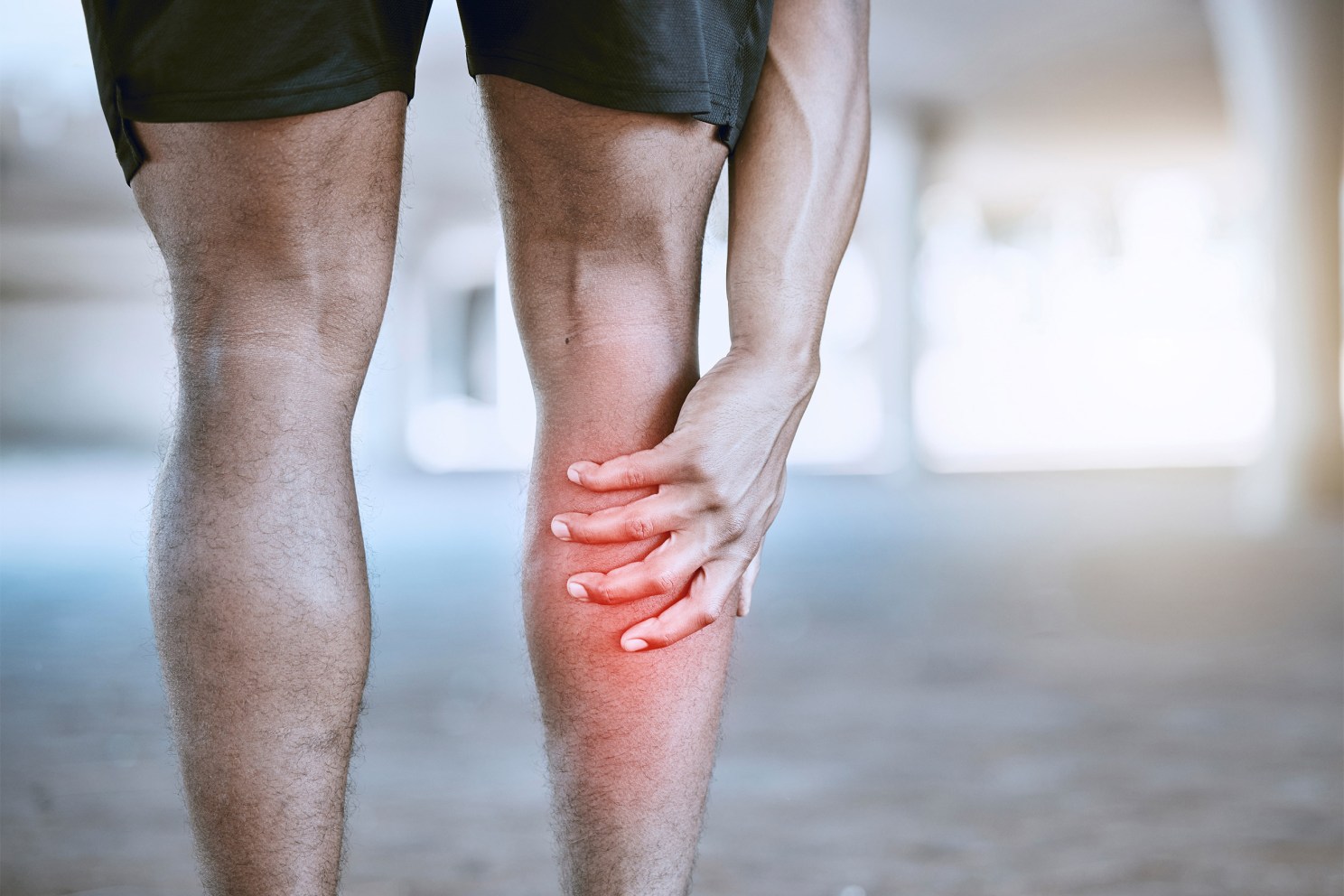
Torn muscle? Send in the gut microbes for rapid repair
A Harvard-led study shows that the gut microbiota acts as the training camp for a class of immune cells that are recruited to heal muscle injury.
-
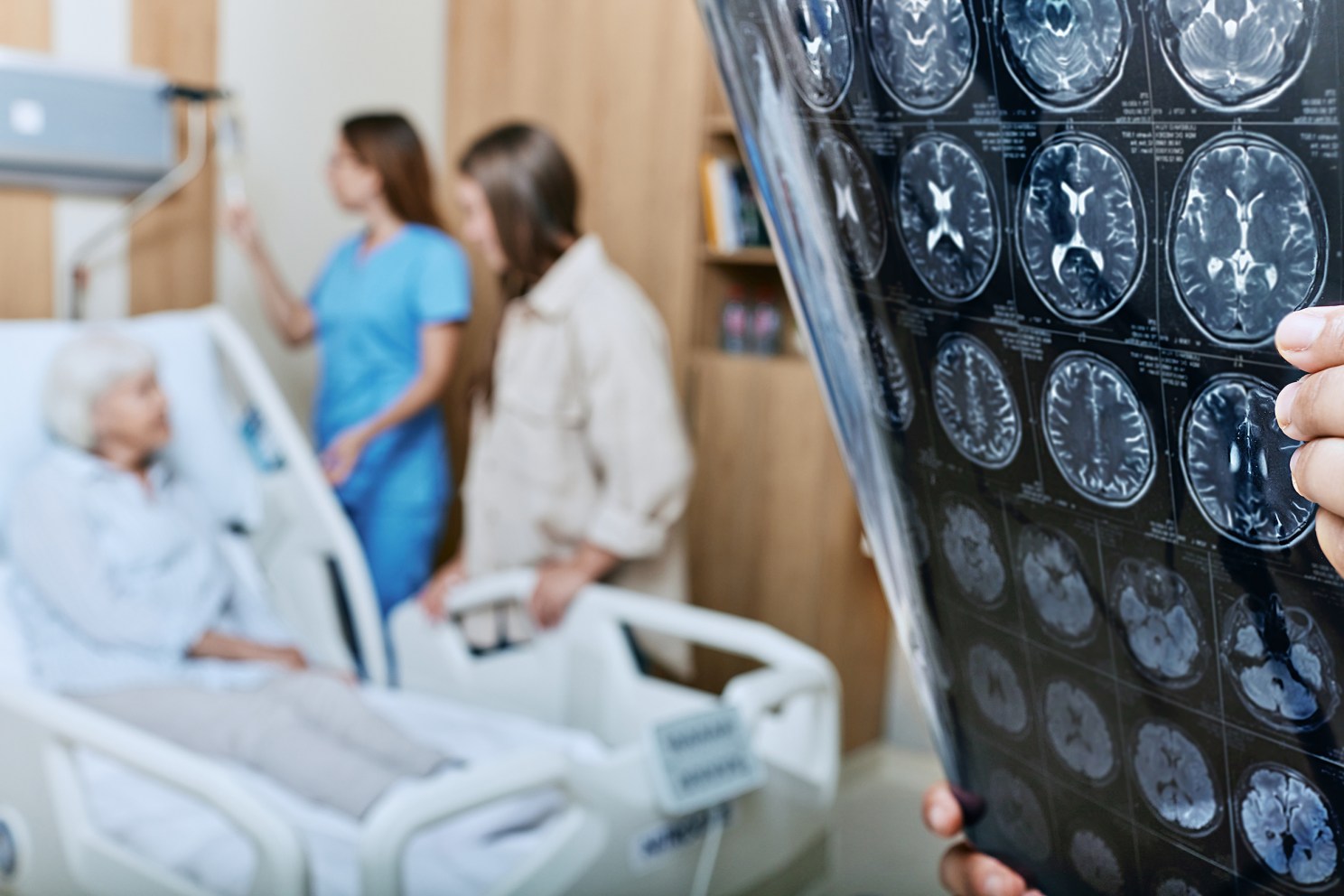
Using AI to target Alzheimer’s
In a recent study, a deep learning model tested on tens of thousands of routine brain scans spotted disease risk with 90% accuracy.
-
Supreme Court may halt health care guarantees for inmates
Harvard experts on law and policy say originalist view used to overturn Roe could upend the 1976 Supreme Court ruling that requires a minimal standard for inmate health care.

-
Women are 20% more likely than men to refuse statins
New study finds 1-in-5 patients at high risk of cardiovascular disease decline statin therapy with women being 20 percent more likely to refuse it when first suggested and 50 percent more likely than men to never accept the recommendation.
-
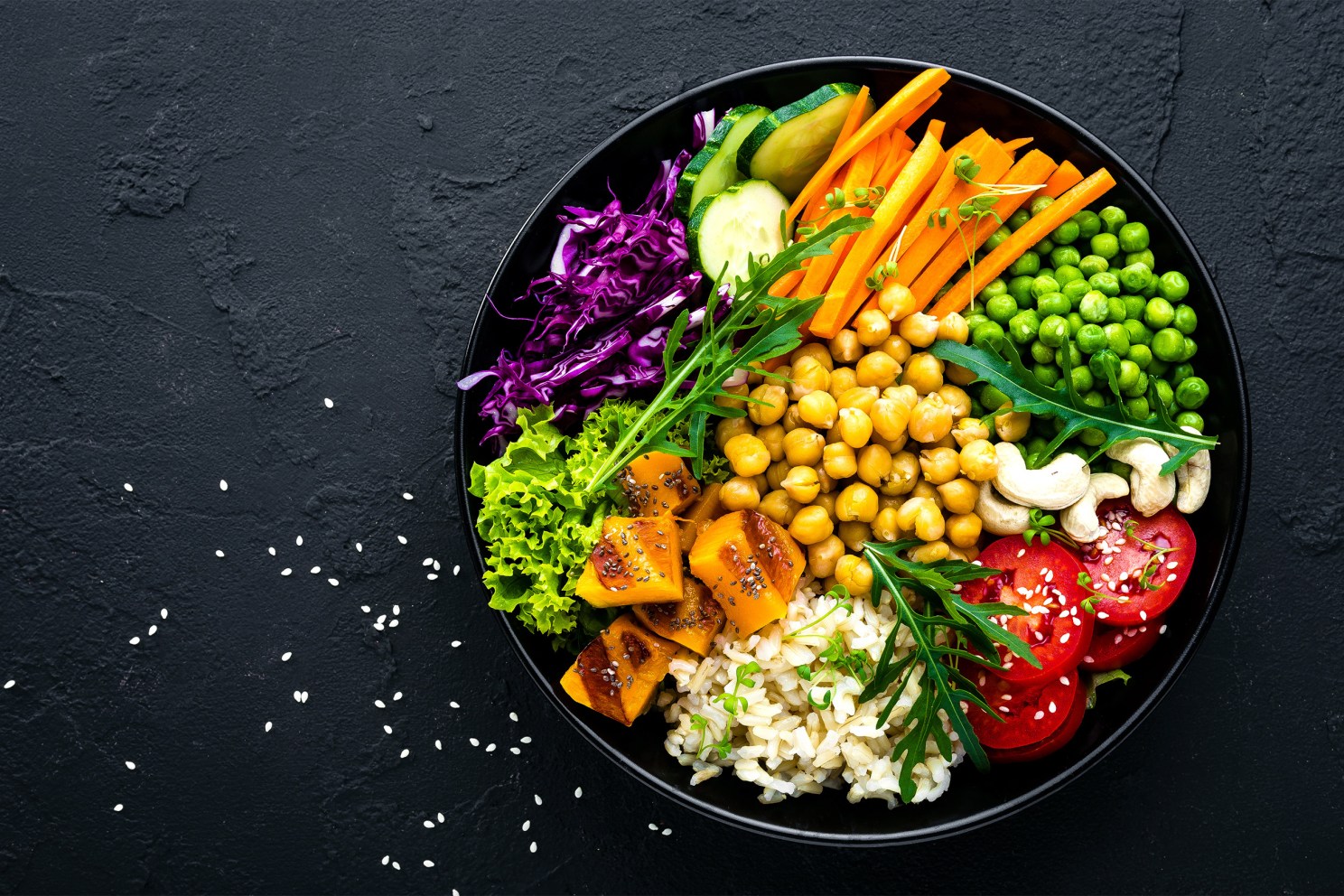
Low-carb diet can help manage progression of Type 2 diabetes
A Harvard study found that a plant-based low-carbohydrate diet was tied to a reduction in overall, cardiovascular, and cancer mortality among people with Type 2 diabetes.
-
Those breezy TV drug ads? Take ’em with a grain of salt
A new study shows that advertising may not work so well at promoting treatments that are significantly better than other options.
-
Consulting Dr. YouTube
New study highlights the prevalence of misinformation among popular YouTube videos addressing sleep health.

-
Level of cannabis use could determine post-op outcomes
Researchers found that surgical patients with a diagnosed cannabis use disorder more often required advanced postprocedural health care — such as admission to an intensive care unit — compared to non-users.

-
Study shows higher sperm counts in men who lift heavy objects
Occupational factors, such as physical demands and work schedules, were associated with higher sperm concentrations and serum testosterone, according to a new study.

-
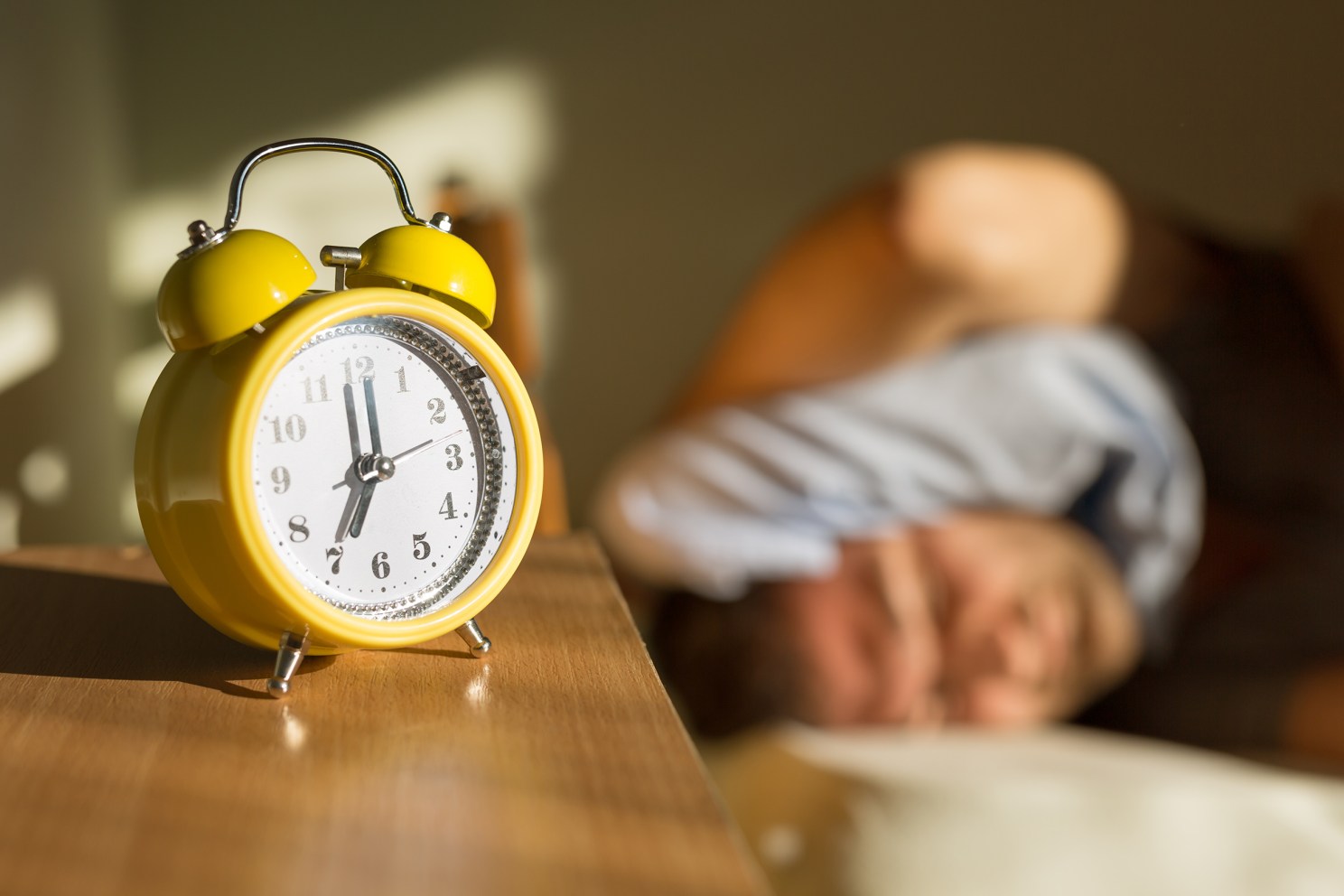
Lack of sleep will catch up to you in more ways than one
Experts highlight the health and memory effects, offer suggestions for countering environmental disruptions.
-
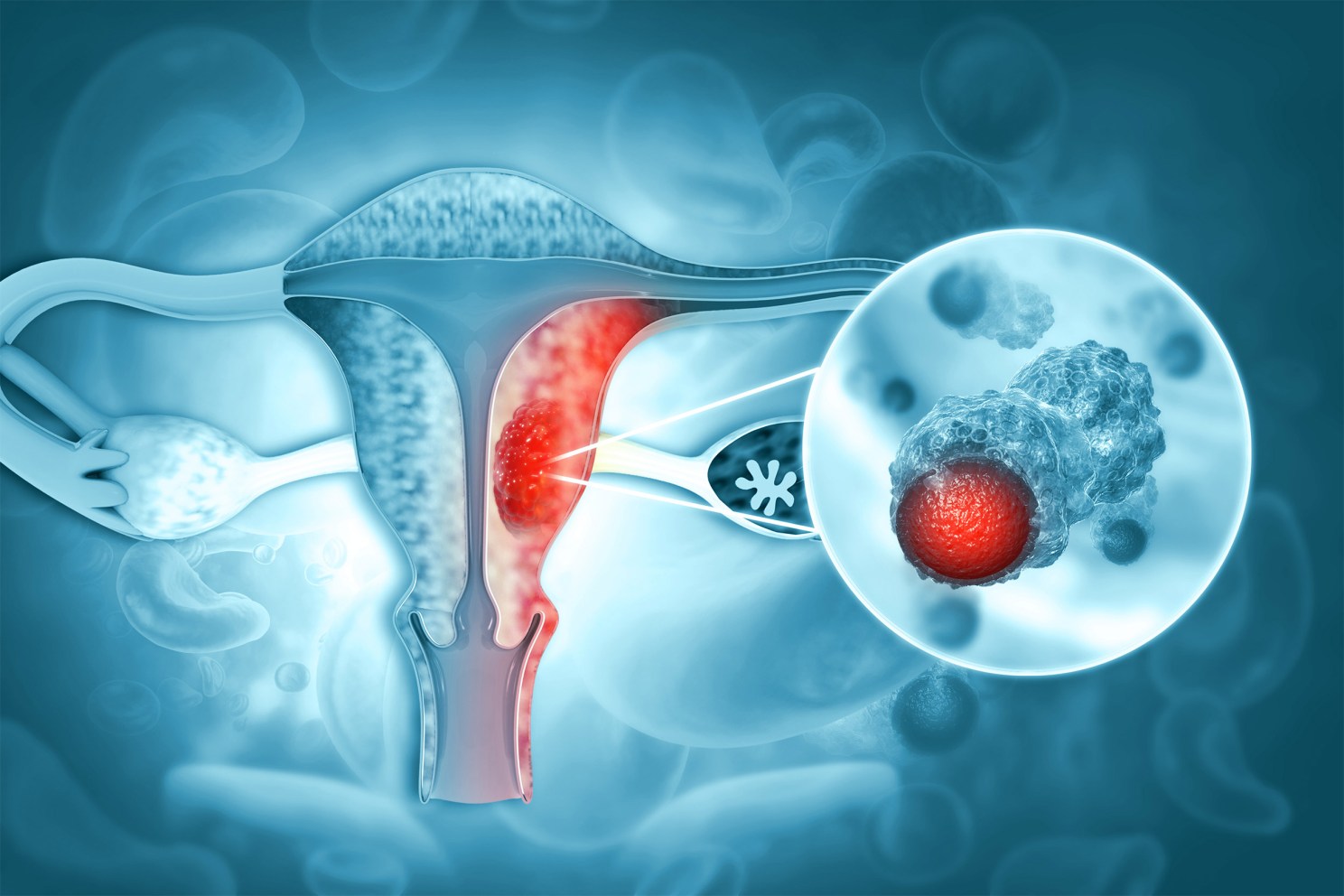
Model predicts risk of endometrial cancer
Current screening guidelines ignore those at high risk for the most prevalent gynecological malignancy in U.S.
-
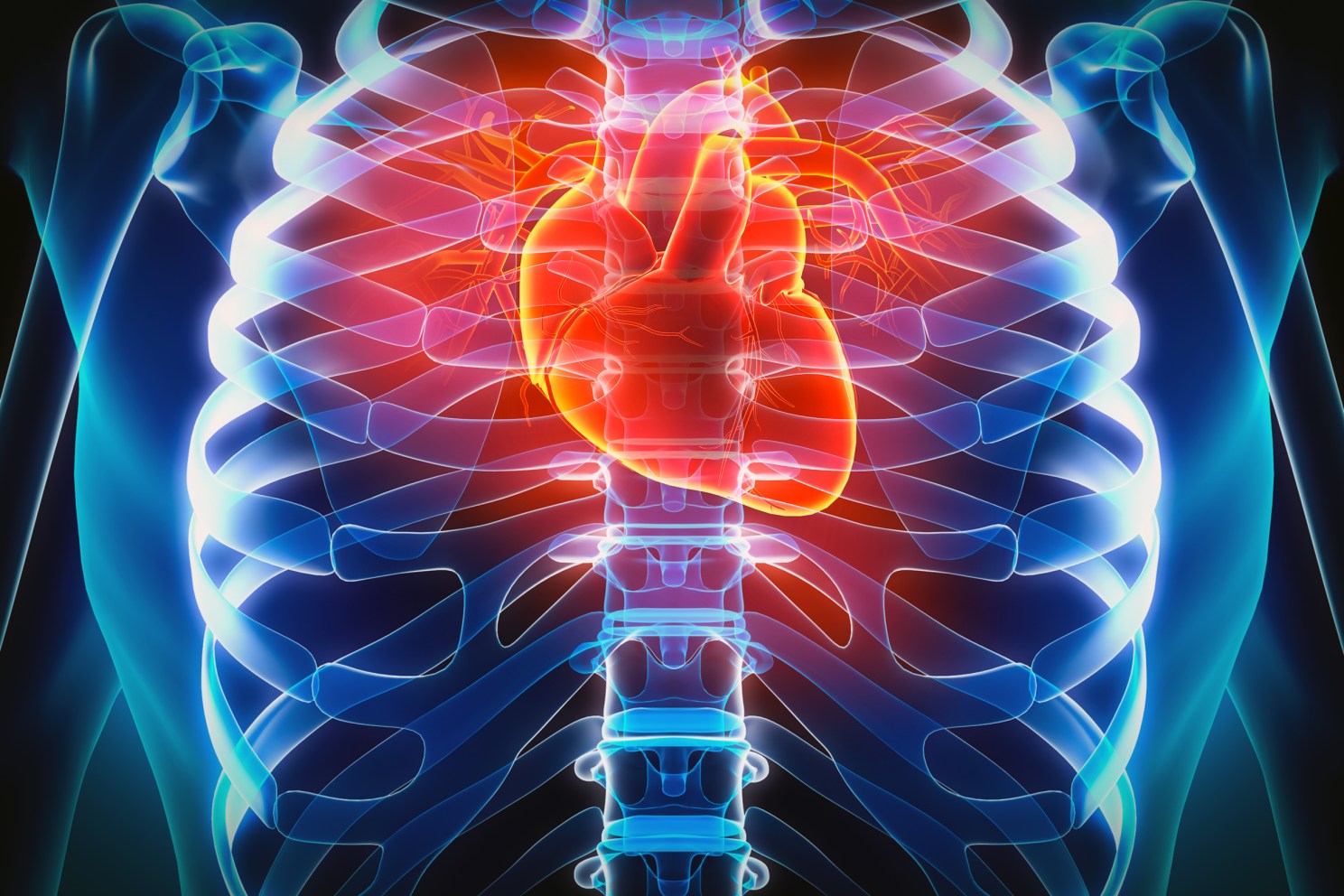
When heartbreak kills, blame the amygdala
When your heart breaks enough to kill you, it’s likely the amygdala — in the brain, not the heart — that is the culprit.
-
Work out daily? OK, but how socially fit are you?
Harvard Study of Adult Development director details what research says about value of relationships to physical and mental health.
-
Longevity analysis identifies 8 key social factors
Researchers say survey powered by machine learning can predict independent living and longevity.
-
The gap between our teeth
A new study examines the drop in dental care at age 65 and the health consequences associated with the lapse in coverage.
-
Happy? Want to learn how to be?
Arthur Brooks aims to ignite a mass movement through podcasts, books, and a new lab at the Kennedy School for research and leadership training.
-
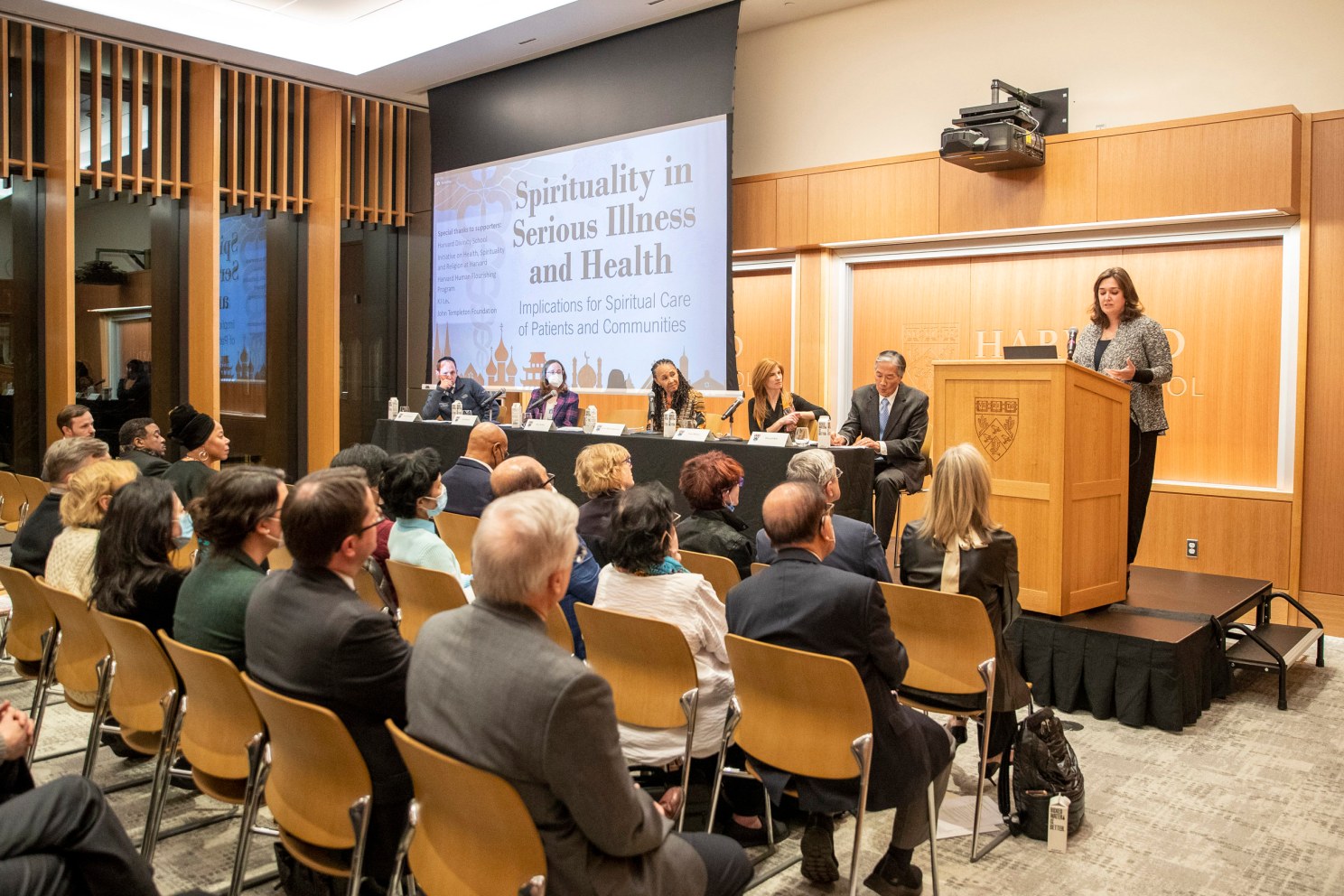
‘Why is God doing this to me?’
Inspired by recent study, Harvard Divinity School panelists explore the spiritual side of health care.
-
Lifestyle influences long COVID risk
Findings suggest that simple lifestyle changes, such as having adequate sleep and maintaining a healthy body weight could prevent long COVID symptoms.
-
More mindfulness may be part of the answer for anxiety-ridden U.S.
Researcher hopes findings signal new treatment option amid surge in mental health cases.
-
Migraine history may be marker of pregnancy complications
Brigham and Women’s study finds increased odds of preterm delivery, other complications.
-
Has first person to live to be 150 been born?
Harvard researchers reported that they can age and then restore youth to lab mice, using a gene cocktail that has already restored vision in mice.
-
Is cycling safe?
We shouldn’t take no for an answer, researcher says

-
Abortion law, suicide rate study adds to raging debate. But are we missing point?
A Harvard epidemiologist says that research tends to be weaponized on both sides, overshadowing the mental health needs of those with unwanted pregnancies.
-
Your memory may be better than you think
A new study suggests that people are also surprisingly good at knowing where and when they saw those certain objects.