Featured series


Health
-
Break in the case for long COVID investigators
Research highlighting chronic inflammation opens path to treating illness that affects millions of Americans

-
The problem with the school smartphone debate
Study finds most districts already regulate devices. Is the real issue enforcement?
-
Just who gets a say at FDA public drug-approval hearings?
New research shows negative voices are relatively rare in drug approval hearings.
-
Your digital twin might save your life
AI, statistics offer new possibilities for personalized medicine
-
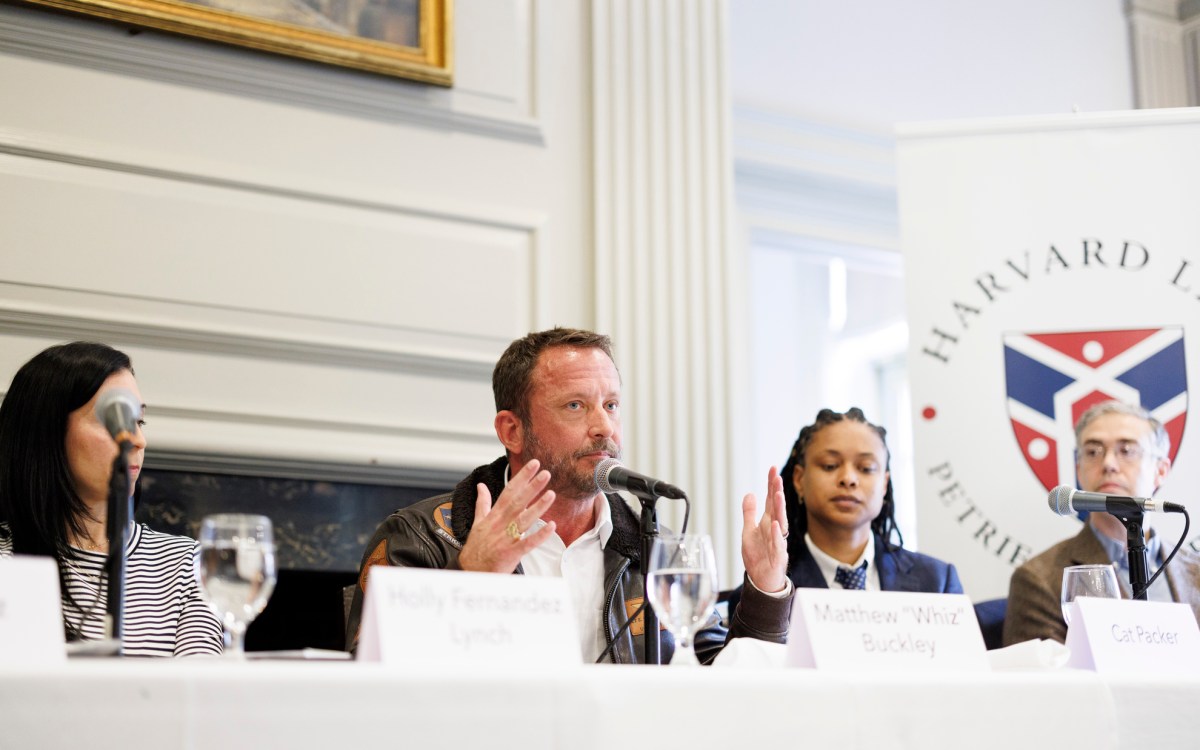
Time to legalize psychedelics?
Campus debate weighs therapeutic need vs. safety questions
-
How a toxin from the gut microbiome may help spark colorectal cancer
Findings suggest colibactin may be promising target for disease prevention
-
Feeling election stress? Stop hitting ‘refresh’
Harvard psychologists offer tips to survive political stress and strain
-
Vaccine close, but it likely won’t be a silver bullet
Medical experts say a vaccine will be a key development in the fight against the coronavirus, but warned against thinking its deployment will mean the fight is over.

-
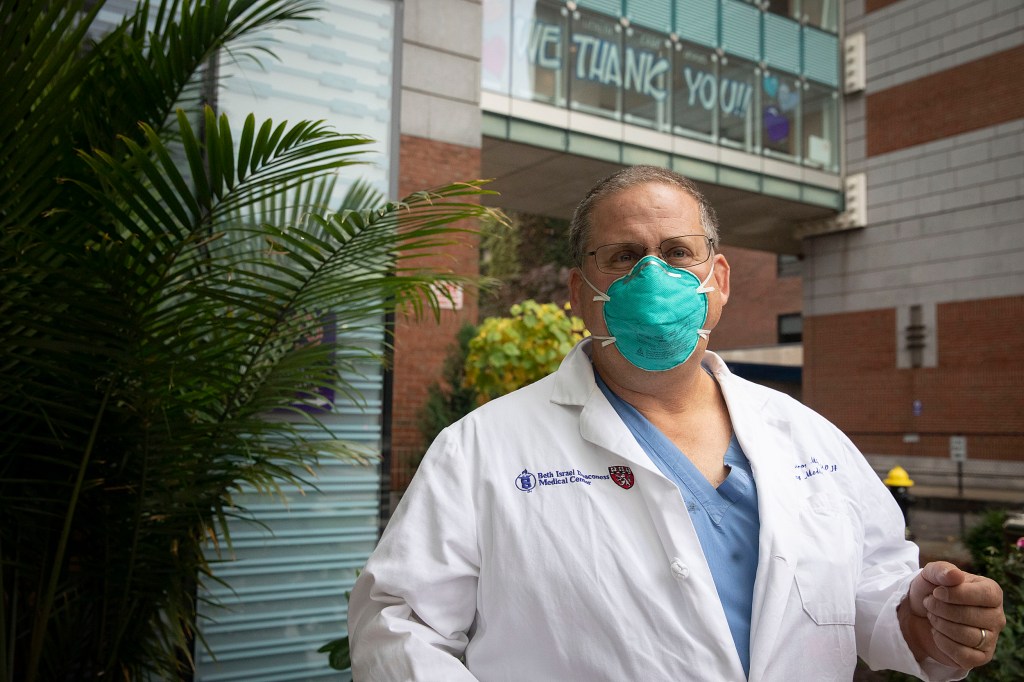
Nipping COVID in the bud
A new trial at Beth Israel Deaconess Medical Center is aiming to disrupt COVID-19’s attack early in its course by treating patients immediately after symptoms appear with a widely used antiviral drug that, if it works, could be rapidly repurposed to fight the coronavirus.
-
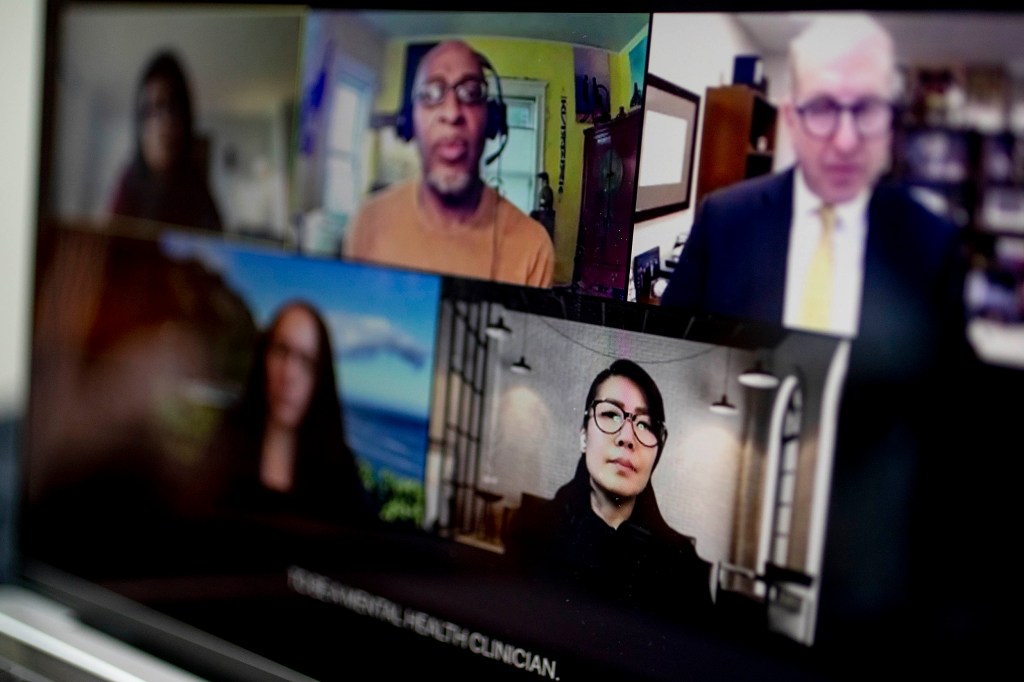
COVID’s triple whammy for Black students
College students of color not only face a disproportionate risk of contracting COVID-19, they are particularly vulnerable to its psychological damage — especially when the longtime struggle against inequality and the current financial crisis are factored in, said speakers at a virtual Harvard forum.
-
Calculating possible fallout of Trump’s dismissal of face masks
Looking at the public health effects, and perhaps mortality rate, from President Trump’s running dismissal of wearing face masks to minimize the spread of coronavirus.

-
An unhealthy influencer
Risk factors for heart health, such as smoking, unhealthy diets and minimal physical activity, may seem personal, but for people who are married or in a domestic partnership, the behavior patterns of one person may be strongly linked to the patterns of the other.

-
Investigational ALS drug slows progression
An experimental medication that was recently shown to slow the progression of ALS has now demonstrated the potential to also prolong patient survival.
-
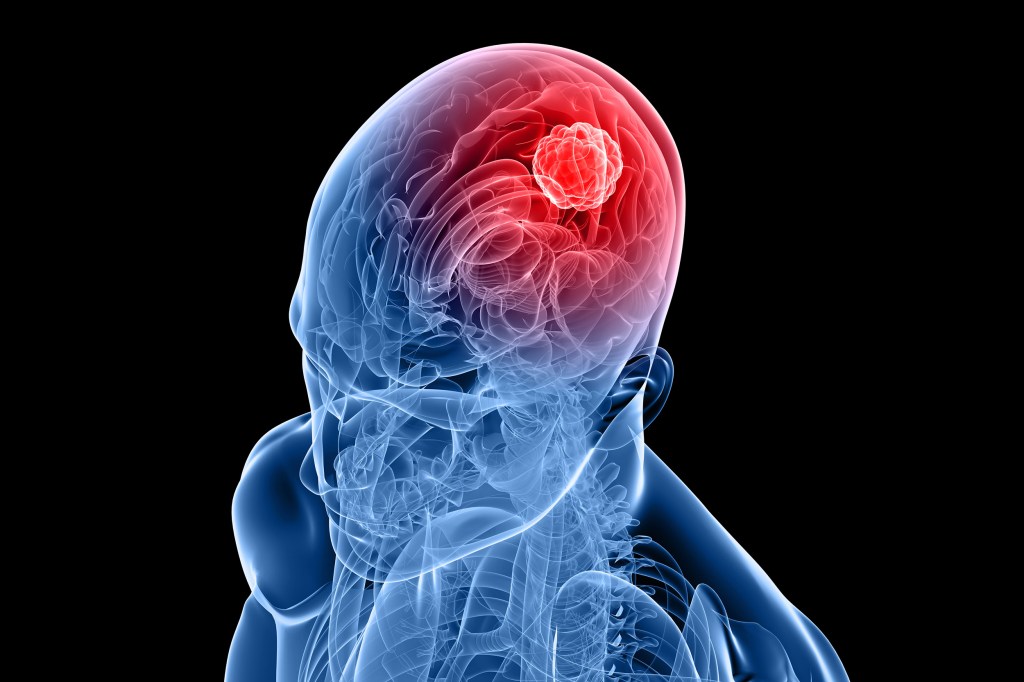
Breakthrough blood test developed for brain tumors
Researchers have developed a liquid biopsy that can more accurately detect the most common type of adult brain tumors.
-
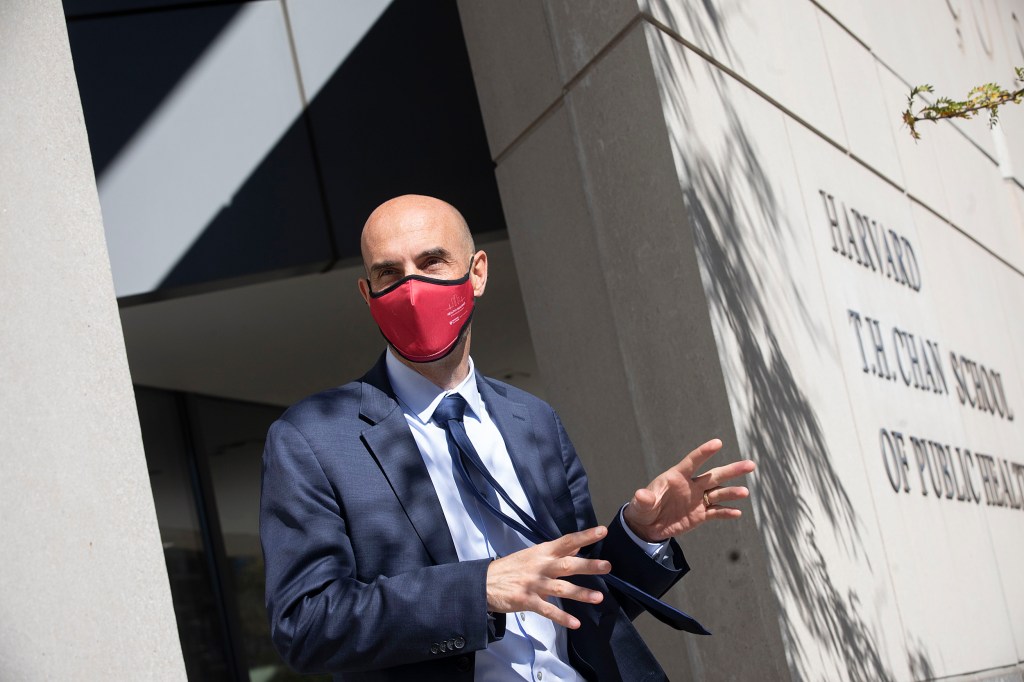
Is go-slow schools’ reopening failing kids?
Harvard Chan School’s Joseph Allen gives America an “F” on school reopening efforts, and says we’re in danger of losing thousands of virtual dropouts and wasting mild late summer/early autumn weather we could use to boost in-person learning.
-
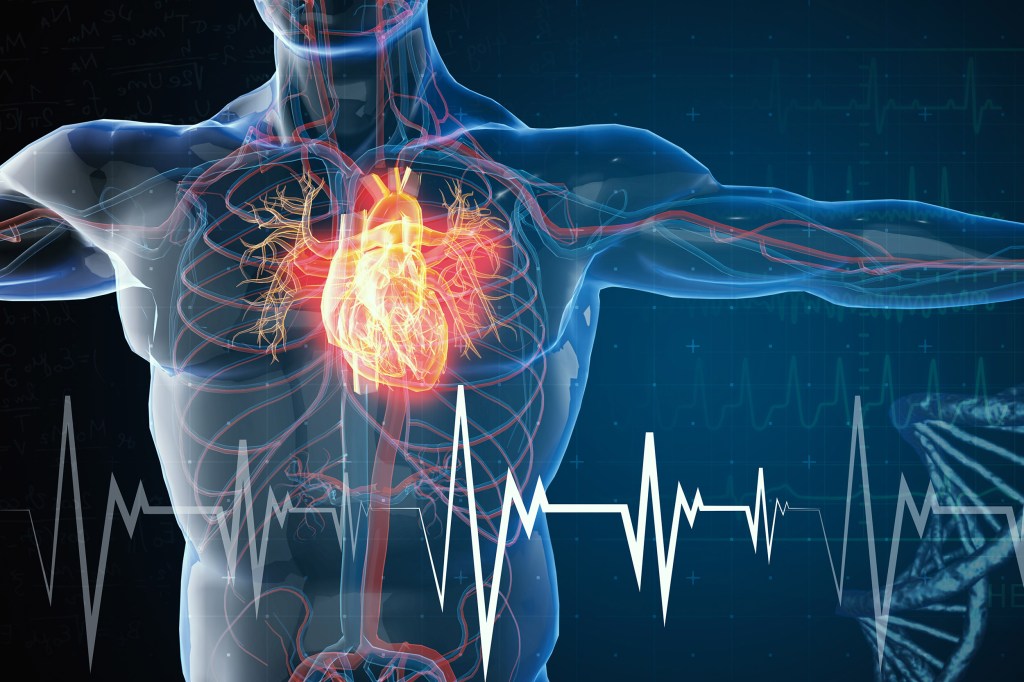
Heart attack uptick attached to 2016 presidential election
Two days after the 2016 presidential election, hospitalization rates for heart attacks and strokes were 1.62 times higher than the same two days the week prior, based on information supplied by a large southern California health system.
-
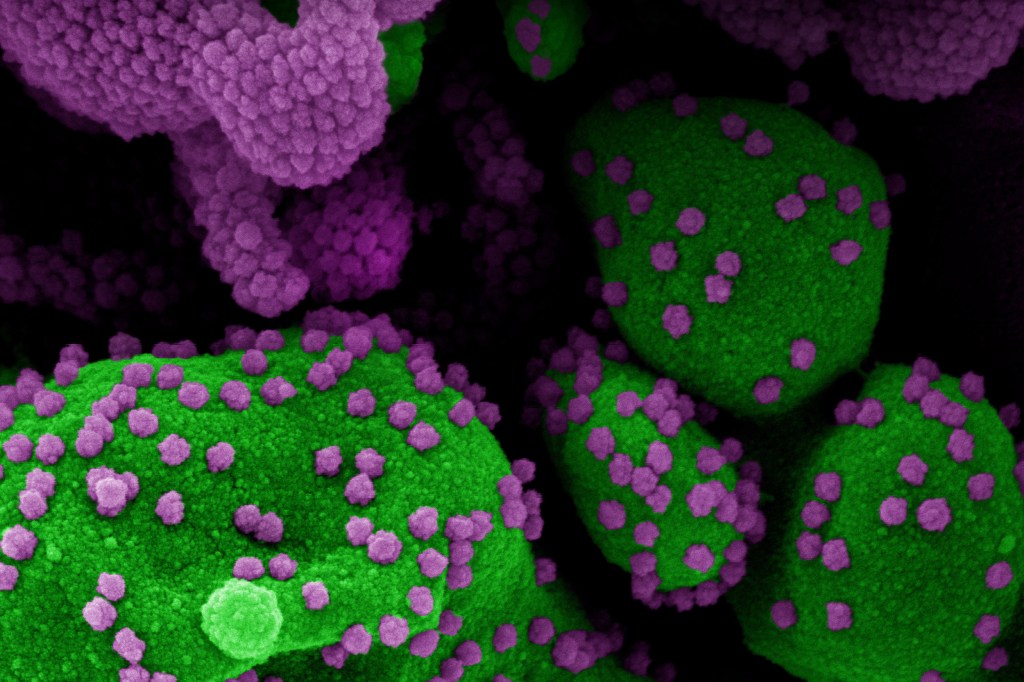
Protection against reinfection
A new study shows that people who survive serious COVID-19 infections have long-lasting immune responses against the virus.
-
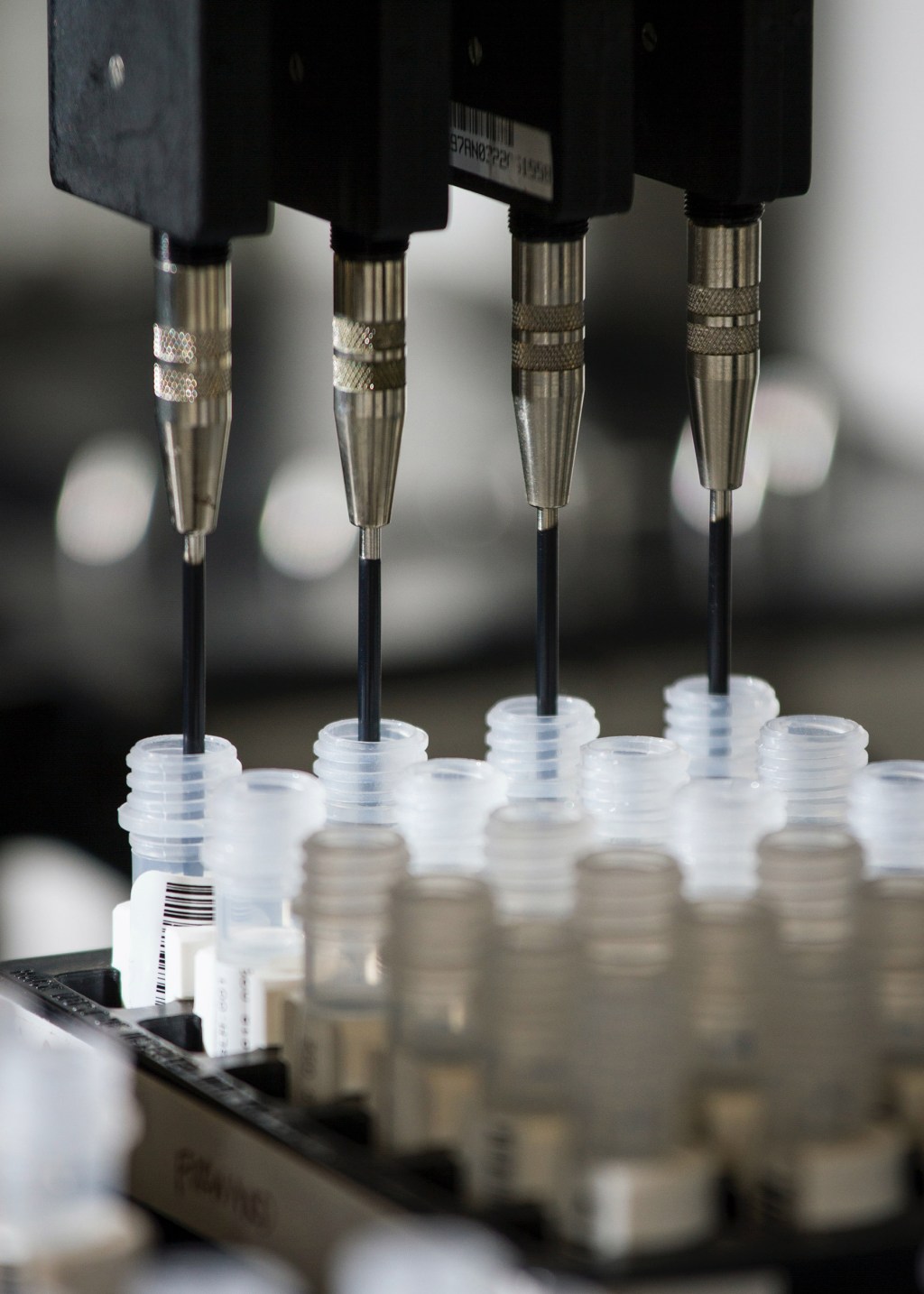
COVID-19 and cancer
Study represents the most comprehensive scientific survey to date about the interrelationship between COVID-19 and cancer.
-
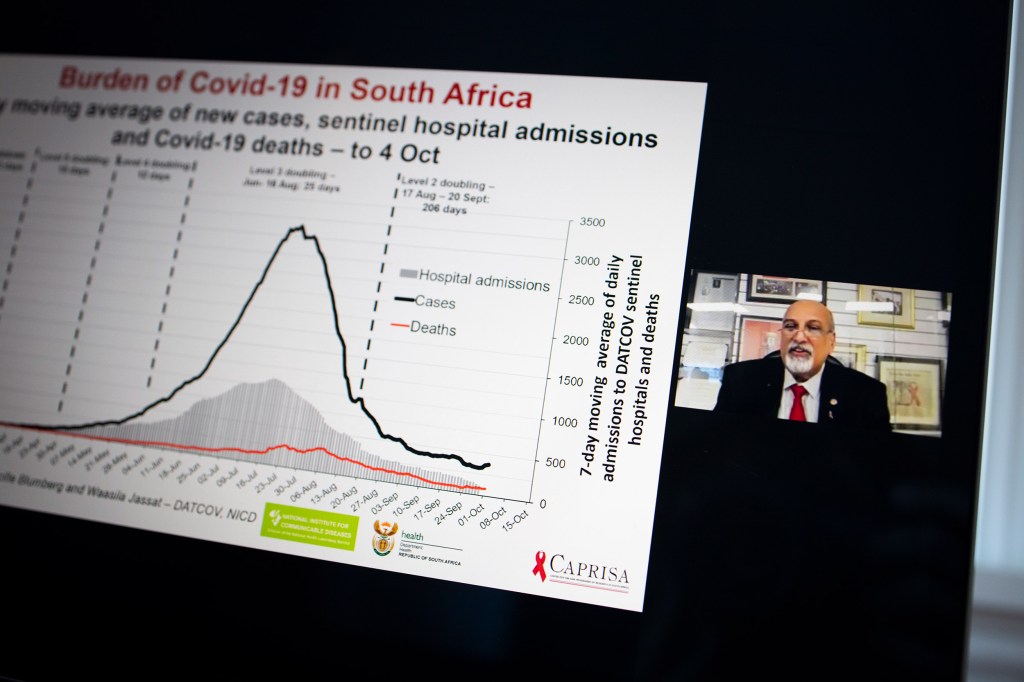
International forum cites strong government response as key in battle against COVID
The international forum “Global Perspectives on COVID-19,” co-sponsored by Harvard Medical School, cited the importance of strong, coordinated government response as a key to stopping the novel coronavirus’ spread.
-
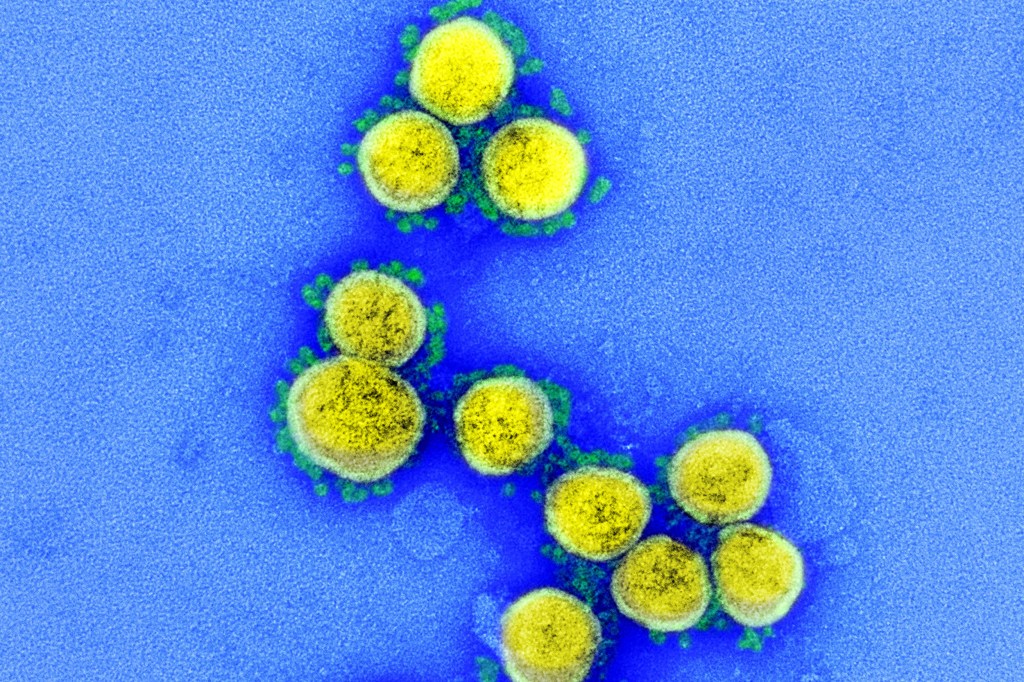
At-home COVID testing launches in Boston
The TestBoston study will facilitate at-home testing on 10,000 people for both the SARS-CoV-2 virus and antibodies against it to increase access to testing and surveillance.
-
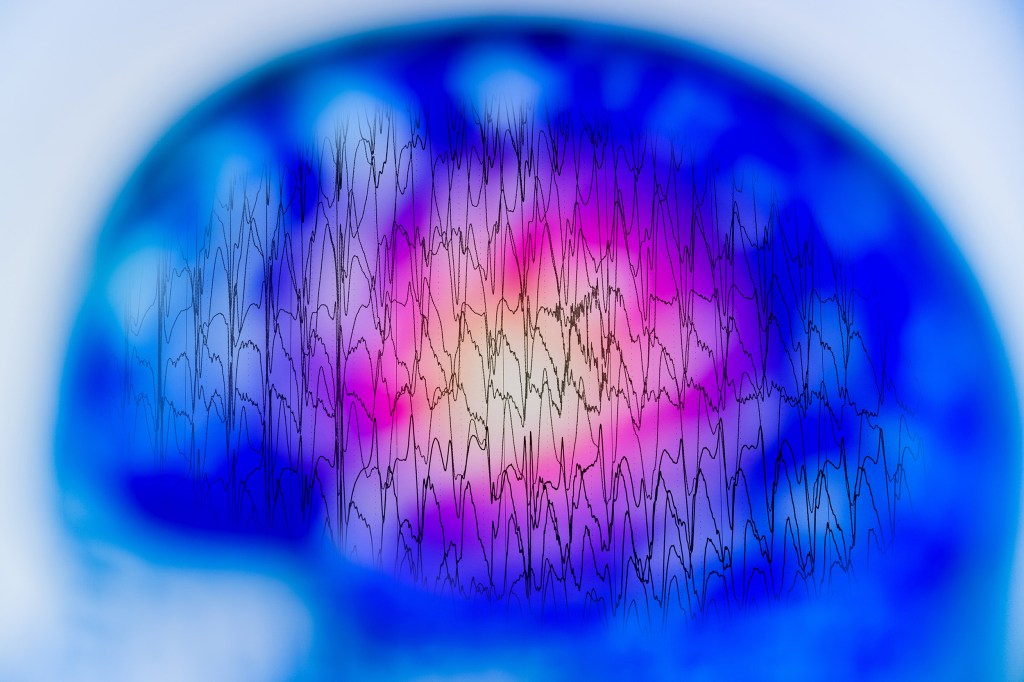
Sleep test predicts dementia in older adults
A noninvasive sleep test may help diagnose and predict dementia in older adults by measuring brain activity.
-
Trial run
Monica Bertagnolli is ensuring that more people in her home state of Wyoming are getting the health care that they need.

-
The positive effects of optimism
A Harvard Chan School study has found a link between optimism and hypertension, describing the positive force as having a “protective effect” on individuals, including those in combat.

-
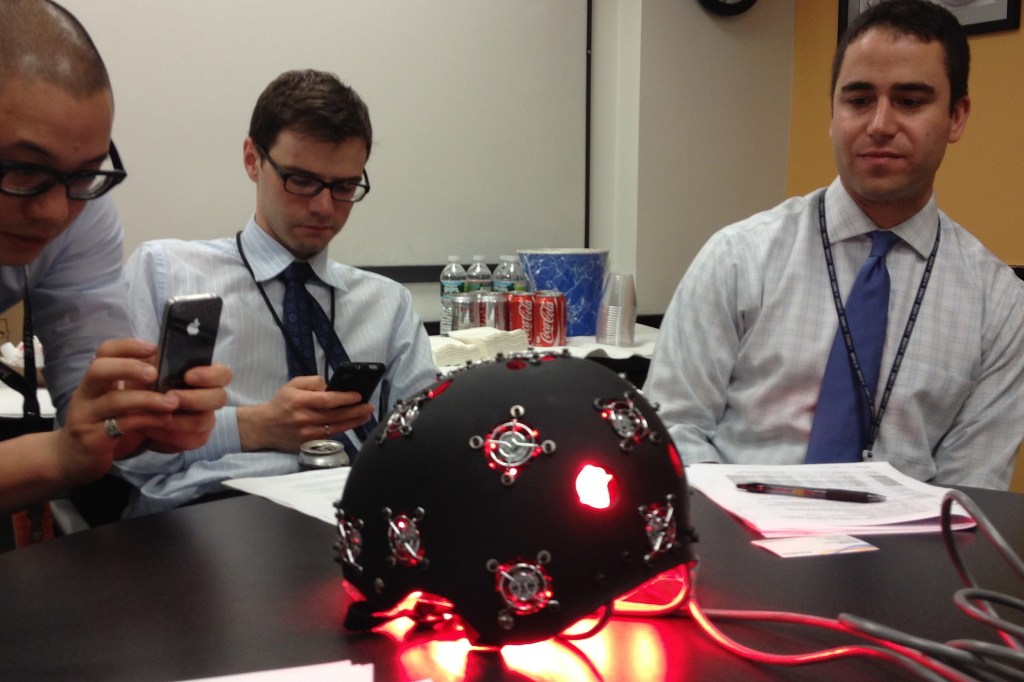
Let there be light
MGH-led study shows light therapy is safe, modulates brain repair, and may benefit patients with moderate traumatic brain injury.
-
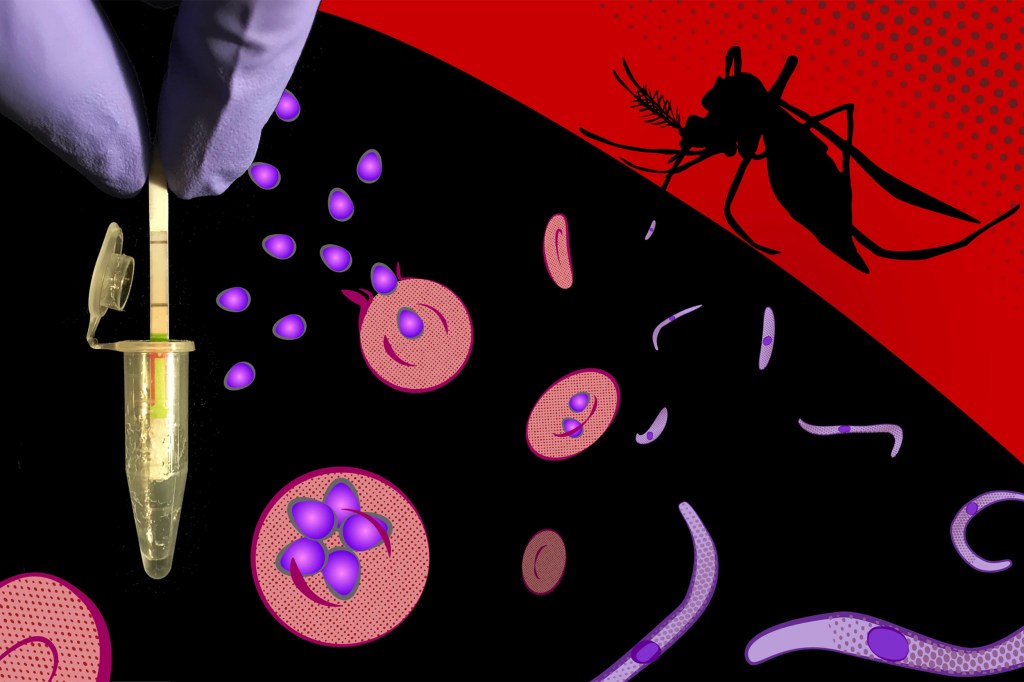
Battle against malaria taken to next level
A team of researchers has developed a CRISPR-based malaria test that is fast, inexpensive and can be conducted in low-resource settings.
-
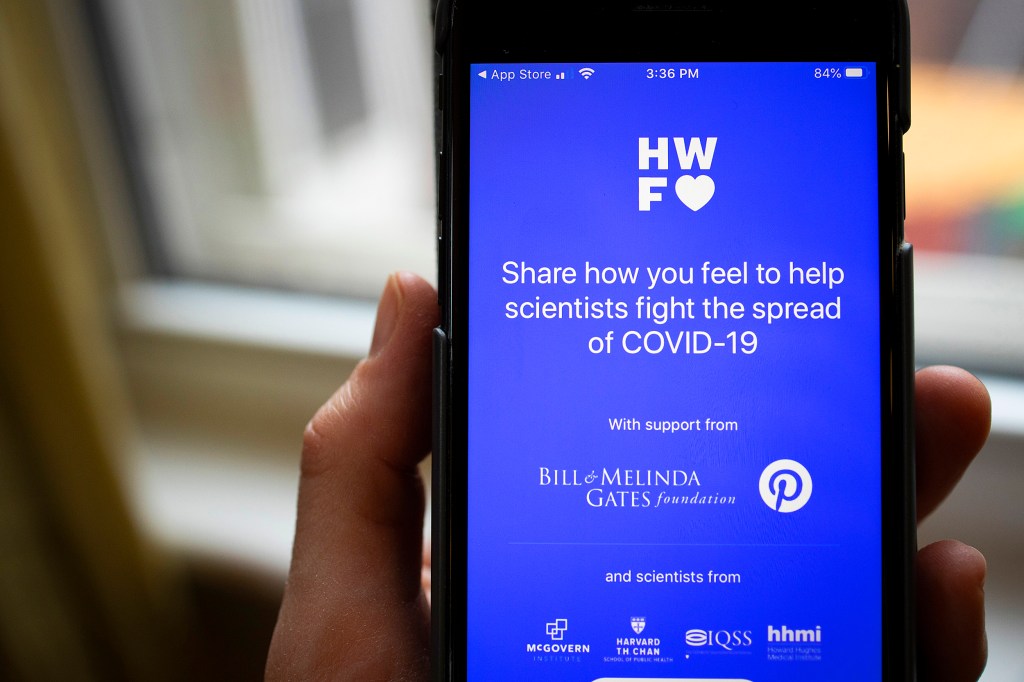
What crowdsourced big data may be able to tell us about COVID
How We Feel app lays groundwork to use big data to understand and predict coronavirus infection.
-
Coffee connection gets stronger
Data from a large observational study suggests coffee consumption is associated with a lower risk of metastatic colorectal cancer progression and death.

-
A public-relations campaign to build trust in COVID vaccine?
A public campaign to build trust may be needed if a successful vaccine candidate is to be taken by enough Americans to interrupt the COVID pandemic, a Harvard public health expert said.
-
Child’s best friend
Mass. General study finds that the loss of a pet can potentially trigger mental health issues in children.

-
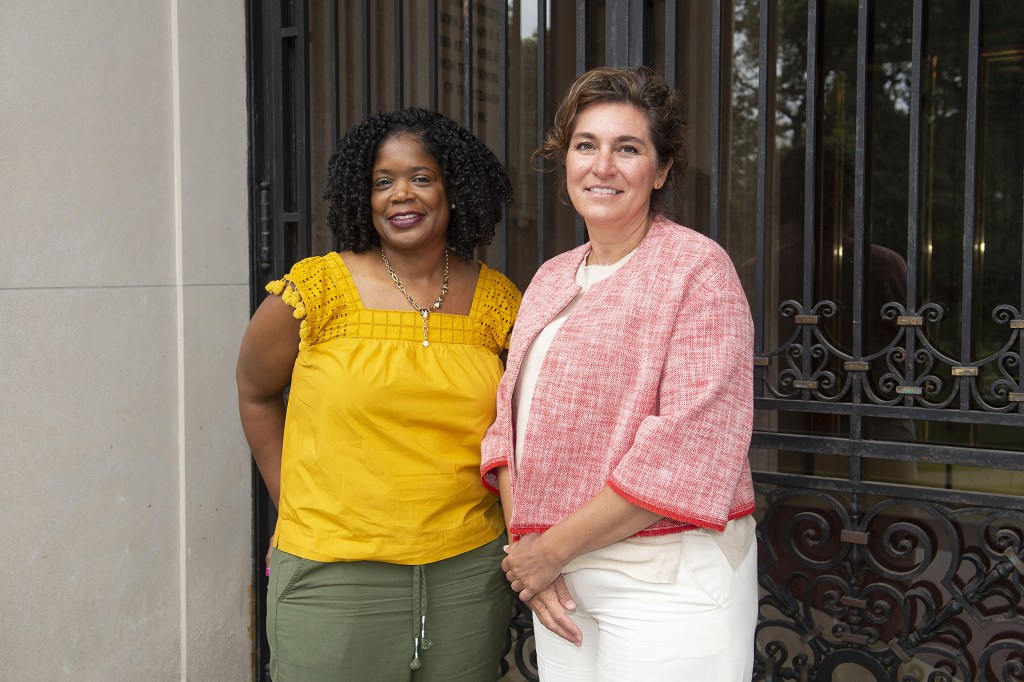
Curating the experience of Black America in the age of pandemic
To document the effects of COVID-19 on Black Americans, two colleagues and friends created an open-source library guide to serve as a repository of material and a platform to start a dialogue.
-
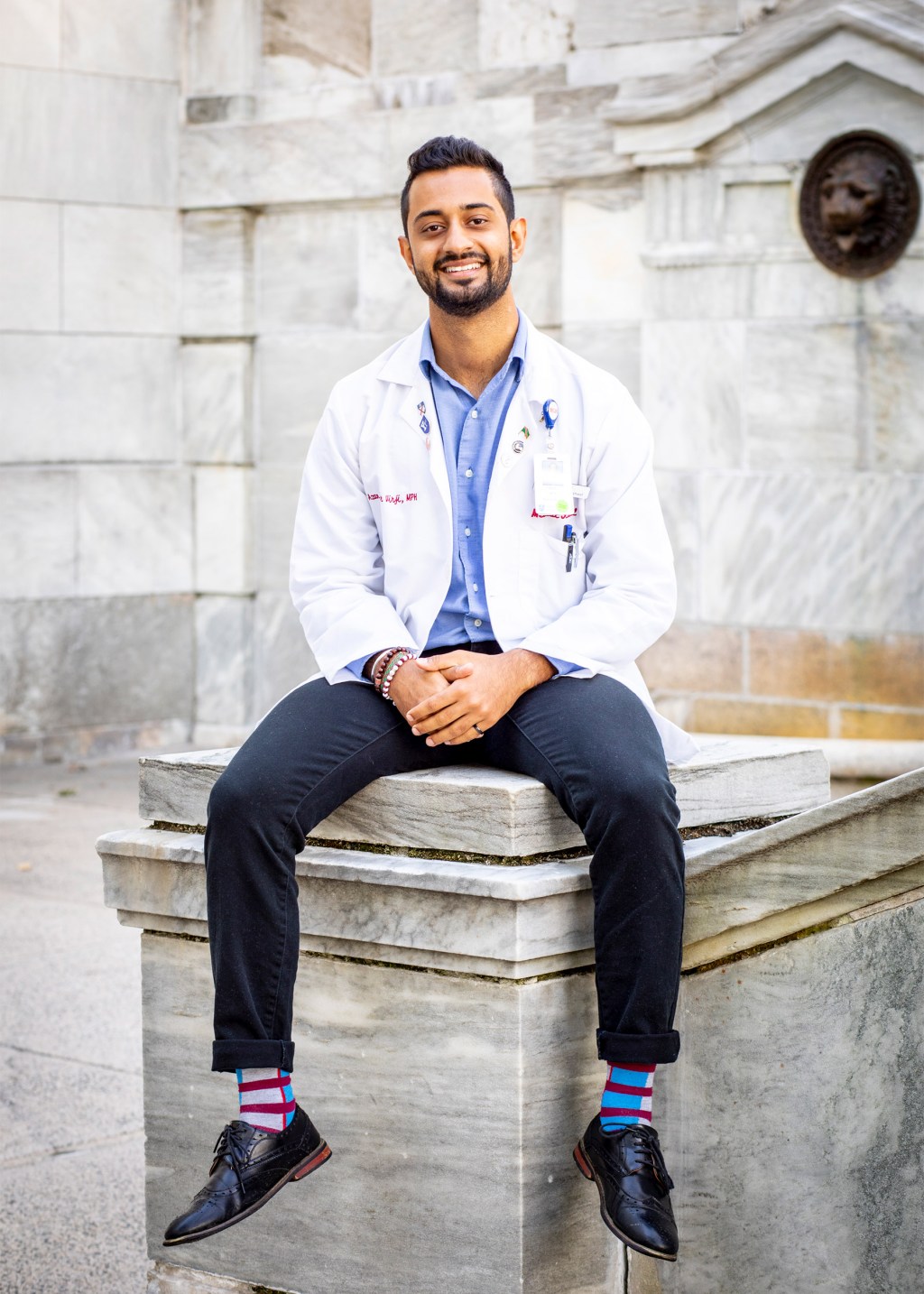
Each one, teach one
A Harvard Medical School student from Tanzania is working to help other international students navigate the process of getting into a U.S. medical school.
-
‘Robust protection’
BIDMC-led research team reports vaccine protection against severe COVID-19-related pneumonia and death.
-
Strong signals
Study findings support use of county-level cell phone location data as tool to estimate future trends of the COVID-19 pandemic.

-
The value of talking to strangers — and nodding acquaintances
How COVID-19 is evaporating our casual connections and taking an important source of happiness.

-
Breathing freely
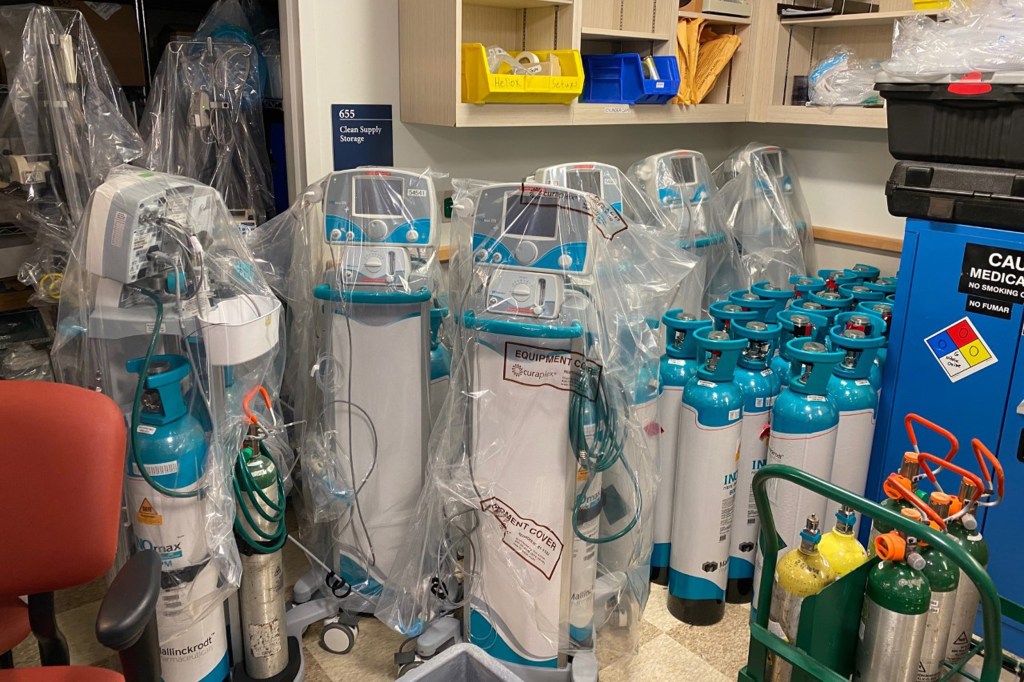
Mass General study shows the benefits of inhaled nitric oxide therapy for pregnant patients with severe and critical COVID-19.
-
$30M commitment supports development of therapies for viral infections
Harvard University and AbbVie have announced a $30 million collaborative research alliance to study and develop novel therapies against emergent viral infections, with a focus on those caused by coronaviruses and by viruses that lead to hemorrhagic fever.