
 Featured series


Tag: Lee Rubin
-
Health
How old can we get? It might be written in stem cells
No clock, no crystal ball, but lots of excitement — and ambition — among Harvard scientists
-
Health
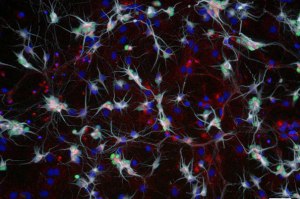
Compound protects nerve cells targeted by diseases
Harvard researchers have identified a compound that helps protect the cells destroyed by spinal muscular atrophy, the most frequent fatal genetic disease of young children.
-
Health
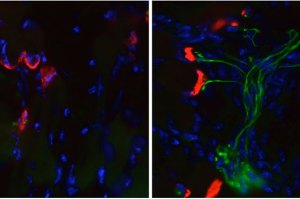
Hope against disease targeting children
Harvard Stem Cell Institute researchers studying spinal muscular atrophy have found molecular changes that help trigger the genetic disease in children.
-
Health
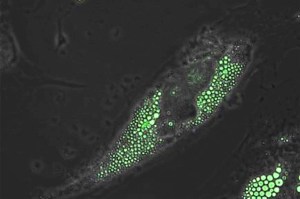
Vital genes in fat production found
Scientists at Harvard Stem Cell Institute have found a way to both make more energy-burning human brown fat cells and make the cells themselves more active, a discovery that could have therapeutic potential for diabetes, obesity, and other metabolic diseases.
-
Health
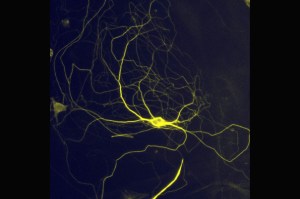
Creating pain-sensing neurons
Harvard Stem Cell Institute researchers at Boston Children’s Hospital and Harvard’s Department of Stem Cell and Regenerative Biology have successfully converted mouse and human skin cells into pain-sensing neurons that respond to a number of stimuli that cause acute and inflammatory distress.
-
Health
A decade of breakthroughs
The Harvard Stem Cell Institute is now 10 years old. What began as an idea embracing cross-disciplinary research quickly became a generator of scientific discoveries.
-
Health
Hope for aging brains, skeletal muscle
Researchers at the Harvard Stem Cell Institute have shown that a protein, one they previously demonstrated can make failing hearts in aging mice appear more like those of young and healthy mice, similarly improves brain and skeletal muscle function in aging mice.

-
Health
Developing cancer drugs
Harvard Stem Cell Institute researchers have identified in the most aggressive forms of cancer a gene known to regulate embryonic stem cell self-renewal, beginning a creative search for a drug that can block its activity.
-
Health
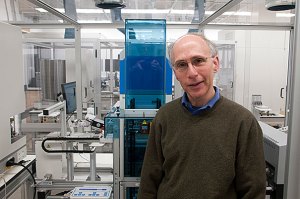
Big boost in drug discovery
Using a new, stem cell-based, drug-screening technology that could reinvent and greatly reduce the cost of developing pharmaceuticals, researchers at the Harvard Stem Cell Institute have found a compound that is more effective in protecting the neurons killed in amyotrophic lateral sclerosis than are two drugs that failed in human clinical trials.
-
Health
Personalized medicine closer to reality
A consortium of scientists at 20 institutions, led by a principal faculty member at the Harvard Stem Cell Institute, has used stem cells to take a major step toward developing personalized medicine to treat Parkinson’s disease.
-
Campus & Community
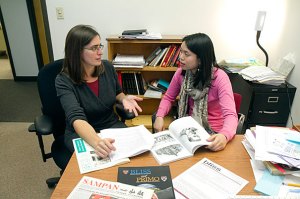
Learning about research
Nearly 150 Harvard undergraduates spent 10 weeks last summer learning the nuts and bolts of academic research — from ethnography to techniques for culturing living tissue — with faculty in three immersive programs.
-
Health
Harvard team reports major step forward in cell reprogramming
A team of Harvard Stem Cell Institute (HSCI) researchers has made a major advance toward producing induced pluripotent stem cells, or iPS cells, that are safe enough to use in…
-
Health
GlaxoSmithKline and Harvard Stem Cell Institute announce major collaboration agreement
GlaxoSmithKline (GSK) and the Harvard Stem Cell Institute (HSCI) today announced that they have entered into a five-year, $25 million-plus collaborative agreement to build a unique alliance in stem cell…