Featured series

Science & Tech
-
Is it already too late to reduce catastrophic AI risk?
New Kennedy School ‘pre-mortem’ lays out threats, vulnerabilities, and possible steps, warns firms must act now

-
How to know if you’re wrong
Acknowledging your vast ignorance is a good first step — but don’t stop there
Part of the Wondering series -
‘I don’t know if this is going to turn out well.’
With a split-screen view of a turbulent tech revolution, Michael Brenner makes a case for the value of human guidance
-
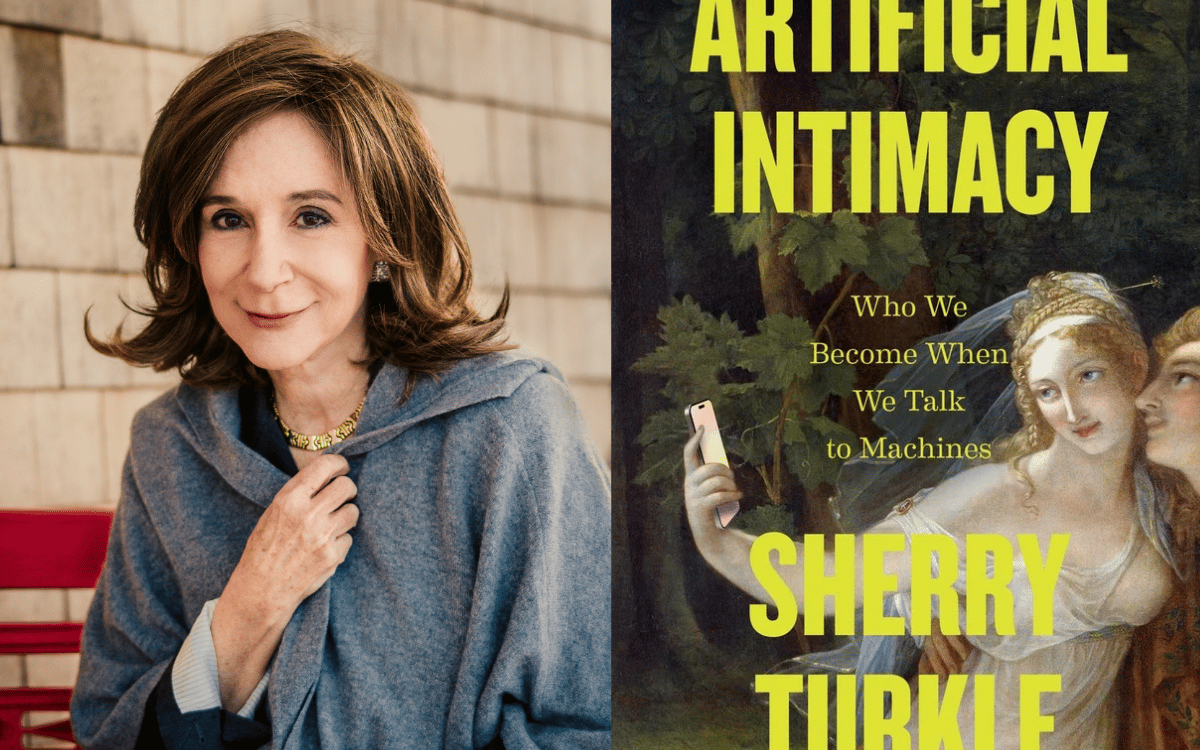
My chatbot is my boyfriend. What’s the harm?
Sherry Turkle’s ‘Artificial Intimacy’ is a book-length response to ‘fundamental lie we’re telling ourselves’
-
Are analytics making pro sports less fun?
Some say they rob games of color, spontaneity, but others argue changes aren’t always for worse
-
Who knew self-improvement could be so terrifying?
Contemplating a future where machines break free of human meddling
-
From a plant-free place, clues about how to help plants survive as planet warms
Data from salt flats suggest dry soil is worse than rising temperature

-
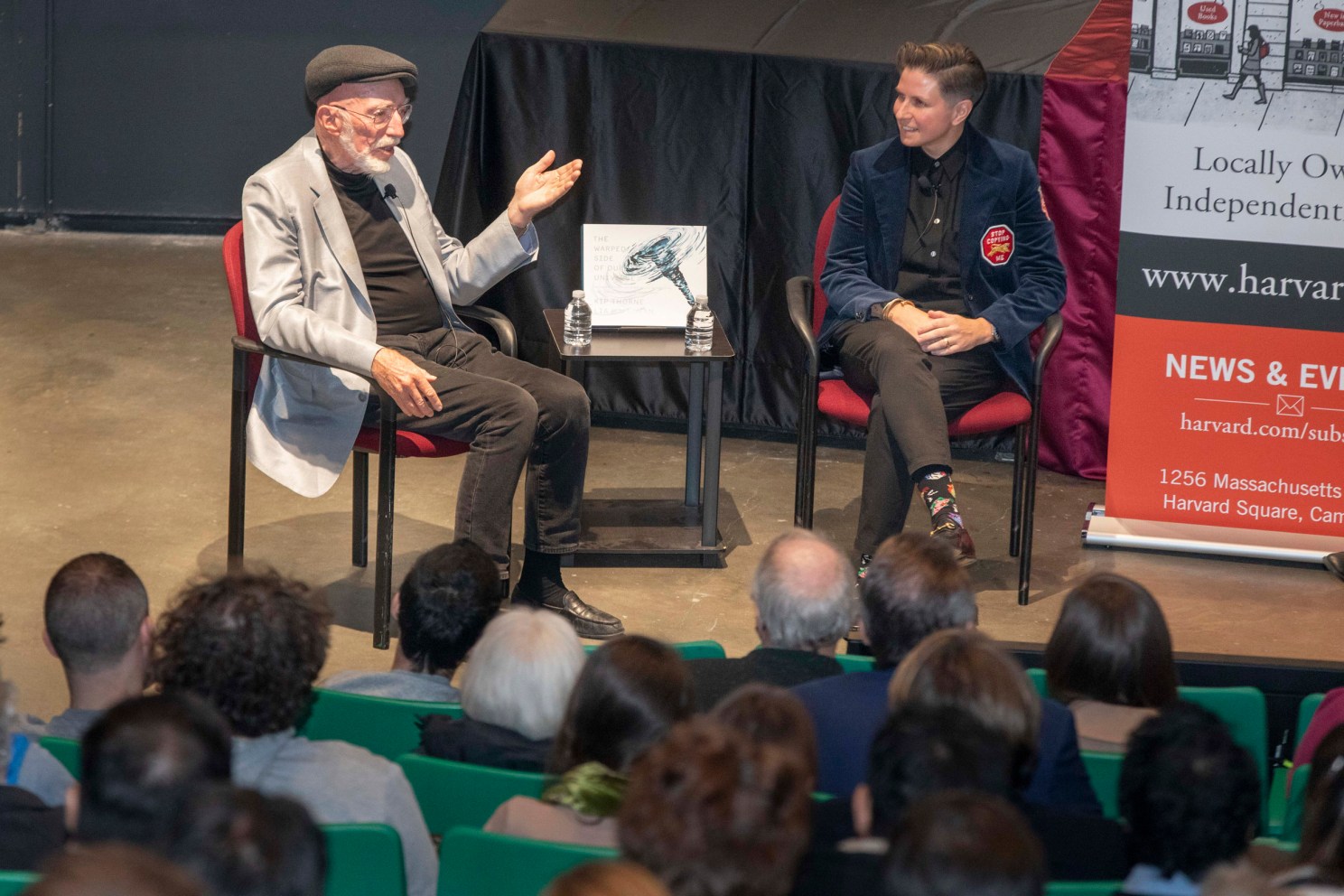
Nobel-winning physicist, artist illustrate universe’s ‘warped side’
New book seeks to demystify complex science from black holes to time travel
-
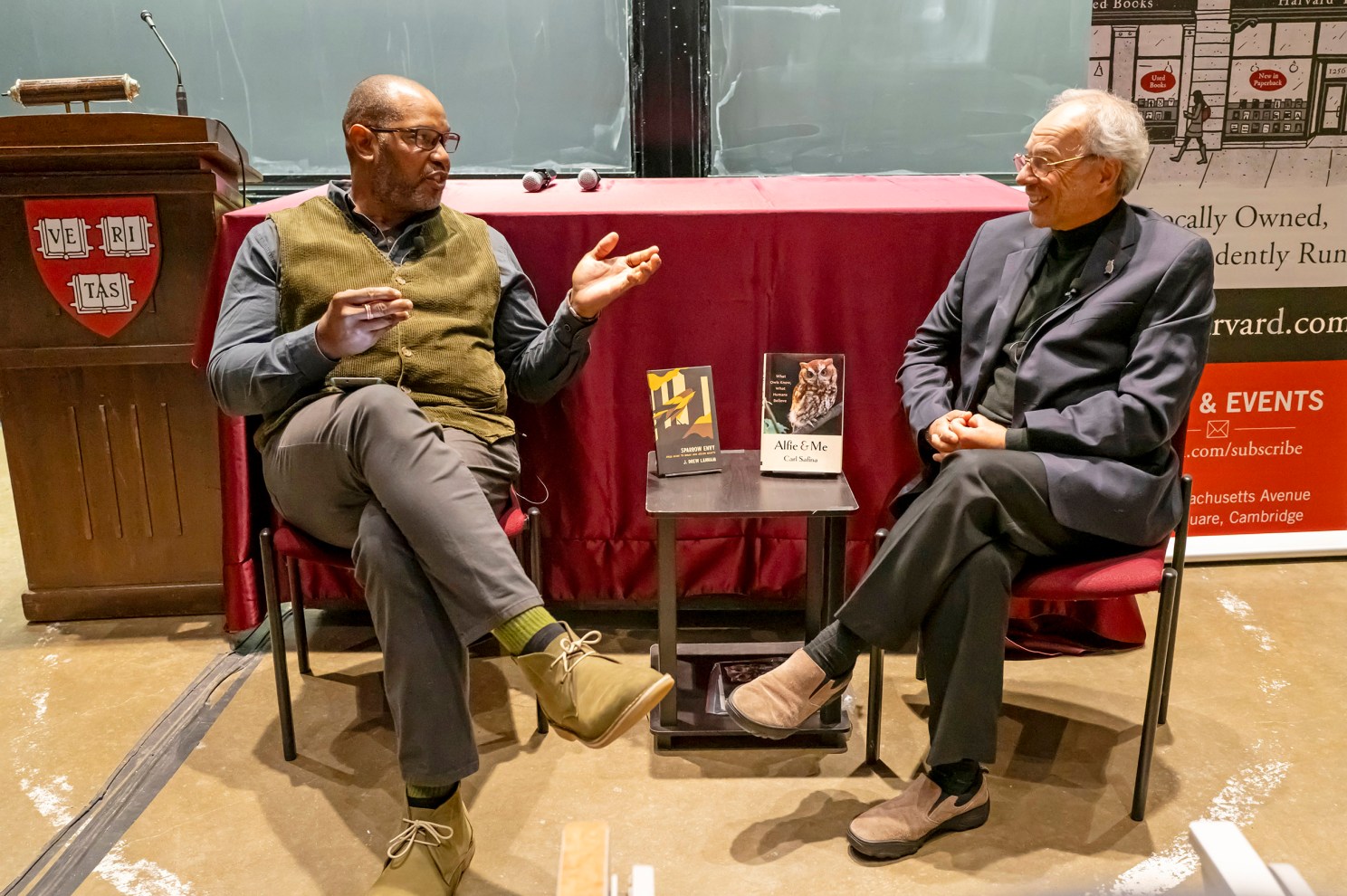
Screech owl wisdom
‘Alfie and Me’ ecologist on what he learned as he bonded with bird
-
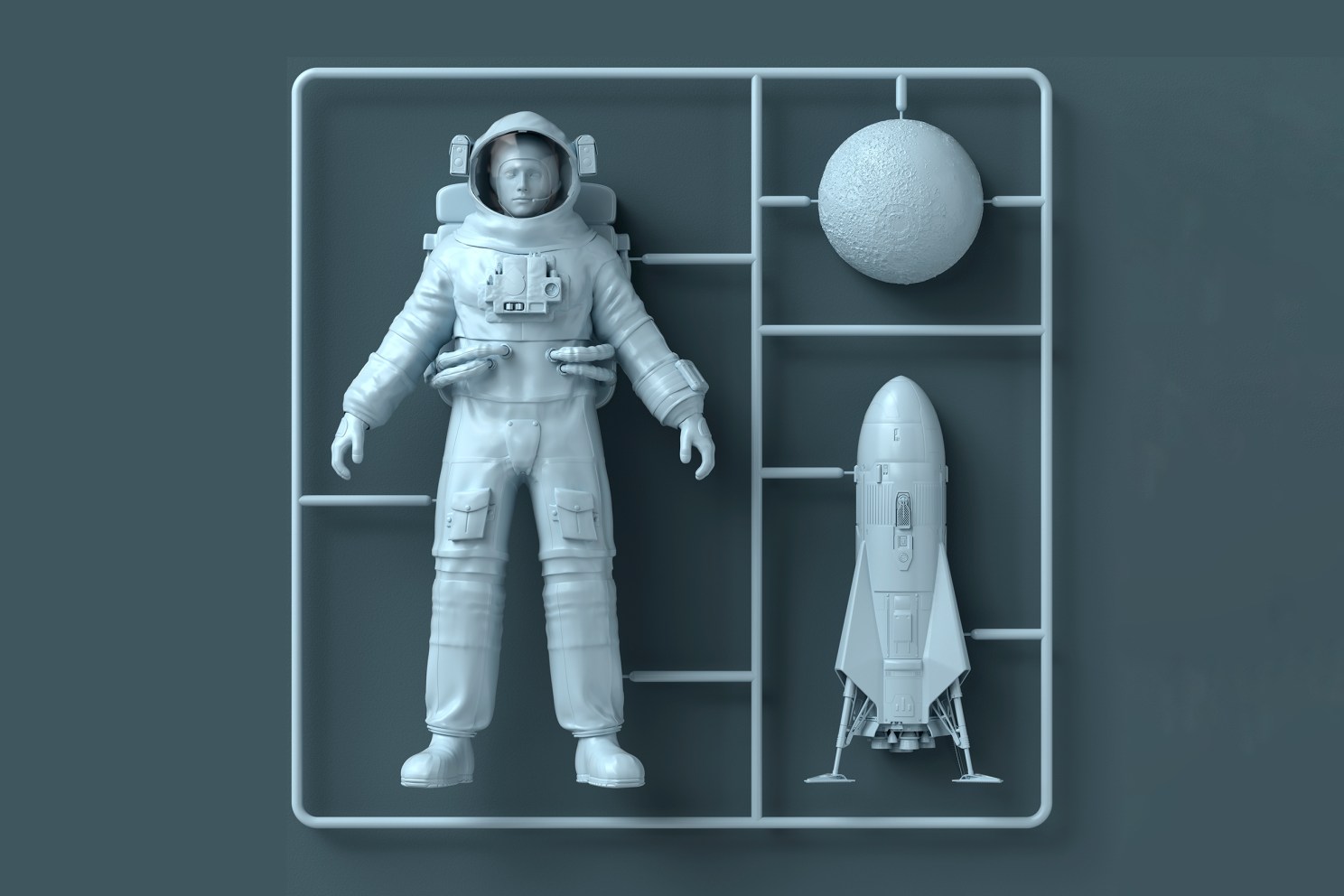
How to prepare for a trip to space
Astronauts spend years training for missions. How do commercial travelers get ready?
-
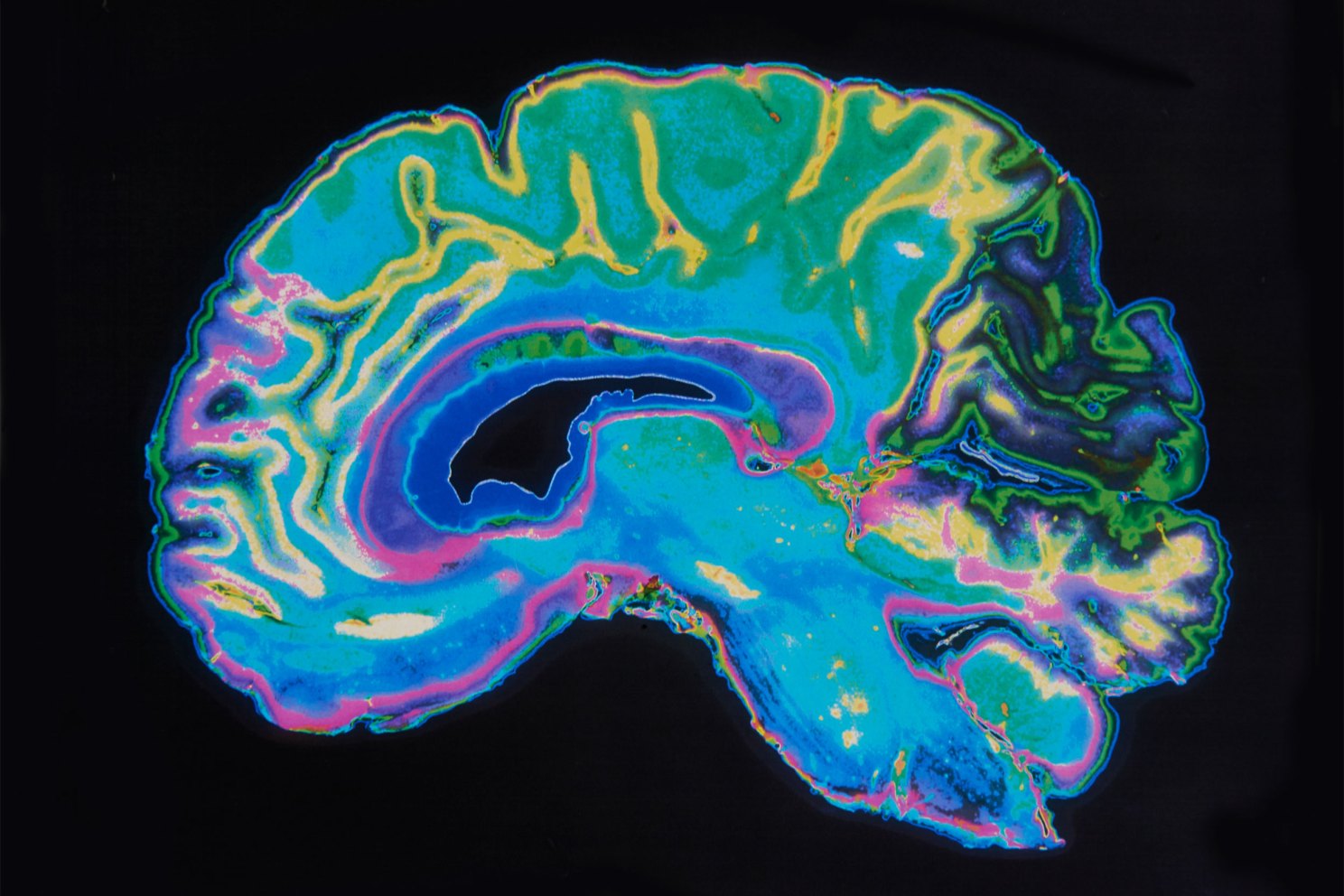
Cellular atlas guides new understanding of brain
New technology gives voice to pathologic changes in neurodegenerative illnesses like Alzheimer’s and epilepsy.
-
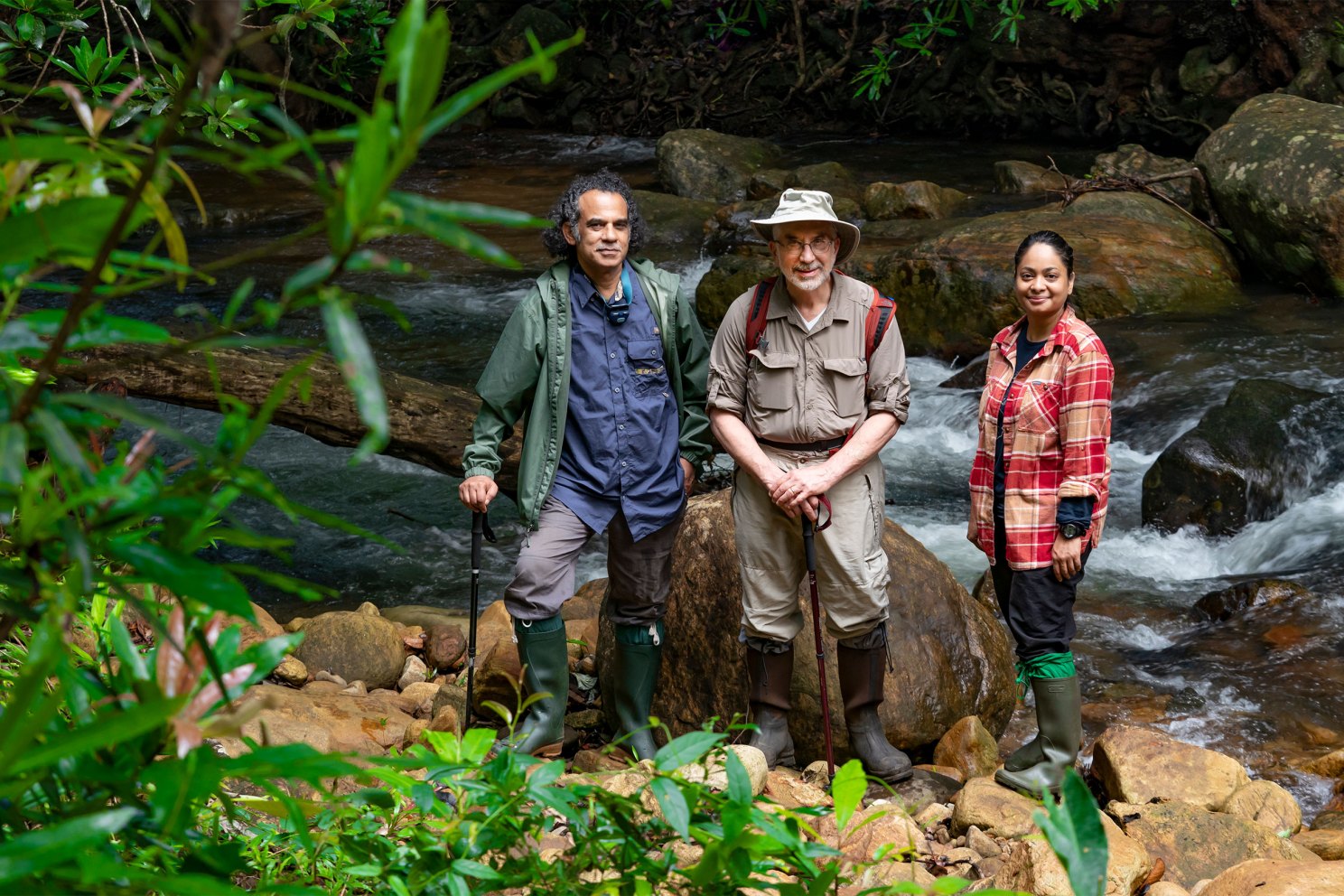
Who will fight for the frogs?
Indian herpetologists bring their life’s work to Harvard just as study shows a world hostile to the fate of amphibians.
-
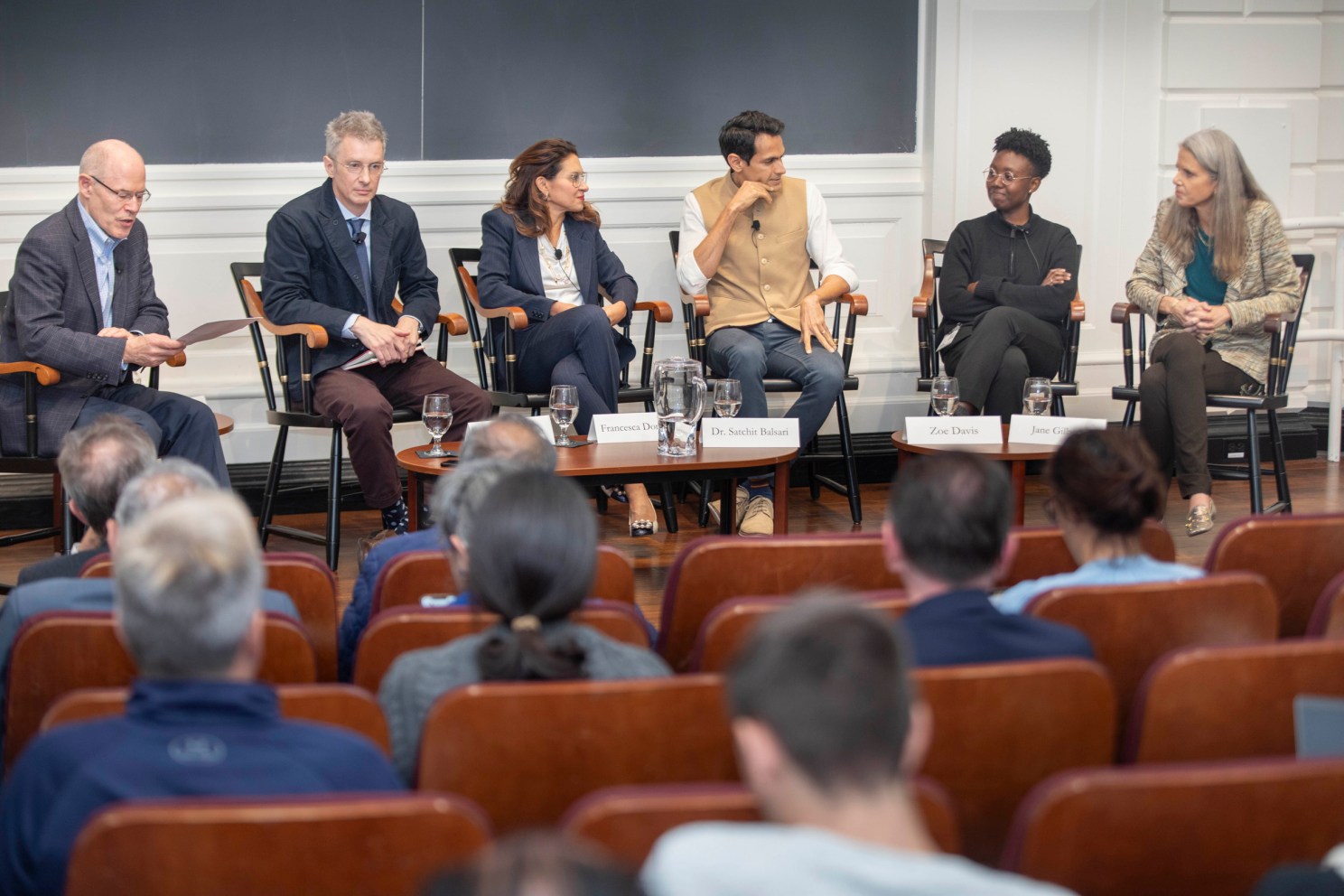
When future weather outside is frightful — hot, that is
At the “Future of Cities” event, panelists explained how rising temperatures will impact different economic levels in various parts of world.
-
A DEEPer (squared) dive into AI
Machine learning techniques give scientists faster returns of high-quality organ images.

-
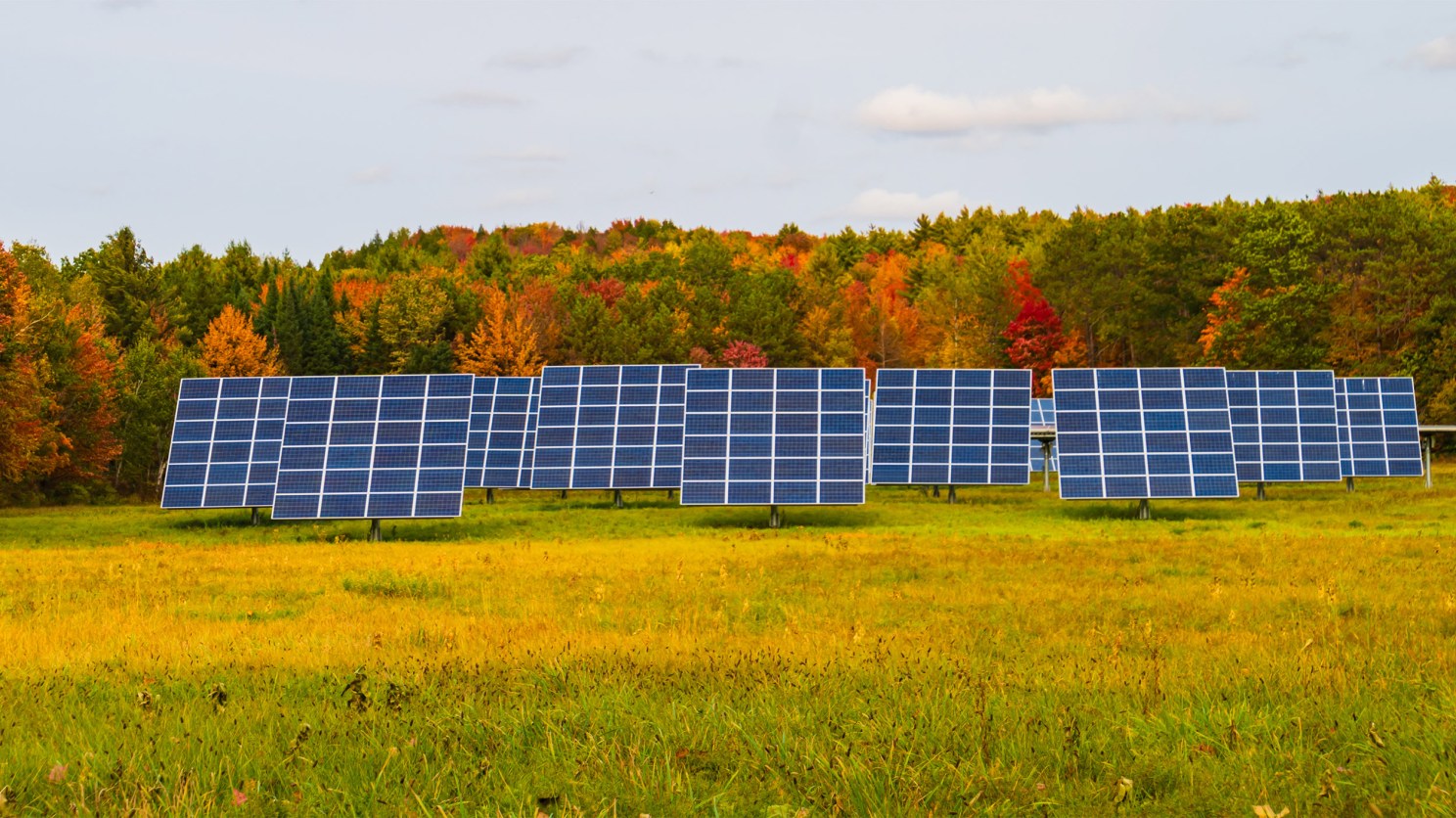
More solar energy needed, but clearing forests for panels may not be way to do it
Harvard-led analysis suggests incentives to save carbon-absorbing trees, siting projects on rooftops, developed areas.
-
Self-correcting quantum computers within reach?
Harvard team’s method of reducing errors tackles a major barrier to scaling up technology.

-
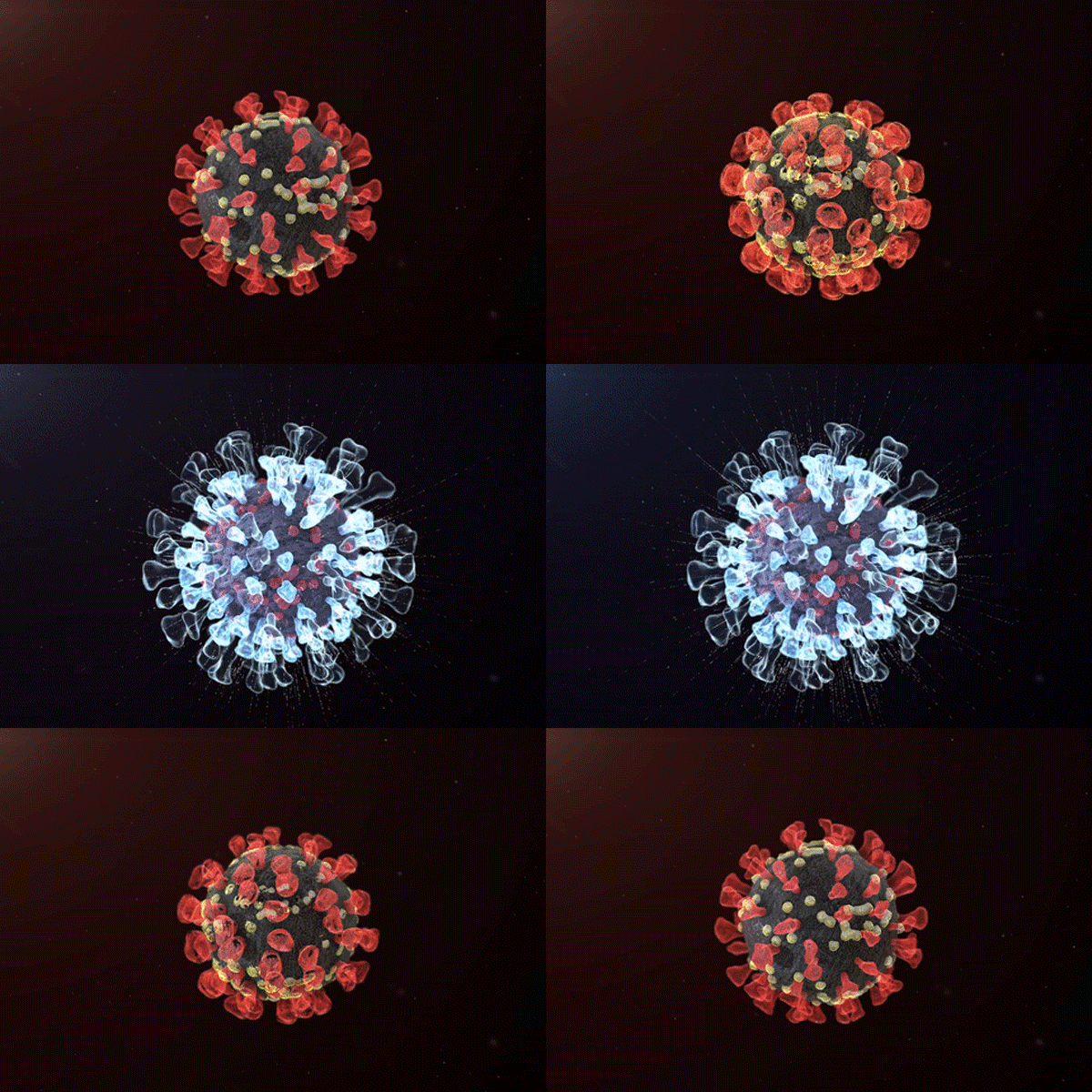
Staying ahead of virus mutations
EVEscape uses evolutionary and biological information to predict how a virus could change to escape the immune system.
-
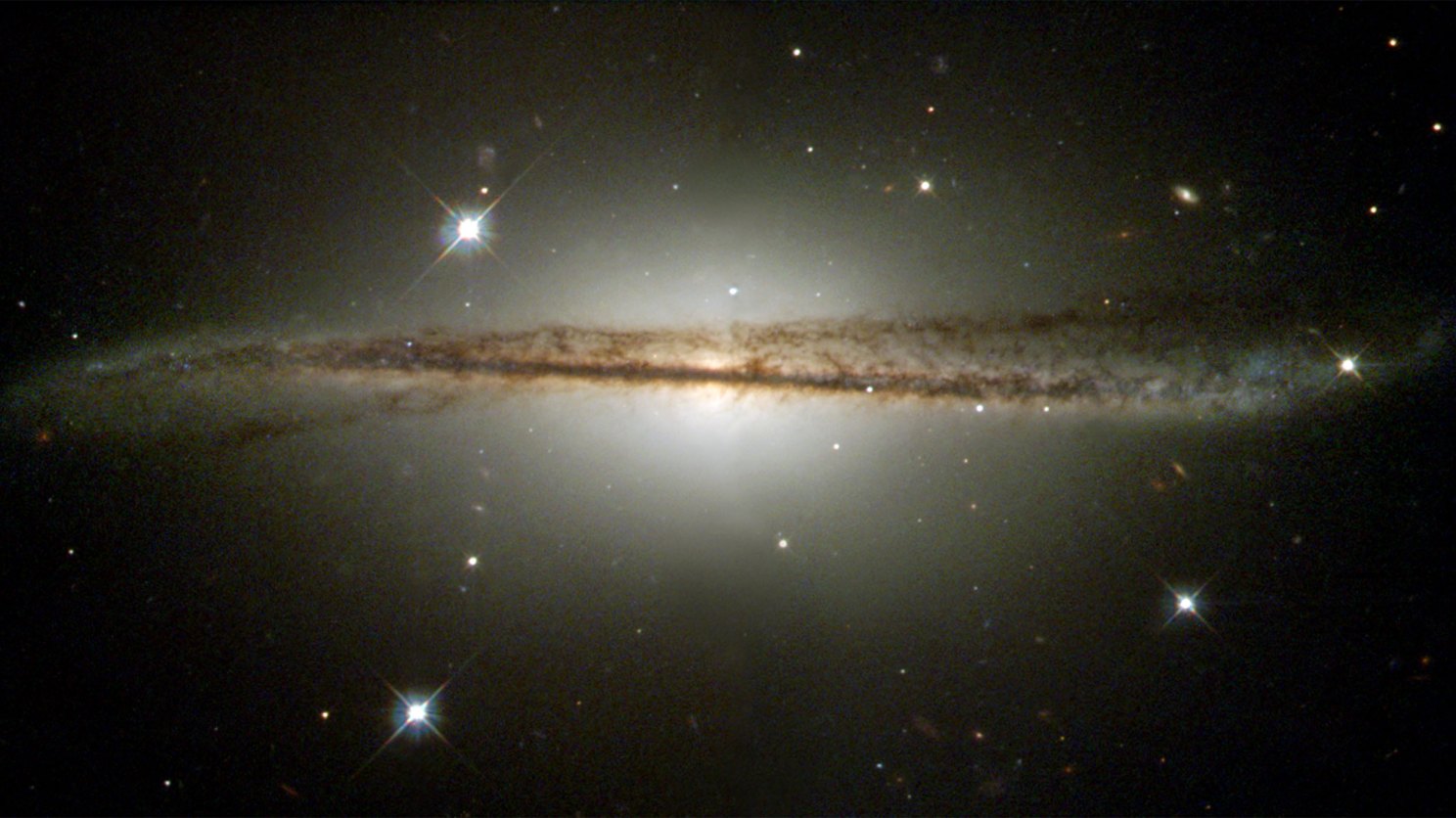
Finding explanation for Milky Way’s warp
The Center for Astrophysics | Harvard and Smithsonian’s results bolster hypothesis of how galaxy evolved.
-
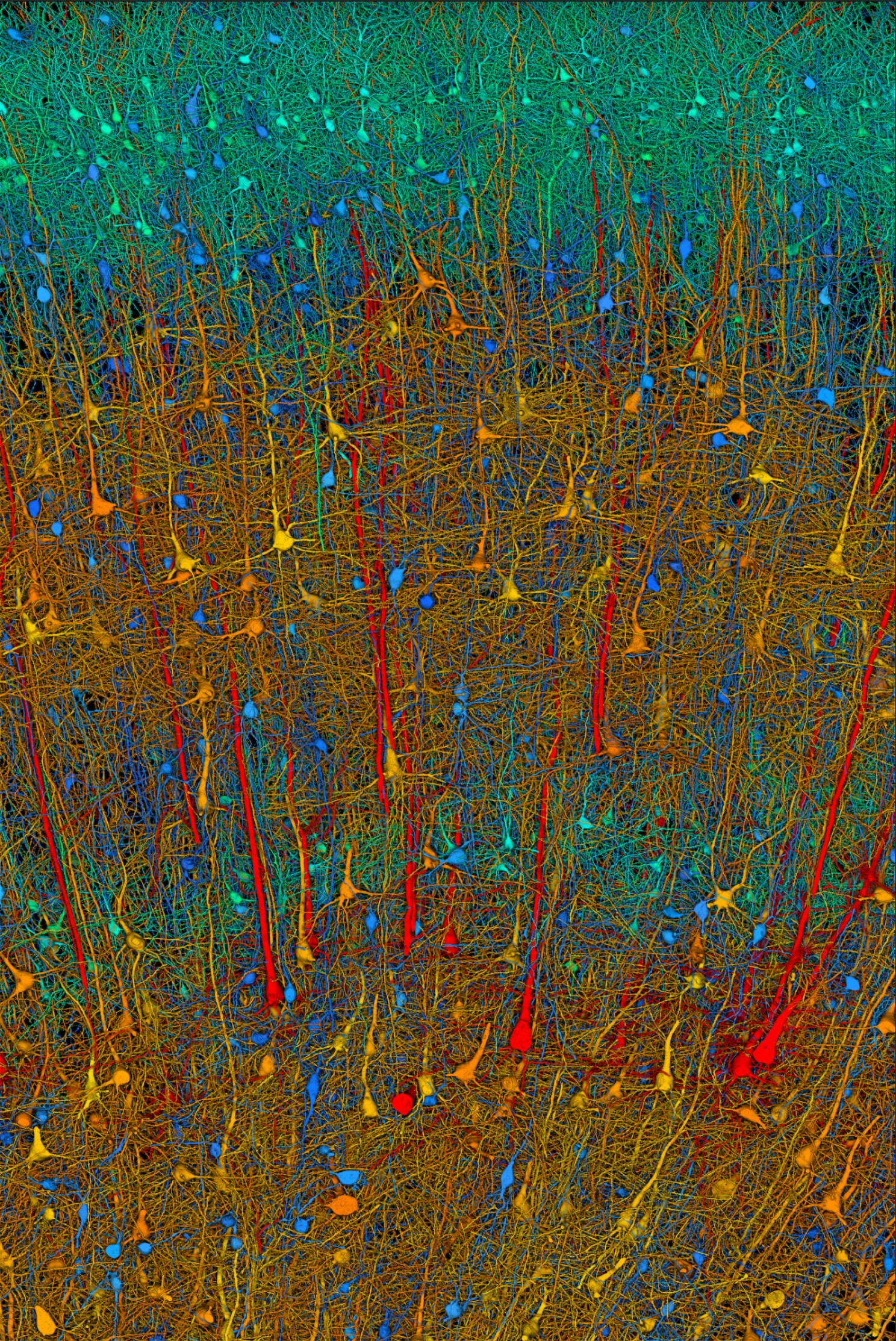
Human brain seems impossible to map. What if we started with mice?
Harvard-led project seeks to create the first comprehensive diagram of every neural connection.
-
On the road to smoother EV charging — and hopefully, greater adoption
New Salata Institute-led program aims to grow, improve infrastructure for longer trips, those who can’t charge at home.
-
A COVID cure worse than the disease?
Some worry a treatment that kills SARS-CoV-2 by helping it mutate could spawn a super virus. New research weighs in on its “evolutionary safety.”
-
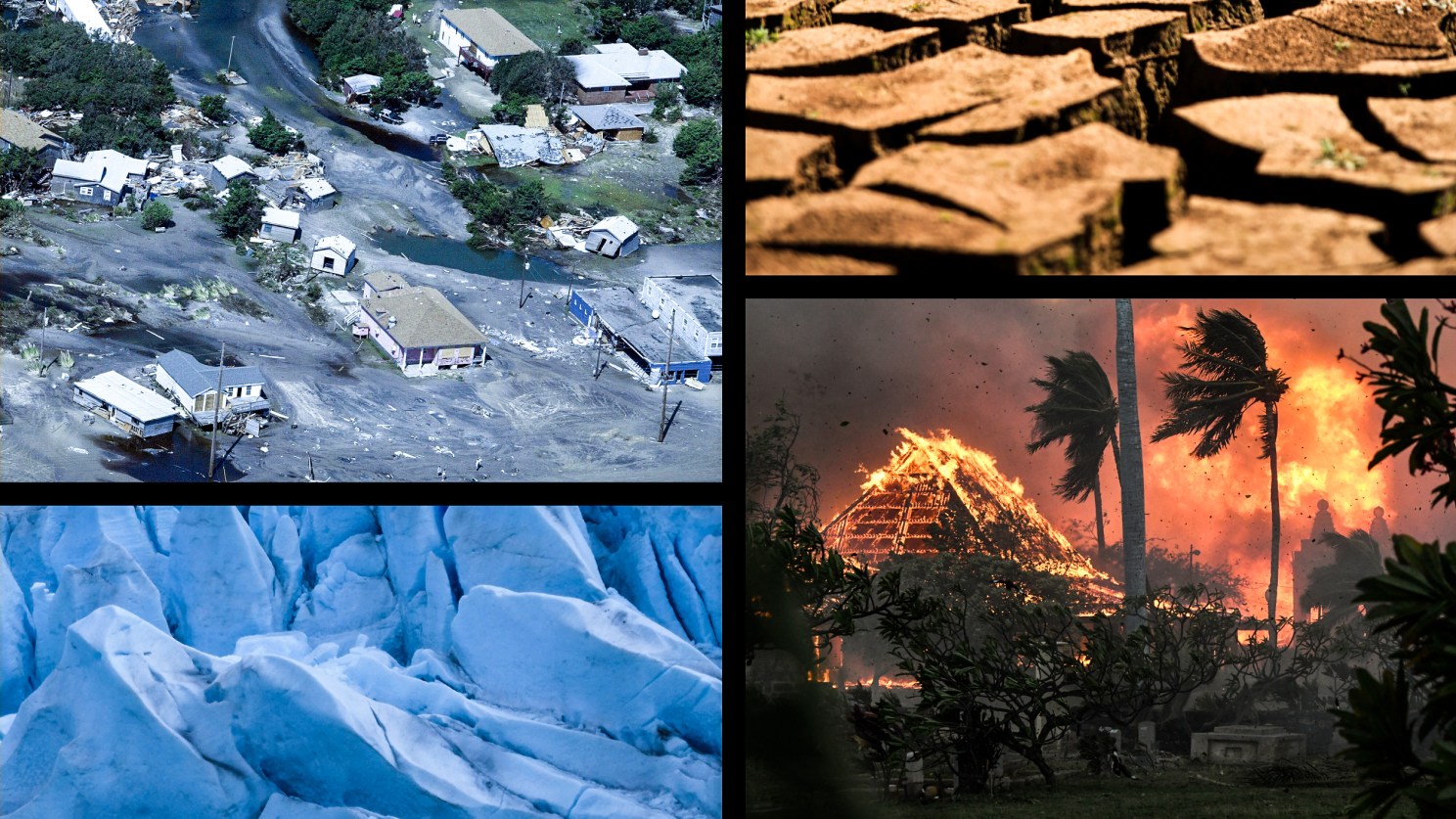
14 projects confronting climate change win Salata Institute grants
Plant-based buildings, greener AI, and a national agroforest are just a few of the solutions researchers are teaming up to explore.
-
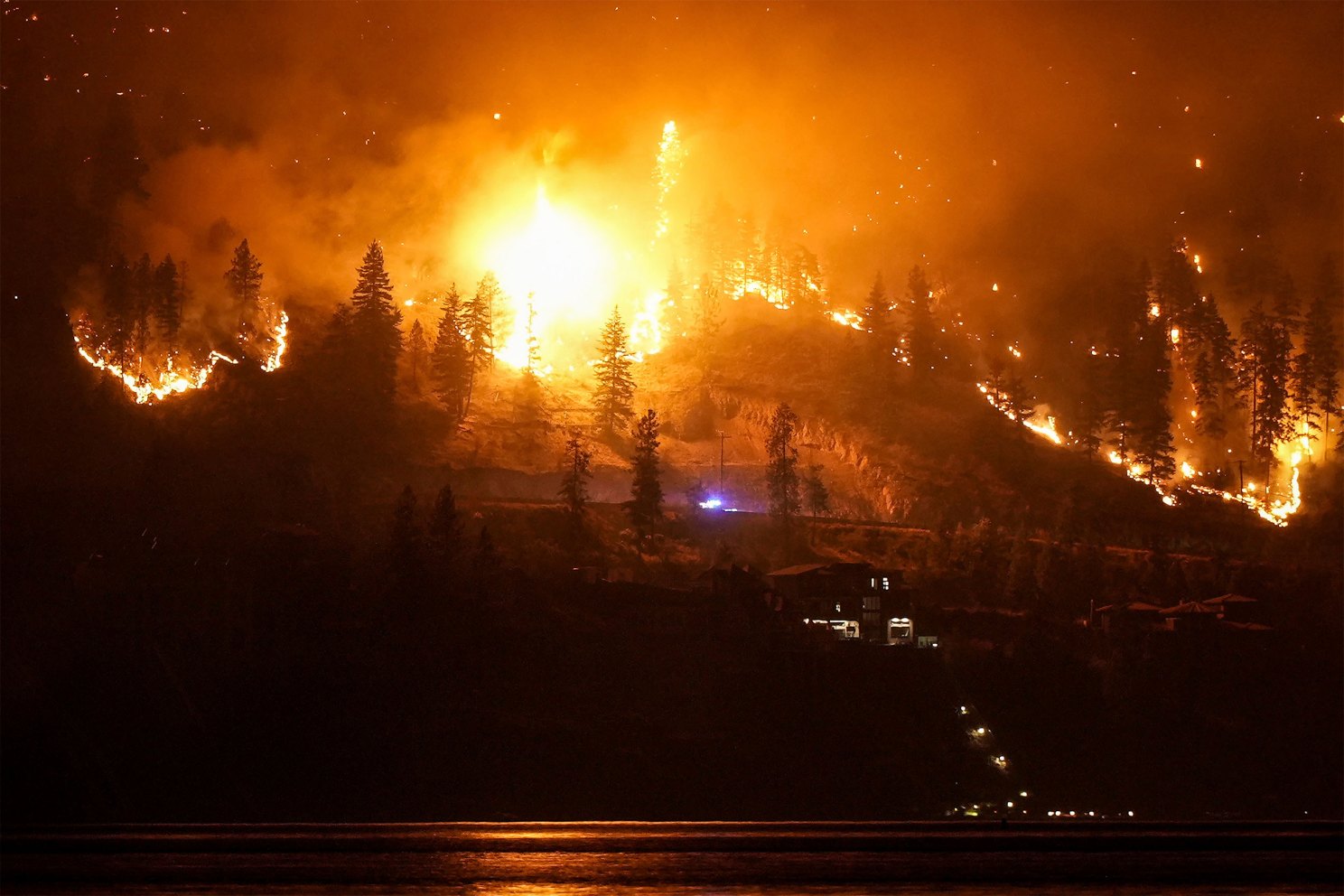
Wildfires are much worse than a sign of climate change
Loretta Mickley, a Harvard wildfire expert, says wildfires are not just a symptom of climate change, but with the increased burning of millenia-old global peat stores, have the potential to worsen warming.
-
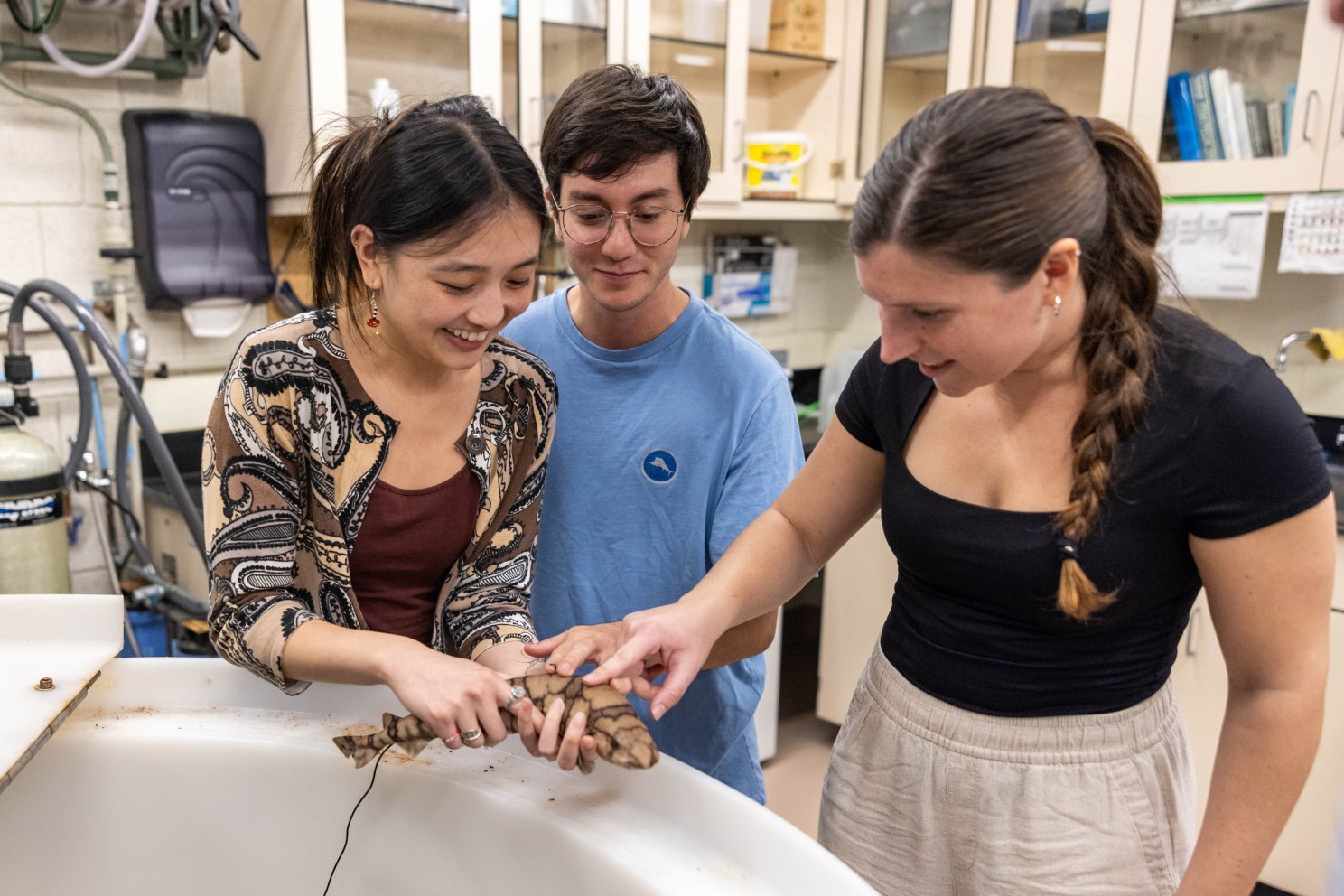
Science no longer intimidates her. Neither do sharks.
Summer research program breaks down barriers for undergraduates with disabilities.
-
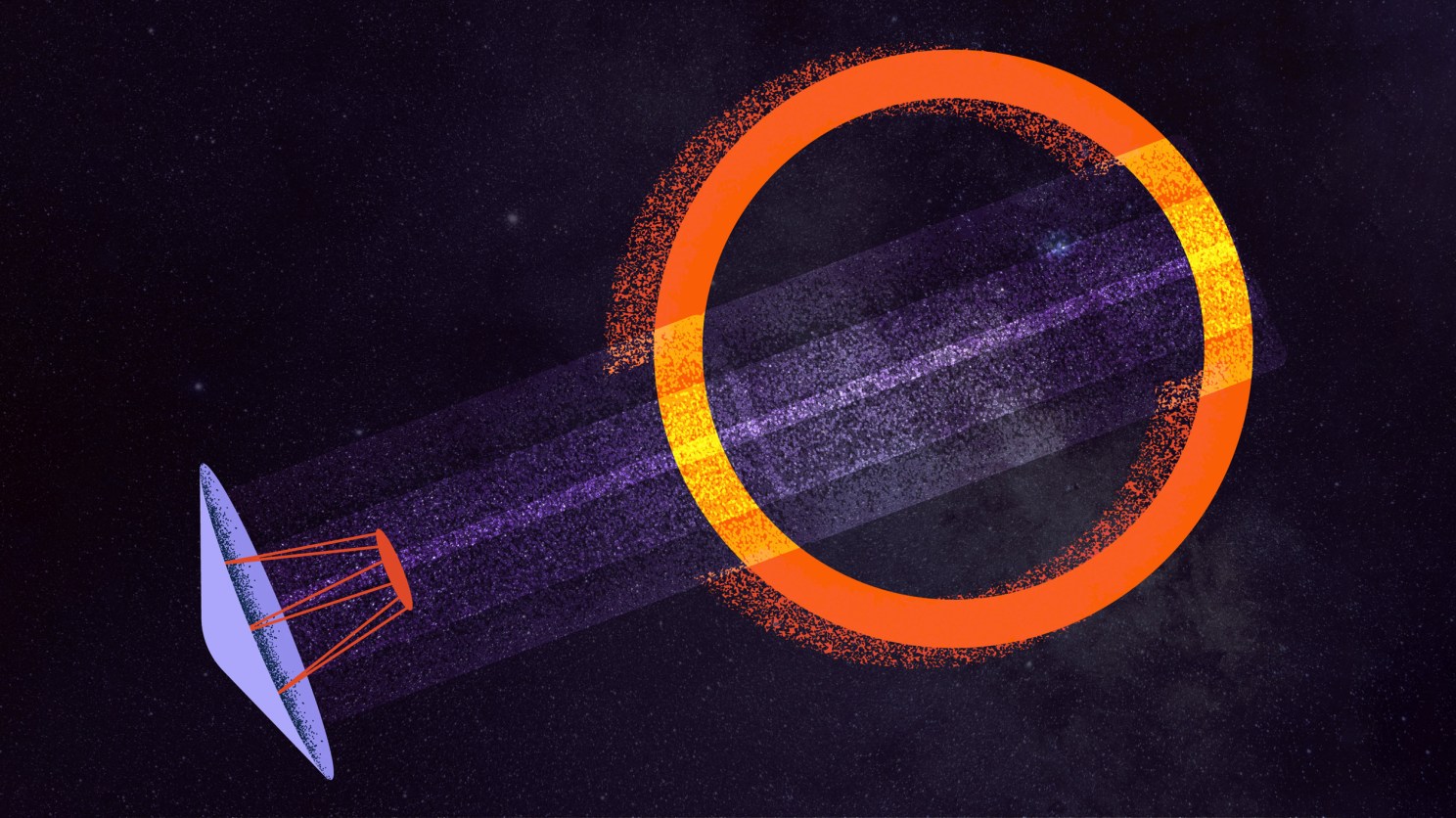
After capturing image of black hole, what’s next?
New Center for Astrophysics mission aims for closer look at photon rings and insight into nature of space and time.
-
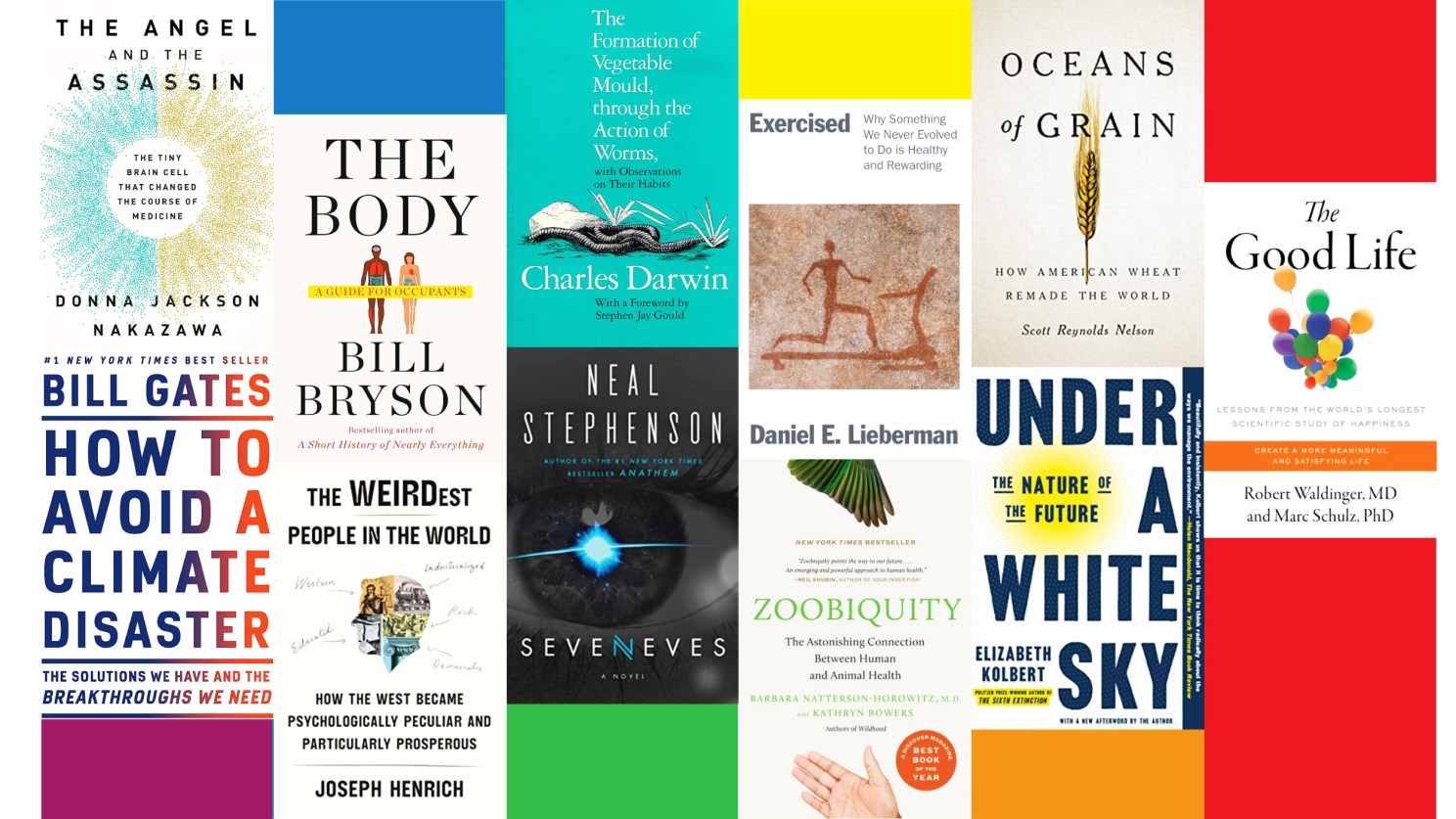
Climate change, global hunger: What to do?
Black holes, warming seas, new treatments for disease. Understanding the context — not to mention the technical jargon — can be a challenge.
-
Making the immense graspable
A talk with Andrew Pontzen, author of “The Universe in a Box: Simulations and the Quest to Code the Cosmos.”

-
In the doghouse — at the White House
Reports surface of aggressive behavior but canine expert says there may be understandable reasons.

-
Can you be close without sex?
Healthy intimate relationships vary but share one key feature, says psychologist

-
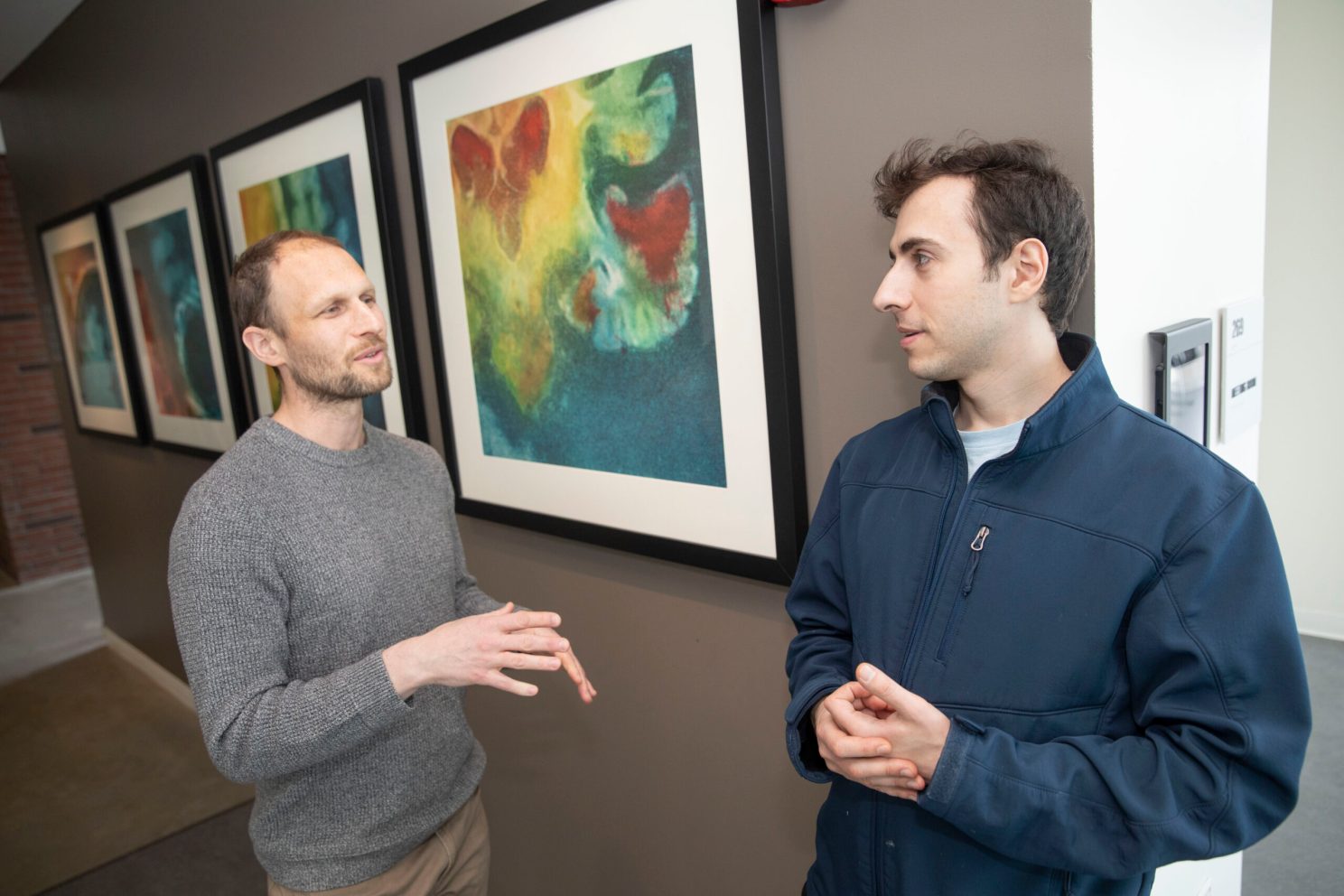
Making algorithm used in AI more human-like
Researchers used fMRI to test ideas about complex decision-making.
-
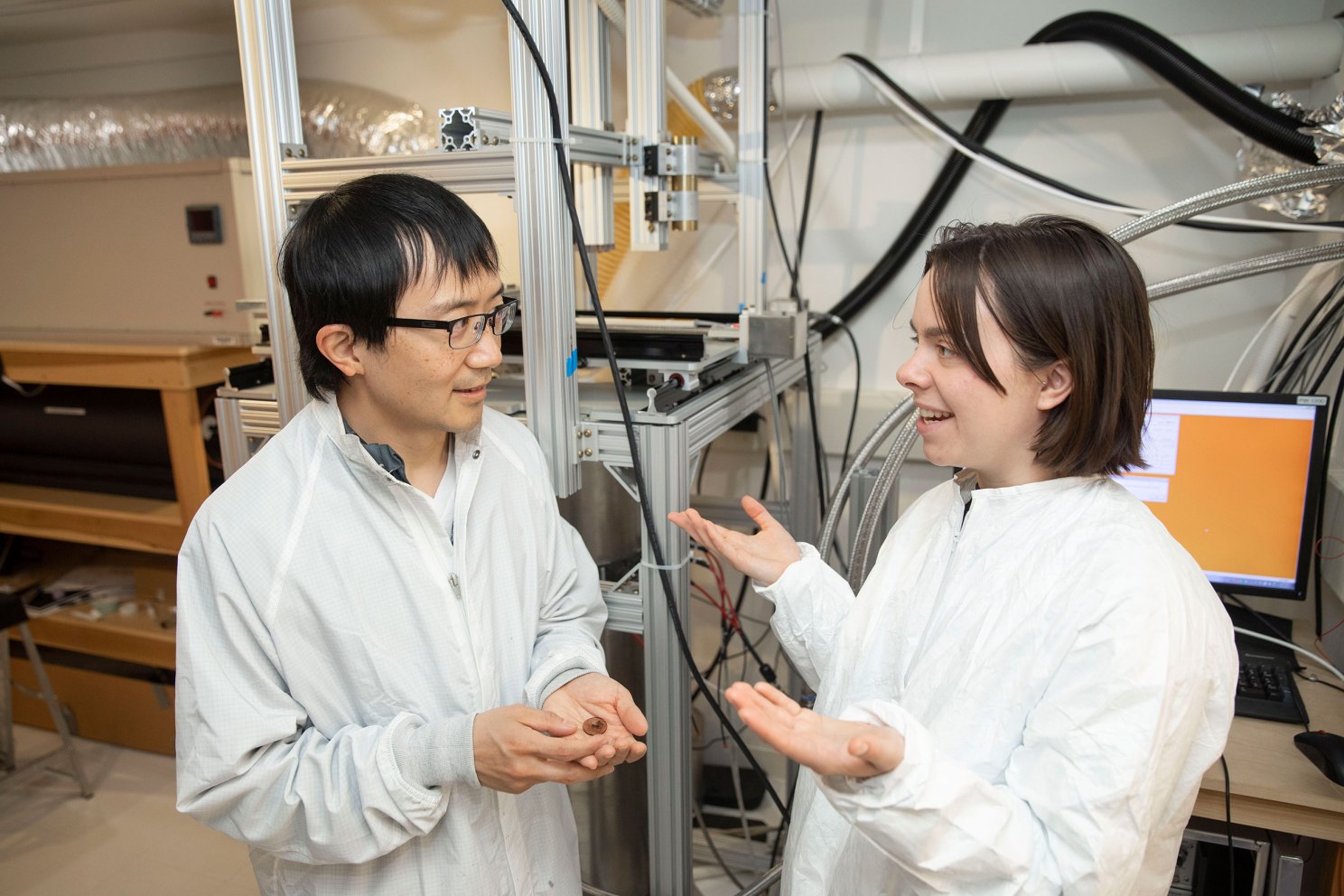
Life on Mars?
A study of magnetic fields suggests the Red Planet held water for longer than previously believed.
-
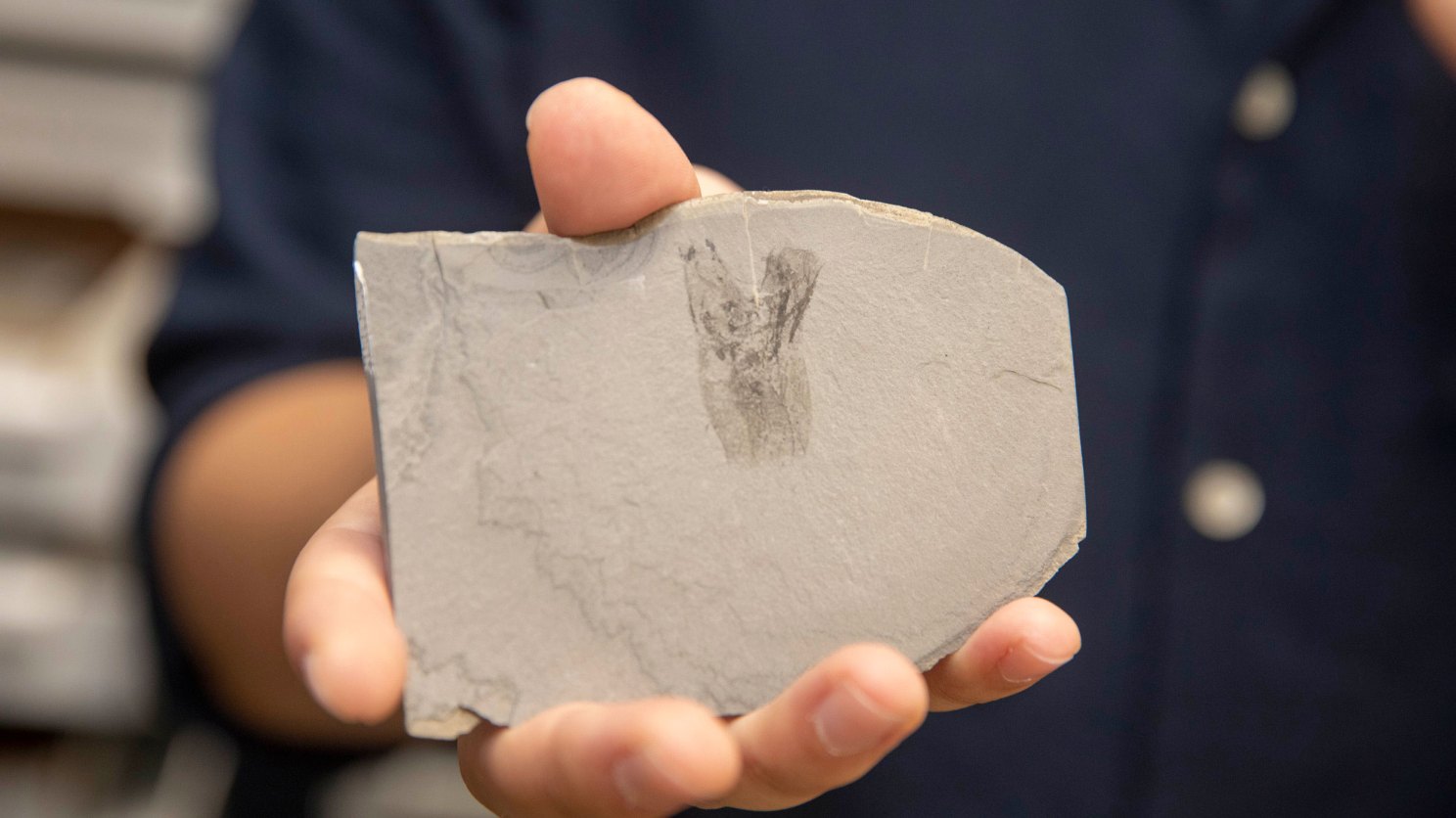
500-million-year-old fossil reveals new secrets
A new discovery, named Megasiphon thylakos, offers surprising insights on the evolution of tunicates.
-
5 reasons you crack under pressure
“Managing Conflict Mindfully” author outlines why even experts get in their own way sometimes, and how to stop.

-
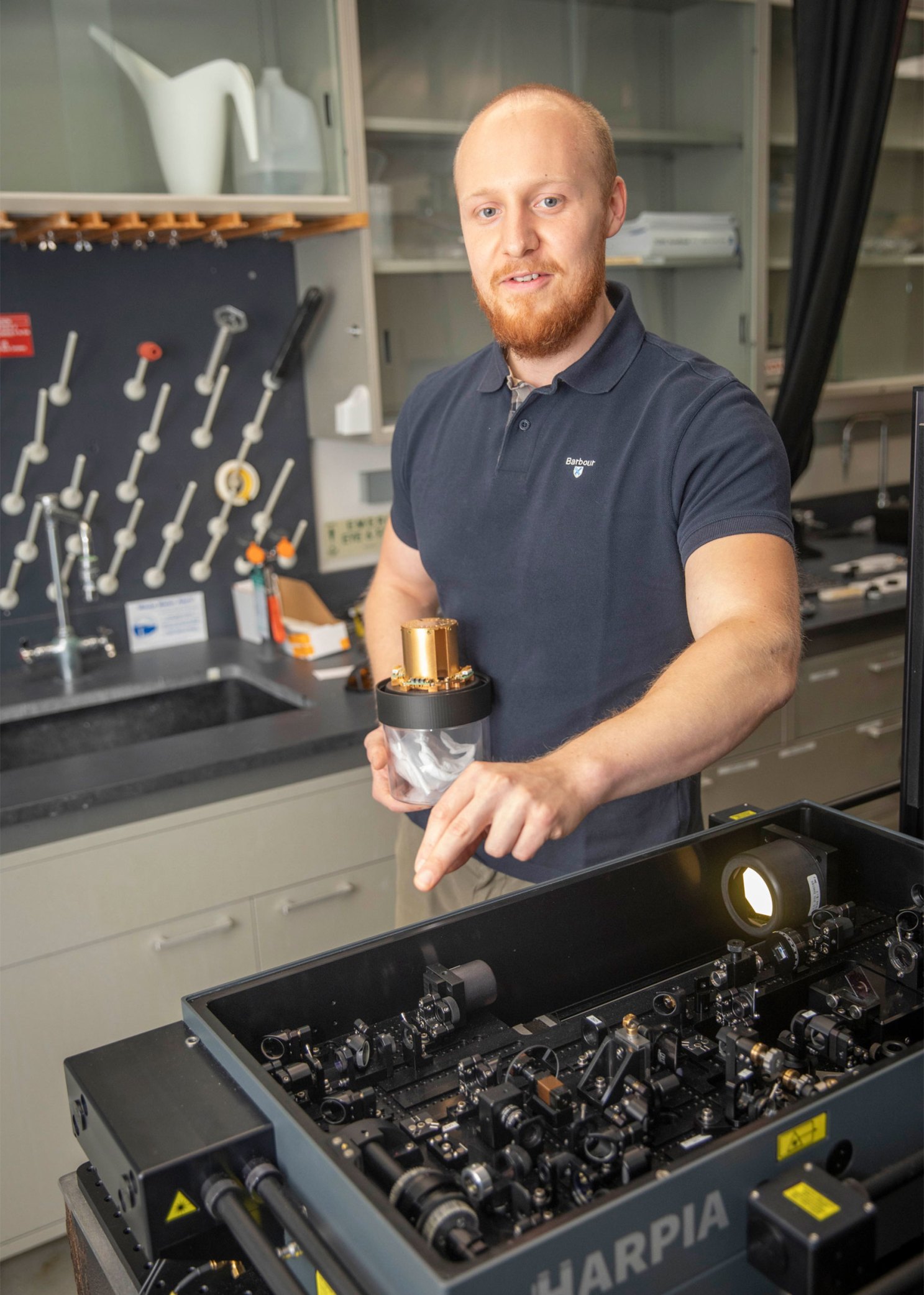
Using light to make electrons even more energy efficient
A team of researchers was able to generate electron spin domains without the need of magnetic fields on perfectly ordered materials at extremely low temperatures.
-
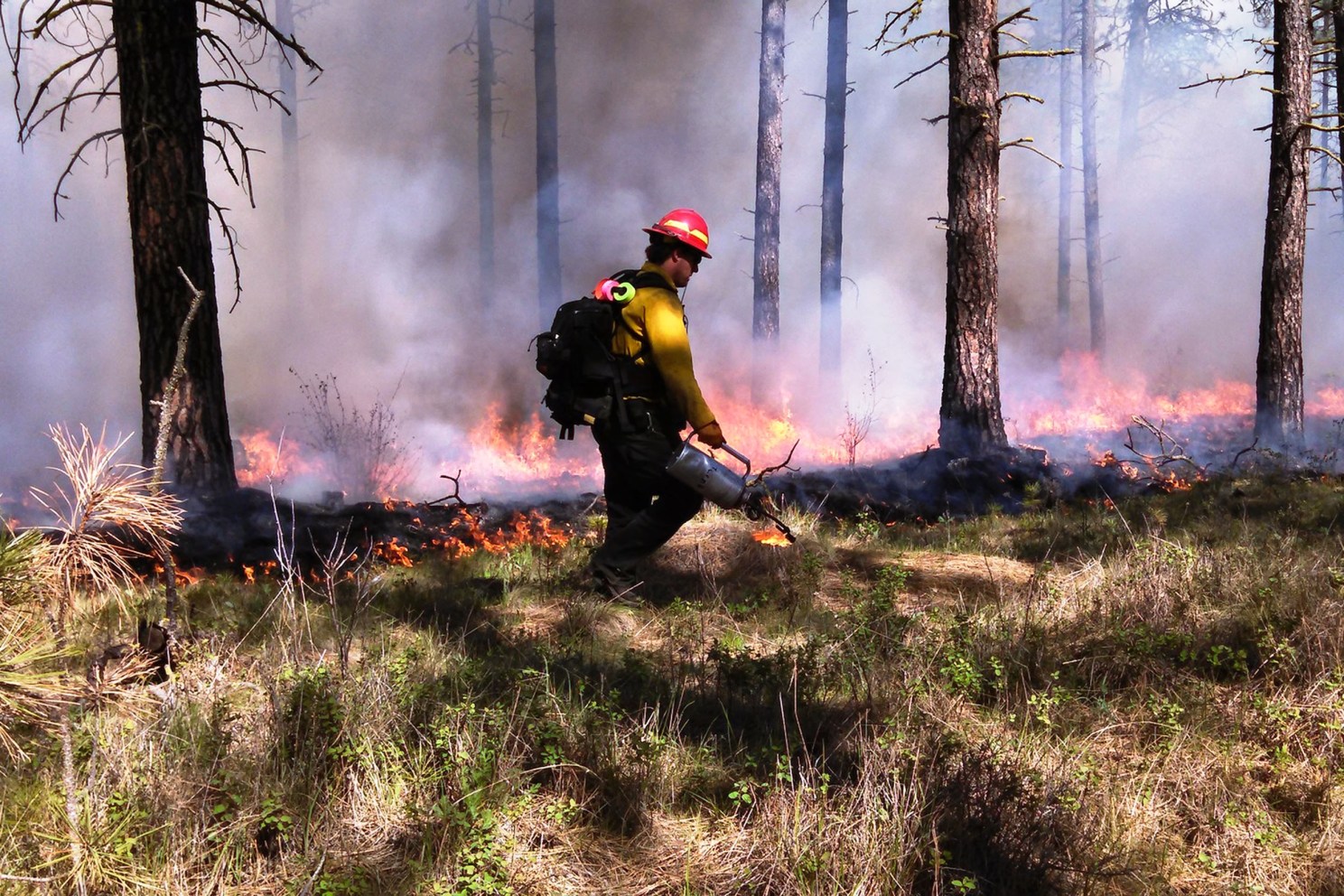
Fighting fire with fire
A study found that controlled burns in key areas of the U.S. West could drastically reduce smoke exposure
-
‘Moral breakdown is a fake problem’
In new study, experimental psychologist takes on the stubborn perception of declining morality.