Featured series
Nation & World
-
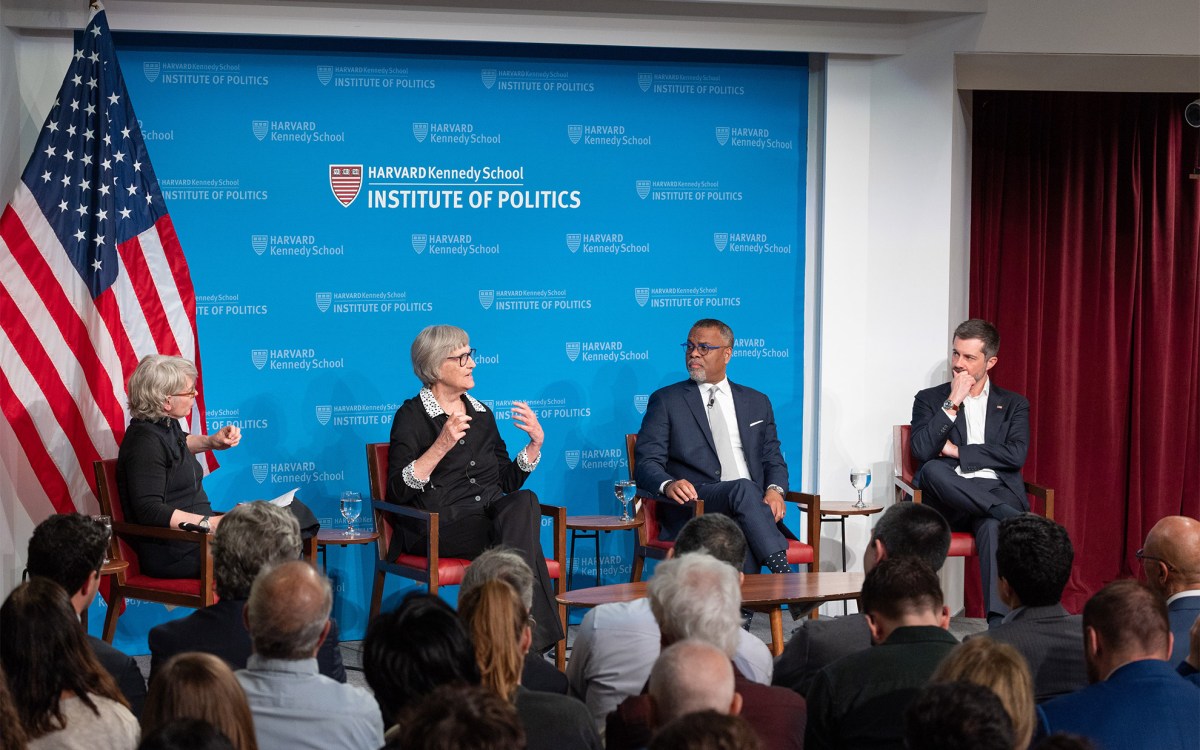
Is a more perfect union still possible?
Faust, Buttigieg, and Glaude look at past, present of nation’s divides
-
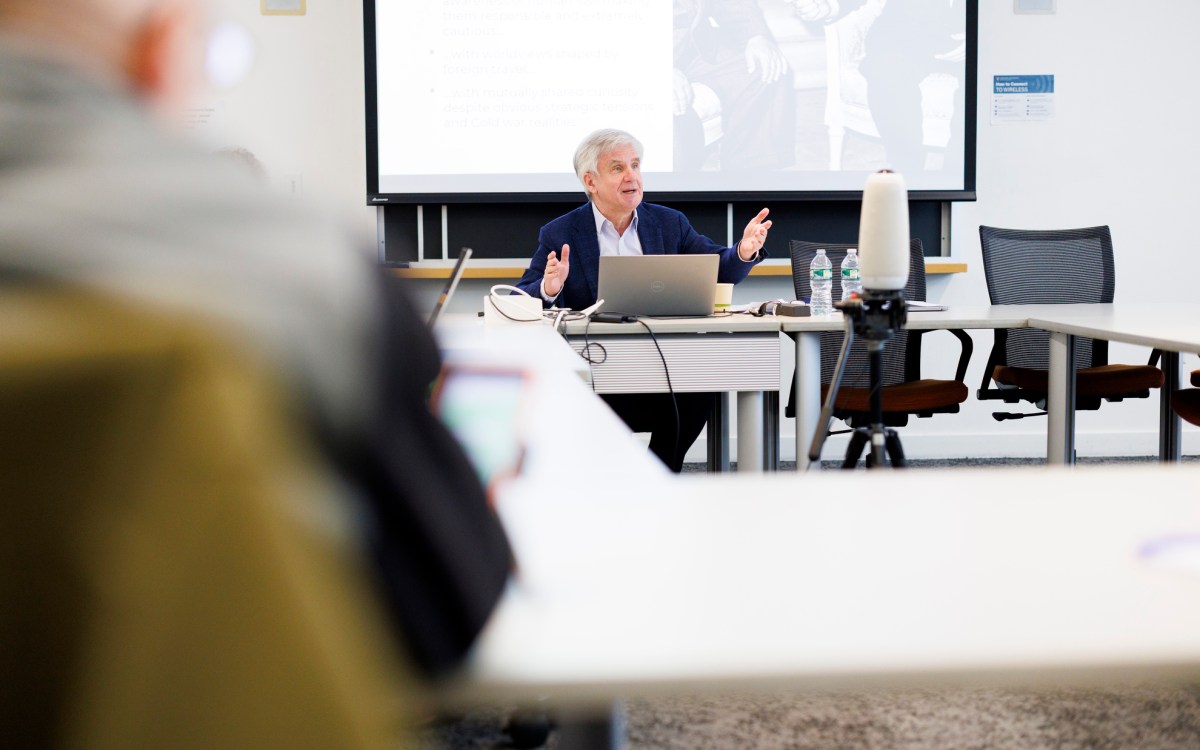
Writing us back from the brink
Researcher shares insights on letters exchanged by Kennedy and Khrushchev during Cuban Missile Crisis.
-
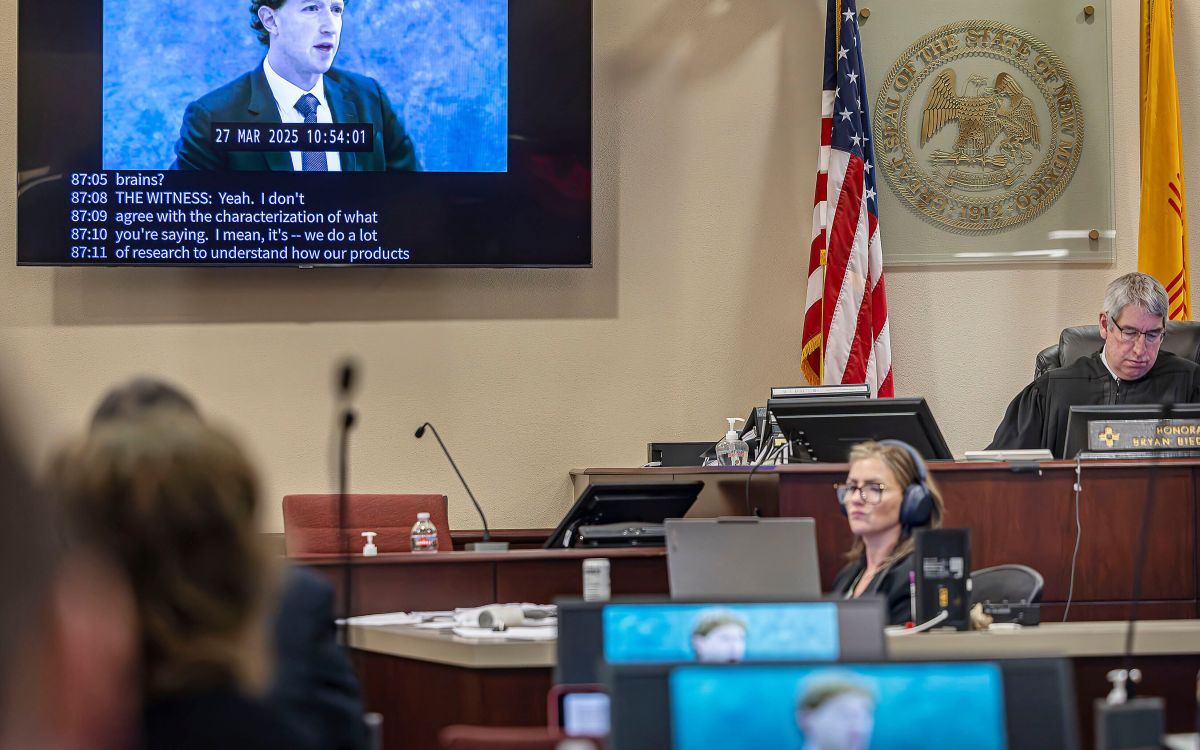
Social media firms lost two bellwether cases, but future remains unclear
Legal scholar on next move for tech giants, chances of ‘master settlement,’ more
-
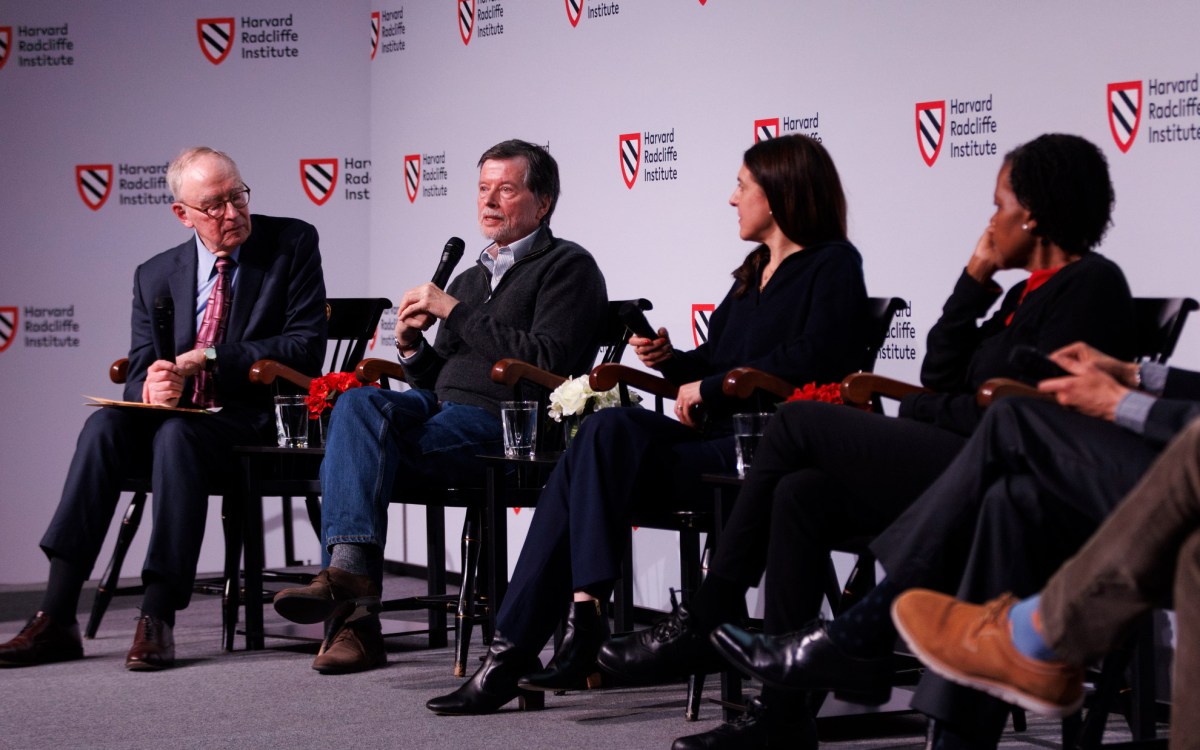
Two Americas, then and now
Panel featuring filmmaker Ken Burns probes ‘disjunction’ between Declaration of Independence and the Constitution
-
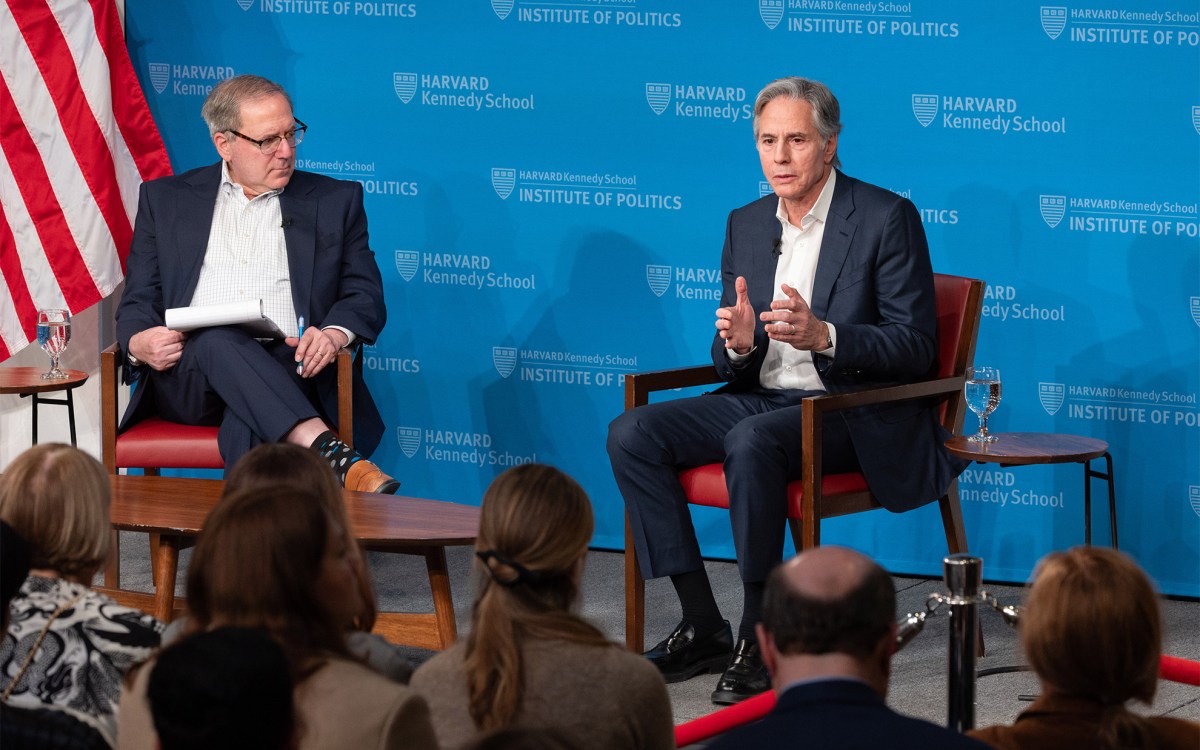
For U.S., war with Iran may come down to ‘markets and munitions’
Former Secretary of State Blinken details approach of past administrations, challenges ahead
-

How high school shapes future success
Study associates 2 factors with better long-term outcomes, including higher earnings at age 30
-
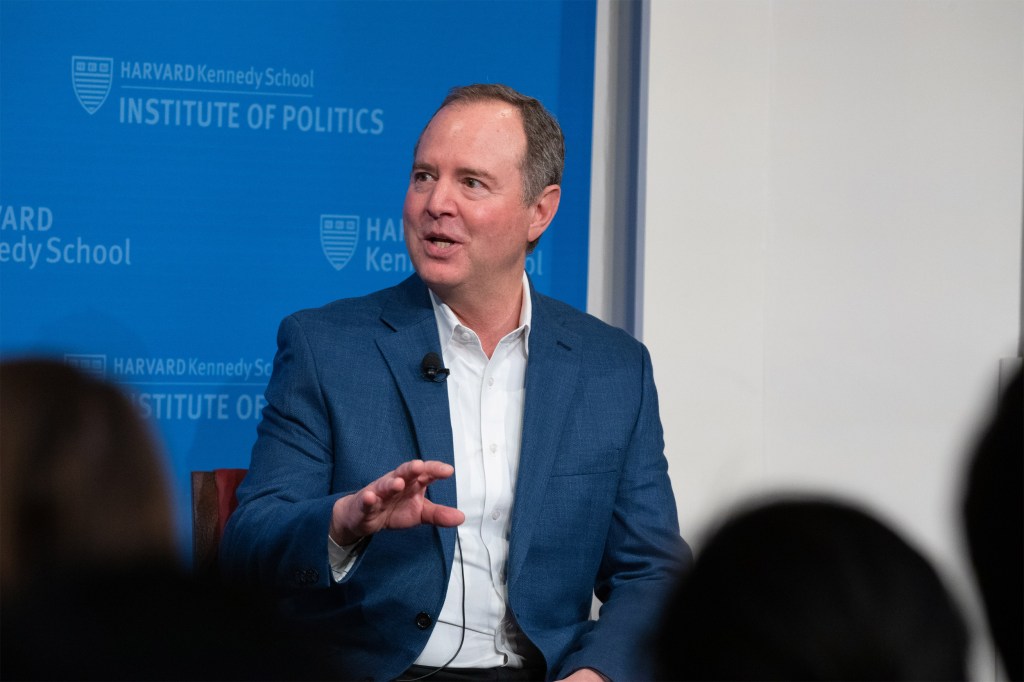
Some intelligence leaks are better than others
Rep. Adam Schiff contrasts recent disclosure of U.S. documents, Russian invasion buildup in Kennedy School talk on foreign policy, future of democracy.
-
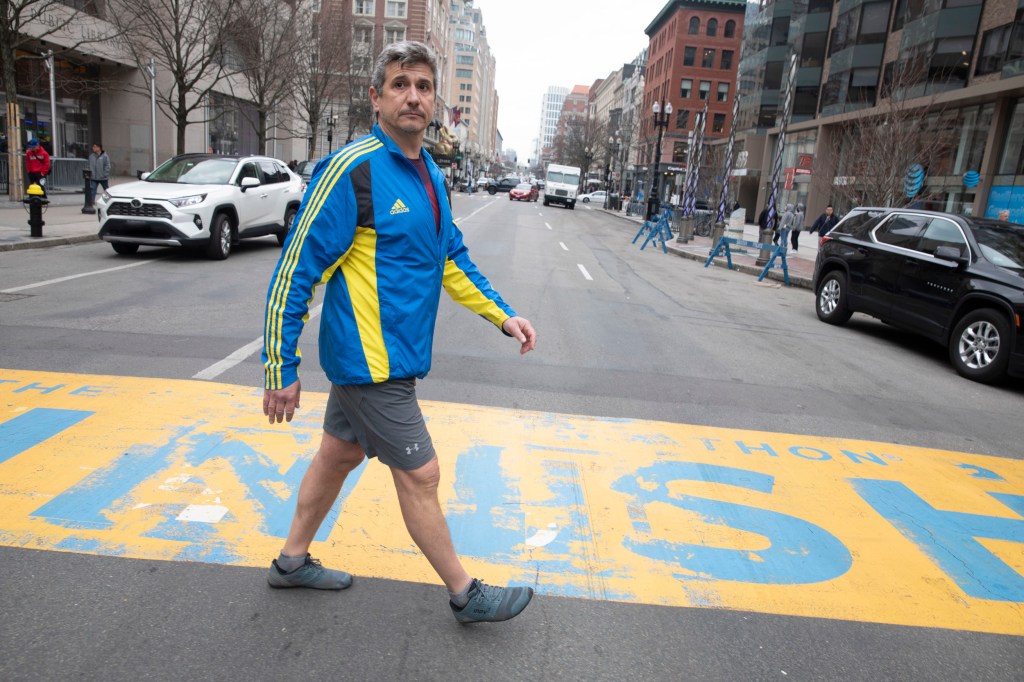
Scars remain a decade later
Harvard runners and families vividly recall the chaos, shock, and horror of that day, and express gratitude for the response.
-
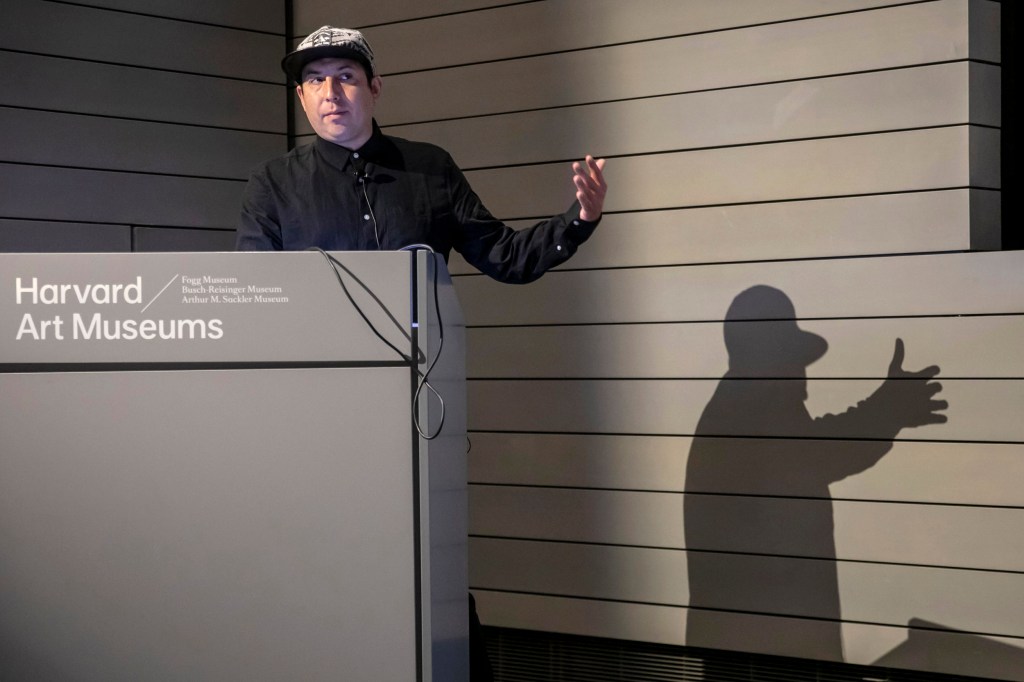
Go for Tommy Orange lecture. Stay for surprise reading of new book.
Acclaimed Cheyenne and Arapaho writer offers first public sample of hotly awaited novel at Native American Program event.
-
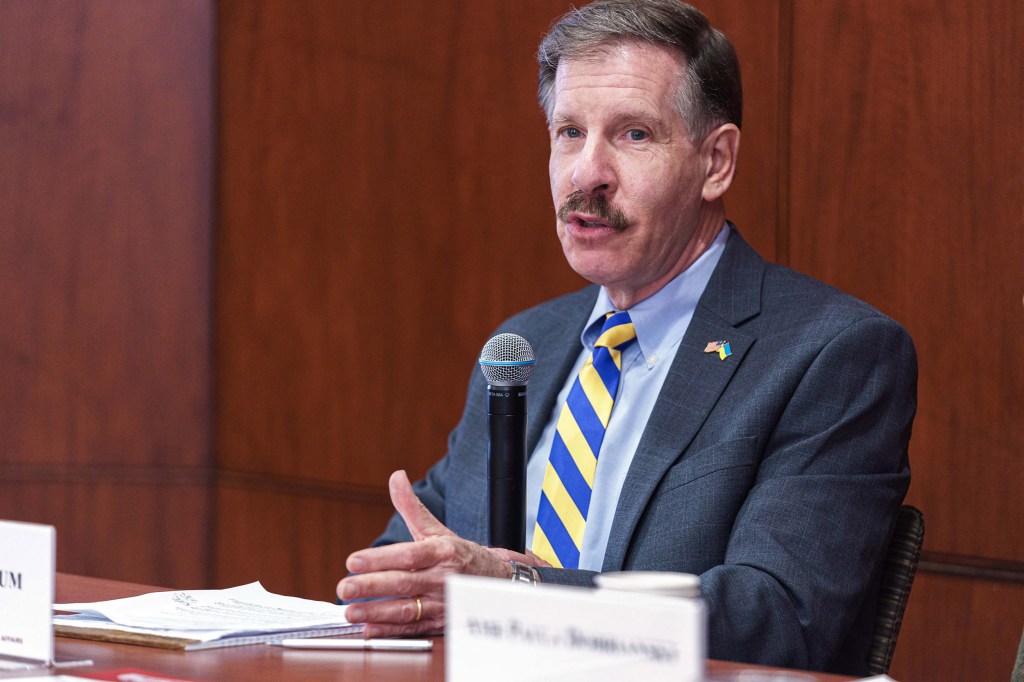
It started the summer he first hunted Nazis
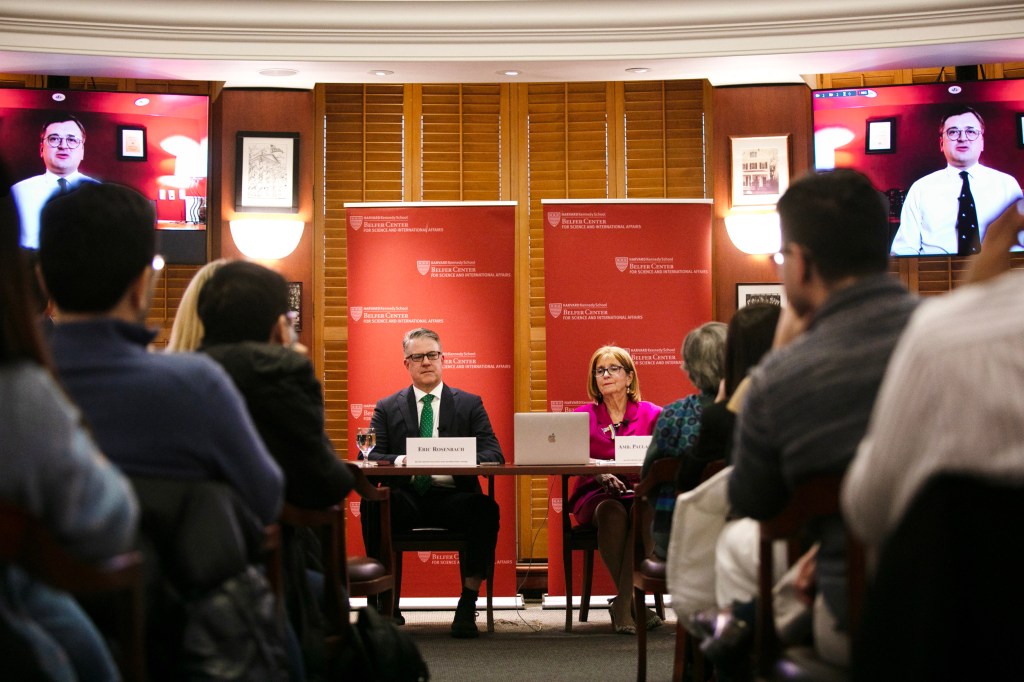
Eli Rosenbaum, who has spent four decades investigating and prosecuting Nazis and war crimes at the Department of Justice, talks about leading DOJ’s new team dedicated to prosecuting war crimes committed in Ukraine.
-
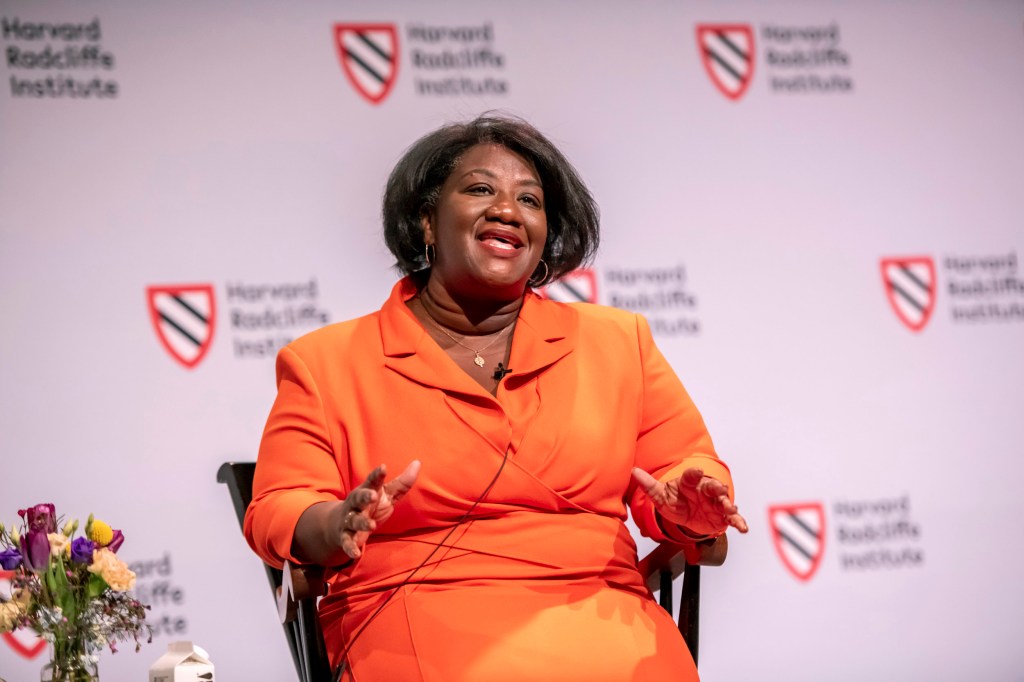
Here’s a radical suggestion: Stop simplifying Black women
Sociologist, columnist, and University of North Carolina professor, Tressie McMillan Cottom explores complexities of race, class, politics (and problem with TikTok) at Radcliffe talk.
-
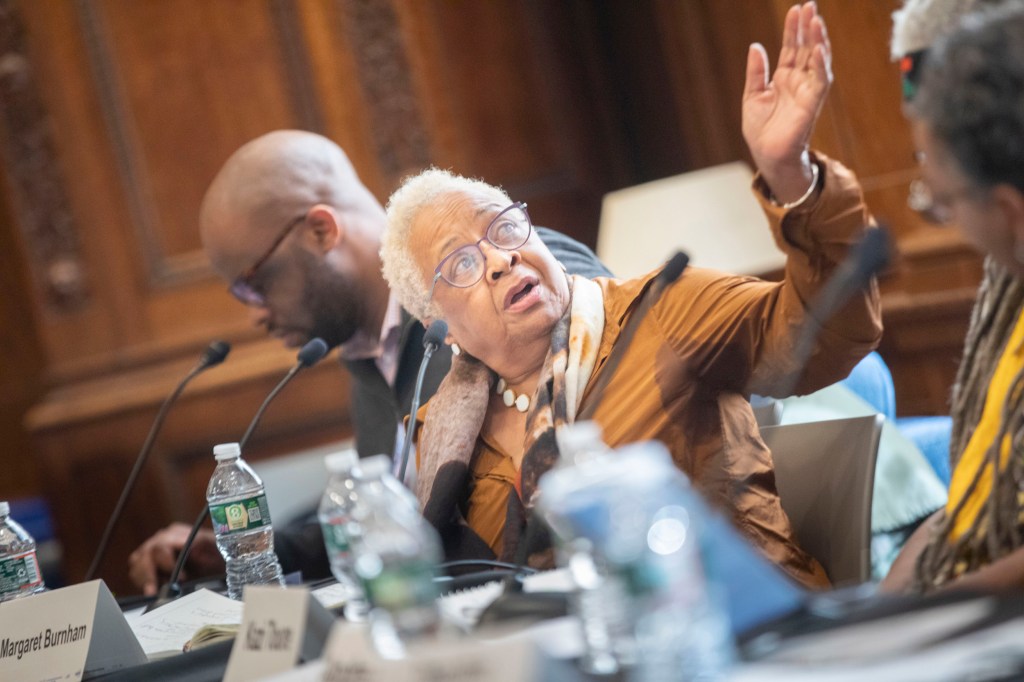
Can prisons be abolished? Look at 1973 Walpole takeover
On the 50th anniversary of the takeover, former prisoners, activists recall when inmates ran prison without incident during guard strike.
-
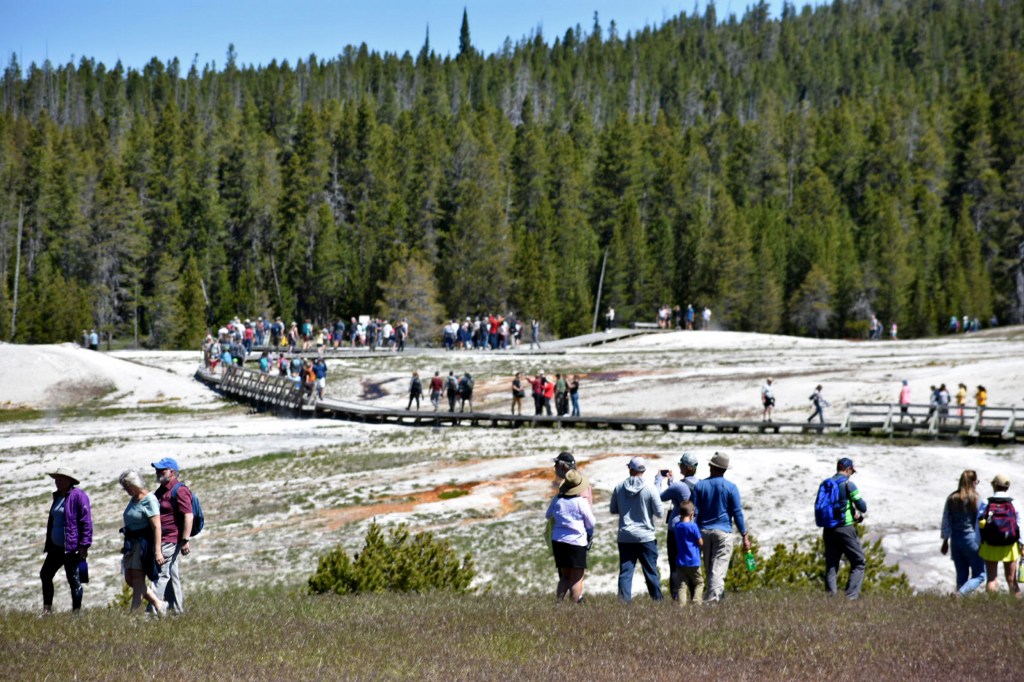
How did ‘the great outdoors’ get so exclusive?
Millions visit national parks each year. Most are white. Panelists explore why ‘America’s best idea’ isn’t winning over people of color.
-
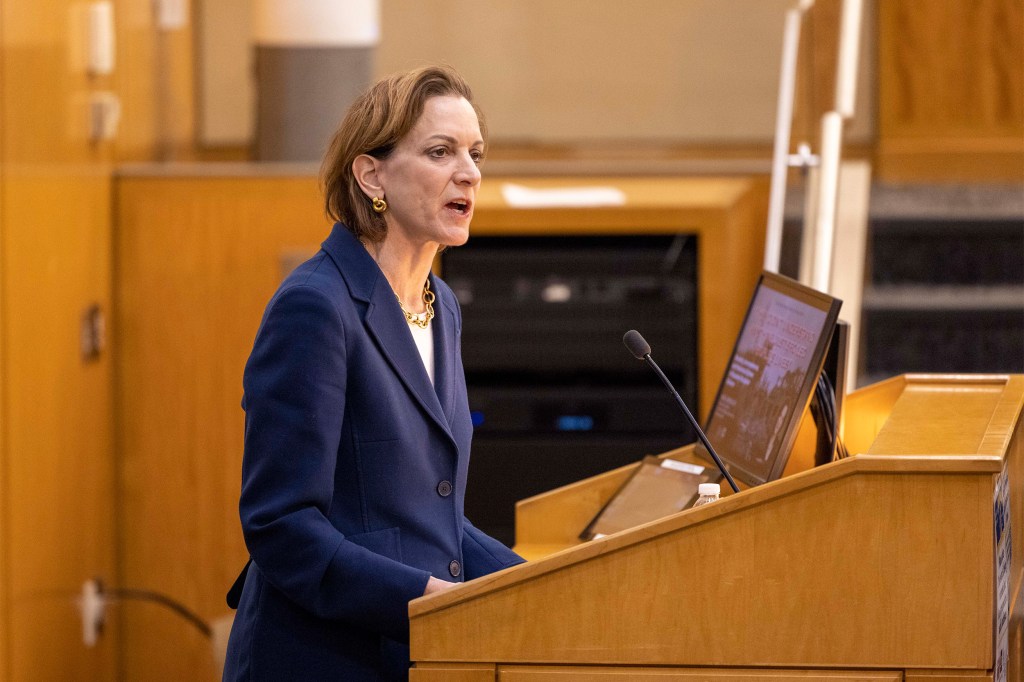
Why Soviet playbook isn’t working in Ukraine
Pulitzer-winning journalist Anne Applebaum says Russians misjudged resistance, their troops lack sense of mission, leading to “nihilism” of wider, more random destruction.
-
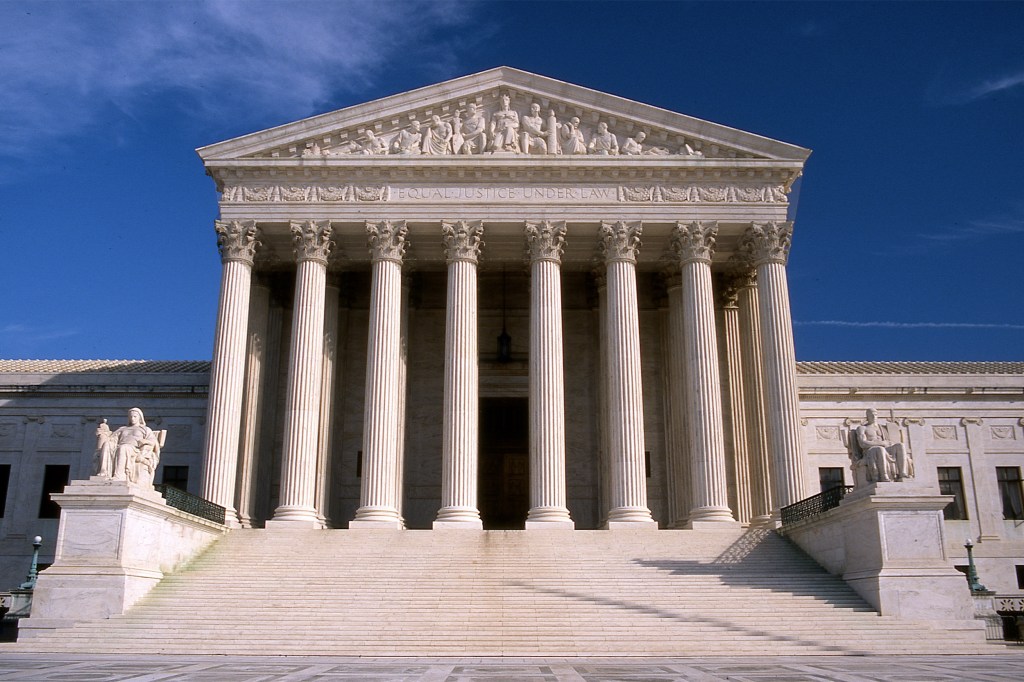
Time for Supreme Court to adopt ethics rules?
Retired federal judge Nancy Gertner says lack of transparency, recent incidents involving justices, spouses, activists have tarnished public standing.
-
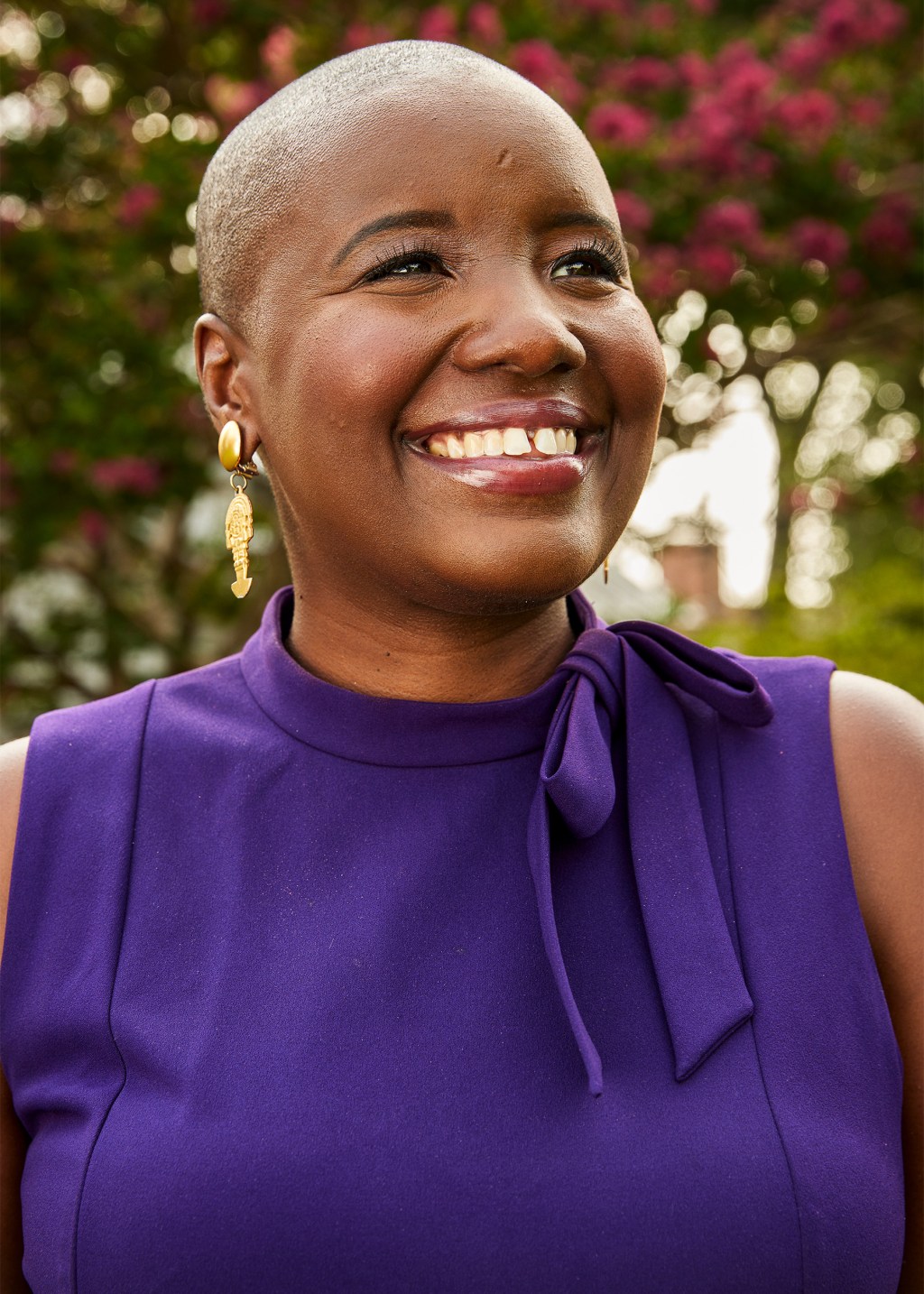
Putting Black culture on the map — of historic places
Historian Jocelyn Imani explains why the preservation of Black history is the next frontier of environmental justice.
-
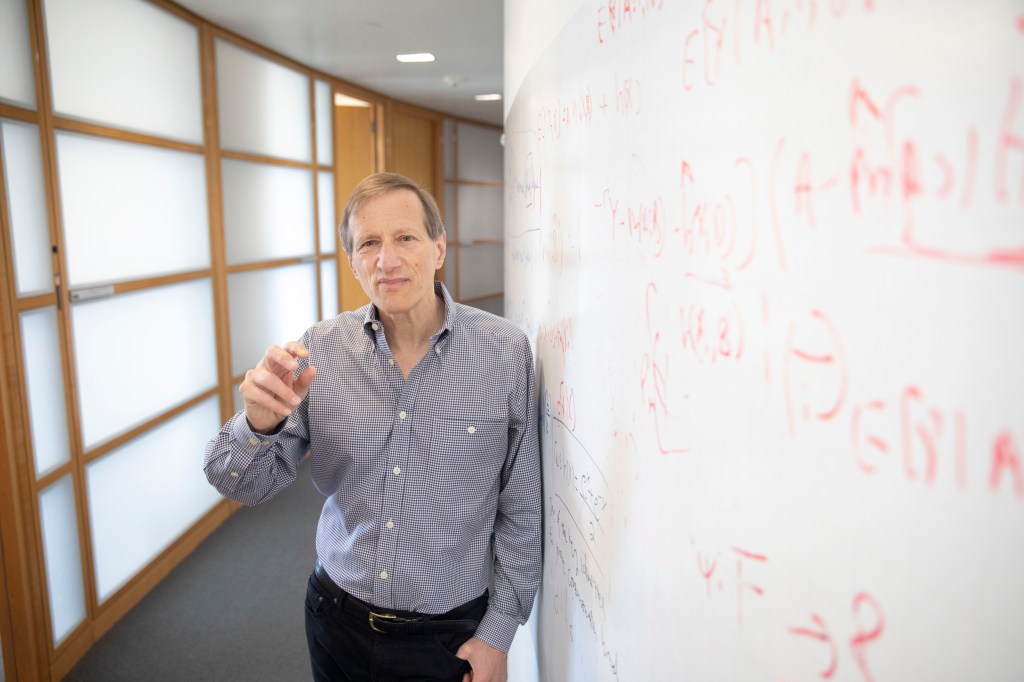
Election forecasts often miss. Annoying, yes, but real problem for scholars
The improved method uncovered fresh insights about American democracy.
-
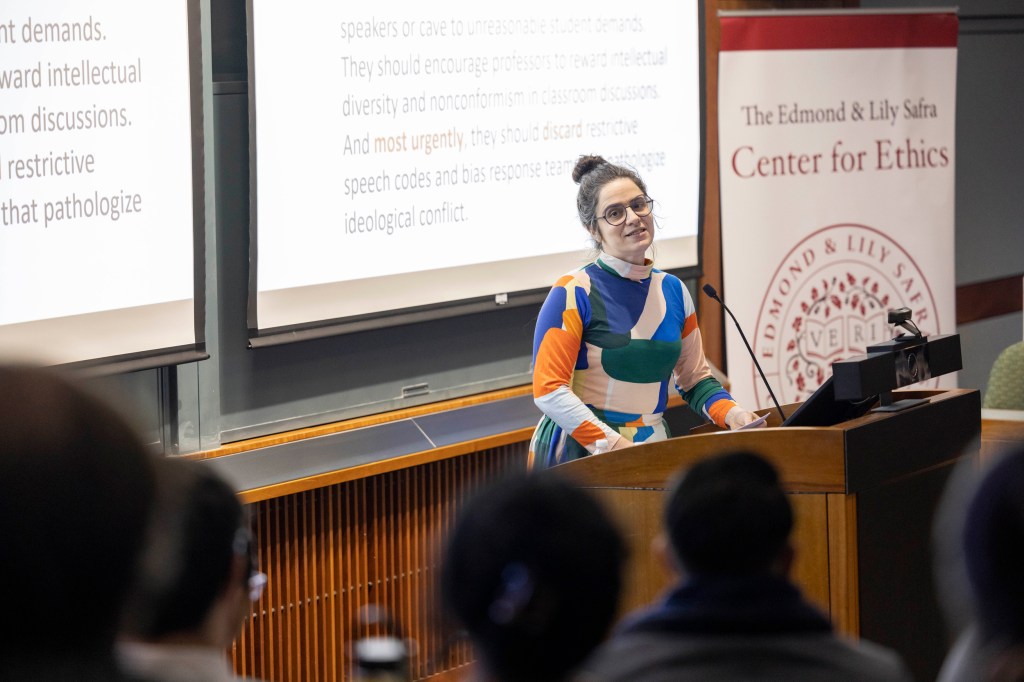
In era of bitter division, what would Socrates do?
Lessons for voters and lawmakers in philosopher’s wisdom, Agnes Callard argues: “He’s not trying to win. He’s trying to find out.”
-
Bacow meets with university presidents, students, Harvard alumni in Middle East
Discussions focus on need for collaboration, higher education institutions’ role in meeting societal, global challenges.

-
Exiled Belarus opposition leader calls for unified EU, U.S. support
Sviatlana Tsikhanouskaya says the fights in her homeland and Ukraine are linked by desire for democracy and independence from Russia.

-
‘In eye of hurricane’
“Mexico + H2O = Challenges, Reckonings, and Opportunities” two-day conference (March 23-24) brings Mexican Indigenous activist Mario Luna Romero to Harvard.

-
Social Security, Medicare far from doomed, policy expert says
Policy expert Louise Sheiner of Brookings Institution puts the panic over the latest projections in perspective.

-
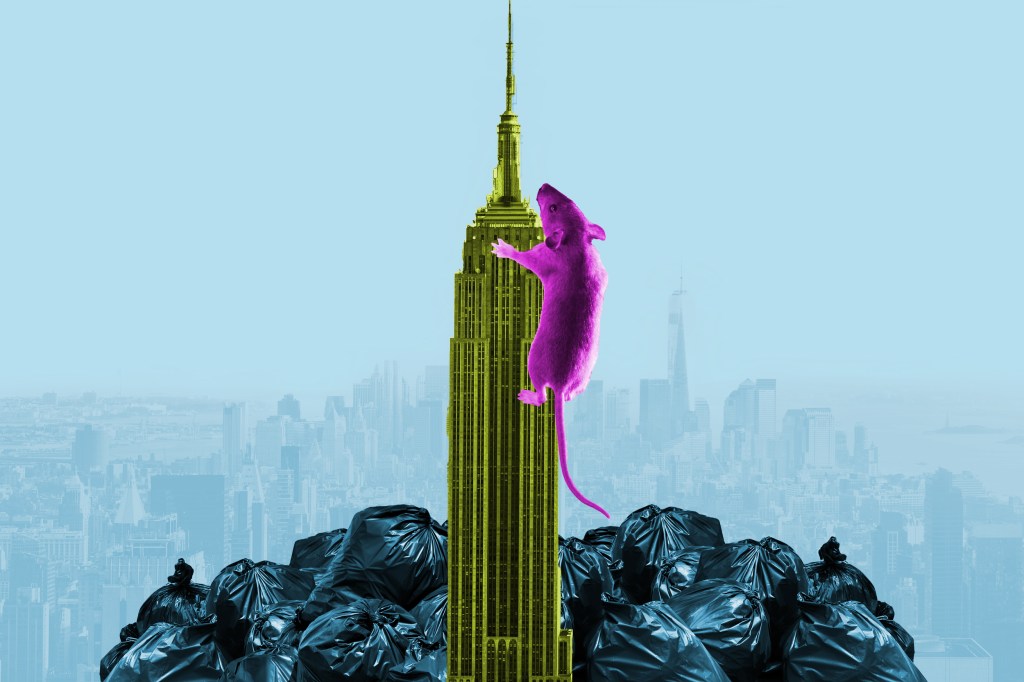
The rats are gonna hate this one too …
Alum explains why being NYC sanitation commissioner is a dream job — if you care about delivering essential services.
-
Why China has edge on AI, what ancient emperors tell us about Xi Jinping
Recent event examines what social sciences can tell us about rising economic, geopolitical power.

-
Prospect dim for Biden plan to bolster Medicare, health policy expert says
President Biden’s budget highlighted the projected Medicare shortfalls and proposed a solution, almost certainly dead on arrival in the Republican-held House. Health care policy expert John McDonough takes a look at what’s real and what’s politics.
-
Talking with kids about existential threat of climate change
Climate change talk may ignite fears for children, guilt for parents, but focusing on solutions may be the key, experts at HGSE webinar say.

-
The art of self-healing
“There is this culture that doctors are supposed to be perfect … and that culture makes it harder for us to ask for help.”
-
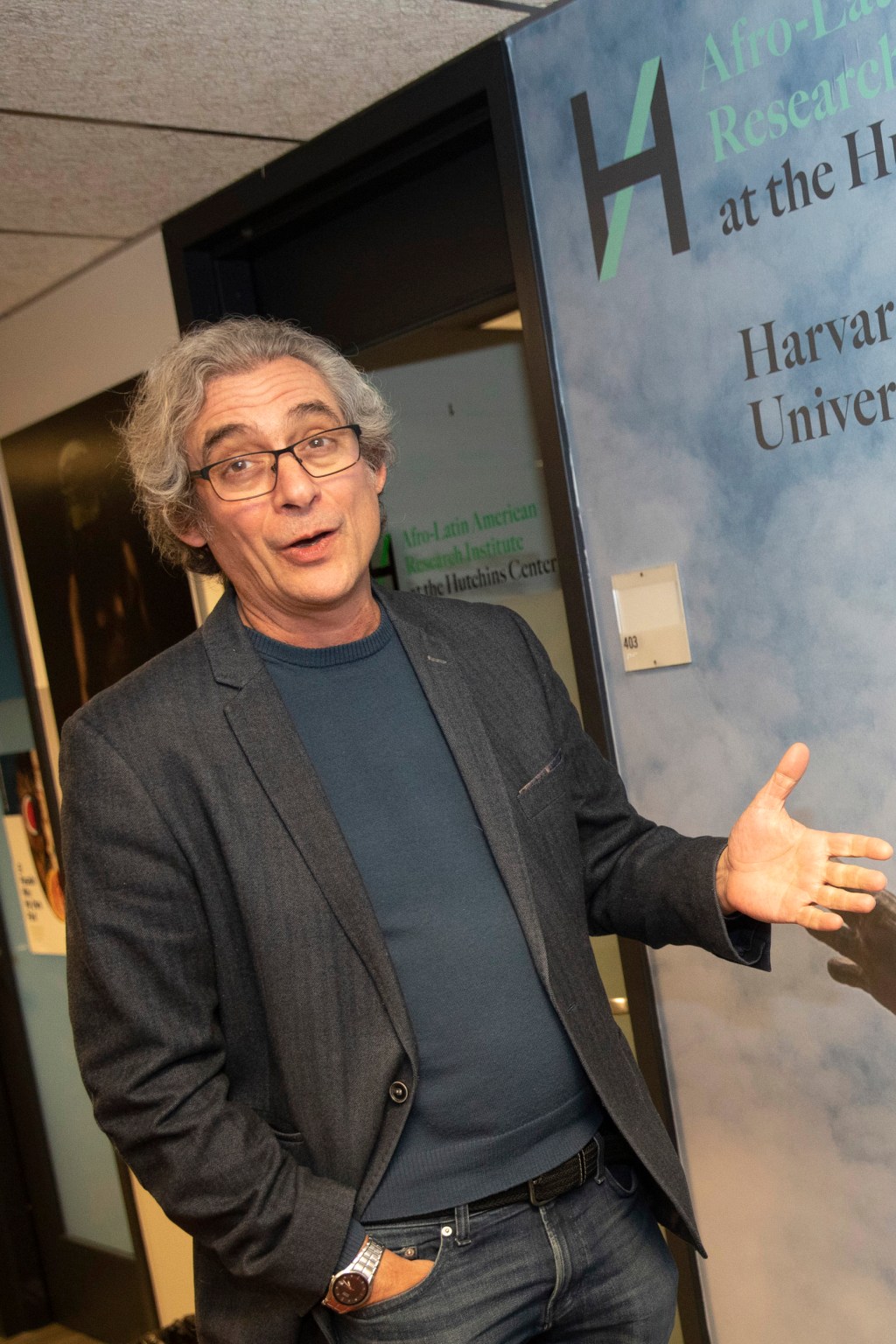
New day for Afro-Latin American Studies
The University Consortium for Afro-Latin American Studies will bring together researchers from Global North and Global South, something that has never been done before.
-
Do phones belong in schools?
Banning cellphones may help protect classroom focus, but school districts need to stay mindful of students’ sense of connection, experts say.

-
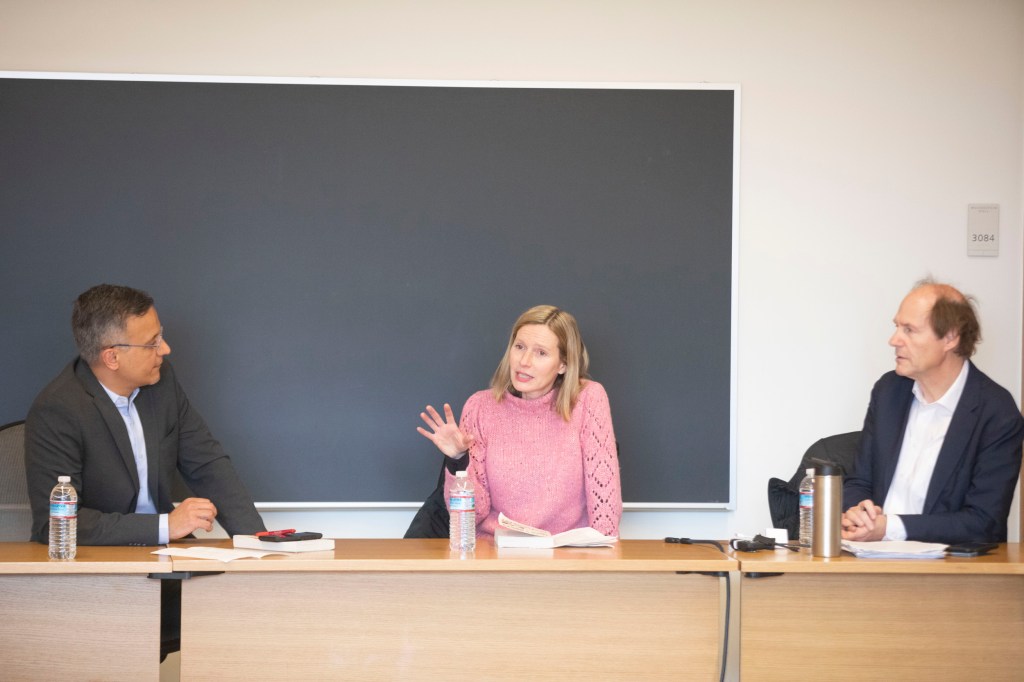
Not-so-innocent bystanders
Géraldine Schwarz discusses her memoir, “Those Who Forget: My Family’s Story in Nazi Europe,” with Abadir Ibrahim and Cass Sunstein at Harvard Law School event.
-
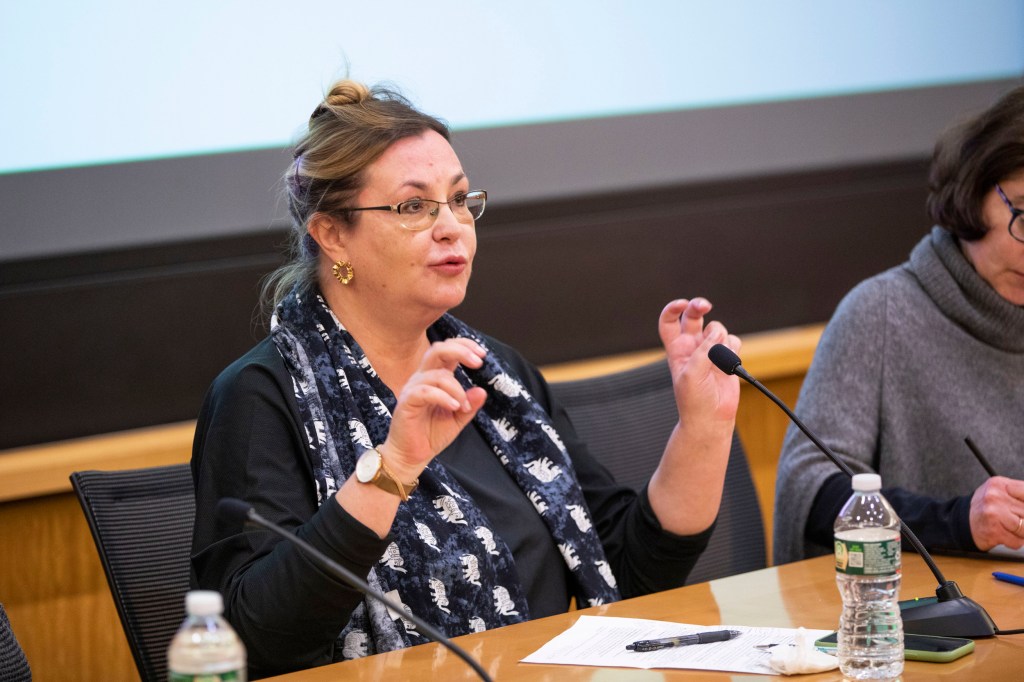
Russia seems vulnerable. Is Putin?
Russian historians, political and cultural analysts assess the strength of President Vladimir Putin’s regime since the war in Ukraine began, and lay out what could be in store in 2023.
-
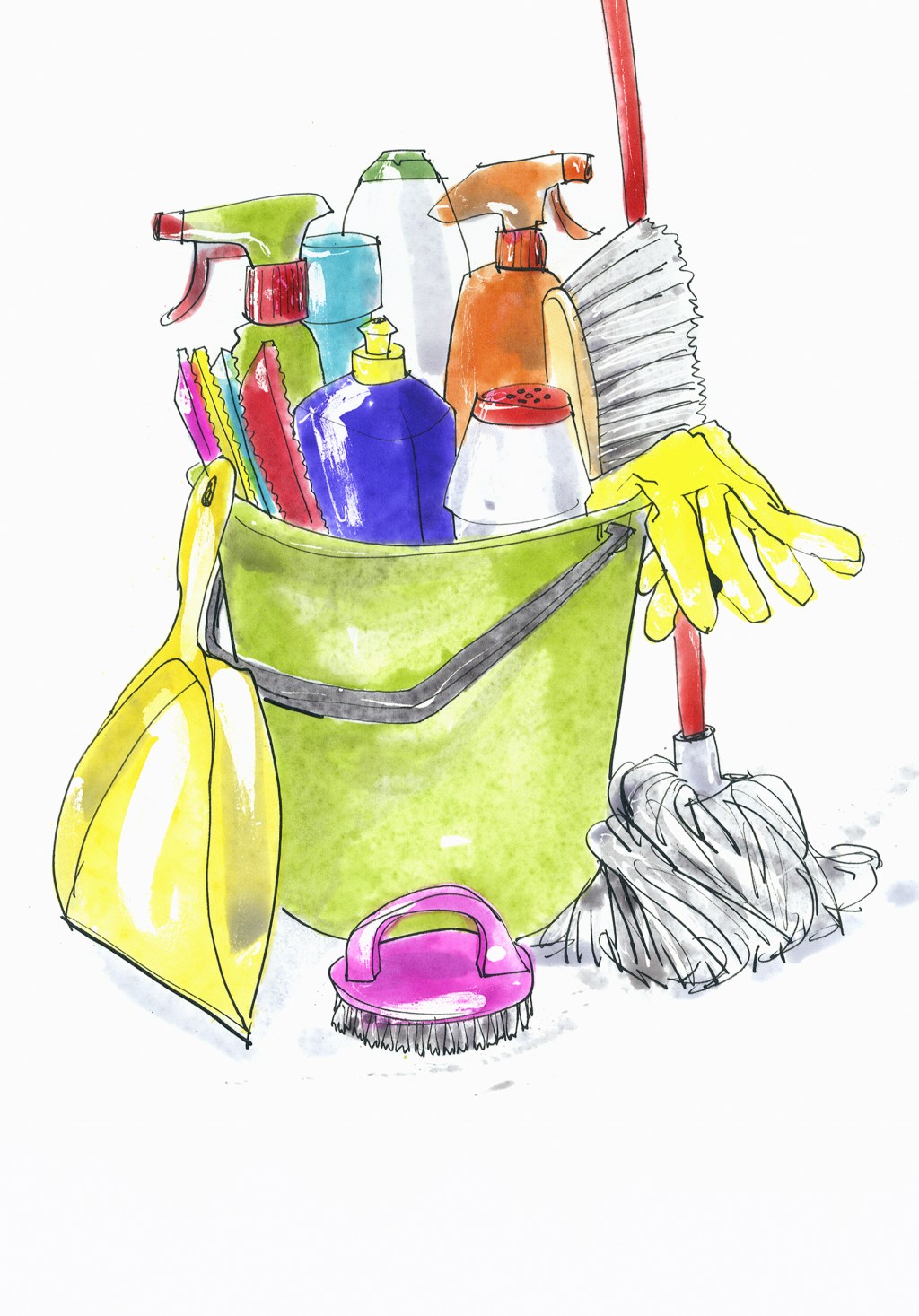
Dad’s clueless, Mom’s fried. Maybe there’s a better way.
Harvard grad who wrote “Fair Play” explains the perception gap between moms and dads highlighted by new Pew study.
-
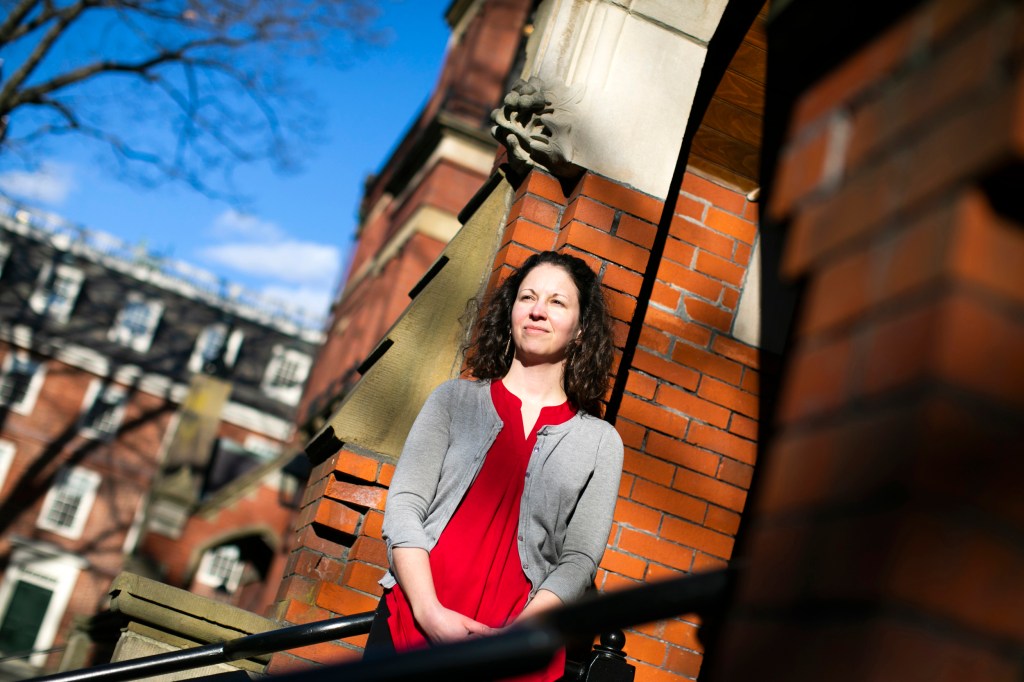
Why police resist reforms to militarization
Jessica Katzenstein, an Inequality in America fellow, has been analyzing police militarization in an effort to show how and why departments are resisting changes and the ways this resistance is not as straightforward as it’s often portrayed.
-
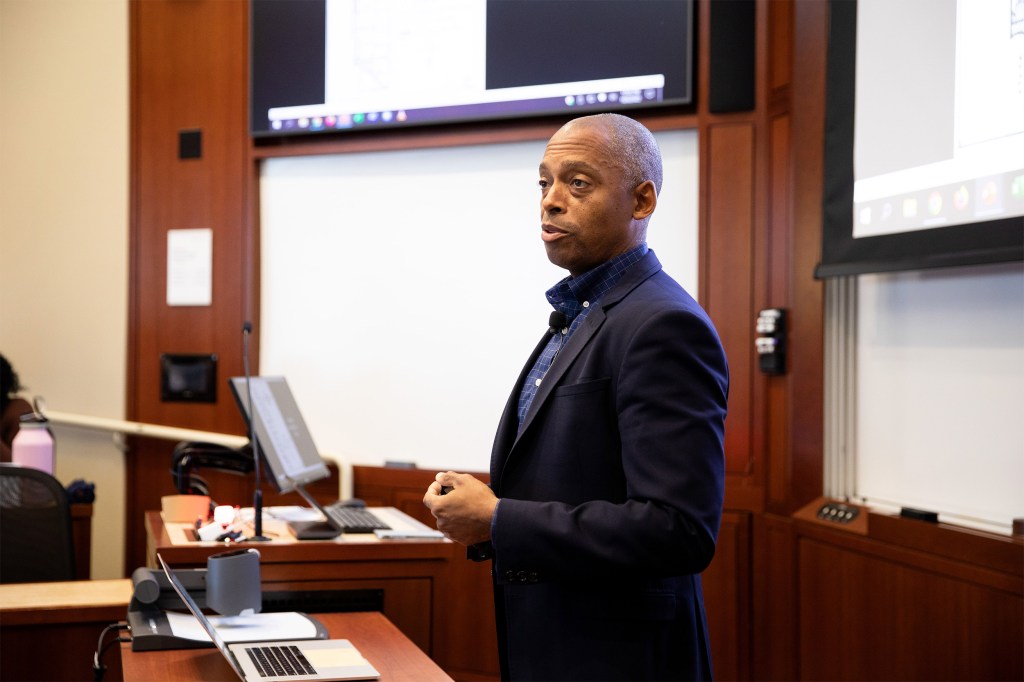
Historian says Fla. dispute shows why AP class in African American studies is needed
Harvard Kennedy School Professor Khalil Gibran Muhammad explains the importance of including the Advanced Placement course in African American studies in high school curriculum.
-
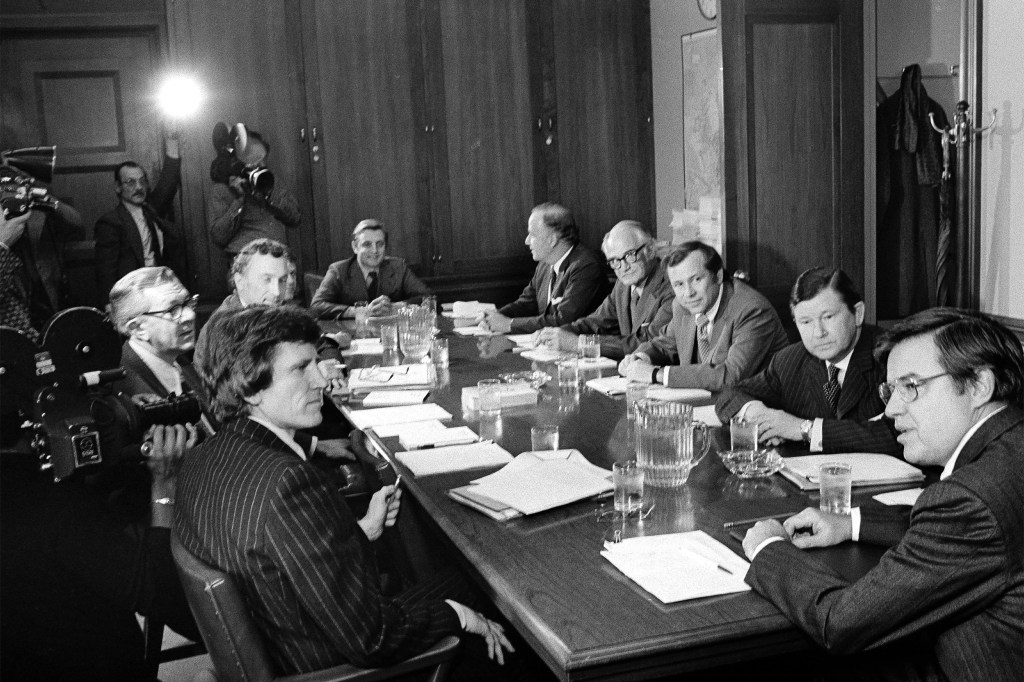
Why Church Committee alums urged new House panel to avoid partisanship
Fritz Schwarz, former chief counsel of the 1975-76 U.S. Senate panel known as the Church Committee, discusses what it was like to undertake the largest, most consequential investigation of U.S. intelligence in American history.
-
Ukraine sees victory ahead, shift to West
Dmytro Kuleba spoke about Ukraine’s push for support from Western powers, mistakes that set the stage for the Russian invasion, and prospects for a Ukrainian victory.