Featured series
Science & Tech
-
How to know if you’re wrong
Acknowledging your vast ignorance is a good first step — but don’t stop there
Part of the Wondering series -
‘I don’t know if this is going to turn out well.’
With a split-screen view of a turbulent tech revolution, Michael Brenner makes a case for the value of human guidance
-
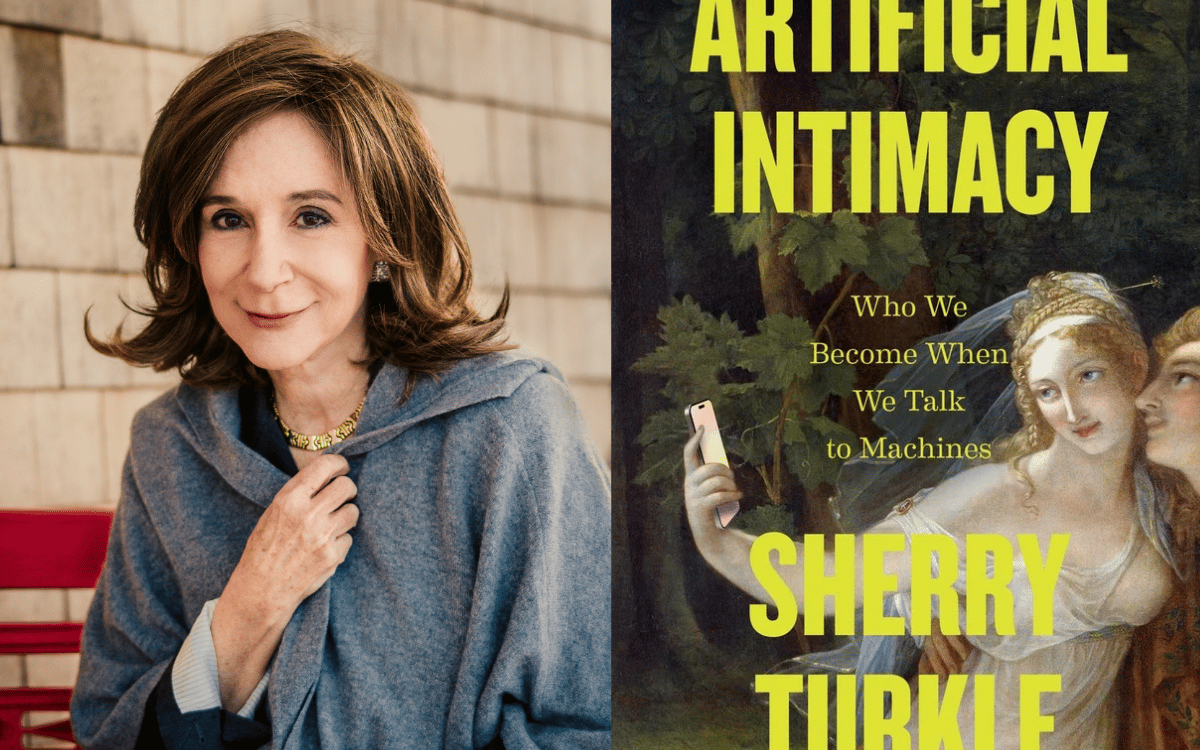
My chatbot is my boyfriend. What’s the harm?
Sherry Turkle’s ‘Artificial Intimacy’ is a book-length response to ‘fundamental lie we’re telling ourselves’
-

Are analytics making pro sports less fun?
Some say they rob games of color, spontaneity, but others argue changes aren’t always for worse
-
Who knew self-improvement could be so terrifying?
Contemplating a future where machines break free of human meddling
-

Should quitting smartphones be this hard?
Tips for breaking toxic addiction to tech, even when work won’t let you let go
-
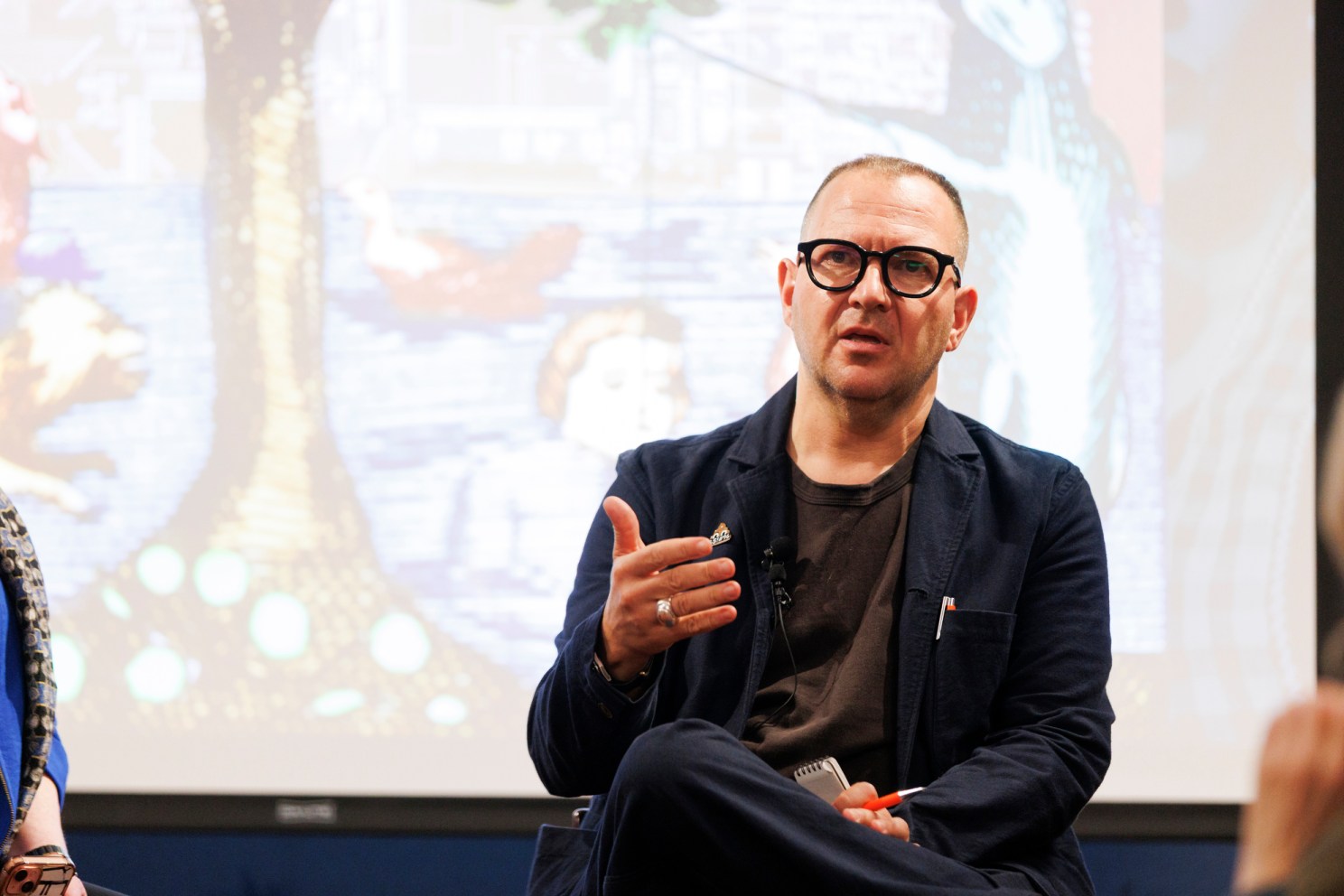
Digital life doesn’t have to be this way
Writer, activist Cory Doctorow wants you to be mad about tech monopoly — but not blindly terrified of AI
-
What do you know about the Nobels?
Harvard’s history with the prestigious prize may surprise you
-
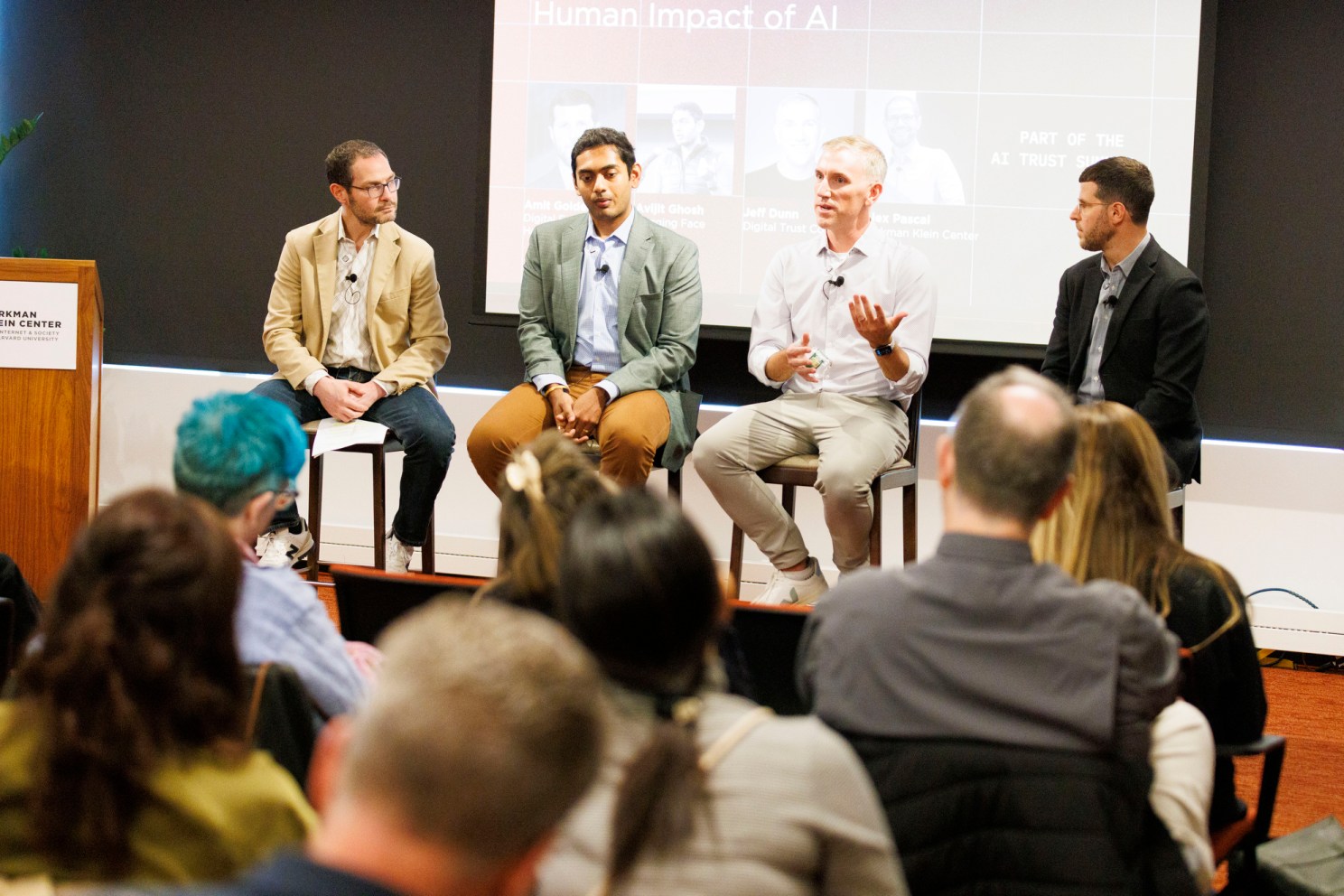
Who’s in charge here?
Scholars, industry leaders debate how to reduce risks of AI, ensure humans remain in charge of development
-
How Harvard scientists built genomics outpost on Gloucester harbor
It started with idea to help beleaguered fishermen. Now marine science lab promotes healthy fisheries, trains local workforce, seeks clues to longevity

-
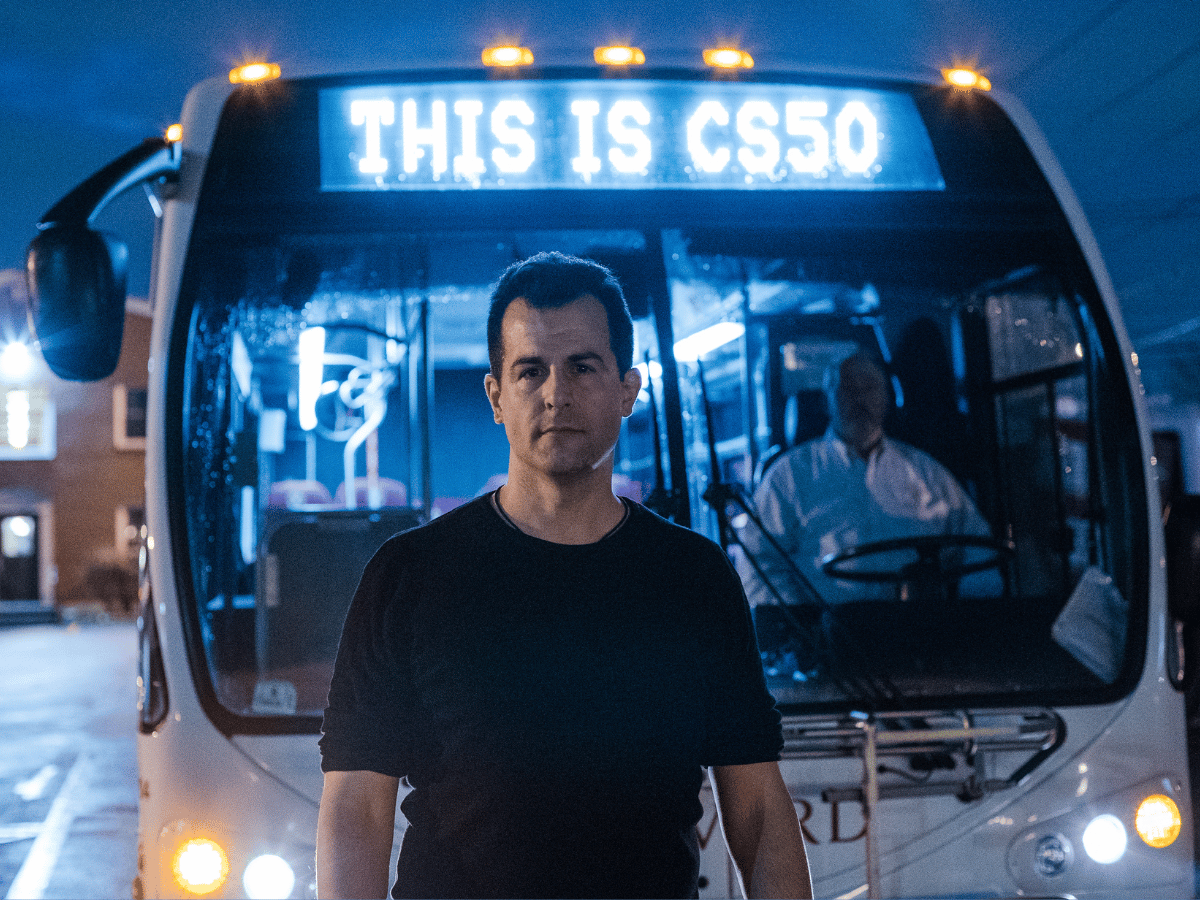
Taming the Duck, for starters
David Malan says CS50’s AI tutor is a net positive — and getting better
-
‘Lately, my algorithm is trash’
Are we shaping our feeds or are they shaping us?

-
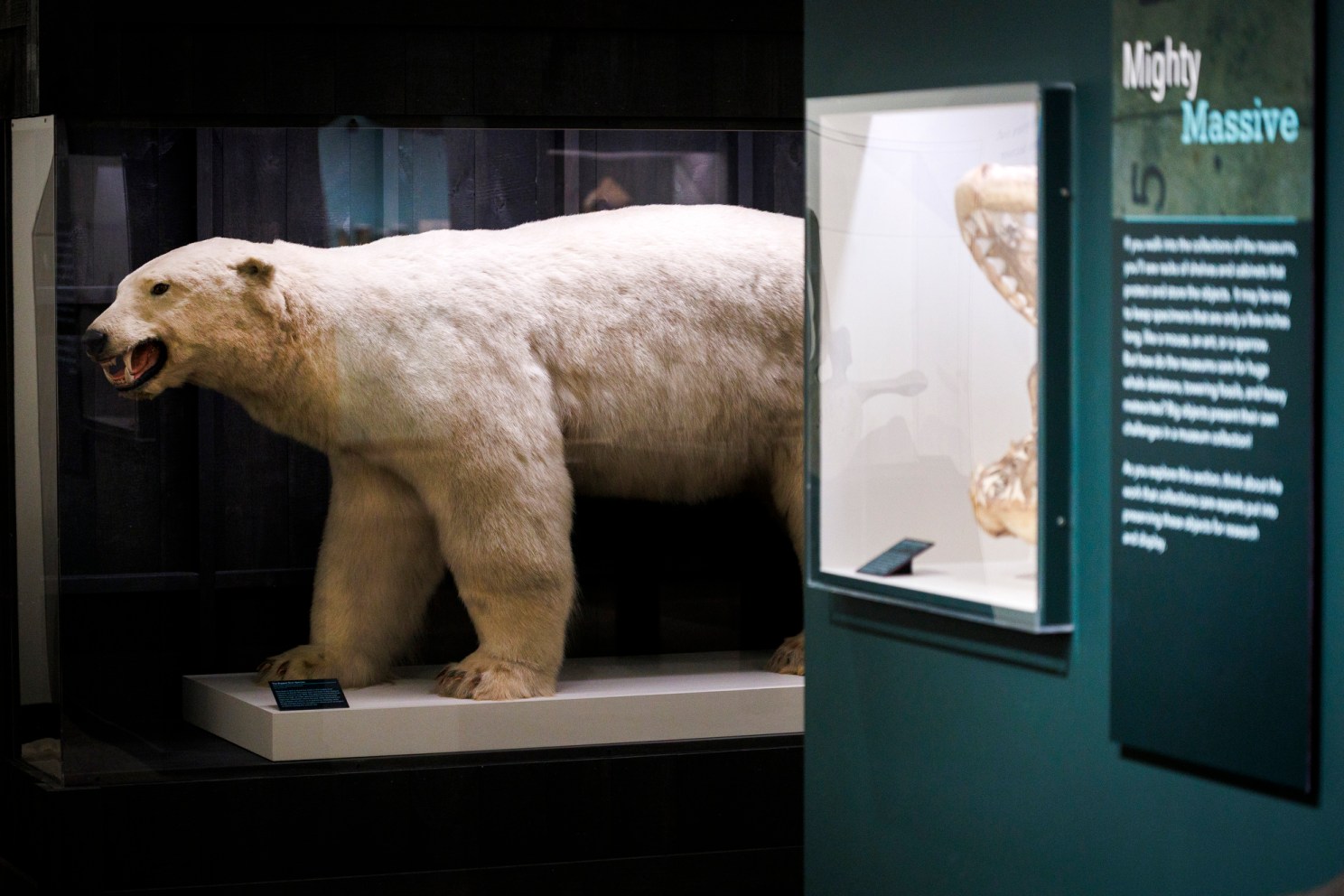
Curios and curiouser
With exhibits including a dodo, fish mummified in pearl, and a ‘King Kong’-connected Komodo, ‘discovering the stories is one of the best jobs’
-
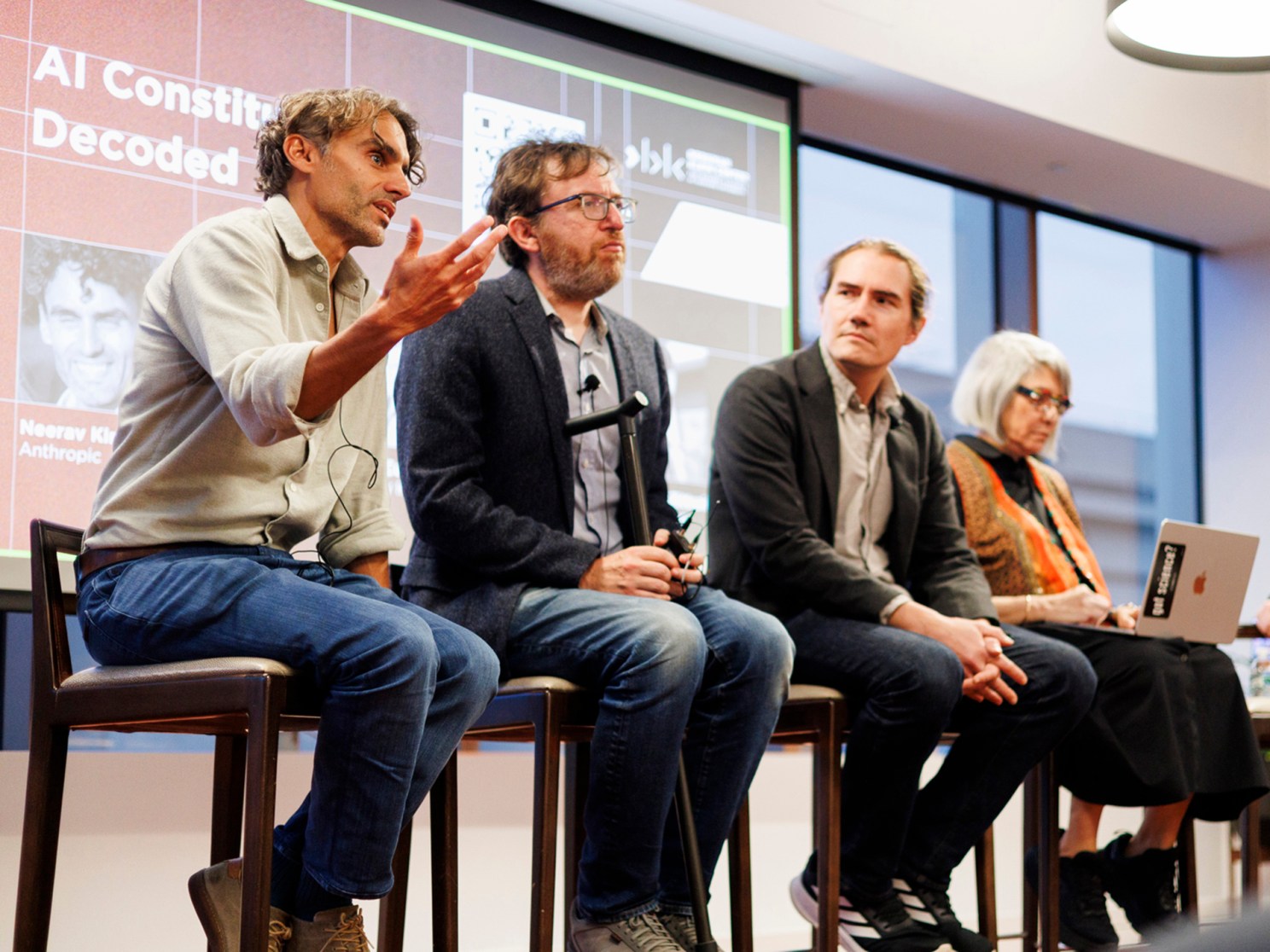
One effort to safeguard humanity: AI ‘constitutions’
Berkman Klein Center heard calls to keep models ‘honest, helpful, harmless.’ It’s a work in progress.
-
Chatbot attachment issues
When AI companions get a personality update, some users respond with grief, study finds

-
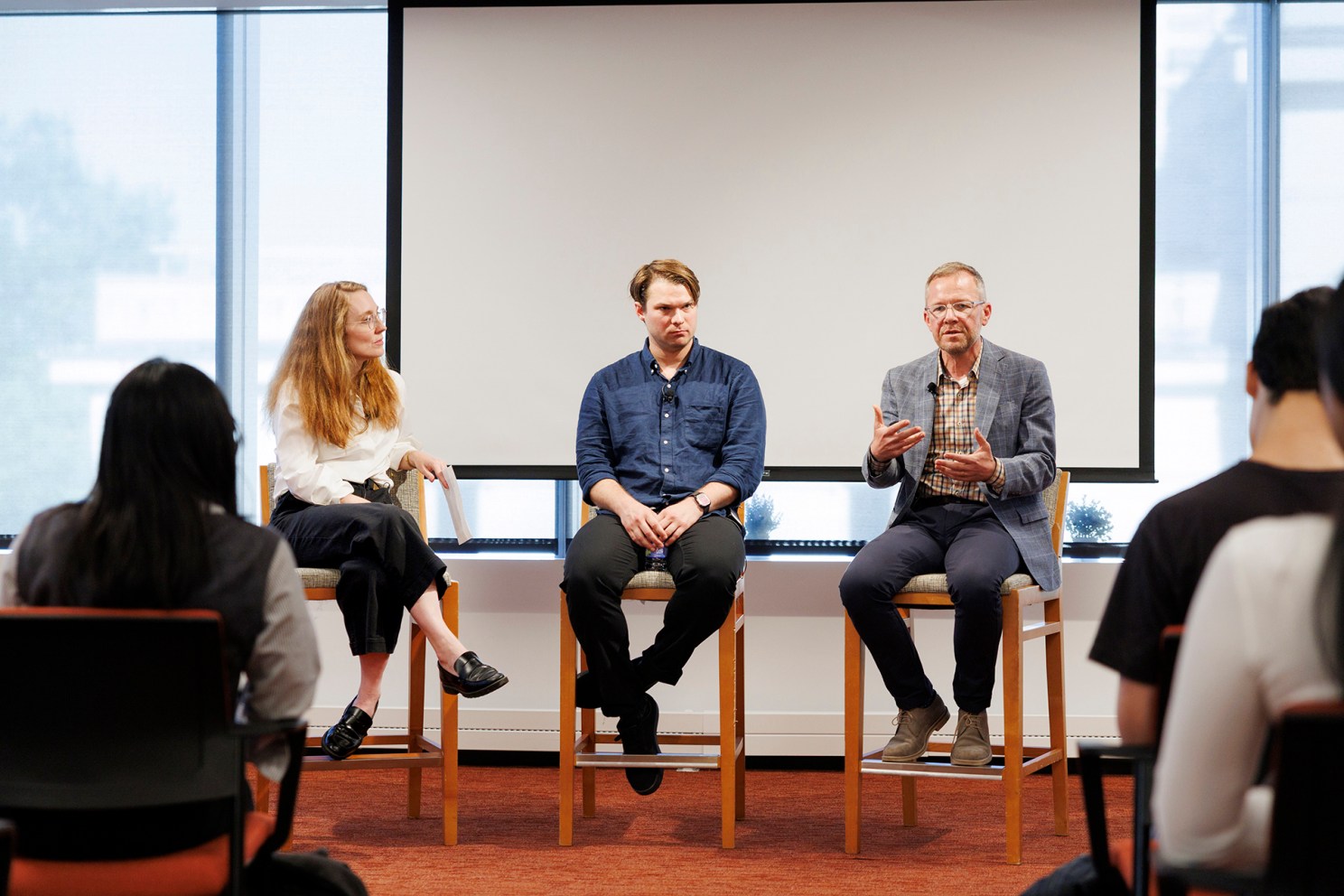
Is there a philosopher in the house?
Tech insiders call for humanist-scientist discourse amid ‘Copernican moment’ of AI age
-
Can you tell an amorphophallus from an aspergillus?
Word nerds, classicists, and botanists, it’s your time to shine in etymology quiz inspired by Div School book

-
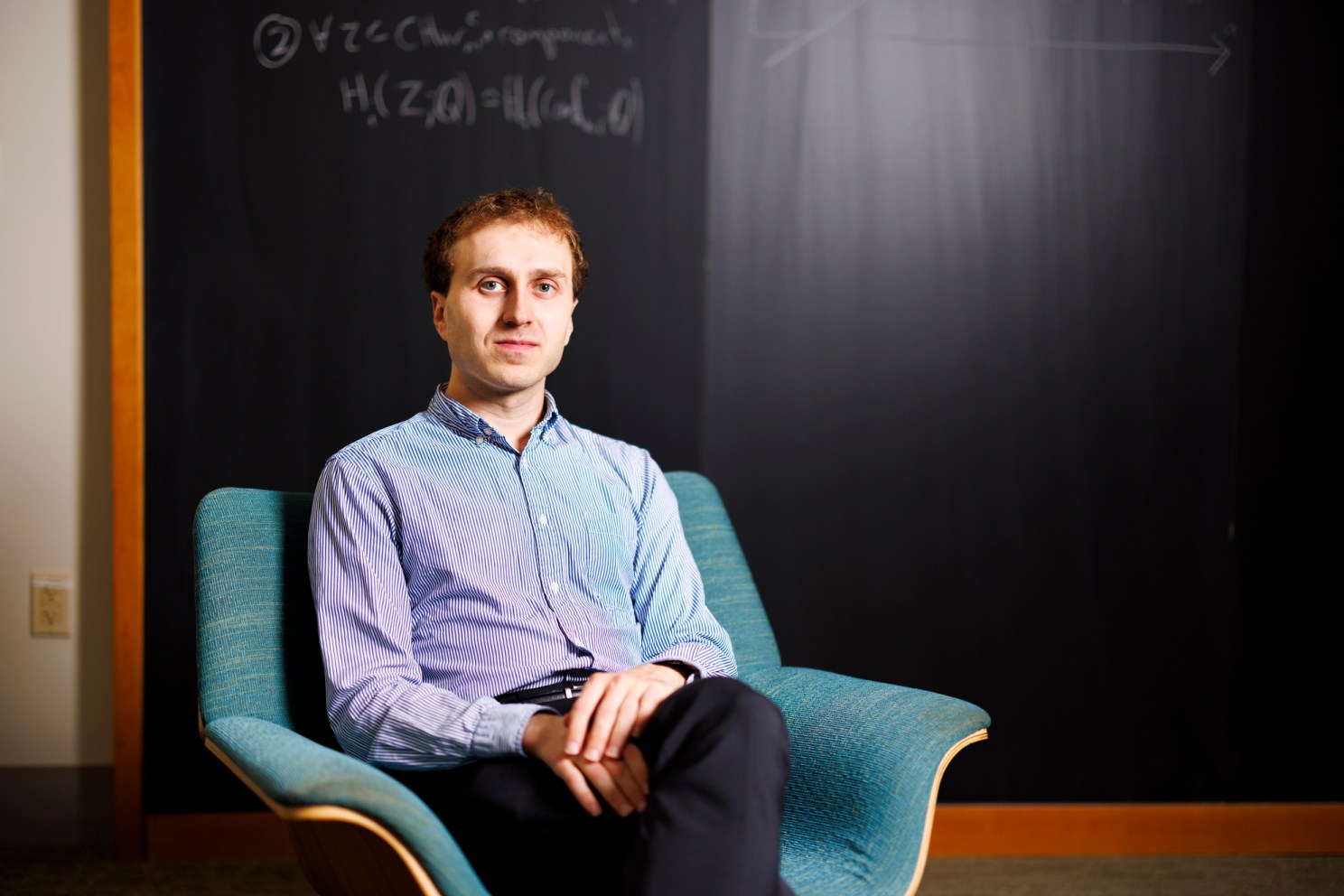
What it takes to solve math’s toughest problems
Logic skills, yes, but also two seemingly incompatible traits: Confidence and humility
-
When the sea steals homes and jobs
Along West Africa’s Gulf of Guinea, Salata Institute research is helping communities weigh excruciating choices

-
Will Meta settlement reduce physical, mental health risks for young users?
Experts say many of its terms may help limit use, negative social comparisons, but regulation may still be necessary

-
The why behind sex
Research details answer to a question that’s more complex than it seems
-
Does vitriol make you feel special?
Beyond the algorithm, online negativity takes on a life of its own. Here’s why.
-
Do you have a guilty AI secret?
Media, legal experts discuss angst of individuals over appropriate use of powerful technology as institutions, culture scramble to set boundaries
-
Bowling alone, yes. But watching sports is another thing.
Kennedy School team says shared fandom has promise as undervalued social ‘medicine’ for division, isolation

-
Is that bot a Pomeranian or a wolf — and who to sue when it ‘bites’?
Legal expert says canine law provides useful framework for leashing AI

-
Rubies decoded: ‘Color is just one piece of the puzzle’
Rare gems shine in new Harvard exhibit

-
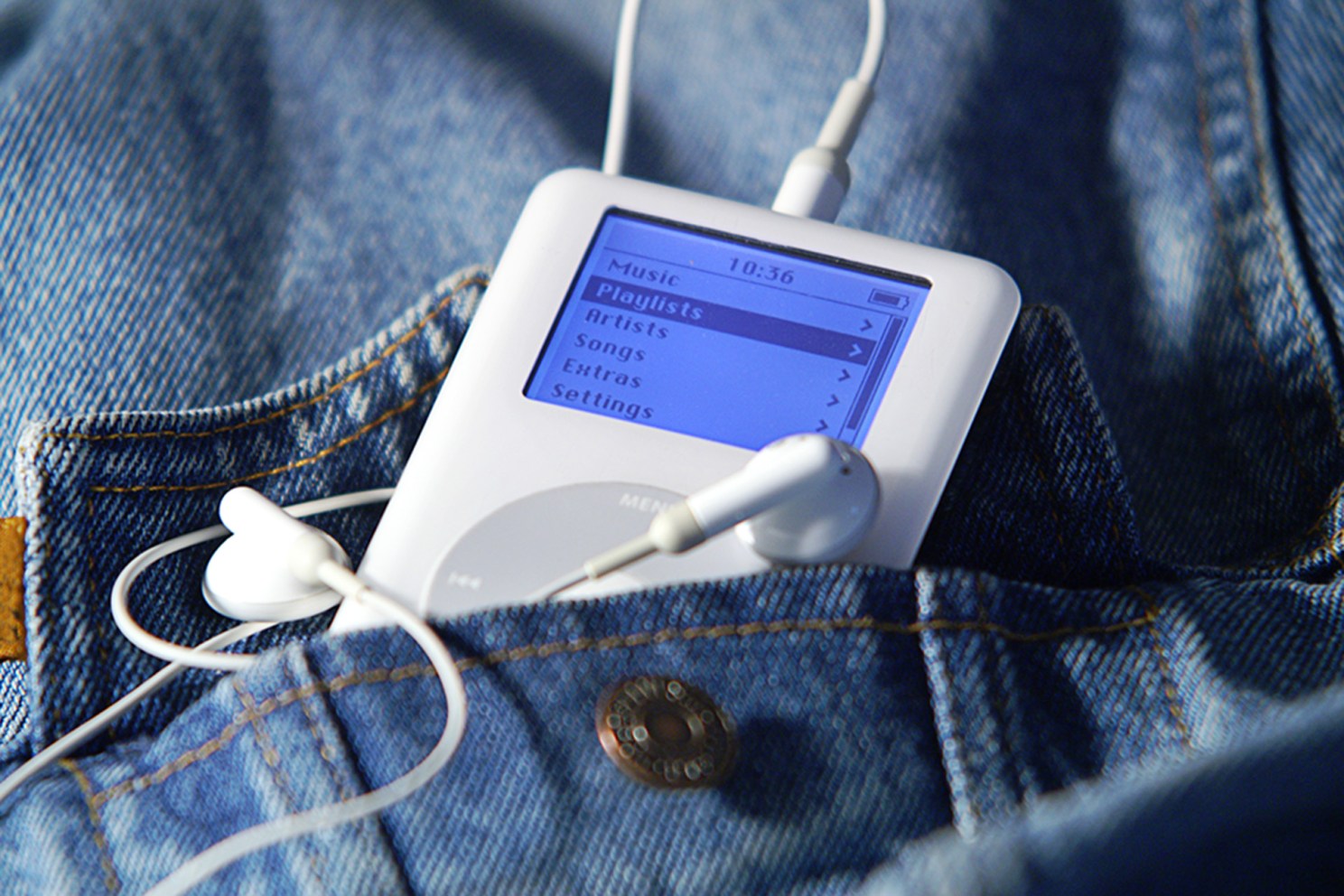
You take AI, I’ll take my iPod (if I can find it)
‘The vision of the future being pushed by tech moguls is not necessarily a vision we’ve all bought into.’
-
Many children like ebooks. Experts cast a wary eye.
They say certain features helpful for developing comprehension skills but can also distract — particular problem in era when kids read less

-
How venom kills — and can lead to cures
Mandë Holford uncovers the secrets of deadly marine mollusks, how their toxins work with such targeted efficiency

-
High-tech for the 1700s
Exhibit showcases tools that powered Revolutionary America

-
And you thought your adolescence was hard
Radcliffe fellow explores vulnerable life stage we share with chimps

-
‘Deskilling’ is bad. This is worse.
Authors of book about classroom AI see growing void where foundational knowledge used to be

-
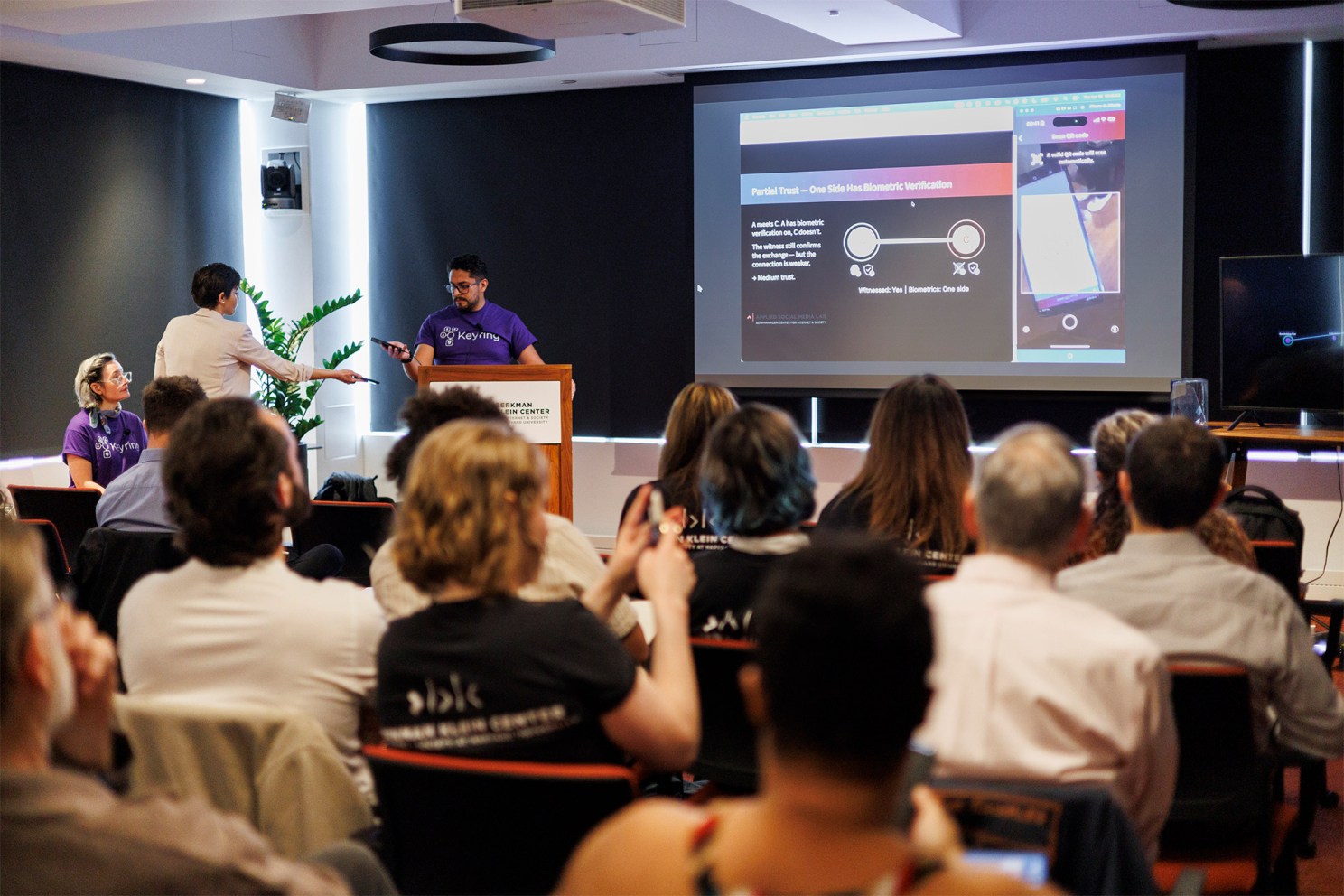
Worried about how online firms use data they get from you?
Berkman Klein researchers unveil new tool to verify identity, let users limit information they share, where it is stored
-
Building useful quantum computers ‘in our direct line of sight’
Researchers say creation of startups suggests game-changing tech may be developing at faster pace than expected

-
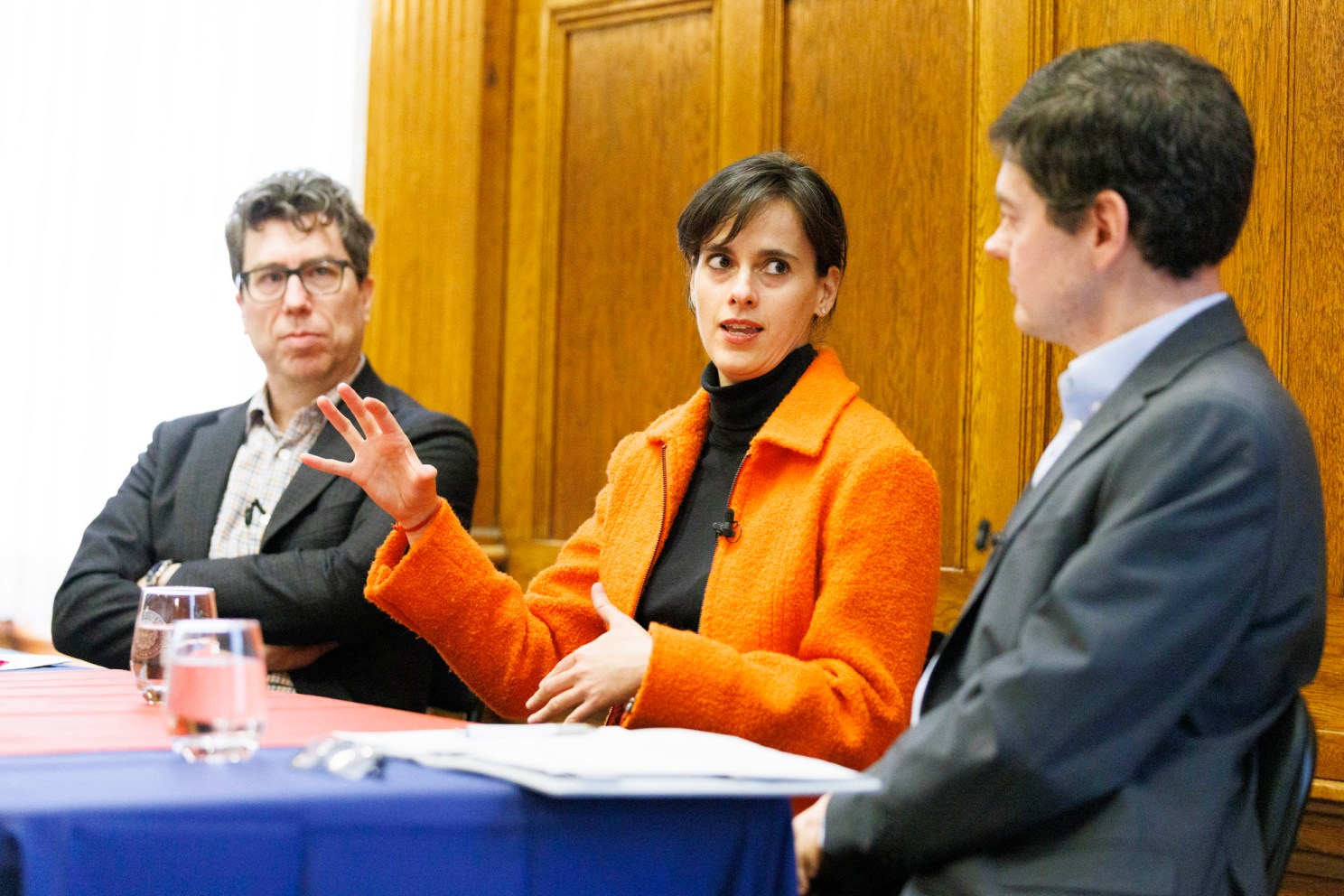
‘If you’re boring, it’s good to know that you’re being boring.’
The perils of seeking empathy from a chatbot
-
Why we love dogs — and they love us back
In podcast, experts break down evolution and biology of this special relationship