
 Featured series
Tag: Robert Sampson
-
Campus & Community
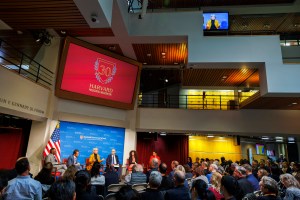
Taking aim at global solutions
Panels examine challenges ahead: riven democracies, biomedical advances, raging inequity, climate change, harnessing AI, role of academy.
-
Nation & World
Were Jan. 6 attackers extremists? Protesters? Patriots?
How race, gun ownership, and feelings about Black Lives Matter shape Americans’ views of the Jan. 6 Capitol attack.

-
Health
COVID-19 targets communities of color
Harvard scholars discuss health care disparities in the age of coronavirus.

-
Nation & World
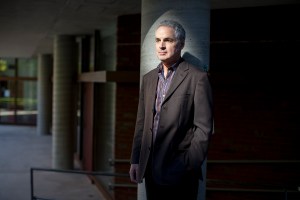
Unpacking the power of poverty
Social scientists have long understood that a child’s environment can have long-lasting effects on their success later in life. Exactly how is less well understood. A new Harvard study points to a handful of key indicators, including exposure to high lead levels, violence, and incarceration, as key predictors of children’s later success.
-
Science & Tech
To advance sustainability, fight inequality, researcher says
A new Harvard study argues that technological approaches to sustainability must be accompanied by efforts to reduce inequality.
-
Campus & Community
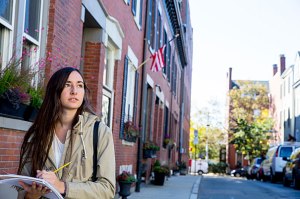
The ways Boston changed
Students enrolled in the course “Reinventing (and Reimagining) Boston: The Changing American City” examine the city and the many changes it has undergone in recent decades.
-
Health
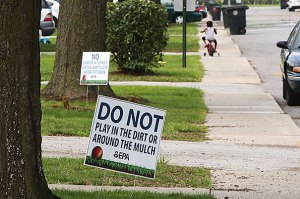
Toxic inequality
According to Harvard sociologist Robert Sampson’s theory of “ecology of toxic inequality,” higher lead levels in the blood are often directly tied to racial and ethnic segregation.
-
Science & Tech
A new view of gentrification
Researchers used Google Street View to conduct a study of gentrification in Chicago.
-
Campus & Community
Nine named 2013 Cabot Fellows
Nine professors in Harvard’s Faculty of Arts and Sciences have been named Walter Channing Cabot Fellows. The 2013 honorees were awarded for their distinguished publications.
-
Arts & Culture
Chicago as urban microcosm
For his new book, Robert Sampson studied the Second City’s ups and downs for 15 years to outline patterns for many modern American cities.
-
Campus & Community
APS elects four from Harvard
The American Philosophical Society, the oldest learned society in the United States, recently elected four new members from Harvard into this year’s class of scholars.
-
Campus & Community
Sampson named to Office of Justice advisory board
U.S. Attorney General Eric Holder named Harvard Professor Robert Sampson, the Henry Ford II Professor of the Social Sciences, to the newly created Office of Justice Programs Science Advisory Board on Nov. 23.
-
Campus & Community
Harvard prof wins prize for criminology study
The 2011 Stockholm Prize in Criminology has been jointly awarded to John Laub of the National Institute of Justice and Harvard’s Henry Ford II Professor of the Social Sciences Robert Sampson for their research showing why and how criminals stop offending.
-
Science & Tech
Racial, ethnic gap in youth violence linked to social factors
A study conducted by Robert J. Sampson of Harvard University and Jeffrey D. Morenoff and Stephen Raudenbush of the University of Michigan shows that the longstanding gap in the racial burden of violence follows a social anatomy and is not immutable. The odds of committing violence are almost double for blacks as compared to whites…