Featured series

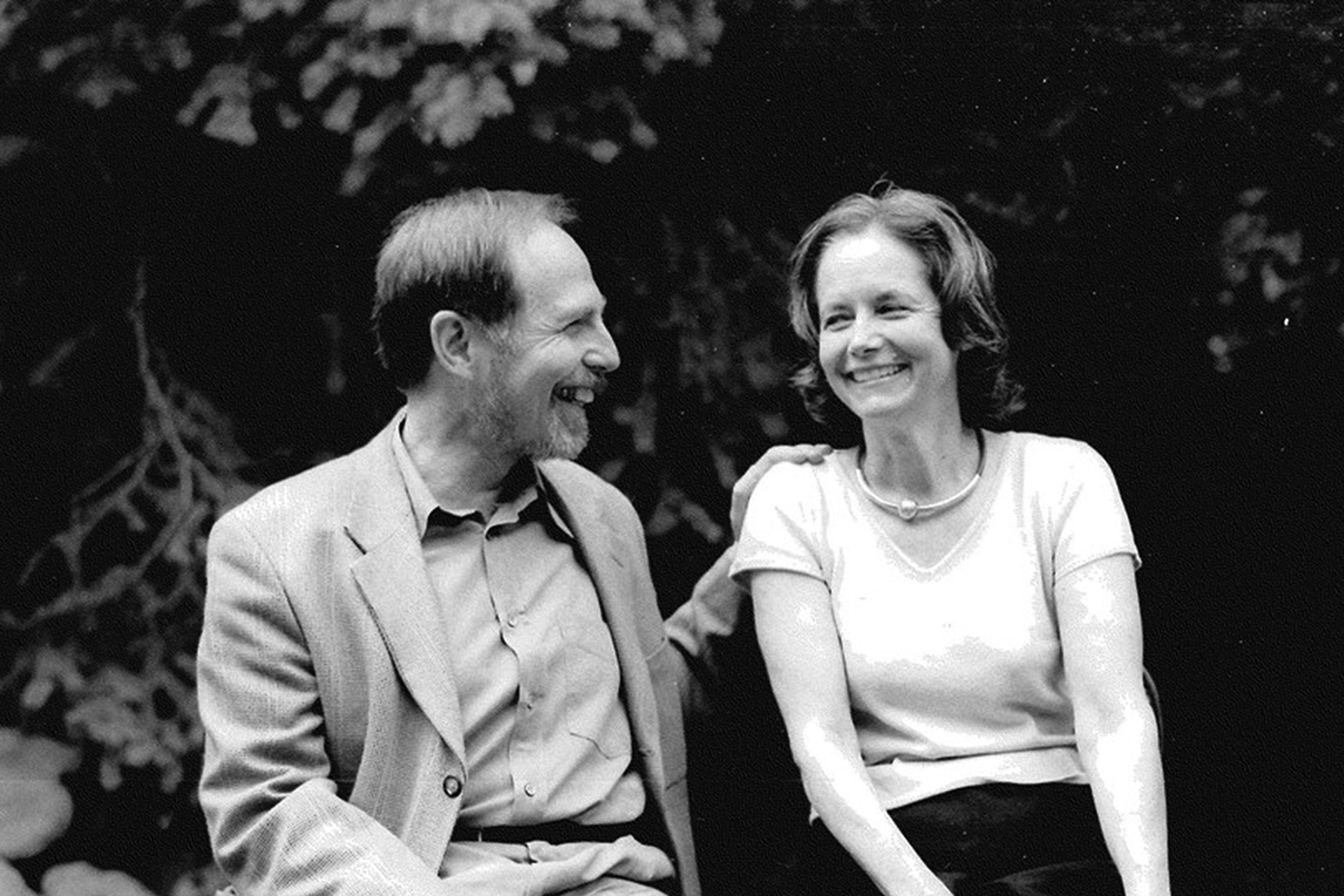
Arthur and Joan Kleinman.
Arts & Culture
What Paul Farmer and Joan Kleinman taught Arthur Kleinman about wisdom
Physician and anthropologist says it all comes down caregiving in new collection written with colleagues, rooted in their course ‘Quests for Wisdom’
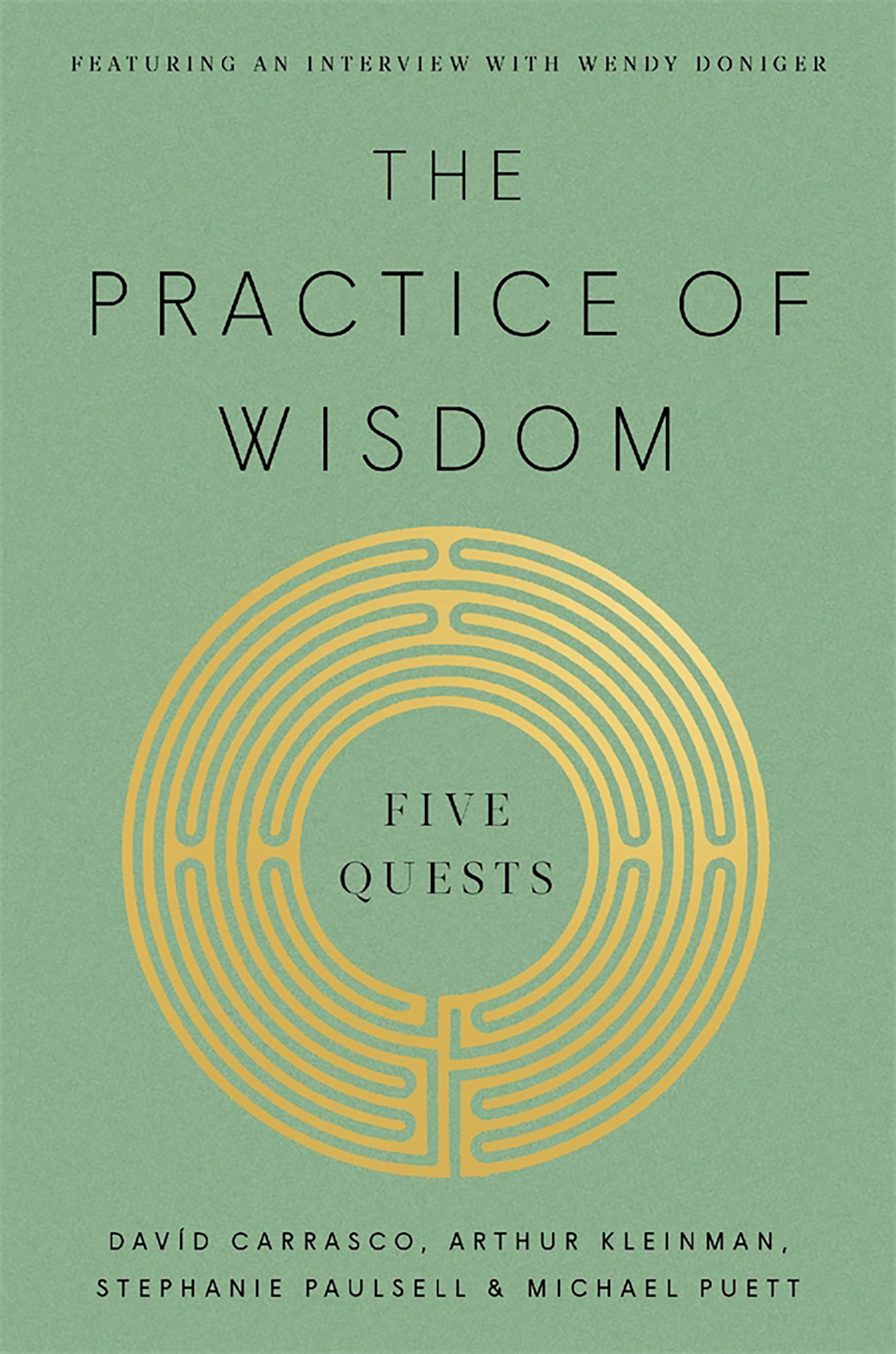
Excerpted from “The Quest for Care” by Arthur Kleinman, a chapter in “The Practice of Wisdom: Five Quests” by David Carrasco, Neil L. Rudenstine Professor of the Study of Latin America; Kleinman, Esther and Sidney Rabb Professor of Anthropology, Professor of Medical Anthropology in Global Health and Social Medicine, Professor of Psychiatry; Stephanie Paulsell, Susan Shallcross Swartz Professor of the Practice of Christian Studies Emerita; and Michael Puett, Walter C. Klein Professor of Chinese History and Anthropology. The book, published by The Belknap Press of Harvard University Press, is rooted in the long-running course “Quests for Wisdom: Religious, Moral, and Aesthetic Experiences and the Art of Living in Perilous Times,” taught by the authors.
Our digitized time is wondrous in many ways, such as in its accuracy to forecast the weather, place in our hands devices that can connect us almost instantaneously with far-flung friends and rapidly create vaccines for the COVID-19 pandemic. But it is not a generative time for wisdom, experience-based knowledge that can help us craft lives of purpose or engage in the art of living. Wisdom enables us to make sense of our innermost feelings, respond to tragedy, transcend the grief of deeply personal loss, cultivate meaning in a relationship or find it in a thing, aspire for joy, or prepare to die. This sort of practical wisdom for living is what Aristotle meant by phronesis. Aristotle held that phronesis was the most important of all forms of knowledge. A practical knowledge for how to live a life. A critical pragmatism that our troubled time has sorely tested. Technology based information has made living more efficient, but not more purposeful, ethical, or beautiful. Information, in and of itself, can never be phronesis.
Not so fast! Does the latest AI challenge this point? Can ChatGPT create wisdom? Especially wisdom for the art of living? AI certainly has the capability to recycle, recombine, and rephrase existing statements from wisdom traditions and from ordinary people struggling with living. But can AI actually search for wisdom in the sense of the human search for meaning and its practical application in the world? Both can and do transmit others’ wisdom—but can AI go on a lived quest for its own wisdom? I leave the answer for the future as philosophers, engineers, and business entrepreneurs not only try to further narrow the gap between knowledge generated through machine learning and the embodied and transpersonal human search for creating ways to enrich, repair, and reform lived experience, but also as they, and all of us, try to figure out what eliminating that gap means. As I see it, if machines one day achieve this end, it will be because they have been more completely humanized. And that, in a sense, is my point.
The COVID-19 pandemic taught us once again, as if adults still needed the lesson, that our lives are replete with experiences of serious danger and substantial uncertainty, which are at times uncontrollable. We also saw more clearly than before that those who are poor and members of stigmatized racial and other social castes have the least resources to meet these challenges, which they experience at a higher rate with worse outcomes. Yet no human being is free from this existential reality. We are all terribly vulnerable. In response, we struggle to stay safe and healthy and to be in control. Caught up as we are today in the post-pandemic era of disordered politics, negligence of the climate crisis, and insecurity owing to wars and other violent conflicts, we engage in practical acts of harm reduction, prevention, protection, and care. In truth, we knew of this vulnerability long before COVID, and that danger and uncertainty will continue to be our existential condition.
Among this informed range of responses to the threats of ordinary life is the quest for wisdom in the art of living. That quest can take many forms. Faced with paralyzing uncertainty, we seek genuine wisdom to help us decide what to do, when to do it, and how best to do it. But we also seek to integrate into the flow of our lives what needs to be done and why it needs doing. Here multiple forms of knowledge can be at play. A practical illustration comes from my own life. When my late wife was rapidly declining with early-onset Alzheimer’s disease, I actively sought wisdom that would help us and our family to struggle to keep going each day. I searched for wisdom to endure during the most difficult and demanding decade of my life, a terrible time when I felt I and my loved ones could succumb and give up entirely. Overmatched by Joan’s destructive decline, we had to find a way forward, beyond the lack of control and the sense of being inadequate. Many others are, have been, and will find themselves in the same human condition.
Earlier in my life, I looked for the wisdom to decide whether to continue to pursue medicine or drop out of medical school and become a common laborer in order to support my not-so-secret ambition to become a writer: a blue-collar mentor who had toiled in the foul New York sewer system for decades disabused me of this romantic dream and made clear what really was at stake for me. Later still, Joan and I searched for the wisdom we felt we needed to marry, despite the opposition of our families and faith communities. Giving up a primary commitment of clinical psychiatry for social medicine was another such fraught moment. Each time I searched for exemplary stories, telling ideas, even evocative words, that could come right down into my daily life to illuminate from within what I should do, how to do it, and to justify why I viscerally felt it had to be done.
And following Joan’s death, almost 46 years from when we married, I desperately needed to find the wisdom to make sense of this most devastating loss of a partner, collaborator, mentor, and lover. The anguish and poignancy of that painful search made me aware of something I had failed to understand from my research and clinical experience: that bereavement is a continuation of care, though it is caring for memories. Memories, in the process of grieving, are incessantly worked through, assembled into a story, and told to oneself and to others as a way of controlling unruly emotions that threaten to overwhelm and further break one. Memory in this instance is visceral, meaning gut and muscle memory, the body’s own wisdom, which makes it possible to transcend grief and rebuild a life.
I experienced great grief a second time in 2022, with the untimely death of my former student and close friend and colleague, Paul Farmer. News of his death in Rwanda shocked me so completely that for two hours I sat without moving, unable and unwilling to accommodate a world without his moral clarity, beauty of being, and foundational friendship. During those lost hours, I lived through the arc of our relationship. And to tell the truth, I still am caught up in replaying our time together. Replaying is the wrong word, I now realize. Because I am still suspended in that uncompleted trajectory the bereavement continues as my way of inhabiting my world, much as it does for Joan. The memories of both are not just alive within me; they are me. Caring for and living within those memories is my testimony to the meaning of my life. It is the form of my vitality, the path of my journey, a still incomplete ending.
Seen this way, bereavement is one of the quests for wisdom in the art of living that we all experience: grieving illustrates how such pursuits create the existential foundations of what makes us human. These vital actions of looking for meaning, seeking control, and either creating new ways of being in the world or remaking old ones are human experiments that draw upon and feed back into emotions, moral schemas, aesthetic sensibility, and religious experience with the same outcome: transformation of life itself.
The course that is the source of this book did not set out expressly to offer wisdom. Far from it. We, the authors of this book, did not believe that there was one or even a few kinds of wisdom that we could credibly convey; nor did we believe that we had access to special sources of wisdom. We were uncertain of what any particular person’s wisdom would be. We felt that context and contingency would make wisdom as various as the seekers themselves.
The memories of both are not just alive within me; they are me. Caring for and living within those memories is my testimony to the meaning of my life.
What we wanted to do, instead of proselytizing a particular brand of wisdom, was to explore the variety of quests, and learn from them. Ours was a nonpartisan stance with a couple of exceptions. We wanted to understand those pursuits of wisdom that took place in truly perilous times, historical times of breakdown, and times of communal threat, personal times of anguish and despair with the possibility for failure and for transcendence. COVID-19, which converted our course into a Zoom-based experience, together with the roiling wave of the racial justice movement and the political and cultural blowback to it, was surely one such syndemical time. The pandemic brought an anxious immediacy and powerful relevance to our teaching and the experience of the students. The racial justice movement deepened our discomfort with the colonial legacy and neocolonial structures constraining so many dispossessed people in our era. The political and cultural backlash challenged our values and unmade them and remade our struggles. But we were convinced that responding to such times had something to do with human acts of care, caretaking, and caregiving. We wanted to understand how care was enacted and felt emotionally, morally, and religiously. Coming from distinctive disciplinary perspectives and teaching very different books, the four of us were united in thinking that care was a shared feature of seeking wisdom for how to live. Everything we learned during the course and since has convinced us our intuition was the right one. That this was not a sentimentalized search for heroic acts or “saving grace.” But, rather, a sober, somewhat doubt-driven understanding of what human needs are about and how fragile, even broken, are our efforts to meet them. The emerging wisdom kept us closer to the sensibility of the hard forces that inflict pain and social suffering and to the softer, but still hard, work of repair and healing.
Wisdom, as I have tried to imagine it, is caring for how people (especially those who really matter to us) live their lives. It is about doing good in a small world of kin, kith, and some strangers whose lives interact with ours face-to-face. If care is indeed doing good in the world, it is a very local world where care can be taken and given to help build up others, respond to their pain and suffering, protect them from shame and humiliation, and through that free them from bonds, inner and outer, which fetter each of us. And in so doing, we also contribute to doing good for ourselves, because we, too, are accompanied and transformed.
At a dinner following Toni Morrison’s Ingersoll Lecture at the Harvard Divinity School, she shared with me and Davíd Carrasco that no matter how critical her novels were of persistent racism in America and the impact of its failed societal projects on individuals, she never took for granted or allowed herself to vicariously criticize efforts to do good in the world. She insisted that doing good for others is one of the few truly significant acts where people possess what is needed to reach out to counter, even if inadequately, all the built-up negativity in history and everyday life.
In his picaresque novel “Heaven’s My Destination,” written in the middle of the Great Depression, Thornton Wilder amusingly satirizes the journey of a naive, obstinate, religion-obsessed, and impractical young man who has the intention to do good in the world as a principled way of living a Christian life and contrasts that fraught trajectory with the tawdry, overly compromised, business-dominated, middle-class Midwestern American life. In this secular version of the “Pilgrim’s Progress,” mundane American preoccupations, misunderstandings, and failings first crush the uncritical religious zeal out of the protagonist, but later their all-too-human weaknesses assist him in his shaky way to reconcile idealistic principles with the practical demands of everyday existence. This hero lacks phronesis. His good intentions go awry, wreaking havoc with ordinary people’s lives, while he is blindly intent on what he believes must be good for the denizens of his patch of small-town America. The result, though humorous, seems to be a serious warning: be careful, be very careful. Don’t impose on others an abstract idea of the good that fails to take into account the history and context of real people in real-life situations, and therefore risks unintended consequences which undermine relationships, break lives, and demonstrate a wanton carelessness with the subtleties and compromises that make social life endurable. A passion for wisdom needs to be balanced by doubt; quests need to be questioned.

Add to this Graham Greene’s cynical vision in his novel “The Quiet American,” where American efforts to use naive, one-size-fits-all political and economic development in poor societies like Vietnam before the Vietnam War have truly disastrous effects: They “do good” in a dangerously abstract way by building an illusory democracy, in which everyone would be discouraged from advocating for doing good in the world.
Readers are justified in questioning a call for doing good as an example of wisdom about the art of living. Clearly, this impulse to care needs to be different than platitude and out-of-touch principle. It must be built into small-scale, face-to-face encounters and local community relations of accompaniment. It should be balanced by acute insight into human foibles and the unintended consequences of purposive action; and it needs to emerge out of the mature view of human prospects that includes a critical pragmatism for balancing passion and ideals with doubt. That way, a care perspective based in doing good for others is not just possible, but it is a requisite human wisdom for the art of living. Paul Farmer, the late great medical humanitarian, lived his extraordinary life and practiced his clinical profession this way.
Just as there are skilled artisans and artists who craft things of value from cuisine to furniture and sculptures, there are artisans and artists whose material is life itself. My late wife, Joan, was one such artisan and artist. She knew how, in the most minutely practical way, to bring beauty and goodness into our family’s everyday life. Candles on the dining room table turned an ordinary meal into a celebration. Reading books we all enjoyed together as a family became ritualized at home and, when traveling, a form of moral and aesthetic commitment. Simple but elegant picnics gave us joy but also taught us how to bring joy into the lives of others. Whether gardening, clamming, gathering mushrooms or wild berries, hiking, bicycling, or playing interesting games — we all took part in an adventure that mixed spontaneity with a disciplined way of playing together. Joan cultivated our French and Chinese and used these languages to bring us more deeply into the cultural traditions that stood behind them. And she did all this on a tight budget, which itself was remarkable and instructive. Joan was unselfish in brightening the days and cultivating our aesthetic sensibility. She built the foundation for the future where we would be on our own without her, as if she understood from the beginning that her time with us was going to be foreshortened. Her creative medium was life itself. She taught my children and me, and even my mother, how to focus on those things that really matter in living; and yet she did so with such warmth, lightness of being, and the freshness of her calm presence that there was delight in our responses to her practical wisdom. Joan illustrated daily that she was here to be of use, that her desire was to be used until she was all used up. And that gift is one we have internalized, too. Paul Farmer also modeled this for both of us: carrying his powerful moral being lightly and using himself up in acts of caring for those truly poor and wretched with the greatest need for mercy and pragmatic solidarity.
During the course of our marriage, Joan remade me. I had an unpromising background and early life experiences for a future caregiver. I had been raised in a crass and often cruel inner-city world of violence and hyperbolic masculinity, where trust was unreciprocated and no one was encouraged to reveal their vulnerability. I transferred my aggressiveness and hyper individualism as time went on to the academic domain. My tendency was to be a self-absorbed workaholic. Joan transformed me over the decades into a husband, father, and mentor who became more able to engender the lives of others. Her love made me into a carer.
I had long understood in principle that we were here in this broken world to do good for others, but it was my family life and the model of Joan and Paul that trained me in the corporal and emotional acts of caregiving, re-creating who I am and how I live. It is while caring for Joan and my family and close friends, as well as allowing myself to be cared for by them, that I came to experience my own maturation into finding wisdom through caring. This was for me a profound transformation of self, sensibility, and action. This wisdom became embodied and yet also social. By going outward to care for others, I learned, one ends up traveling inward to care for the soul. It is the only discovery of wisdom in which I have made any headway.
Copyright © 2026 by the President and Fellows of Harvard College. Used by permission. All rights reserved.
Share this article


Also in this series:
-
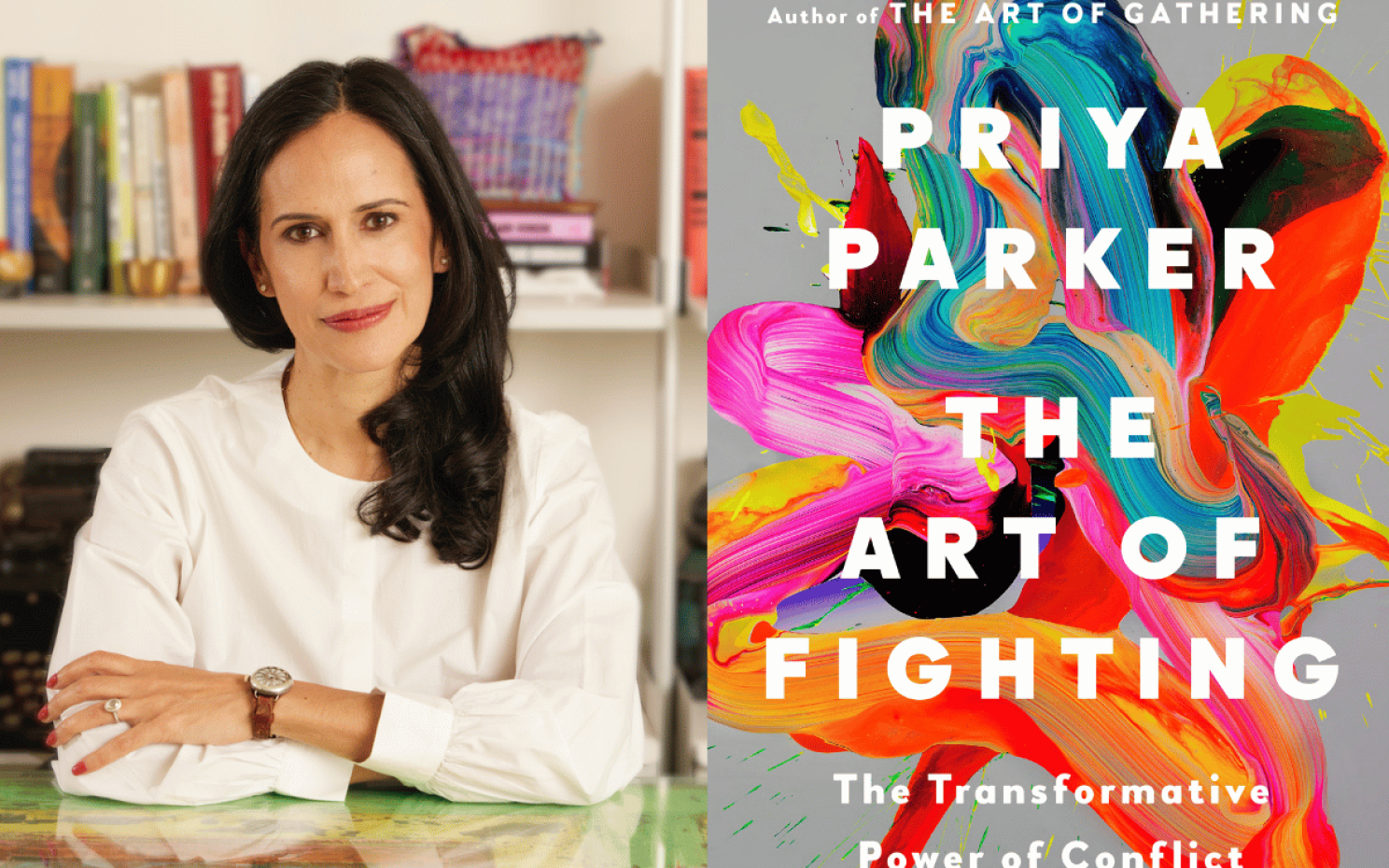
Why a fight might be just what your group needs
Priya Parker says sometimes reckoning with buried tensions can help reconnect group to values, identity — and one another
-
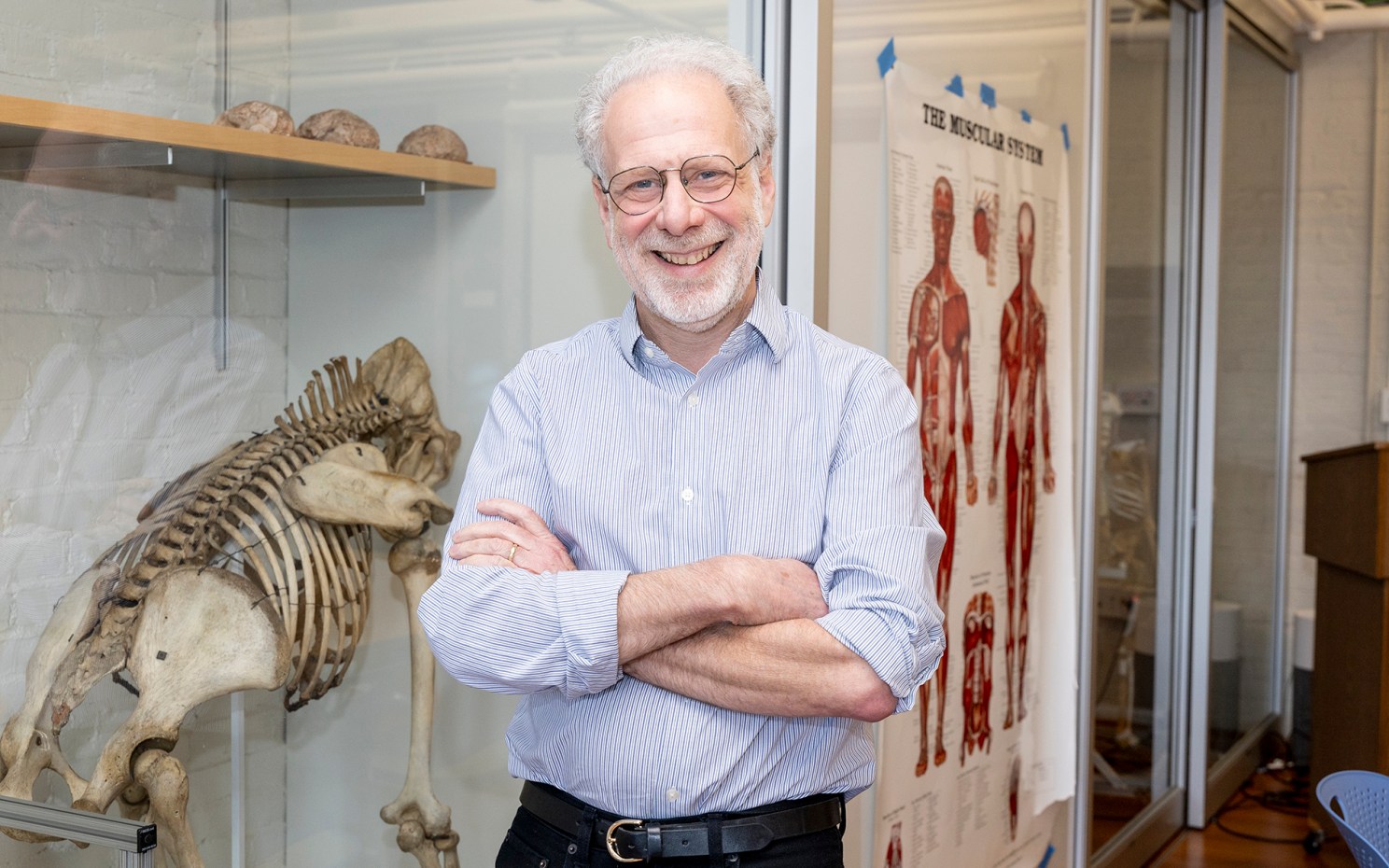
Total keto or veganism? Daniel Lieberman considers how humans evolved to eat.
Excerpt from evolutionary biologist’s new book ‘Fed Up’
-
Why we need to break the grip of ‘oldigarchy’
Legal historian’s new book argues older Americans control power, wealth — and lack sense of urgency to fix nation’s most pressing problems
-

When ‘base’ of Republican Party shifted
In new memoir, Lamar Alexander says it used to be just elected officials, voters. Then came rise of more extreme activist groups, worsening polarization.
-
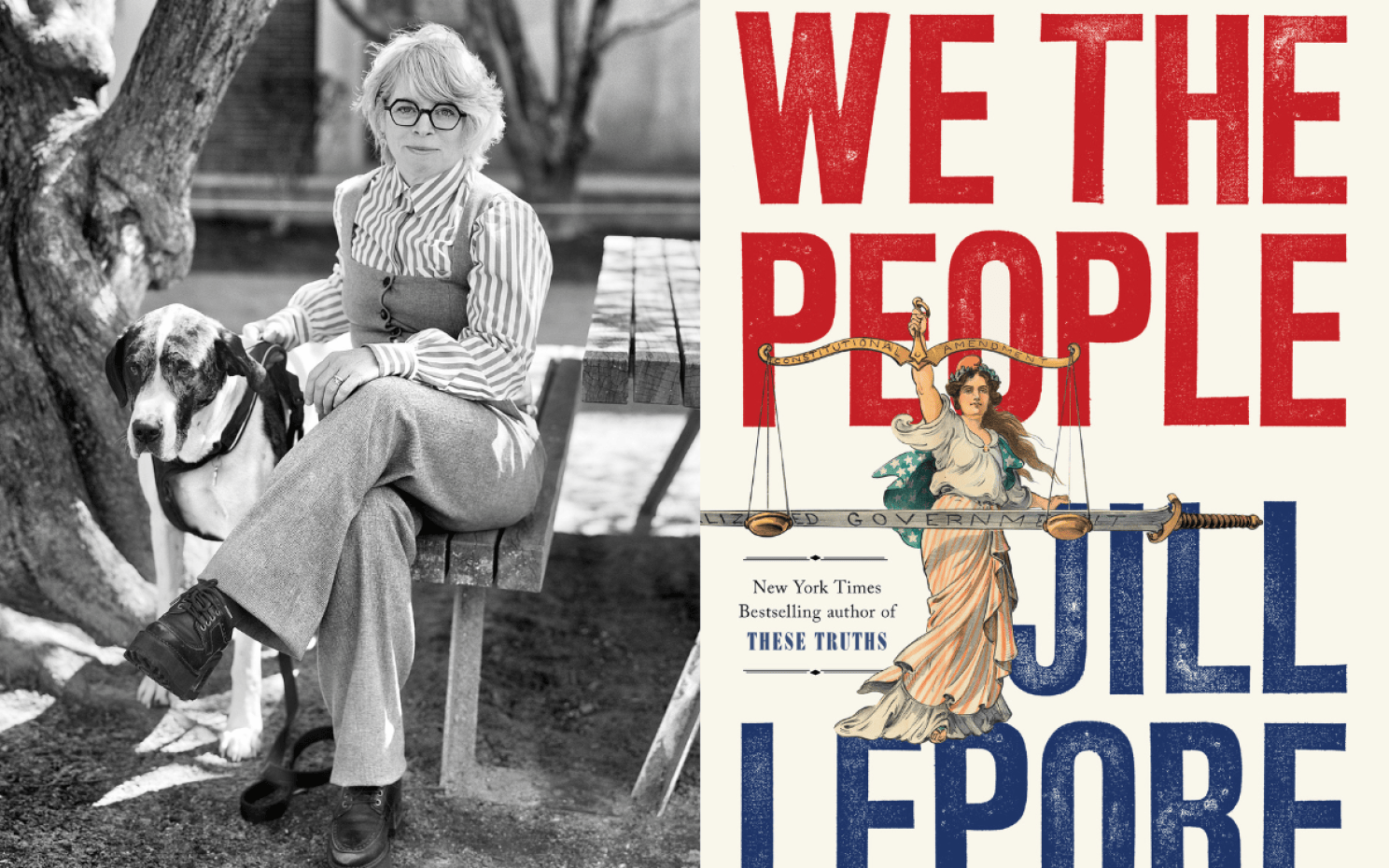
Constitution was made to be amended. So what’s stopping us?
Jill Lepore argues in her new Pulitzer-winning history that it desperately needs update, traces emergence of roadblocks
-
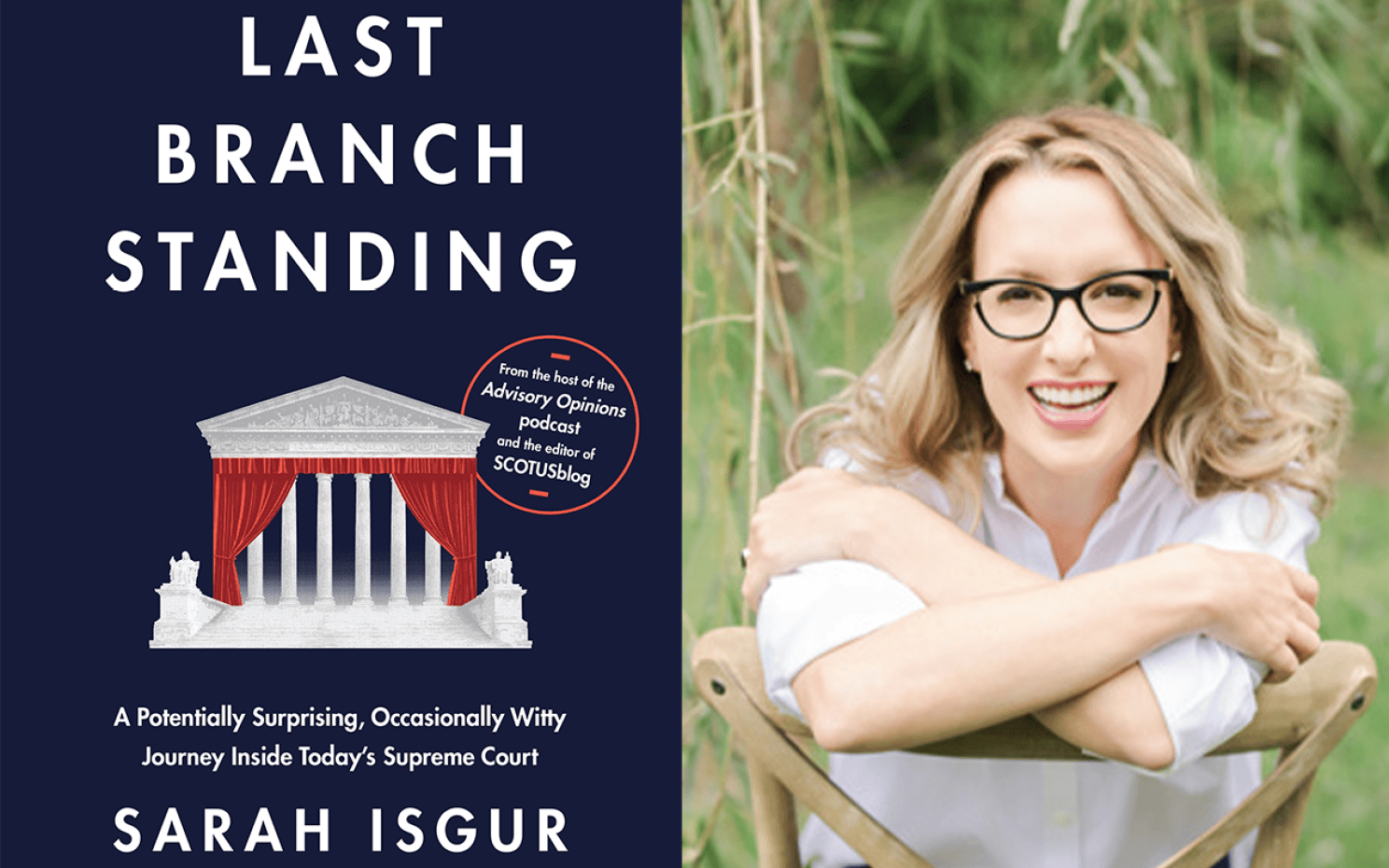
SCOTUS might surprise you
Sarah Isgur argues growing distrust of justices says more about our tribalism than any change in way judiciary works