Featured series
Photos by Stephanie Mitchell/Harvard Staff Photographer
Arts & Culture
Print optimists, sort of
Can-do editors turn birthday into a wider celebration of literary zeal: ‘It’s really an idealist’s game.’
The world of print has shifted dramatically in the 40 years since the journal Erato first appeared on Harvard’s campus. Publications have shrunk and shuttered. Other sources of entertainment, like TV and the internet, have drawn eyes away from books and magazines.
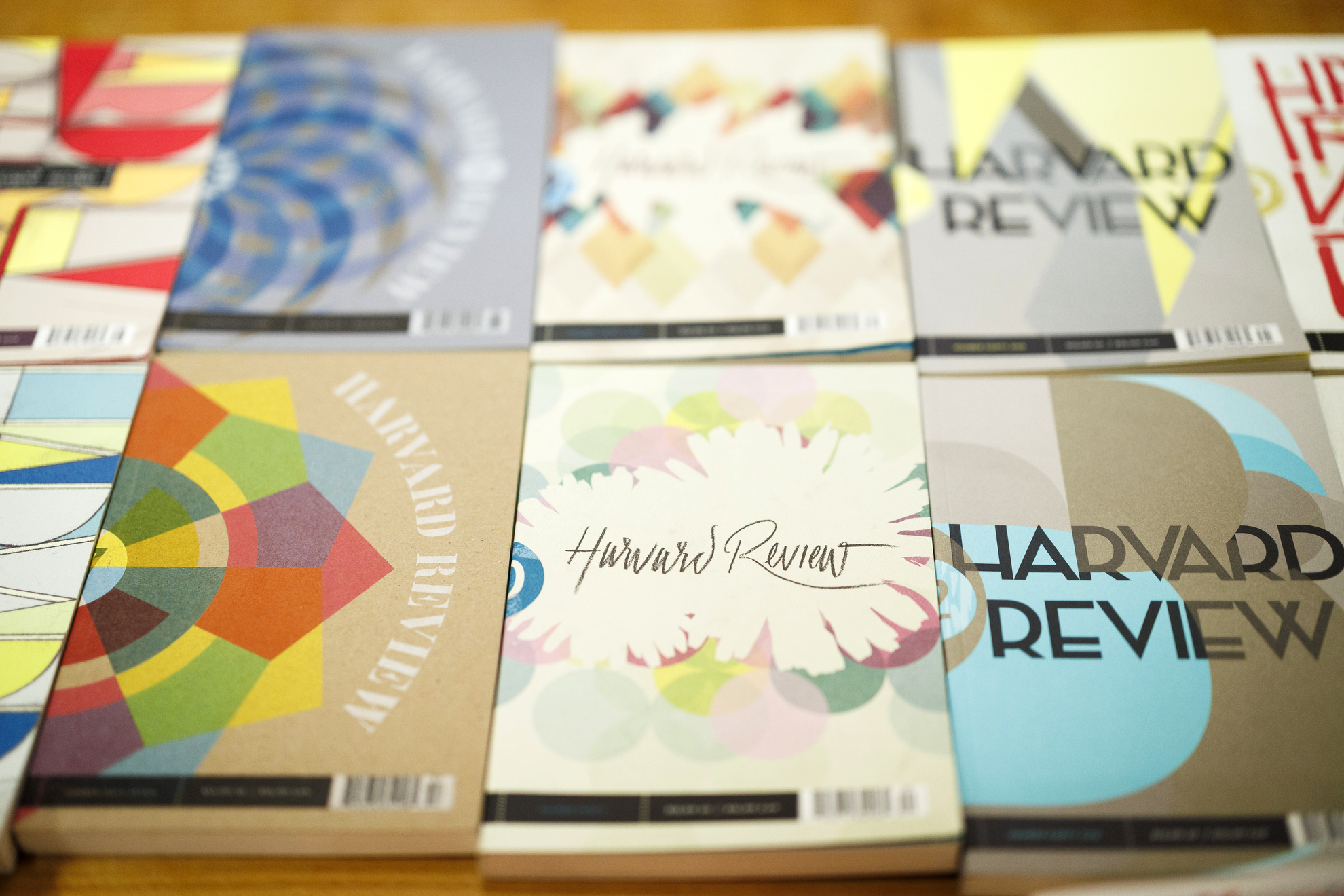
But to writers of a certain sensibility, things looked bleak even back then. Erato, founded in 1986, would later evolve into the Harvard Review, published out of the Harvard Library since 1992. Like today, critics in the early years of the publication complained about the state of modern literacy.
“Almost none of my students read independently,” essayist and Harvard instructor Sven Birkerts wrote in 1989. “I know this because I ask them.”
On Tuesday, local editors gathered at Houghton Library to echo and update those concerns — but with more than a dash of hope — in a conversation marking the 40th anniversary of Erato’s founding.
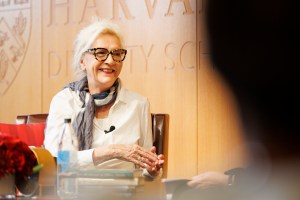
The event, “Harvard and the Little Mag: Why Print Matters in 2026,” was moderated by Harvard Review editor Christina Thompson, who encouraged panelists to put aside some of the unromantic endeavors related to running a literary magazine — sending subscriber emails, digitizing the archive — and focus instead on “why we’re doing this in the first place.”
“People who start or run or get involved in literary magazines all seem to want to do more or less the same set of things,” she said. “They want to make art. They want to celebrate art. They want to make themselves and others heard. They want to participate in the culture.…It’s really an idealist’s game.”
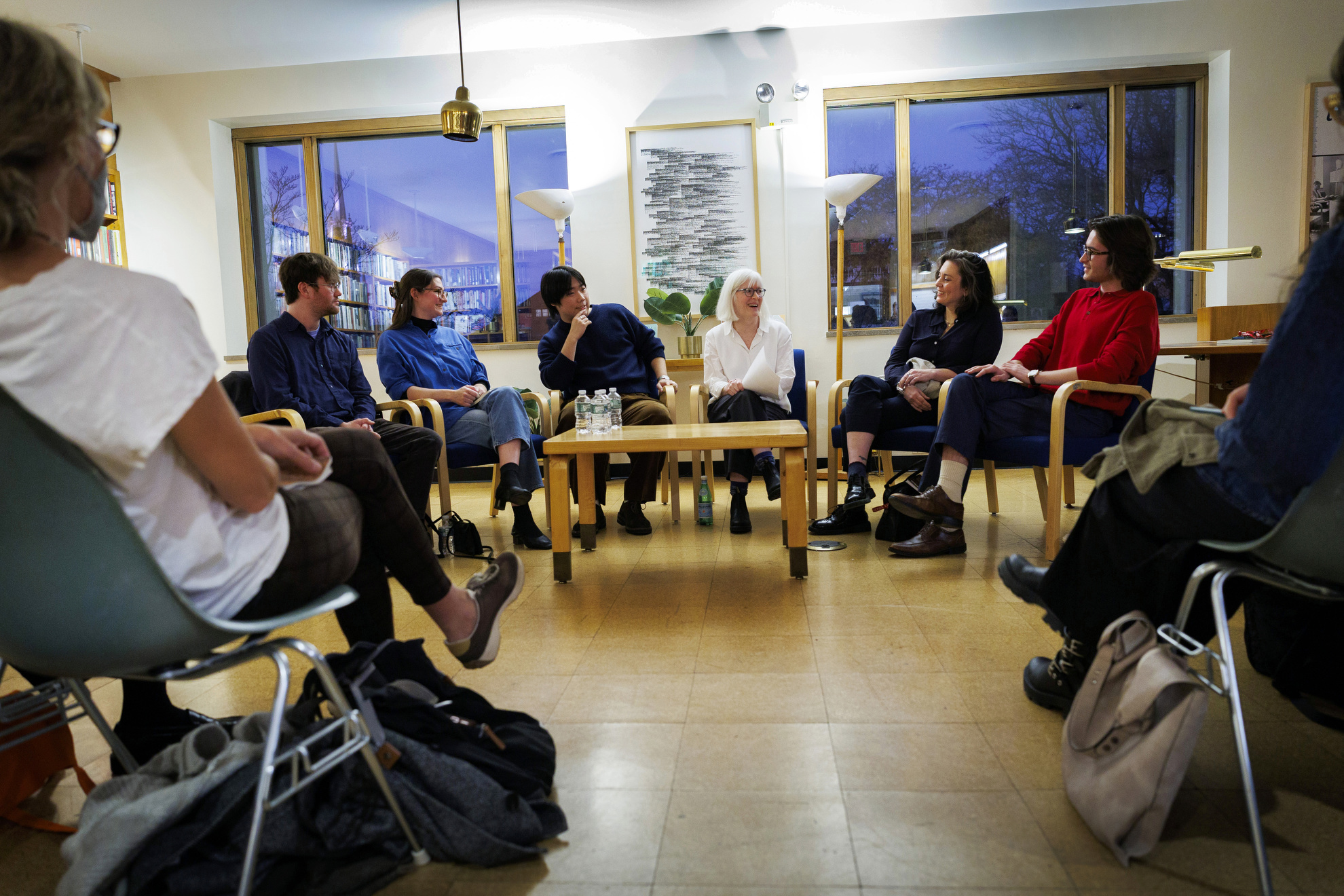
In launching the magazine Duck, husband-and-wife co-editors James Fraser and Bella Bennett sought to elevate fiction, poetry, and essays by their friends and to publish writers they otherwise wouldn’t be able to work with.
Bennett reflected on the tradition of the mid-century New York School, whose members created mimeograph magazines that established their own voice and perspective. Once she and Fraser dealt with cost and labor, she realized, “There’s nothing stopping us from publishing this thing and saying we started a magazine.”
The first issue of Duck came out in March; the next is in production.
Hengzhi Huang Yang, a Harvard College senior, joked that he came to love literature and magazines through an “inverted Henry James story.” He grew up in Beijing before enrolling at a Quaker school in Philadelphia with a strong humanities program. Today, he’s editor-in-chief of the magazine House House, which he founded in 2024.
“I got exposed to this whole world of magazines, of publishing, of centuries of history of this literary form all at once,” he said. “I was reading what William Shawn was doing with The New Yorker in the 20th century and thinking, ‘OK, this must be how The New Yorker’s still working today.’”
Jacob Winter, a College junior who revived the campus literary magazine Tuesday, treats each issue as an opportunity to present readers with the unexpected and unusual. While many publications seek to maintain a consistent editorial voice, his revolving cast of editors and contributors —the staff turns over every year — frees the magazine from “a narrow editorial window.” This, he said, is part of the fun.
While the Harvard Review has endured for decades, Thompson noted that not every literary magazine enjoys a long life — and that some are fine with a short one. What matters is that great writing finds an audience, she said.
“There continue to be many, many obstacles, and yet these projects just keep popping up. New people emerge — arise — to do this.”