
 Featured series


Tag: ichthyology
-
Health
Fish in depth
The renovated fish gallery at the Harvard Museum of Natural History, open as of June 2, includes displays that explain both fish biology and the science being conducted on the topic at Harvard.

-
Health
A swimsuit like shark skin? Not so fast
Experiments conducted in a Harvard lab reveal that, while sharks’ sandpaperlike skin does allow the animals to swim faster and more efficiently, the structure of some high-tech swimsuits has no effect when it comes to reducing drag as swimmers move through the water.

-
Science & Tech
How fish swim
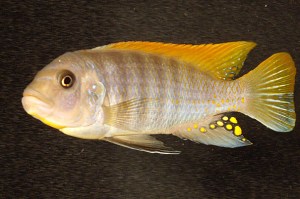
Scientists have long believed that sunfish, perch, trout, and other such bony fish propel themselves forward with the movement of their tails, while their dorsal and anal fins — the fins on their tops and bottoms — work primarily as stabilizers.
-
Health
Study shows benefits of eating fish greatly outweigh risks
Many studies have shown the nutritional benefits of eating fish (finfish or shellfish). Fish is high in protein and omega-3 fatty acids. But concerns have been raised in recent years about chemicals found in fish from environmental pollution, including mercury, PCBs and dioxins. That has led to confusion among the public – do the risks…
-
Science & Tech
Newly found species fills evolutionary gap between fish and land animals
Paleontologists have discovered fossils of a species that provides the missing evolutionary link between fish and the first animals that walked out of water onto land about 375 million years ago. The newly found species, Tiktaalik roseae, has a skull, a neck, ribs, and parts of the limbs that are similar to four- legged animals…
-
Campus & Community
Warnings about fish consumption and mercury overstated
A comparison of the risks and benefits of fish consumption suggests that government advisories warning women of childbearing age about mercury exposure should be issued with caution. The study warns that if advisories cause people to eat less fish out of fear about the effects of mercury, substantial nutritional benefits could be lost. The study…
-
Campus & Community
Scientists show how fish save energy by swimming in schools
Researchers at Harvard University and the Massachusetts Institute of Technology have provided new insights into the hydrodynamic benefits fish reap by swimming in schools. “The annual upstream voyage of fish to spawn has long been viewed as one of the classic struggles of the natural world, but our work suggests that this journey may not…
-
Health
Men can reduce stroke risk by eating fish
Researchers tracked the diet and health outcomes of more than 43,000 male participants for 12 years. Using detailed food frequency questionnaires, participants were asked how often they ate fish, ranging from never or less than once per month to six or more times per week. The men in the study were also asked about four…
-
Science & Tech
Researchers regenerate zebrafish heart muscle
A research team led by Mark T. Keating showed that zebrafish can regenerate heart muscle within two months after a severe injury. The team, from the Howard Hughes Medical Institute at Children’s Hospital Boston, also identified a possible genetic and molecular model for regeneration in zebrafish that could help direct further research in humans. The…
-
Health
Fish may reduce risk of stroke in women
“Our research suggests that women can reduce their risk of thrombotic stroke by up to 48 percent by eating fish two to four times per week,” said Kathryn M. Rexrode, Harvard Medical School instructor in medicine. “The findings also indicate that higher intake of omega-3 fatty acids may help women reduce their risk of stroke.”…
-
Health
Understanding how fish swim
The pattern is hard to see at first because the movement seems to happen in the blink of an eye.