 Featured series


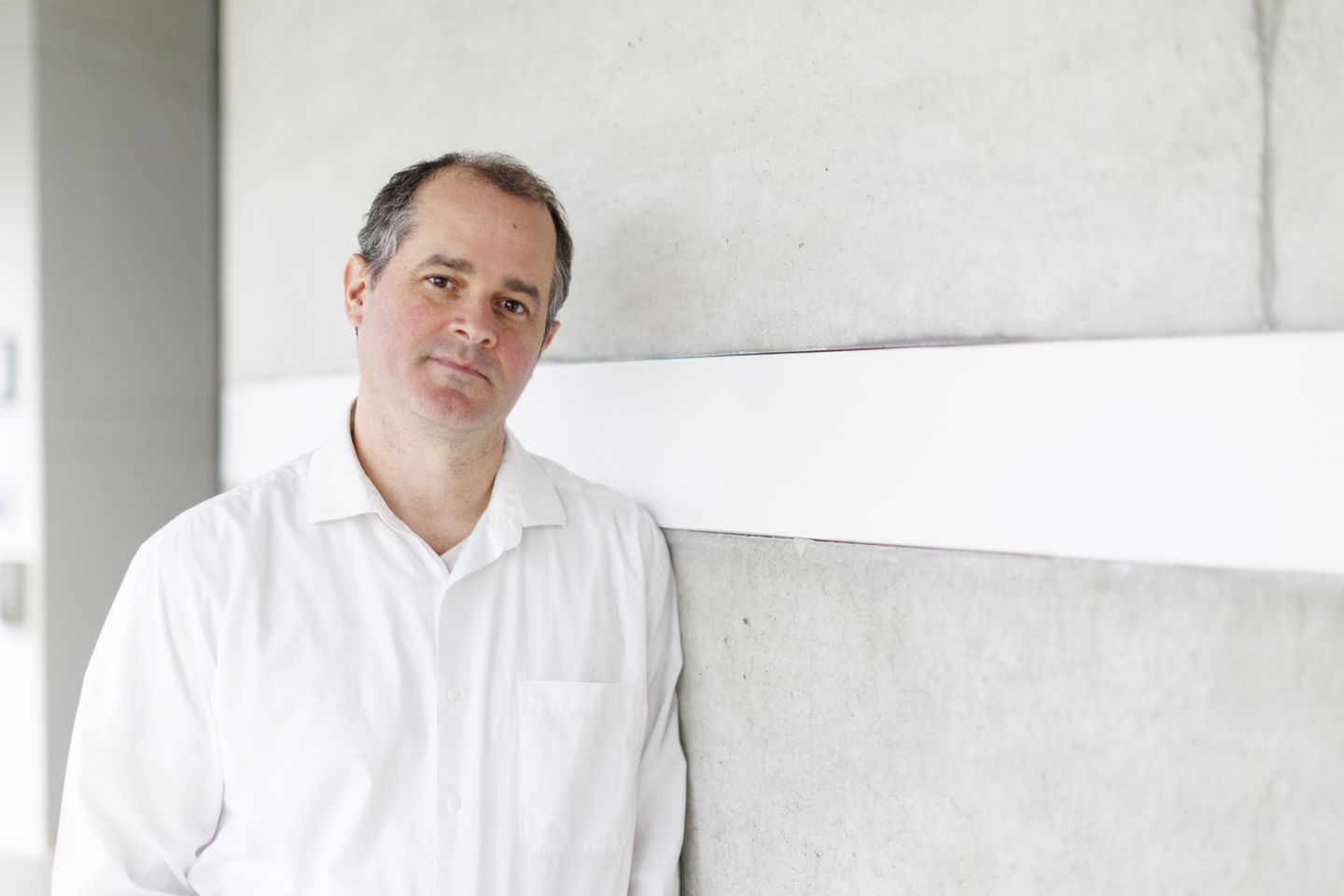
Dustin Tingley.
Stephanie Mitchell/Harvard Staff Photographer
Campus & Community
Dustin Tingley named vice provost for advances in learning
He will lead University efforts in pedagogical innovation, digital education, and ways tech can support teaching, lifelong learning, research
Dustin Tingley, a distinguished political scientist and leader in education innovation, has been named Harvard’s next vice provost for advances in learning, the University announced today.
“I am delighted that Dustin has agreed to serve as the next vice provost for advances in learning,” said University Provost John F. Manning. “He brings to this important role a wealth of experience in residential and online education, a deep understanding of technology’s potential to support academic excellence, and a strong commitment to innovation.”
As vice provost for advances in learning, Tingley will lead the University’s efforts in pedagogical innovation, digital education, and exploring the role of technology in supporting teaching, lifelong learning, and research on campus and around the world.
Tingley became interim vice provost in August 2025 and was deputy vice provost prior to that. He has long worked to develop, launch, and oversee initiatives to support teaching and learning at Harvard and beyond. Over the past decade, he also served as faculty director for the office’s Data Science and Technology Group, as well as for the Harvard Initiative for Learning and Teaching.
“It is an honor to continue to work alongside staff, faculty, and students in our collective pursuit of rigorous and engaging learning opportunities,” Tingley said. “The positive benefit we can bring to society through learning is a core mission of higher education institutions, and one where Harvard continues to have tremendous impact and opportunity.”
As a political scientist and public policy scholar with an interest in research methodology, Tingley’s research interests are broad, spanning international relations; the political economy of energy; data science and machine learning; and digital education. His recent work has included understanding how communities view changes in energy technologies, predicting students’ likelihood for online course completion, and applying machine learning to the social sciences.
Tingley has a joint appointment in the Government Department and the Harvard Kennedy School and teaches on the politics of climate and energy and international relations. In addition, he has taught on the business of the energy sector at Harvard Business School.
Outside of his research and teaching, Tingley has chaired Harvard’s Standing Committee on Climate Education and co-chaired the Faculty of Arts and Sciences Standing Committee on Public Service and Engaged Scholarship.
In 2012, he co-founded ABLConnect, an online database of active learning resources. He also previously served as director of graduate studies for the Government Department and faculty director of the Institute for Quantitative Social Science’s Undergraduate Research Scholar program.
Tingley holds a Ph.D. in politics from Princeton University and a Bachelor of Arts in political science with a minor in mathematics from the University of Rochester.