Featured series
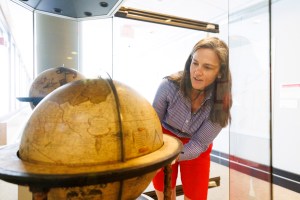
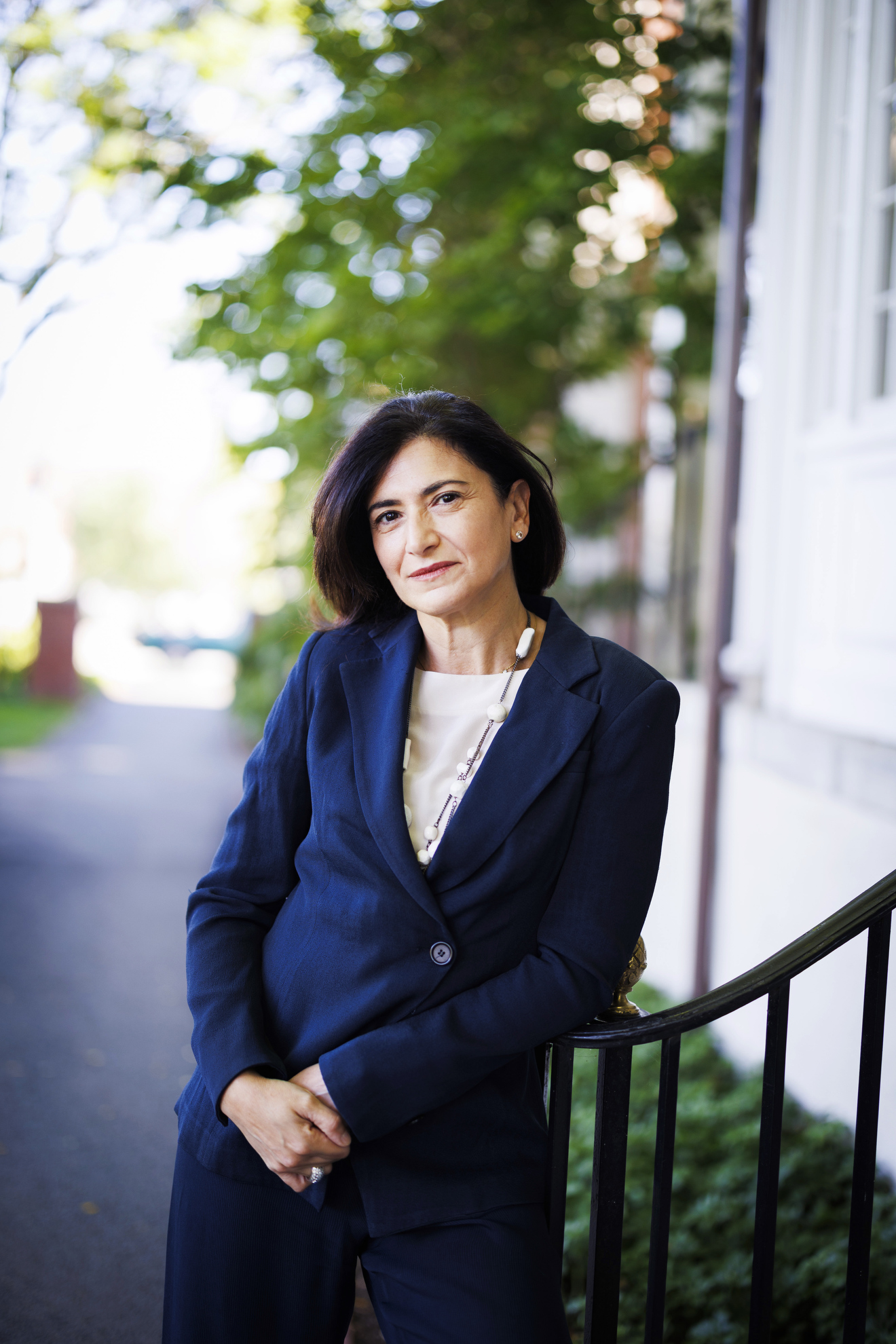
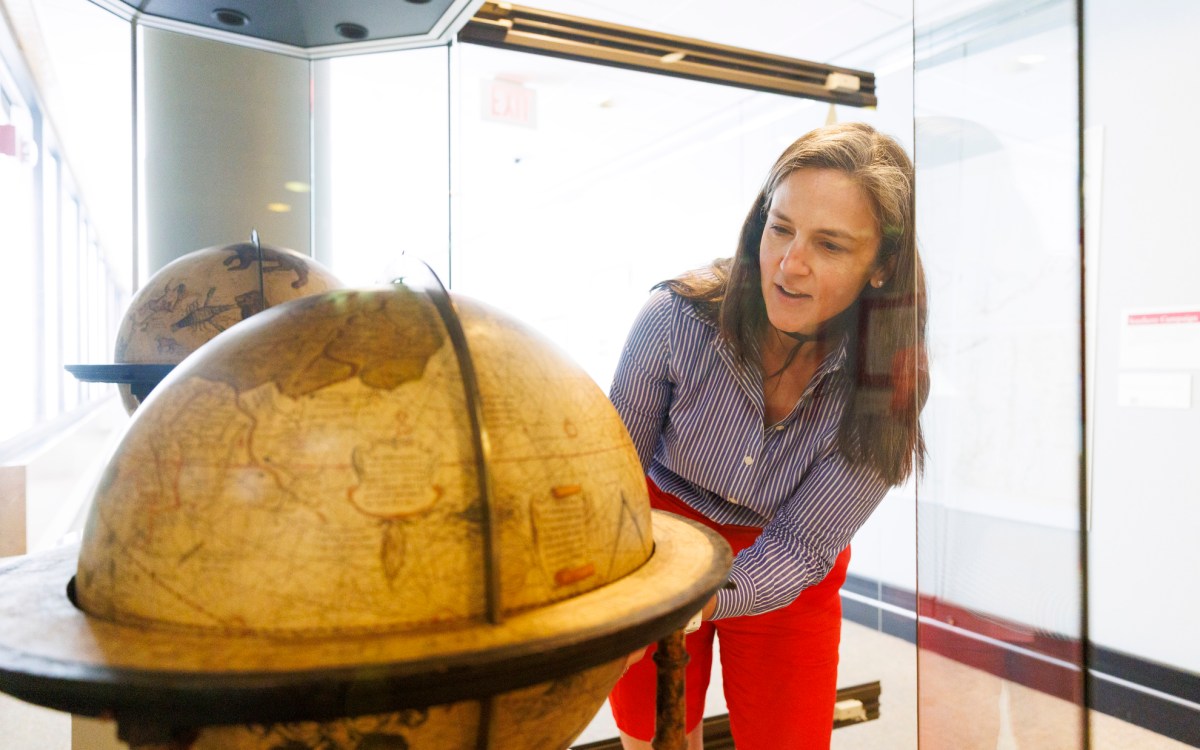
Raffaella Sadun.
Stephanie Mitchell/Harvard Staff Photographer
Nation & World
Survey of young researchers raises concerns over future of science in U.S.
Fewer planning careers in academy, nation, and more doubt value of Ph.D. amid policy shifts in funding, international students
One-third of young scientists who were planning careers in academic research changed their minds in the spring of 2025, according to a new survey, with fewer expecting to remain in higher education and in the U.S. to work or feeling that pursuing a Ph.D. was the right decision.
The survey, recently published as a working paper by the National Bureau of Economic Research, was taken at a time of tightening government policy on science funding and the presence of international students in the country. The government’s efforts in those areas have been stymied by the courts, at least initially.
But the new study suggests the high-profile campaign and lack of a final legal resolution have fueled uncertainty among younger scientists about the prospects for careers here. It also adds to researchers’ concerns about the disruption of the partnership between the U.S. government and universities that has driven the nation’s leadership in scientific discovery, innovation, and economic growth.
The survey, conducted in March 2025, showed that a third of the respondents who had previously said they were likely or very likely to pursue a career in academia no longer felt that way. Similarly, almost a fourth of those who had previously expected to stay and work in the U.S. no longer felt that was likely or very likely. And finally, when asked whether they were satisfied with having pursued a Ph.D., 17 percent fewer said they were either satisfied or neutral about the decision compared with six months earlier.
The survey occurred somewhat serendipitously.
A team including Raffaella Sadun, the Charles Edward Wilson Professor of Business Administration at Harvard Business School, and colleagues from the Massachusetts Institute of Technology and Monash University in Australia were in the midst of a large study of biomedical lab management practices when the Trump administration began its crackdown on government-funded science and higher education.
“We were running interviews with senior postdocs in the labs, and we started to realize we were in the middle of a pretty big policy change,” said Sadun. “The change was seeping into the interviews and, as we were talking to the postdocs, the anxiety was palpable. They started telling us how the uncertainty of the research funding environment, the policy changes, was affecting their own decisions.”
“The change was seeping into the interviews and, as we were talking to the postdocs, the anxiety was palpable. They started telling us how the uncertainty of the research funding environment, the policy changes, was affecting their own decisions.”
Raffaella Sadun
Sadun and colleagues had already compiled a sample of 2,466 biomedical research labs across the U.S. and, as strife between the administration and universities mounted, they understood they were in a position to analyze the extent of the disruption in real time.
So they reached out to more than 13,000 doctoral students and postdoctoral fellows who had taken part in the larger management study with a simple, six-question survey: “How likely are you to stay in academia?” “How likely are you to stay in the United States?” And “How satisfied are you with having pursued a Ph.D. in science?” They asked each question twice, once “for now” and again for, “six months ago.”
“We are running these interviews. We have this unusual access to a large number of labs and people. We had to run with this,” Sadun said. “It’s not perfect, but let’s try to measure as much as we can whether the current uncertain environment is having an impact on how they perceive or how they’re thinking about their future career moves.”
The authors acknowledged that the survey design — asking respondents how they would have answered a question six months earlier — may make it vulnerable to “recall bias,” in which respondents remember the past more favorably than they then viewed it.
The original management study, however, provided a check against that, since about a quarter of respondents had previously answered the Ph.D. satisfaction question before the end of 2024 — and the January 2025 start of the new administration. A comparison of those past responses with the recalled ones showed no sign of recall bias, according to the study.
The management researchers received responses from 916 scientists from 770 labs at 134 institutions.
The responses indicated that six months prior to the survey, 66 percent said they were likely to stay in academia, a figure that fell 22 percentage points, to 44 percent, by March 2025. Similarly, 93 percent of respondents said that six months earlier they had been likely or very likely to remain in the U.S. That number fell to 72 percent in March 2025. And while 92 percent of those who six months prior had been neutral or satisfied with their decision to pursue a Ph.D., that fell to 76 percent by March 2025.
The implications of the young scientists’ changed intentions are potentially important for U.S. science and more broadly, the nation’s economy, Sadun said.
She also acknowledged, however, that though she knows several scientists who have already relocated, broadly speaking, people don’t always follow through on their stated intentions. That’s something that can be studied in future research.
“This is not great for research and it’s problematic from the perspective that R&D activities that are conducted in universities are an engine of growth,” Sadun said. “What you’re looking at is a significant shrinking of a population of scientists that you’ve created. They’ve spent time here, they’ve learned here. You’ve shaped this talent and this talent is telling you, ‘I want out.’”
This research was funded by the Alfred P. Sloan Foundation.