Featured series


Illustration by Liz Zonarich/Harvard Staff
Arts & Culture
What it’s really like to be young
Harvard faculty recommend books that capture youth in all its joy and agony
As the fall semester kicks in and students once again crowd the Square, Harvard faculty look back on favorite reads about youth — with a few choices from their own earlier days.
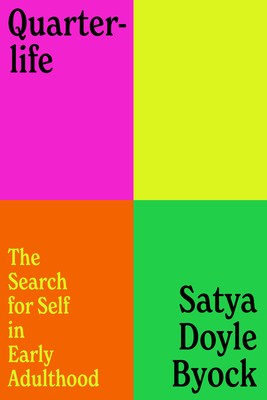
“Quarterlife: The Search for Self in Early Adulthood”
By Satya Doyle Byock
The book asks young people to figure out their path through careful attention to their experiences and responses to opportunities and disappointments to see what really matters. The author, a Jungian psychologist, provides guidance for discovering a way, building skill, and making persistent effort to a create a joyful life beyond the bounds of what society says is best. She asks of readers that rather than comparing themselves to others, they find what makes them come alive and where they can contribute to a better world to find meaning.
I have shared it with one of my daughters and my niece (both aged 25), who are navigating their lives in these chaotic times. They have found it helpful.
Climate Action Accelerator Professor of Organismic and Evolutionary Biology; Director of the Harvard University Herbaria
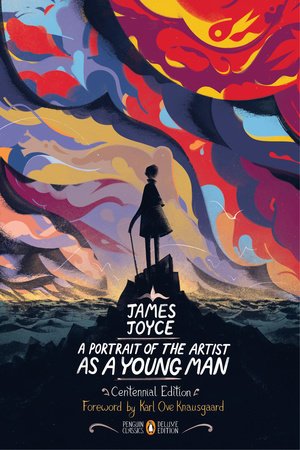
“A Portrait of the Artist as a Young Man”
By James Joyce
“Portrait” recounts the youthful confusion of Stephen Dedalus, soon to reappear as the nomadic aesthete of “Ulysses.”It wrenchingly captures the shock and trepidation of being dropped into a new school environment, one rife with menacing teachers and mischievous peers. One of my favorite scenes is where the other boys taunt Stephen, demanding to know whether he still kisses his mother goodnight. “What was the right answer to the question?” he agonizes. “Was it right to kiss his mother or wrong to kiss his mother?”
Professor of English and Interim Director of Undergraduate Studies
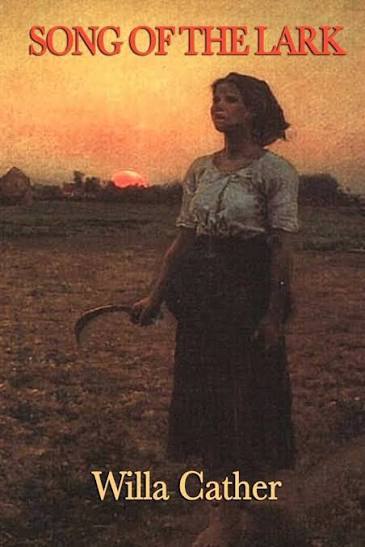
“The Song of the Lark”
By Willa Cather
A big, long novel about how a girl with almost no advantages growing up in the Great Plains in the late 1800s gets help, avoids entanglements, and finds the life she wants as a singer.
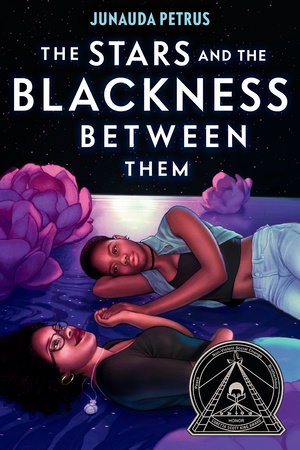
“The Stars and the Blackness Between Them”
By Junauda Petrus
A girl from the West Indies and a girl from Minneapolis find their way to each other, fall in love, and figure out how to be Black in an anti-Black world, with help and hindrances from adults. There’s magic, by the end.
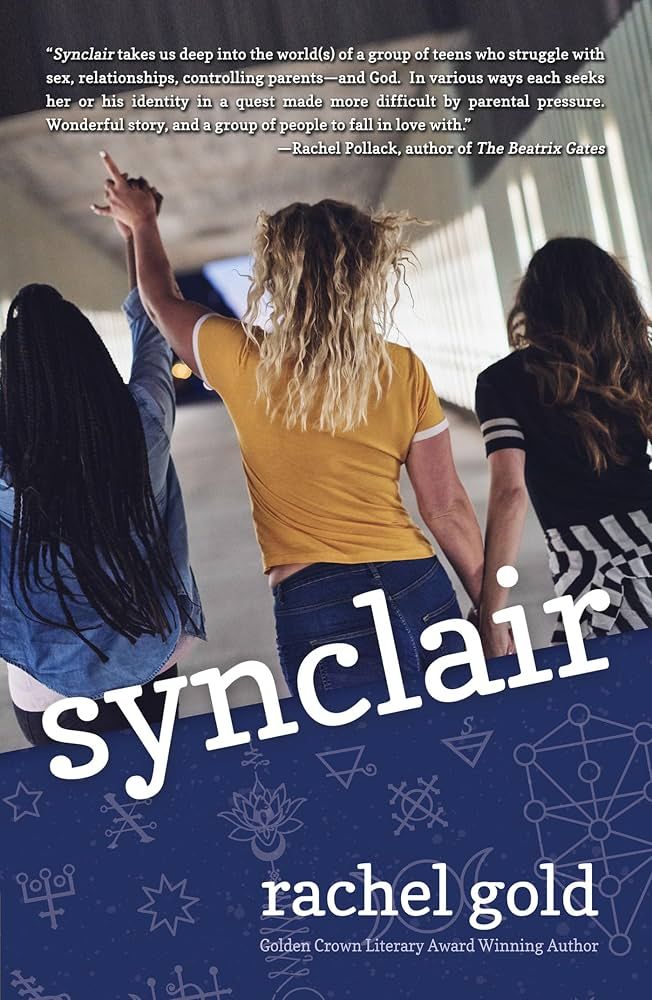
“Synclair”
By Rachel Gold
A group of queer young people in the 2010s figure out how to help one another, who should be dating whom (it’s complicated), how to get help (and not hindrance) from religion, and why there’s a literal skeleton (a symbol for adult life?) in someone’s backyard.
Donald and Katherine Loker Professor of English
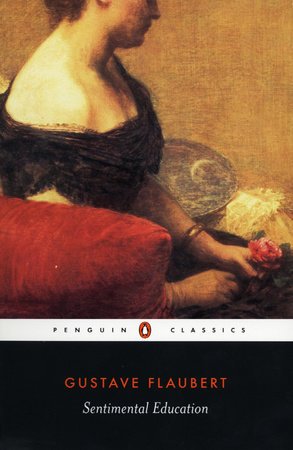
“Sentimental Education”
By Gustave Flaubert
I’d say that youth is a topic only in retrospect, because the young aren’t conscious of the ways in which they’re young. So for me, the great novel of youth is Flaubert’s “Sentimental Education,”which ends with a protagonist in jaded late middle age, looking back on a scene of disappointment from his youth and realizing what he couldn’t have known at the time, that he’d never be so happy again.
Dean of Undergraduate Education and Samuel Zemurray Jr. and Doris Zemurray Stone Professor of English of English
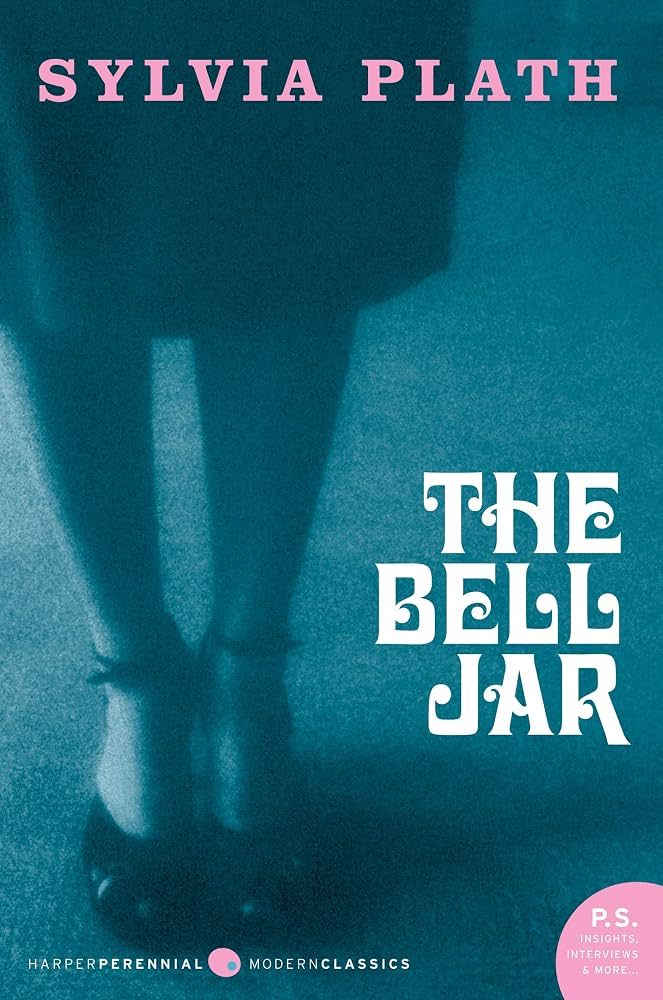
“The Bell Jar”
By Sylvia Plath
First published under a pseudonym in 1963, the book remains a compelling exploration of the pressures and perils of young womanhood. Based on Plath’s summer working as an intern at the magazine Mademoiselle, the novel follows Esther Greenwood, a bright, ambitious college student searching for creative and romantic fulfillment. It contains so many memorable passages, from its opening sentence — “It was a queer, sultry summer, the summer they executed the Rosenbergs, and I didn’t know what I was doing in New York” — to an extended metaphor of a fig tree, which represents the many decisions Esther must make. One wishes Plath, who died one month after the novel’s publication, had lived to write more about precocious young women and their dreams.
Visiting Lecturer on English and Director of Junior Tutorials
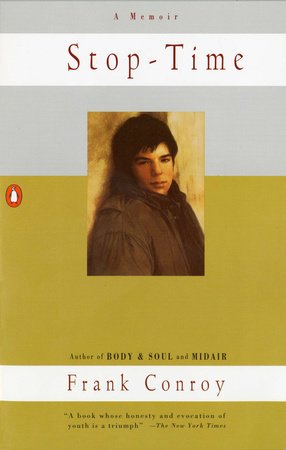
“Stop-Time”
By Frank Conroy
Publishedin 1967, there’s nothing dated about this memoir of Conroy’s difficult, itinerant boyhood in Florida and New York. What it tells us about the pain, pleasure, and estrangement of childhood feels bracingly fresh almost 60 years later. By re-entering his memories with the narrative precision of a novelist, Conroy helped make possible much of the autobiography that followed. It’s hard to imagine Tobias Wolff writing “This Boy’s Life”or Mary Karr writing “The Liars’ Club”without Conroy having gone first. Psychologically astute and resistant to sentimentality, “Stop-Time”is one of those books I return to every few years with the keenest pleasure.
Senior Lecturer on English
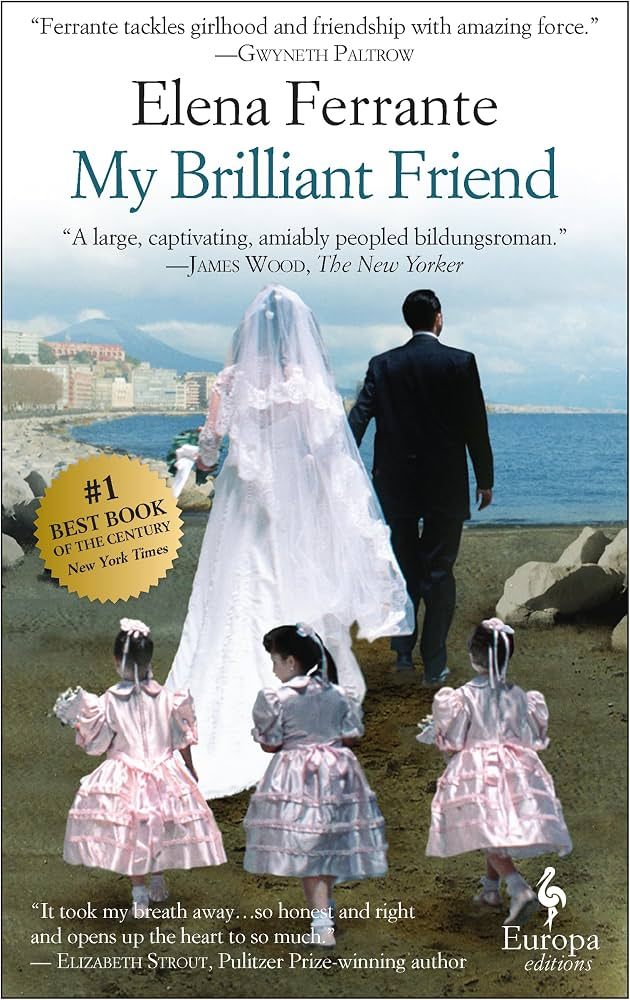
“My Brilliant Friend”
By Elena Ferrante (translated by Anne Goldstein)
Youth is a time of becoming, we say, and of growth — but those terms sound so very orderly and peaceful when held up against the turbulence and violence of “My Brilliant Friend.” Has any other novel ever depicted with quite as much brutal honesty as this one the fierce intensities of both identification and dis-identification that shape this stage of life? Or examined with quite so much analytic prowess the volatile compound of love and hate and envy and admiration that define girls’ friendships?
Ernest Bernbaum Professor of English Literature
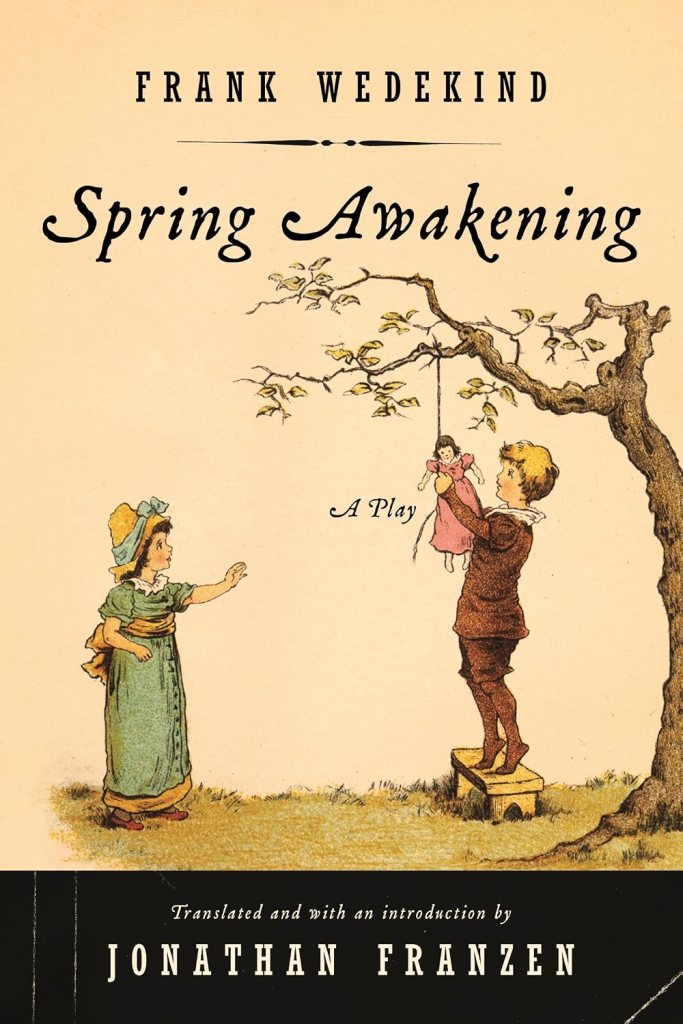
“Frühlings Erwachen” (“Spring Awakening”)
By Frank Wedekind
A dark, angry play about teenagers discovering their sexuality in a censorious and stifling society. Its psychological acuity, inventive structure, and anguished critique have lost none of their power since the play was written in 1891. Now well-known through its modern adaptation as a musical, Wedekind’s original play continues to surprise and shock. There are many strong English translations, including versions by Ted Hughes, Jonathan Franzen, and Anya Reiss.
Professor of English

“Ender’s Game”
By Orson Scott Card
My favorite book on youth. I remember reading it when I was 10 years old. What it really drove home for me was how, if we’re not careful, the considerable talents and imagination of children can be contaminated and swayed into forces that are more harmful than good; that there is something vitally important about childhood and that, sadly, many of the ills of the world don’t wait for adulthood. They begin early on, by both twisting and squandering the talents, imagination, gifts, and hopes of children.
“Island”
By Aldous Huxley
The importance of childhood education is something Huxley (author of “Brave New World”) emphasized in this lesser-known book. There’s quite a bit in that book about taking childhood education very seriously. In particular, Huxley urges us to teach critical thinking skills to children and the notion of the interconnectedness of living things early on.
Professor of Sociology
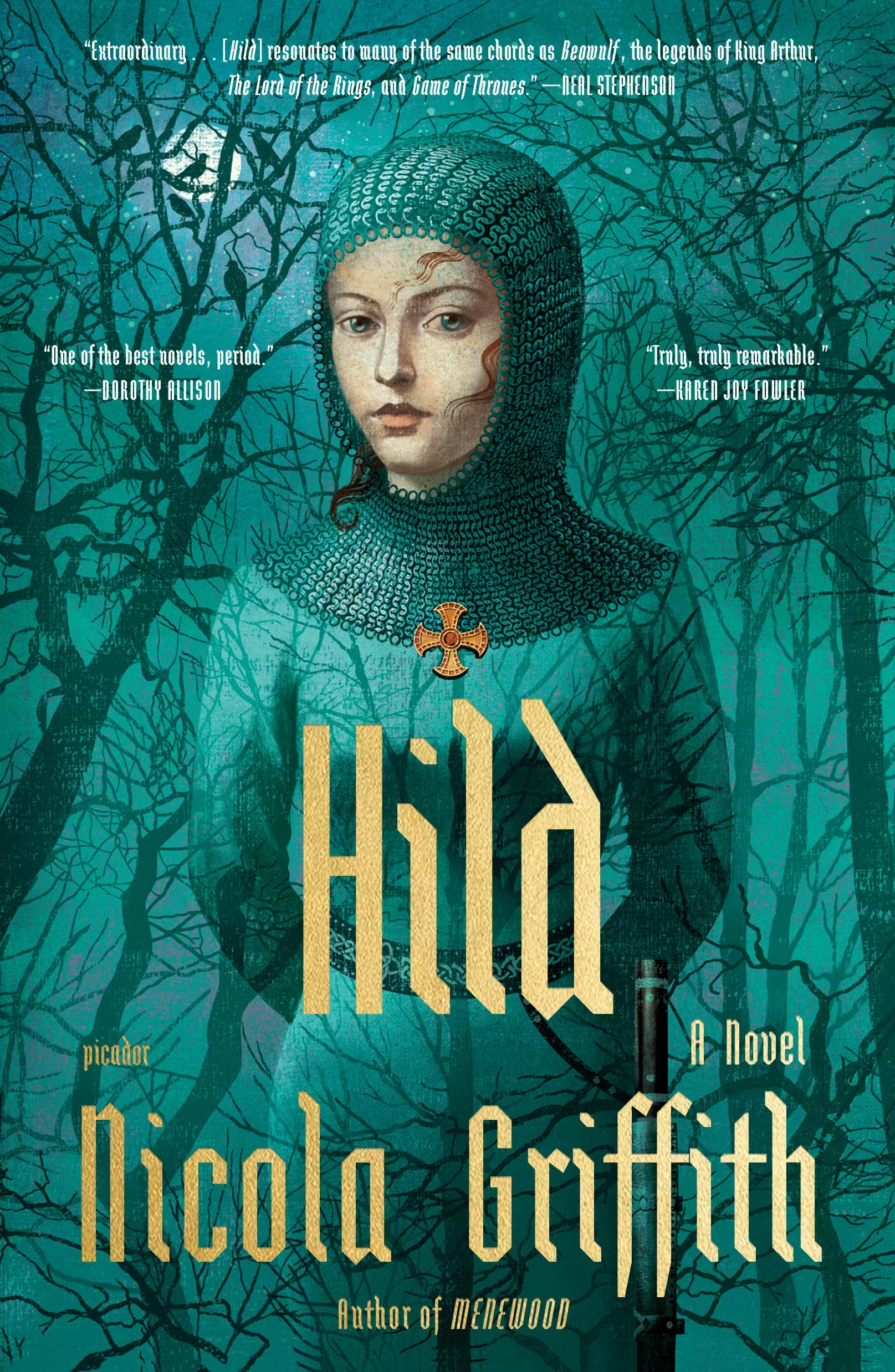
“Hild”
By Nicola Griffith
I would recommend this award-winning historical novel about a young girl coming of age in the tumultuous intertribal warfare of seventh-century C.E. England. Based on the life of St. Hilda of Whitby, it’s a beautifully written novel about a young girl with a brilliant political mind who finds ways to manipulate others through the language of religion and prophesy to rise to the position of king’s adviser in a violent, male-dominated court, while also navigating childhood and adolescence. At the same time, it’s an incredibly well-researched and immersive picture of life in early medieval England in the ruins of the Roman empire and during the rise of Christianity.
Associate Professor of English
“The Cider House Rules”
By John Irving
In many ways, this story touched upon the second-generation immigrant experience. As a second-generation immigrant, I really resonated with characters who wrestled with the cider house rules (literally, those found posted within the cider house). Second-generation immigrants like me often dwell, sometimes literally, in two worlds and spend much of our lives trying to rectify the values and expectations of two societies that can have disparate ideas about raising children and more. The idea presented in the novel that each one of us “should be of use” in this life was deeply familiar, though as a teenager I wrestled with knowing what that meant for me. Finally, the protagonist’s return to his childhood home reminds me that we cannot easily abandon our heritage but must, on our own terms and in our own time, come to a fuller understanding of how we put our experiences to use in building the life we want to live.
Professor of Organismic and Evolutionary Biology