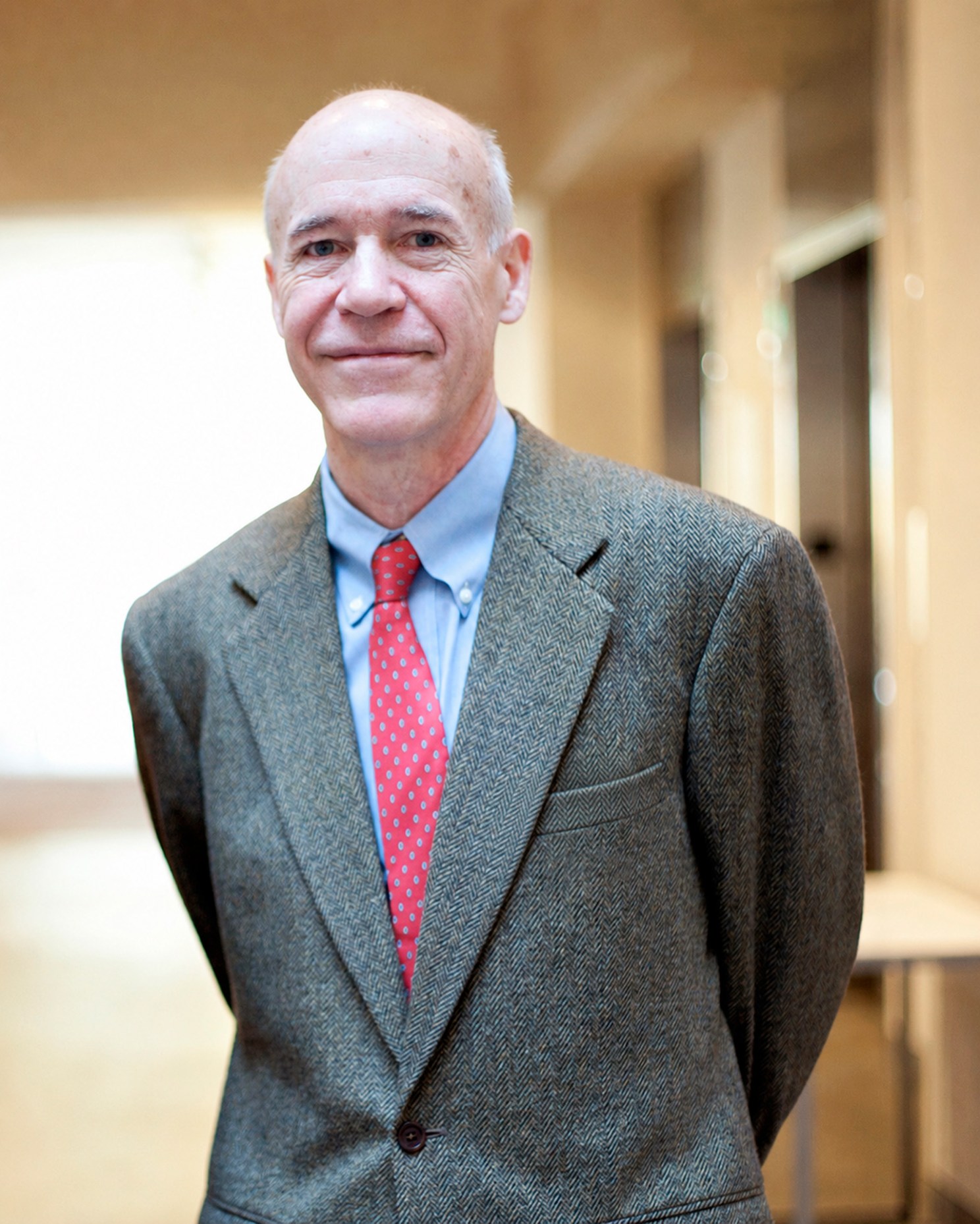
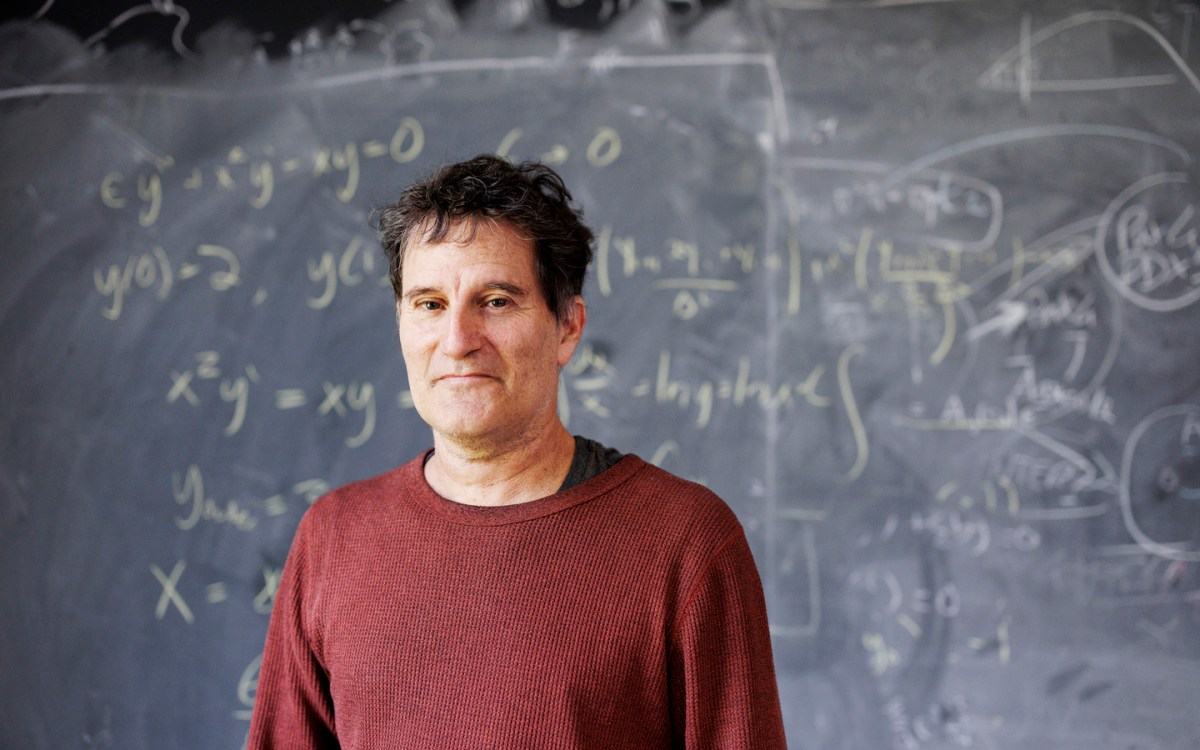
Henry Lie, longtime conservator and former director of the Straus Center for Conservation and Technical Studies at the Harvard Art Museums, passed away recently at the age of 72. A pioneering objects conservator, teacher, and mentor, he helped shape modern conservation through interdisciplinary collaboration, early adoption of digital imaging, and influential studies of ancient bronzes and three-dimensional works of art.
Lie graduated from Harvard College in 1976 with an A.B. cum laude in art history, developing a strong attachment to the University’s collections that would anchor his career. He received his graduate training at the Winterthur/University of Delaware Program in Art Conservation and pursued internships and archaeological fieldwork in the United States, Türkiye, England, Cyprus, Israel, and at the Walters Art Museum in Baltimore. This early combination of rigorous scientific training, treatment skills, hands-on excavation, and close collaboration with archaeologists set the pattern for Henry’s career-long commitment to the treatment and technical study of objects.
Lie returned to Harvard in 1980 as an intern in the objects and sculpture lab of what was then the Fogg Museum’s Center for Conservation and Technical Studies and held a series of conservation roles over the years. Appointed director of the center in 1989, he led it until 2014 while continuing as conservator of objects and sculpture until he retired in July 2015. Under his leadership, the center—the oldest fine arts conservation treatment, research, and training facility in the United States—was endowed by Philip A. and Lynn G. Straus and renamed the Straus Center for Conservation and Technical Studies in their honor in 1994. Lie also oversaw the redesign of the Straus Center’s laboratories twice, first in the mid-1990s and later with architect Renzo Piano on the laboratories unveiled at the Harvard Art Museums in 2014, each time creating a light-filled, technically sophisticated facility widely cited as a model for conservation, research, and teaching.
A recognized authority on ancient bronze casting techniques and surface alteration, Lie co-authored award-winning technical studies to The Fire of Hephaistos: Large Classical Bronzes from North American Collections (1996) and The Villa dei Papiri at Herculaneum: Life and Afterlife of a Sculpture Collection (2005). Other contributions emphasized his wide range of technical knowledge: Sketches in Clay for Projects by Gian Lorenzo Bernini: Theoretical, Technical, and Case Studies (1999); Mondrian: The Transatlantic Paintings (2001); Medardo Rosso: Second Impressions (2003); Recent Developments in the Technical Examination of Early Netherlandish Painting (2003); and Ancient Bronzes through a Modern Lens (2014).
A hallmark of his career was his early and sustained advocacy for the use of digital imaging in conservation. In collaboration with colleagues, he developed practical methods for mosaicking infrared reflectograms and X-radiographs and for creating layered composites of technical images and visible-light photography—approaches that are now standard in art conservation labs worldwide.
Teaching and mentorship were central to his work. Lie trained generations of conservators through advanced internships and staff mentoring, and established fellowships in conservation and conservation science at the university. He also co-developed and taught courses such as “The Materials of Art” and “Science and the Practice of Art History,” introducing hundreds of Harvard undergraduate and graduate students to the close material study of objects.

 Featured series