Featured series


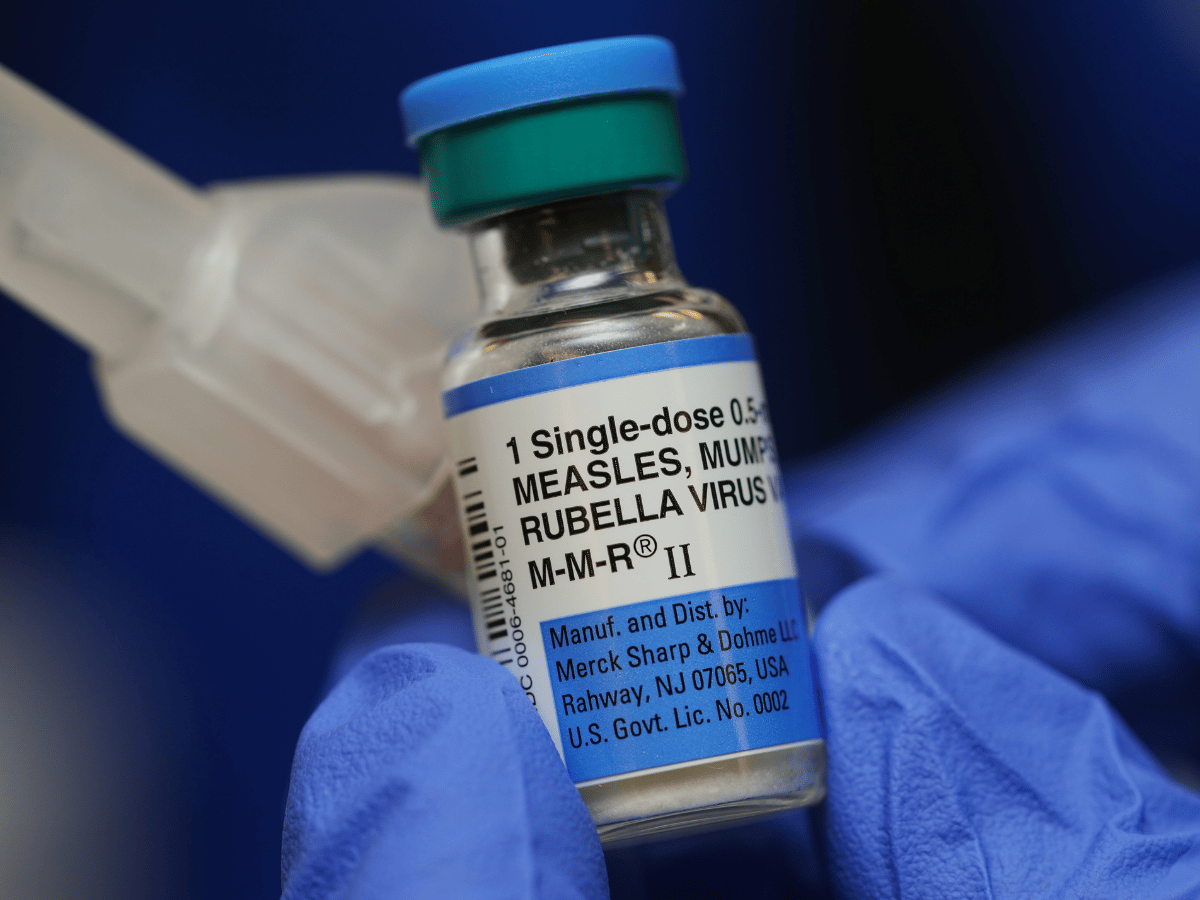
A combination measles, mumps, and rubella vaccine.
AP Photo/Matt Rourke
Health
It’s official: For the first time in decades, U.S. is sick with measles
Expert laments status change, says ‘respectful’ vaccine conversations can help parents separate truth from noise
One doesn’t have to dig deep to see measles reemerging in the U.S. The number of cases rose 10-fold from 2024 to 2025, reaching 2,289. The total has more than doubled in 2026, to 5,412 by the end of October. Ten of those cases have been fatal.
In addition, there have been 10 weeks this year with more than 200 new cases, a weekly total higher than the annual count in 23 of the past 30 years, according to the Centers for Disease Control and Prevention.
Meanwhile, measles vaccination rates among U.S. children have fallen.
So when the Pan American Health Organization declared that the U.S. could no longer claim to have “eliminated” measles — a status the country had held since 2000 — many doctors and researchers were not surprised. The illness is now endemic in the U.S., meaning that it originates domestically and circulates freely in some parts of the country.
In this edited conversation, Rick Malley, an infectious disease specialist and Harvard Medical School professor of pediatrics at Boston Children’s Hospital, reflects on the loss of elimination status and says a strong vaccination push is the first step toward reversing course.
Gazette: Were you practicing in 2000, when the country achieved elimination status?
Rick Malley: I started my pediatric career in 1990 as an intern at Children’s. Every time I was on call, I would take care of a kid who had either meningitis or a very serious infection due to HIB, Haemophilus influenzae type B. I became very good at taking care of that disease because we saw so much of it. A year later when I was a junior resident, it had completely disappeared, wiped out by a vaccine introduced during my internship year.
I can count on one hand the number of cases of measles that I’ve seen — primarily when I did overseas work. I remember doing a rotation in Senegal and the team there said, “Doctor, what do you think that kid has?” I said, “I have absolutely no clue,” and everybody giggled because it was a classic case of measles. I had never seen a case.
When we talk about measles re-emerging, it’s very sad. It was virtually eliminated from the U.S. and now we have to remind ourselves and teach residents, nurses, nurse practitioners, and physician assistants how to recognize and manage patients with measles. It would be the same as if tomorrow I started seeing Haemophilus influenzae type B coming back. These are diseases that we have been able to control through vaccination that are now coming back for reasons that, unfortunately, are not medical.
How hard will it be to reverse this trend? This year, the country has seen more than 5,000 patients with a disease that infects 12 to 18 people per case, making it much more infectious than another recent example, COVID.
The positive aspect of this is that the solution is clear. We have safe and effective vaccines, and we know that if you start getting 92, 93 percent coverage, you will stop this disease in its tracks. We know the vaccine is generally very safe, and we should endeavor to reassure people — in a respectful way — that getting this vaccine is the best thing for their children.
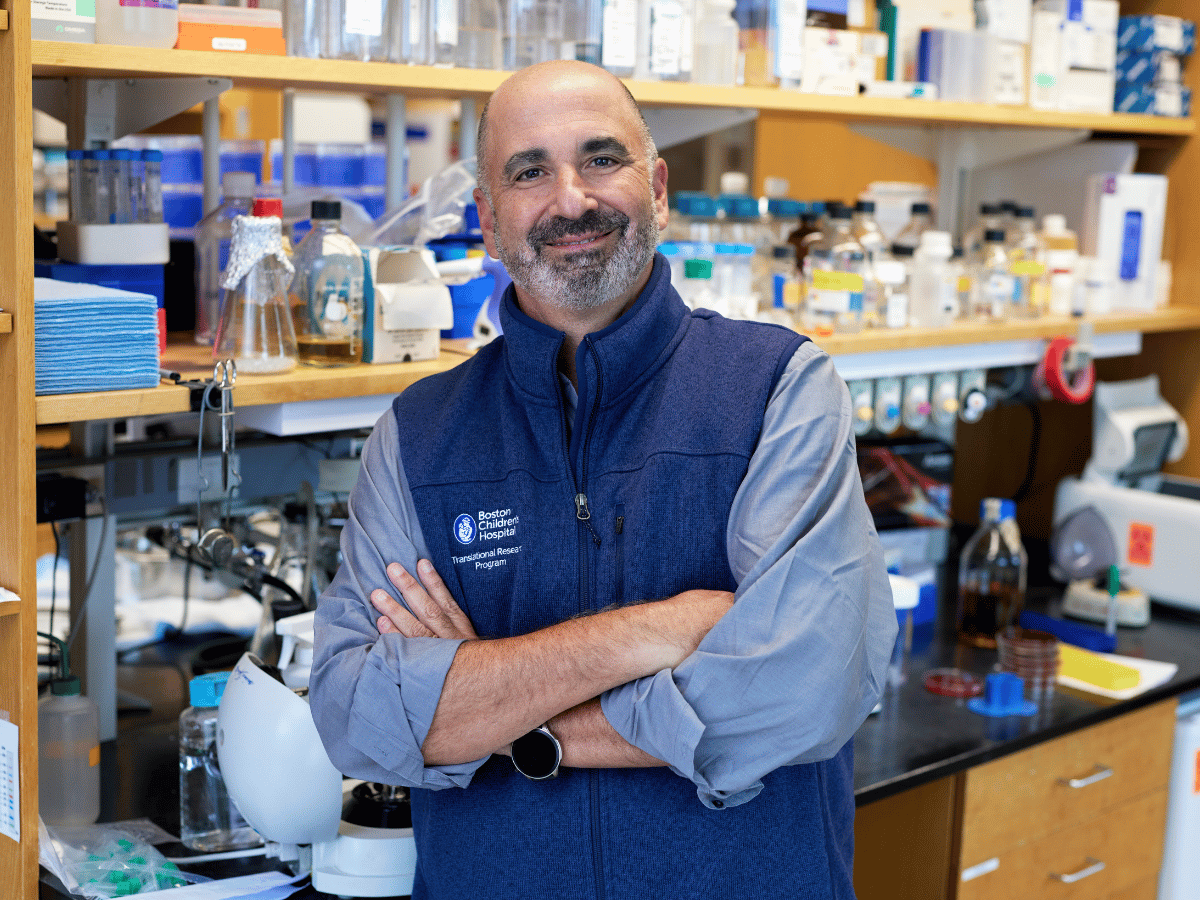
Rick Malley.
Photo courtesy of Rick Malley
How do we get vaccination rates back up?
Some individuals may continue to object to measles vaccines for their children no matter what. Their resistance may not change even in the face of rising numbers. But there’s a significant proportion of people who are not vaccinating their children because they’re hesitant, because they feel that they have not been given enough information to make a decision.
I’m calling you now from the Boston Children’s Hospital Travel Medicine Clinic, so I can tell you that there is indeed a growing number of people who clearly want what’s best for their kids but are struggling to detect the truth from the noise. We can gently explain why the universal recommendation favors vaccination, both at a public health and an individual level. Despite what they may have read or heard, the risk of vaccine side effects is far lower than the risk of the disease itself.
How hard will it be to get back to elimination status?
It’s going to take time. The criterion for elimination is no endemic transmission for more than 12 months, and it just takes a few cases to change from “We’re good” to “We’re no longer good.”
I read some officials saying that our goal is not to seek elimination status but rather to protect Americans from disease. It’s an understandable sentiment, but at the same time, the fact that we have lost that status is a sad benchmark. It’s indicative of a need to do better, to do more. This increase in vaccine hesitancy has changed my practice. I’m spending more of my time making sure I give patients information that I believe to be true and to do it in a way that is respectful and indicates that I understand that there’s a lot that they may have heard that contradicts what I am saying to them.