Featured series

Arts & Culture
Selective nostalgia
Images from the collection provided by Harvard Art Museums; photos by Stephanie Mitchell/Harvard Staff Photographer
Half a century after curator’s road trip collecting photos of American life, a look at what’s inside — and outside — the frames
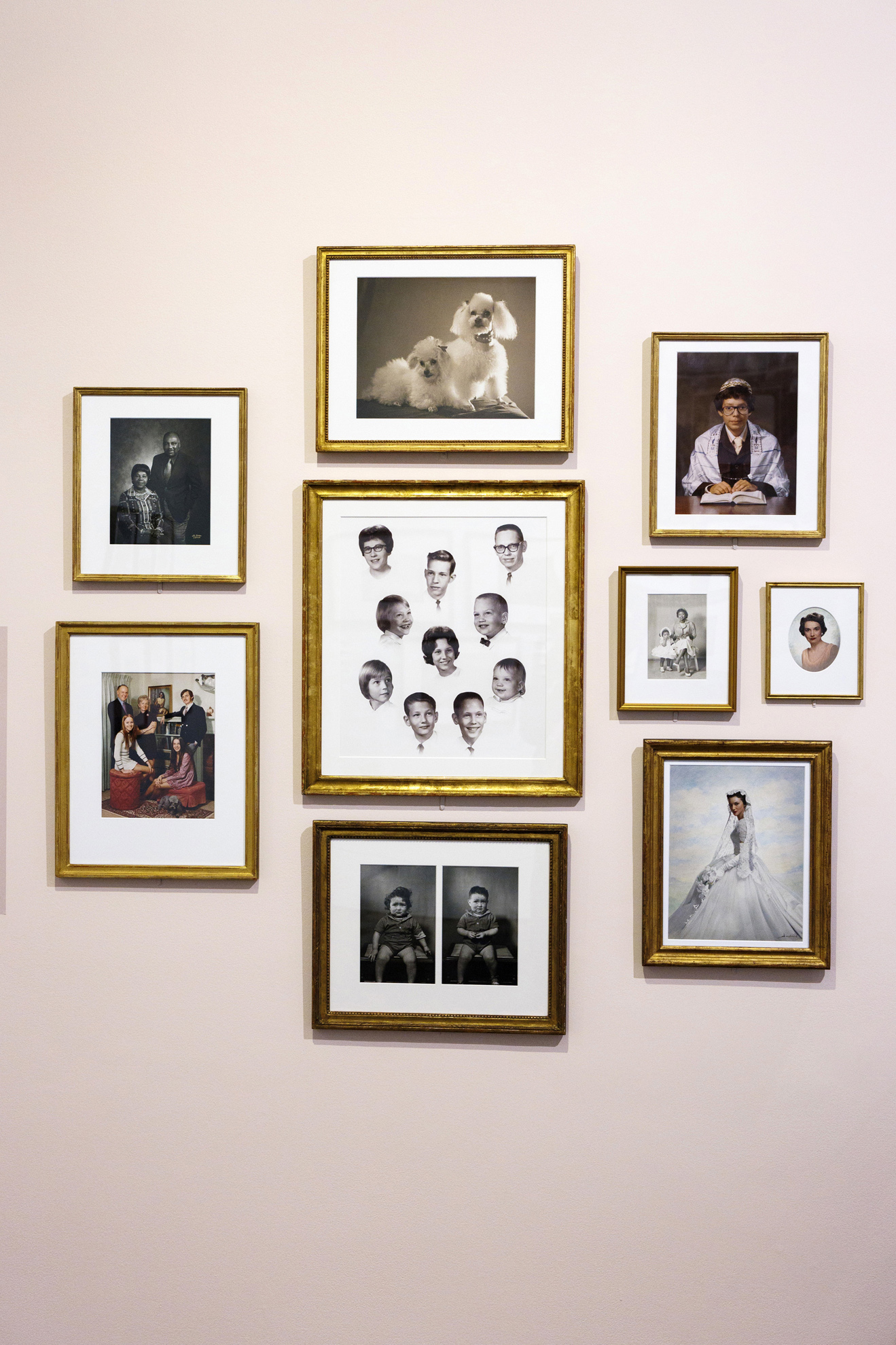
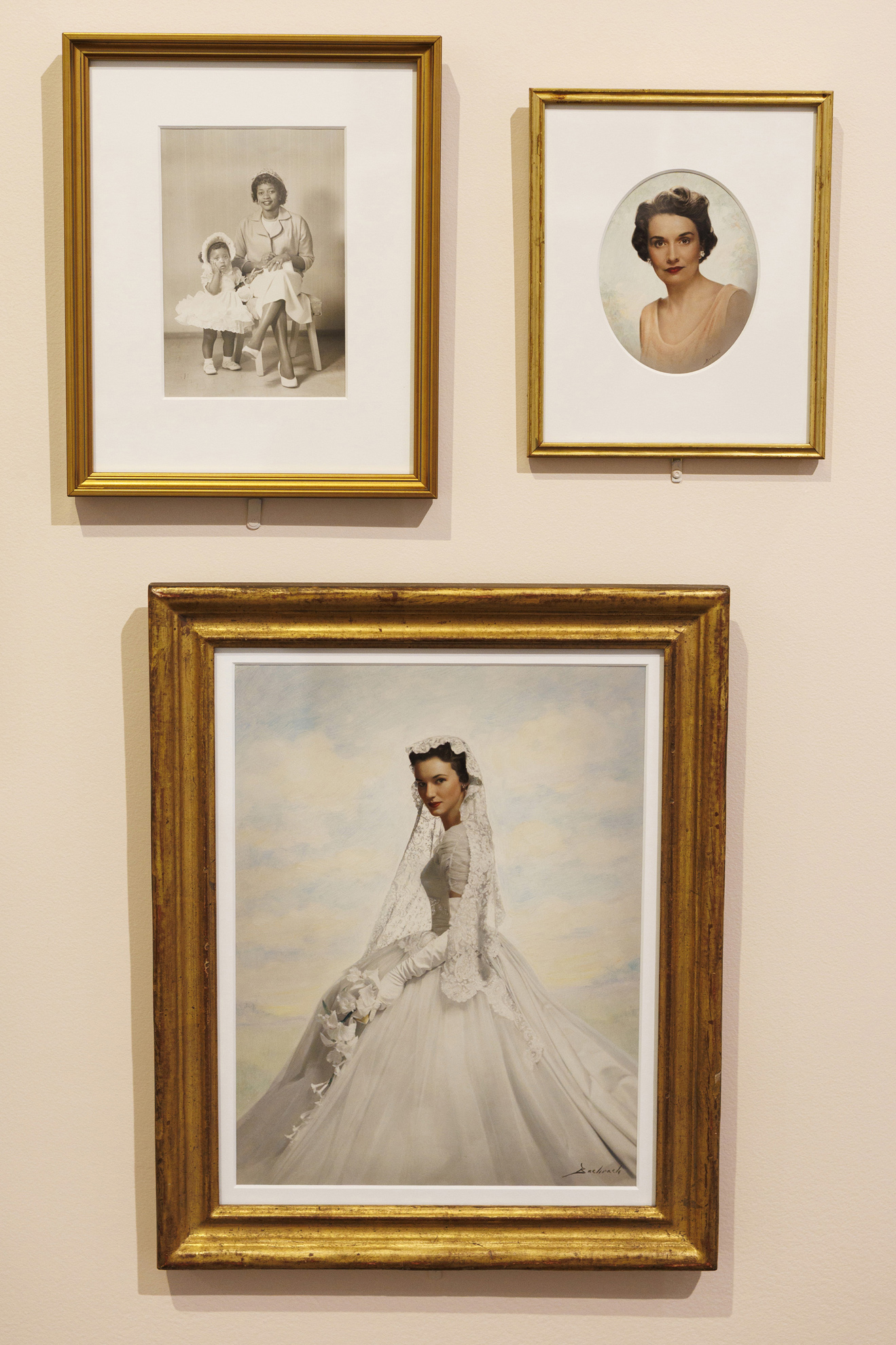
In the mid-1970s, Harvard curator Barbara “Bobbie” Norfleet crisscrossed America in a red sports car, hunting for photos for Harvard’s collections. She wasn’t interested in the classical fine-art photography that was then beginning to be curated by the big-name museums. She wanted images of everyday life — the wedding portraits, kids’ dance recitals, and other social rituals.
It was an era of change in the photography industry. More Americans owned their own cameras; more companies and government agencies had photographers on staff. The professional photography studio, which had been a mainstay of community life since the late 1800s, was dying out.
Over the course of two years, Norfleet met with photo studio heads, reviewed thousands upon thousands of negatives, and carted her finds — ultimately more than 20,000 images — back to Harvard in the trunk of her car (or in a suitcase on an airplane).
Now, half a century later, a selection of her finds is on display at the Harvard Art Museums in an exhibition titled “The Way We Never Were: The American Professional Photographers Collection.”
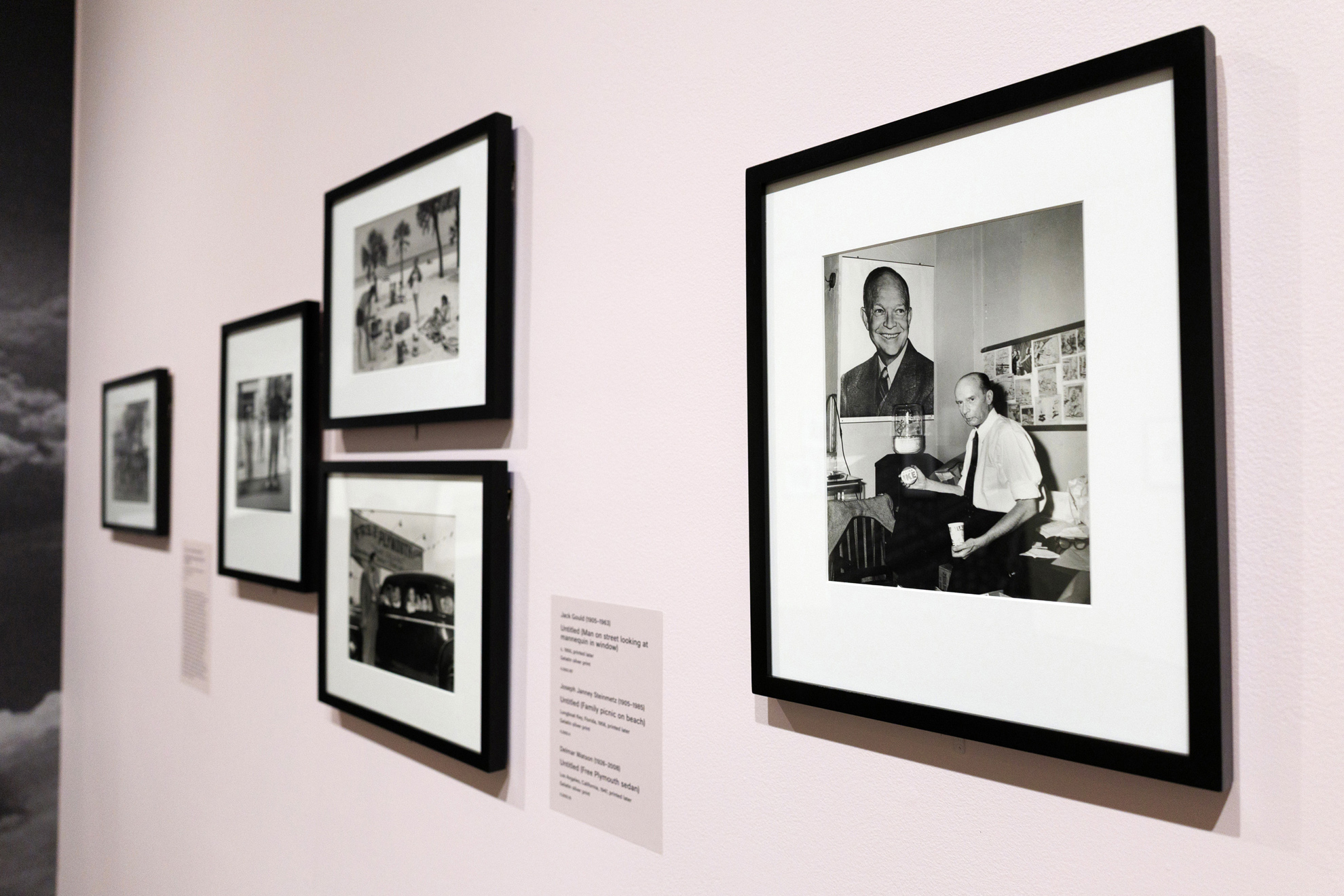
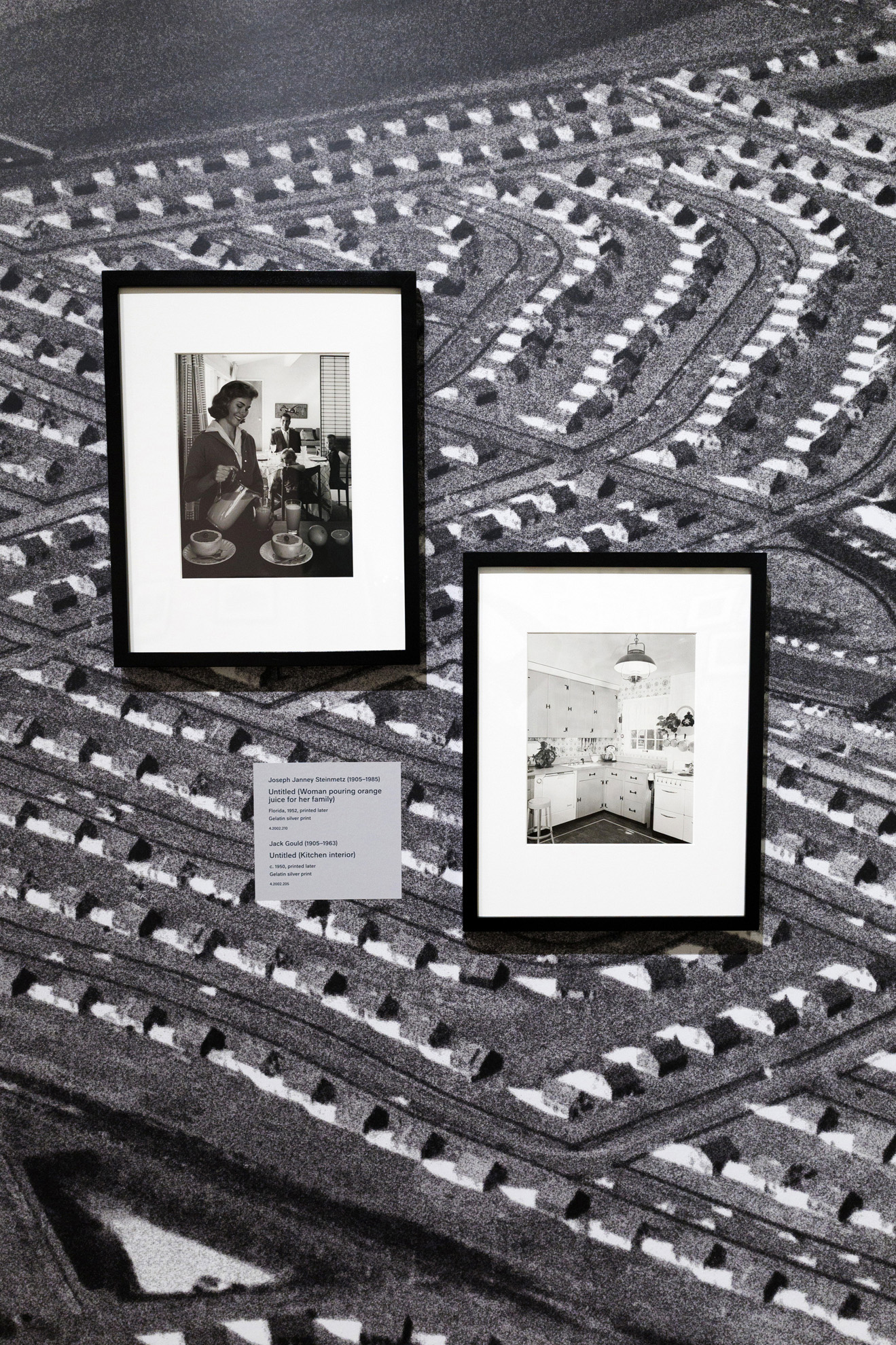
“This collection hasn’t received the attention it deserves, and we’re hoping we can at least start to remedy that,” said Audrey Sands, the curator of the exhibition and the Richard L. Menschel Associate Curator of Photography at the museums.
The photos brim with postwar optimism, mid-century domesticity, and sitcom-style humor. But something lurks at the edges of the frames: a nervous escapism, maybe, or a too-effortful performance of domestic bliss.
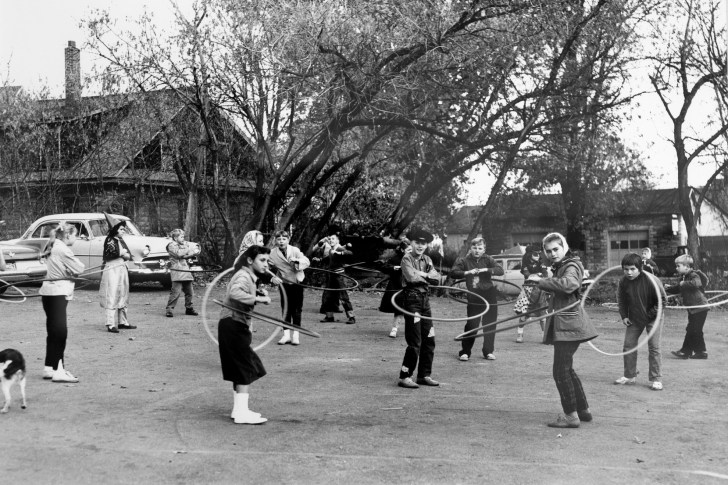
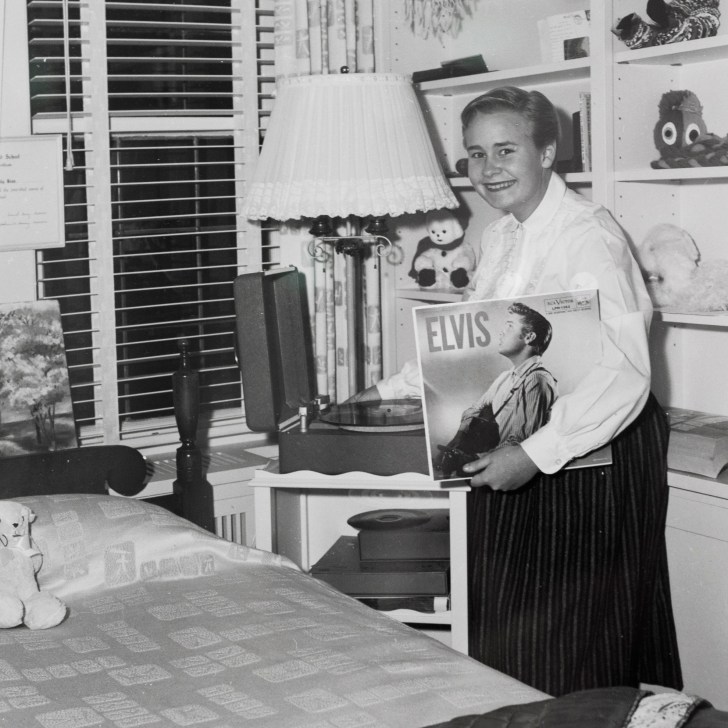
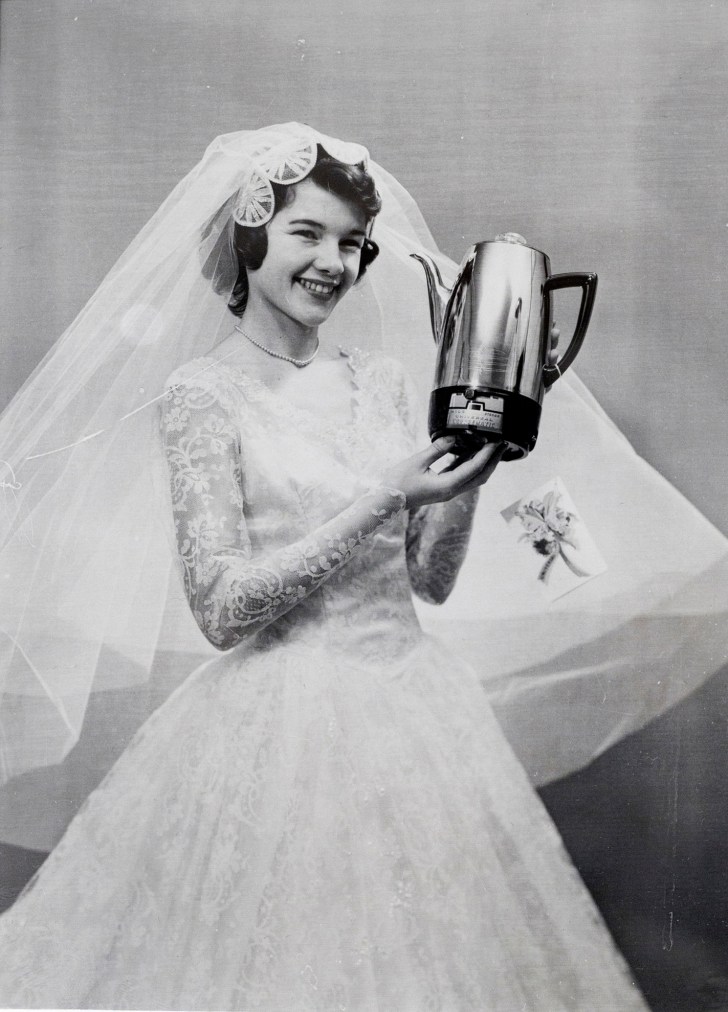
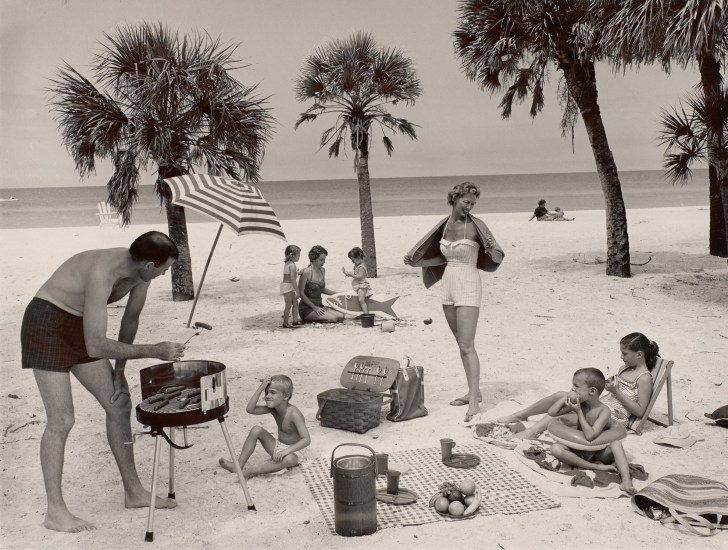
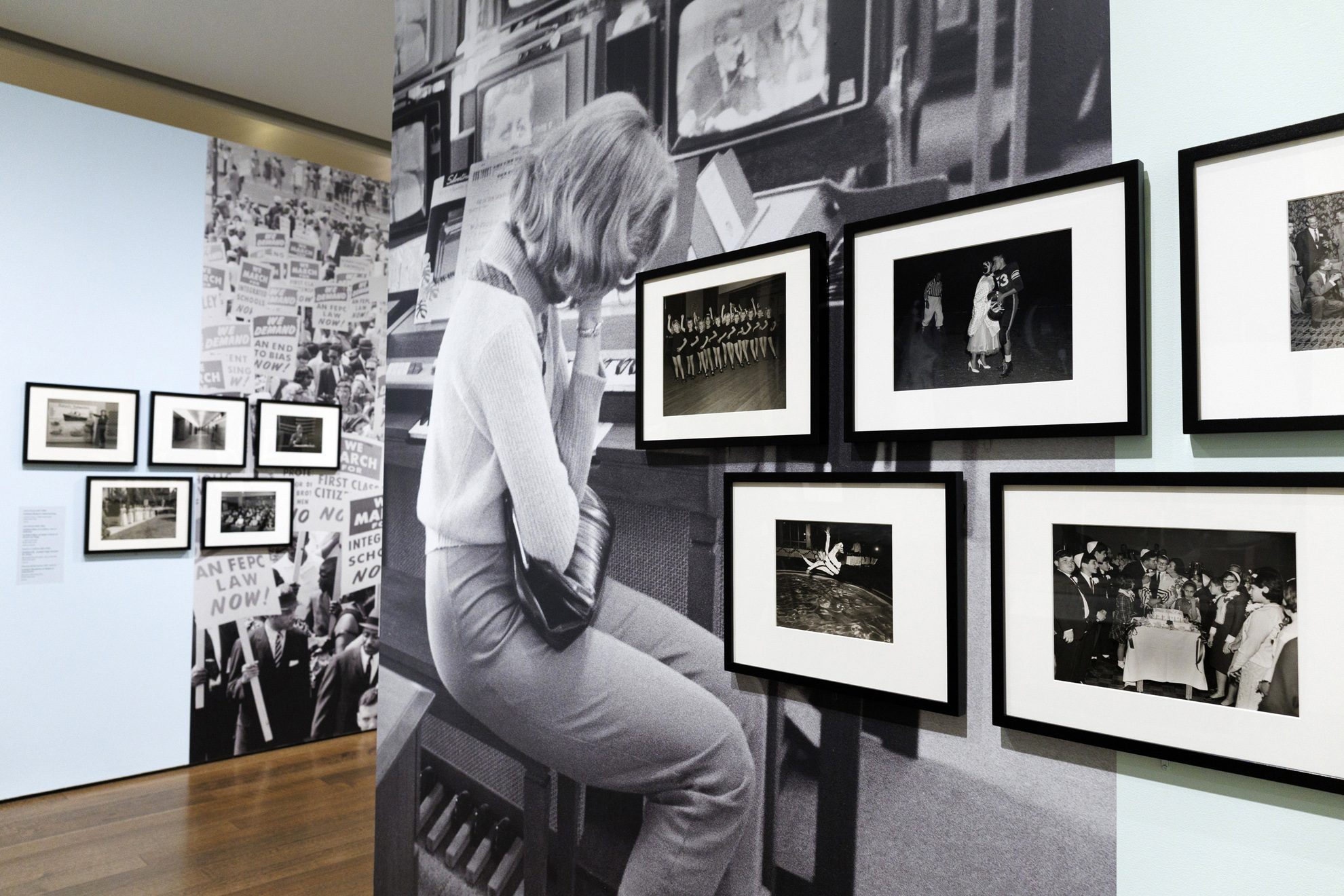
The exhibition also explores how commissioned photographs helped create a shared visual culture in mid-century America — the white picket fence, the handsome football star at the high school game, the happy family at the fast-food drive-through — and what those photographs omitted.
Norfleet, who is now 100, collected photos taken between the late 1800s and the early 1970s. But Sands, along with her co-curator Madison Brown, focused the exhibition on the postwar boom of the 1950s. That includes the baby boom, but also the explosive growth of highways and car culture and the expansion of suburbia as a result of the G.I. bill.
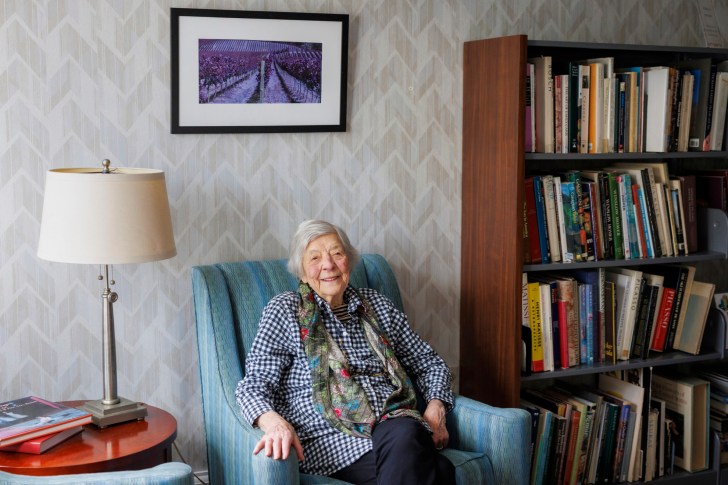
“The show is really contending in the 21st century with Bobbie’s claim that these photos could serve as a record of American life,” Sands said. “These pictures are fascinating and humorous and nostalgic and meticulously composed, but they don’t stand in for the richness, the diversity of American life during the decades that they represent.”
At its most literal, the exhibition contrasts an image of the baby boom — swaddled newborns in rows of bassinets, taken for a pamphlet for the U.S. Public Health Service — with a photojournalism image of an atom bomb’s mushroom cloud over Nagasaki during the final days of World War II.
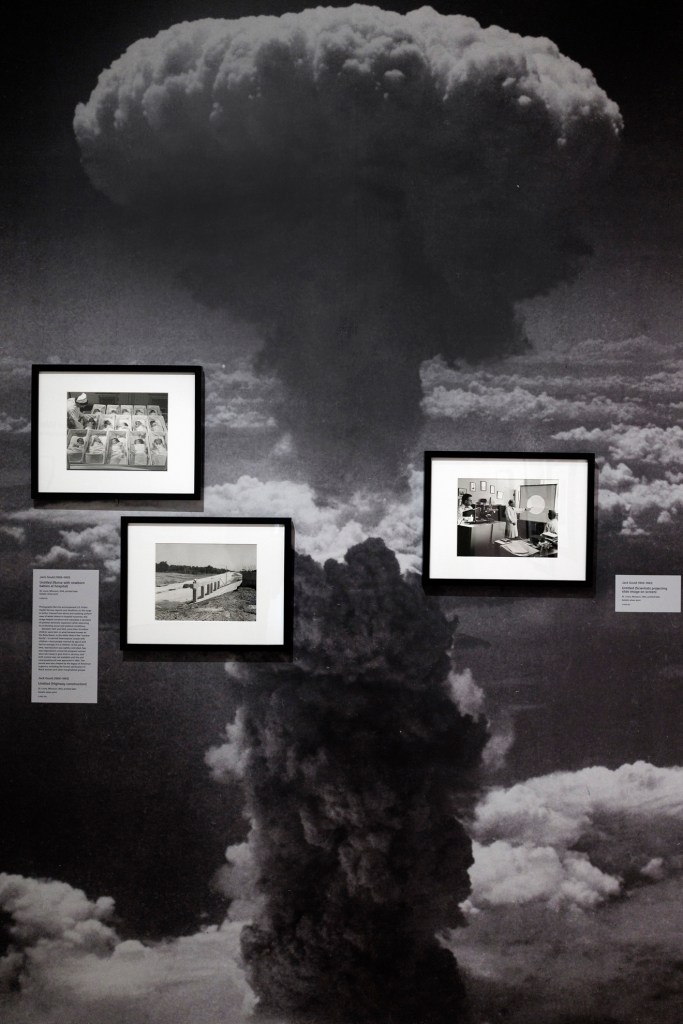
“There was another sort of boom, quite literally, overshadowing the whole period,” Sands explained. “That was the constant and persistent threat of nuclear war.”
Sands believes Norfleet’s understanding of the photos evolved throughout her career.
A social psychologist who earned her Ph.D. from Harvard in 1951, Norfleet was always interested in class in the U.S., Sands said. But she wasn’t satisfied with seeing America through the lens of statistics. She later trained as a photographer, producing documentary works on the private lives of the American elite, and from there began an interdisciplinary approach to teaching, research, and curation. In 1972, just three years before she began her cross-country road trip, she became the curator of photography for the Carpenter Center for the Visual Arts.
“What she tapped into was a bigger question in photography that extended far beyond art history, which was, ‘What is the relationship between photography, memory, and selfhood?’” Sands said.
By the end of her career, Norfleet was clearly framing the collection in yet another way: as an inquiry into the relationship between photography, omission, and the truth.
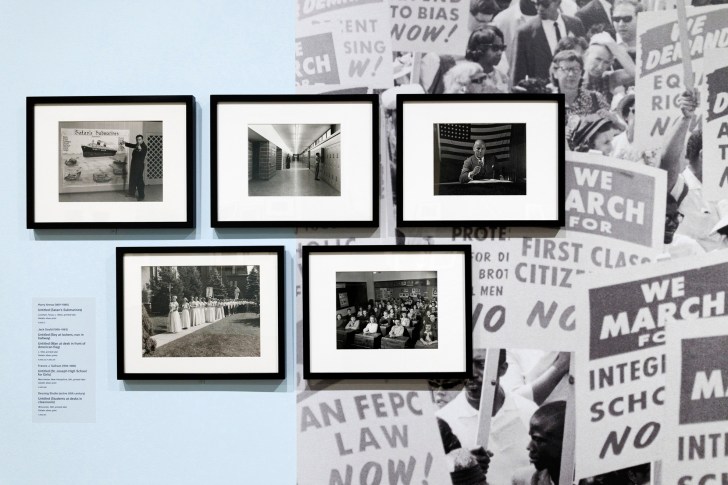
A 2001 exhibition she curated, “When We Liked Ike,” showcased familiar images of white, middle-class America — clean-cut teens engaged in good clean fun, housewives with newfangled kitchen appliances on Formica countertops — with commentary from James Baldwin, Jack Kerouac, and other cultural critics of the same age.
“It was her way of raising questions and pointing arrows to perspectives, concerns that are different than those of the professional photographer, that bring a range of voices and a kind of sociopolitical tension and a sense of unrest to this otherwise tightly controlled world that professional photography helped to create,” Sands said.
As part of a commitment to making the American Professional Photographers Collection available for research and discovery, Sands is currently overseeing a research initiative that will result in a Special Collection website dedicated to the body of work. The site will launch next year and will detail the history of the collection and the specific studios that comprise it, and map Norfleet’s 1975-1977 travels to amass it.
“The Way We Never Were: The American Professional Photographers Collection,” is on display through May 9. See the museums’ website to learn about in-gallery talks and tours and other programs that will take place throughout the run of the exhibition.