Health
-
A promising first for researchers probing mental illness
Anxiety finding a highlight in stimulation studies signaling path to precision care
-
Read before running
New to the sport or just rusty? A rehab doc offers tips on avoiding all-too-common injuries.
-
How loneliness became major public health issue
U.K., U.S. experts trace rise in awareness through research, political involvement, pandemic
-
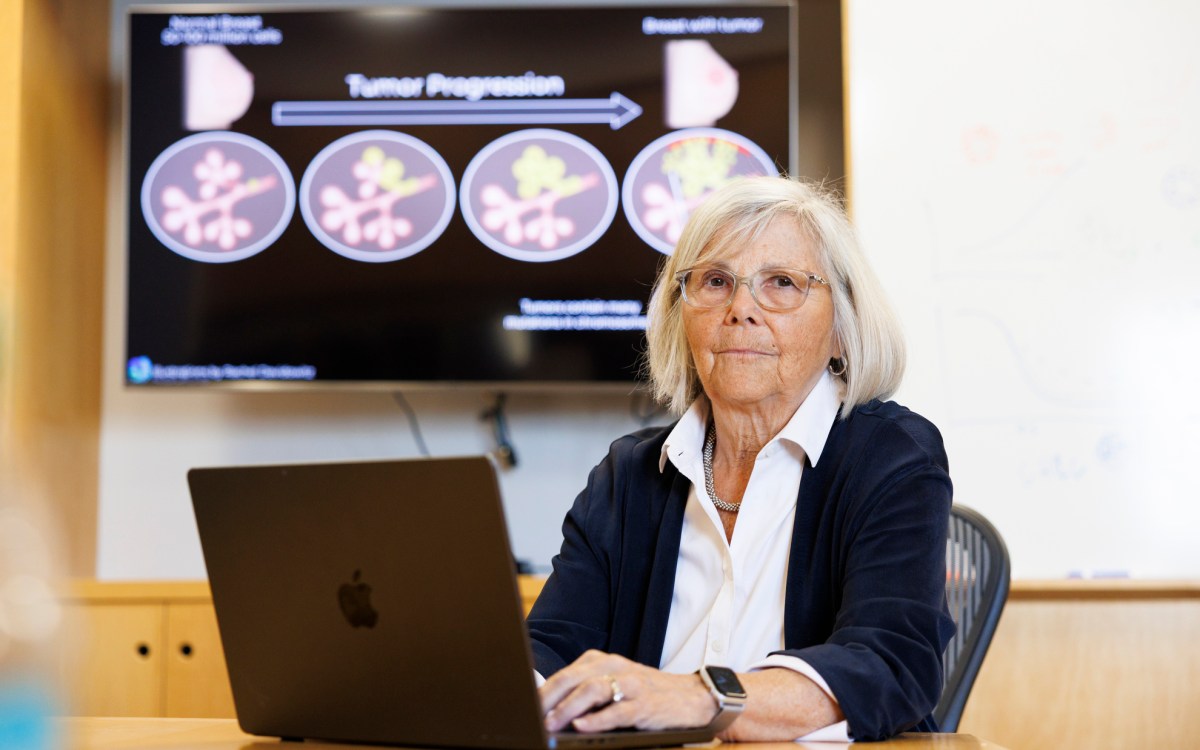
Predicting cancer outcomes with a selfie
Slower ‘face aging’ linked to better survival odds, according to second study of AI tool designed to aid precision care
-
When stress is a punch to the gut
New study traces network of nerves that disrupt digestion, pointing to potential IBS treatment
-
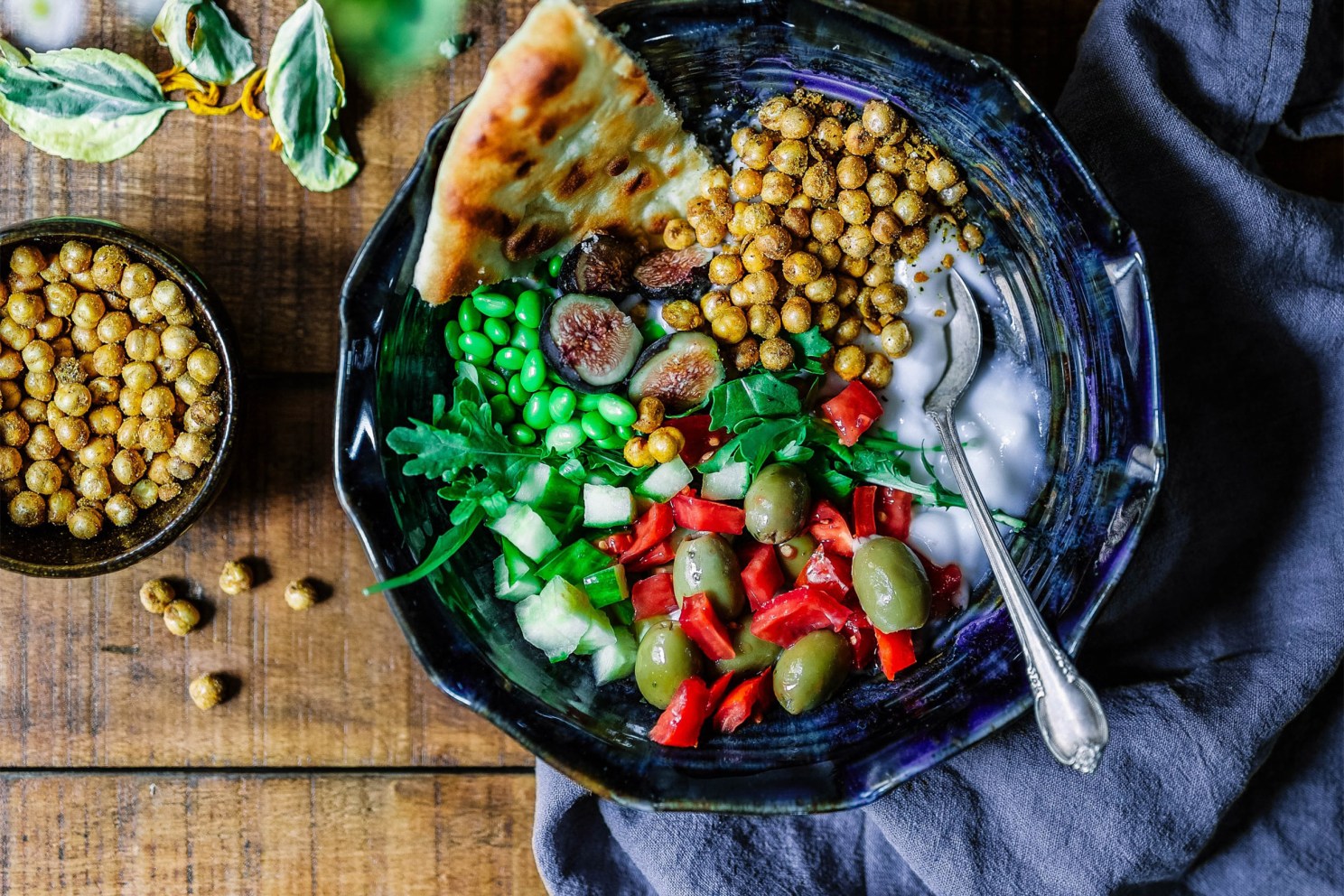
Food as medicine? How nutrition can improve cancer outcomes.
Tufts professor shares early research regarding programs as part of oncology care
-
Epidemiologist says COVID-19 may be more infectious than thought
Efforts to protect nursing home patients should include moving residents from facilities and increased testing, said Harvard epidemiologist Michael Mina.
-
Harvard to help track the virus
Soon hundreds of students from the Harvard T.H. Chan School of Public Health will begin assisting with phone calls and emails, and taking part in efforts to identify and reach out to anyone who may have come into contact with someone infected with the novel coronavirus.
-
Ways to redirect our response to COVID-19 anxieties
Third in series of Chan School forums offers tips for dealing with COVID-19 anxieties.
-
Mask decontamination methods: Strengths, weaknesses, gaps
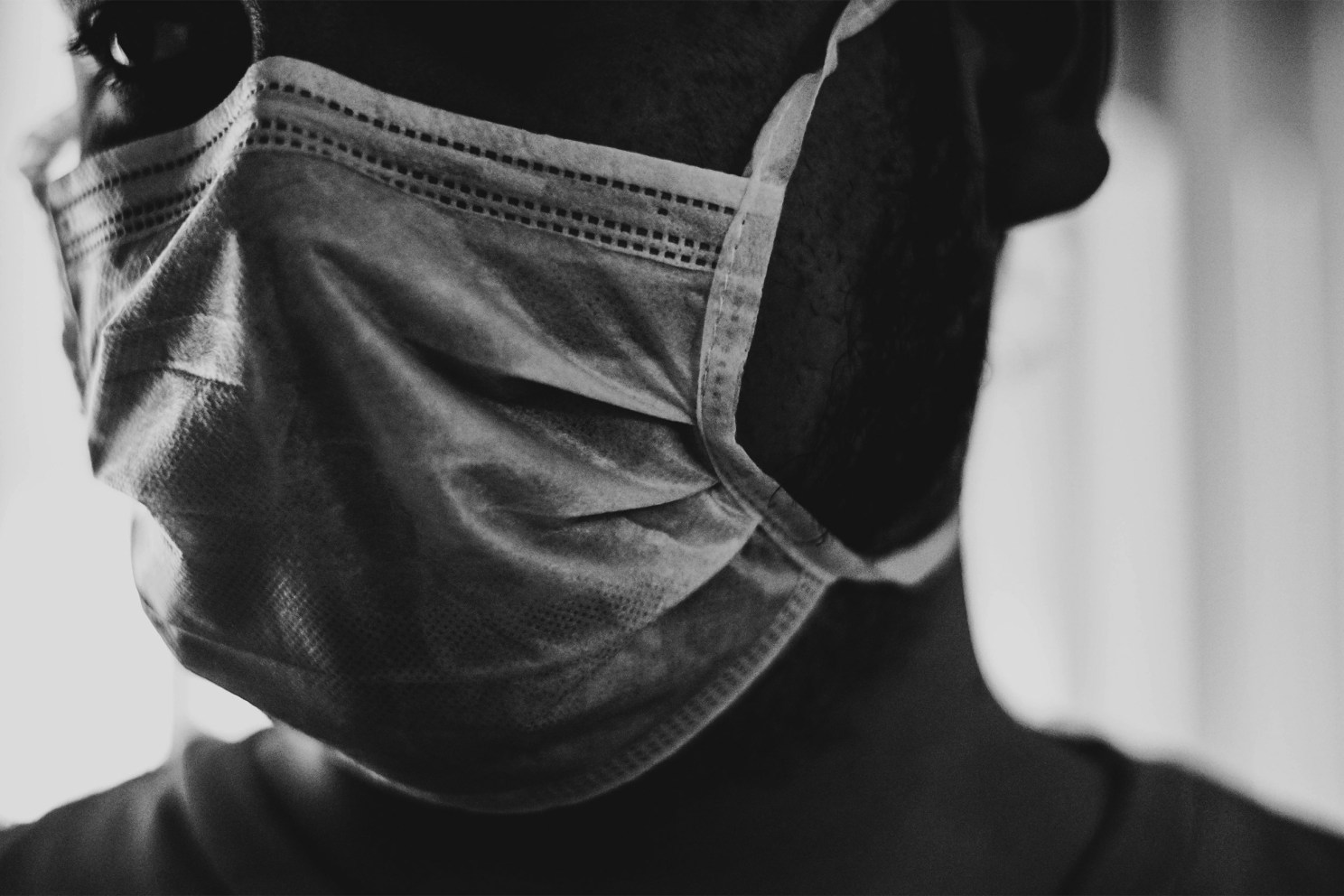
As health care workers resort to mask reuse, a coalition of professionals compares risks, benefits of major decontamination methods.
-
Organized to fight the pandemic
The newly formed Massachusetts Consortium on Pathogen Readiness aims to address both the immediate and long-term implications of the coronavirus crisis. The effort, led by Harvard Medical School, will work to stem the tide of COVID-19 but, more importantly, to lay the groundwork for dealing with future pandemics.
-
From the lab to COVID front lines
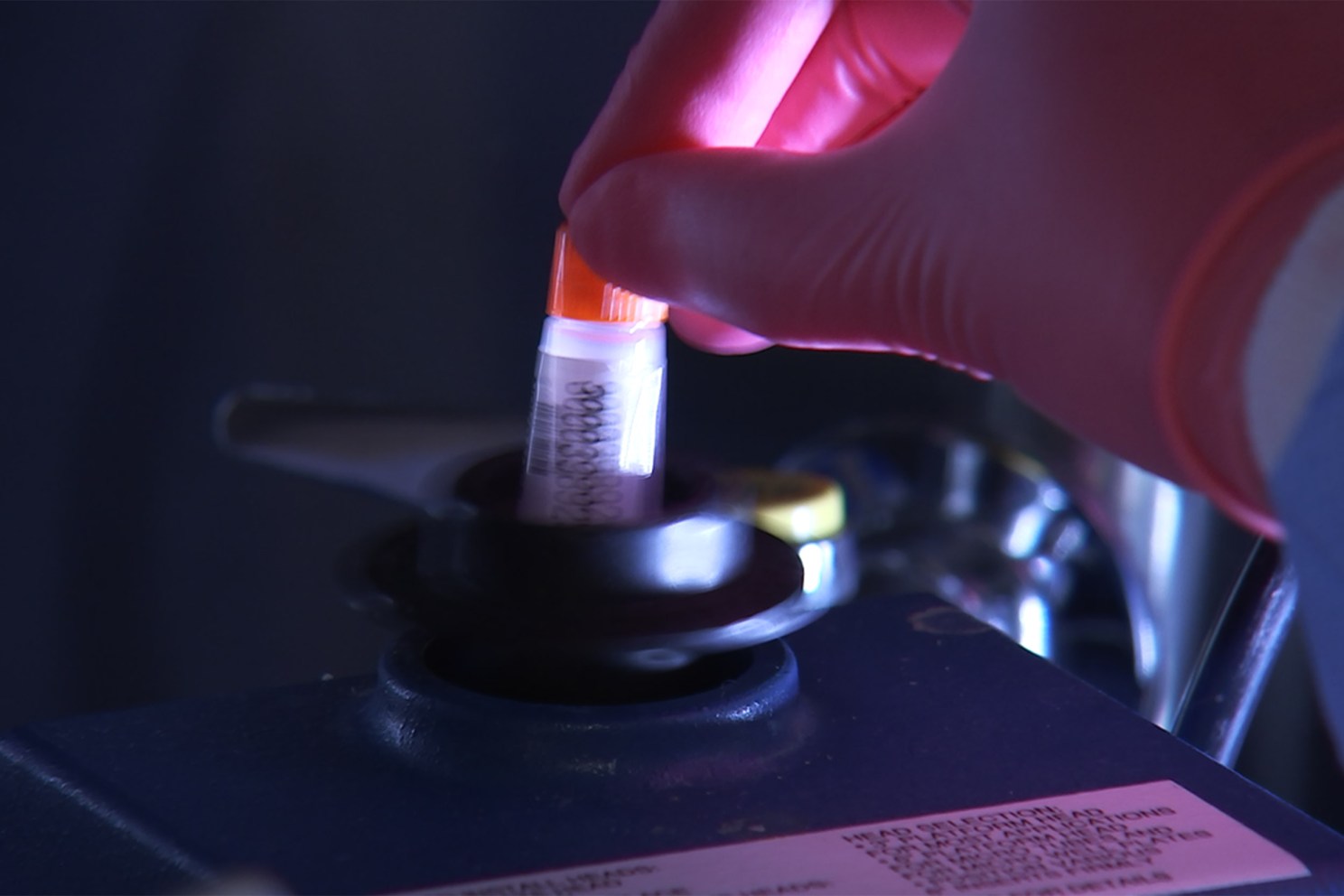
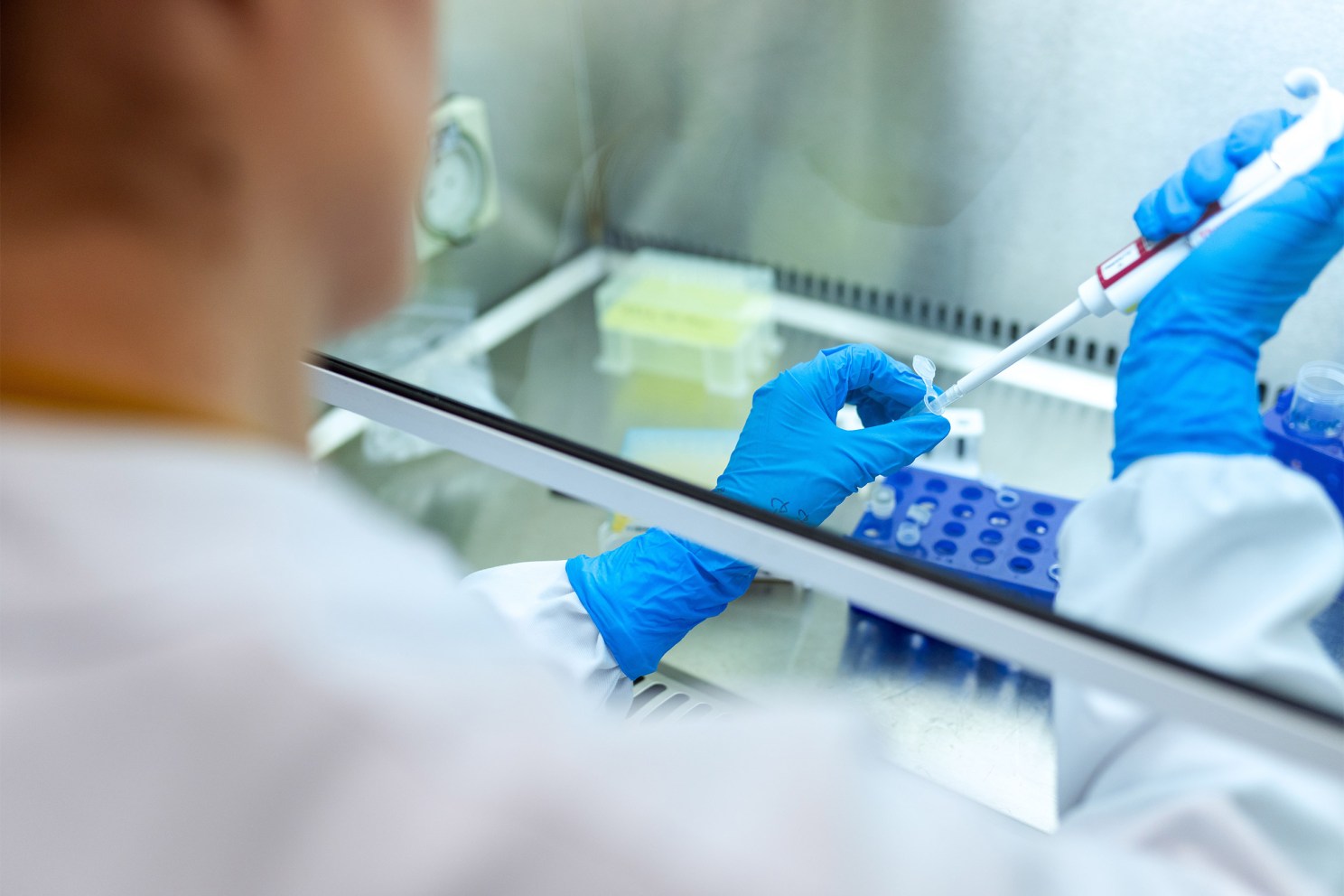
Aldatu Biosciences, a company born in Harvard’s labs and nurtured in its entrepreneurial ecosystem, helps the region ramp up COVID-19 testing.
-
New blood test can detect wide range of cancers
In a study involving thousands of participants, a new blood test detected more than 50 types of cancer as well as their location within the body with a high degree of accuracy.
-
A multipronged attack against a shared enemy
As the pandemic intensifies, Harvard scientists work to find a treatment.
-
‘If you remain mostly upright, you are doing it well enough’
Office of Work/Life Director Nancy Costikyan gives tips and resources for staying sane and productive while working from home.
-
On-again, off-again looks to be best social-distancing option
Social distancing could allow a level of infection that can be handled by the health care system, but would build enough immunity to strangle the epidemic.
-
Online forum aims to teach how to deal with pandemic stress
Chan School online forum aims to teach how to deal with pandemic stress.
-
Harvard Medical School students mobilize
To help in that effort, within days of the escalation of infections in Massachusetts, hundreds of Harvard Medical School students began mobilizing to provide voluntary support to clinicians.
-
Labs donate protective equipment to health care workers
As University facilities close, faculty and staff gather gear to pass along amid a nationwide shortage.
-
Harvard coronavirus survey: How’re we doing? Not bad so far
An ongoing survey by researchers at the Harvard Humanitarian Initiative is examining public attitudes toward the coronavirus pandemic.
-
Could a new test identify immunity?
Harvard epidemiologist Marc Lipsitch outlined several scenarios — most of them bad — for getting America back to work
-
App predicts hospital capacity
Harvard’s Global Health Institute puts its research expertise into motion, helping hospitals assess capacity and quality of care so they can prepare for COVID-19 patients appropriately.
-
Talking about the emotional toll of the pandemic
The Harvard Chan School of Public Health will launch a series of weekly interactive forums to discuss issues and options.
-
COVID test debacle: ‘We hoped it would go away before it reached us’
Massachusetts may need 1.4 million COVID-19 tests and ramp up to tens of thousands given a day, Harvard experts said.
-
Designing a coronavirus vaccine
In response to this public health crisis, researchers in the Precision Vaccines Program at Boston Children’s Hospital are on the front lines of developing a vaccine specially targeted toward older populations
-
Vital challenge, for those always ready
With cases of COVID-19 multiplying, a Massachusetts General Hospital preparedness expert discusses existing challenges and the ways first responders can get ready to meet the new coronavirus.
-
‘Worry about 4 weeks from now,’ epidemiologist warns
Harvard epidemiologist says U.S. needs to dramatically increase testing and social distancing, adding to the closings, cancellations, and shifts online.
-
Why does Alcoholics Anonymous work?
Researchers have found that Alcoholics Anonymous and related 12-step treatments lessen addiction severity as effectively as other treatments, while reducing health care costs.
-
A virus that targets the elderly
Harvard-affiliated doctors try to safeguard nursing-home patients from COVID-19 by reducing number of visitors, adding health screenings.
-
Bridging gaps
The Dental School’s Colleen Greene is having a lot of fun tackling some of Wisconsin’s biggest oral health issues.
-
Helping hands bring laser light to Armenia
Lilit Garibyan has brought her medical skills back to her native Armenia, decades after her family fled during war with neighboring Azerbaijan.
-
How to reduce the spread of coronavirus
Health experts highlight basic hygiene measures to prevent infection spread of the new coronavirus that has affected more than 90,000 around the world.
-
An egg a day is OK
A new study that includes up to 1.7 million participants, found eating up to one egg per day is not associated with a higher risk of cardiovascular disease.
-
Coronavirus screening may miss two-thirds of infected travelers entering U.S.
Harvard epidemiologist Marc Lipsitch says two-thirds of travelers with coronavirus who are entering U.S. may have been missed by screening efforts.
-
So how bad is coronavirus in U.S.? We don’t know yet
A rapid expansion of coronavirus testing is needed to understand the extent and nature of the epidemic’s track in the U.S., Harvard experts said.
-
A big coronavirus mystery: What about the children?
A key unanswered question in the coronavirus epidemic concerns why children seem to be getting fewer or less-serious infections from the new contagion.