Featured series

News+
NYT public editor sees social media as ‘double-edged sword’
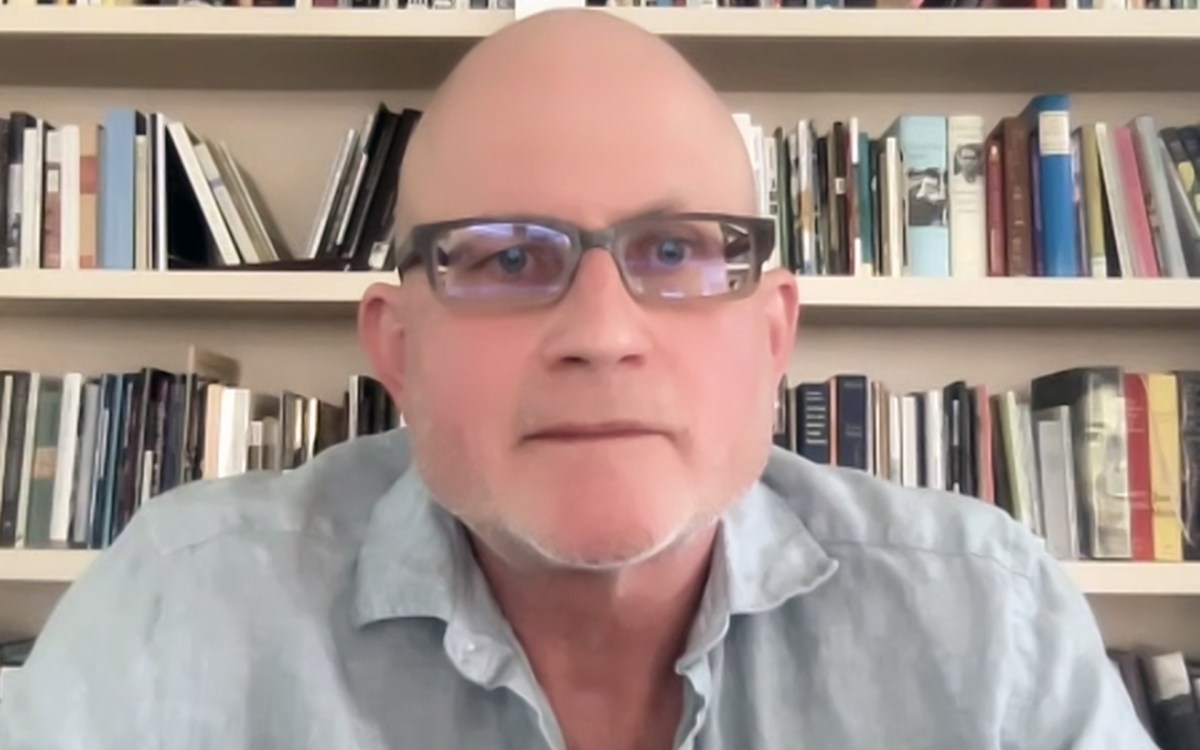
Margaret Sullivan, public editor of The New York Times, outlined two opposing sides on the issue of how social media is changing traditional reporting and objectivity. To illustrate the distinction, Sullivan used examples written by two thought-leaders in journalism: Tom Kent, standards editor for the Associated Press, Jay Rosen, a journalism professor at New York University.
Kent, Sullivan explained, falls on the traditional, conservative side of the issue, and believes that because “everyone understands objectivity differently…it is a dangerously fuzzy concept…and we dismiss it at our peril.” Journalists should keep their own personal opinions and beliefs to themselves, he says, in order to keep a “commitment to balance.” Sullivan added that Kent has stated that social networks “undermine the credibility of journalists.”
On the other hand, Sullivan pointed out, Rosen thinks that objectivity is an “outdated concept” and that journalists should let their audience see their own point of view. What he calls the “view from nowhere” – traditional journalistic impartiality – “is getting harder to trust, and ‘here’s where I’m coming from’ is more likely to be trusted.”