Featured series

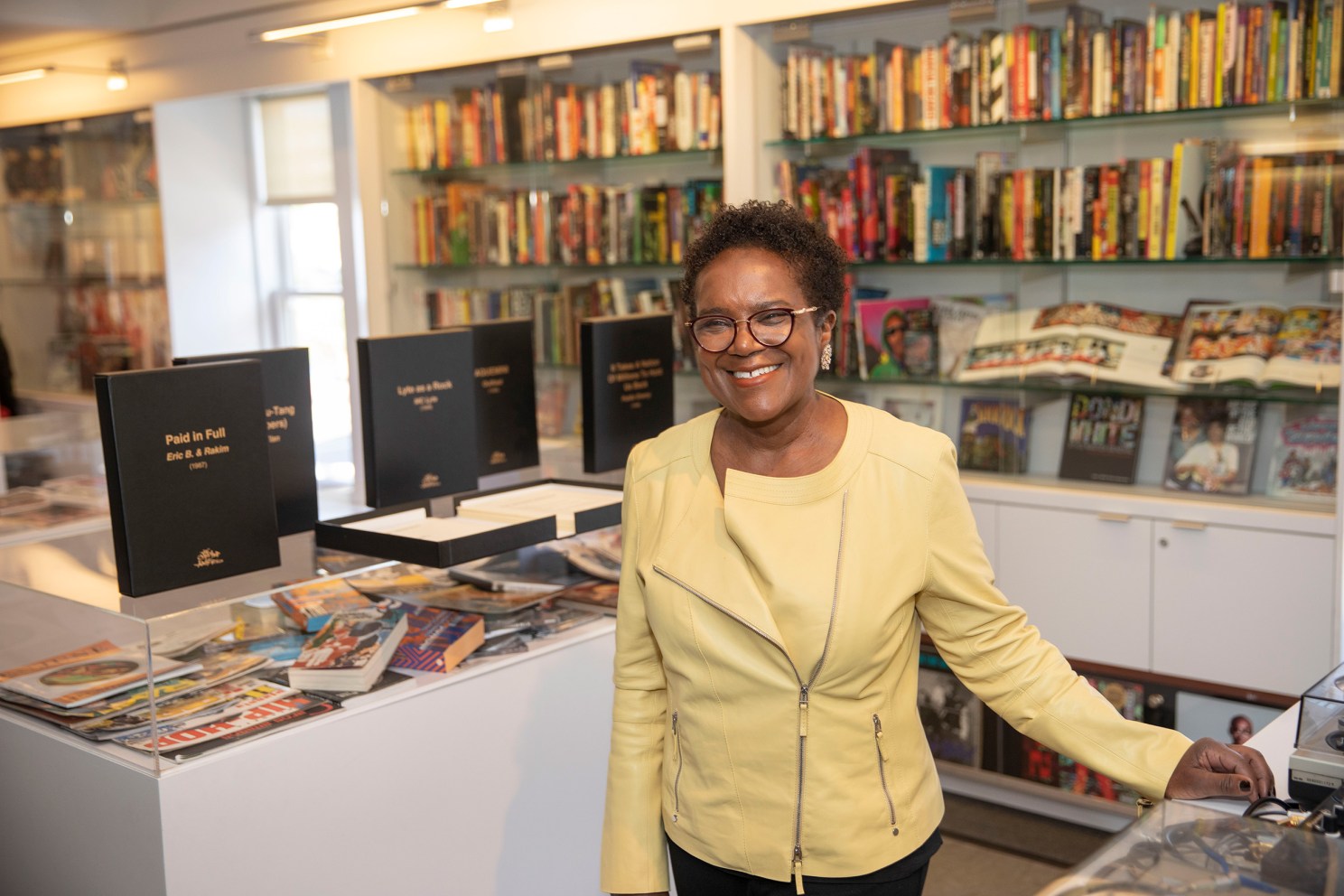
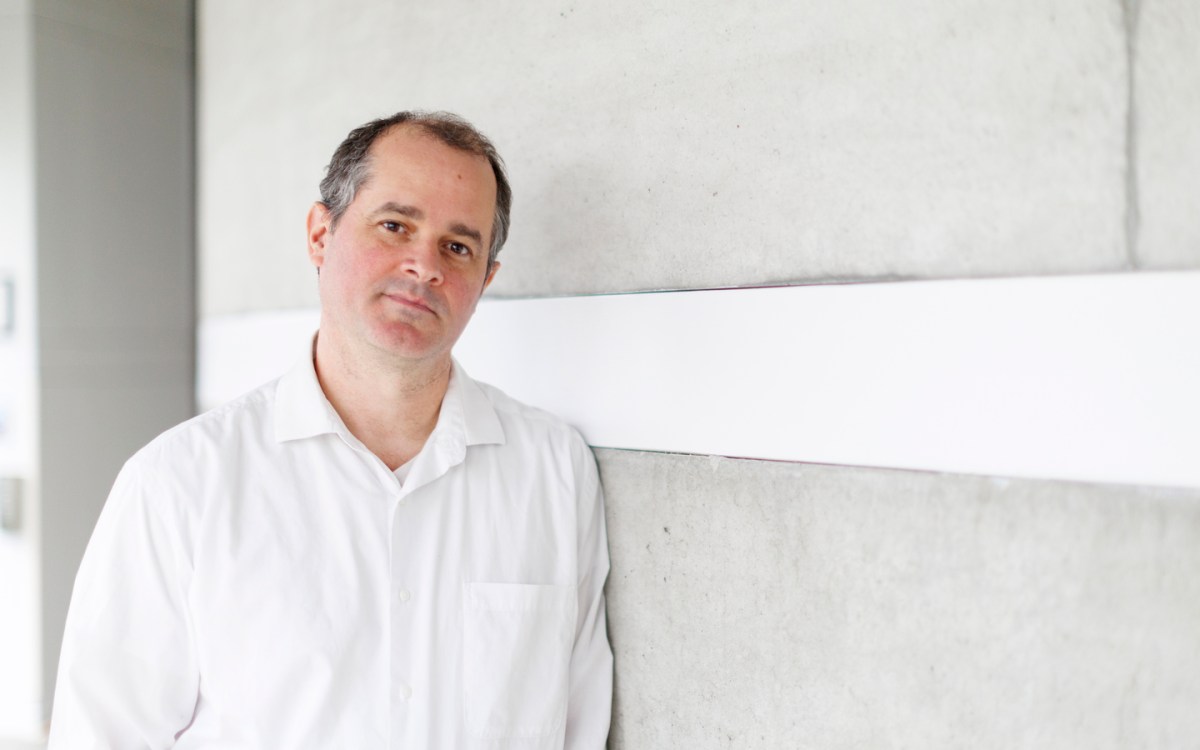
Marcyliena H. Morgan
Photo by Kris Snibbe
At a meeting of the Faculty of Arts and Sciences on Oct. 6, 2026, the following tribute to the life and service of the late Marcyliena H. Morgan was spread upon the permanent records of the Faculty.
Born: May 8, 1950
Died: September 28, 2025
When the linguistic anthropologist Marcyliena Hazel Morgan founded the Hiphop Archive and Research Institute at Harvard in 2002, she dubbed it with the motto, “Build. Respect. Represent.” Those words could equally serve as the epigraph to Morgan’s life’s work. A pioneering scholar in the study of the spoken-word musical genre known as hiphop, Morgan figures significantly in the building and validation of research on what today is an international cultural phenomenon. Through her rigorous analysis of speech performance and language, through her courses and publications, and through her acquisition of oral histories and such material artifacts as recordings, posters, magazines, and other ephemera, Morgan brought hiphop, which was initially often dismissed as a fad, into the academy as a serious, respected, and ever more relevant field of interdisciplinary inquiry.
As the Ernest E. Monrad Professor of the Social Sciences, Morgan’s scholarship and teaching focused on language, discourse, race, gender, and power in African American urban communities, where Black speech constitutes a complex cultural system with its own unique practices, social codes, and gender traditions. Her sociolinguistic analysis of myriad voices in urban Black social settings resulted in her book “Language, Discourse and Power in African American Culture” and numerous articles. In her book “The Real Hiphop: Battling for Knowledge, Power, and Respect in the LA Underground,” Morgan revealed that Black everyday speech and hiphop’s lyrical forms are not merely stylistic flourishes but repositories of cultural memory, political critique, and social theory. Her scholarship traveled across disciplines and continents, influencing anthropologists, linguists, historians, sociologists, musicologists, literary critics, and visual artists worldwide.
For Morgan, and for generations of colleagues and students who followed her, hiphop represented a “youth vernacular language” that had become the musical lingua franca of contemporary popular — and, increasingly, world — culture. Perhaps hiphop did not need Harvard to establish its cultural bona fides; but Harvard needed hiphop in order to broaden and enrich the very notion of scholarly respectability and accomplishment. Indeed, now in the third decade of the 21st century, hiphop has received unprecedented validation and recognition in films, museums, national sports events, and notable honorific awards and prizes.
Born and raised on Chicago’s South Side on May 8, 1950, the third of six daughters of Henry O. Morgan, a telephone worker who organized a labor action demanding equal pay for Black workers, and Juliette (Murray) Morgan, a manager for a Chicago data center, Morgan came from, as she loved to say, “people”: a Black family and community proud of African American achievements and deeply committed to social justice. From an early age, she perceived, in the cacophony of the lively language spoken in her loving household, a dense social world in which identity, power, and care were constantly negotiated. That early education shaped the questions that guided her career and the obligations she felt as a scholar. After earning a bachelor’s degree and master’s degree from the University of Illinois at Chicago, she received a second master’s from the University of Essex and a Ph.D. in Linguistic Anthropology from the University of Pennsylvania.
Morgan’s most enduring achievement at Harvard is the creation of the Hiphop Archive and Research Institute. Under her leadership, the archive — at once library, museum, classroom, and gathering place — became one of the most evocative and welcoming spaces in Harvard Square, inviting students and scholars from around the world to document, interrogate, and celebrate this musical art form in all its complexity. To see visitors walk into that space for the first time was to see transformation: registering on their faces was the sense of being seen and heard in all of their humanity and glory. Morgan taught us that archives can be alive, that classrooms can be cyphers, and that the study of language is inseparable from the struggle for more just worlds.
After a long illness, Morgan died on Sept. 28, 2025, at the age of 75, from complications of Alzheimer’s disease. In the final months of her life, Dean Hopi Hoekstra formally approved naming the archive the Marcyliena H. Morgan Hiphop Archive and Research Institute, a decision conveyed to her shortly before her passing. The renaming ensures that future students and visitors will encounter her name not only in books and citations but on the doorway of the institution she imagined into being.
Morgan’s most enduring legacy, however, may be affective and pedagogical rather than monumental. She possessed the rare gift of moving others forward, urging her students to claim their histories and imagine better futures. At Harvard and beyond, generations of students — especially first-generation, Black, and other students of color — found in Morgan a demanding intellectual presence and a fierce advocate who never lost sight of the social mission bound up in scholarship.
Morgan will be remembered for the institutional weight, intellectual rigor, and the keen insight she brought to the Department of African and African American Studies from her arrival at Harvard in 2002. Her colleagues and students will remember her laughter, her insistence on precision coupled with generosity, and her unwavering belief that the everyday language of Black communities embodies theory, history, and futurity. She will also be remembered for the special holiday that she created: “It Ain’t Over Yet,” year a great feast that she hosted at her Cambridge home on the Saturday following Thanksgiving, which drew scores of students, colleagues, artists, neighbors, and friends to make merry from early afternoon into the evening. This was not a meal of leftovers but a full, freshly cooked celebration, because, for Morgan, food, hospitality, and fellowship were essential rituals in sustaining Black cultural and intellectual life.
Morgan is survived by her loving husband, Lawrence Douglass Bobo, the W. E. B. Du Bois Professor of the Social Sciences at Harvard; by sisters, nieces, goddaughters, and friends; and by Larry’s and her devoted dog, Mr. Wiley E. Bobo.
Respectfully submitted,
Evelynn Hammonds
Evelyn Brooks Higginbotham
Tommie Shelby
Henry Louis Gates, Jr., Chair