Featured series
Work & Economy
20 societal problems, 20 solutions
Projects translating research into public good — spanning fields from medicine and climate to civics and arts — win $4 million from new Harvard fund
Curbing the spread of malaria, catching breast cancer before it becomes deadly, and creating an immersive archive on the Giza pyramids are the goals of just a few of the 20 faculty research projects recently awarded grants through the Frontiers of Innovation for Societal Impact Fund.
Through Harvard’s Office of the Vice Provost for Research (OVPR), the fund provided more than $4 million to boost projects that promise to tackle a societal challenge and generate industry support and collaboration. The fund is the latest example of the University’s longstanding efforts to collaborate with industry to advance scholarship and translate research discoveries into societal benefits.
“We are delighted to stand up the Frontiers of Innovation for Societal Impact Fund,” said University Provost John F. Manning. “It will support work at the forefront of innovation, leveraging the latest technologies to bring valuable new insights into their fields and to society more broadly.”
John H. Shaw, Senior Vice Provost for Research, agreed, saying, “Harvard’s success relies not only on its excellence in research, but its ability to translate that research into tangible benefits to society.”
This year’s awardees applied for funding along two tracks. Spark awards, ranging from $50,000 to $100,000, support projects that hold promise for industry engagement. Ascend awards, ranging from $250,000 to $750,000, support the expansion of existing project areas that involve industry. Funding terms span one to two years.
“We were gratified by the range of proposals we received — from faculty in health and medicine, climate science, public policy, technological development, the arts and humanities, and beyond,” said Steven C. Currall, executive director and associate vice provost for academic-corporate initiatives in OVPR, who oversees the fund.
The awardees were selected based on scholarly merit and a rigorous peer review process by faculty members. The selection process included extensive input from the faculty-led Corporate Engagement Steering Committee and, in the case of Ascend awards, advice by an external review panel of industry experts. Final award decisions were made by OVPR.
Learn more about the awardees below.
Ascend Awards
Bed nets for effective malaria control
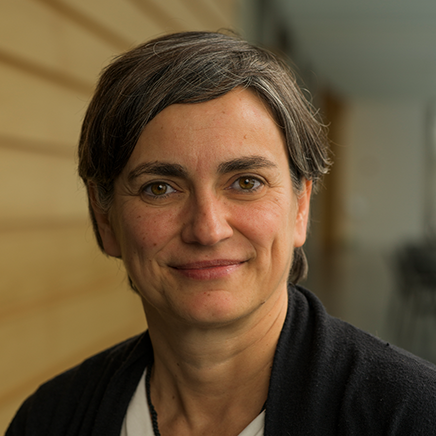
Flaminia Catteruccia, Irene Heinz Given Professor of Immunology and Infectious Diseases, Harvard T.H. Chan School of Public Health; investigator, Howard Hughes Medical Institute
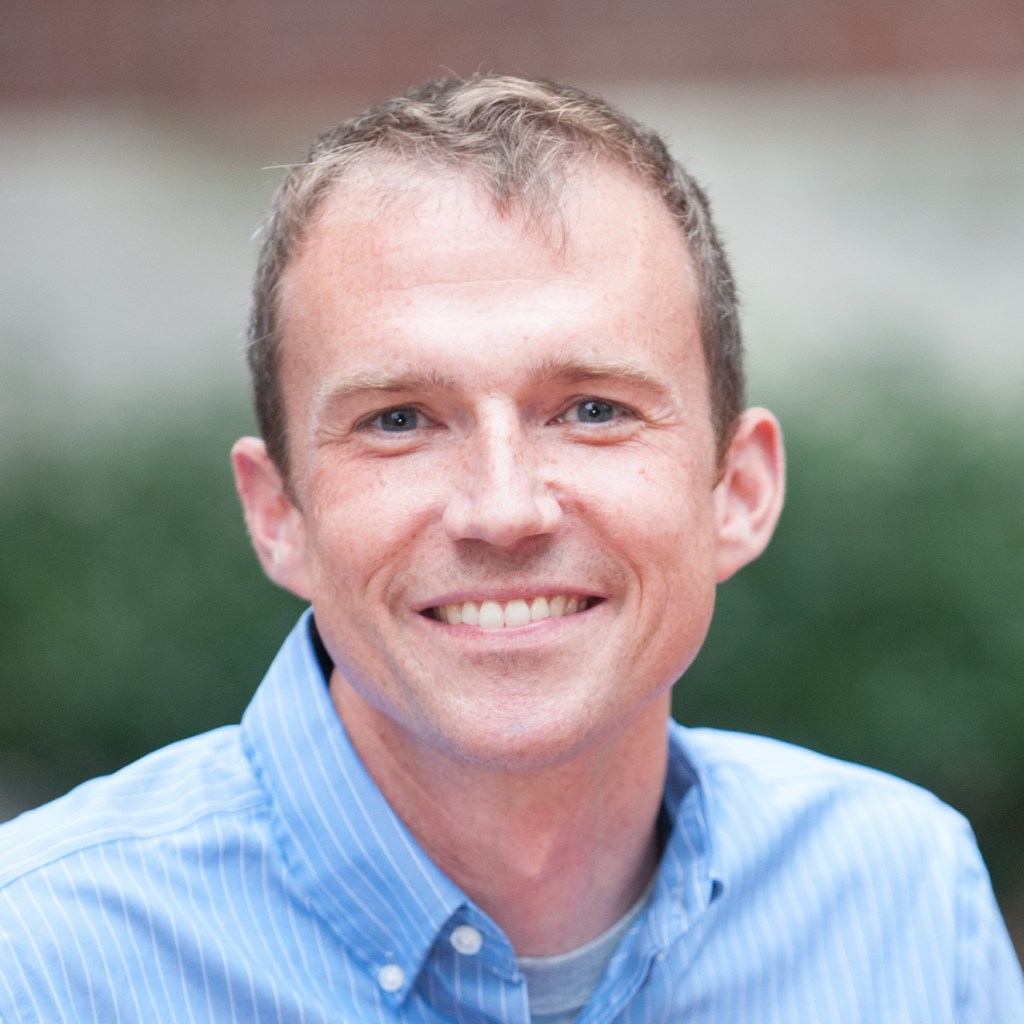
Daniel Edward Neafsey, associate professor of immunology and infectious diseases, Harvard T.H. Chan School of Public Health
Malaria kills more than half a million people each year, mostly young children in sub-Saharan Africa. Existing insecticidal nets that kill malaria-transmitting mosquitoes are losing effectiveness as mosquitoes become more resistant. The team will create bed nets that deliver antimalarial drugs to kill parasites in the mosquito and prevent transmission — and will partner with industry experts to develop, test, and market these nets for malaria prevention.
The Giza Pyramids digital twin
Peter Der Manuelian, Barbara Bell Professor of Egyptology, Faculty of Arts and Sciences; director, Harvard Museum of the Ancient Near East
Matthew Cook, digital scholarship program manager, Harvard Library
Noah Feldman, Arthur Kingsley Porter University Professor; chair of the Society of Fellows; founding director, Julis-Rabinowitz Program on Jewish and Israeli Law
Jason Ur, Stephen Phillips Professor of Archaeology and Ethnology, Faculty of Arts and Sciences
This initiative aims to transform Harvard’s Giza Project (archaeology of the pyramids) from academic archive to active AI Innovation Hub, including a set of “Ethical Guidelines for AI Reconstruction.” The team also hopes to revolutionize natural language processing via 6,500 pages of unique handwritten Arabic excavation diaries (1913-1947), linking their rich contents to Giza excavation images, 3D scans, and other documentation. A “Heritage-AI Pitch Competition” will invite industry partners to solve complex Giza data problems, not just for Egyptian archaeology but for international AI research and development generally.
Sustainable AI infrastructure: A decision framework for communities, public utilities, and data center developers

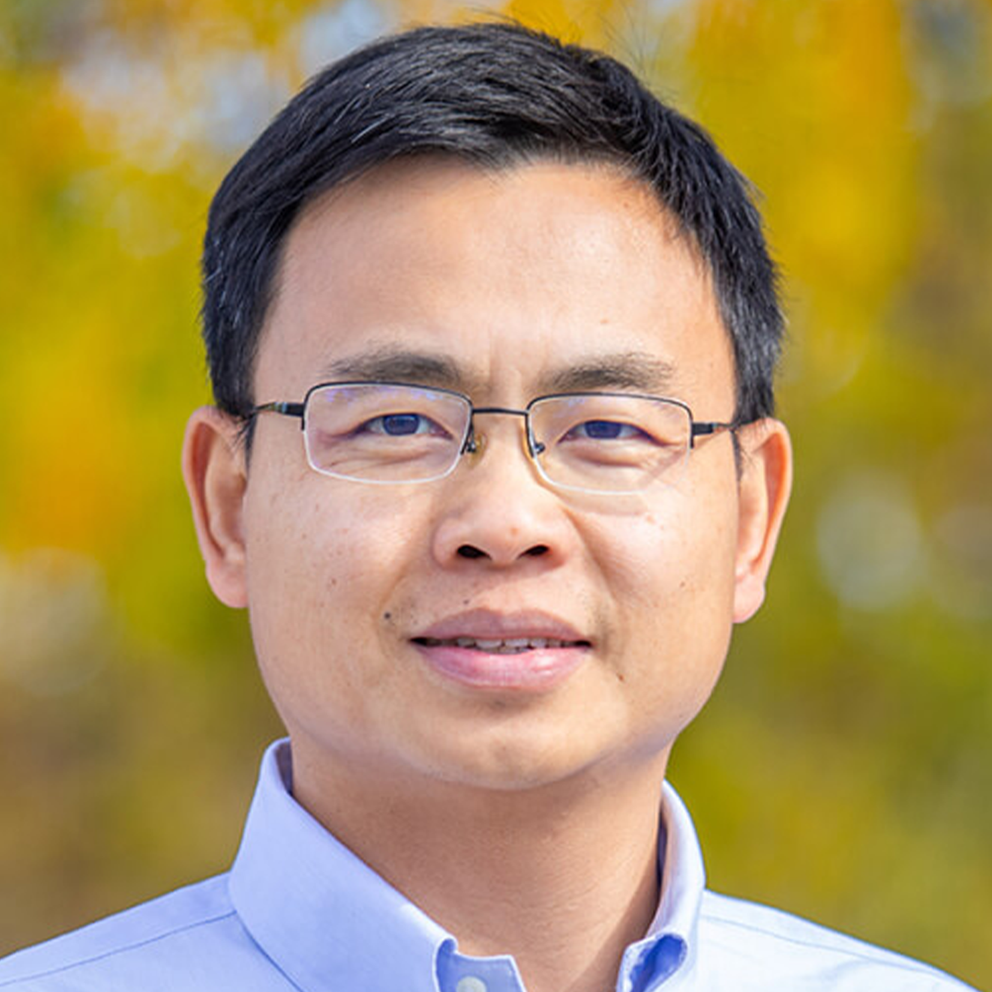
Francesca Dominici, Clarence James Gamble Professor of Biostatistics, Population, and Data Science, Harvard T.H. Chan School of Public Health; director, Harvard Data Science Initiative
Le Xie, Gordon McKay Professor of Electrical Engineering, Harvard John A. Paulson School of Engineering and Applied Sciences
This project will develop a decision framework to guide the expansion of data centers, aligning economic opportunity with social impact. The team has three objectives: build a national grid-aware data pipeline that quantifies data center electricity and water use, emissions, and air pollution exposure; estimate localized health and healthcare cost impacts of data center-driven air pollution; and translate these insights into an interactive toolkit for siting, scenario planning, and community benefit negotiations.
Using analytics and AI to protect sensitive personal data
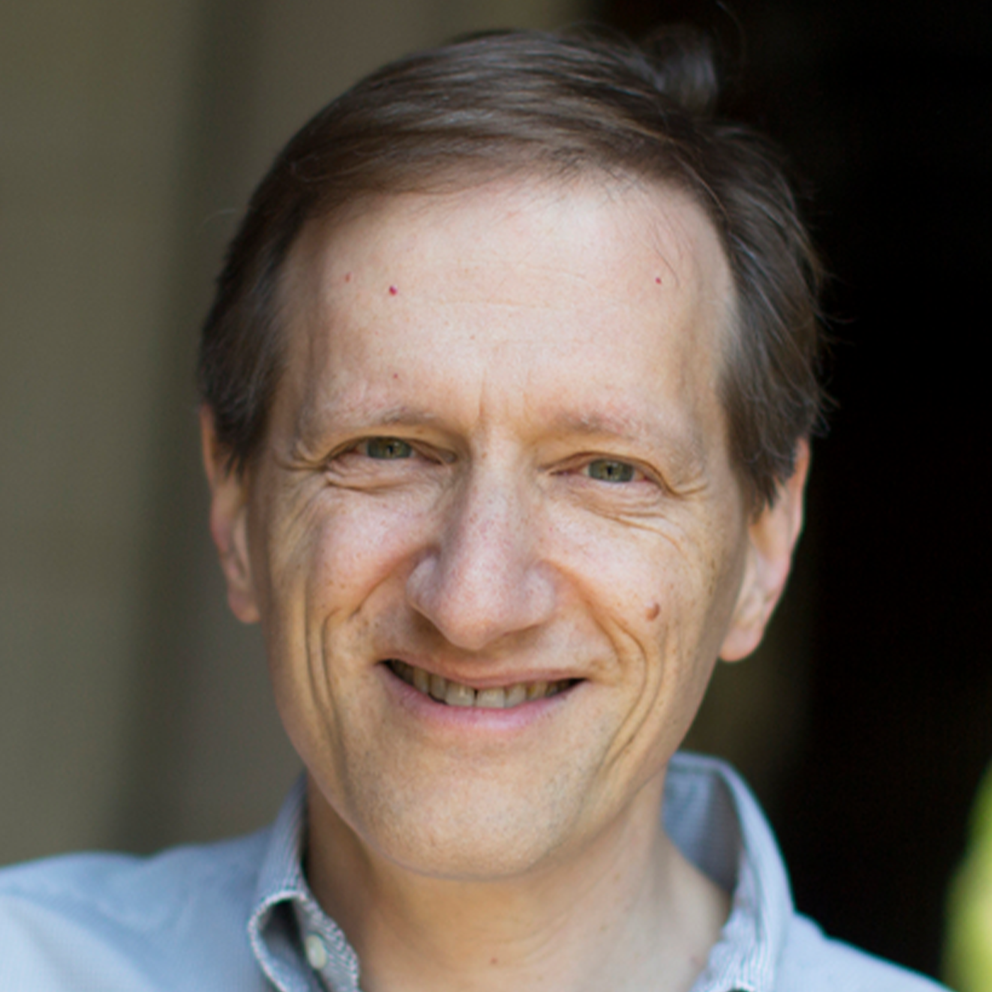
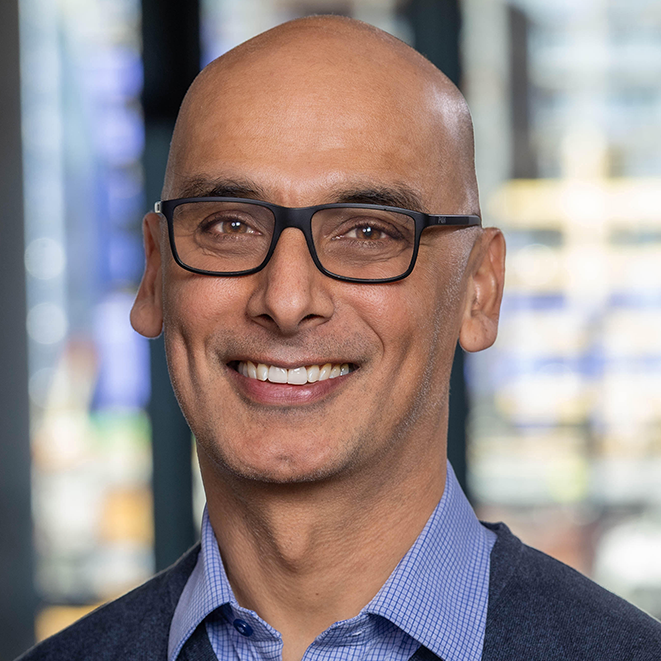
Gary King, Weatherhead University Professor; director, Institute for Quantitative Social Science
Salil Vadhan, Vicky Joseph Professor of Computer Science and Applied Mathematics, Harvard John A. Paulson School of Engineering and Applied Sciences
OpenDP is a community effort to develop trustworthy, open-source methods and software relying on “differential privacy,” the only approach known to guarantee privacy of sensitive information in data sets. This project will scale up industry adoption of OpenDP, helping companies and governments protect their own data and share it safely with researchers working for the public good, uncovering and tacklingnew research questions in the process.
Impacts of arthropods on human diseases and food sources
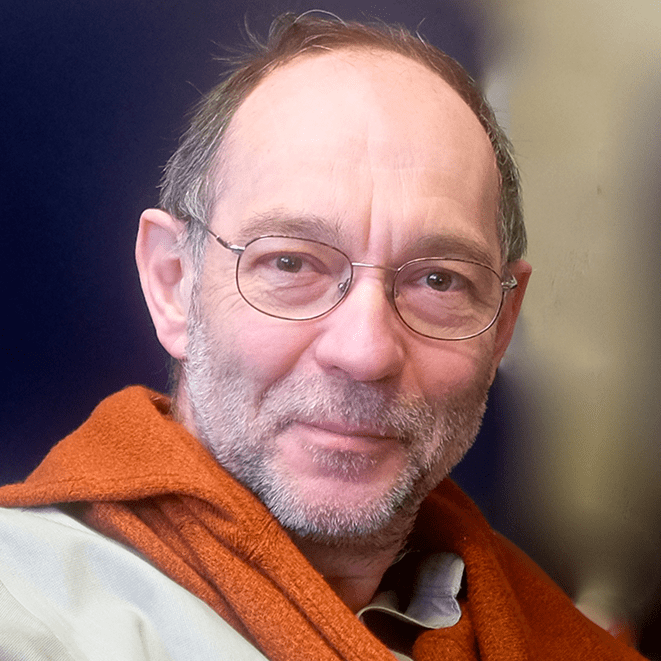
Norbert Perrimon, the James Stillman Professor of Developmental Biology, Harvard Medical School; investigator, Howard Hughes Medical Institute
Stephanie Mohr, lecturer on genetics and director of the Arthropod Cell Screening Facility, Harvard Medical School
Insects, spiders, crabs, and other arthropods comprise more than 75 percent of all animal species on Earth. They have an outsized impact on society as vectors of human diseases and crop pests, and as pollinators and food sources. This research group pioneered CRISPR screening in arthropod cells to identify host-pathogen interactions, targets for arthropod control, and more. Its multidisciplinary team will further develop and apply this technology, advancing efforts to find safer ways to control detrimental arthropods and protect beneficial arthropods.
Monitoring musculoskeletal health with a wearable ultrasound system
Conor Walsh, Paul A. Maeder Professor of Engineering and Applied Sciences, Harvard John A. Paulson School of Engineering and Applied Sciences
Daniel E. Lieberman, Edwin M. Lerner II Professor of Biological Sciences, Faculty of Arts and Sciences
David Adam Quirk, research scientist in bioengineering, Harvard John A. Paulson School of Engineering and Applied Sciences
The project will develop a prototype of a new wearable system that combines compact ultrasound sensors with data-driven signal processing to estimate internal biomechanical signals related to fatigue, performance, and recovery that are currently difficult to measure. By providing new ways to observe muscle and tendon dynamics during controlled experiments, the work aims to advance understanding of human movement and inform future strategies for injury prevention, rehabilitation, and monitoring treatment response in musculoskeletal and neuromuscular conditions.
Molecular glue degrader discovery
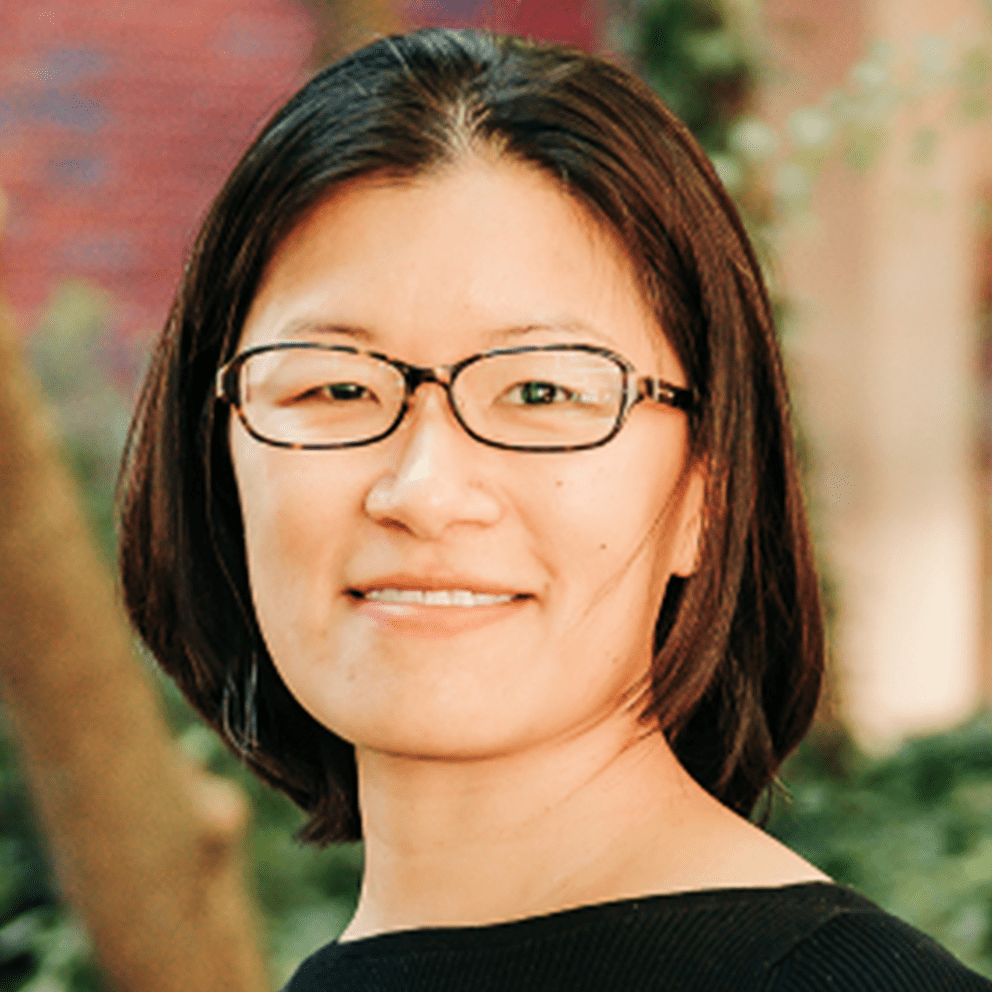
Christina Woo, professor of chemistry and chemical biology, Faculty of Arts and Sciences
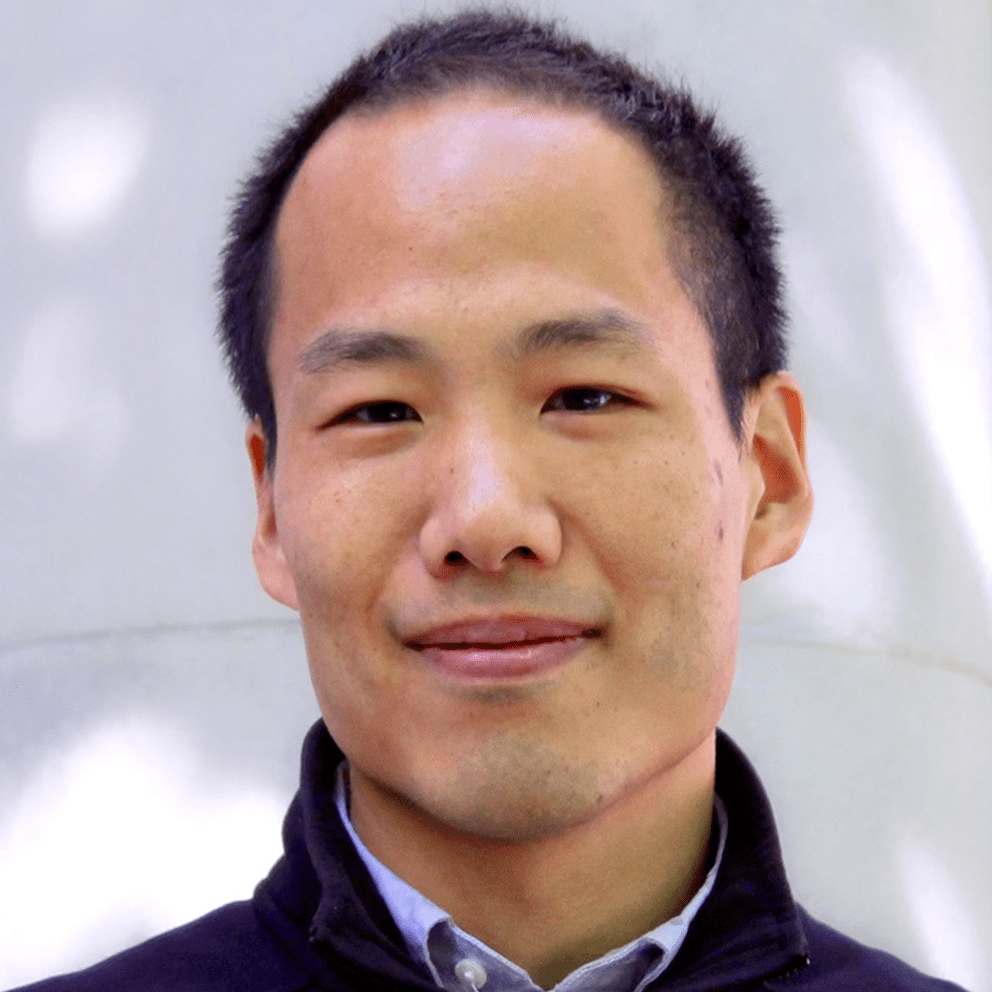
Brian Liau, Morris Kahn Associate Professor of Chemistry and Chemical Biology, Faculty of Arts and Sciences
Kinases are important signaling enzymes that control cell functioning and, when dysfunctional, drive the progression of disease. However, many kinases remain difficult to selectively target with conventional drugs. Molecular glue degraders are a privileged class of compounds that can overcome these limitations by accessing new druggable hot spots. This project will combine novel molecular glue chemical libraries with innovative screening technology to identify new ways to shut down disease-driving pathways and benefit human health.
Spark Awards
Assessing the competitiveness of America’s biopharma industry compared to China’s
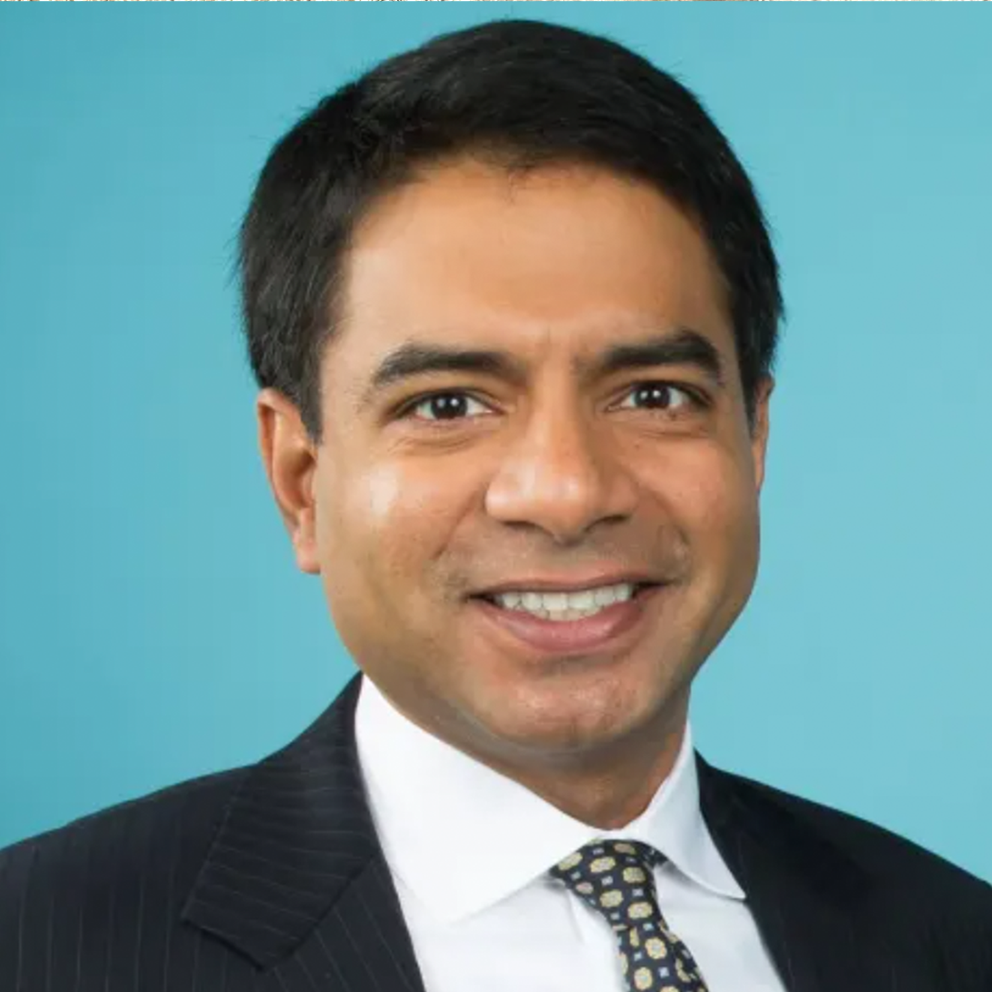
Amitabh Chandra, Ethel Zimmerman Wiener Professor of Public Policy, Harvard Kennedy School; Henry and Allison McCance Professor of Business Administration, Harvard Business School
As long-standing U.S. competitive advantages come under strain, China’s unprecedented investment in life-sciences talent and infrastructure has made it a drug-development powerhouse with wide-ranging implications for public health, economic competitiveness, and national security. This project will examine the rise of the Chinese biopharma industry, craft U.S. policy options, and support further research at Harvard on broader biopharma issues.
Mapping chemicals in human lung tissue
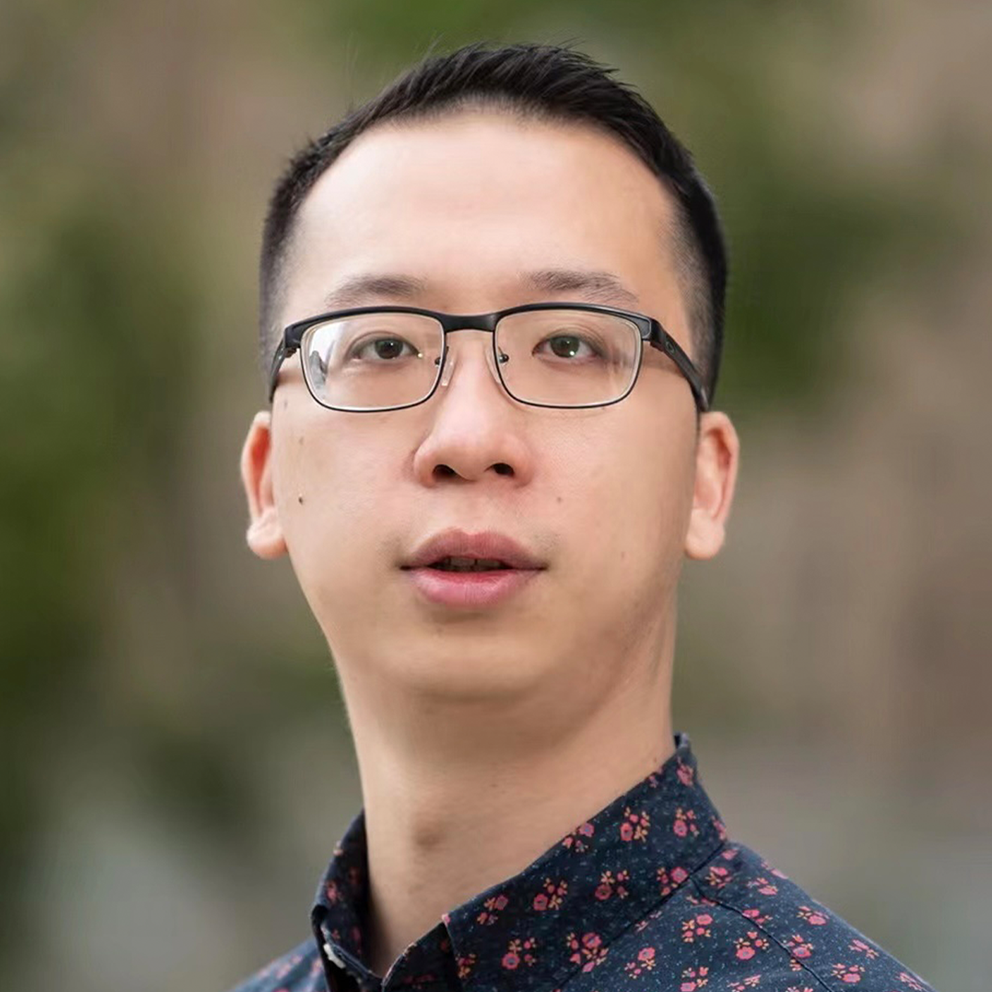
Peng Gao, assistant professor of environmental health and exposomics, Harvard T.H. Chan School of Public Health
The team is developing a new imaging tool to map pollutants and other chemicals inside human lung tissue, revealing where harmful environmental exposures and biological changes occur. By combining advanced mass spectrometry imaging technology with data-driven analysis, they aim to identify tissue-level molecular patterns linked to lung cancer risk and progression. This work could support earlier detection and more precise prevention strategies, especially for populations disproportionately affected by harmful exposures.
Catalyzing patient-centered restorative and regenerative dental care
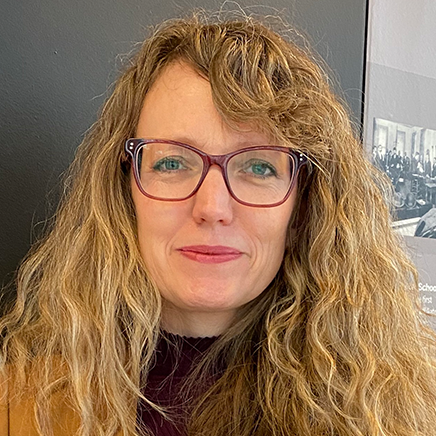
Jennifer Gibbs, associate professor of restorative dentistry and biomaterials sciences, Harvard School of Dental Medicine
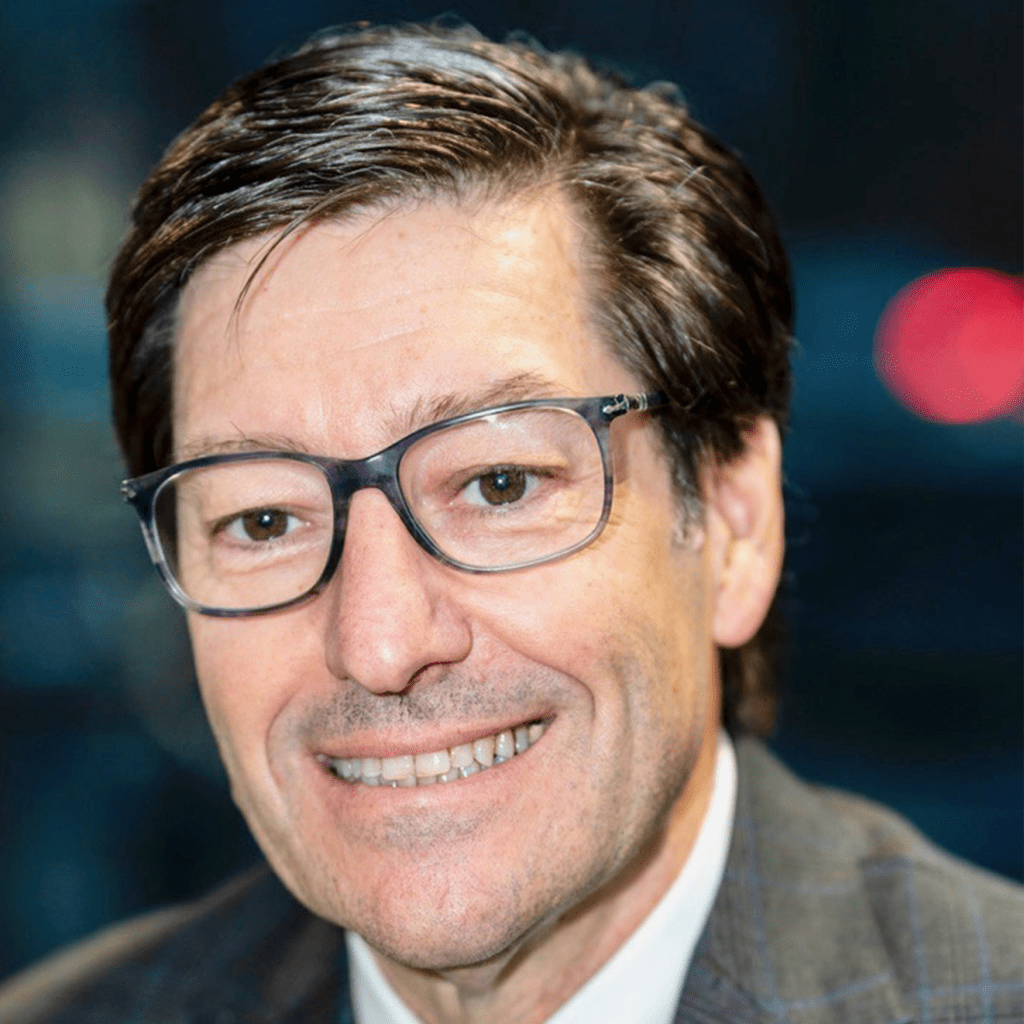
German Gallucci, chair of the department and professor of restorative dentistry and biomaterials sciences, Harvard School of Dental Medicine
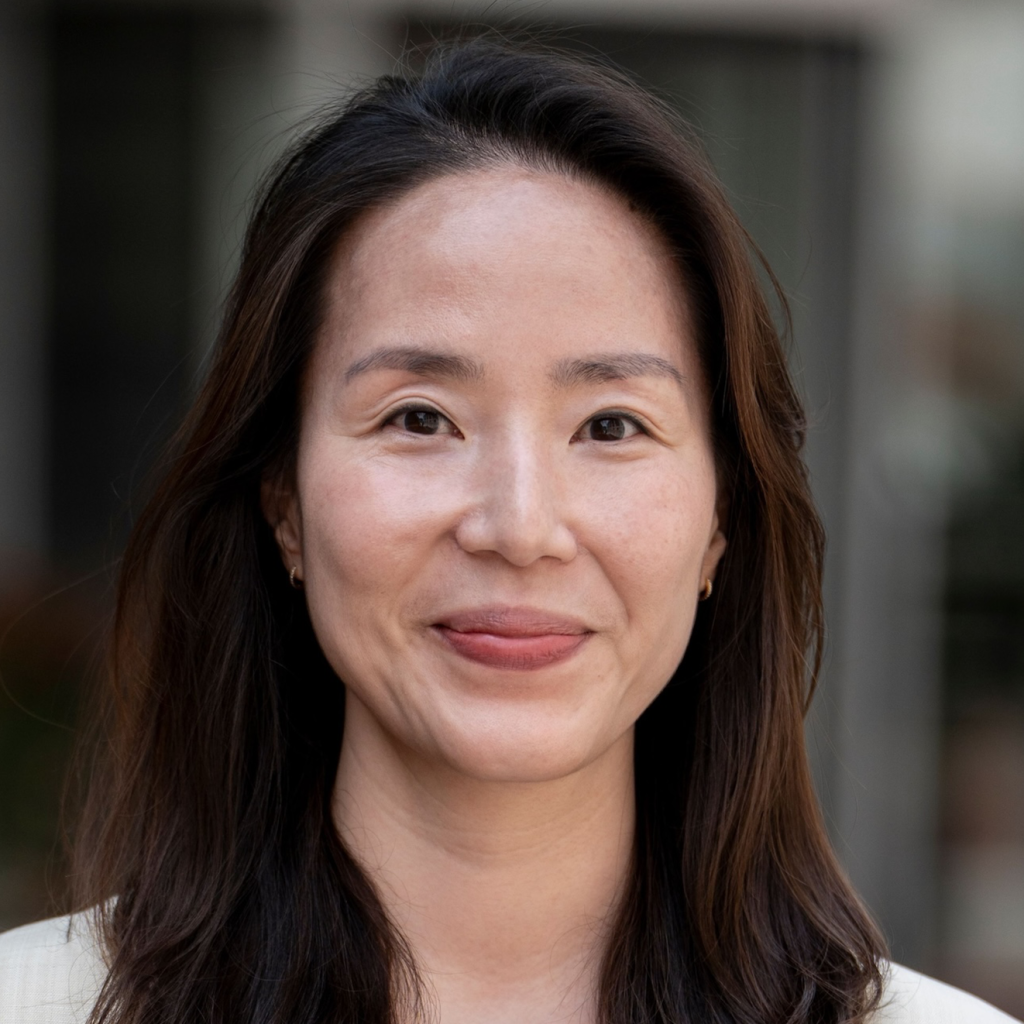
Sung Eun Choi, assistant professor of oral health policy and epidemiology, Harvard School of Dental Medicine
The proposed project will establish the INSPIRE Collaborative, an industry affiliate program at the Harvard School of Dental Medicine that will support clinical innovations aiming to make dental care safer, less painful, and more effective and equitable.
Upscaling wool ecologies
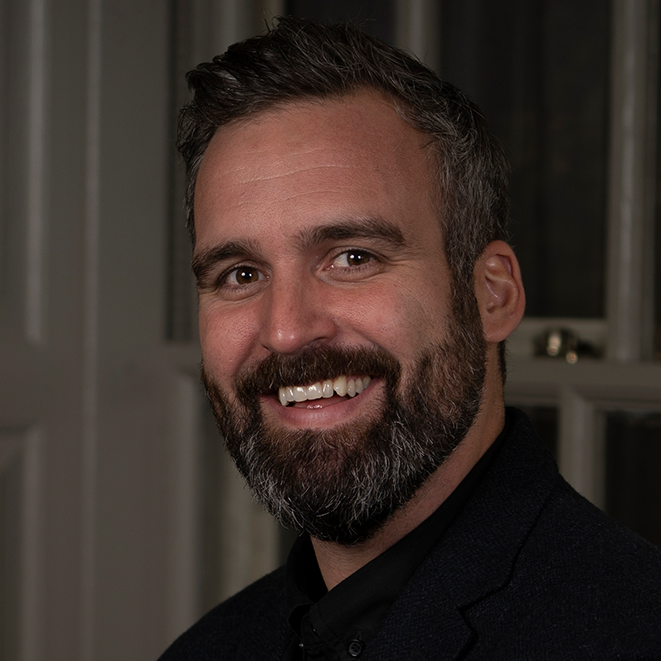
Jonathan Grinham, assistant professor of architecture, Harvard Graduate School of Design
Nearly two billion kilograms of wool are produced globally each year, yet up to half is discarded. At the same time, the building sector urgently needs low-carbon solutions to retrofitting aging buildings. This project will transform waste wool into a scalable, rigid, keratin-based biocomposite cladding system for insulating and protecting buildings. By linking material flows with manufacturing and architectural deployment, it provides a pathway to reduce embodied carbon emissions, enable large-scale building retrofitting, and regenerate regional manufacturing ecosystems.
Scaling clean energy and technology research
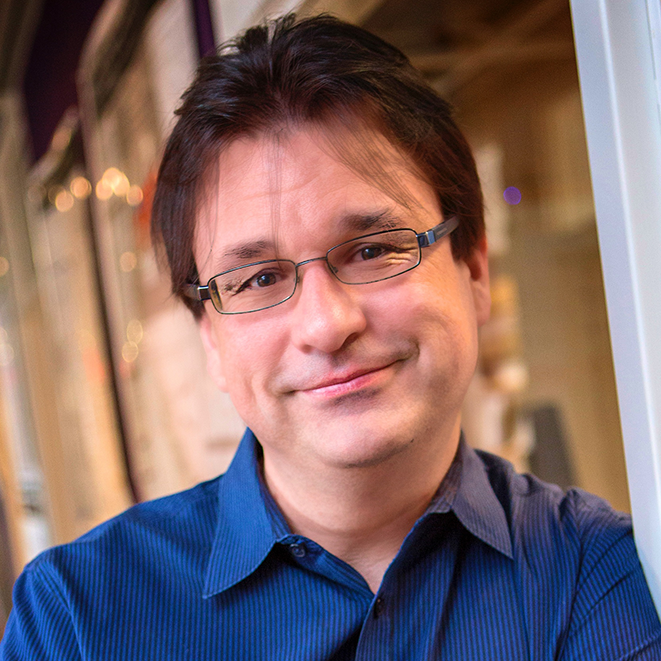
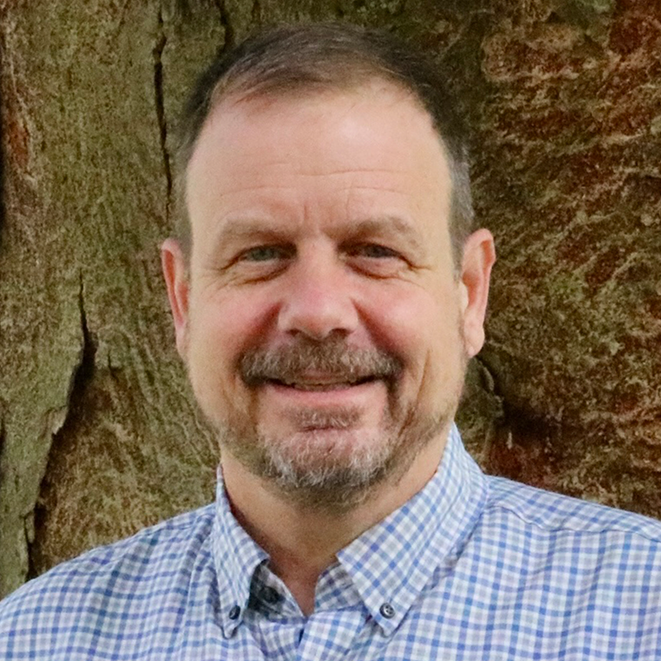
Frank Keutsch, Stonington Professor of Engineering and Atmospheric Science and professor of chemistry and chemical biology, Faculty of Arts and Sciences
Chris Nielsen, executive director, Harvard-China Project
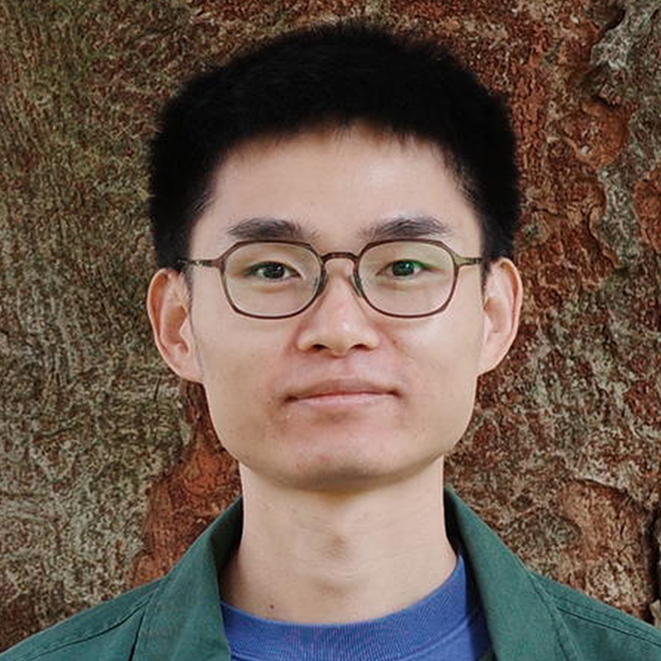
Haiyang Lin, research associate in environmental science and engineering
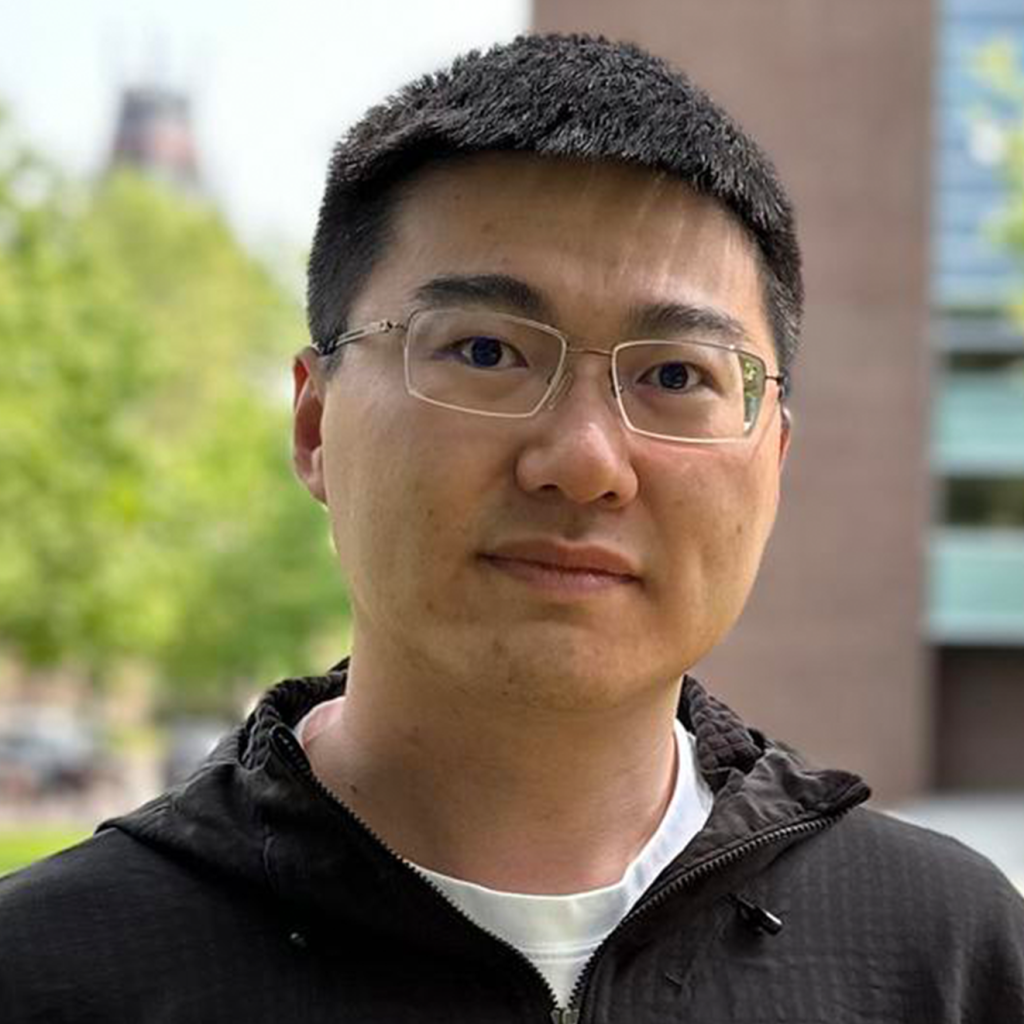
Yang Zhao, postdoctoral fellow in environmental science and engineering
This award will cultivate industry support to broaden clean energy research applications to high-emitting, fast-growing, middle-income countries. To support this effort and enhance its real-world applicability, the Harvard-China Project on Energy, Economy, and Environment will build on ongoing engagements with global energy companies to help translate the program’s interdisciplinary research into actionable low-carbon solutions for other countries.
An immersive production of Richard Strauss’ ‘Salome’
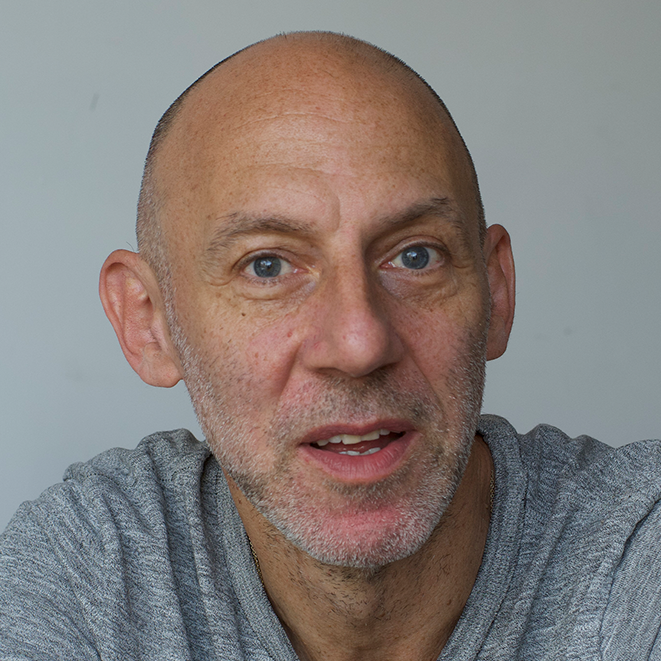
David Levine, professor of the practice, Faculty of Arts and Sciences
The project upends the traditional relationship between orchestra, audience, and singers by placing the audience in a 3D sonic environment in which only the singers are present, with orchestral music surrounding everyone. This is a new, more intimate conception of what opera can be, which nonetheless preserves its sonic grandeur.
Low-cost, high-performance optical screening
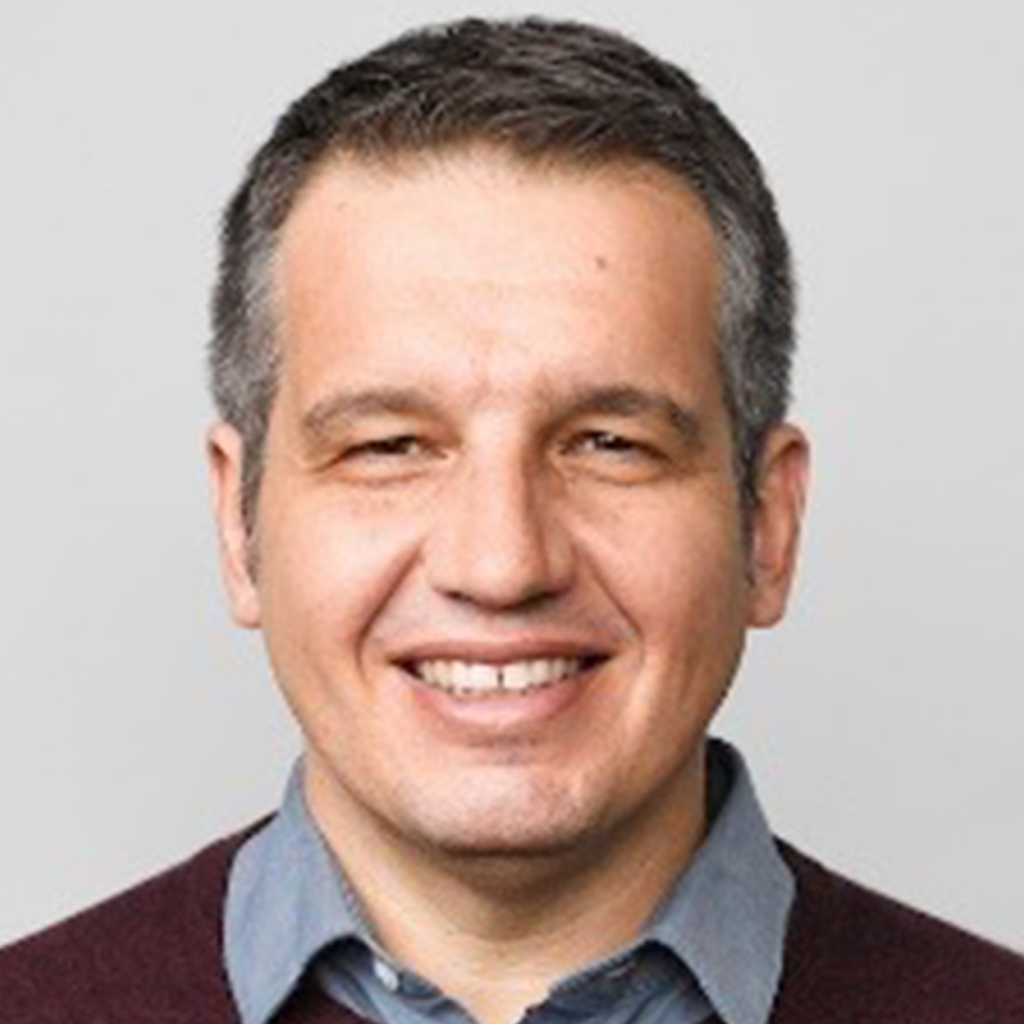
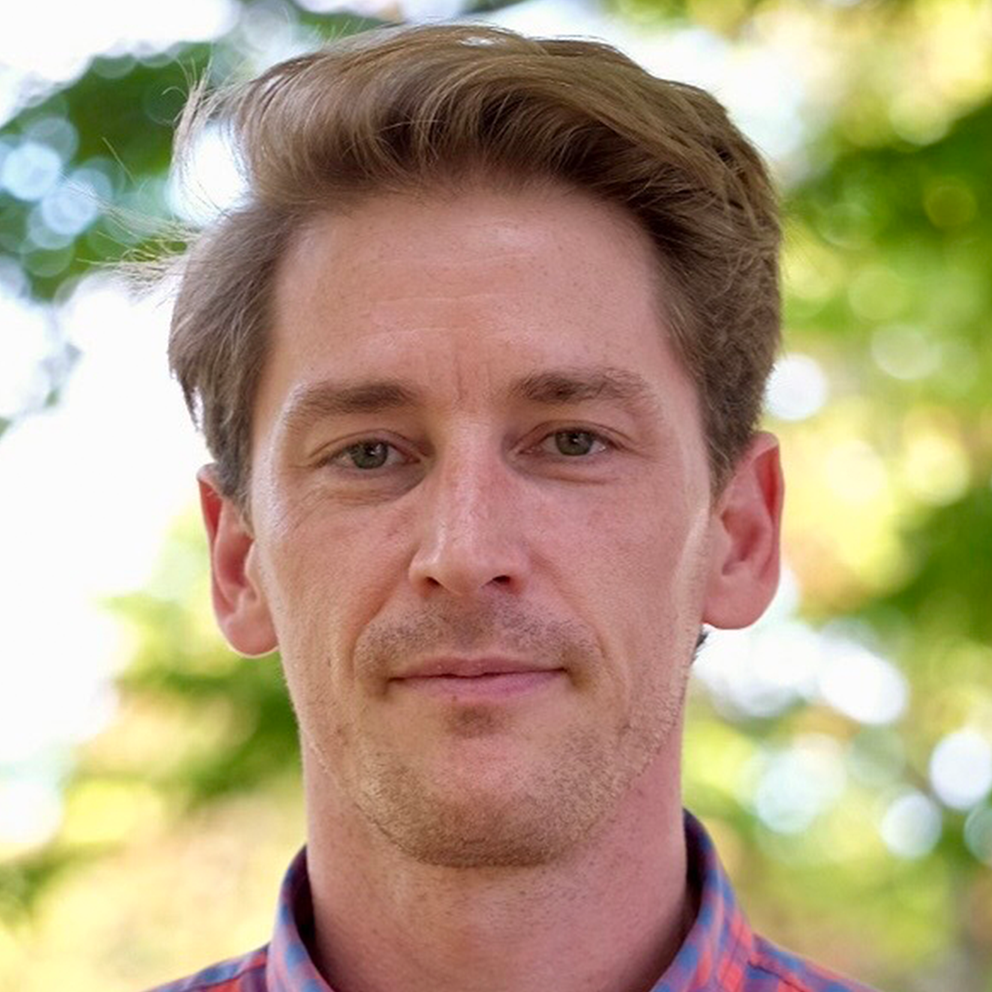
Marko Lončar, Tiantsai Lin Professor of Electrical Engineering, Harvard John A. Paulson School of Engineering and Applied Sciences (SEAS); Harvard College Professor, Faculty of Arts and Sciences
Norman Lippok, research scientist, Harvard John A. Paulson School of Engineering and Applied Sciences
Optical coherence tomography (OCT) plays a critical role in the imaging, diagnosis, and management of eye diseases like diabetic retinopathy, age-related macular degeneration, and glaucoma, which are leading causes of preventable vision loss. However, OCT systems are expensive, and lower-cost alternatives often sacrifice performance. The team proposes a low-cost, high-performance OCT platform using thin-film lithium niobate photonic integrated circuits, enabling fast, scalable imaging with the promise of greatly improving retinal care.
Decoding SUGAR-tagged protein therapies
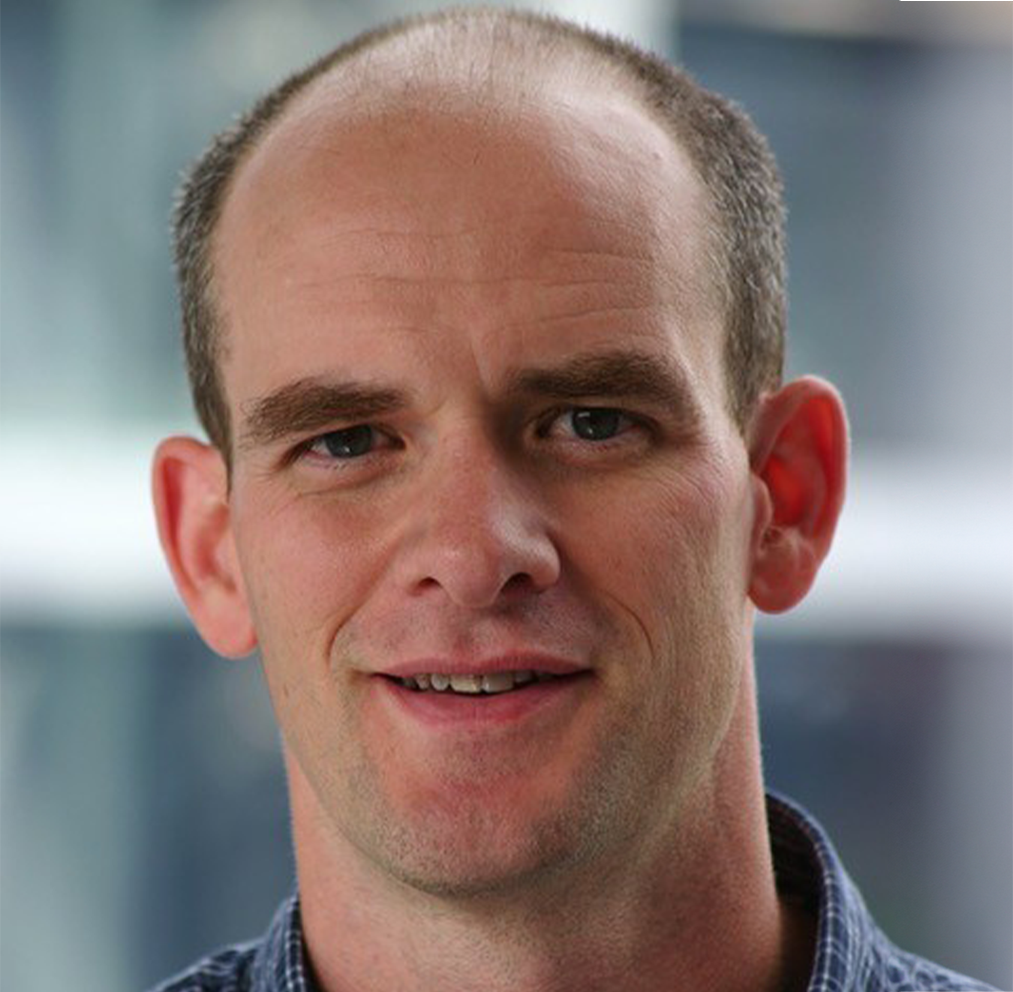
David Mooney, Robert P. Pinkas Family Professor of Bioengineering, Harvard John A. Paulson School of Engineering and Applied Sciences; core faculty member, Wyss Institute for Biologically Inspired Engineering
A new strategy, called SUGAR, allows scientists to attach therapeutic proteins to the surface of cells using sugar-based tags. This approach enables their entry into cells without damaging the membrane, allowing them to reach even hard-to-access targets like the nucleus. This project will reveal the key molecular rules behind the SUGAR process, paving the way for safer and more flexible protein-based therapies.
Supporting quantum transduction
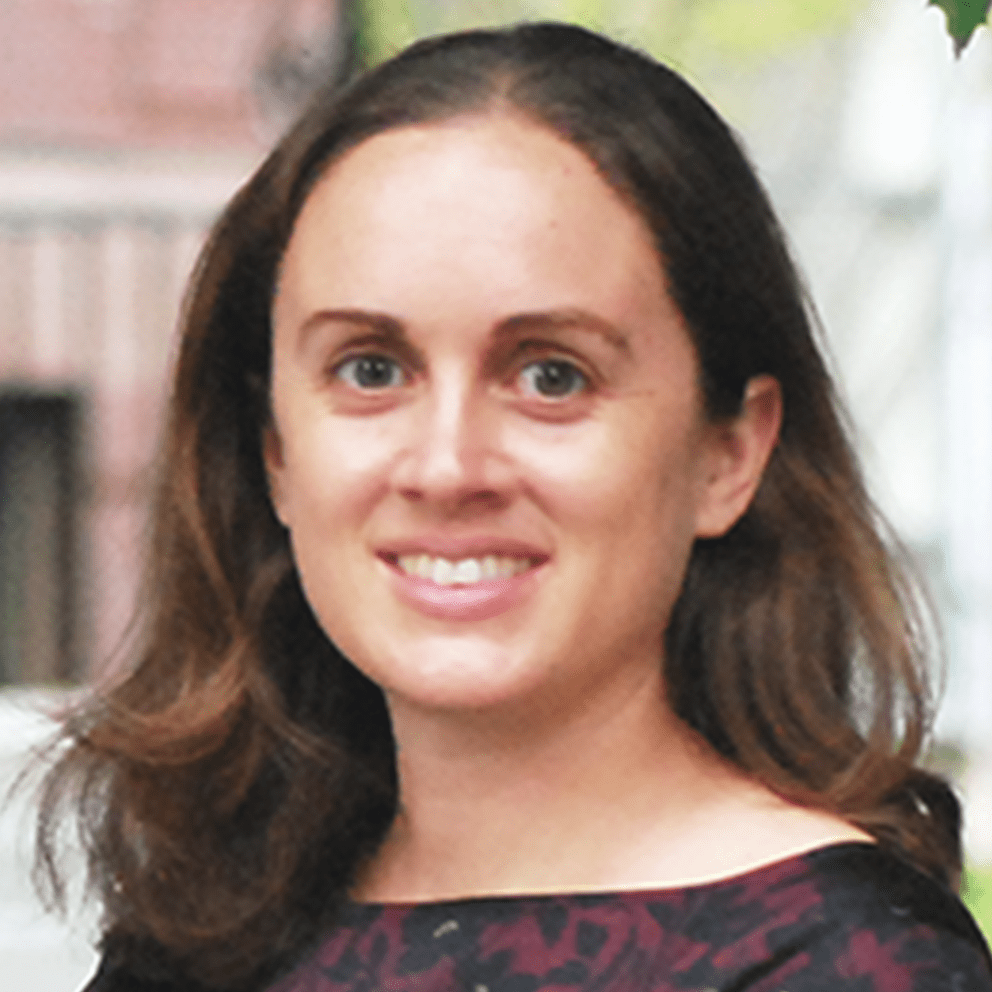
Julia Mundy, John L. Loeb Associate Professor of the Natural Sciences and of Engineering and Applied Sciences, Faculty of Arts and Sciences
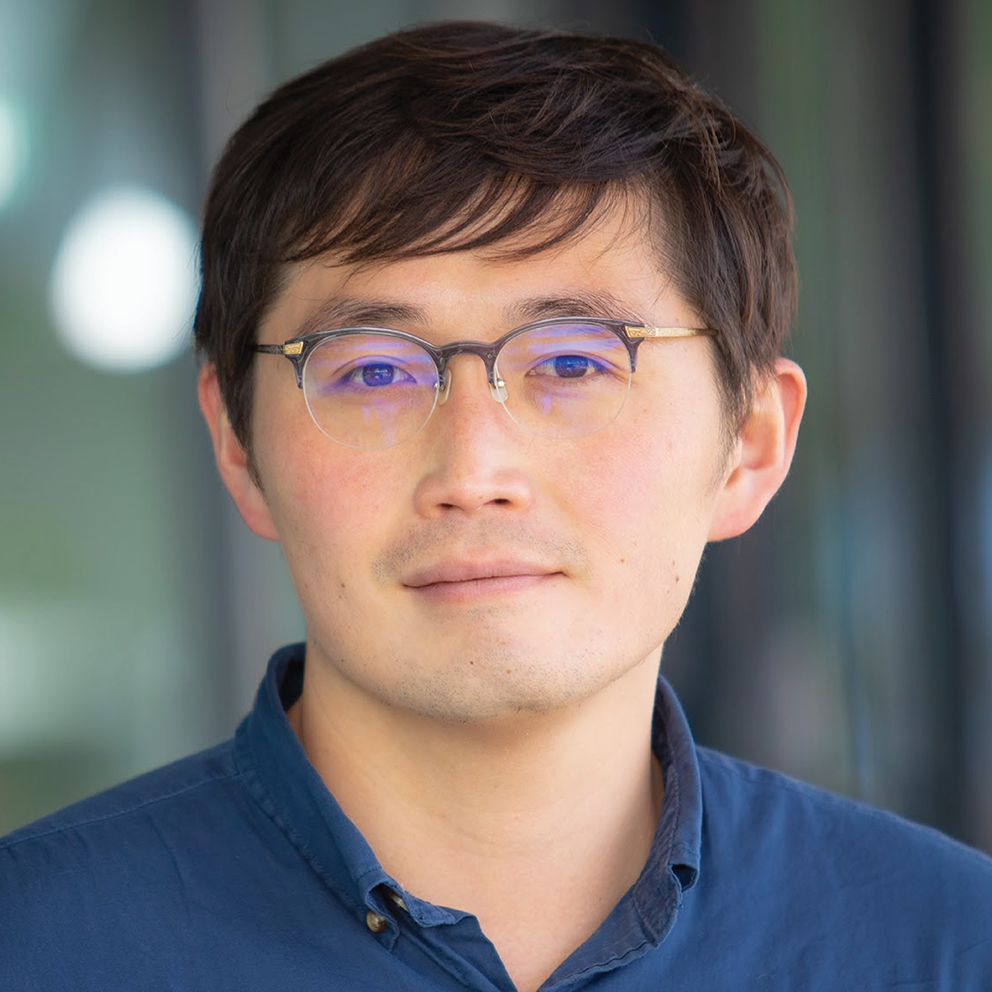
Kiyoul Yang, assistant professor of electrical engineering, Harvard John A. Paulson School of Engineering and Applied Sciences
Different types of quantum processors store information in various ways, including as microwave signals, light particles, or particle vibrations. The process of quantum transduction allows quantum information to be converted, or translated, between two types of physical systems. This is essential for linking quantum processors to enable a scalable, unified quantum system. This program combines new materials development with advanced devices to build new materials platforms for quantum transduction.
Finding common ground using AI
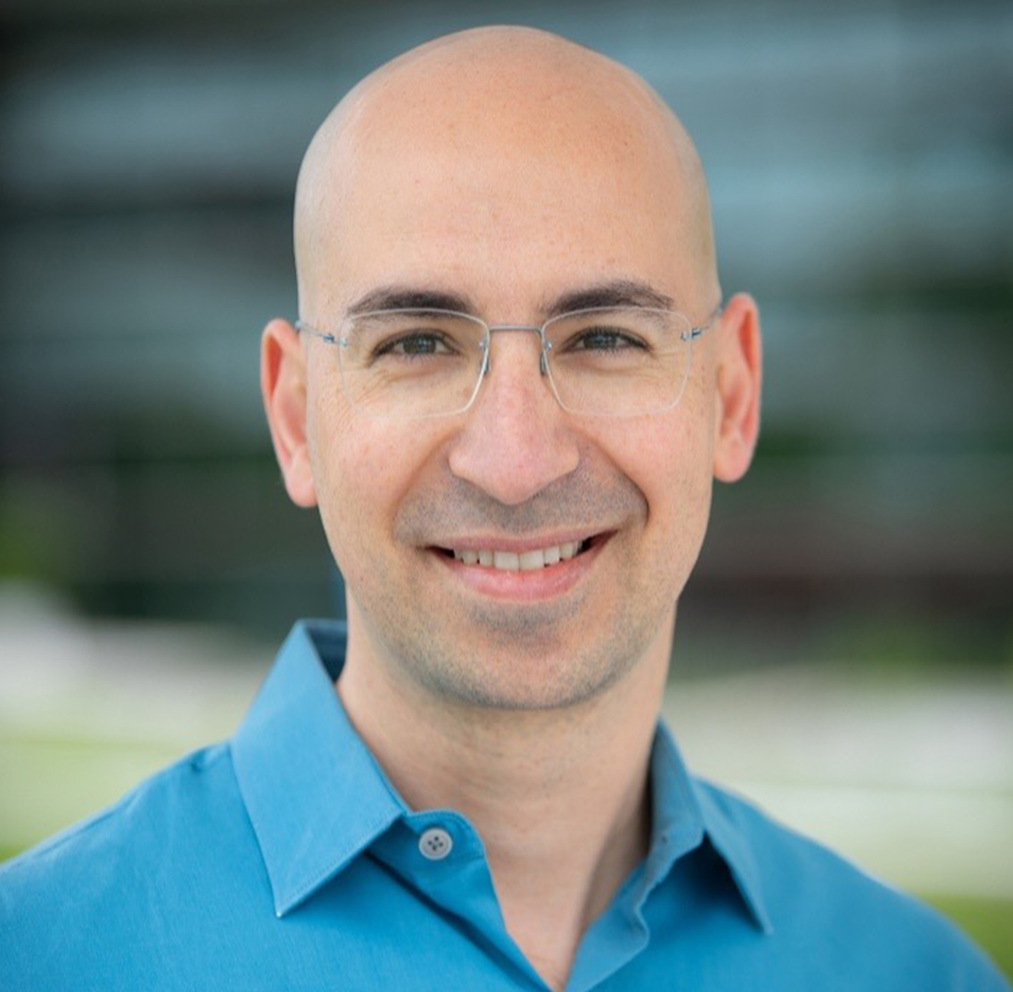
Ariel Procaccia, Alfred and Rebecca Lin Professor of Computer Science, Harvard John A. Paulson School of Engineering and Applied Sciences
This project aims to create a new kind of large-scale, open-ended referendum powered by AI. Participants share their priorities in everyday language, and the system generates and evaluates policy proposals reflecting those views. The goal is to mathematically guarantee that the outcome represents broad support, helping societies find solutions that more people can stand behind.
Restoring healthy gut activity for patients with inflammatory bowel disease

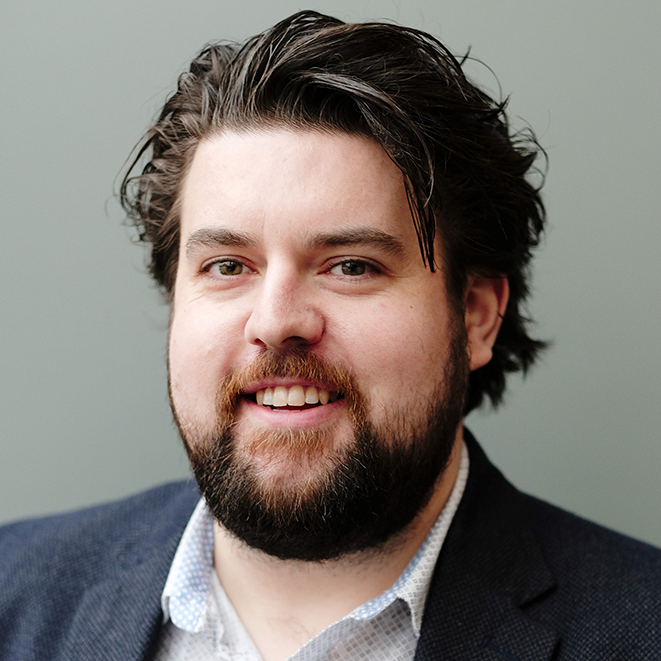
Shriya Srinivasan, assistant professor of bioengineering, Harvard John A. Paulson School of Engineering and Applied Sciences
Ruaidhrí Jackson, assistant professor of immunology, Harvard Medical School
Inflammatory bowel disease affects millions of people and often leaves patients with persistent gut dysfunction even after treatment. This project aims to understand the neural mechanisms regulating gut function during disease and develop bioelectronic devices for neuromodulation. The long-term goal is to create new device-based therapies that can restore healthy gut activity in people living with IBD.
Uncovering early biomarkers of breast cancer
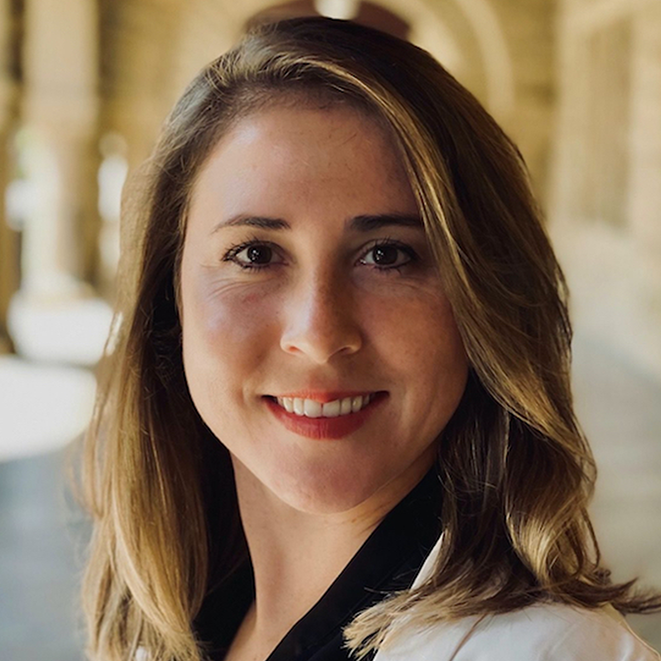
Jessalyn Ubellacker, assistant professor of molecular metabolism, Harvard T.H. Chan School of Public Health
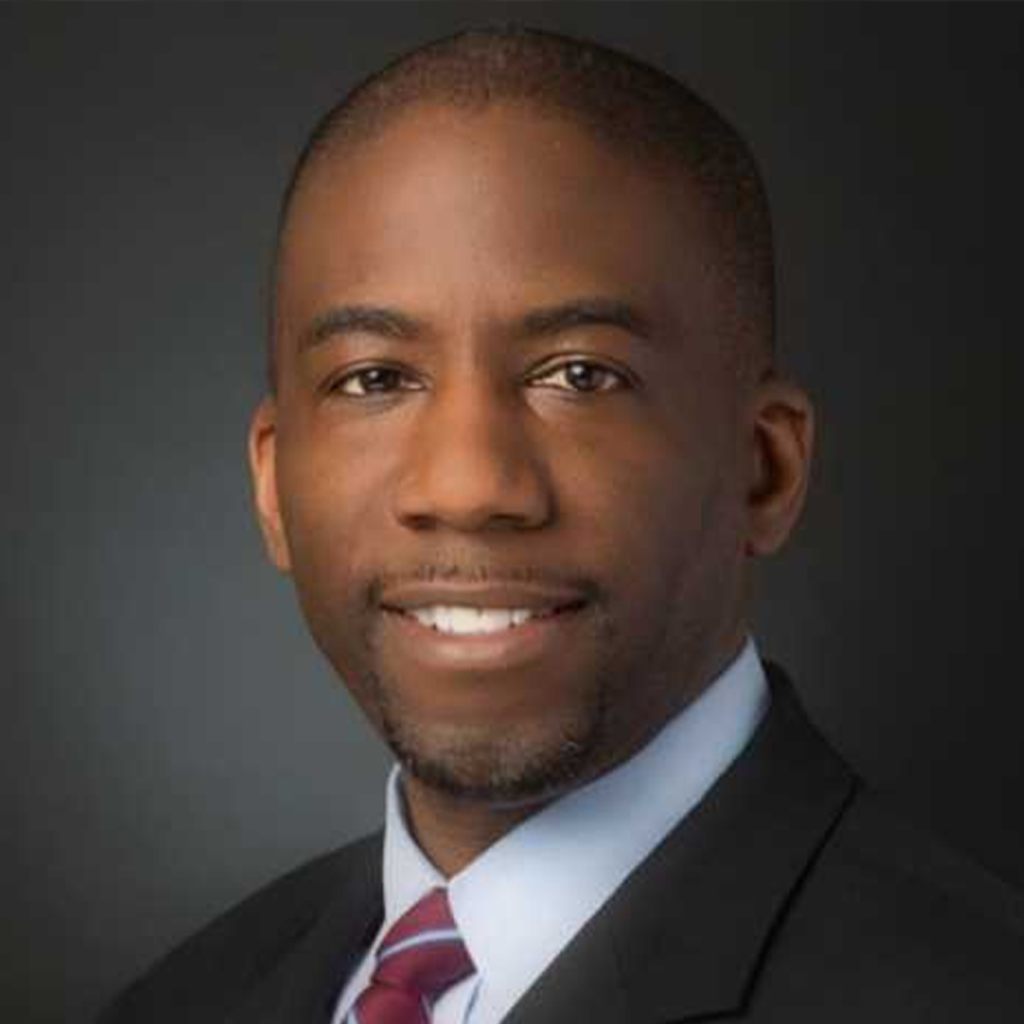
Ted A. James, System Physician Executive, Endeavor Health Cancer Institute
Harvard researchers will work with Endeavor Health to study paired lymph node fluid and blood samples from breast cancer patients, aiming to uncover early signs of metastatic spread that current clinical tools can miss. Using advanced lipid and metabolite profiling, the team will look for molecular patterns linked to lymph node involvement, recurrence risk, and treatment response, with the goal of improving how breast cancer is staged and monitored. The work will also lay the foundation for larger clinical studies and future diagnostic approaches aimed at identifying breast cancer progression earlier and more precisely.
Periodontium-on-chip for gum health
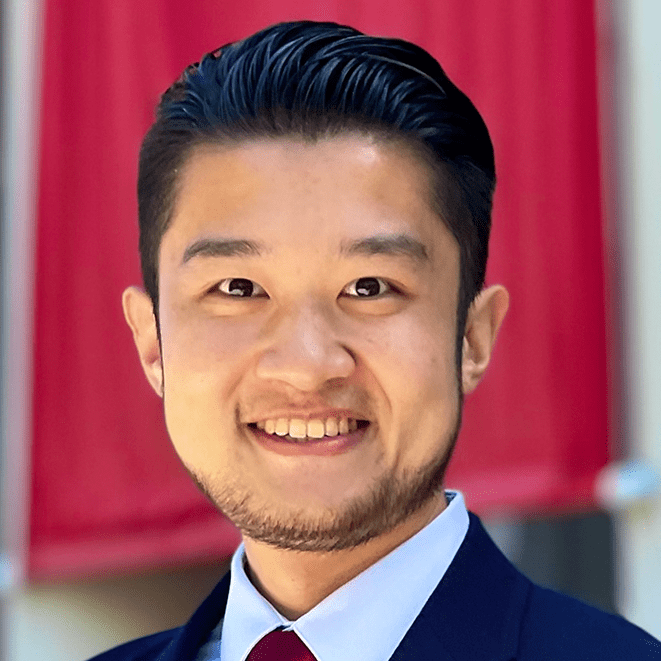

David Wu, director of advanced graduate periodontology and assistant professor of oral medicine, infection, and immunity, Harvard School of Dental Medicine
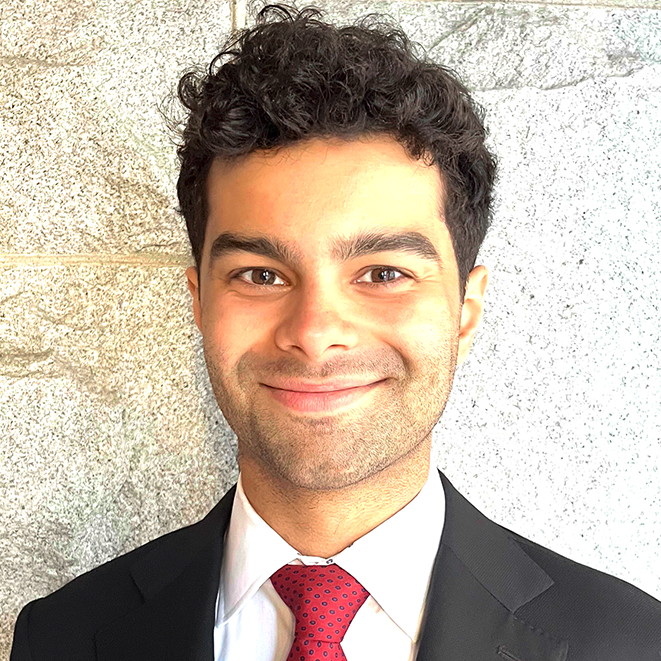
William V. Giannobile, dean and A. Lee Loomis Jr. Professor of Oral Medicine, Infection, and Immunity, Harvard School of Dental Medicine
Magda Feres, chair and professor in the Department of Oral Medicine, Infection, and Immunity, Harvard School of Dental Medicine
Zachary Gouveia, postdoctoral research fellow at the Wu Laboratory in the Department of Oral Medicine, Infection, and Immunity, Harvard School of Dental Medicine
Oral diseases are linked to many systemic conditions, including diabetes and cardiovascular diseases, yet progress in developing new treatments has been slow, in part due to reliance on costly and poorly predictive animal models. This project will develop the first human “periodontium-on-chip,” a bioengineered platform that recreates the complex tissues and microbial environment of the gums using living human cells. By enabling faster, more accurate testing of new therapies and biomaterials, this technology could accelerate the development of periodontal disease treatments while reducing reliance on animal testing.