
 Featured series

Health
-
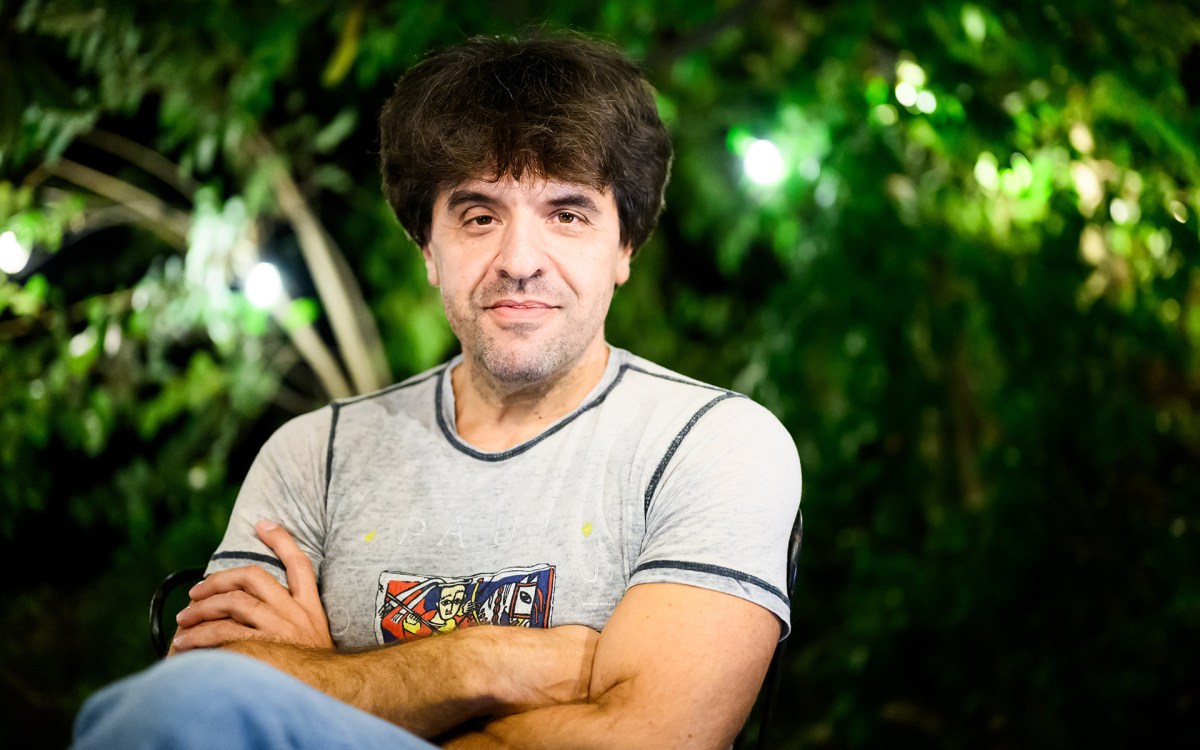
How can a book make you cry?
New Nobel laureate Karl Deisseroth draws line from his early interest in power of words to research on how brain works
-
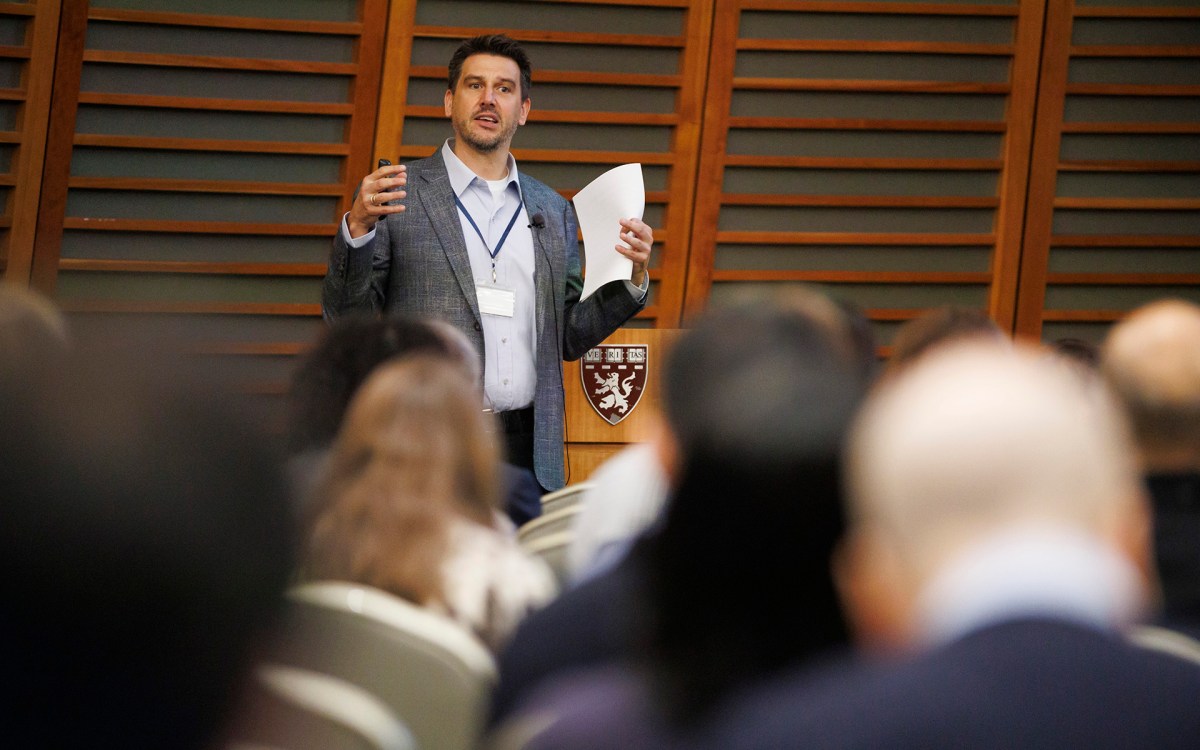
Living longer, disease-free
Healthy Aging Symposium convenes experts to discuss everything from ‘Nutrition 3.0’ to biology of dogs
-
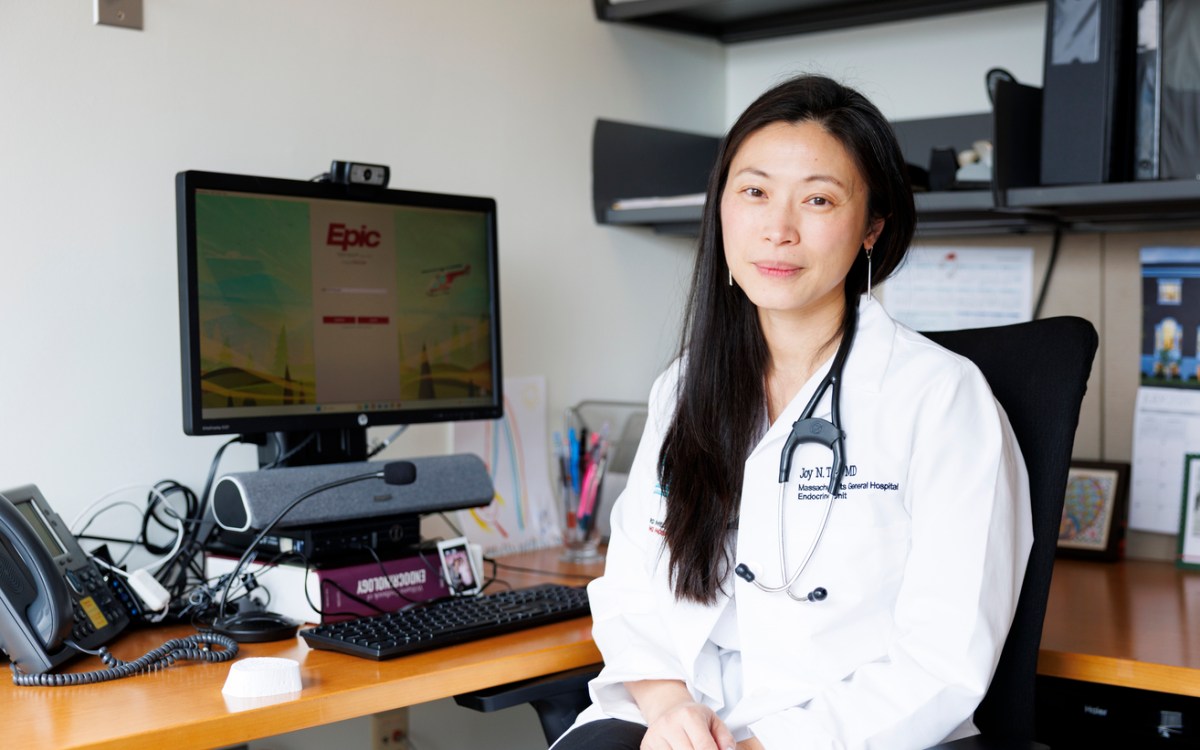
Heart attack, stroke — and hip fractures
Endocrinologist discusses life-or-death stakes of weak bones and how to protect against devastating falls

 Data Visualization
-

Is your parenting style working?
Trends come and go but experts say raising happy, healthy kids requires certain key ‘ingredients’
 Podcast
-
The healing power of gene therapy
How researchers are seeing their work changing lives — from restoring children’s hearing to saving a baby born with a fatal disease
Podcast
-
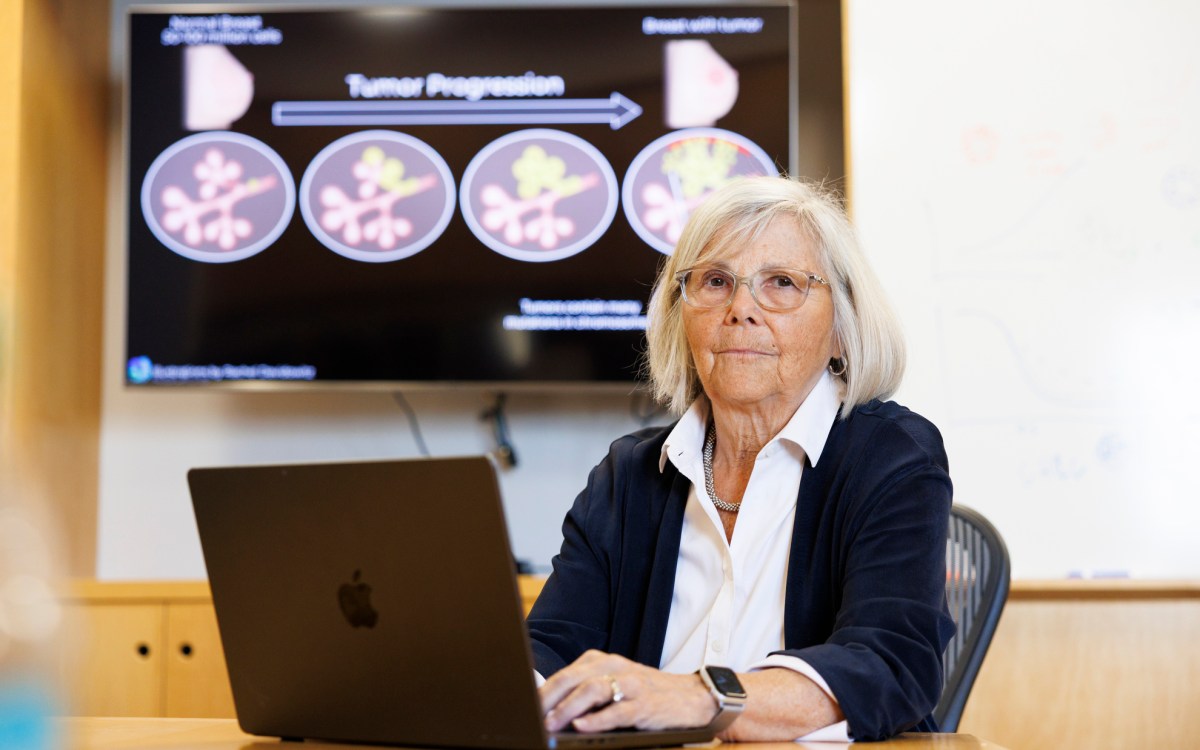
How did her sister become so sick so fast?
Joan Brugge’s decadeslong professional fight against cancer began when she tried to make sense of a tragedy

-
Poor fall behind in birth control
Modern contraception has come a long way in the past 20 years, what with diaphragms, hormones, implants, intrauterine devices, condoms, spermicides, and sterilization. But the boom in birth control has been a bust for the poorest women in the world.
-
Saving your self from yourself
“Your gut is a complicated place,” notes Shannon Turley, an assistant professor of pathology at Harvard Medical School. In addition to processing food three or more times a day, an intestine needs to protect you from being damaged by yourself.
-
Marathon running can damage a heart
Running 26.2 miles is not for the faint of heart. Abnormalities in heart structure and function were found in men and women who ran the Boston Marathon in 2004 and 2005 by Harvard Medical School researchers.
-
Big brains better for birds
As you might guess, big-brained birds survive better in the wild than those less cerebral for their size. Scientists guessed that too, but they had to prove it to themselves.
-
Brain pollution: Common chemicals are damaging young minds
Learning disabilities. Cerebral palsy. Mental retardation. A “silent pandemic” of these and other neurodevelopmental disorders is under way owing to industrial chemicals in the environment that impair brain development in fetuses and young children. That’s the conclusion of a data analysis by researchers at the Harvard School of Public Health (HSPH) and the Mount Sinai School of Medicine, who point to 201 chemicals – most of them common – known to inflict lasting neurological damage in humans. Information on possible neurotoxic effects exists, however, for only a small fraction of the thousands of chemicals in use around the world.
-
Mystery muscles make mightier mice
Scientists have muscled in on a genetic switch that allows mice to run longer and faster. Humans possess the same switch, so the discovery might open new paths to treating muscle-wasting diseases and building better bodies.
-
World’s largest flower evolved from family of much tinier blooms
The plant with the world’s largest flower – typically a full meter across, with a bud the size of a basketball – evolved from a family of plants whose blossoms are nearly all tiny, botanists write this week in the journal Science. Their genetic analysis of rafflesia reveals that it is closely related to a family that includes poinsettias, castor oil plants, the tropical root crop cassava, and the trees that produce natural rubber.
-
Harvard researchers map new form of genetic diversity
A new map of human genetic diversity provides a powerful tool for understanding how each person is unique. Created by researchers at Harvard Medical School, Brigham and Women’s Hospital, and…
-
Study says moderate drinking reduces men’s heart attack risk
Even as studies have consistently found an association between moderate alcohol consumption and reduced heart attack risk in men, an important question has persisted: What if the men who drank…
-
Scientists identify switch for brain’s natural anti-oxidant defense
Scientists at Dana-Farber Cancer Institute report they have found how the brain turns on a system designed to protect its nerve cells from toxic “free radicals,” a waste product of…
-
Study shows benefits of eating fish greatly outweigh risks
Many studies have shown the nutritional benefits of eating fish (finfish or shellfish). Fish is high in protein and omega-3 fatty acids. But concerns have been raised in recent years…
-
HMS offers fellowships, grants
Each year, numerous postdoctoral and faculty fellowships/grants are available to the Harvard medical community by invitation only. These include the Burroughs Wellcome Career Award at the Scientific Interface, the Damon…
-
New myeloma drug proves more potent, less toxic than thalidomide
A designer drug significantly less toxic than thalidomide has shown impressive activity in prolonging survival of patients with advanced multiple myeloma, report researchers from Dana-Farber Cancer Institute. A multicenter Phase II study of lenalidomide, an altered version of thalidomide, found a response rate of 25 percent among patients with myeloma that had recurred despite multiple prior therapies. Especially important was that long-lasting responses averaging 28 months were seen. When another drug, dexamethasone, was added in patients who were not benefiting from lenalidomide alone, the response rate was improved in a third.
-
Prostate treatment has risks
A treatment mainstay for prostate cancer puts men at increased risk for diabetes and cardiovascular disease, according to a large observational study published in the Sept. 20 Journal of Clinical Oncology. “Men with prostate cancer have high five-year survival rates, but they also have higher rates of noncancer mortality than healthy men,” says study author Nancy Keating, assistant professor of health care policy and of medicine at Harvard Medical School (HMS). “This study shows that a common hormonal treatment for prostate cancer may put men at significant risk for other serious diseases. Patients and physicians need to be aware of the elevated risk as they make treatment decisions.”
-
New insight into skin-tanning process suggests novel way of preventing skin cancer
Findings from a study led by researchers at Dana-Farber Cancer Institute and Children’s Hospital Boston have rewritten science’s understanding of the process of skin tanning – an insight that has…
-
Prostate cancer treatment increases risk of diabetes, heart disease
A treatment mainstay for prostate cancer puts men at increased risk for diabetes and cardiovascular disease, according to a large observational study published in the Sept. 20, 2006, Journal of…
-
HSCI/MGH researchers identify gene product involved in stem cell aging and death
A multi-institutional team of Harvard researchers may have advanced our understanding of physiological aging with a new study in which they greatly reduced the impact of aging on blood stem cells. A report on their findings appears in the latest edition of the journal Nature along with similar but independent findings from research teams at the universities of North Carolina and Michigan.
-
Interns continue to work overly long shifts, study finds
That intern working on you at the hospital may be so sleep-deprived his or her performance is no better than that of a drunk. That’s one conclusion of a national study by investigators at the Harvard Medical School.
-
Nanowire arrays can detect signals along individual neurons
Opening a whole new interface between nanotechnology and neuroscience, scientists at Harvard University have used slender silicon nanowires to detect, stimulate, and inhibit nerve signals along the axons and dendrites of live mammalian neurons.
-
Mental casualties of Vietnam War persist
More than 30 years after the end of the war in Vietnam, the effect of lingering stress on Americans who fought there continues to cause stress among researchers.
-
Heat waves deadliest for blacks, diabetics
Heat waves, like the one that scorched the country in July, are more deadly for some people than for others. Poor blacks and diabetics fare the worst. As you might guess, extreme heat is also hard on the elderly. But as you might not guess, extreme cold has a greater impact.
-
Beetles’ past tells volumes about tropical evolution
Experts seeking to explain the amazing diversity of the tropical rain forest have typically done so in two ways, viewing forests as either “evolutionary cradles” that encourage the rapid development…
-
Molecule predicts type 2 diabetes
A study in the June 15, 2006, issue of The New England Journal of Medicine reveals that elevated levels of a molecule called RBP4 (retinol binding protein 4) can foretell…
-
Discovery could aid fight against cystic fibrosis infection
Harvard Medical School researchers have discovered one way that a hardy disease-causing bacteria could be surviving in the lungs of chronically infected cystic fibrosis patients. “This work is important because…
-
Harvard Stem Cell Institute researchers granted approval
After more than two years of intensive ethical and scientific review, Harvard Stem Cell Institute (HSCI) researchers at Harvard and Children’s Hospital Boston have been cleared to begin experiments using…
-
Nicotine vaccine to be tested at Massachusetts General Hospital
A novel approach to helping smokers kick the habit – a vaccine – will be tested at Massachusetts General Hospital (MGH). The nicotine vaccine NicVax is designed to keep nicotine…
-
Harvard Medical School signs agreement with Merck to develop potential therapy for macular degeneration
Harvard Medical School announced May 23, 2006 that is has signed a multimillion-dollar license agreement with Merck & Co. Inc. to develop potential therapies for macular degeneration, an eye disease…
-
New data finds defibrillator recalls to be common
Data presented May 19, 2006 at the Heart Rhythm Society’s 27th Annual Scientific Sessions finds that during a 10-year study period more than one in five automatic external defibrillators (AEDs)…
-
Schepens scientists first to discover angiogenesis switch inside blood vessel cells
Scientists at Schepens Eye Research Institute, an affiliate of Harvard Medical School, are the first to discover a switch inside blood vessel cells that controls angiogenesis (new blood vessel growth).…
-
Study offers new hope for preventive vaccine for AIDS
New research by Dana-Farber Cancer Institute scientists suggests that it may one day be possible to immunize healthy individuals against HIV-1, the virus that causes AIDS. In a study published…