Featured series

Tag: Beth Israel Deaconess Medical Center
-
Health
After decades of improvement, cardiovascular health rates on worrying path
CDC report trend is stagnating — and for middle-aged, even declining
-
Health
These doctors aren’t sweating AI — yet
Board exam for pediatric specialty stumps ChatGPT, at least in some areas.
-
Health
The social life of a dermatologist
It might be jarring when a friend, or complete stranger, pulls down their shirt while you’re trying to eat dinner. It’s also an opportunity.
-
Health
Patients prefer bad news to no news
Patients who access test results through an online portal account overwhelmingly supported receiving the results immediately — including abnormal test results — even if their provider had not yet reviewed them, according to a recent survey.

-
Health
Knowing what the doctor knows
Tom Delbanco explains why he supports giving patients greater access to records

-
Health
Alcohol, sleep, and politics
A new BIDMC study suggests that divisive political events like elections can negatively affect one’s sleep and emotional well-being.
-
Health
Forget the sedatives, I’ll take some VR
Study of hand-surgery patients suggests “immersive experience” can curb need for drugs, cut hospital stay.
-
Health
Coffee is good for you, probably
A recent study says you may not need to drink coffee without sugar to gain the health benefits. HMS’ Christina Wee discusses the state of science on coffee’s attributes as a health drink.

-
Health
Sifting the damage of pandemic-era drinking
As studies signal serious health consequences, specialists scramble to treat acute cases and reinforce limits that define moderate use.
-
Health
Hints of a long COVID wave as Omicron fades
As Omicron fades, specialists seek answers for patients who can’t shake symptoms.
-
Health
Omicron could peak in U.S. fairly soon. Maybe.
Experts say fast-spreading, less severe profile of Omicron is emerging as cases drop in South Africa but warn of challenging weeks ahead.

-
Health
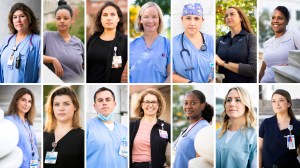
Love, death, fear, guilt, pride, hope, friendship, alienation, and so much sorrow. Through it all, they kept showing up.
Love, death, fear, guilt, pride, hope, friendship, alienation, and so much sorrow. Through it all, they kept showing up.
-
Science & Tech
Deploying AI against colon cancer
Harvard-led research signals life-saving potential for artificial intelligence in fight against colon cancer.
-
Science & Tech
Dan Barouch and the birth of the J&J COVID vaccine
Dan Barouch, Harvard Medical School professor and head of Beth Israel Deaconess’ Center for Virology and Vaccine Research, was awarded Harvard’s George Ledlie Prize for work that culminated in one of three vaccines against COVID-19 approved for use in the U.S.
-
Health
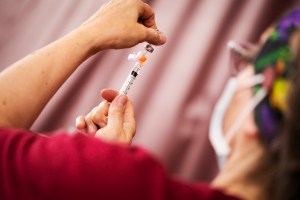
One shot at protection
The COVID-19 vaccine that requires just one shot has been shown to generate a robust immune responses against variants.
-
Health
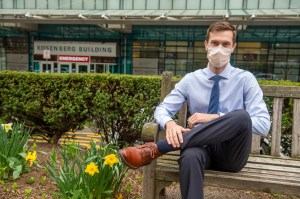
A pandemic that endures for COVID long-haulers
The health care system is seeing more “long COVID” patients, those whose often mild initial illness is followed up by months of severe, sometimes debilitating symptoms.
-
Health
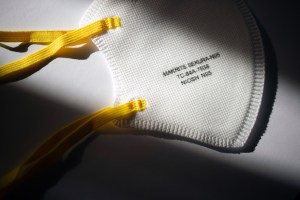
Upgrade your mask as more-transmissible COVID strain surges
With new coronavirus variants on the U.S. pandemic scene, experts say brace yourself for another surge — and mask up.
-
Health
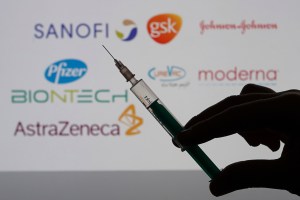
Newest vaccine emerges amid a ‘more complicated pandemic’
Harvard Medical School Professor Dan Barouch said the “complicated pandemic” means more work lies ahead.
-
Nation & World
What will the new post-pandemic normal look like?
The coronavirus pandemic is forcing changes big and small to the economy, to society, even to the trajectory of young lives. Harvard experts weigh in on some key areas.
-
Health
Nipping COVID in the bud
A new trial at Beth Israel Deaconess Medical Center is aiming to disrupt COVID-19’s attack early in its course by treating patients immediately after symptoms appear with a widely used antiviral drug that, if it works, could be rapidly repurposed to fight the coronavirus.
-
Health
‘Robust protection’
BIDMC-led research team reports vaccine protection against severe COVID-19-related pneumonia and death.
-
Health
Single-shot COVID-19 vaccine proves successful with primates
A single-shot COVID-19 vaccine is being developed by scientists led by a Beth Israel Deaconess Medical Center immunologist.
-
Campus & Community
Same old labs but not
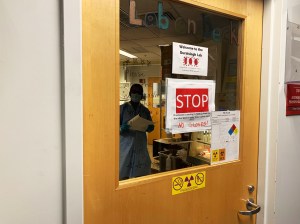
Across Harvard’s campuses, non-COVID-19 work is resuming, labs are reopening, and scientists are settling into life in the “new normal.”
-
Health
Stroke, heart-attack cases plummet during pandemic
A Beth Israel Deaconess Medical Center study showed dramatic drops in hospital visits for heart attacks and stroke, which likely led to uncounted deaths at home during the COVID crisis. Perhaps more troubling is the potential for long-term damage to decades’ work to catch conditions in their earliest, most treatable stages.

-
Health
Volunteers juice COVID testing at Beth Israel
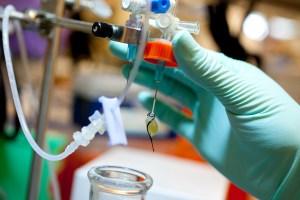
An outpouring of volunteers and equipment from the Harvard medical community have helped a Harvard hospital testing lab meet COVID’s challenge.
-
Health
Global race to a COVID-19 vaccine
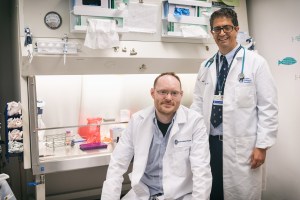
Team at Harvard plans to launch a clinical trial for a potential COVID-19 vaccine in the fall.
-
Health
From the lab to COVID front lines
Aldatu Biosciences, a company born in Harvard’s labs and nurtured in its entrepreneurial ecosystem, helps the region ramp up COVID-19 testing.

-
Health
A ‘call to duty’ to battle a deadly global threat
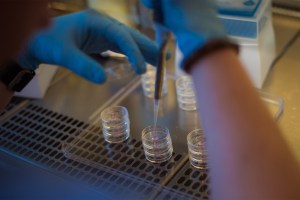
Boston-area researchers are collaborating as part of an international partnership working on a response to the new coronavirus.
-
Health
What we know and don’t know about pot
With legal marijuana easier to find, a Harvard professor addresses myths and progress finding answers about pot’s health impacts.

-
Health
Fewer Americans are getting primary care
A national analysis revealed an alarming decline in primary care use, which is associated with better health outcomes than episodic, inconsistent care. The decline was most pronounced among younger Americans and those without complex medical conditions.