Featured series

Nation & World
-
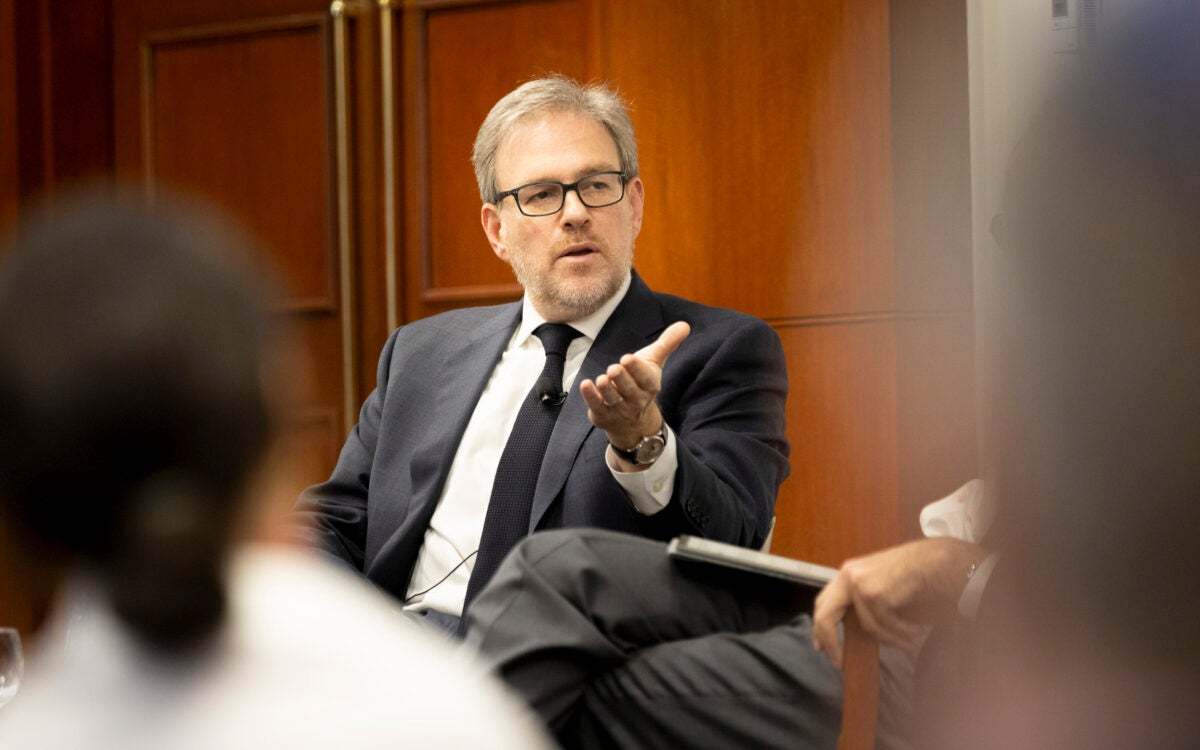
Cease-fire will fail as long as Hamas exists, journalist says
Times opinion writer Bret Stephens also weighs in on campus unrest in final Middle East Dialogues event
Part of the Israel-Gaza conflict series -
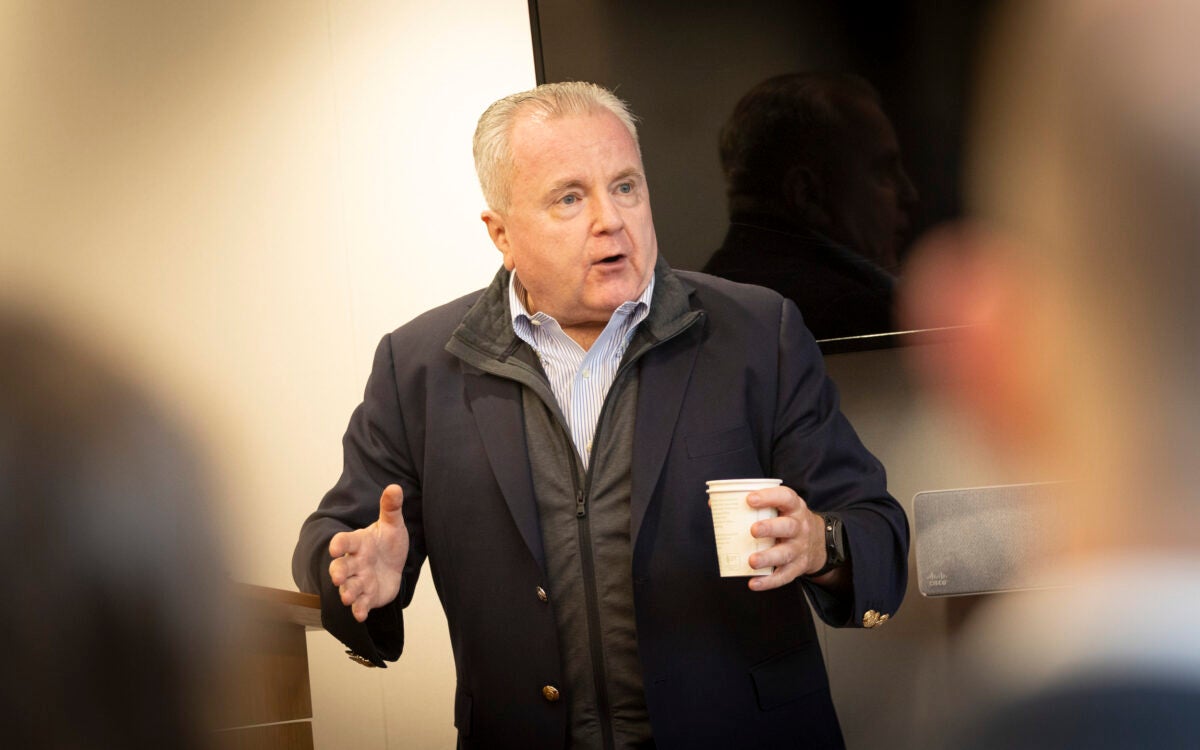
Imagining a different Russia
Former ambassador sees two tragedies: Ukraine war and the damage Putin has inflicted on his own country
-
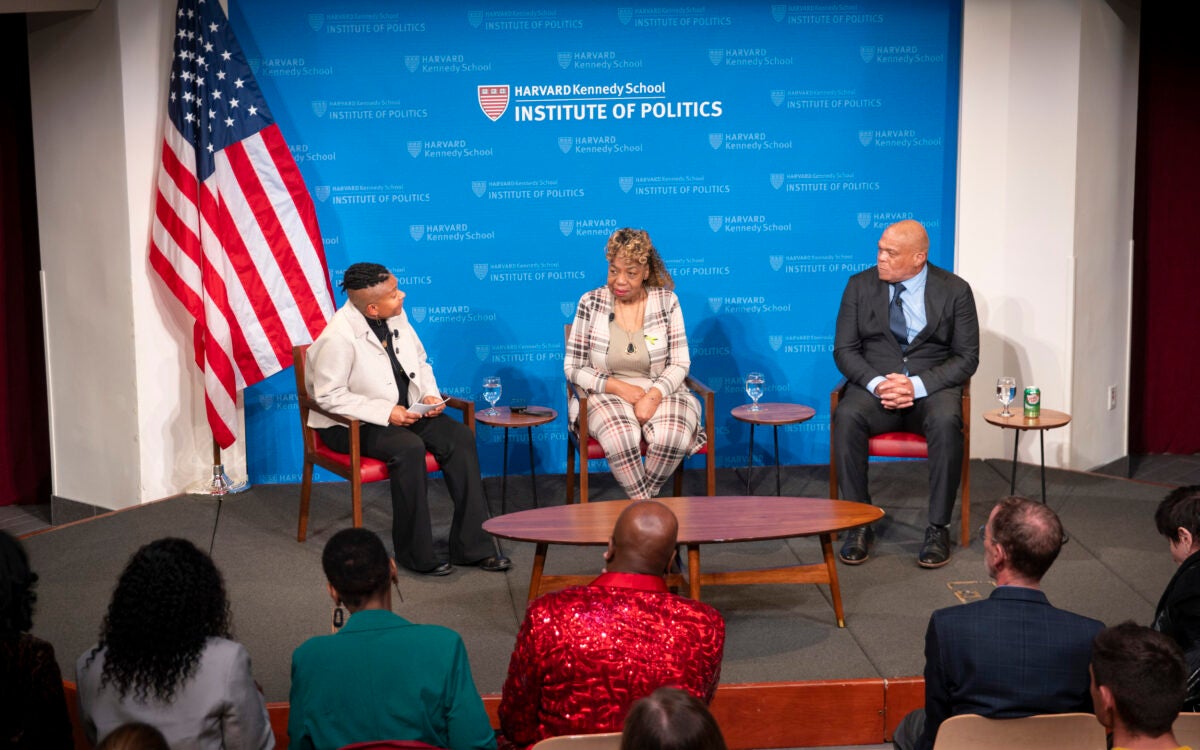
Remember Eric Garner? George Floyd?
Mother, uncle of two whose deaths at hands of police officers ignited movement talk about turning pain into activism, keeping hope alive
-
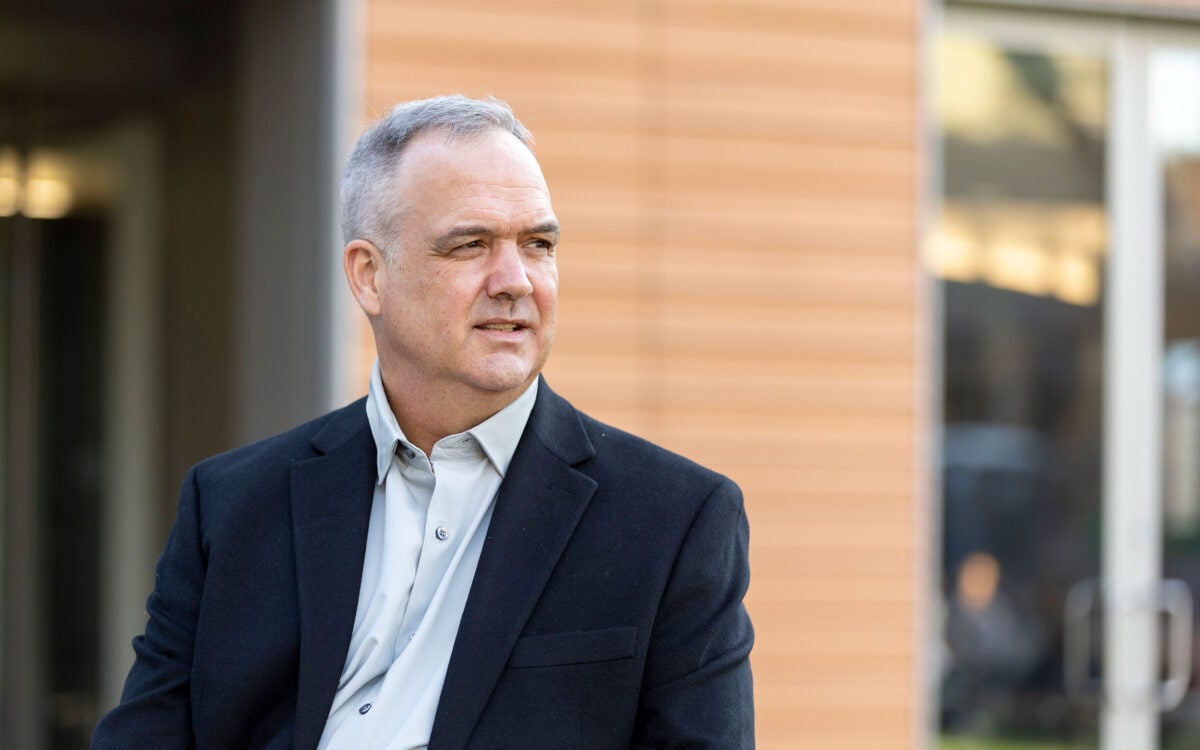
Lawyers reap big profits lobbying government regulators under the radar
Study exposes how banks sway policy from shadows, by targeting bureaucrats instead of politicians
Part of the Findings series -
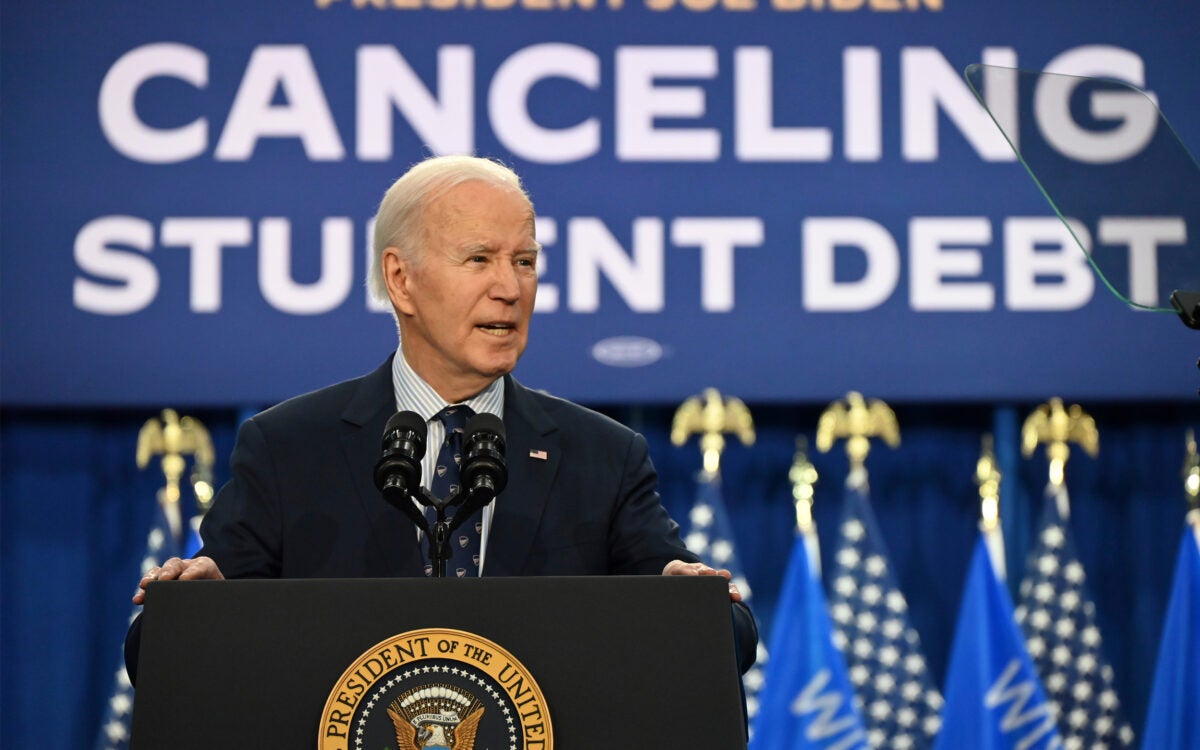
Younger votes still lean toward Biden — but it’s complicated
New IOP poll shows they still plan to show up to vote but are subject to ‘seismic mood swings’ over specific issues
-
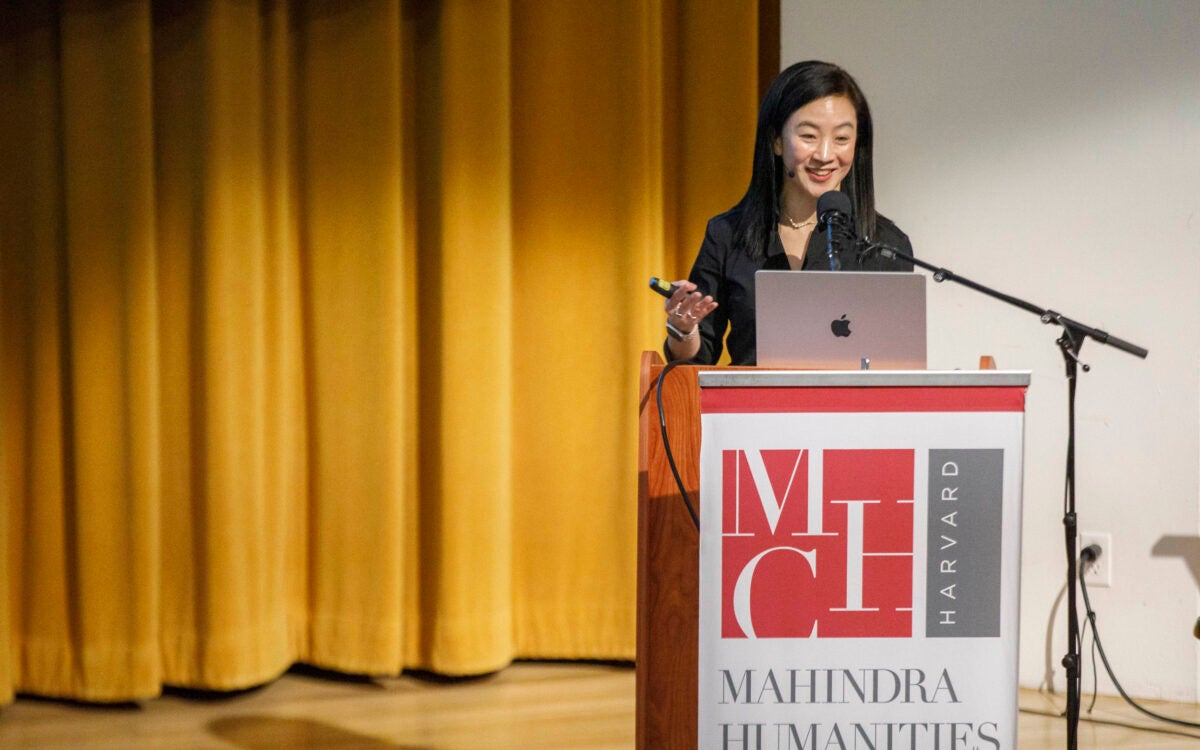
Posting your opinion on social media won’t save democracy, but this might
Tanner Lectures explore models of engaged citizenry from ancient agoras to modern megachurches
-
Environmental law expert voices warning over Supreme Court
Richard Lazarus sees conservative majority as threat to protections developed over past half century

-
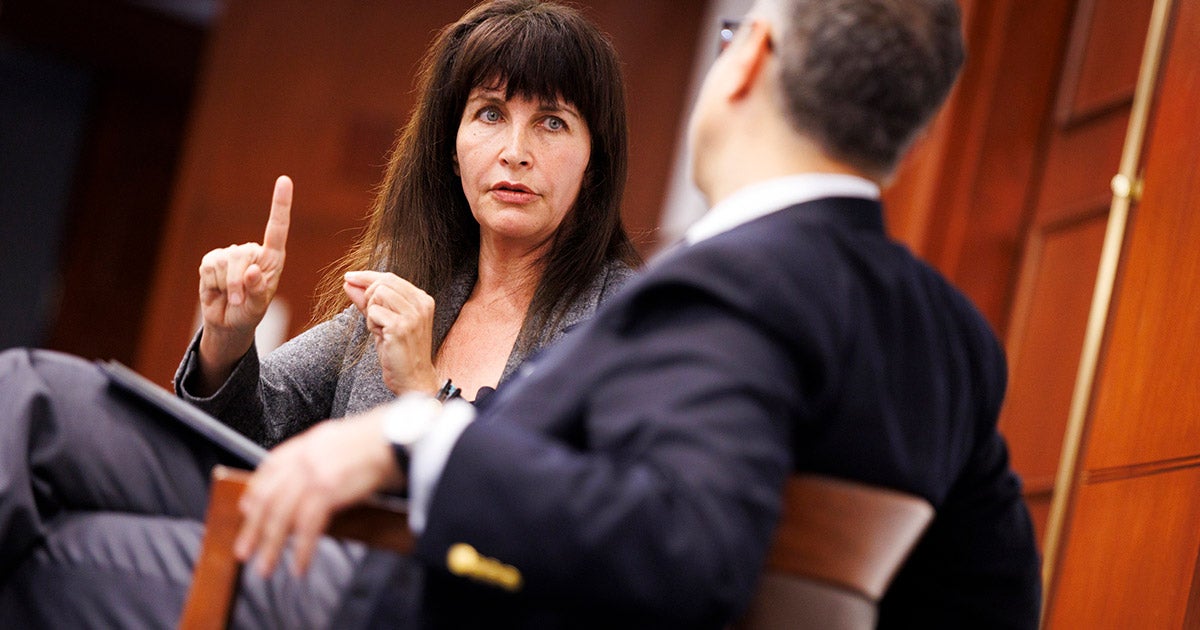
Gaza cease-fire alone won’t repair larger enduring rift, political scientist says
Einat Wilf, who is also former Knesset member, says shift needed in Palestinian ideology on legitimacy of Israel
-
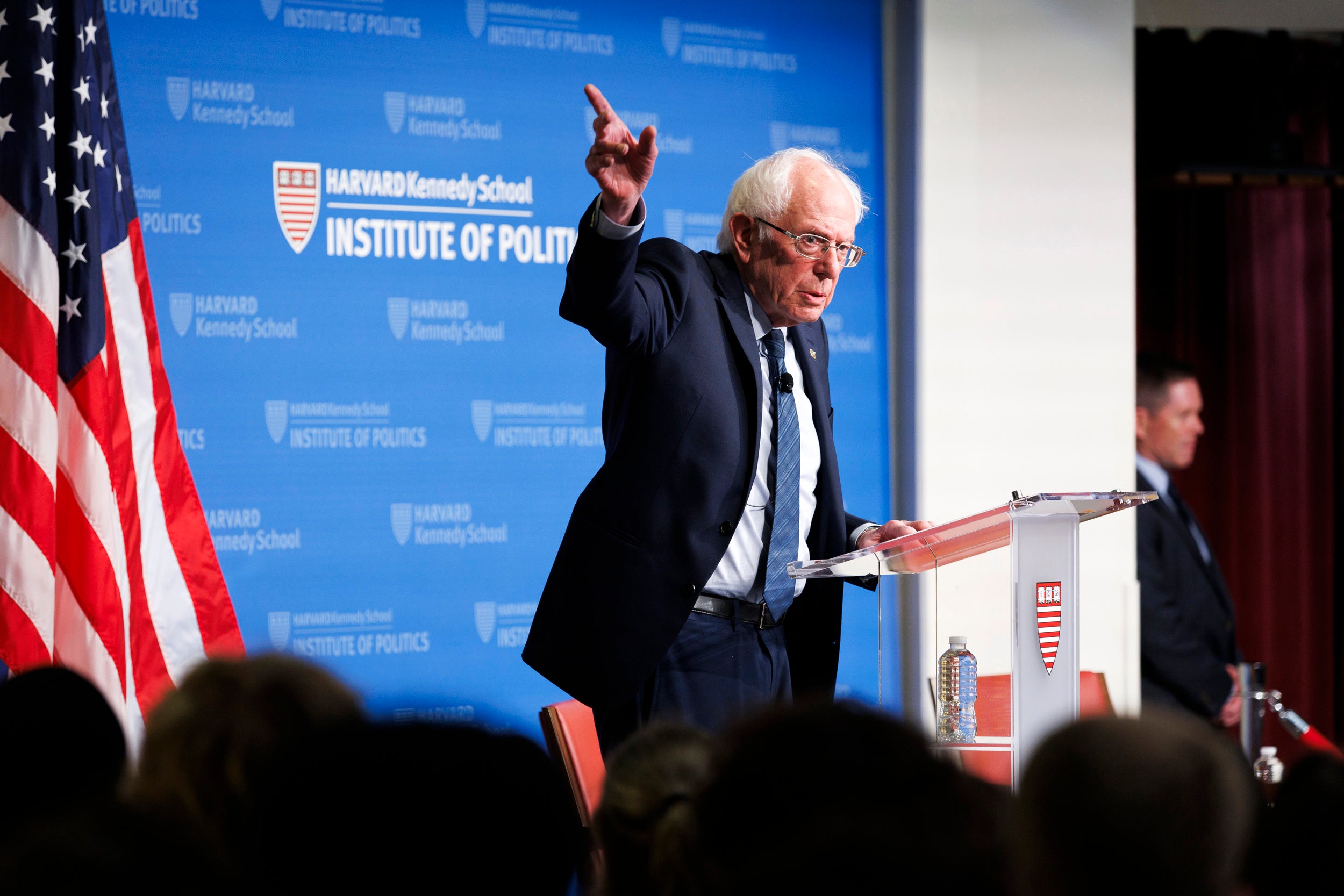
Bernie Sanders sees red lights flashing for election
Vermont senator warns of growing income, wealth, and political inequality
-
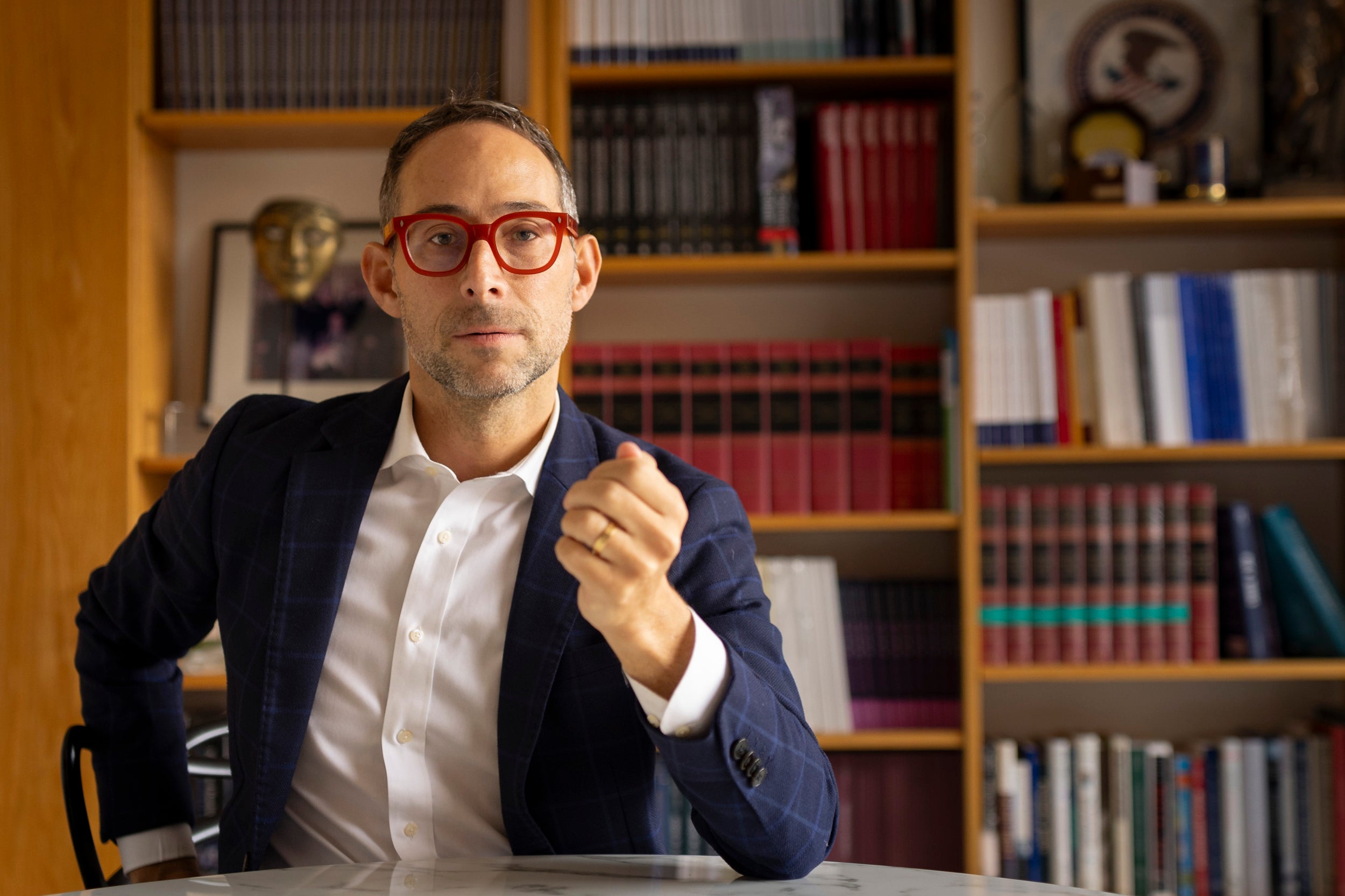
Up next for Supreme Court on abortion: Idaho
Justices to hear case on near-complete ban amid shifting legal landscape after overturn of Roe
-
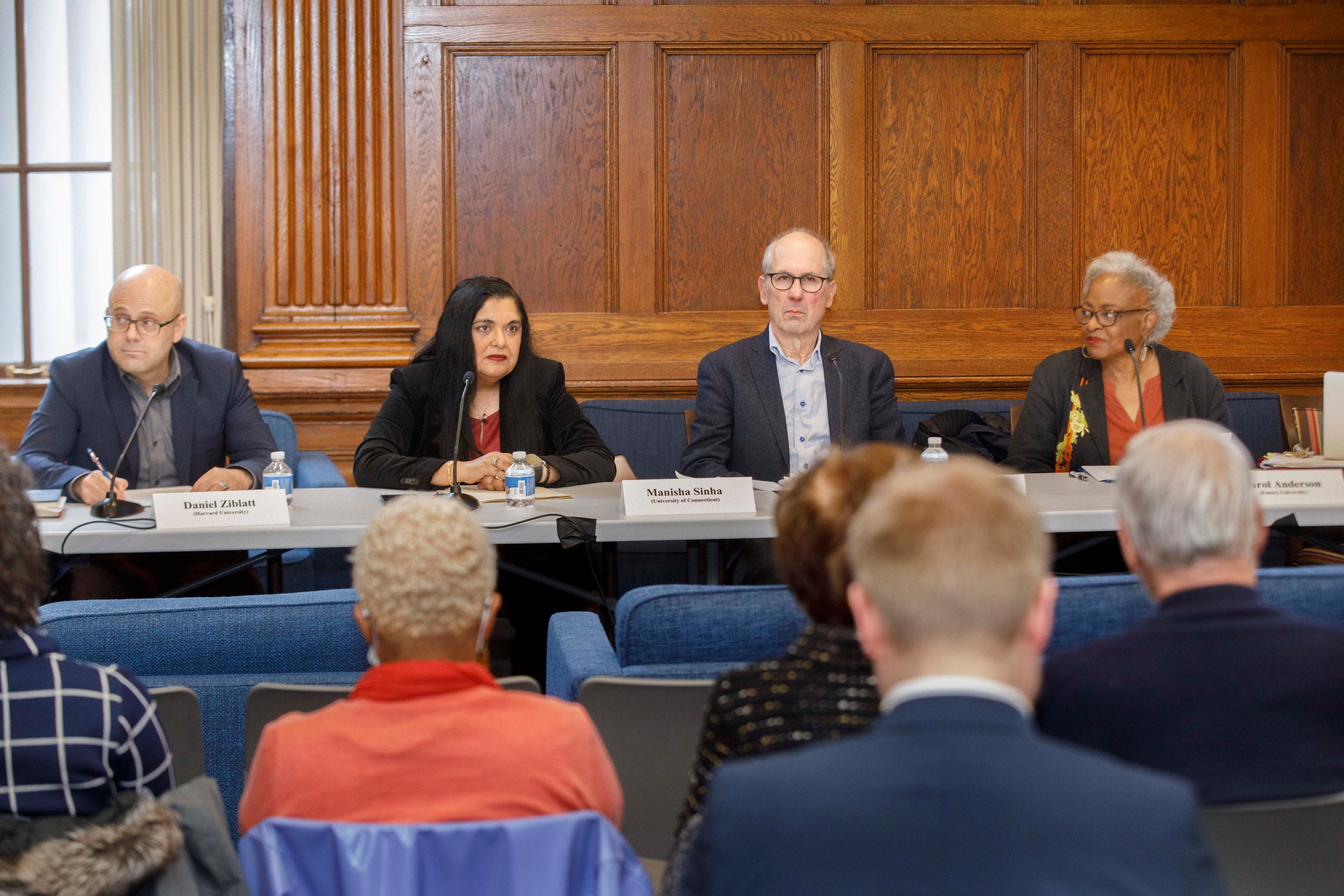
Historian sees a warning for today in post-Civil War U.S.
Past is present at Warren Center symposium featuring scholars from Harvard, Emory, UConn, and University of Cambridge
-
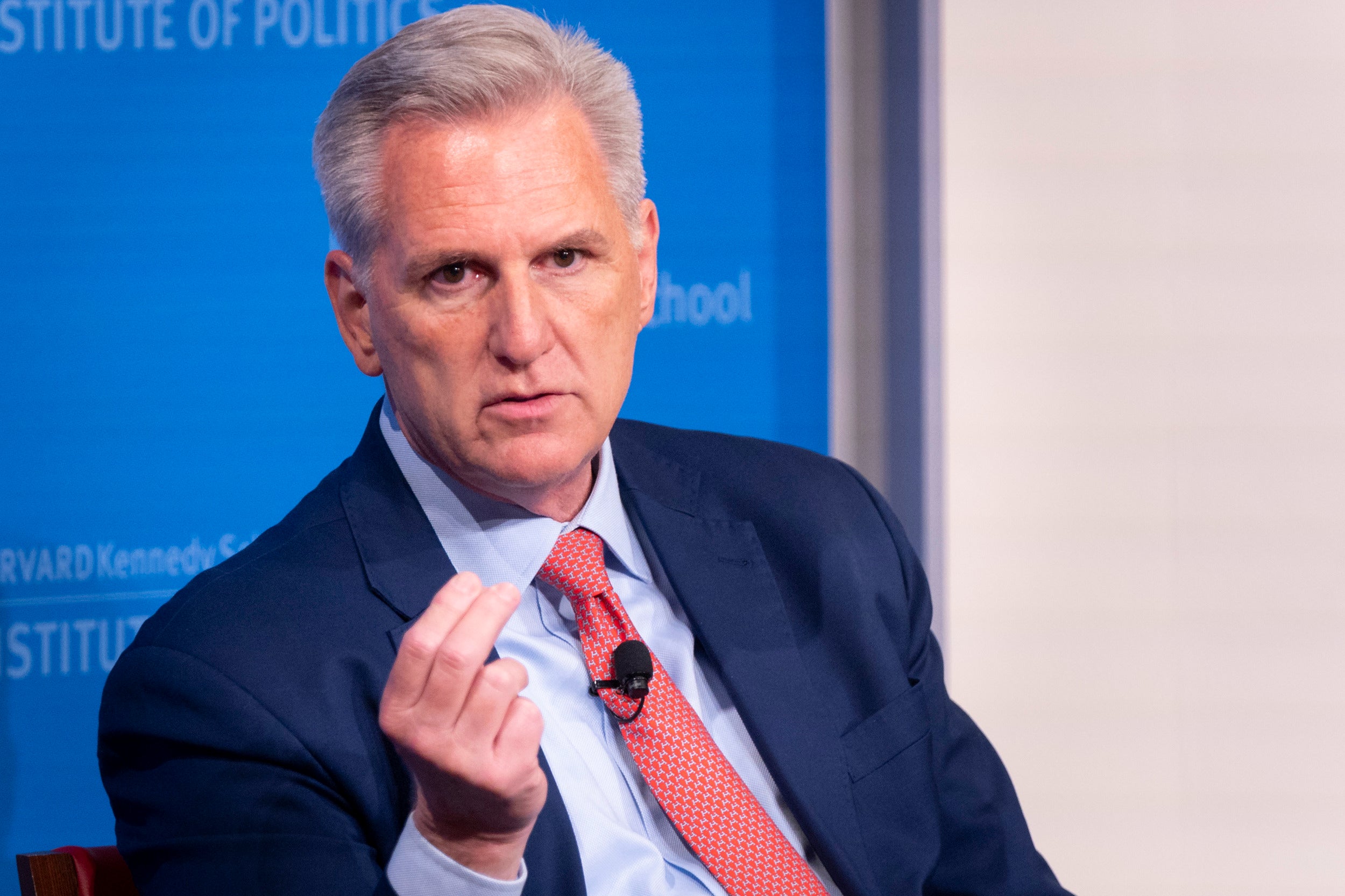
McCarthy says immigration, abortion, economy to top election issues
Former House speaker also says Trump would likely win if election were held today in wide-ranging talk
-
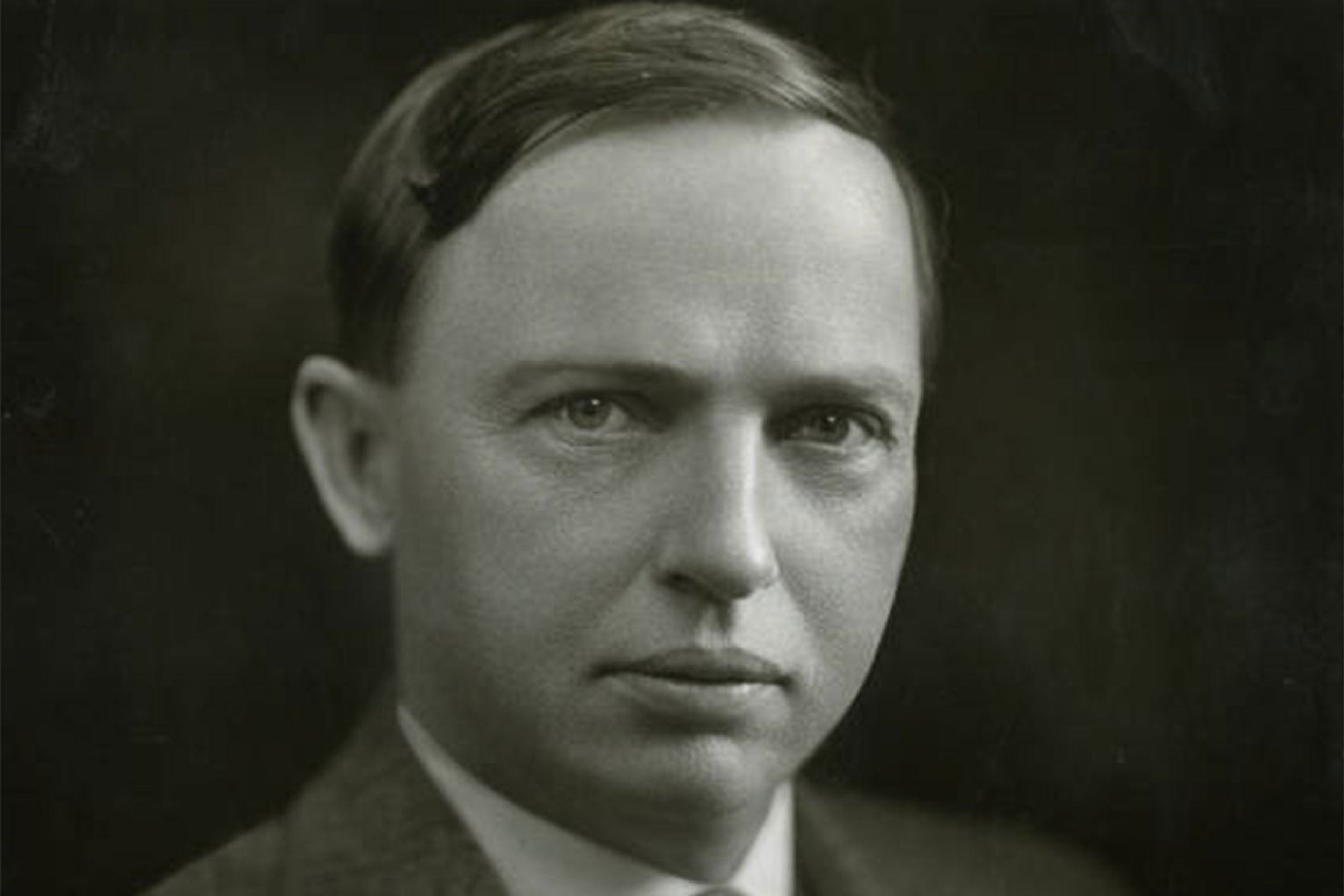
Harvard stargazer whose humanity still burns bright
Seminar foregrounds Harlow Shapley, who helped scholars escape Nazi rule
-
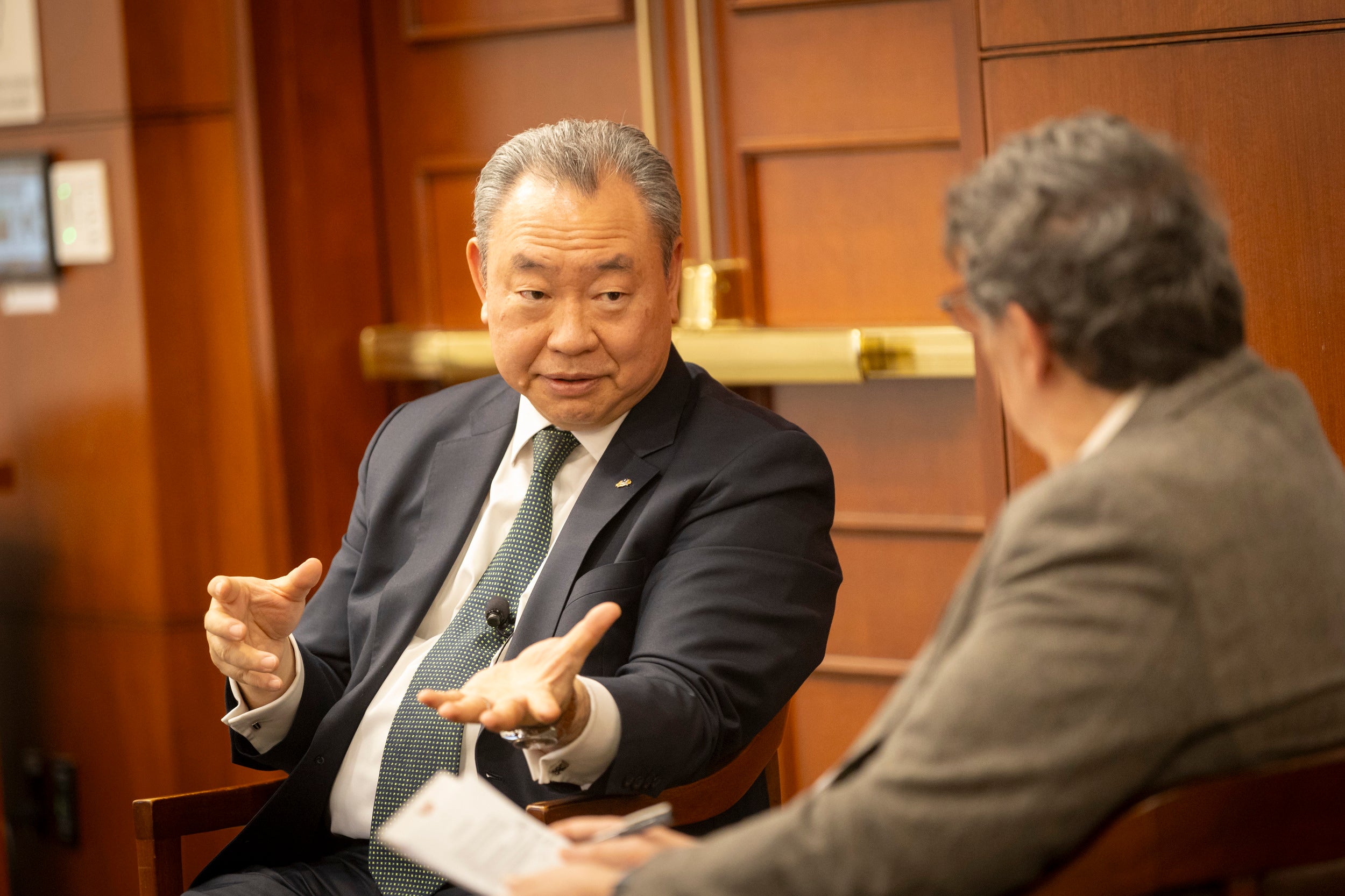
Taiwan sees warning signs in weakening congressional support for Ukraine
Ambassador says if Russia is allowed to take over sovereign nation, China may try to do same
-
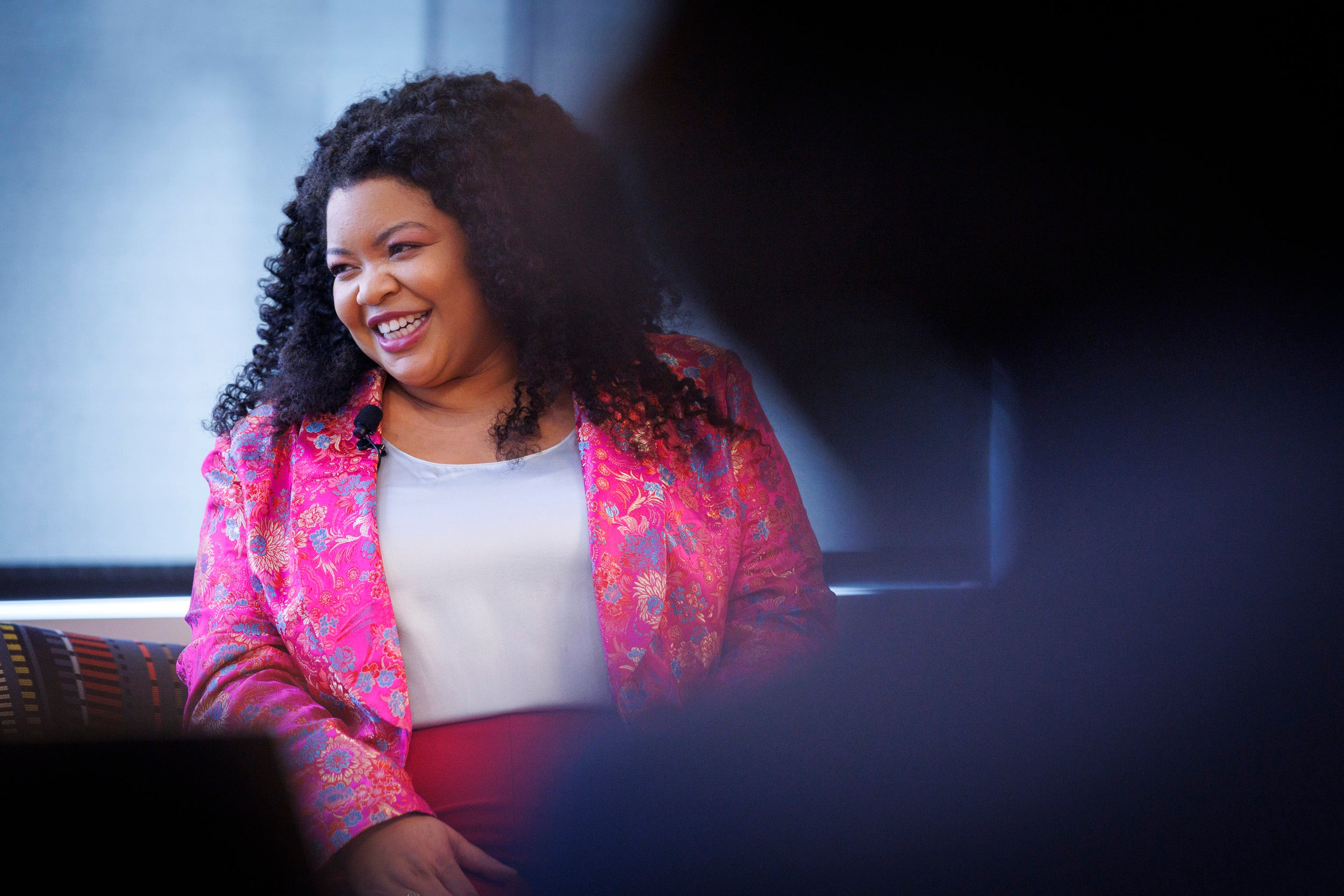
How dating sites automate racism
Sociologist’s new book finds algorithms that suggest partners often reflect stereotypes, biases
-
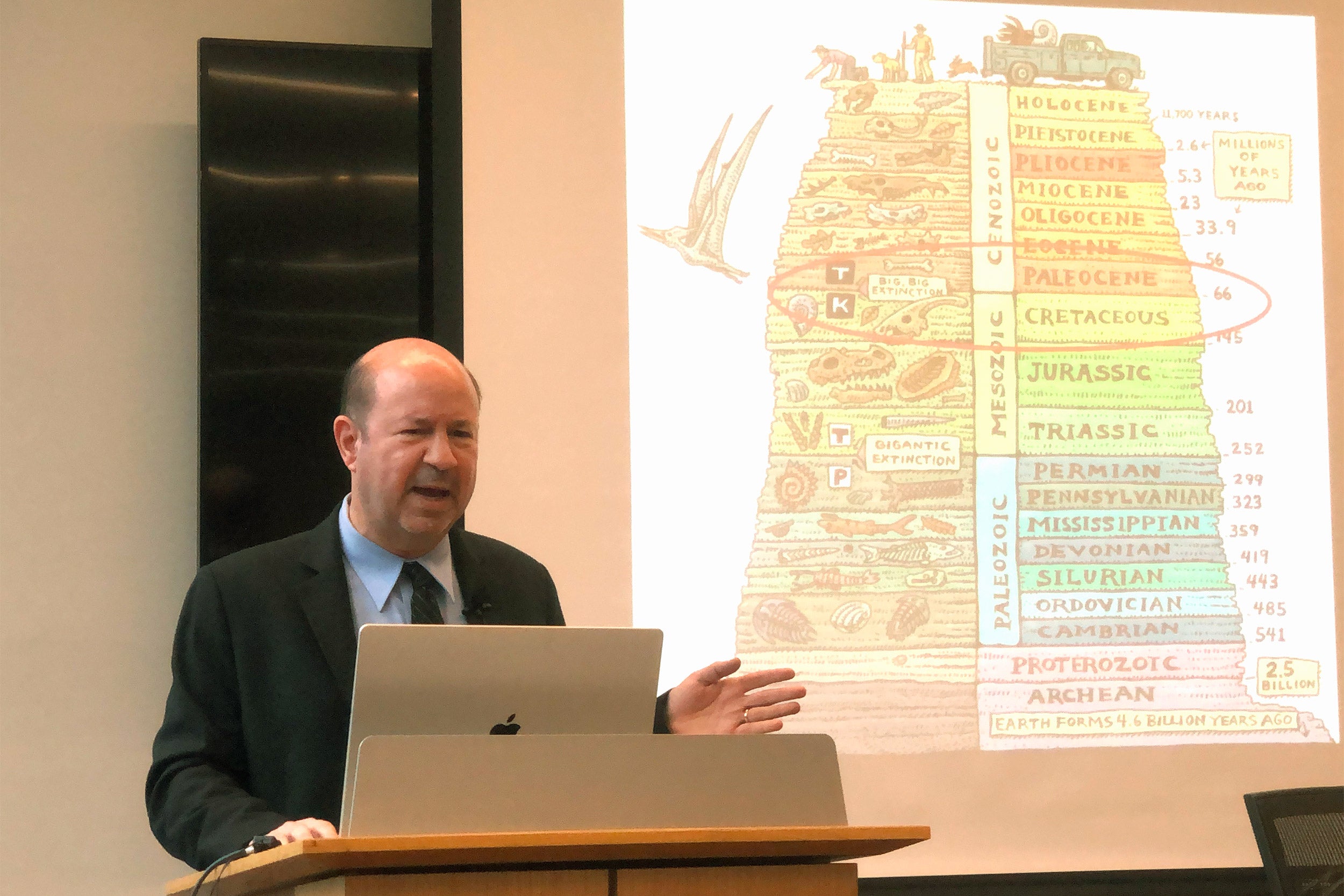
Forget ‘doomers.’ Warming can be stopped, top climate scientist says
Michael Mann points to prehistoric catastrophes, modern environmental victories
-
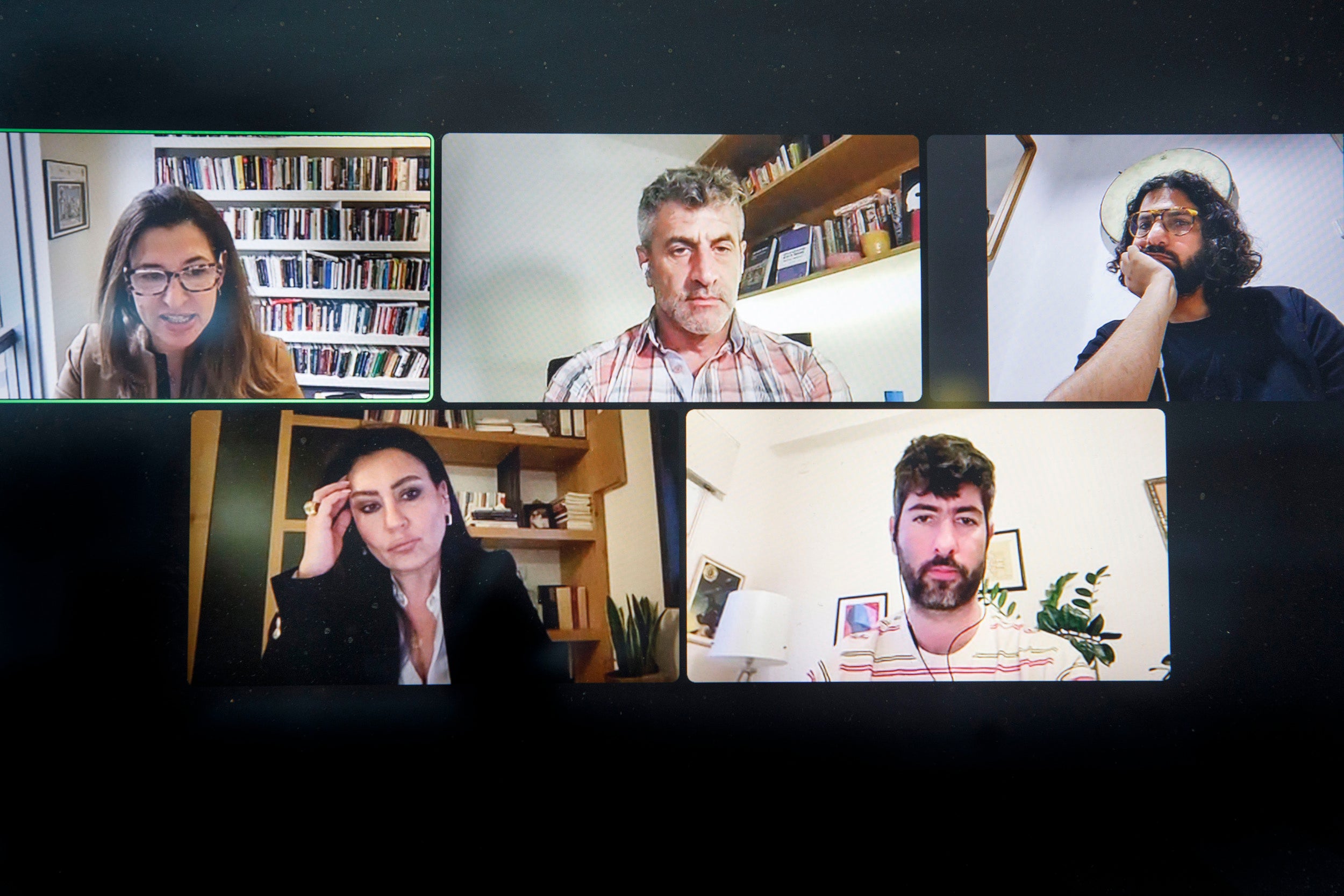
Finding middle way out of Gaza war
Educators, activists explore peacebuilding based on shared desires for ‘freedom and equality and independence’ at Weatherhead panel
-
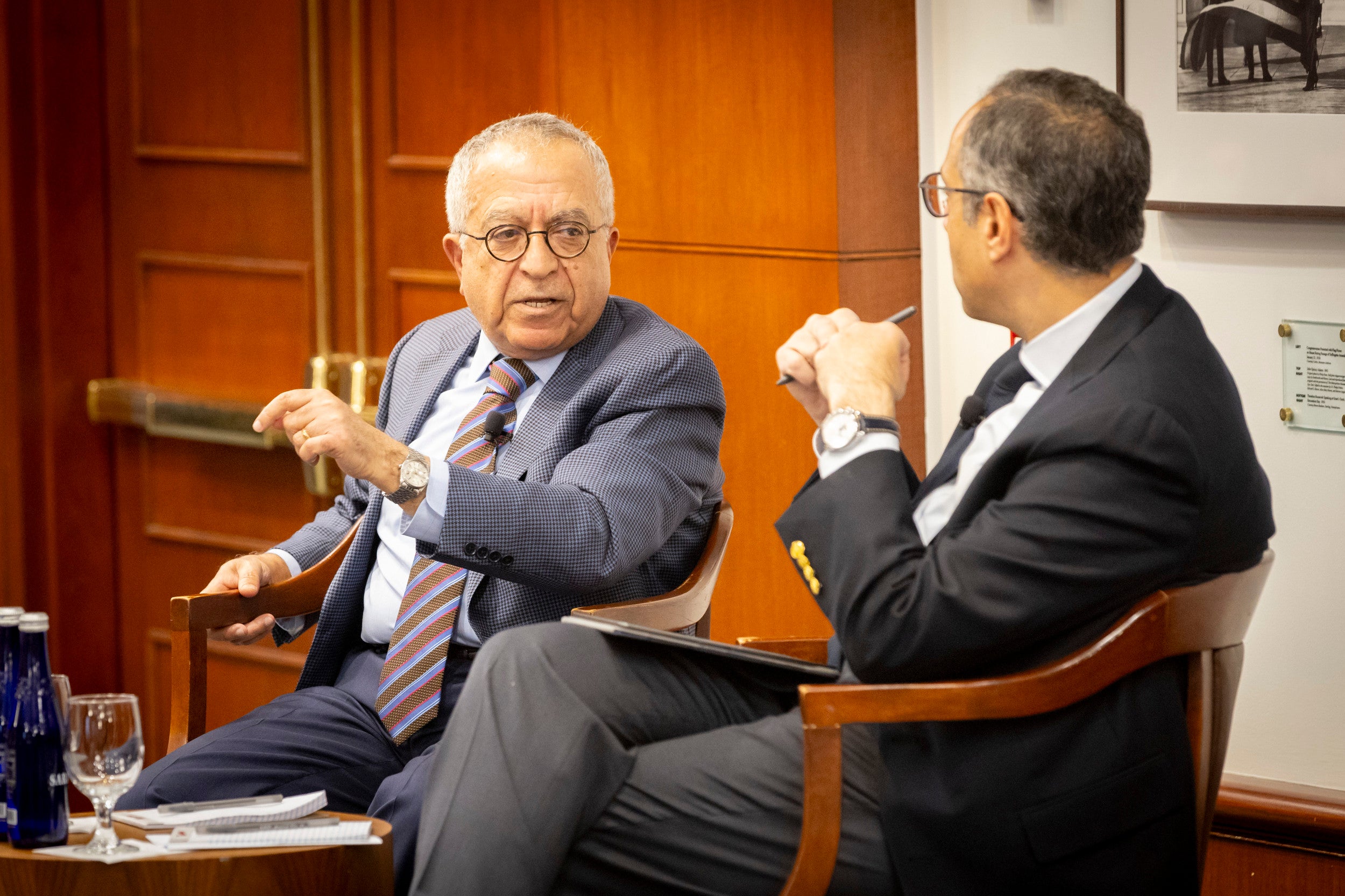
Roadmap to Gaza peace may run through Oslo
Former Palestinian Authority prime minister says strengthening execution of 1993 accords could lead to two-state solution
-
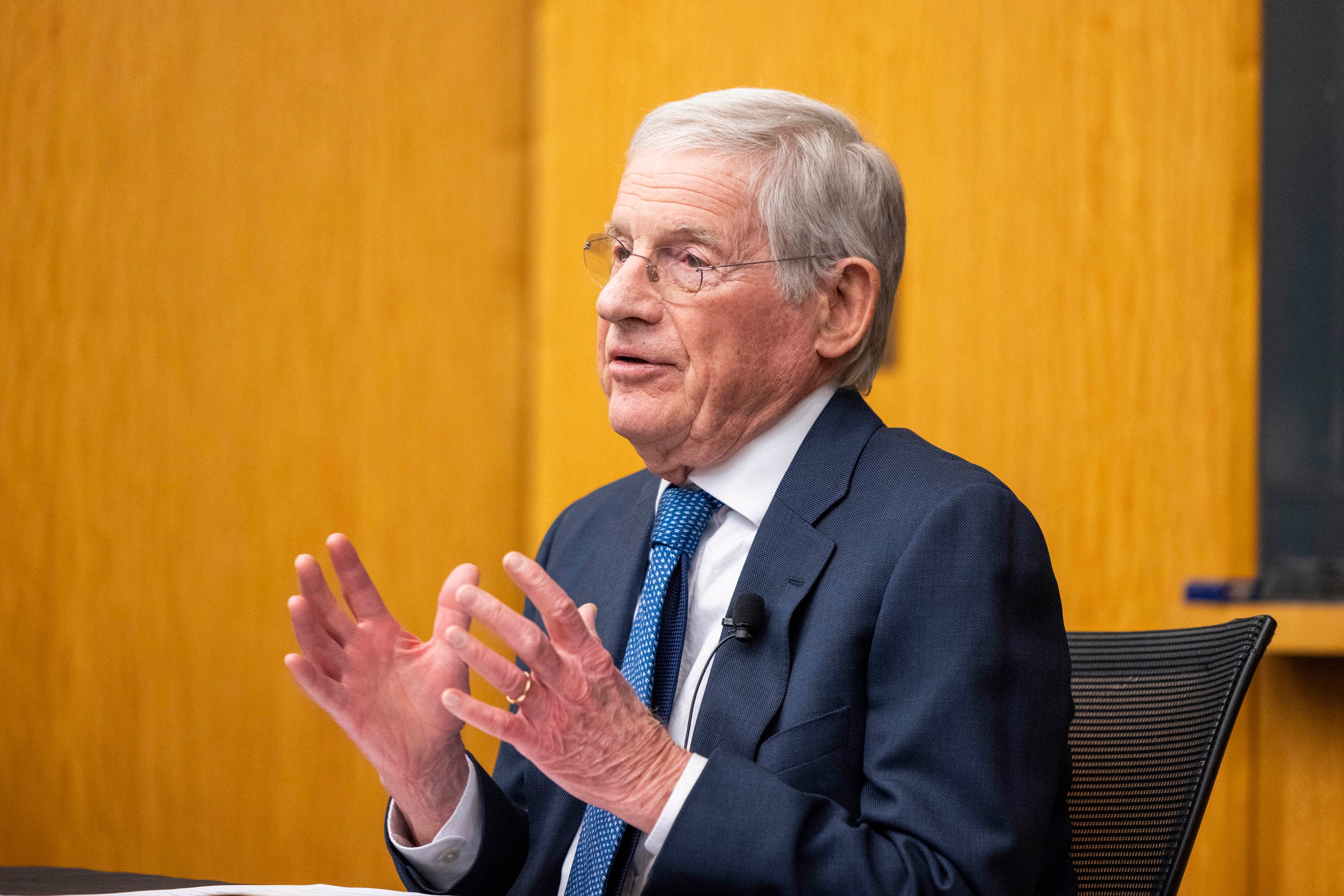
Why Democrats, Republicans, who appear at war these days, really need each other
Political philosopher Harvey C. Mansfield says it all goes back to Aristotle, balance of competing ideas about common good
-
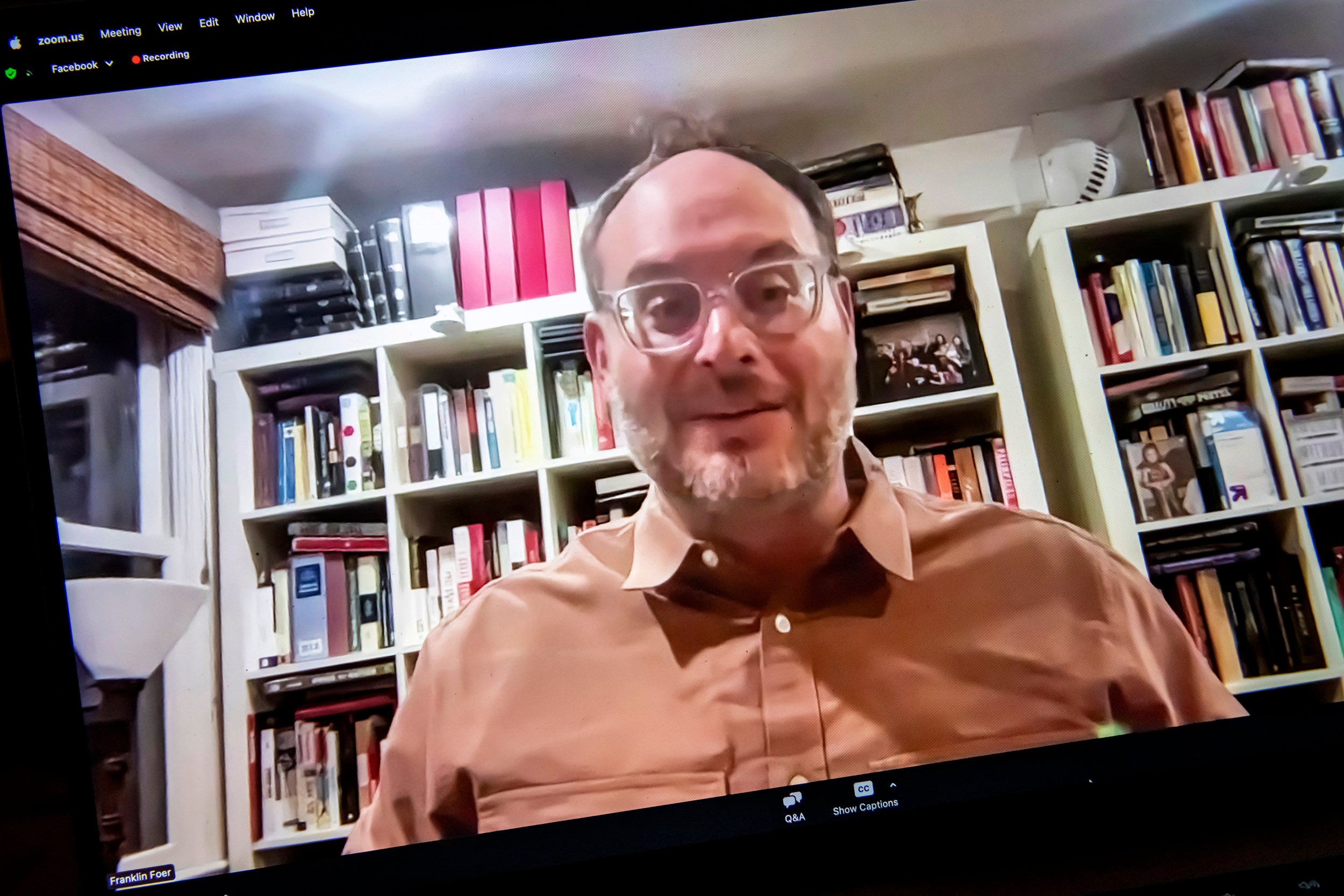
Decline of golden age for American Jews
Franklin Foer recounts receding antisemitism of past 100 years, recent signs of resurgence of hate, historical pattern of scapegoating
-
Election theft 101: Foster skepticism
Two legal scholars, stunned by Jan. 6 insurrection, game out half-dozen possible schemes that exploit, spotlight flaws in system
-
Speaking to the moment
Tarek Masoud, organizer of Middle East Dialogues, wanted to show that Harvard could confront the tensions around Israel-Gaza without vitriol or shouting. So far, it’s worked.
-
Palestinian scholar pressed on views of Hamas, Oct. 7 attack
Conversation with Kennedy School’s Masoud reflects wider tensions
-
Ex-Sanders aide calls for U.S. to take harder line with Israel
Sustained assault ‘indefensible,’ Duss says. Kennedy School’s Masoud disputes arguments on governance of Gaza, history of conflict.
-
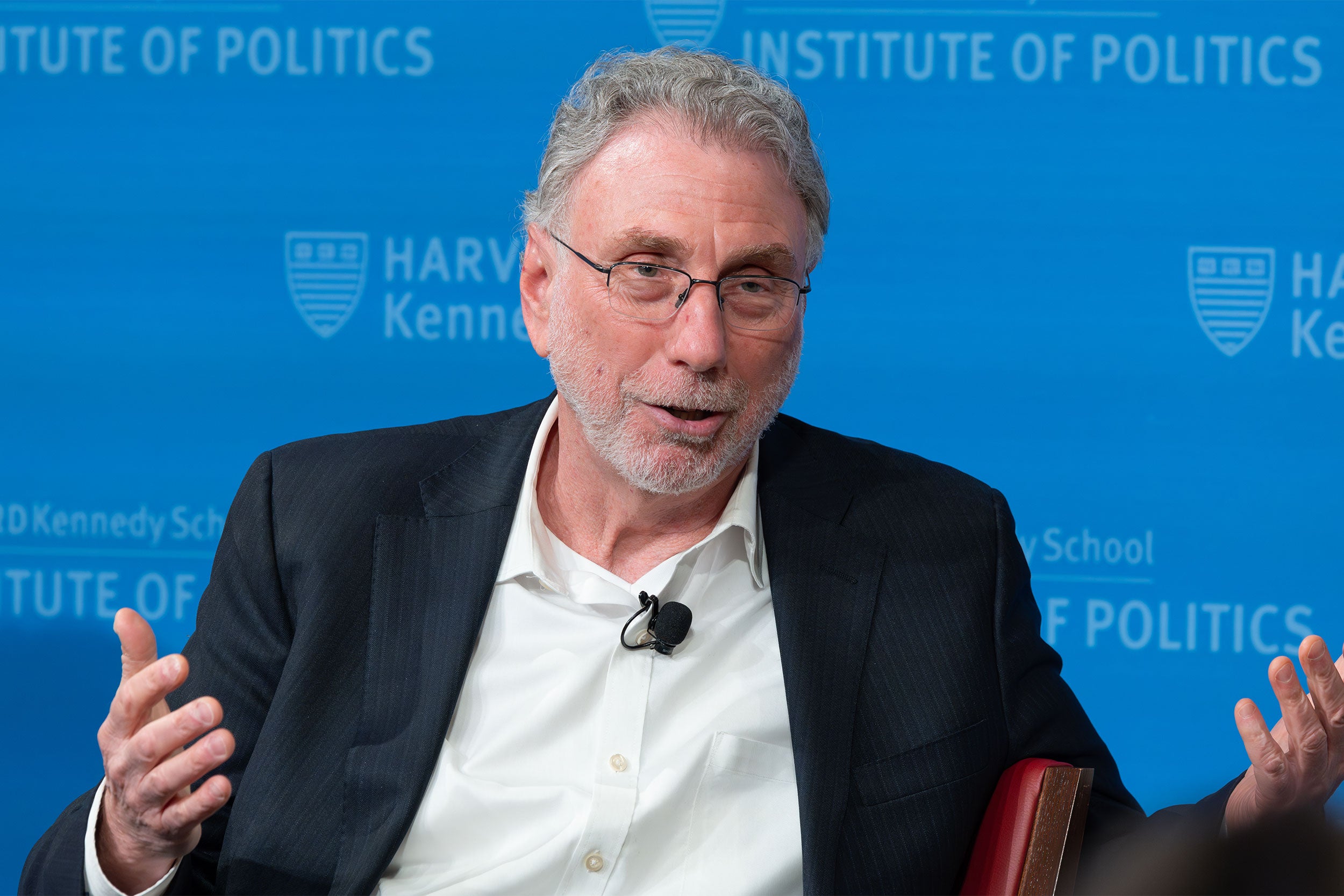
Warning for journalists: You’re more ignorant than you realize
Marty Baron favors digging for truth over ‘moral clarity’
-
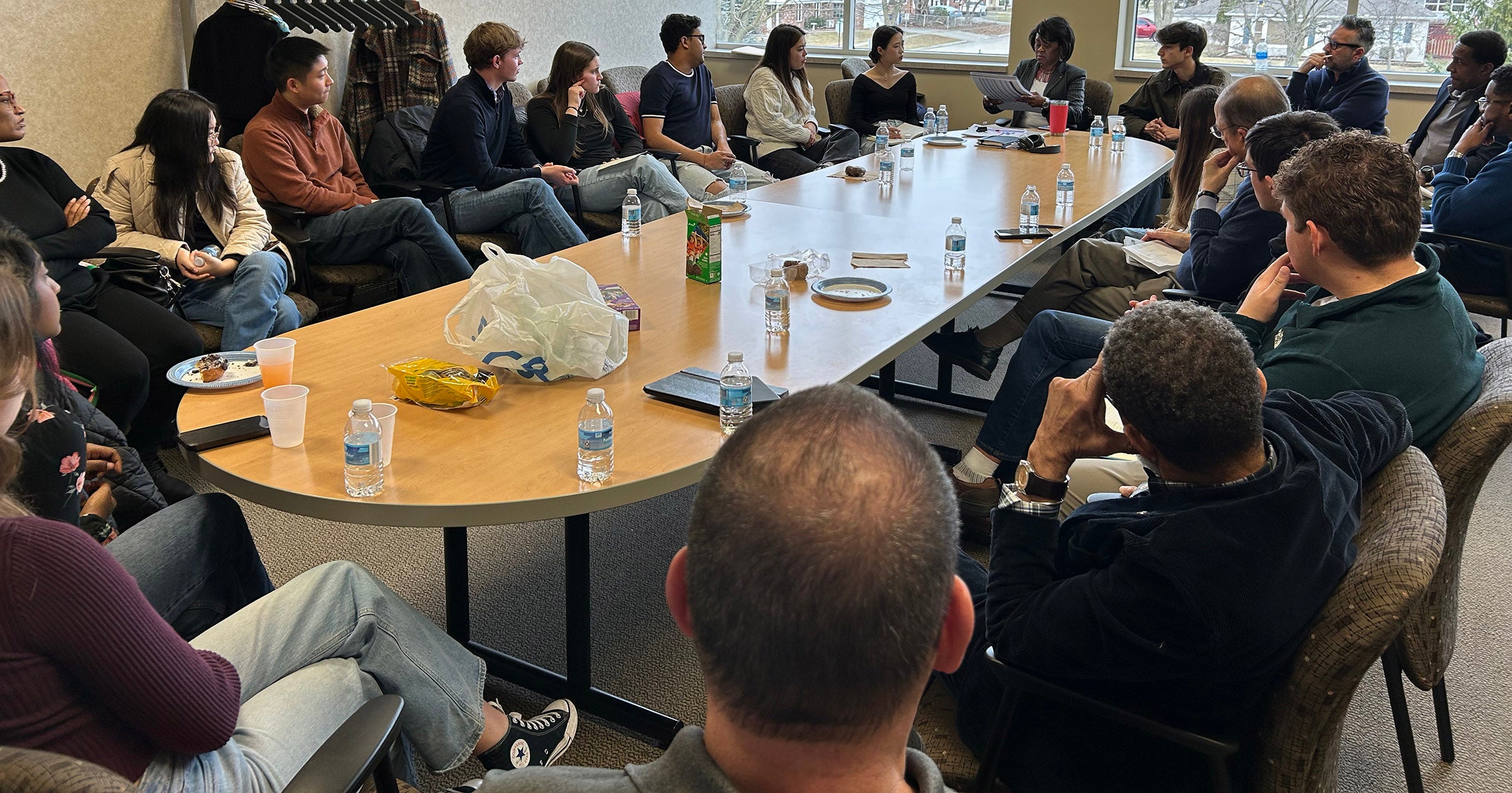
Top issues for young voters? Stories from a swing state.
Harvard student pollsters talk to peers in Michigan about money, mental health, and other worries
-
Why are we so divided? Zero-sum thinking is part of it.
Researchers examine who embraces mindset that one’s gain is another’s loss, and how that affects our politics — in sometimes surprising ways

-
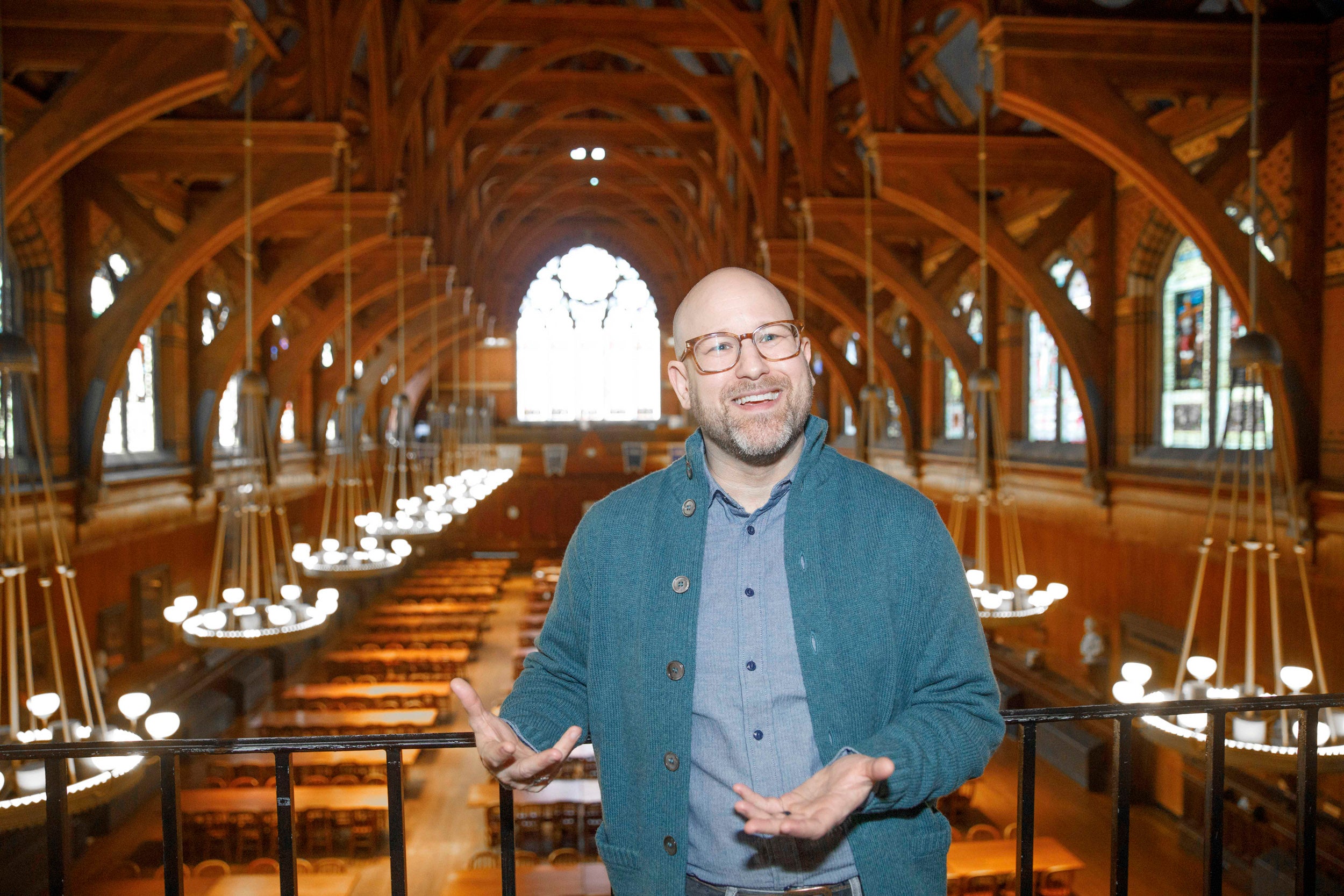
It may be neither higher nor intelligence
Religious scholars examine value, limits of AI
-
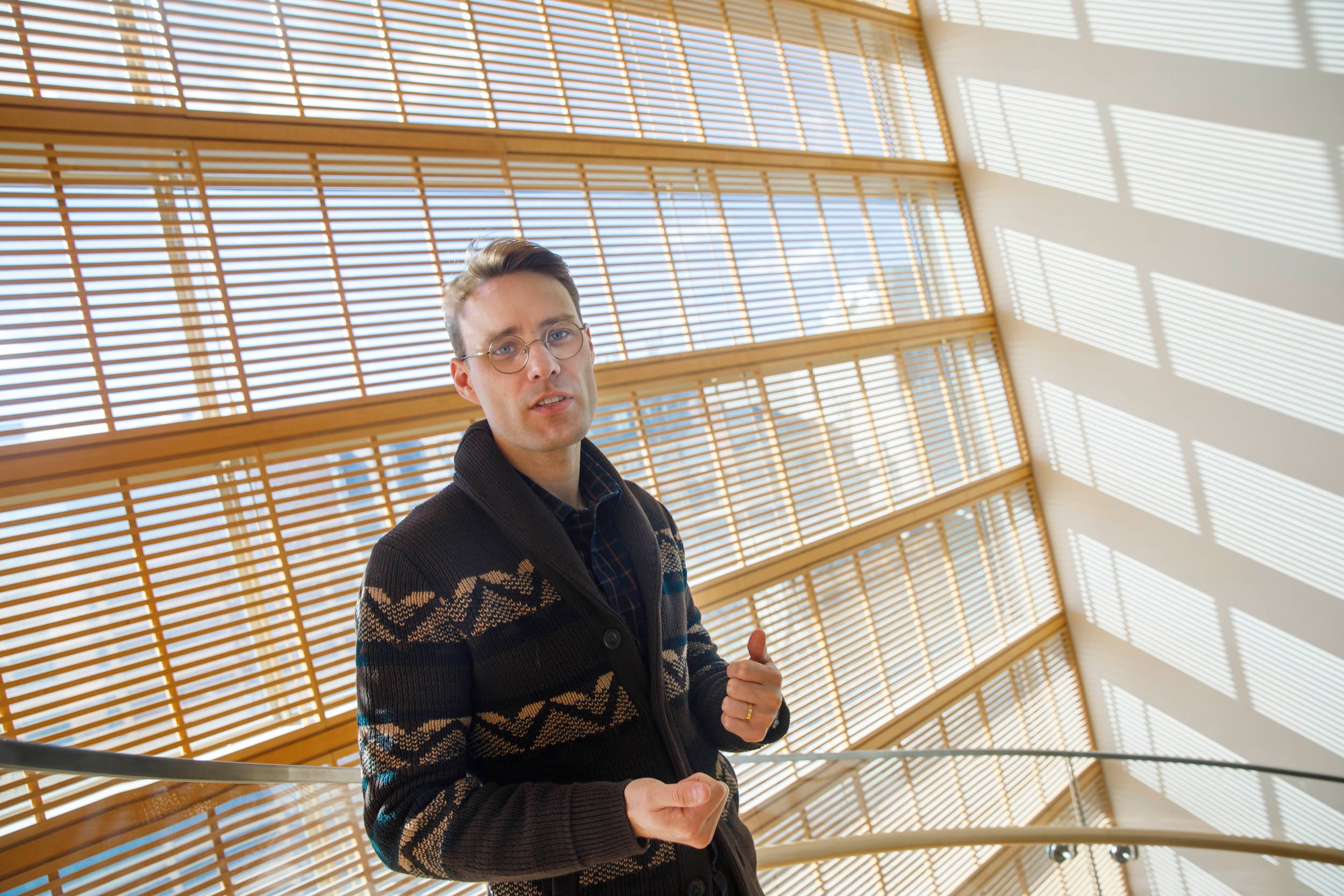
Bolsonaro, Trump election cases share similarities, but not rulings
Former Brazilian judge, legal scholar says deciding who can be blocked from running is perilous, fraught
-
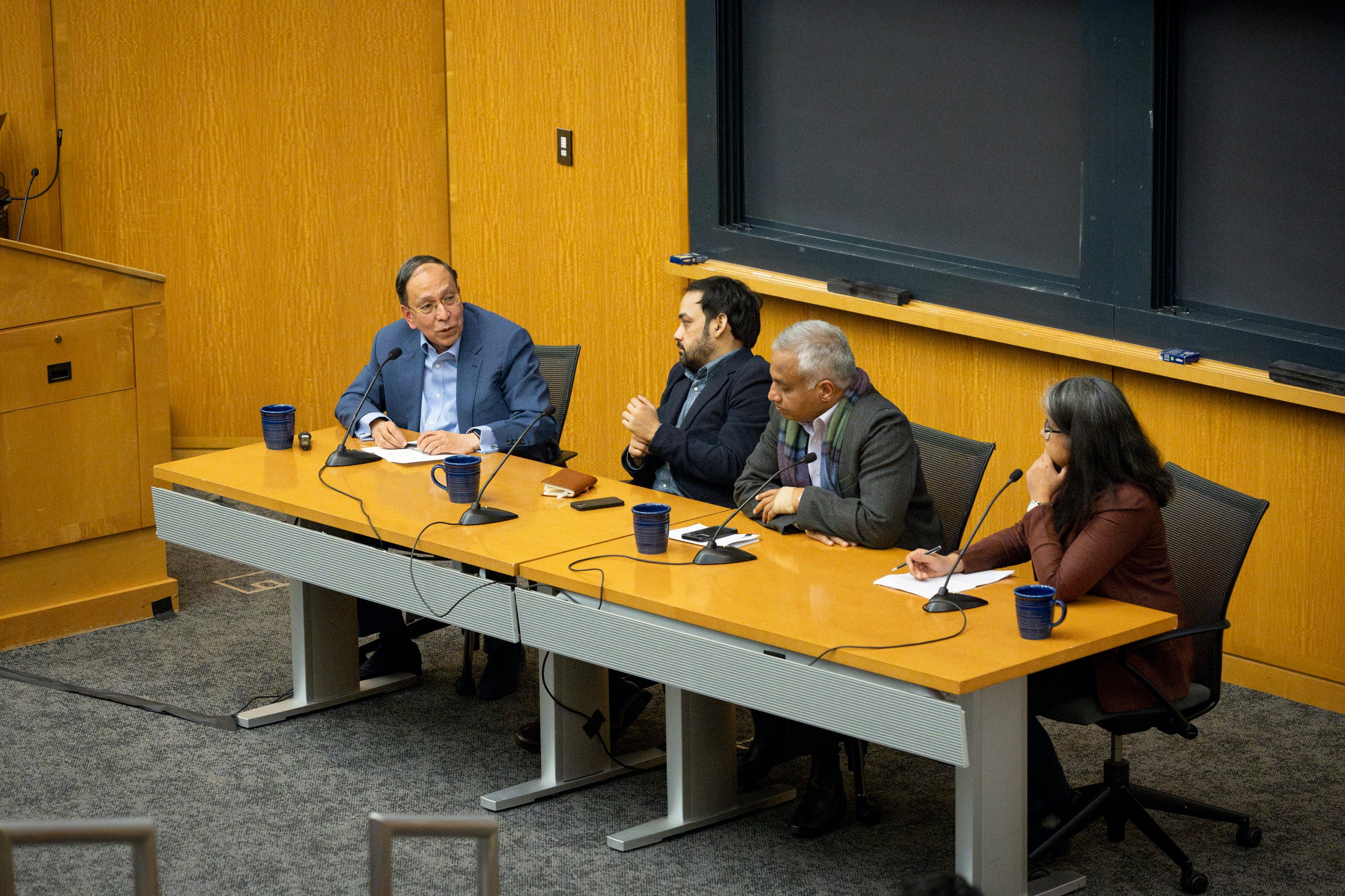
Dark concerns over upcoming vote in world’s largest democracy
Social scientists discuss controversial Indian prime minister Modi, rise of right-wing populism, erosion of political journalism
-
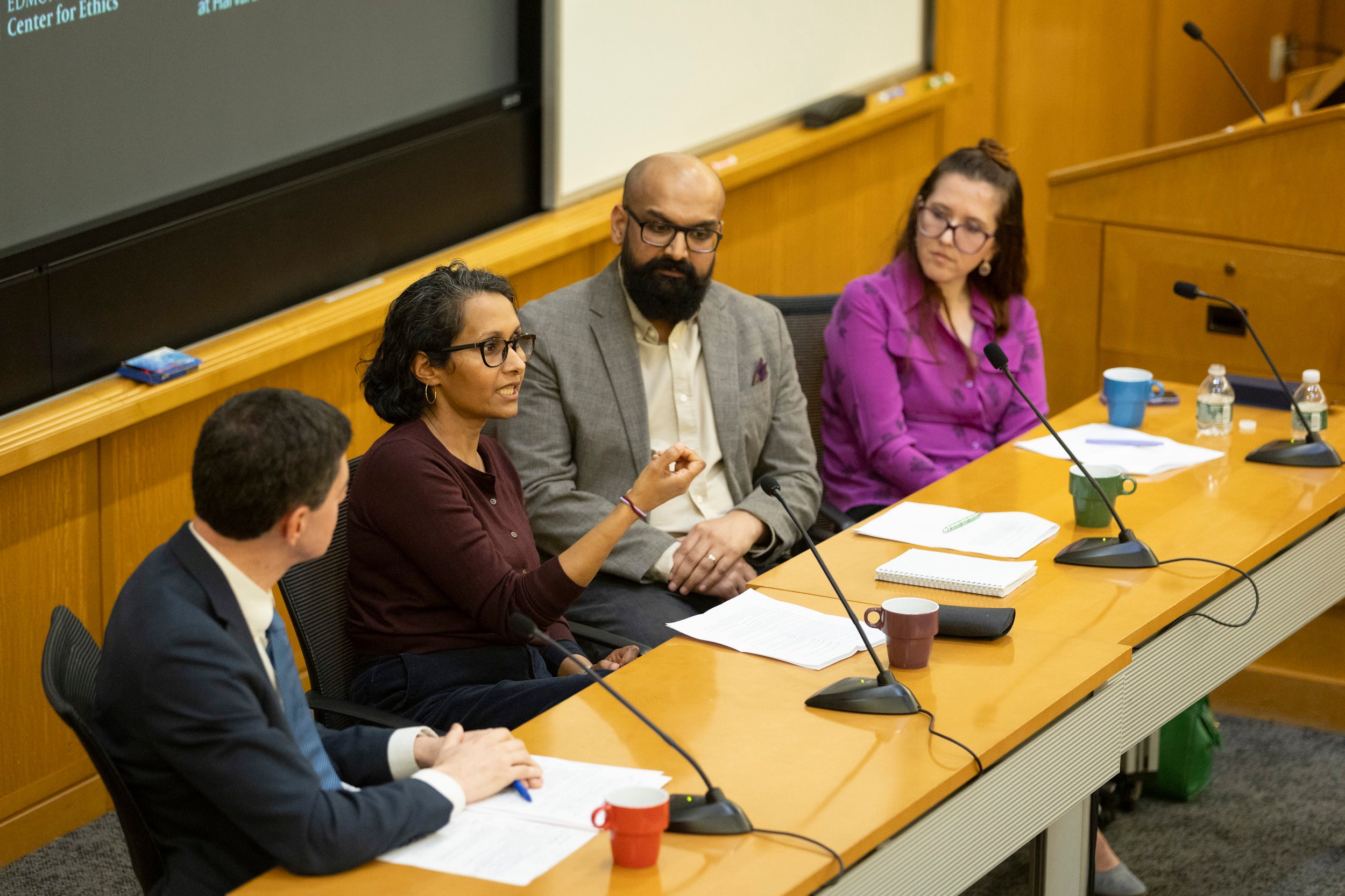
What’s next for Sri Lanka?
Scholars take measure of divided nation after students push for broader conversation
-
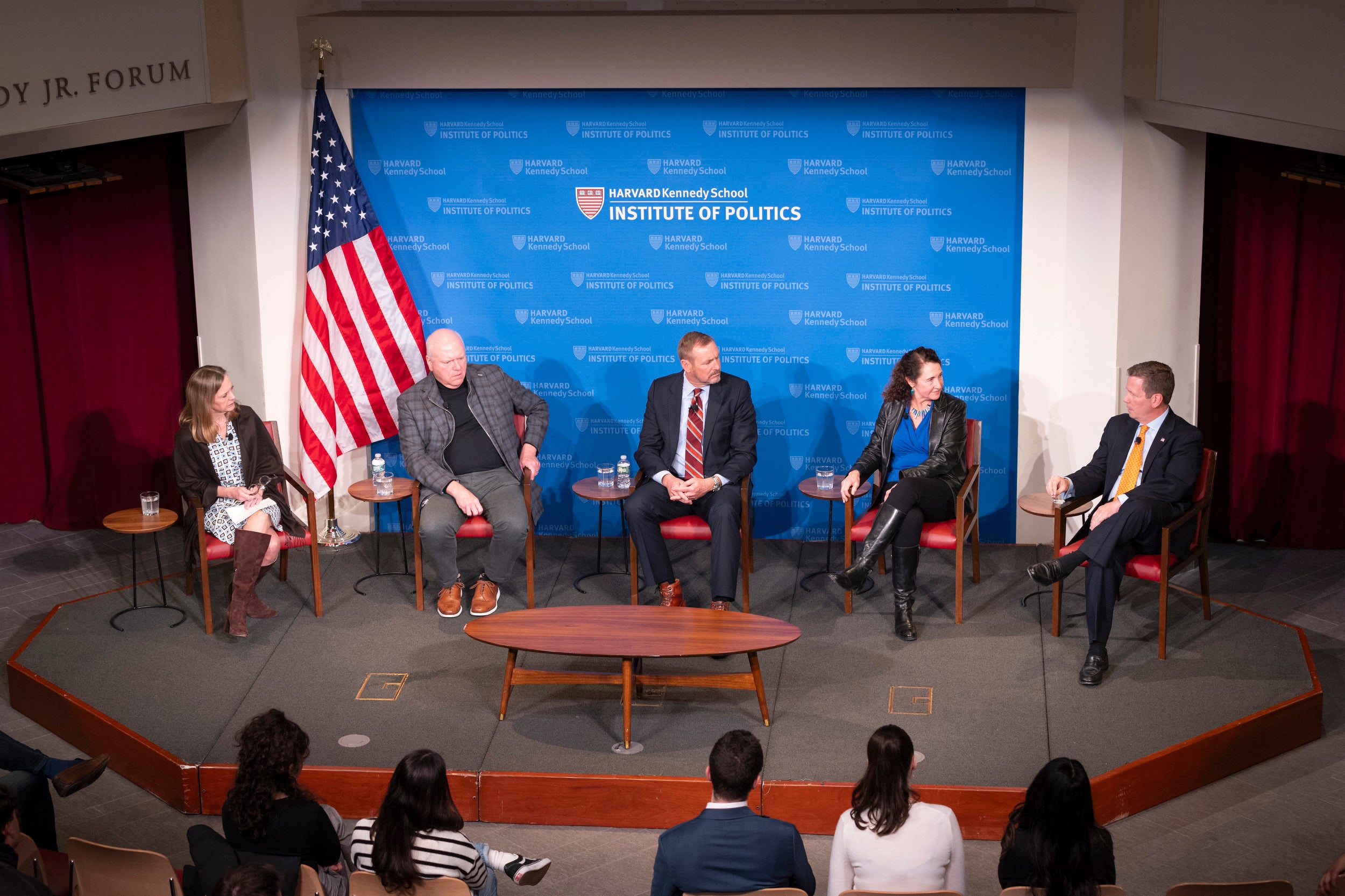
Man-bites-dog event: Bipartisan panel finds areas of agreement
Former Democratic, Republican representatives discuss presidential race, economy, how to get things done in Congress
-
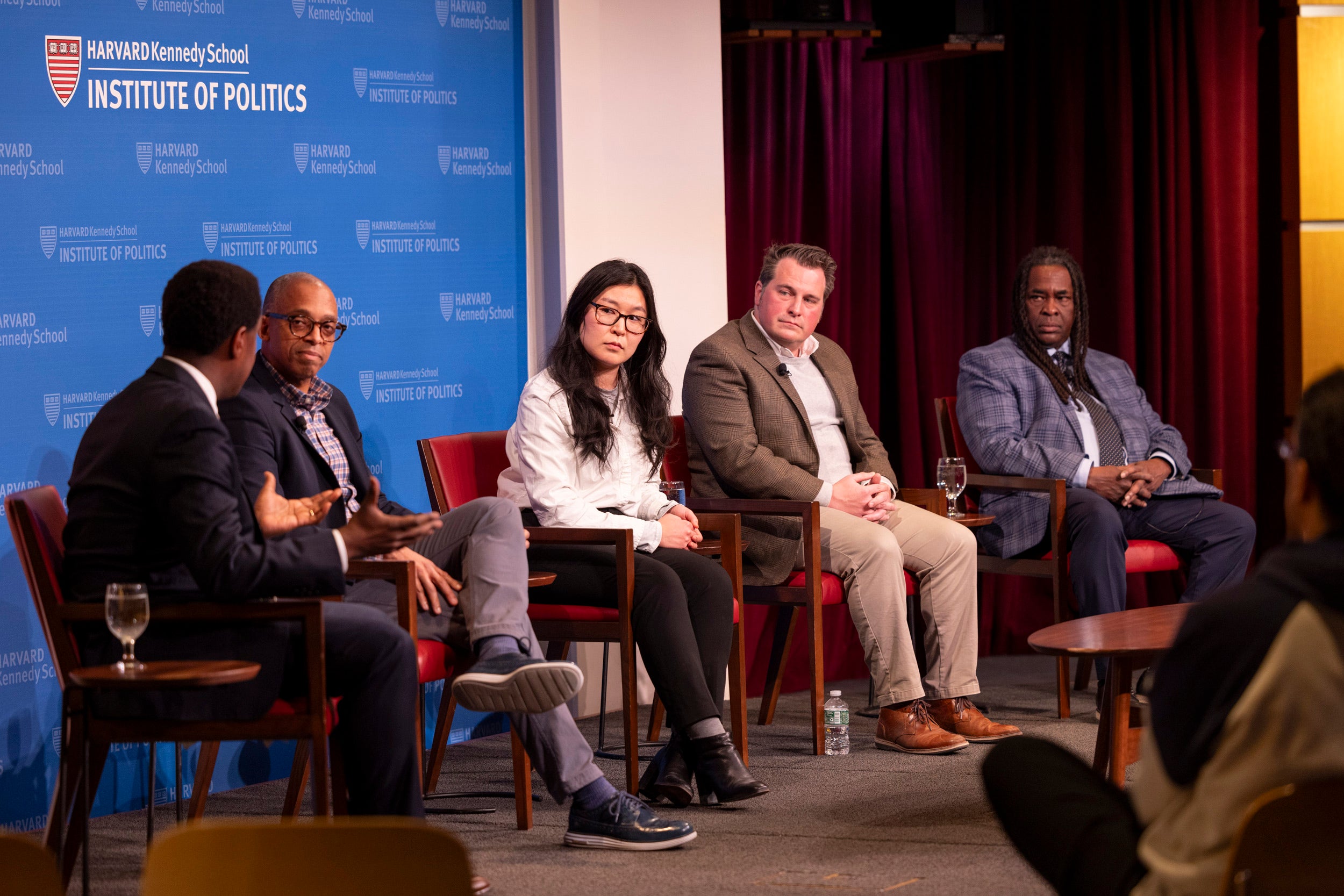
Could troubling police, media response to Stuart murder happen again?
Reporters who revisited 35-year-old case that reignited racial tensions in Boston say Black community sees no reason why it couldn’t
-
‘Harvard Thinking’: Our democracy problem
‘Harvard Thinking’ asks three scholars on how a ‘big, heterogeneous, diverse country’ can avoid coming apart
-
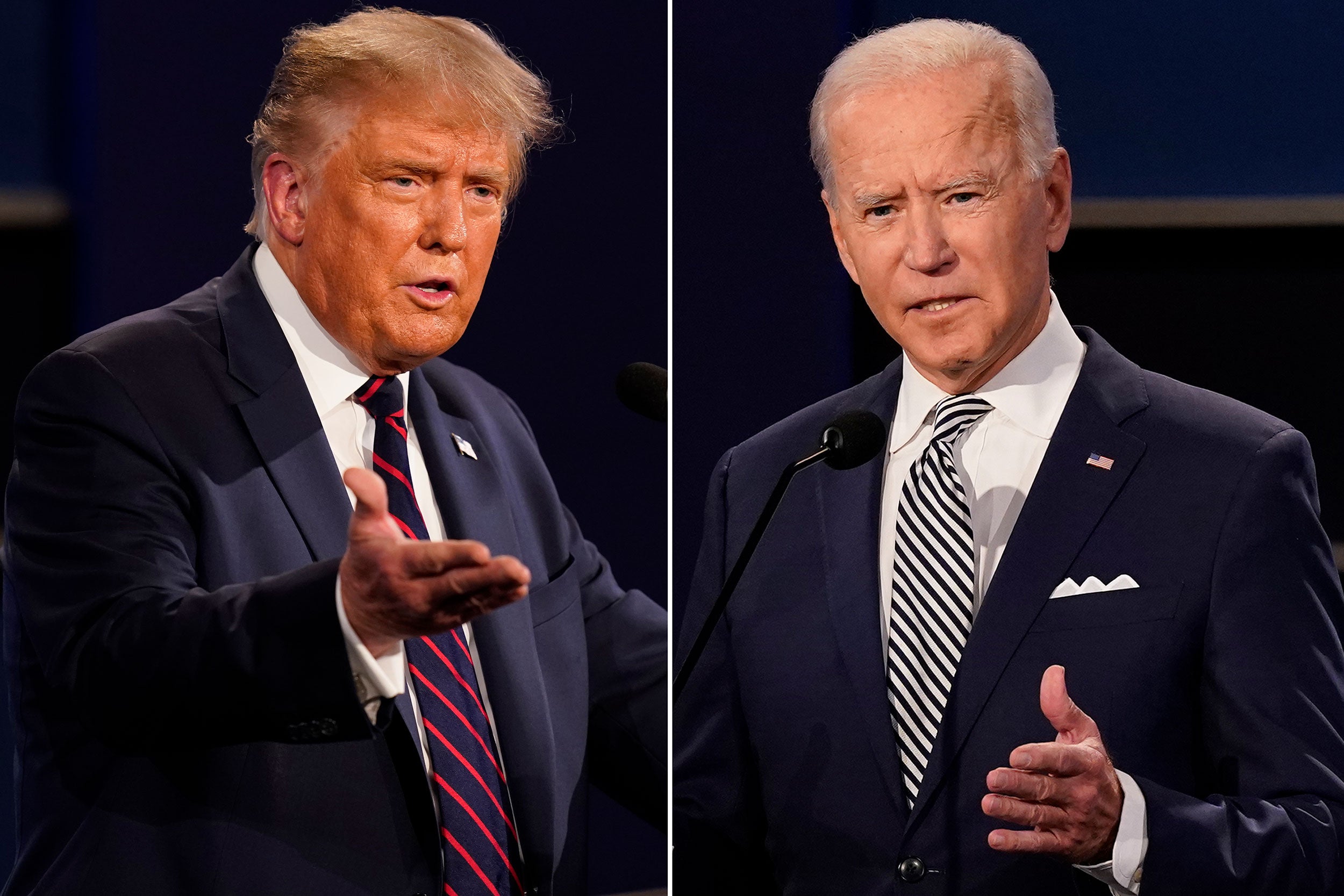
Now, what’s all this nonsense about age?
Experts say both Biden, Trump operate at high level of competence, nation needs to drop stereotypes, embrace ‘longevity dividend’
-
Black America as canary in coal mine of democracy
Panel sees peril ahead, points to rise in white supremacy, birtherism, erosion of voting rights, attacks on teaching about race, gender