Formerly known as the Rock Summer Fellows program, the Rock Venture Catalyst has been redesigned to meet the evolving needs of early-stage founders. The program provides a select group of HBS MBA students with funding, mentorship, and a structured, immersive environment to pursue their ventures full time over the summer.
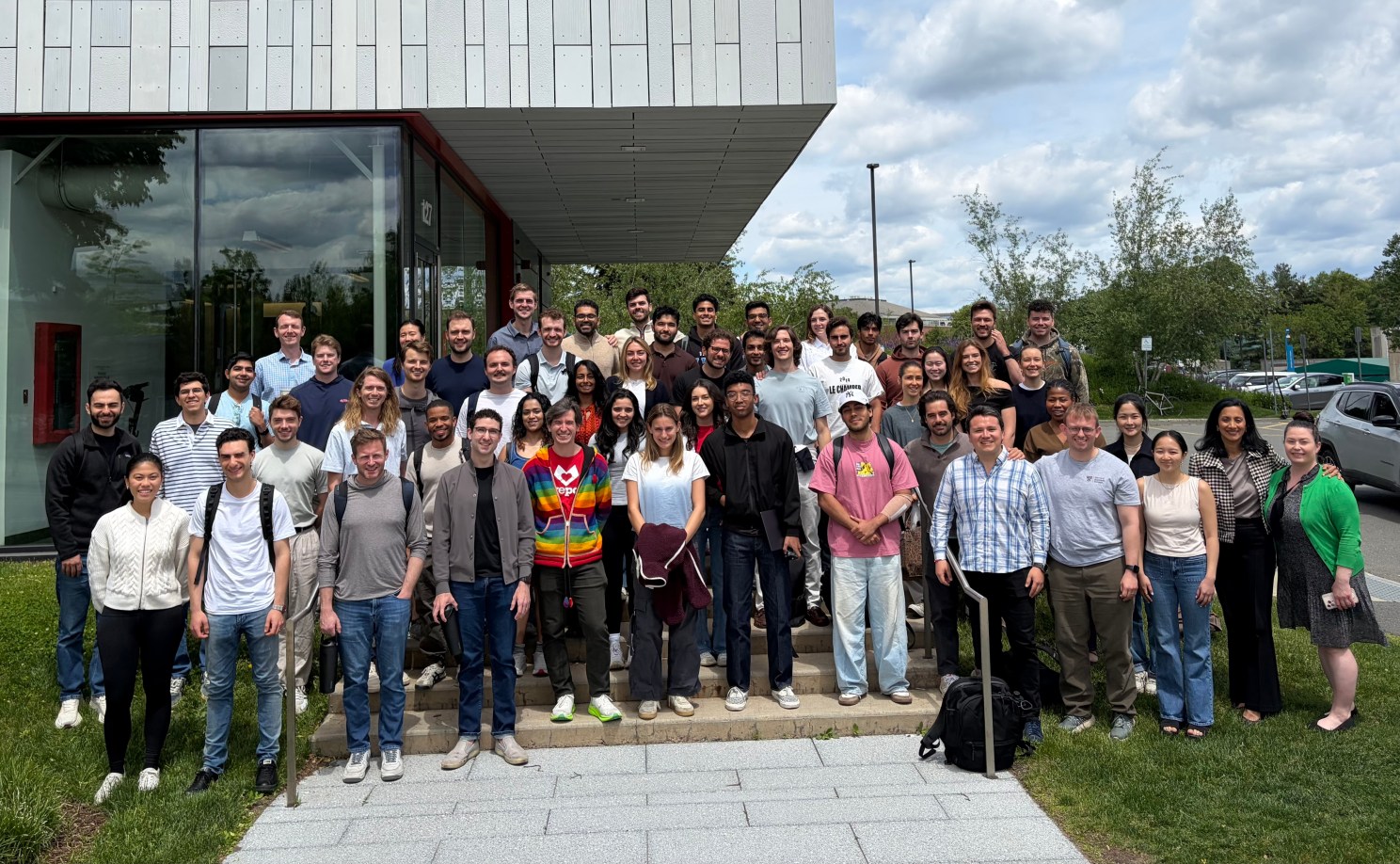
This year, 61 students were selected through a highly competitive application process to participate in the program. The cohort represents a diverse range of industries, including artificial intelligence, healthcare, climate technology, fintech, and consumer products.
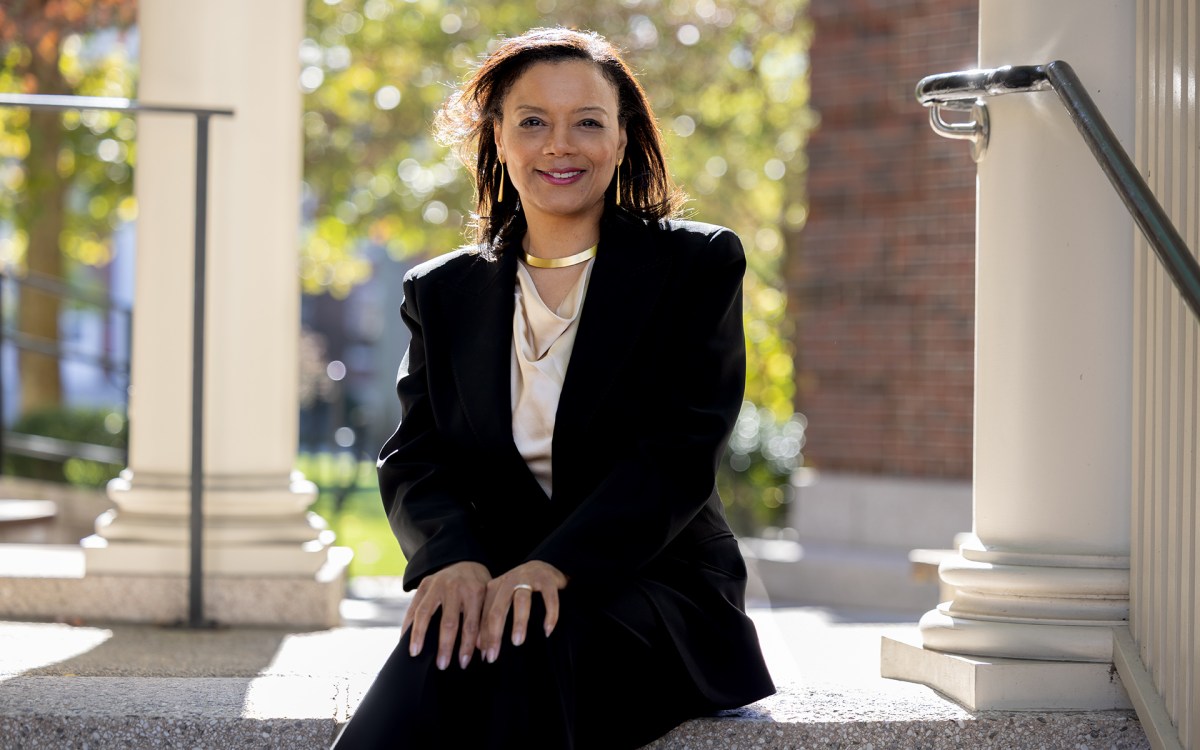
“The Rock Venture Catalyst is a powerful bridge between classroom learning and real-world execution,” said Thara Pillai, director of the Rock Center. “Each year, we see founders transform early ideas into tangible ventures with real customers, products, and funding momentum.”
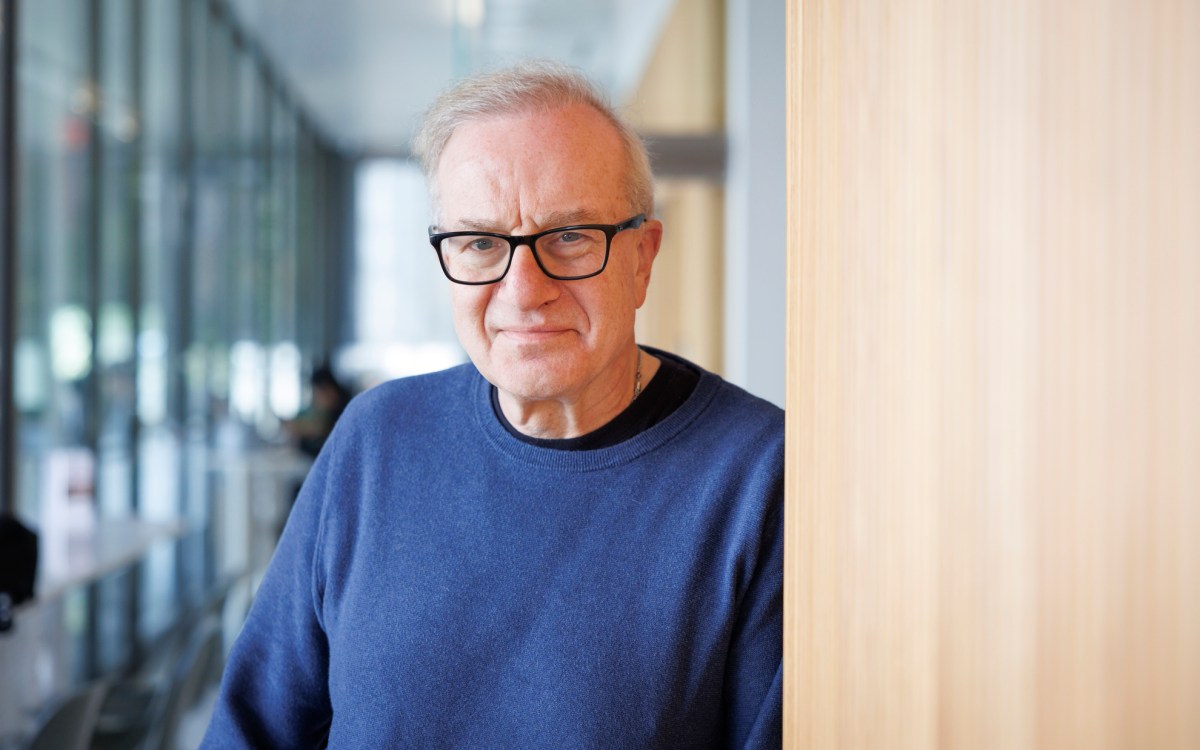
“Entrepreneurship is fundamentally about learning through action — testing ideas in the real world, adapting quickly, and building something that creates value,” said Professor Shikhar Ghosh, faculty chair of the Rock Center for Entrepreneurship. “The Rock Venture Catalyst gives students the time, structure, and support to fully immerse themselves in that process, accelerating both their ventures and their development as founders.”
The Rock Venture Catalyst is designed as a summer-long immersion, enabling founders to step away from traditional internships and focus exclusively on building their startups. Fellows receive non-dilutive funding, access to experienced coaches and Entrepreneurs-in-Residence, and support from a tight-knit peer community.
The program begins with a required four-week, in-person module in Boston, where participants engage in a faculty-led “learning by doing” curriculum focused on startup fundamentals. This is followed by a virtual module that allows founders to continue building their ventures with ongoing mentorship and accountability.
Throughout the summer, teams test and validate ideas, develop prototypes, and engage with potential customers and investors. Many participants leave the program having secured early traction, including letters of intent, pilot customers, or initial funding.
The program culminates in the Rock Venture Catalyst Showcase in August, where founders present their progress to the HBS faculty, entrepreneurial community, investors, and industry leaders.
“Rock Venture Catalyst gave me access to a network and resources that were instrumental in getting Blitzy off the ground,” said Brian Elliott (M.B.A. 2024), a former Rock Venture Catalyst participant and CEO of Blitzy, an AI-powered software development platform. Since participating in the program, Blitzy has emerged as one of Boston’s newest unicorns, raising more than $200 million and achieving a valuation of approximately $1.4 billion. “The best advice I can give a founder is to focus on building and selling over the perfect plan. Action begets information, not the other way around.”
The Rock Venture Catalyst is part of the broader ecosystem of the Arthur Rock Center for Entrepreneurship, which supports HBS students and alumni through courses, competitions, funding opportunities, and a global network of advisors and founders.

 Featured series