Featured series



Illustration by Harry Haysom/Ikon Images
Table of contents: Fiction | Science fiction & fantasy | Nonfiction
Fiction
‘Straight Man’ / ‘Transcription’ / ‘The Extinction of Irena Rey’ / ‘More Weight: A Salem Story’ / ‘Barkskins’ / ‘The Summer Book’ / ‘Strange Houses’ / ‘Playground’ / ‘Hamnet’ / ‘The Stranger’s Child’
Skip to Science fiction & fantasy | Nonfiction
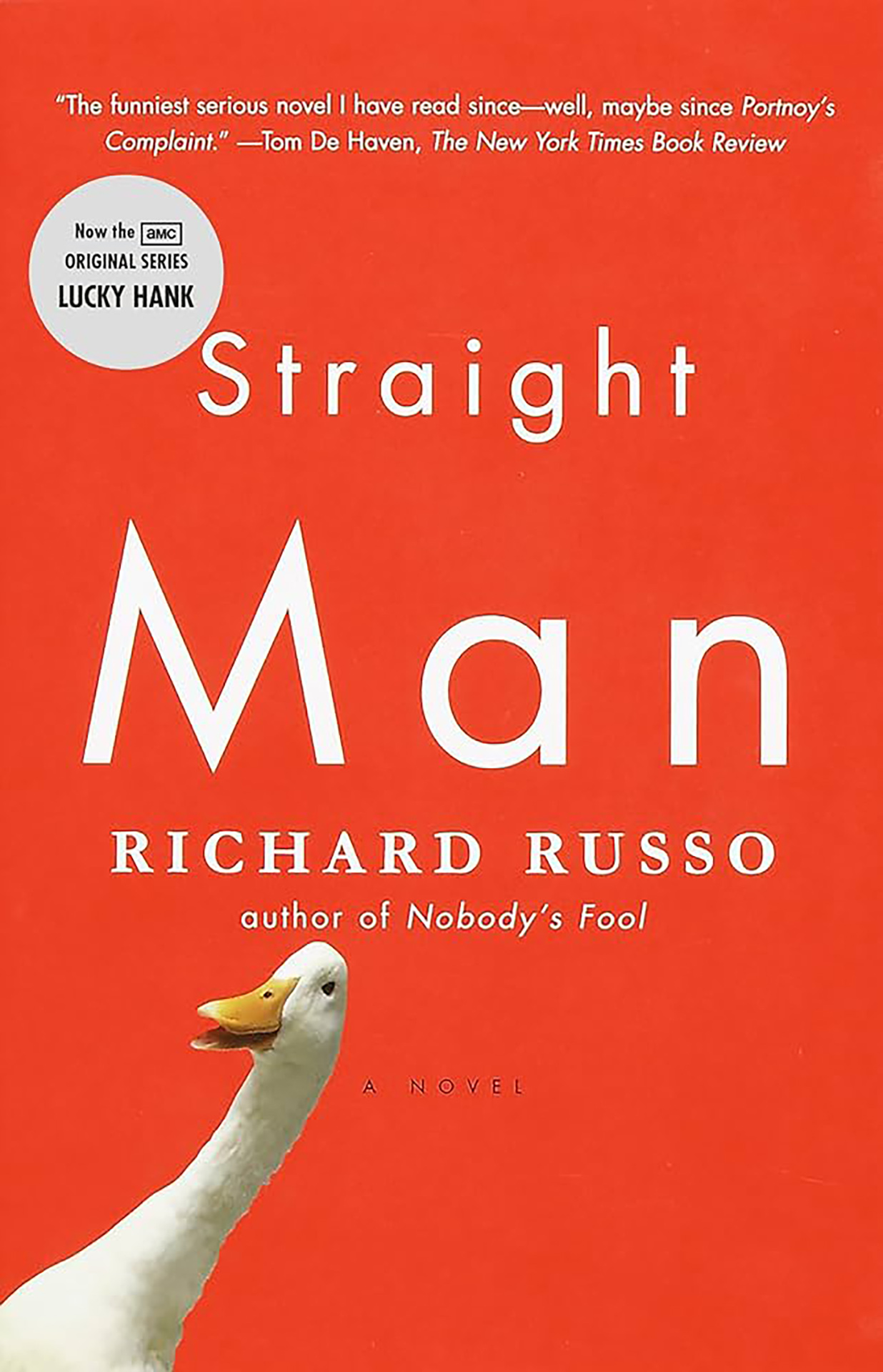
‘Straight Man’
by Richard Russo
It’s a shame they don’t give Pulitzers for hilarious academic farce novels. Facing rumors of massive budget cuts, and the incessant scheming of his colleagues in the dysfunctional English Department, William Henry Devereaux Jr. does the only thing that makes sense under the circumstances: crashes the local TV news threatening to kill a duck every day until his department gets their budget funding. Densely plotted, delightful characters misbehaving left and right, trenchant satire on the self-seriousness of middle age and academia — an absolute romp of a book.
— Claire Blechman, Digital Repository Coordinator, Open Scholarship and Research Data Services
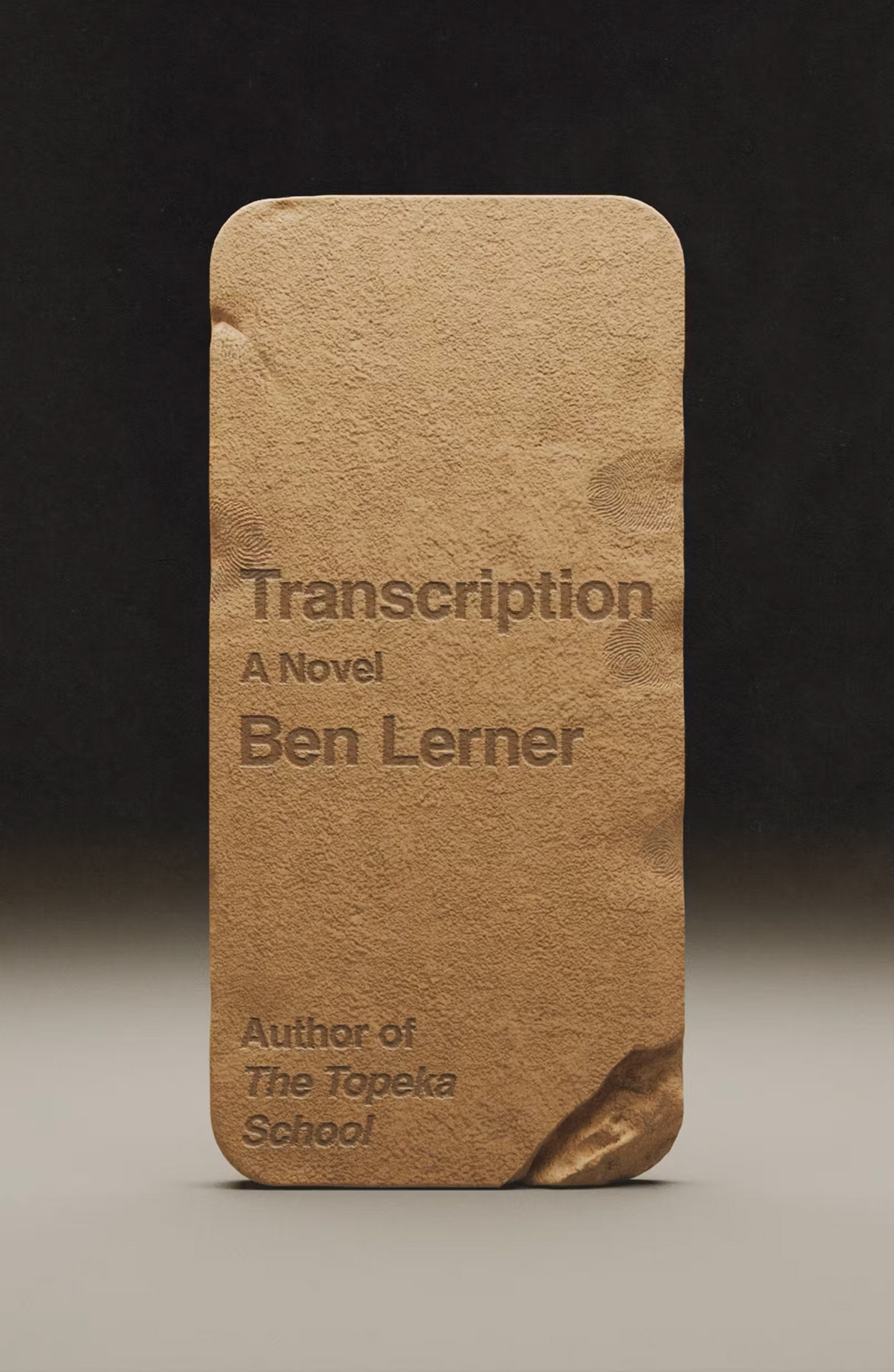
‘Transcription’
by Ben Lerner
This novel explores the relationship between technology and experience, between mediated and unmediated experience. What better way to explore such questions than Harvard’s own glass flowers, which serve as the motif that ties this compelling story together? This novel is as profound as it is timely.
— Molly Hardy, Project Lead for Public Data, Library Innovation Lab, Harvard Law School Library
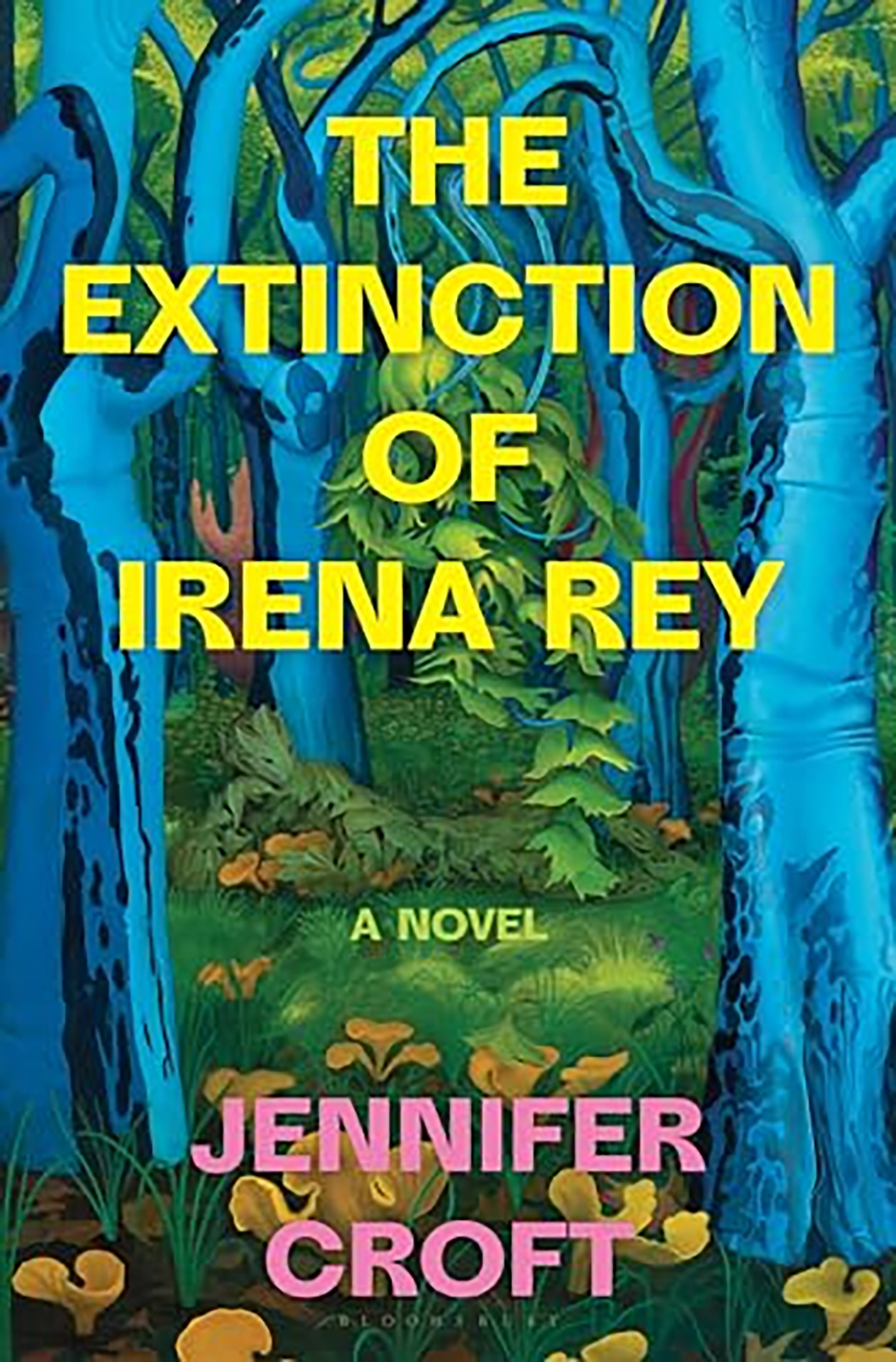
‘The Extinction of Irena Rey’
by Jennifer Croft
Irena Rey, world-renowned author, is ready to release her magnum opus — but first, it must be translated. She summons her cadre of eight translators to her home on the edge of Białowieża Forest in Poland and all eagerly comply. What should be a straightforward job turns into anything but as Irena disappears, the translators’ rivalries come to the fore, and life becomes increasingly unhinged. This is one of the most riveting, not to mention hilarious, books I’ve read all year.
— Debbie Ginsberg, Manager of Emerging Technology Initiatives, Harvard Law School Library
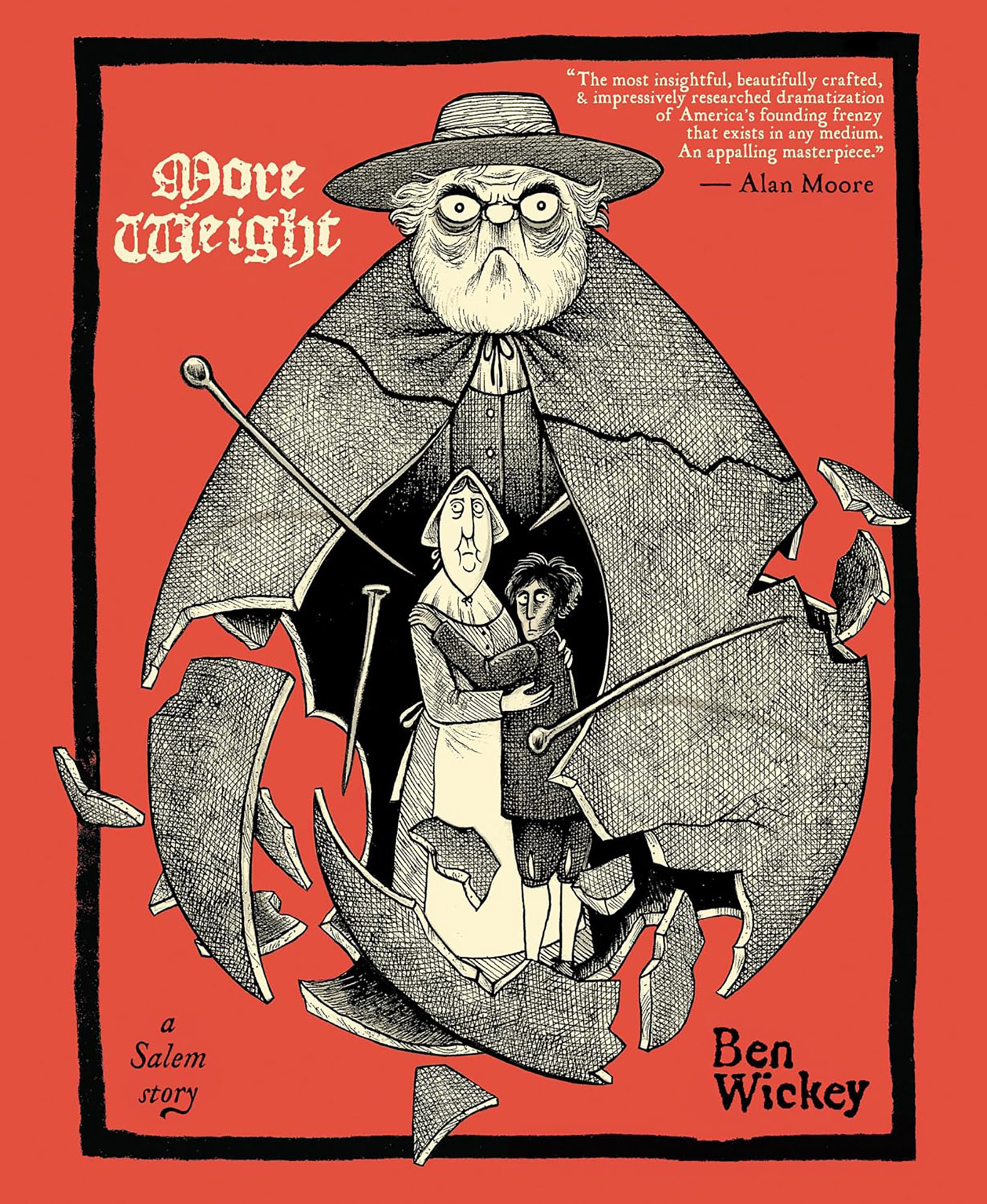
‘More Weight: A Salem Story’
by Ben Wickey
This graphic novel, many years in the making, is an impressive feat of illustration and storytelling. It’s also deeply researched (with detailed endnotes) and a fascinating work of historiography. You’ll learn a lot about the Salem witch trials, but even more about how we’ve understood and interpreted those events in the centuries since. Sometimes it almost feels like Wickey is trying to do too much, but given the rich source material, you can hardly blame him.
— Charlotte Lellman, Collections Services Archivist, Countway Library
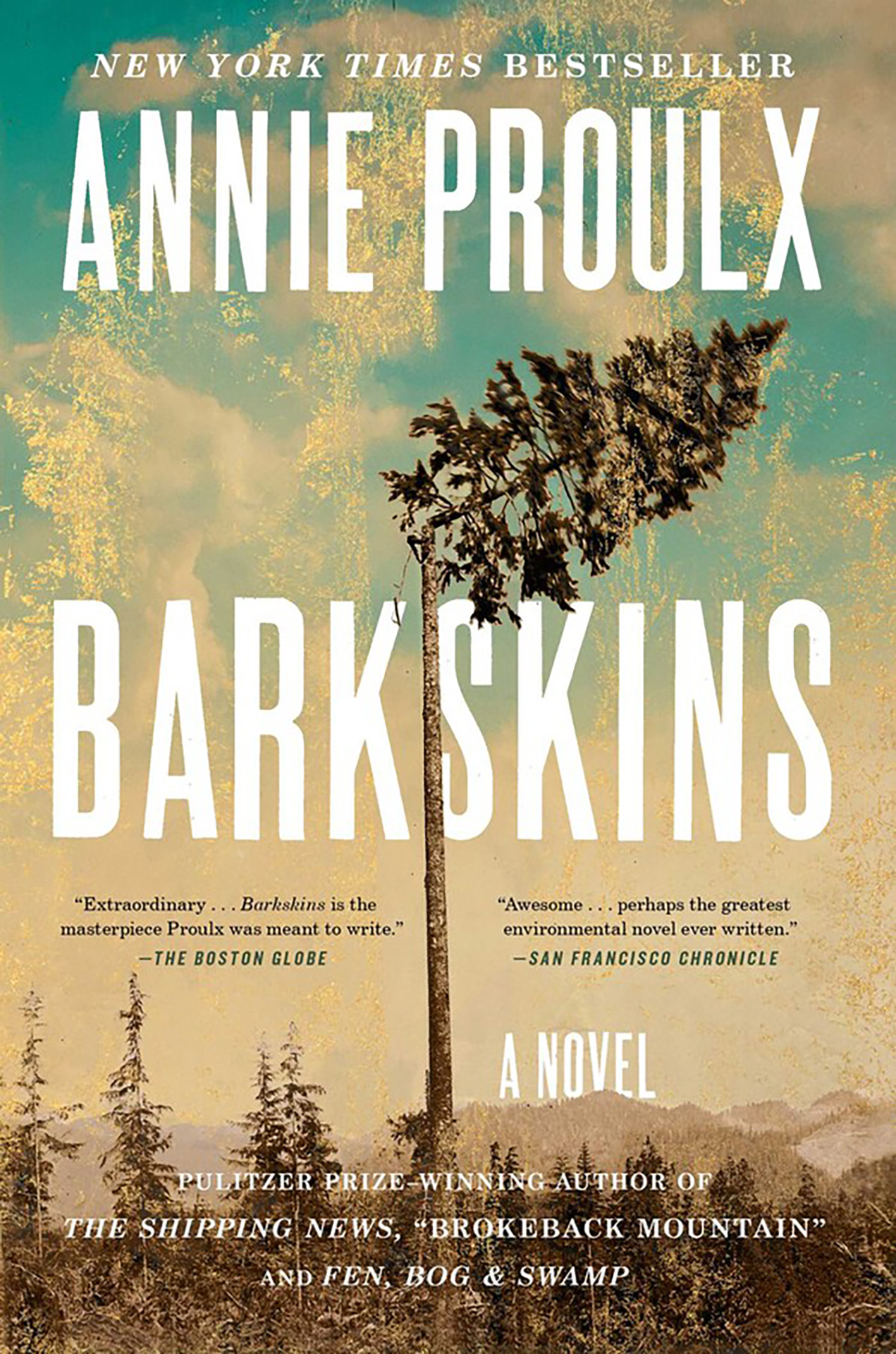
‘Barkskins’
by Annie Proulx
Does a 700-page novel spanning three centuries, four continents, and lives of two interconnected families, tackling subjects like habitat loss and colonialism, seem like a good summer read? Amazingly, it is. It’s slow, fabulously researched, emotionally intense, and relevant.
— Katarzyna “Kasia” Maciak, Senior E-Resources Support Specialist, Information and Technical Services
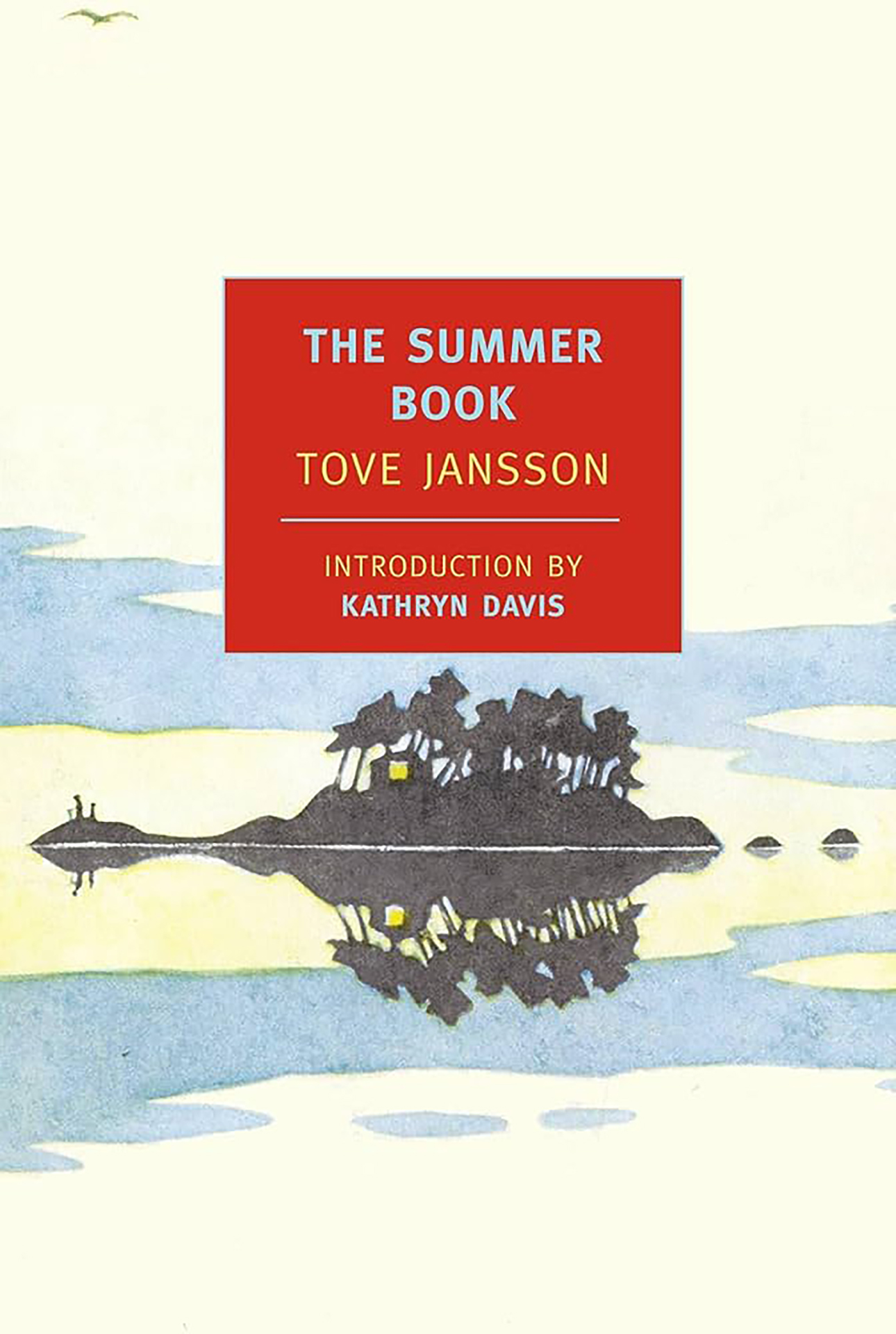
‘The Summer Book’
by Tove Jansson
Tove Jansson, mastermind behind the Moomins cartoons, brings the same whimsy, wit, and poignance to her adult novels as well. How could one NOT want to read about existential, yet humor-tinted daily conversations and adventures shared between a grandmother and a granddaughter? It’s even better that such goings-on are captured in 22 vignettes set on a remote Finnish island throughout slow summer days. A novel as refreshing and light as a fresh lemonade, “The Summer Book” is a must-read for your summer days.
— Kai Miyabayashi McGinn, Research and Instruction Librarian, Frances Loeb Library

‘Strange Houses’
by Uketsu; translated by Jim Rion
Uketsu is a Japanese YouTuber who has garnered international fame for his creepy mask and unsettling mystery stories in which images play a crucial role. “Strange Houses” is a page-turner that follows a nameless writer investigating a house with a bizarre floor plan: inscrutable layout, dead spaces, doors to nowhere. Trying to uncover the house’s mysteries, he and his architect friend fall down a rabbit hole including missing people, more inexplicable buildings, family secrets, and possible child assassins.
— Mitch Nakaue, Interim Head of Scholarly and Public Programs, Houghton Library
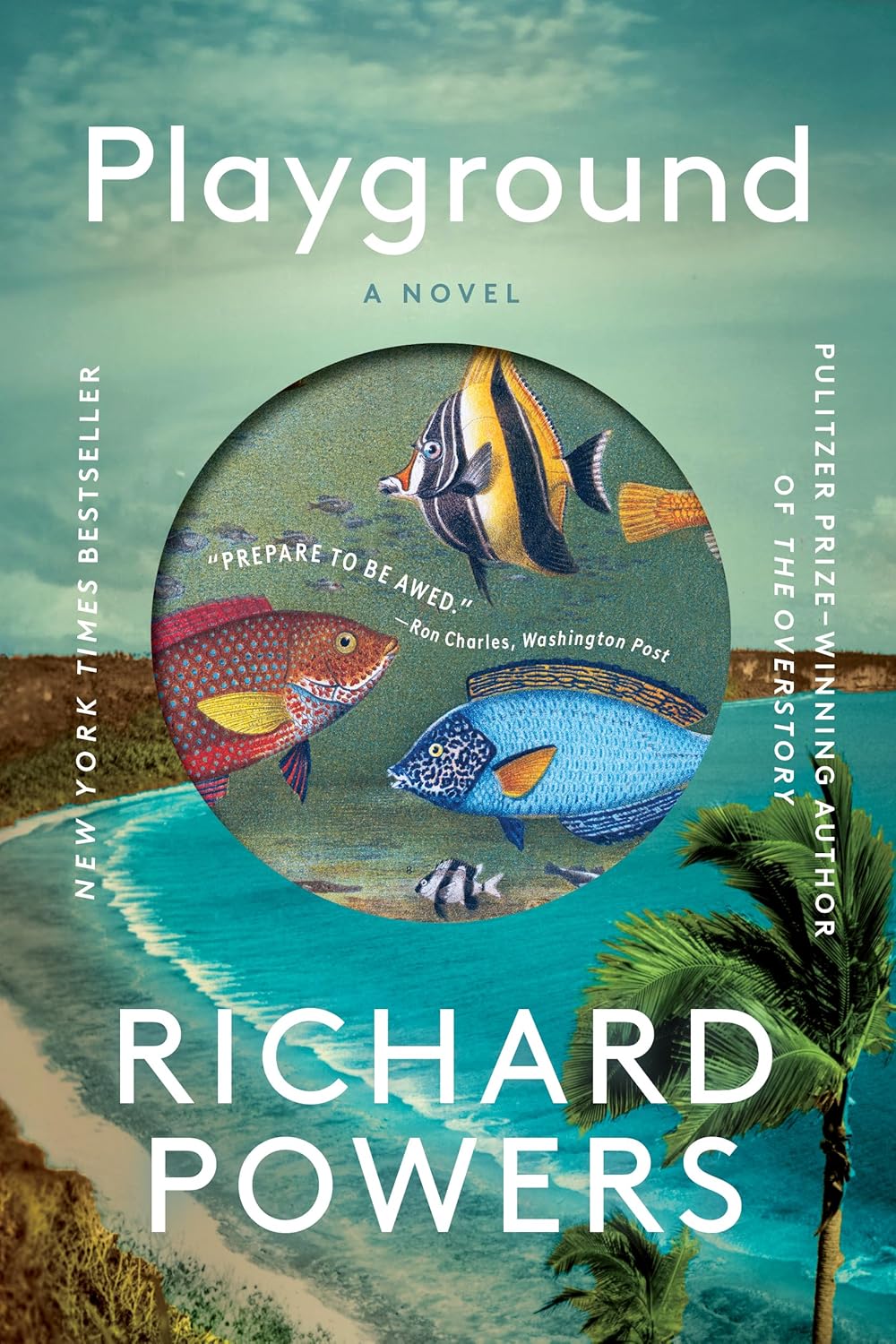
‘Playground’
by Richard Powers
What better way to spend your beach days this summer than to read about … the ocean? Richard Powers’ “Playground” (longlisted for the 2024 Booker Prize) is the briny twin to his 2019 “The Overstory” in that it’s an environmental tome that weaves together multiple story arcs, except this time they’re all connected to the dazzling depths of the sea. It weighs the abundance we manufacture through technology against the natural abundance that we simultaneously overlook and exploit, but it infuses what otherwise might be a bummer topic with a deep joy for life in all its myriad forms and a gesture toward how humanity might reconcile these tensions in our existential grasp for fulfillment.
— Tricia Patterson, Interim Head of Digital Preservation, Preservation Services
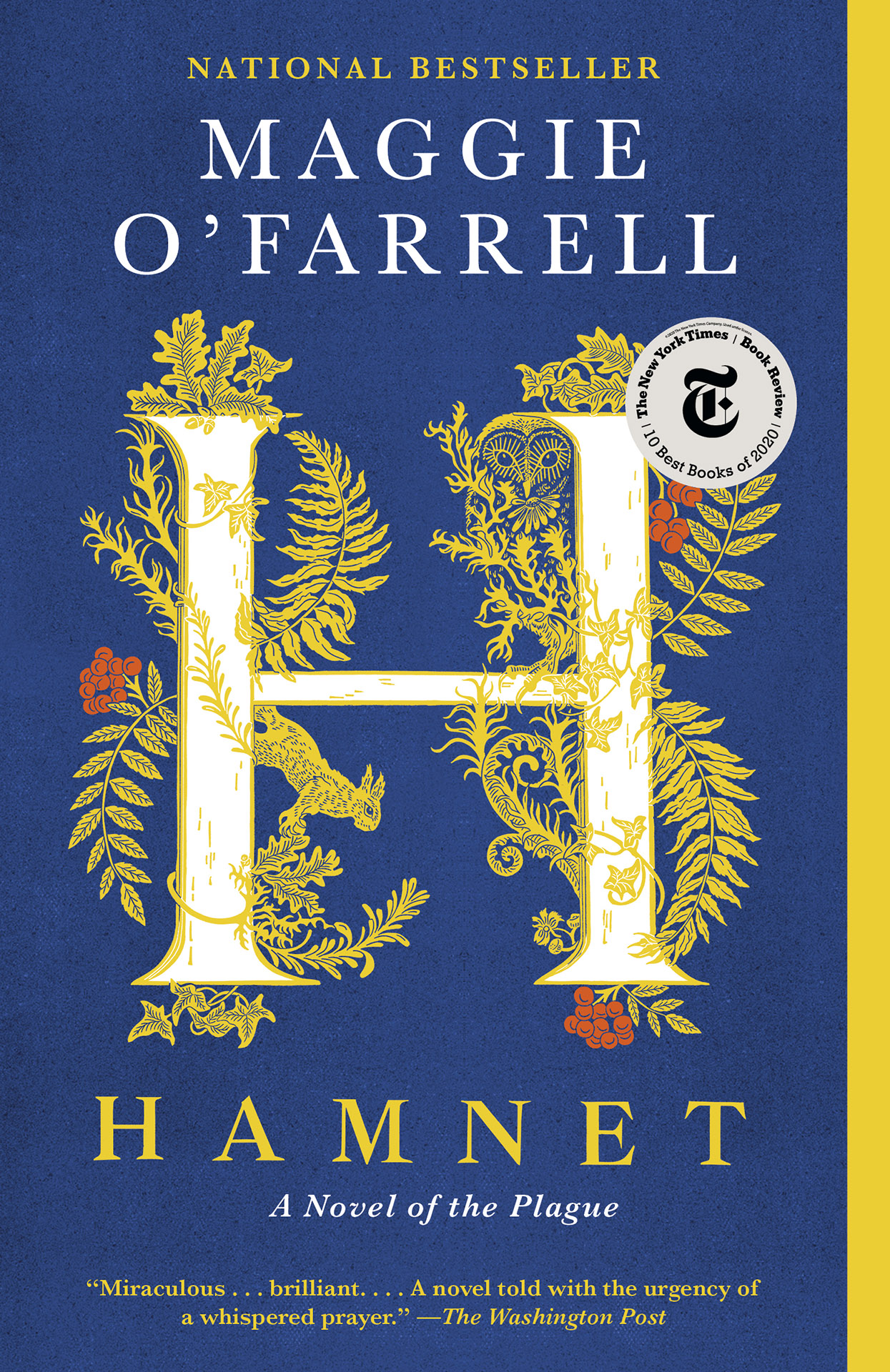
‘Hamnet’
by Maggie O’Farrell
My college professor who taught Shakespeare told my class that he didn’t care for “Hamlet” and thus refused to assign it as reading. I trusted his critique and never bothered to read the play. If you are similarly uninitiated and have consequently avoided reading the acclaimed novel “Hamnet” — or watching its recent, Oscar-winning film adaptation — because you’re worried you don’t have the proper prerequisites, then I have good news for you: “Hamnet” requires no prior reading. You can enjoy the novel’s rich descriptions of nature, love, loss, and the deplorable state of public health in the 16th century with or without an encyclopedic knowledge of the Bard.
— Madeline Sharaga, Program Assistant for Research, Teaching, and Learning, Widener Library
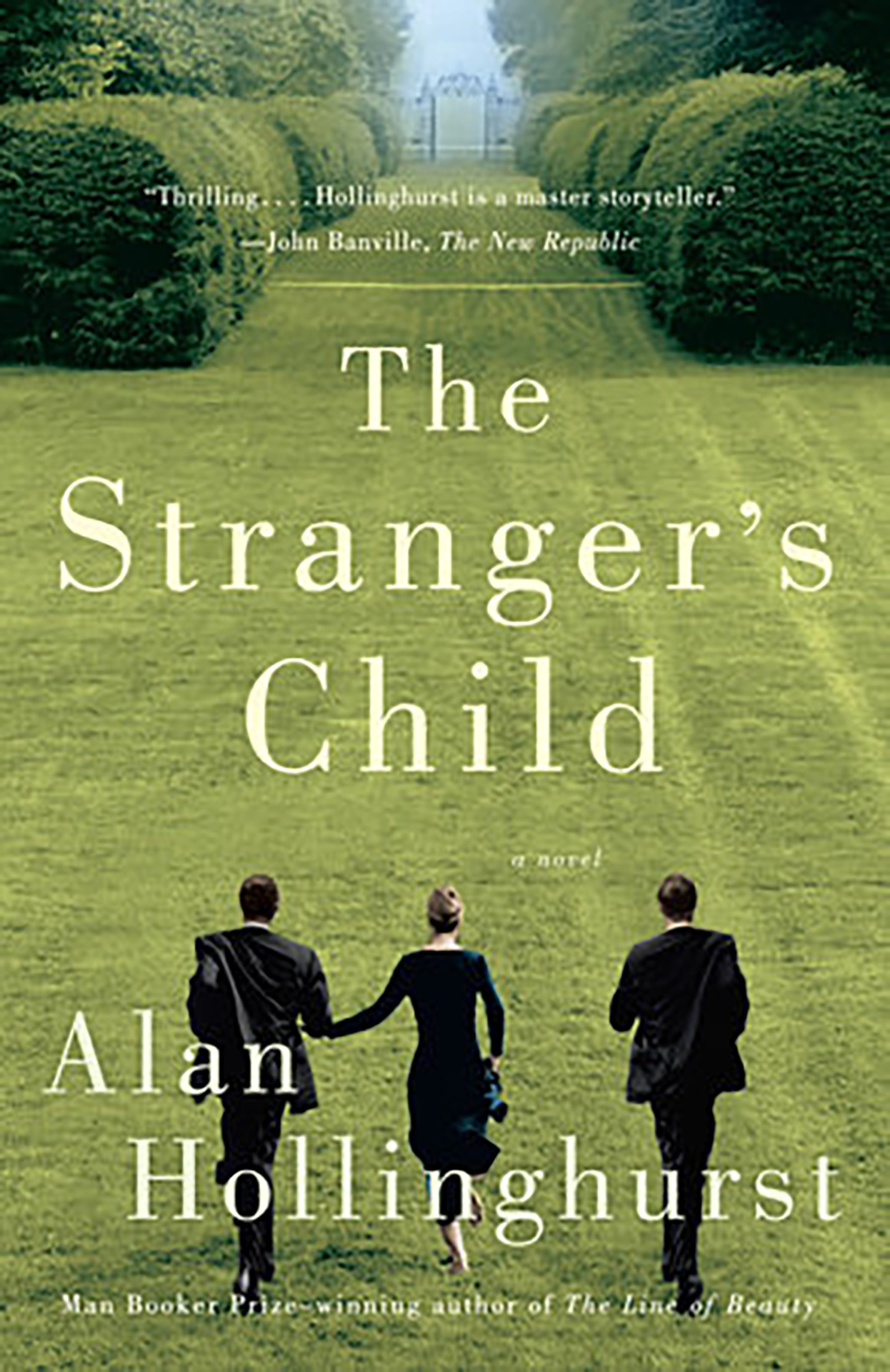
‘The Stranger’s Child’
by Alan Hollinghurst
Everything Booker Prize-winning author Sir Alan Hollinghurst has written has had the knack of taking the reader into surprising places. Human passion, thwarted desire, lazy accommodation, and even desperate depravity are all glimpsed in these shifting kaleidoscopic images. The cover image of one edition of “The Stranger’s Child” depicts a boxwood maze in an English country garden, an apt visual metaphor for the narrative labyrinth Hollinghurst pursues in this 2011 novel. His themes include hidden queer histories and how these were excavated in the wake of liberation movements of the mid-20th century. And perhaps more potently, there is a contemplation of history itself, human memory, and how time erodes and distorts what is recalled and known of the past. It’s a long, fascinating tale for those who enjoy more classically evocative epics of English prose.
— Steve Shutt, Bibliographic Assistant, Information and Technical Services
Science fiction & fantasy
‘All Systems Red’ / ‘The Final System’ / ‘Player Piano’ / ‘Yokohama Kaidashi Kikou’ / ‘Bitter Medicine’ / ‘The Everlasting’ / ‘Audition for the Fox’ / ‘I, Medusa’ / ‘The Tapestry of Fate’
Skip to Fiction | Nonfiction
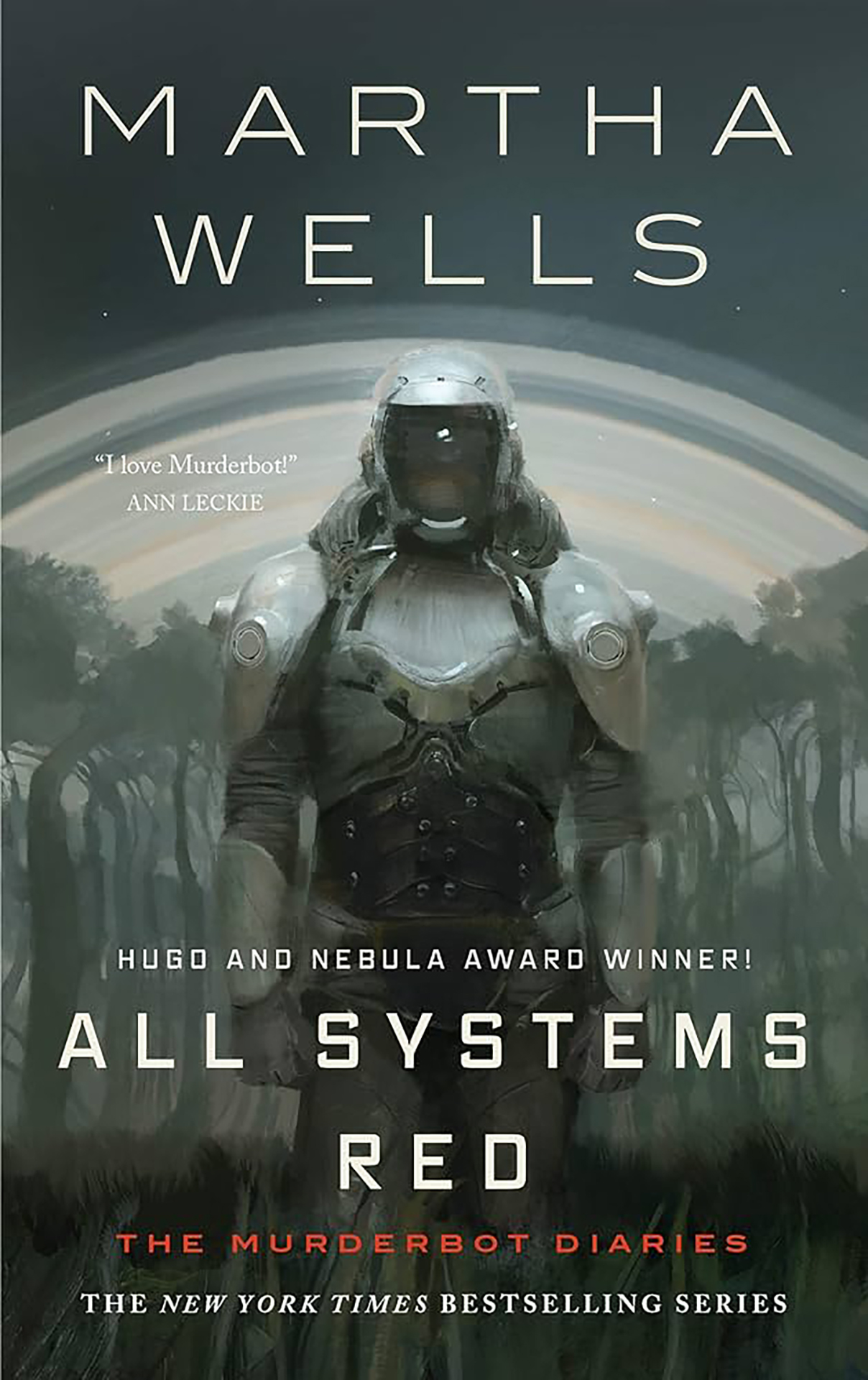
‘All Systems Red’
by Martha Wells
This series was recommended to me by Robyn Rosenberg, engineering librarian, who has curated an outstanding print collection that includes recreational reading. The books follow a security cyborg (which uses it/its pronouns) that calls itself Murderbot. Contracted to guard humans on interplanetary research missions, Murderbot has secretly hacked its own programming, primarily to download and watch thousands of hours of streaming entertainment. Although marketed as science fiction, the series is driven by sharp, character-centered interactions among a diverse cast, as they work together to solve the mystery of a current threat and uncover the truth behind a past tragedy. For audiobook listeners, Kevin R. Free’s narration brilliantly captures Murderbot’s sarcastic, anxious, and humorous inner voice.
— Jillian Amaral, Reference, Collections, and Instruction Librarian for Molecular and Cellular Biology, Ernst Mayr Library
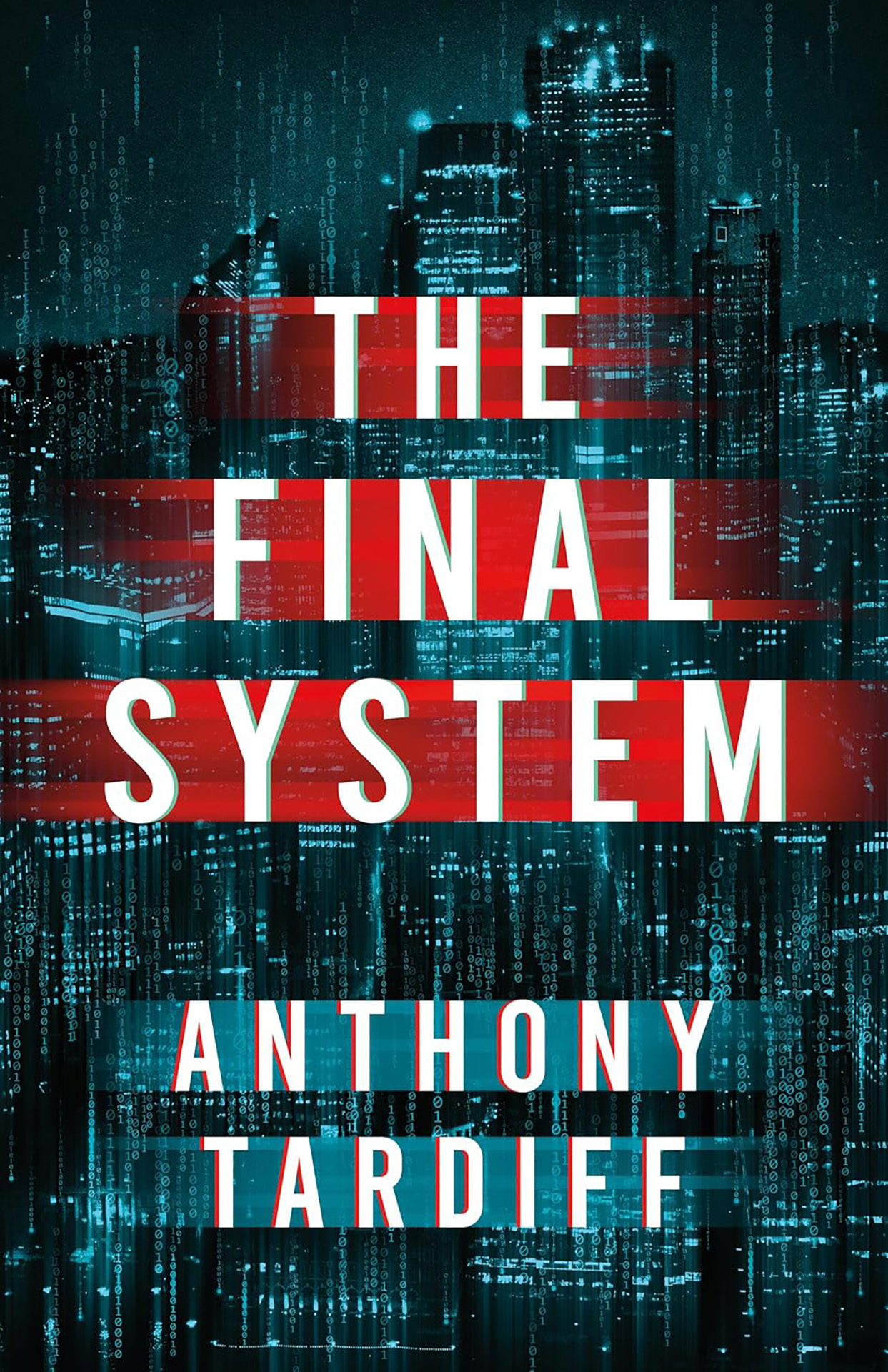
‘The Final System’
by Anthony Tardiff
This book is an interesting look into a future where every aspect of human life is connected to and controlled by a network, and people have become deeply dependent on the ratings determined by these networks. The primary plot is about a hacker and a politician who team up to stop a tech genius and network creator working to bring an Artificial General Intelligence online. The AGI seems truly sentient in all interactions and capable of ushering in a new world order. The book is a commentary about the extremes some people will go to in achieving their own goals. It’s been described as a cyberpunk-style story that explores themes of security, privacy, and the line between humans and machines. As an added bonus, the author is an academic librarian.
— Amy Van Epps, Director of Science and Engineering Services, Cabot Science Library
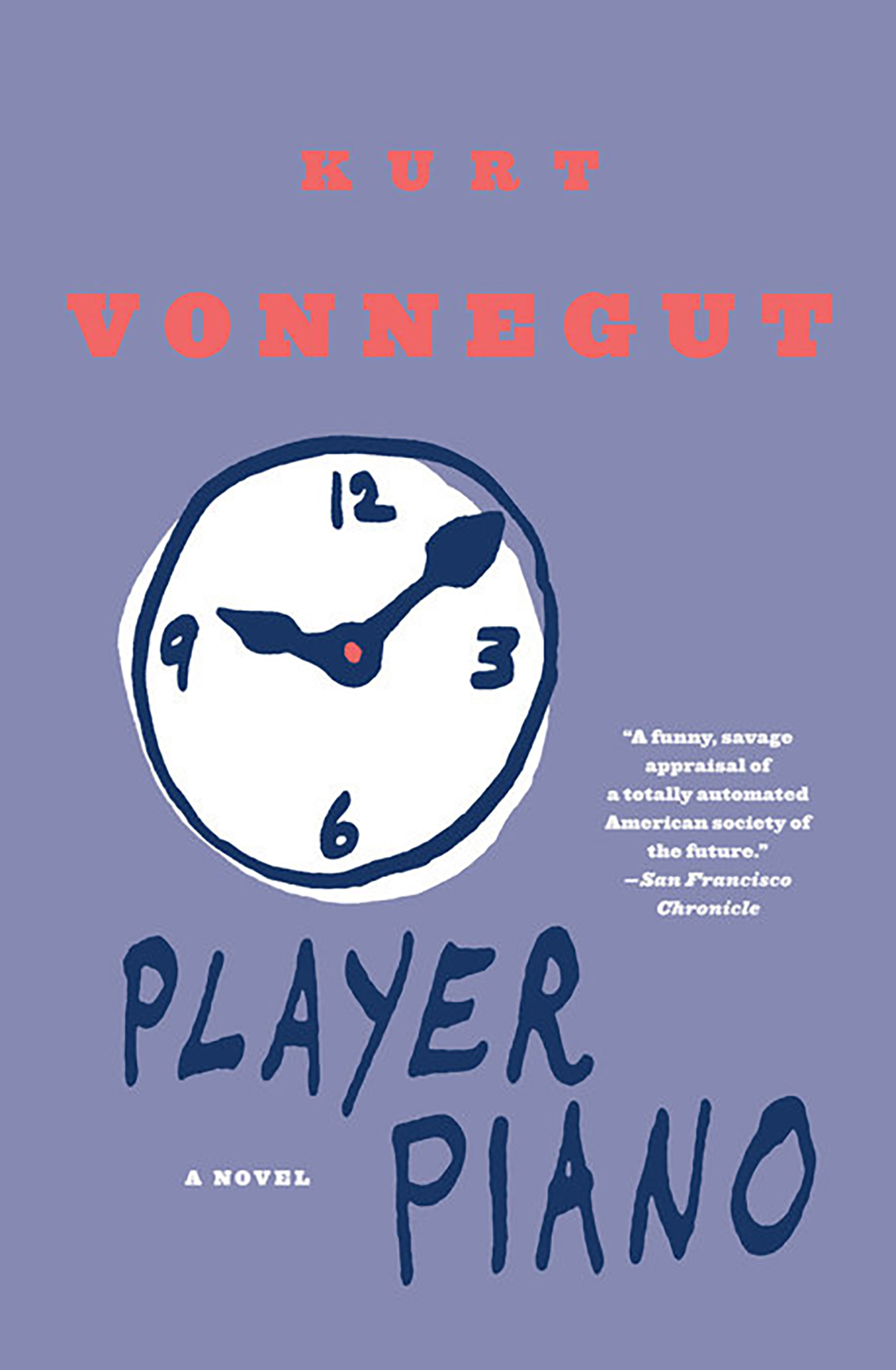
‘Player Piano’
by Kurt Vonnegut
Vonnegut’s “Player Piano” (1952) depicts a dystopian future where automation has rendered most human labor obsolete. Though his debut novel is often overlooked beside “Slaughterhouse-Five” and “Cat’s Cradle,” its darkly comic exploration of technological dehumanization and the search for meaningful work is strikingly prescient in today’s AI moment.
— Kristi Mukk, Product and Research Manager, Library Innovation Lab, Harvard Law School Library
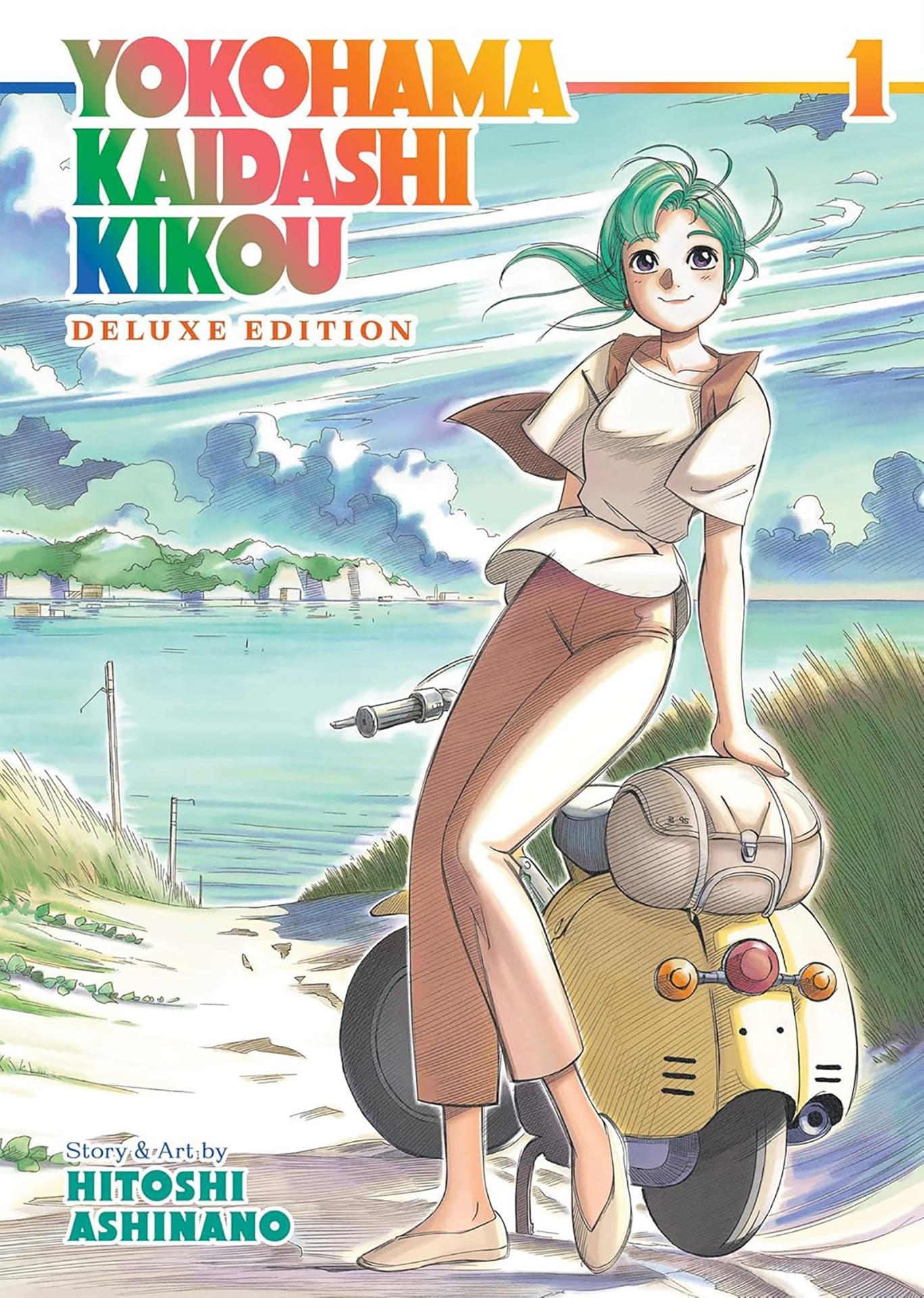
‘Yokohama Kaidashi Kikou’
by Hitoshi Ashinano
This beautifully illustrated manga follows the life of Alpha, an android running a small cafe in a seaside town after an environmental catastrophe fundamentally altered the world. There are five volumes released in this deluxe edition format, and they are all equal parts cozy and pensive and will speak directly to anyone struggling with climate anxiety. This is one of my favorite manga and really fits well into the expanded view of graphic medicine we take here at Countway.
— Matthew Noe, Lead Collection & Knowledge Management Librarian, Countway Library
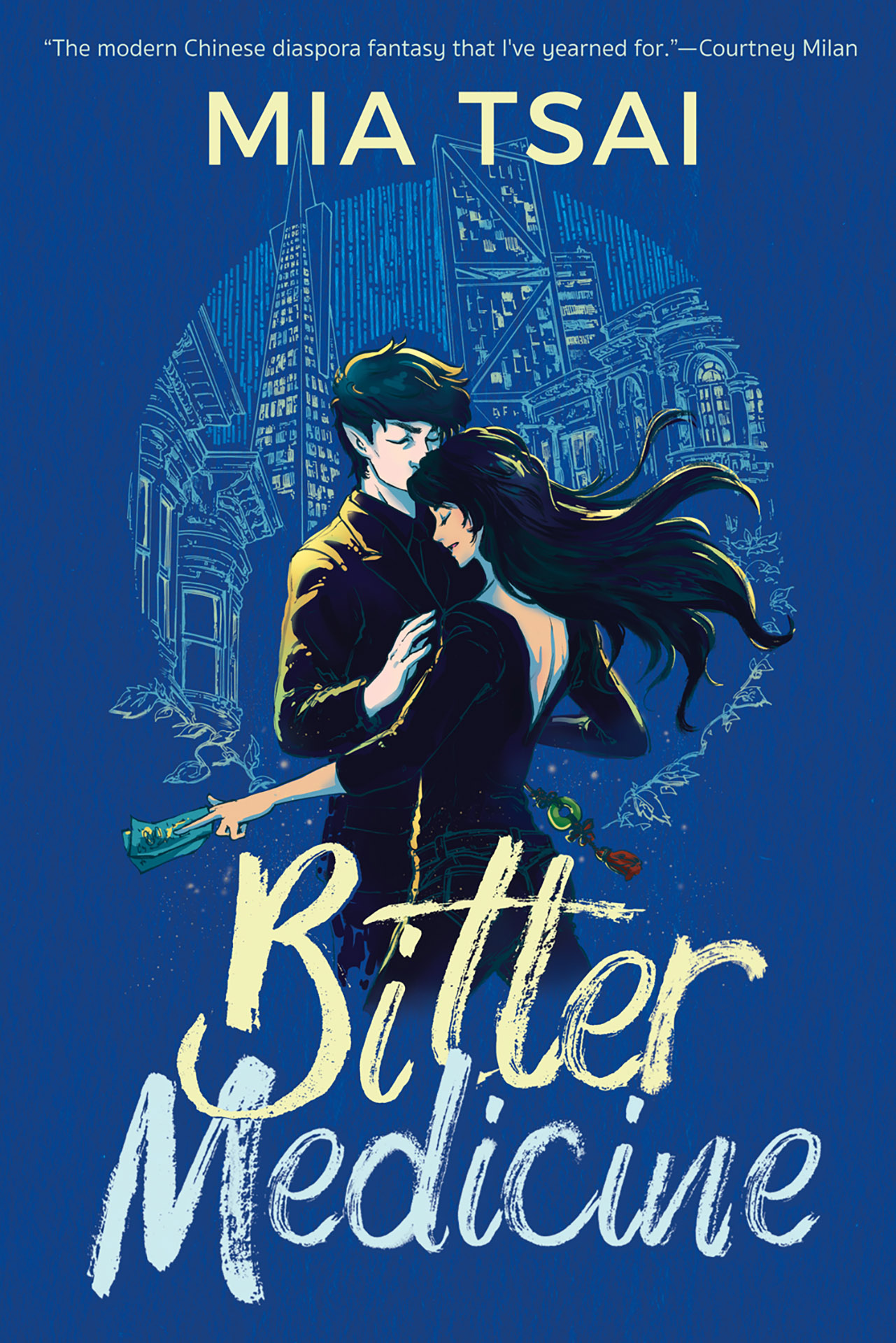
‘Bitter Medicine’
by Mia Tsai
A French half-elf secret agent and the daughter of a Chinese medicine god are co-workers until their relationship turns into something more. I loved the number of different stories and genres wrapped up in this novel, which didn’t sacrifice the complexity of any of them. It also has one of the most interesting and deliberate uses of language and translation (or lack thereof) I’ve seen.
— Kai Fay, Strategic Projects Manager, Discovery & Access
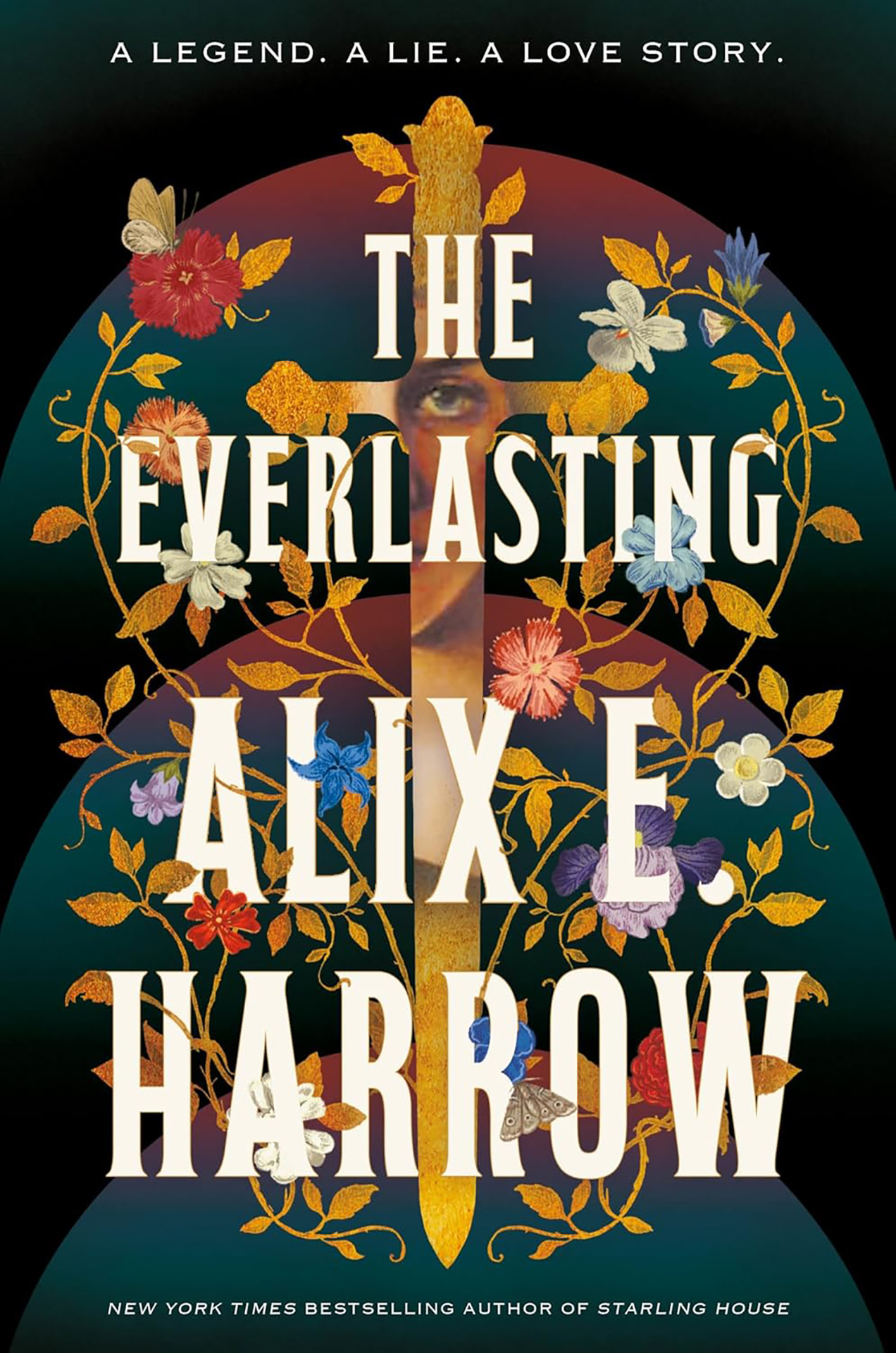
‘The Everlasting’
by Alix E. Harrow
The storytelling here is superb. It’s got everything you’d want in an epic tale — a (lady) Knight in shining armor, a seemingly impossible quest to break out of a time loop, characters overcoming insurmountable odds, and at its core a love that transcends time. I thoroughly enjoyed listening to this book and was captivated from beginning to end.
— Hannah Hack, Administrative Coordinator, Harvard University Archives
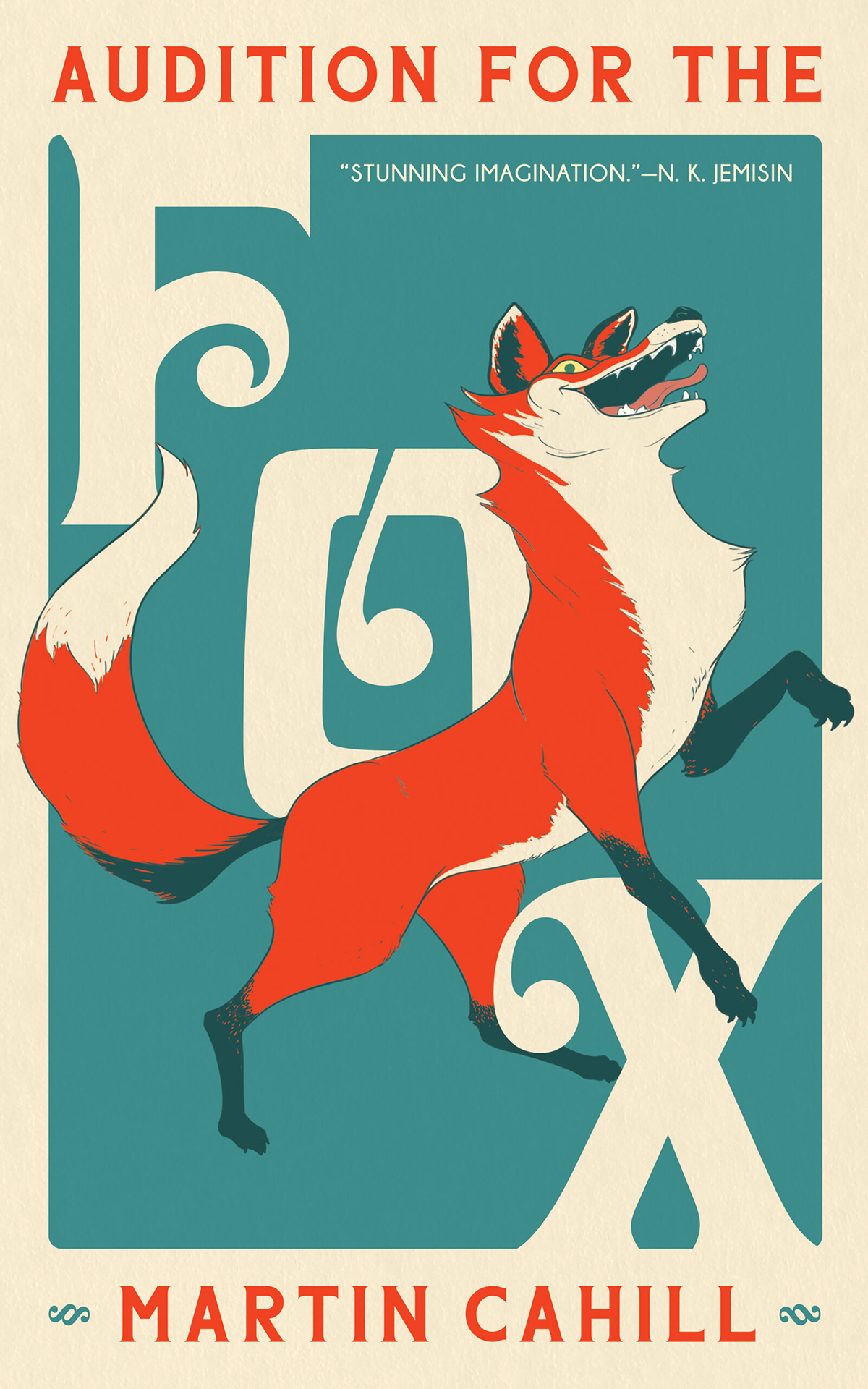
‘Audition for the Fox’
by Martin Cahill
In this novella, Nesi, a godless acolyte, has auditioned for most of the 99-deity pantheon but has failed each audition. When she auditions for the trickster fox god T’sidaan, she is thrown back to wartime and must rally her people to overthrow an occupying force. I loved that this book takes the trope of a trickster god and makes it something new and poignant.
— Meg McMahon, User Experience Researcher, UX and Discovery, Lamont Library
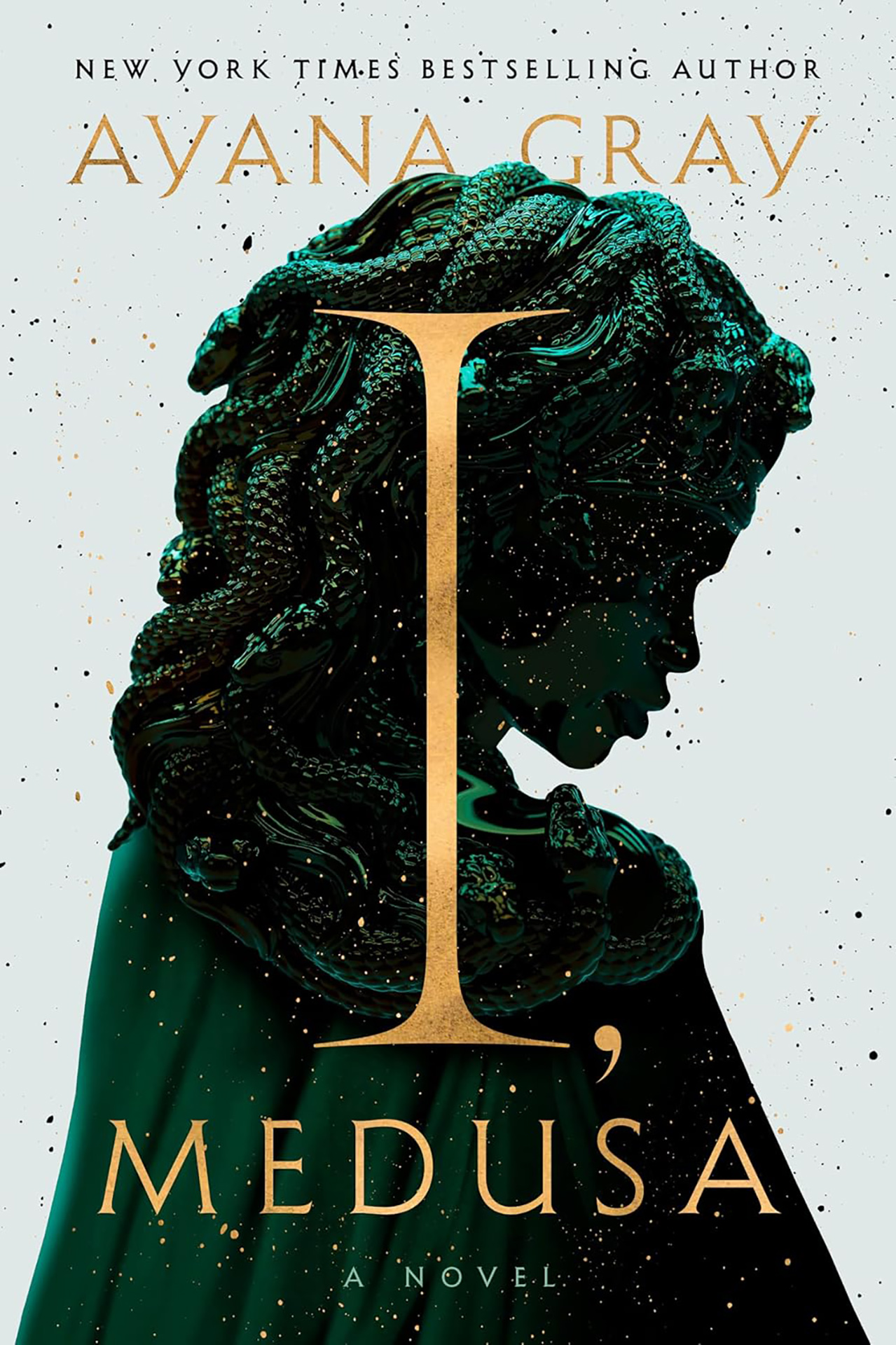
‘I, Medusa’
by Ayana Gray
It is a retelling of Medusa’s story as she was punished by the gods for a crime that wasn’t hers. It centers her as vigilante, not as a monster. That designation is appropriately placed on the cruel gods.
— Rita Soenksen, Librarian for English and American Literatures and Humanities, Widener Library
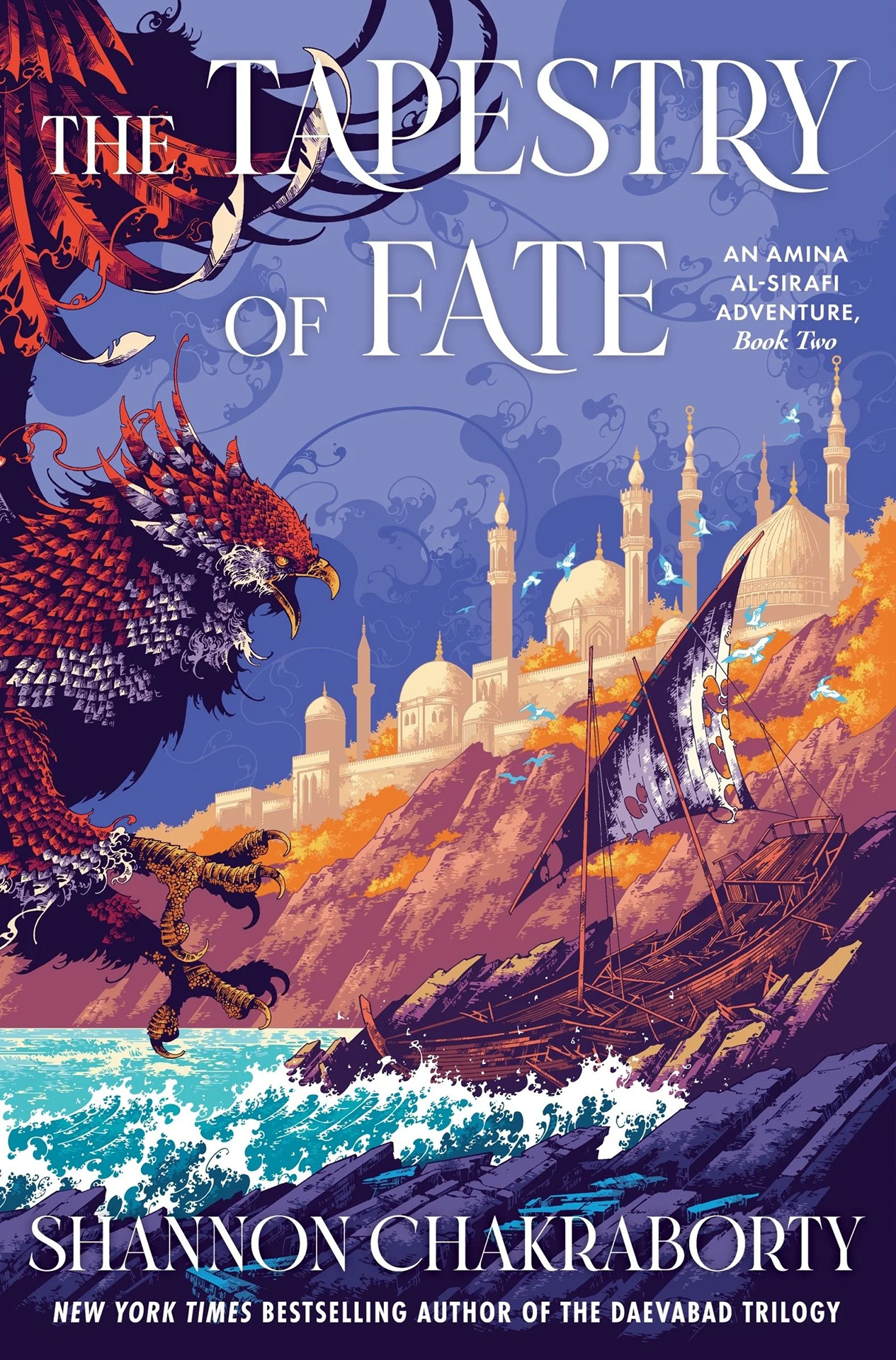
‘The Tapestry of Fate’
by Shannon Chakraborty
I recommended the first book of this series when it came out in 2023, and the sequel is even better. Forcibly unretired pirate Amina al-Sirafi gets back together with her crew for a dangerous quest to retrieve a magical object that can weave (and unweave) fates. It’s action-packed from the first line, features a fascinating new villain, and wrenched my heart all over again as Amina negotiates motherhood and loyalty, adventure and obligation, trust and betrayal. Highly recommended!
— Amanda Hannoosh Steinberg, Librarian for Islamic Art & Architecture, Fine Arts Library
Nonfiction
‘Waiting on the Moon’ / Elvis Is Dead, I’m Still Alive’ / ‘No New York’ / ‘This Is Not a Book About Benedict Cumberbatch’ / ‘Of Thorn & Briar’ / ‘I Hear Freedom’ / ‘Silicon Snake Oil’ / ‘How to Winter’
Skip to Fiction | Science fiction & fantasy
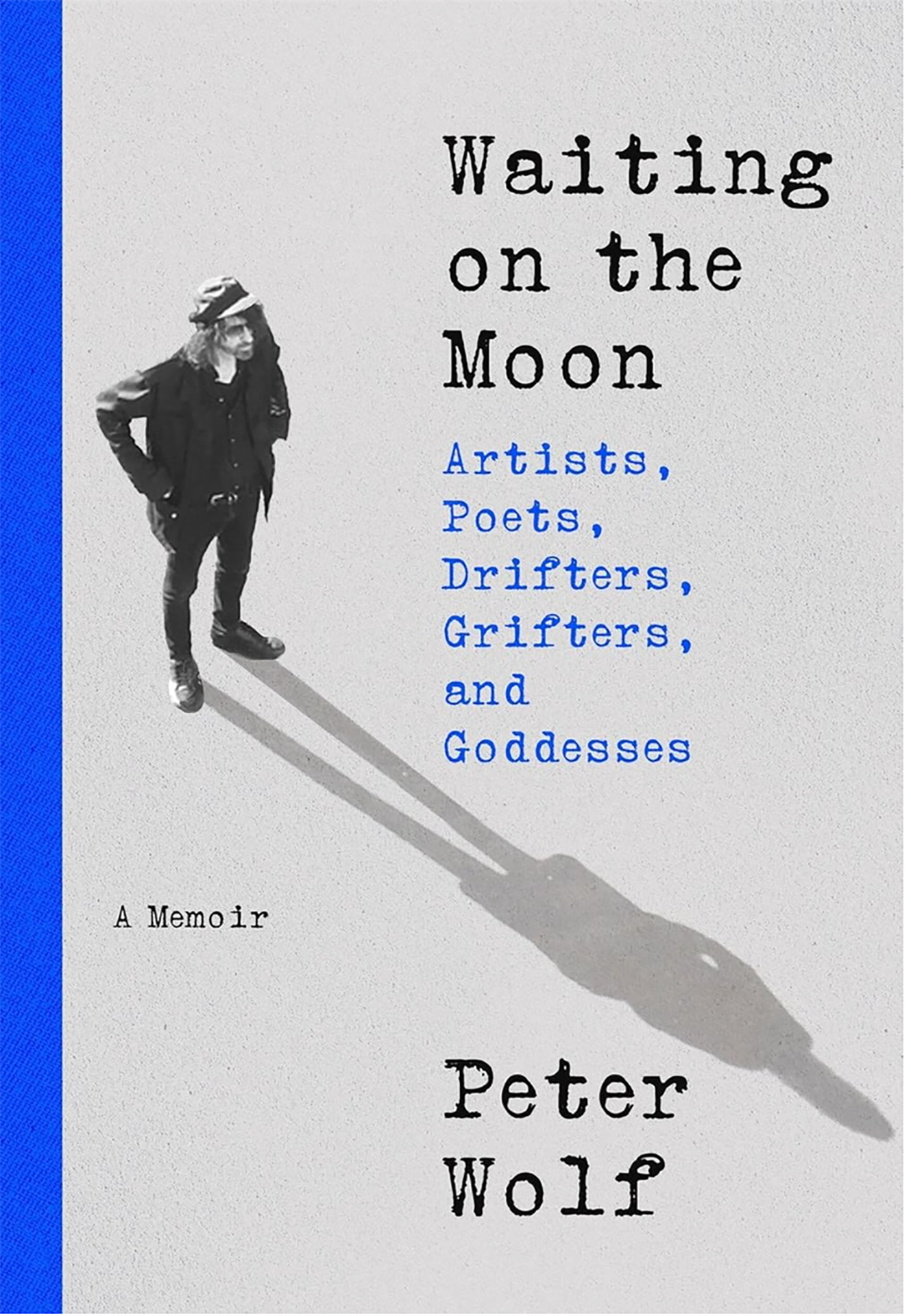
‘Waiting on the Moon: Artists, Poets, Drifters, Grifters, and Goddesses’
by Peter Wolf
Boston-based musician and raconteur Peter Wolf’s memoir moves readers through a series of loosely chronological, related vignettes — one part raucous, one part introspective — to tell us who he is. Focusing on the relationships that shaped his experience as a thinker, writer, musician, and partner, Wolf shares his history as a friend. Topical bonus: Much of Wolf’s experience is centered in and around Harvard Square and its characters.
— Colin Lukens, Senior Repository Manager, Open Scholarship and Research Data Services
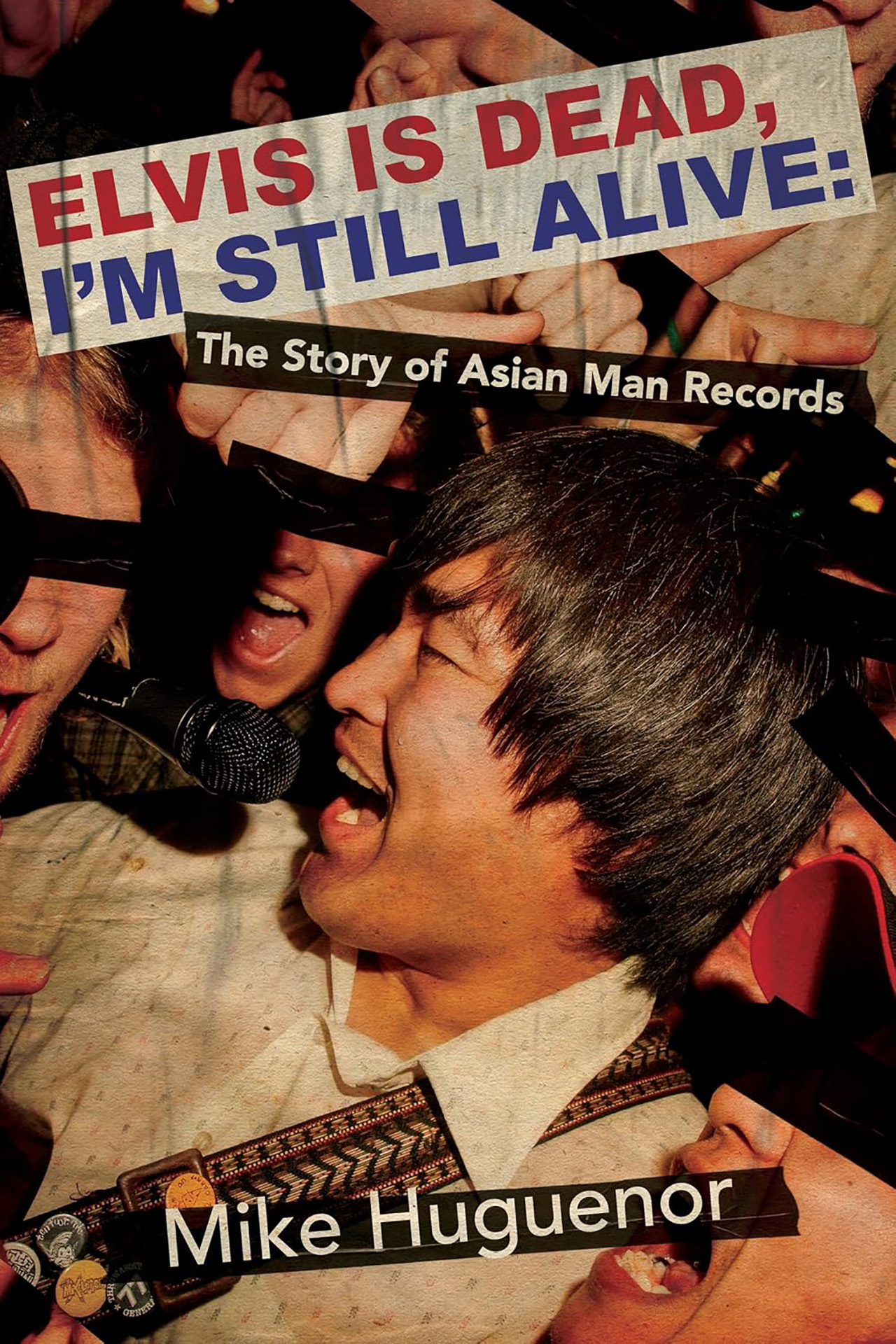
‘Elvis Is Dead, I’m Still Alive: The Story of Asian Man Records’
by Mike Huguenor
The music label Asian Man Records has been a voice of reason, inclusion, and anti-racism for 30 years. The ska, punk, and indie bands that call it home have independently been curated by owner Mike Park. This book details how the label has launched many careers, maintained a DIY approach, and built community through music all along.
— Scott Murry, Senior Designer, Harvard Library Communications

‘No New York’
by Adele Bertei
As a longtime fan of the late 1970s NYC No Wave movement, Adele Bertei’s memoir is required reading for me. Bertei was at the absolute epicenter of that world. She was an early member of James Chance’s band The Contortions, as well as Brian Eno’s assistant. She convinced Eno to attend Artists Space’s No Wave festival, which led to him producing the No New York compilation record. Adele Bertei witnessed punk colliding with post punk and helped make No Wave possible. This book doesn’t romanticize the era but brings all the details, both good and bad, to life in vivid detail. This is an especially rewarding read because it centers women in the history of 1970s punk rock, which has long been dominated by male gatekeepers. It offers an insider perspective you simply won’t find elsewhere.
— Phil Plencner, Senior Software Engineer, Library Technology Services
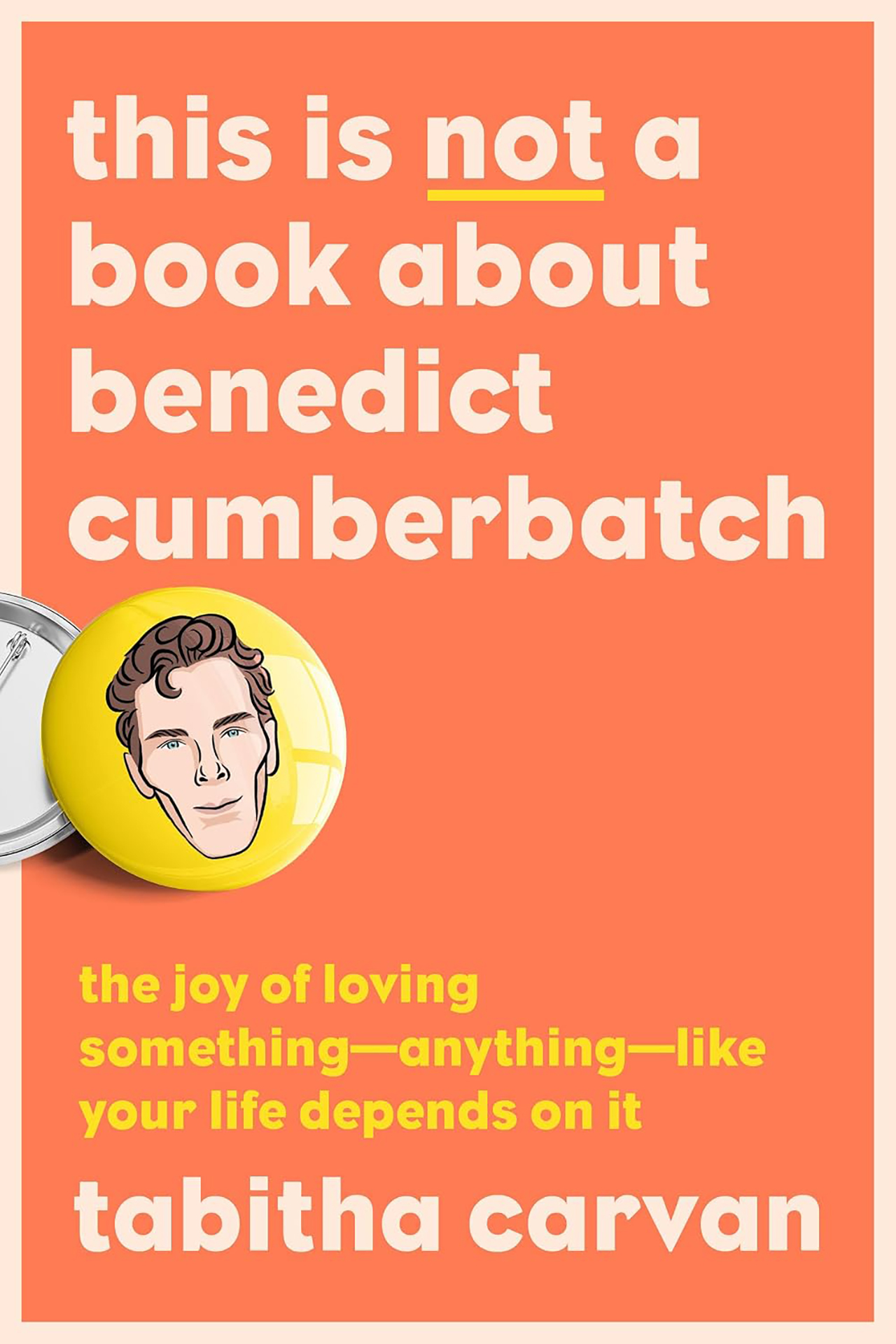
‘This Is Not a Book About Benedict Cumberbatch: The Joy of Loving Something — Anything — Like Your Life Depends On It’
by Tabitha Carvan
As the title says, this is not a book about Benedict Cumberbatch, the famous actor; it’s actually about all of us. Tabitha Carvan, a science writer, develops an uncharacteristic but undeniable crush on the famous actor. She faces this identity crisis by traveling down a tremendously entertaining research rabbit hole, taking us with her as she learns about the weird alchemy of what brings us joy, the odd ways we find shared community, and the surprising benefits of embracing your interests without embarrassment.
— Vardit Samuels, Judaica Collection Specialist, Widener Library
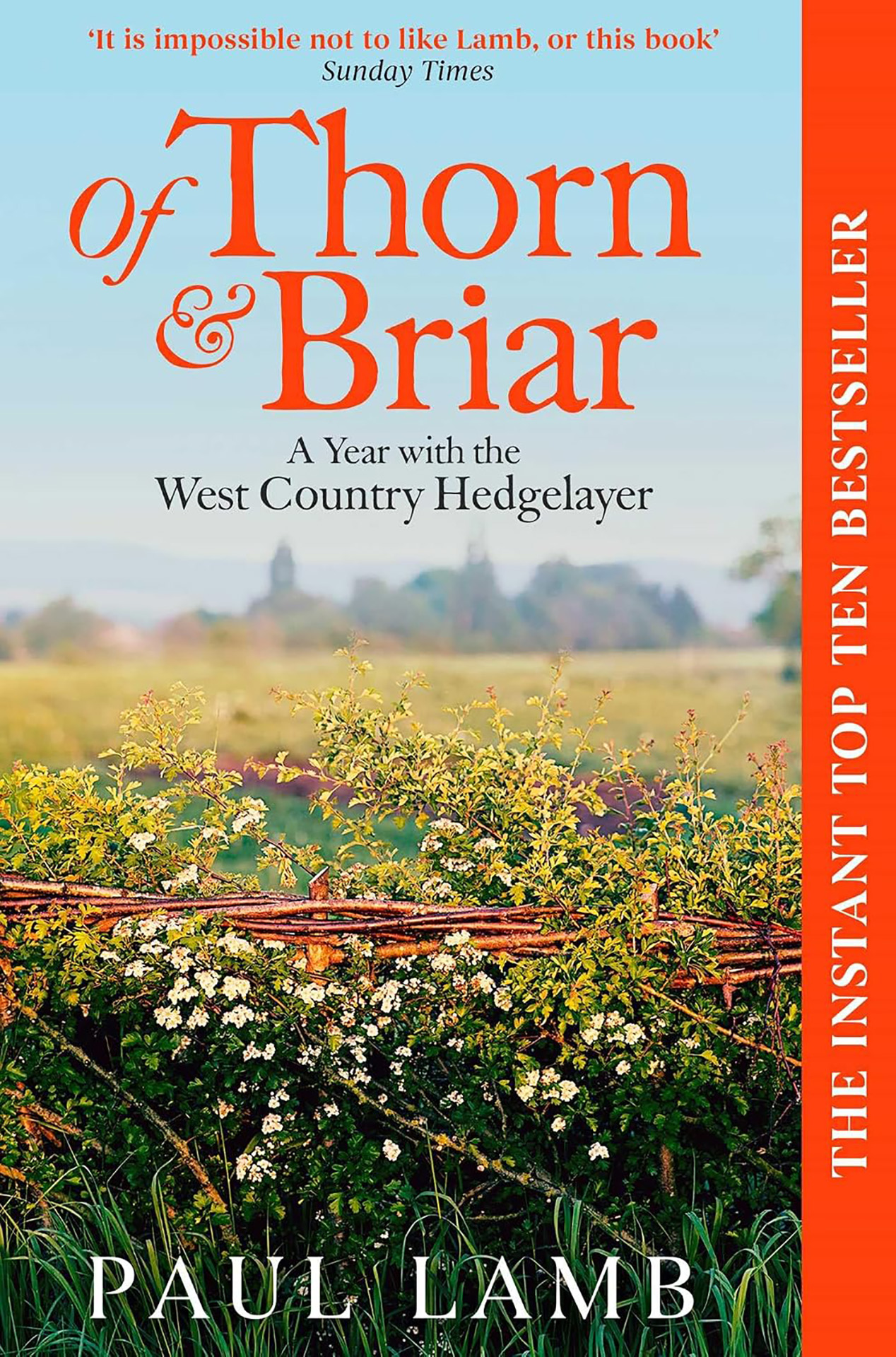
‘Of Thorn & Briar: A Year with the West Country Hedgelayer’
by Paul Lamb
A fascinating month-by-month account of a year in one man’s life as a hedgelayer in England’s West Country. Succinct yet beautifully written, the book chronicles Lamb’s solitary life and work, revealing the intricacies of his craft alongside vivid descriptions of the natural world. It’s a compelling exploration of the life of a man who works with the rhythms of nature and who has made a conscious, considered decision to live life on his own terms.
— Bryan Sutherland, Digital Content Management Archivist for Institutional Collections, Harvard University Archives
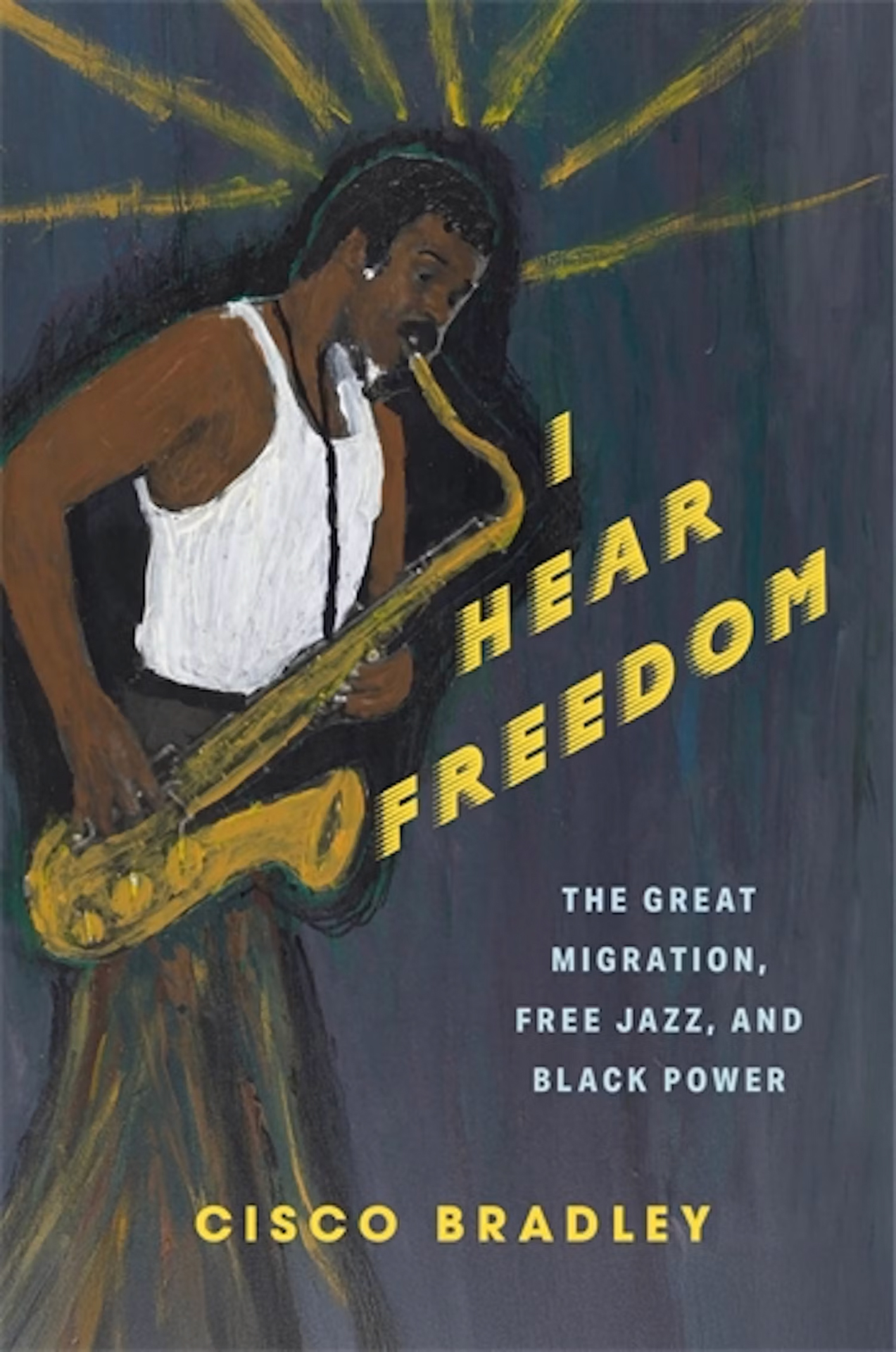
‘I Hear Freedom: The Great Migration, Free Jazz, and Black Power’
by Cisco Bradley
Historian Cisco Bradley suggests that in order to understand the emergence of “Black creative music” or free jazz or avant-garde jazz of the 1960s and 1970s, one needs to understand the roots of Black community, resistance and struggle through an examination of the history of Black mobility and connections in the centuries before and during the 20th-century Great Migration from the southern U.S. Bradley’s focus here is on specific pockets of music in the industrial Midwest and the Greater Ohio Valley. The vast majority of his subjects are by no means household names (apart from perhaps Albert Ayler). Even the most diehard jazz afficionados won’t claim any great familiarity with the musical outputs of musicians like Bobby Few, Frank Wright, Charles Tyler, Faruq Z. Bey, and Charles Gayle. Bradley places them back on the cultural radar and makes the reader want to seek out their recordings.
— Edward Copenhagen, Reference Archivist, Harvard University Archives
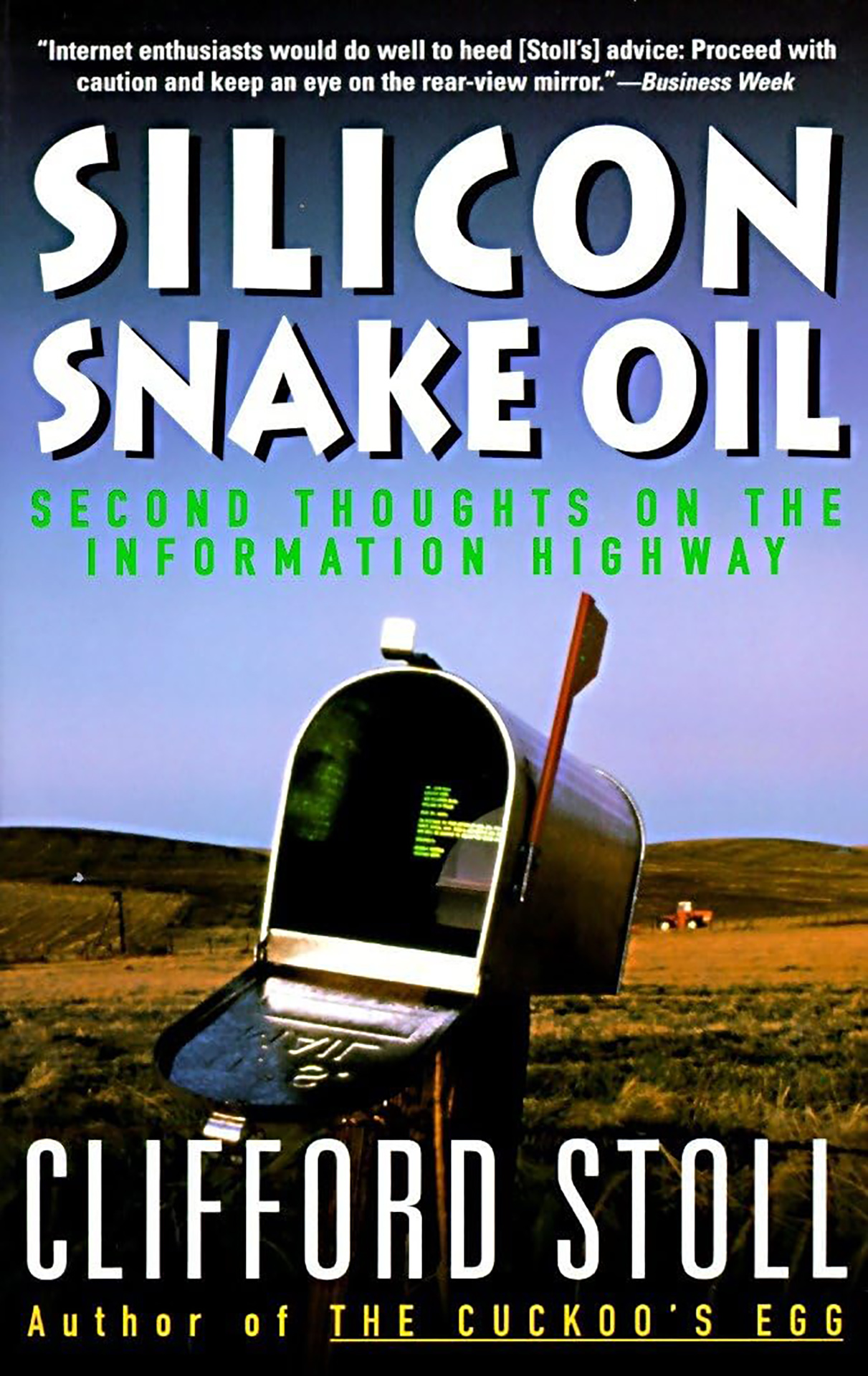
‘Silicon Snake Oil: Second Thoughts on the Information Highway’
by Clifford Stoll
As an individual born the year this book was published (1995), I have only vague memories of the pre-Web 2.0 world (for context, Neopets was my gateway to online life), so I’m very interested in learning more about people’s interactions with and thoughts on the burgeoning web at the turn of the century. Many of Stoll’s predictions didn’t come to pass, but what strikes me about this account three decades later is Stoll’s prescient sense that more time online may increase our feelings of loneliness and dissatisfaction with life. Stoll’s book is an approachable memoir-style account, and it pairs well with more technical texts such as “What Just Happened: A Chronicle from the Information Frontier” by James Gleick and “Artificial Knowing: Gender and the Thinking Machine” by Alison Adam.
— Madeleine Murphy, Access Services Coordinator, Schlesinger Library
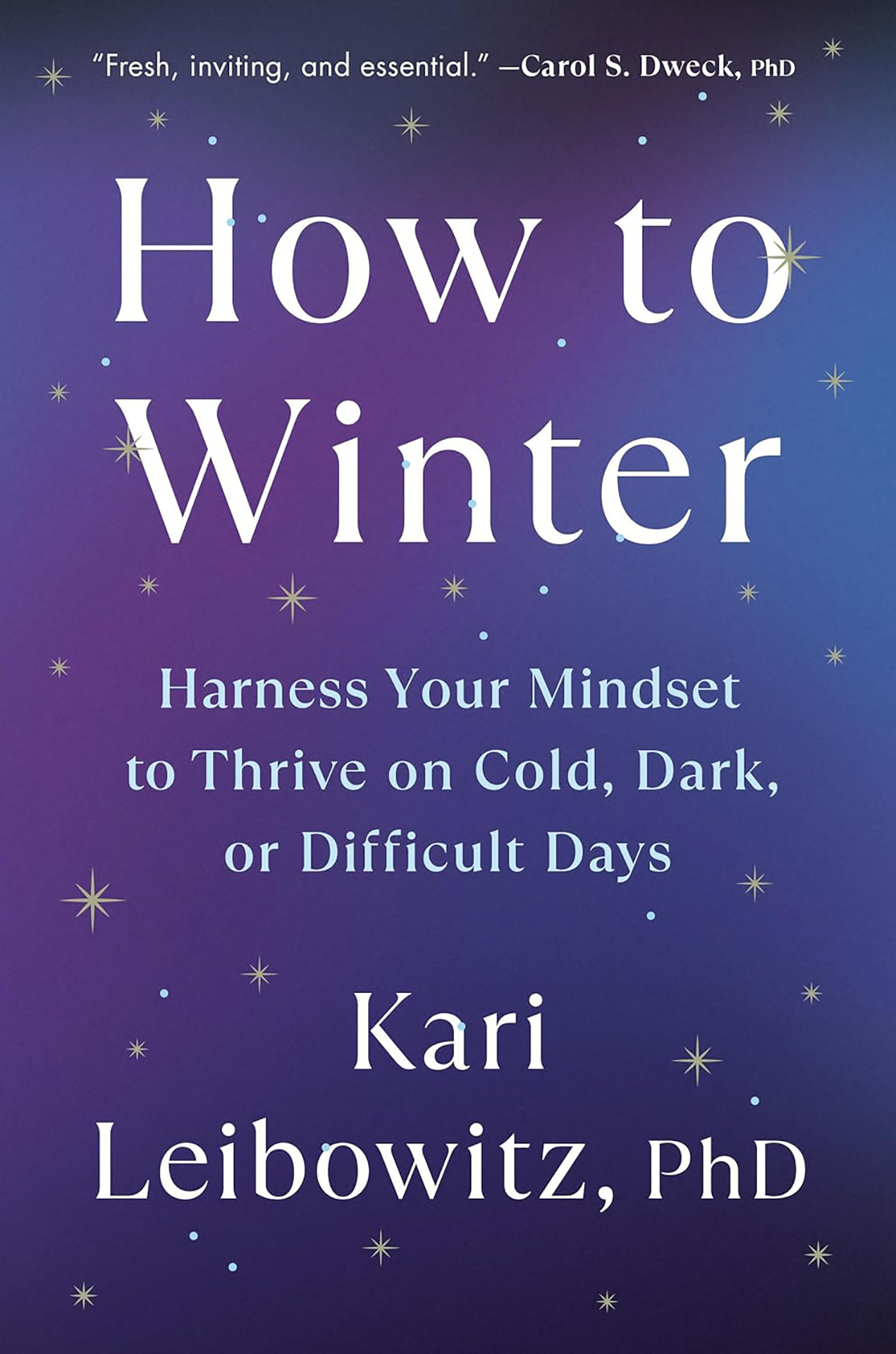
‘How to Winter: Harness Your Mindset to Thrive on Cold, Dark, or Difficult Days’
by Kari Leibowitz
It may be summer, but in New England, it’s never too soon to start preparing for winter. As someone who’s always struggled through the colder months, this book completely reframed the season for me. I appreciated its mix of research, practicality, and gentle encouragement to embrace winter instead of just surviving it.
— Vanessa Venti, Digital Collections Services Manager, UX and Discovery