Dental school leaders chart a path for the future of dental education
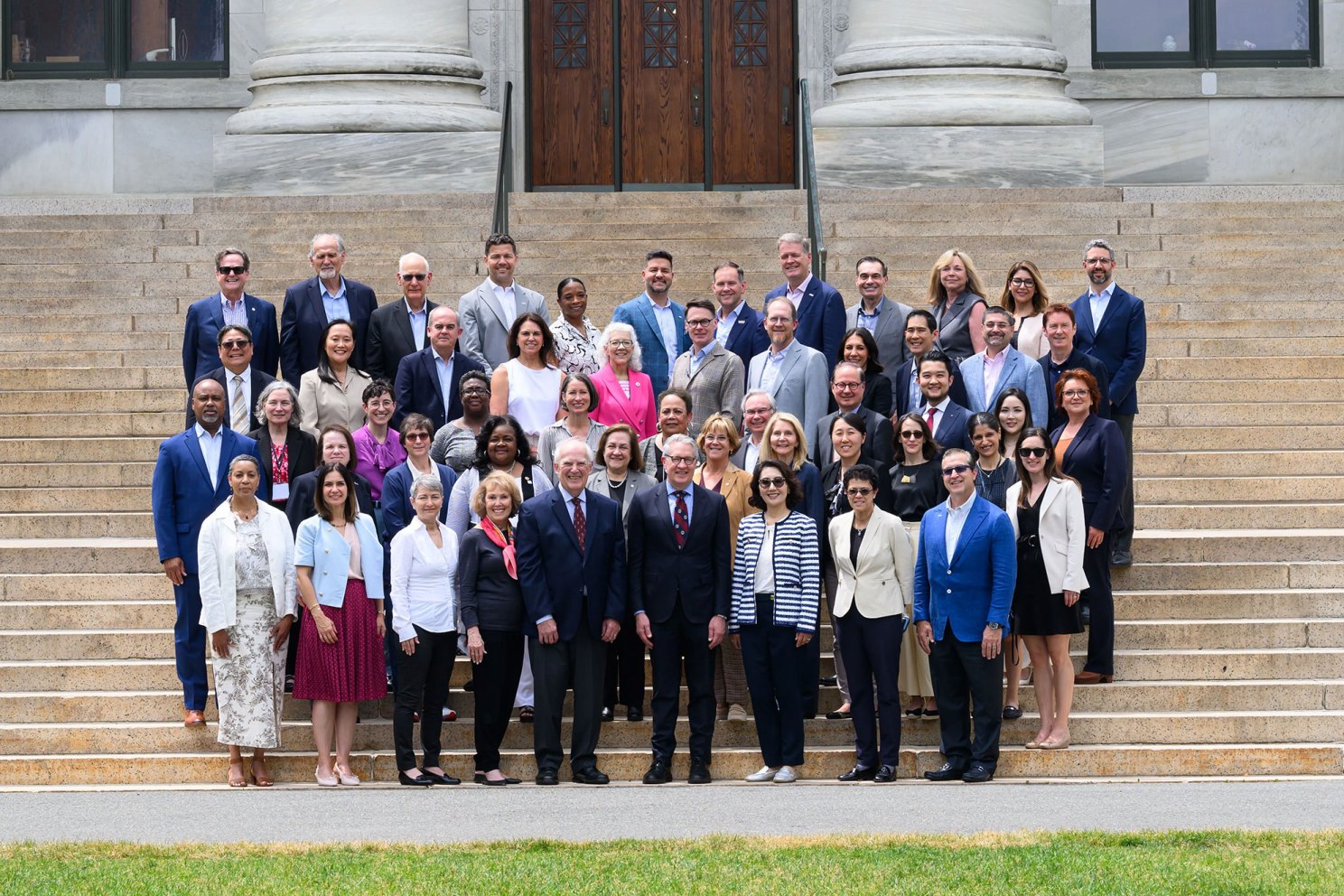
Dental school deans and leaders from across the U.S., Canada, and the United Kingdom convened for the two-day Reimagining Dental Education summit.
Photo by Gretchen Ertl
ContactHeather Denny
3 min read
Nearly a century after the landmark Gies Report helped define modern dental education, leaders across the profession say another moment of transformation has arrived. Confronted by dental workforce shortages, persistent gaps in access to oral care, rising student debt, and disruptive technologies, dental school leaders are looking closely at how education must adapt to meet the needs of future patients and practitioners.
In early June, dental school deans and leaders from across the U.S., Canada, and the United Kingdom convened for the two-day Reimagining Dental Education summit at the Harvard School of Dental Medicine (HSDM) to identify actionable priorities for the profession. Participants explored how dental education can evolve to address workforce needs, improve access to care, strengthen academic career pathways, and prepare students for rapidly changing models of practice.
“I’m so pleased to welcome dental school deans and representatives of dental associations to devote two days from your very busy schedules to really look at these challenges and opportunities we have in dental education,” said HSDM Dean William Giannobile in his opening remarks.
The dental deans were joined by leaders from national dental and research organizations including the American Dental Association, American Dental Education Association, National Institute of Dental and Craniofacial Research, and American Association for Dental, Oral and Craniofacial Research. The event was also supported by the non-profit CareQuest Institute for Oral Health, which focuses on equitable access to oral health. Together, the participants represented many of the organizations that shape dental education, research, policy, and clinical practice in the U.S., creating a unique forum for cross-cutting collaboration.
Participants worked in small groups to develop recommendations across six priority areas, including access to care, student debt, leadership development, and technology transformation.
Photo by Gretchen Ertl
Reimagining dental education for a new era
Giannobile noted that while progress has been made in the profession since the 1926 Gies Report advocated for dental education to be anchored in science and research, many foundational challenges remain unresolved. In addition, the profession faces new risks to federally funded research, international student enrollment, and growing dental deserts in many areas of the country.
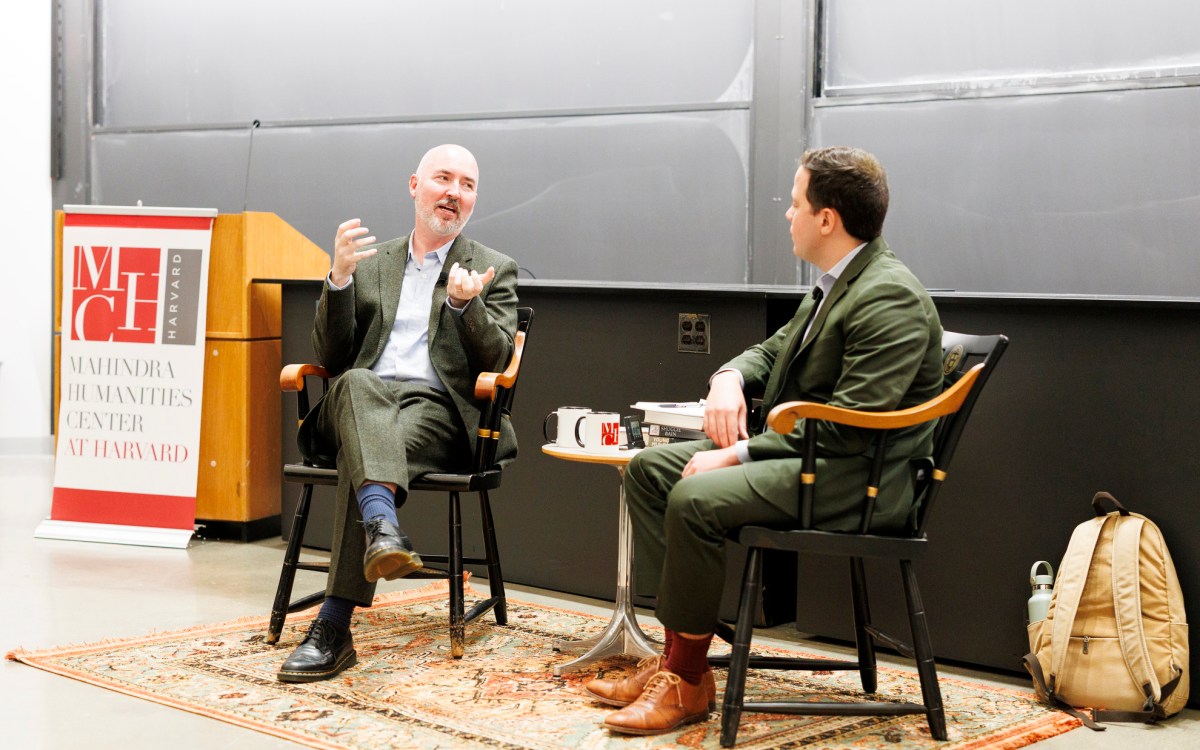
“Turbulence is the new normal,” said keynote speaker Eric McNulty, associate director for the National Preparedness Leadership Initiative and instructor at the Harvard T.H. Chan School of Public Health. McNulty spoke about the challenges faced by higher education and in the current state of worldwide instability.
“When I talk about leading through uncertainty, I talk about meeting an uncertain future with hope, confidence, and agency,” McNulty said. He encouraged the dental leaders to focus on bringing people together and working across universities and associations to contribute to solutions.
From discussion to action
Inspired by their charge, the dental leaders convened in six working groups to develop actionable, consensus-driven recommendations around six priority areas: Access, Equity and the Oral Health Care Gap; Student Debt, Sustainability and Pathway Reform; Academic Career Pathways for Clinical Educators/Scientists; Interprofessional Education and Health System Integration; Leadership Development at Every Career Stage; and Technology and Practice Transformation.
The goal was to move beyond identifying challenges and toward creating a shared agenda for action.

 Featured series