Featured series

Health
-
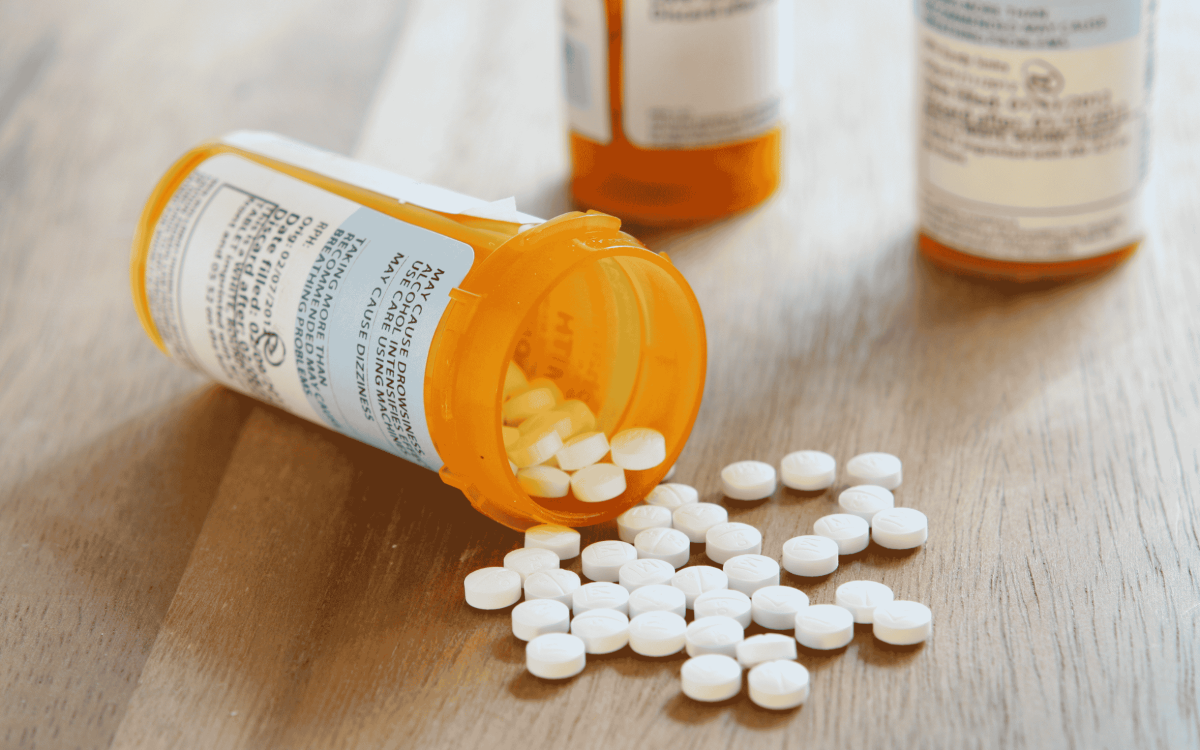
Who needs opioids?
HSDM team explores how artificial intelligence could help clinicians tailor pain treatment to individual patients
-

Does having a bad dream make you a bad person?
Psychologist breaks down what those negative night narratives might be trying to tell you
Part of the Wondering series -
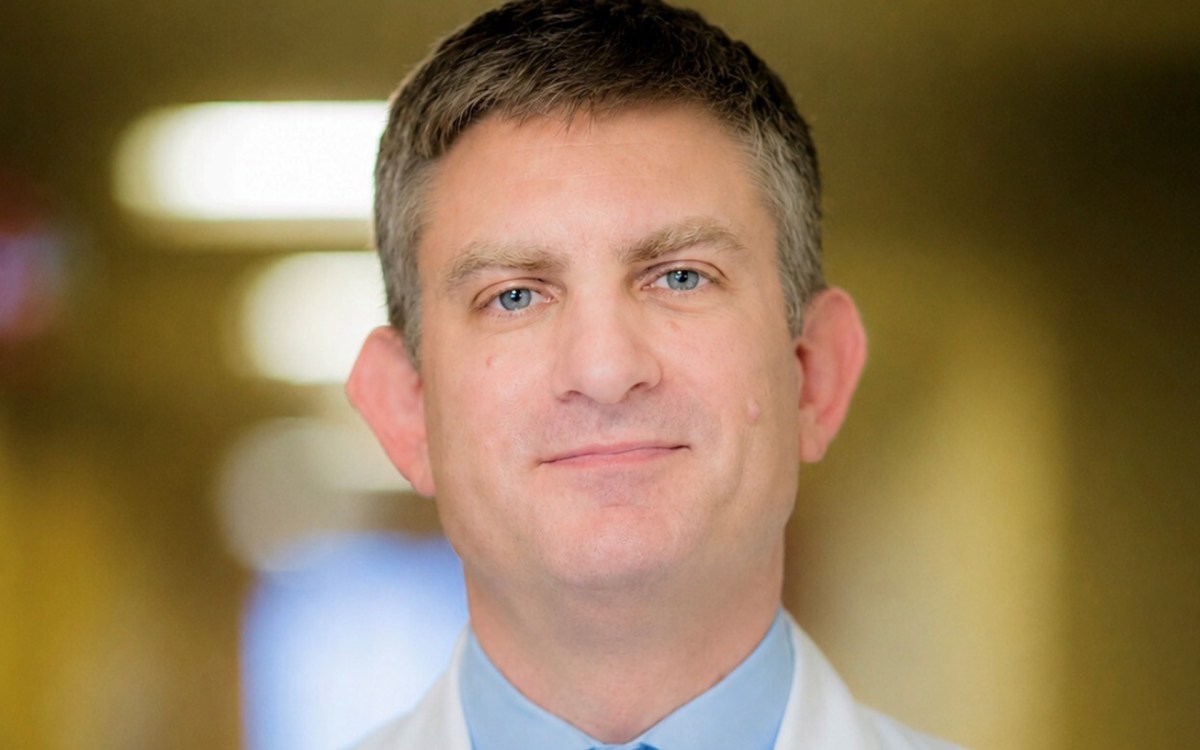
Has pancreatic cancer met its match?
Frontline researcher sees newly approved medication as ‘critical first step’ toward transformation of care

-
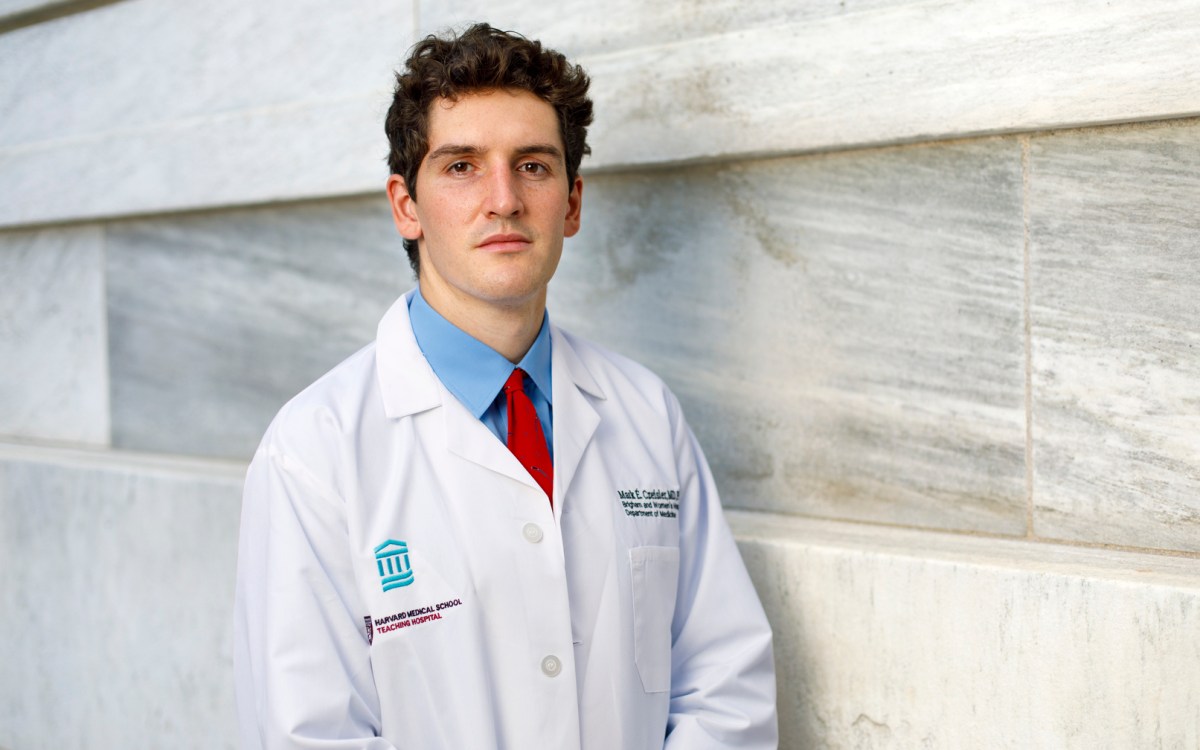
More evidence that mass shootings are suicidal acts
New research finds national peaks for suicides, gun rampages take place within days of each other in summer
-
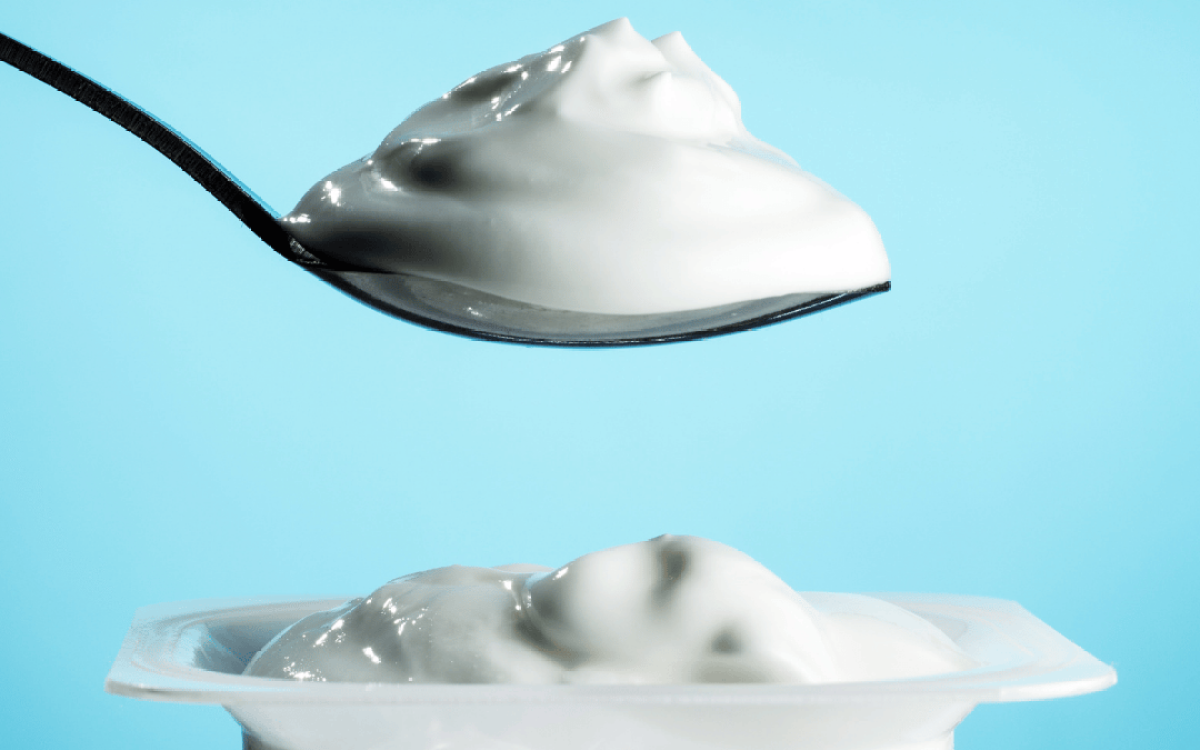
Why is yogurt good for us?
Genghis Khan supposedly fed it to his troops for strength and bravery. He might have been onto something.
Part of the Wondering series -
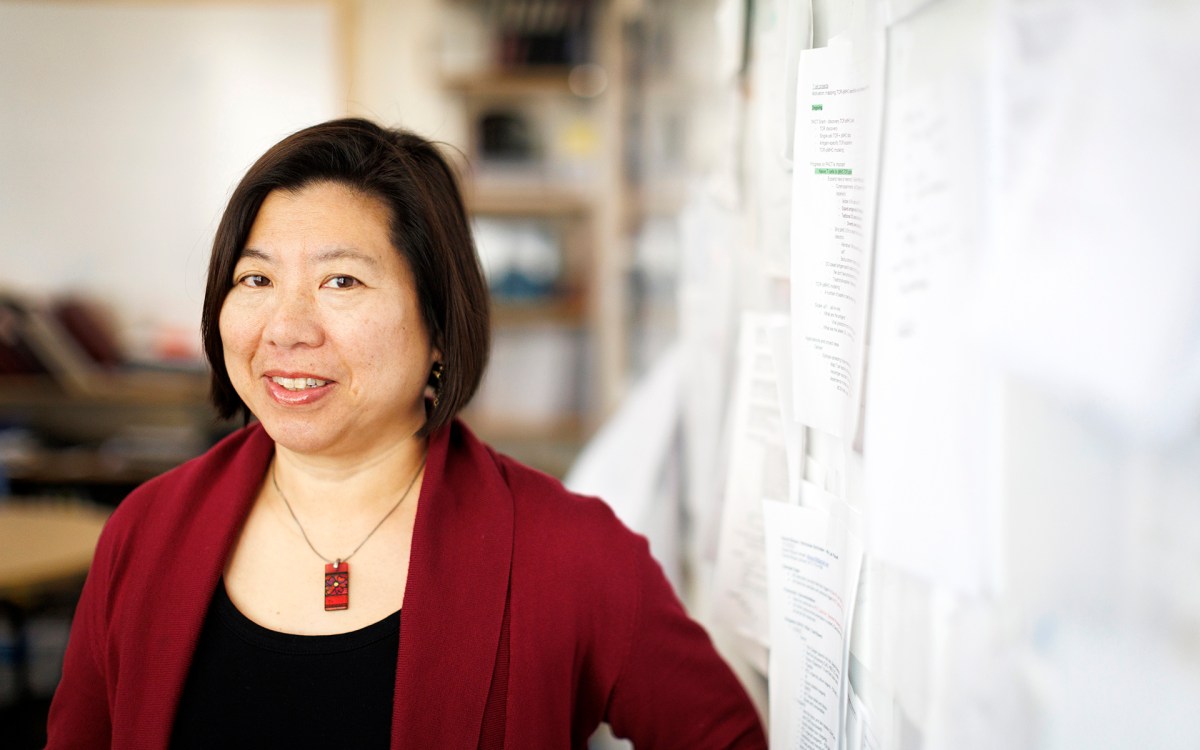
Pioneering cancer fighter sees promise beyond melanoma breakthrough
‘This is not a time that we should be pulling back,’ says Catherine Wu. ‘It’s a very, very exciting time in the field.’
-
Note to stressed parents: Instead of trying to be perfect, do this.
Experts offer tips for raising children while overwhelmed

-
Which diet is right for you? Wrong question.
Quiz based on Daniel Lieberman’s new book looks at food fads through evolutionary lens

-
Crackers are past date on box. Should I toss them?
Policy expert says new California law highlights need for national standards on safety labels to cut high levels of U.S. food waste
-
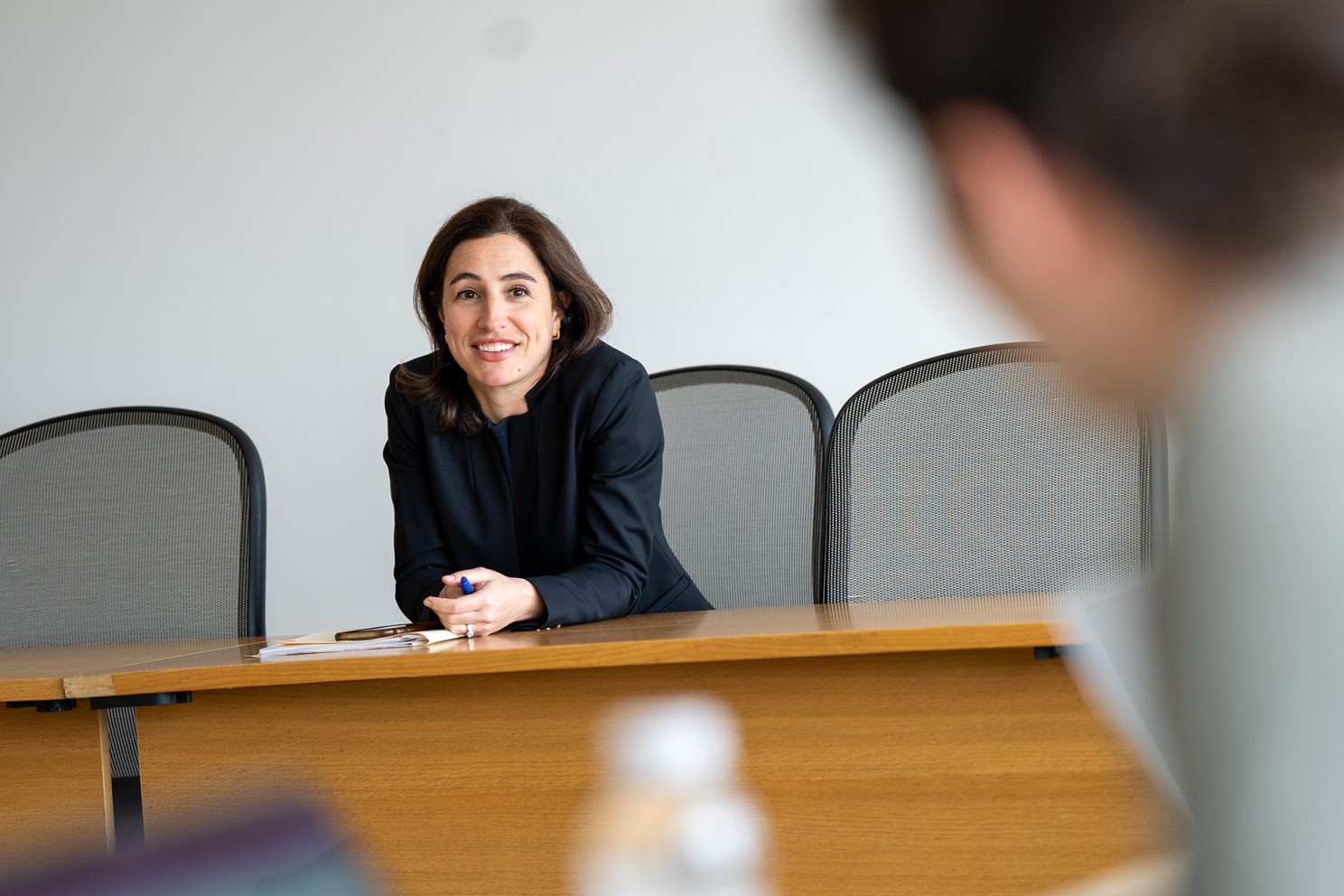
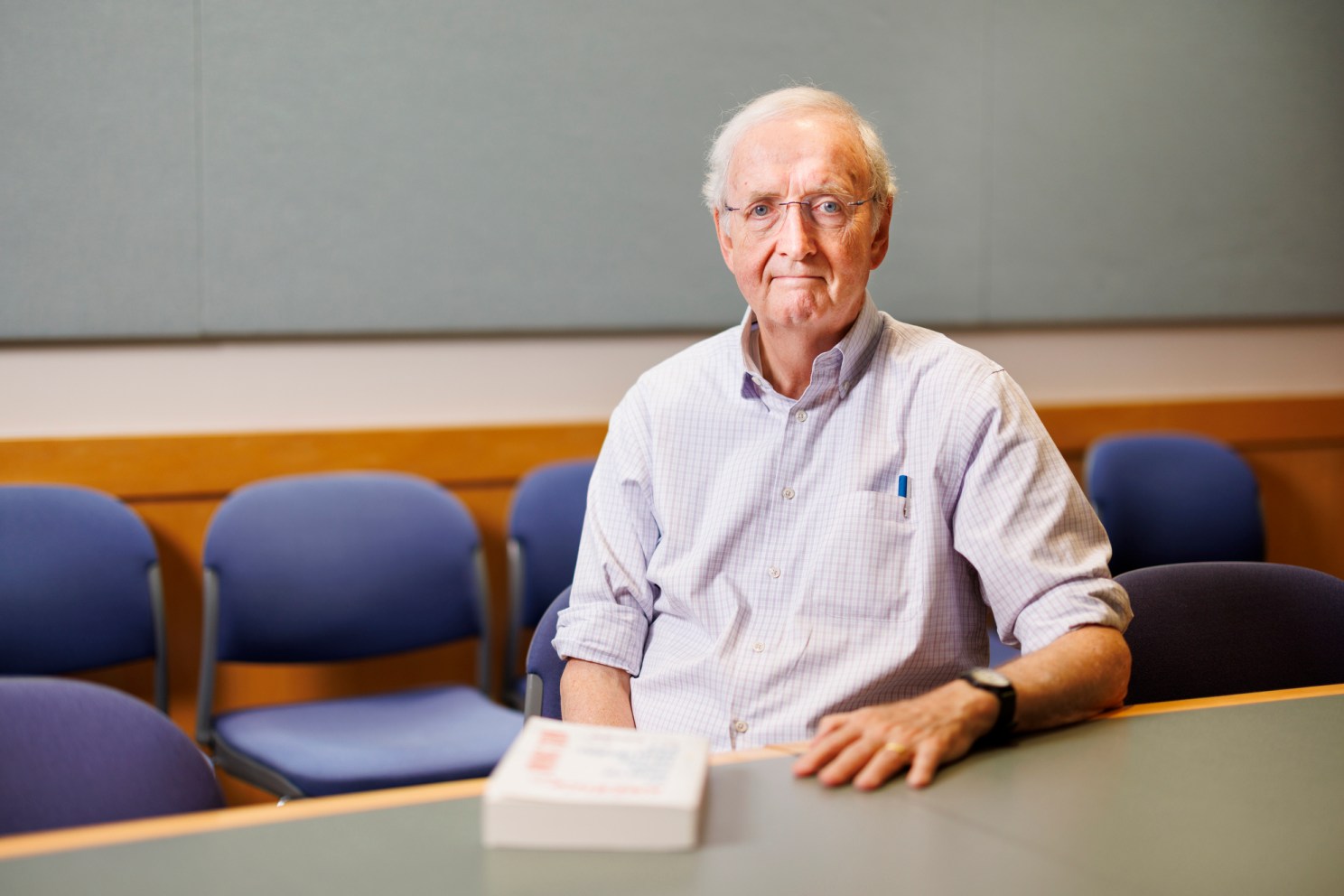
How to fix U.S. healthcare? ‘Radical action,’ says John McDonough.
Chan School expert links soaring costs to broader policy shifts in ‘America’s Wrong Turn’
-
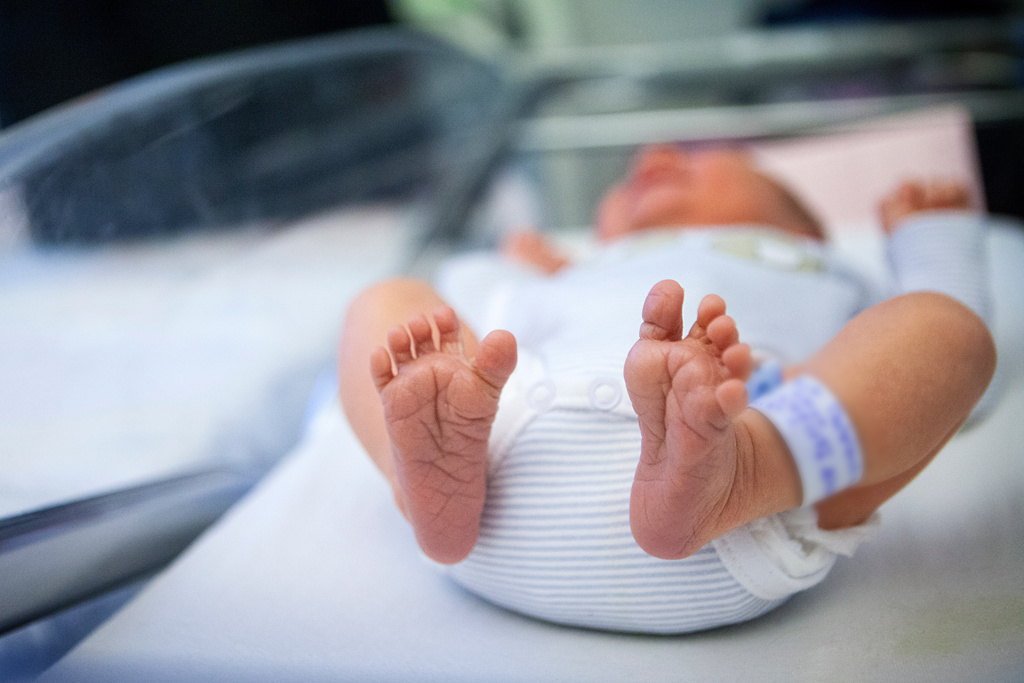
Screening newborns for cancer risk
Blood samples routinely collected at birth could be used for genetic testing, potentially helping 1,000 children a year, study suggests
-
For women in menopause, ‘not all healthy diets are equal’
Study comparing 11 eating patterns finds two clear paths to curbing weight gain
-
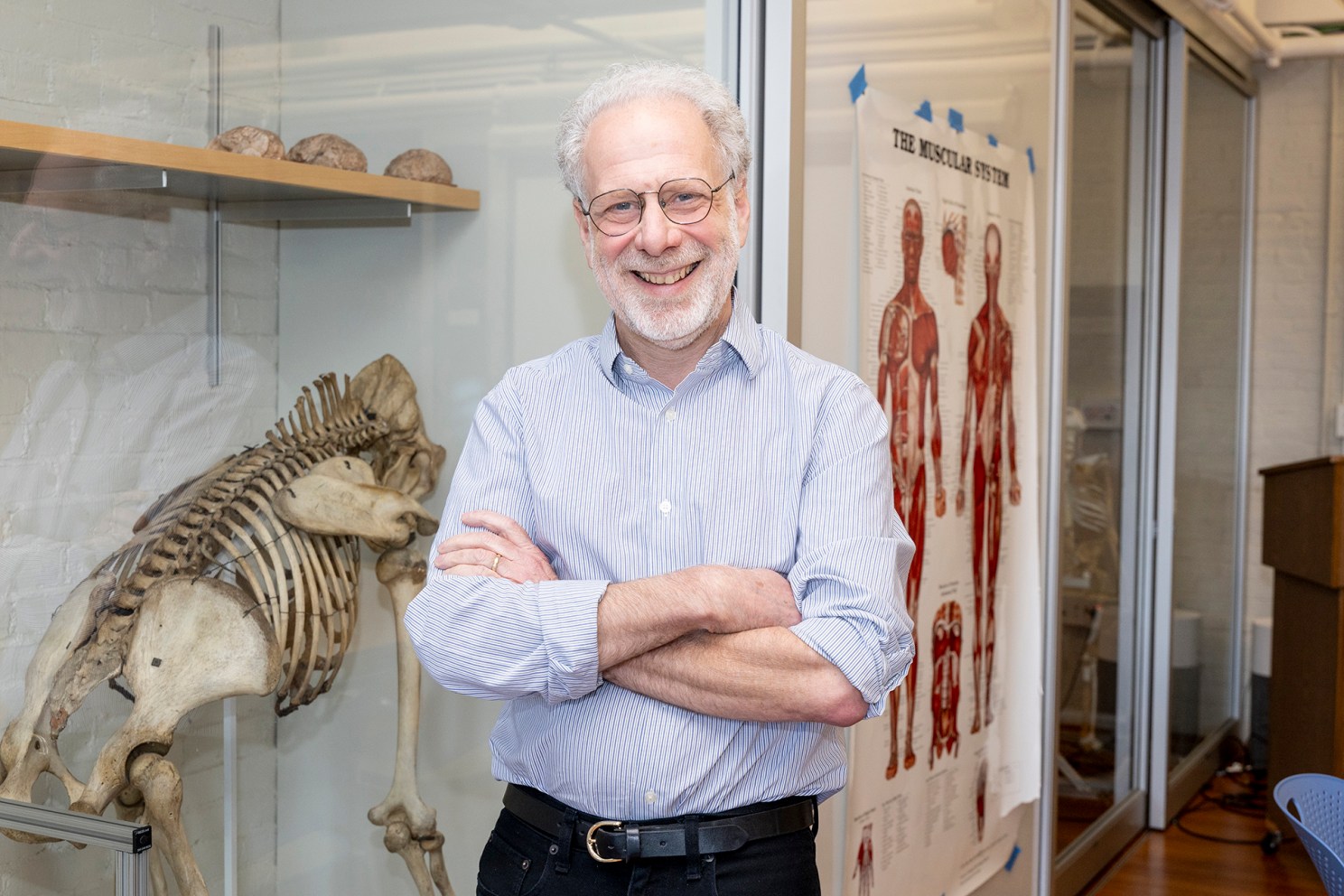
Total keto or veganism? Daniel Lieberman considers how humans evolved to eat.
Excerpt from evolutionary biologist’s new book ‘Fed Up’
-
Part grueling race, part field study
From a bicycle seat, Harvard postdoc sees roadblocks facing rural medicine

-
AI use surging for mental health help among young people
Survey researcher says popularity may help fill gap between rising national problem, shortage of clinicians — provided counsel is sound
-
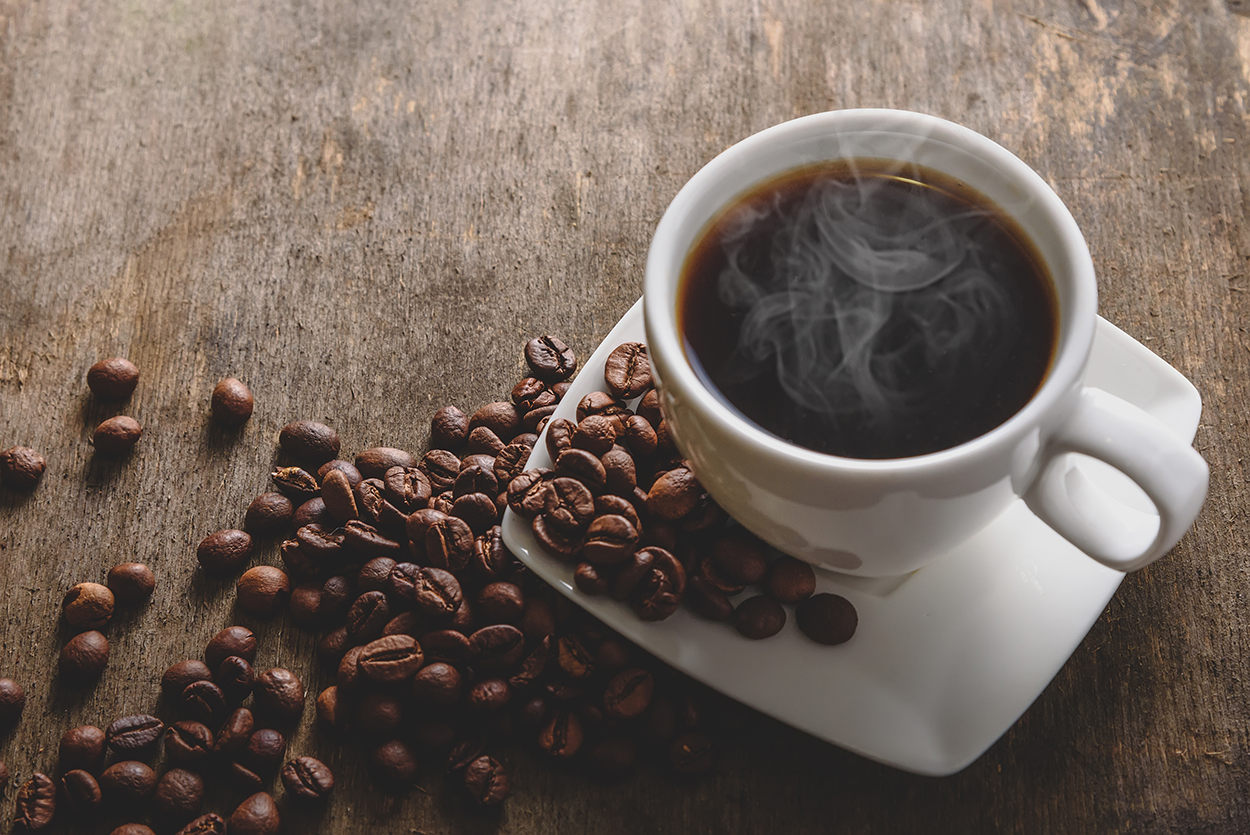
Coffee refill? Go for it, says American Heart Association, with note of caution.
Co-author of new guidance explains how many cups a day are safe — possibly even good for you — and why energy drinks are different
-
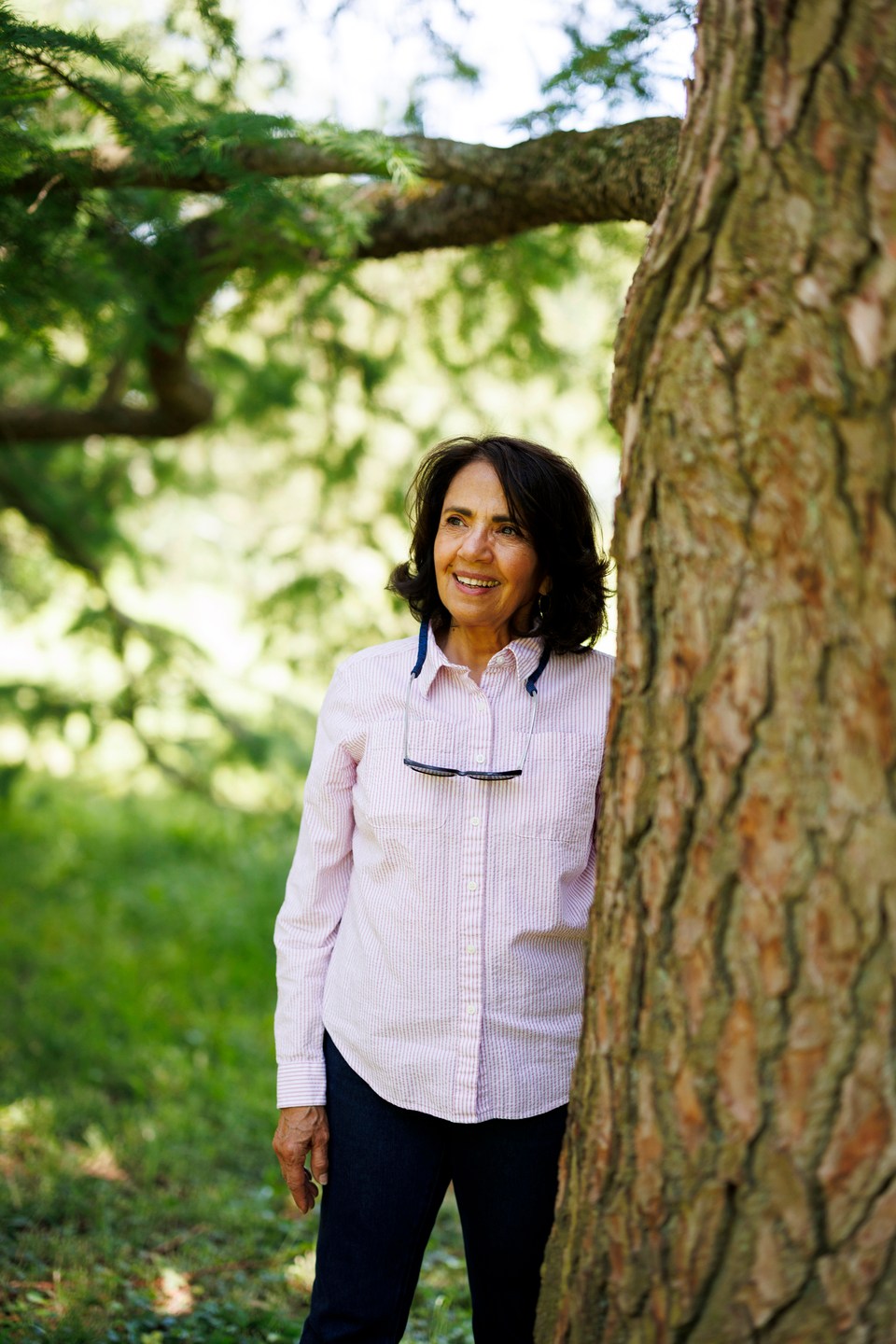
The best medicine may be free
Forest therapy guide explains what a daily dose of nature does for the body
-
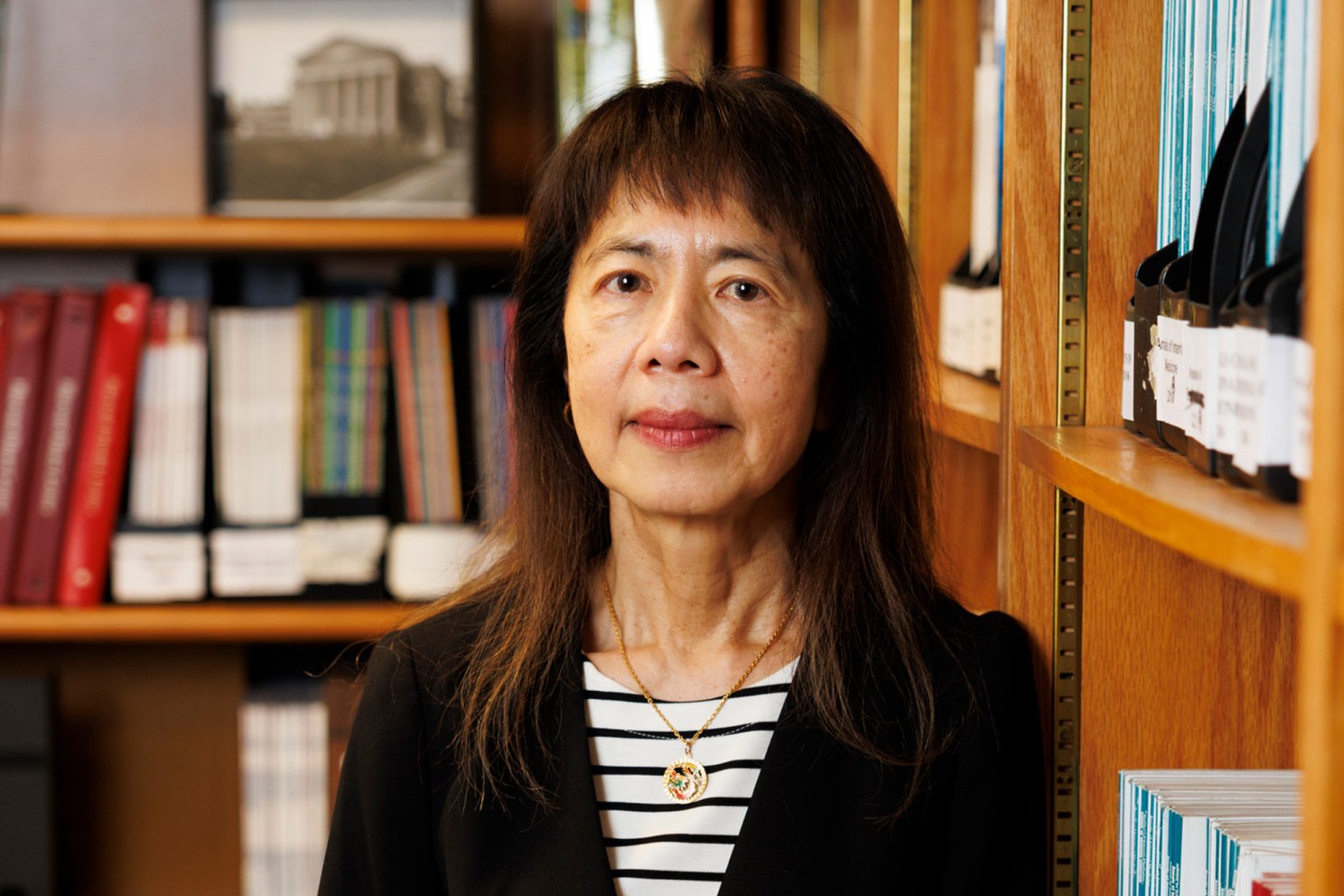
Almost everyone she knew growing up were laborers. Now she researches inactivity.
Epidemiologist I-Min Lee has published hundreds of papers on exercise and heart health in her time with the Harvard Alumni Health Study and the Women’s Health Study
-
Is your cholesterol too high based on latest guidelines?
Study flags elevated LDL levels of 1 in 3 Americans without history of heart disease as major miss for prevention
-
Why you should care about first new FDA-approved sunscreen ingredient in 20 years
HMS dermatology professor Hillary Tsibris explains why you should care
-
A genetic window on ‘All of Us’
Broad Institute researcher details U.S. biobank’s value as global resource in study of roots of disease, health
-
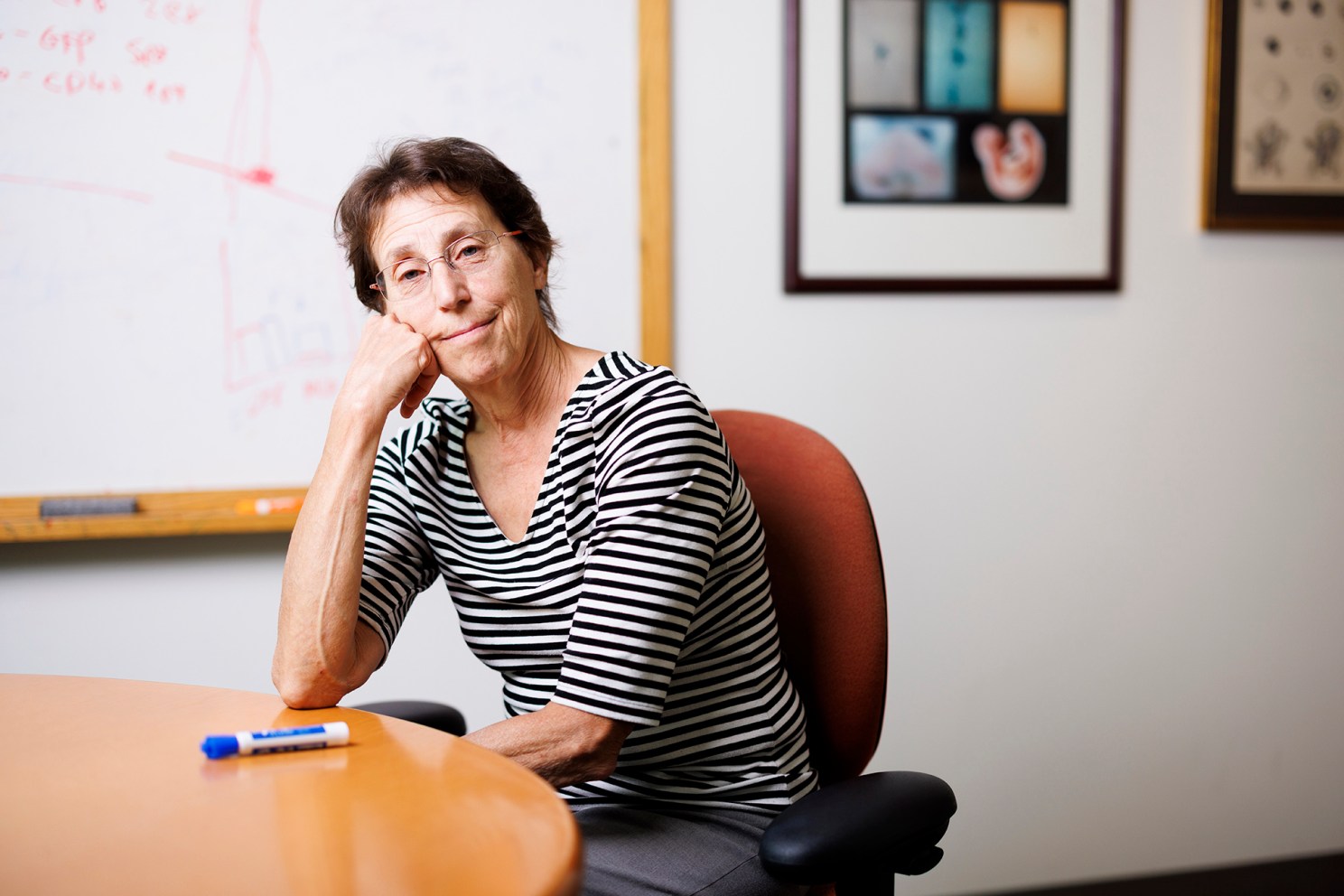
She studies cell lineage in the eye. Now she’s leaving research lineage of her own.
Award-winning biologist Connie Cepko, who advanced work on vision-threatening disease, passes the torch to scientific successors
-
NFL players 4 times more likely to die of brain disease, study finds
Despite living longer overall, neurodegenerative mortality risk dramatically elevated

-
Losing sleep is bad for individuals. Communities, too?
Researchers look to fill knowledge gap, push for studies of what happens to health of groups when major events disrupt rest
-
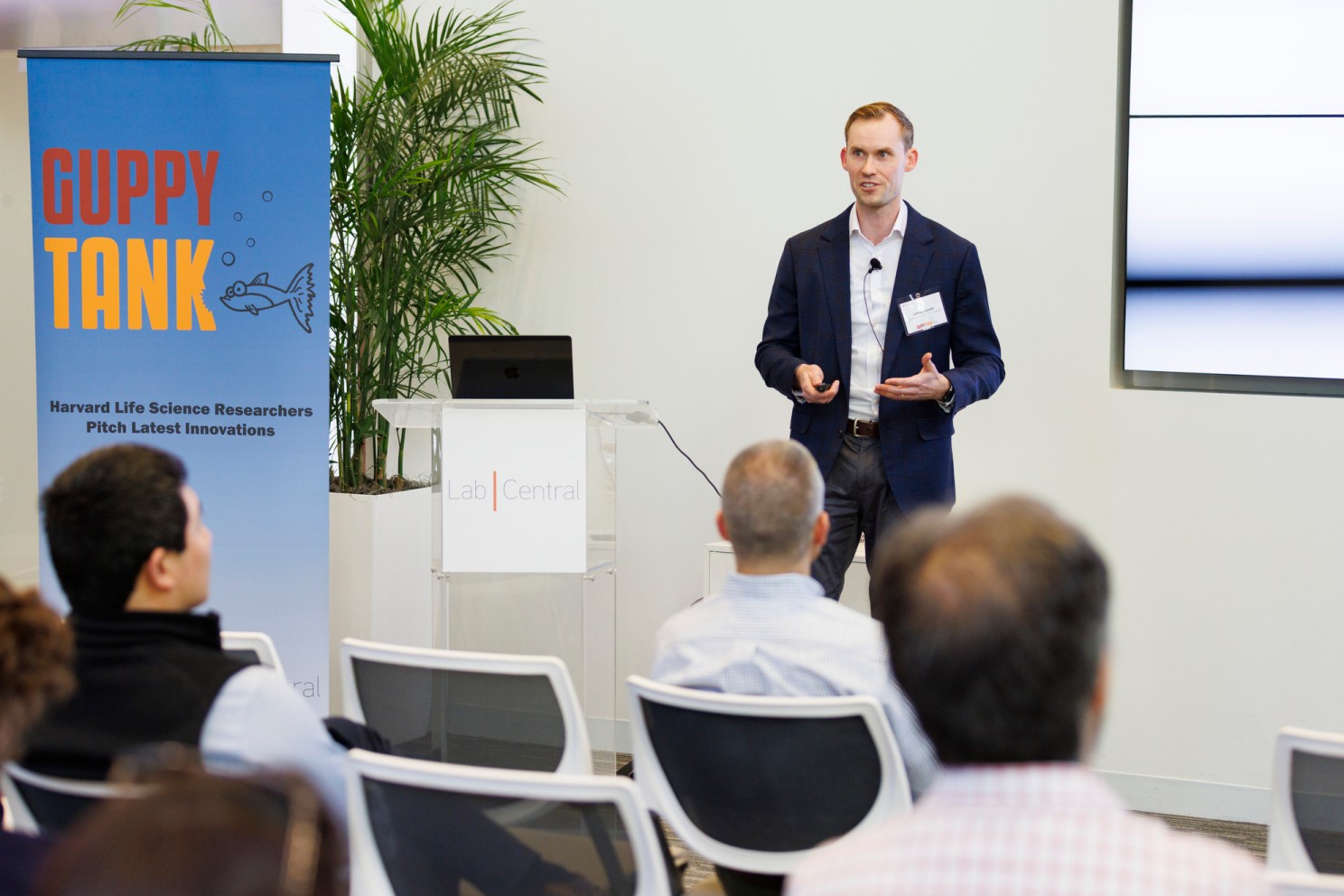
Think ‘Shark Tank,’ without the teeth
Dermatologist gets advice from investors at Harvard’s ‘Guppy Tank’ on new antibody that could help most sun-sensitive patients
-
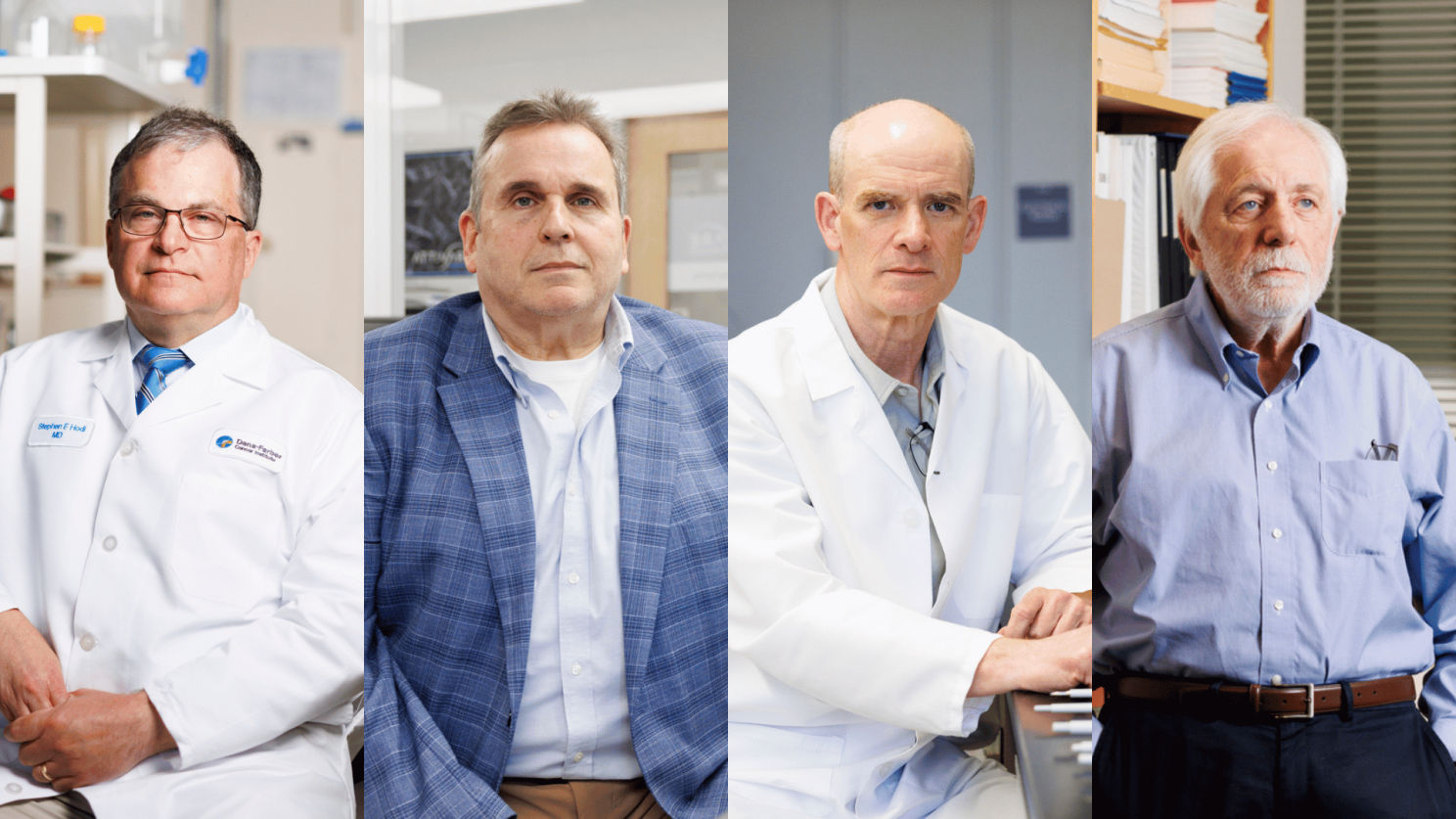
Tracing evolution of vaccine for cancer, malaria
Technology born out of Harvard labs shows power of collaboration, how path to development seldom follows straight line
-
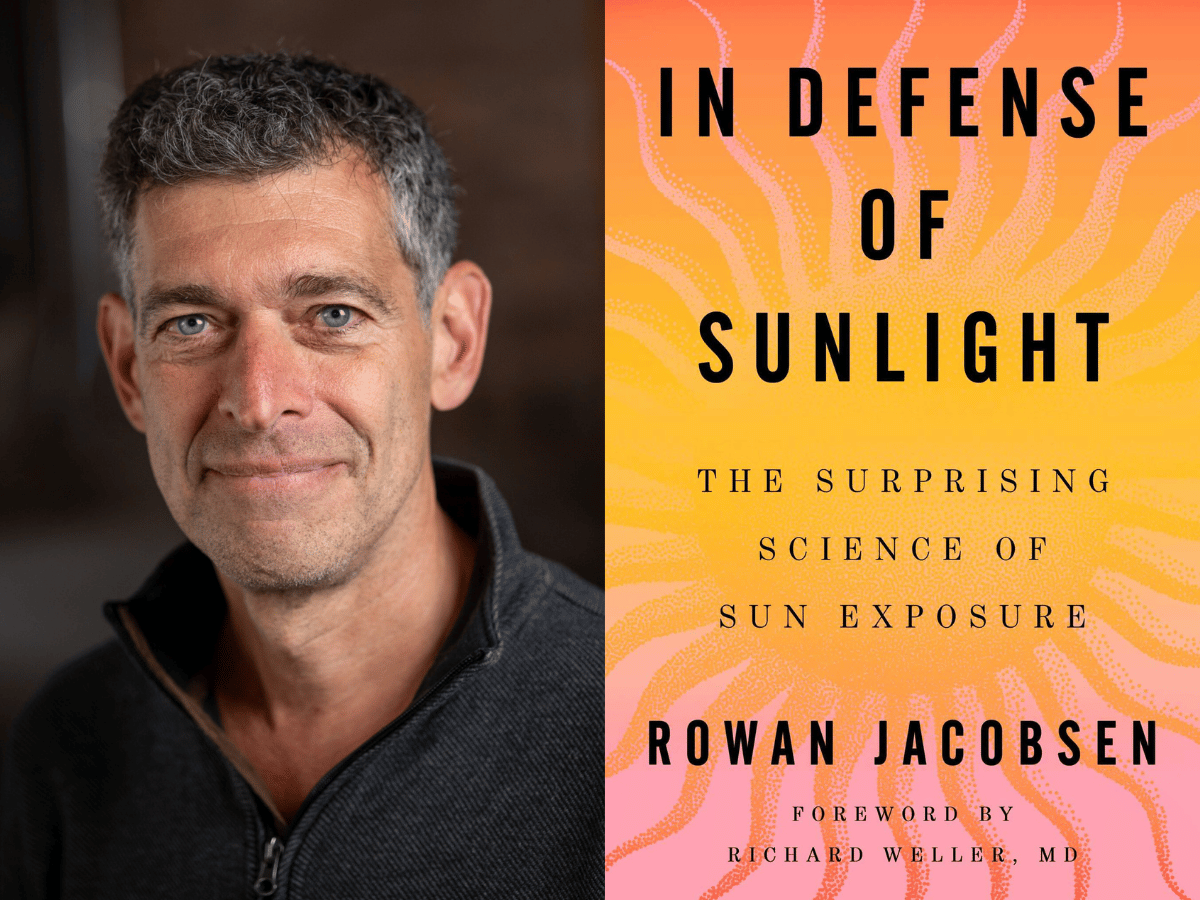
Sunlight is not your enemy
Health benefits outweigh the risks for most of us, according to new book
-
It’s good to break a sweat, but don’t sweat the details
‘What’s important is the total amount of human movement.’
-
Finding ways to ‘drug the undruggable’ diseases
Greg Verdine’s approach embraces improvisational thinking, ‘crazy stuff,’ and he thinks it may be future of medical research
-
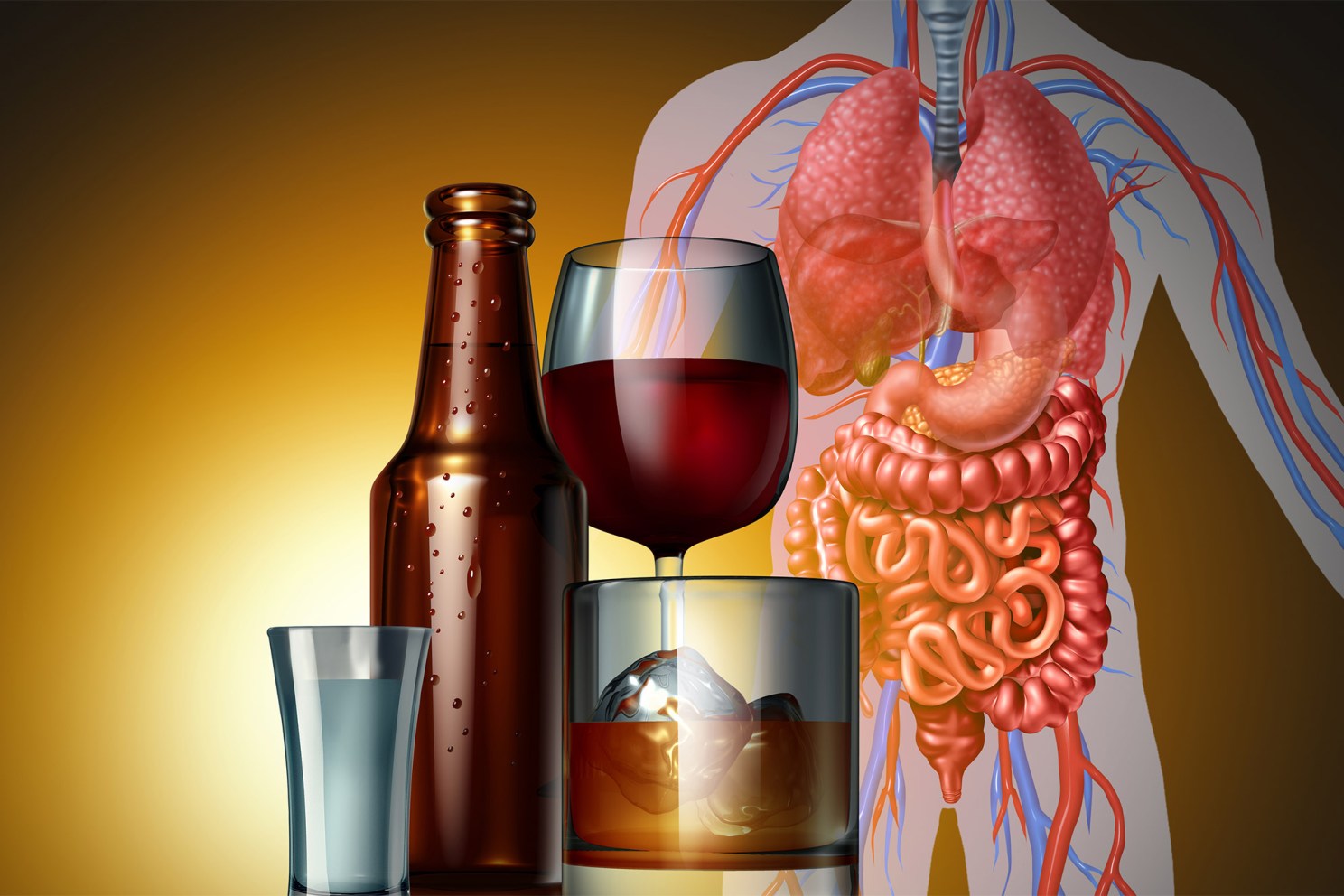
A clearer picture of drinking and disease
New study attempts to reconcile conflicting findings on benefits vs. risks
-
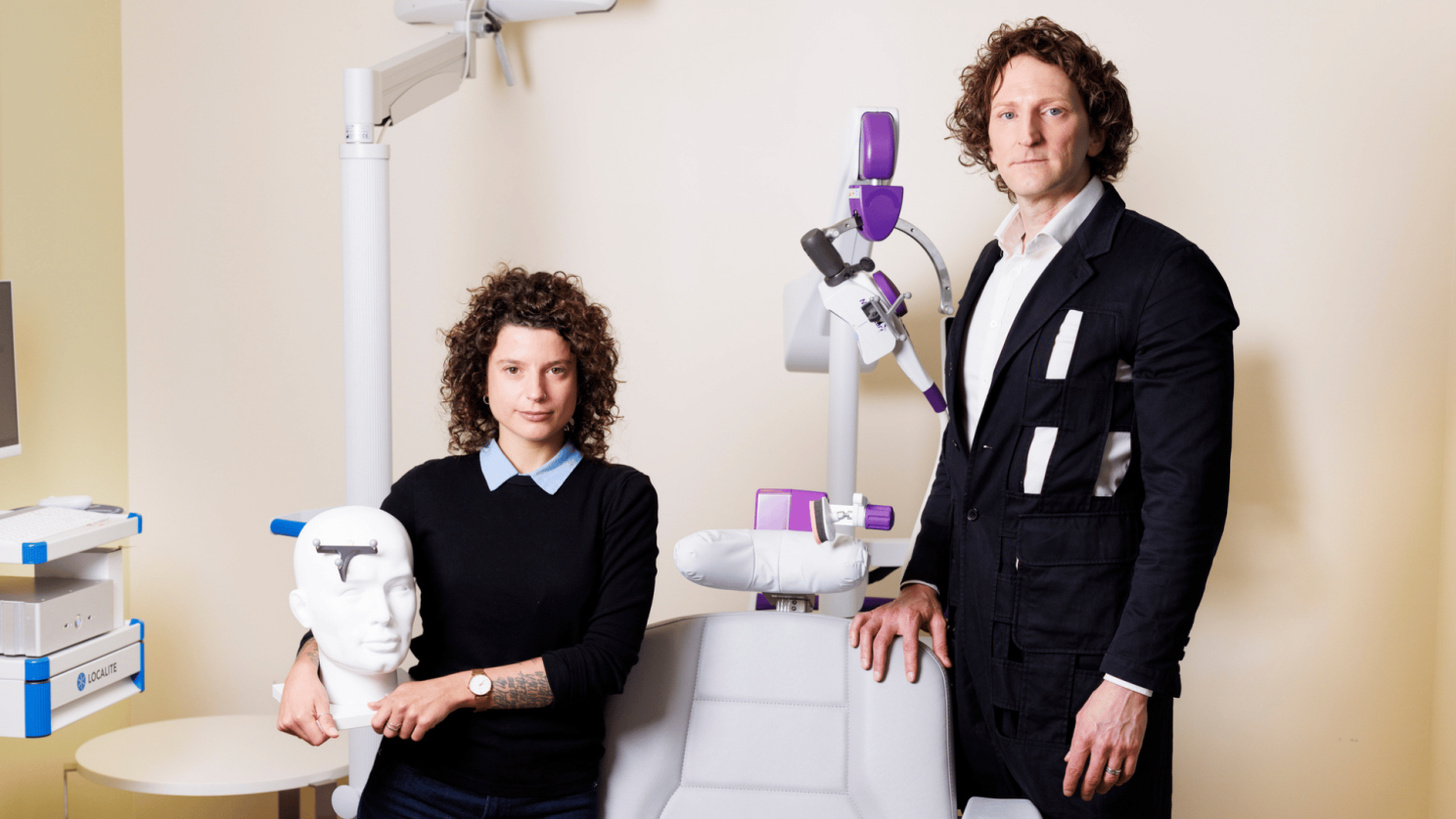
A promising first for researchers probing mental illness
Anxiety finding a highlight as brain stimulation trial raises new hopes for precision care
-
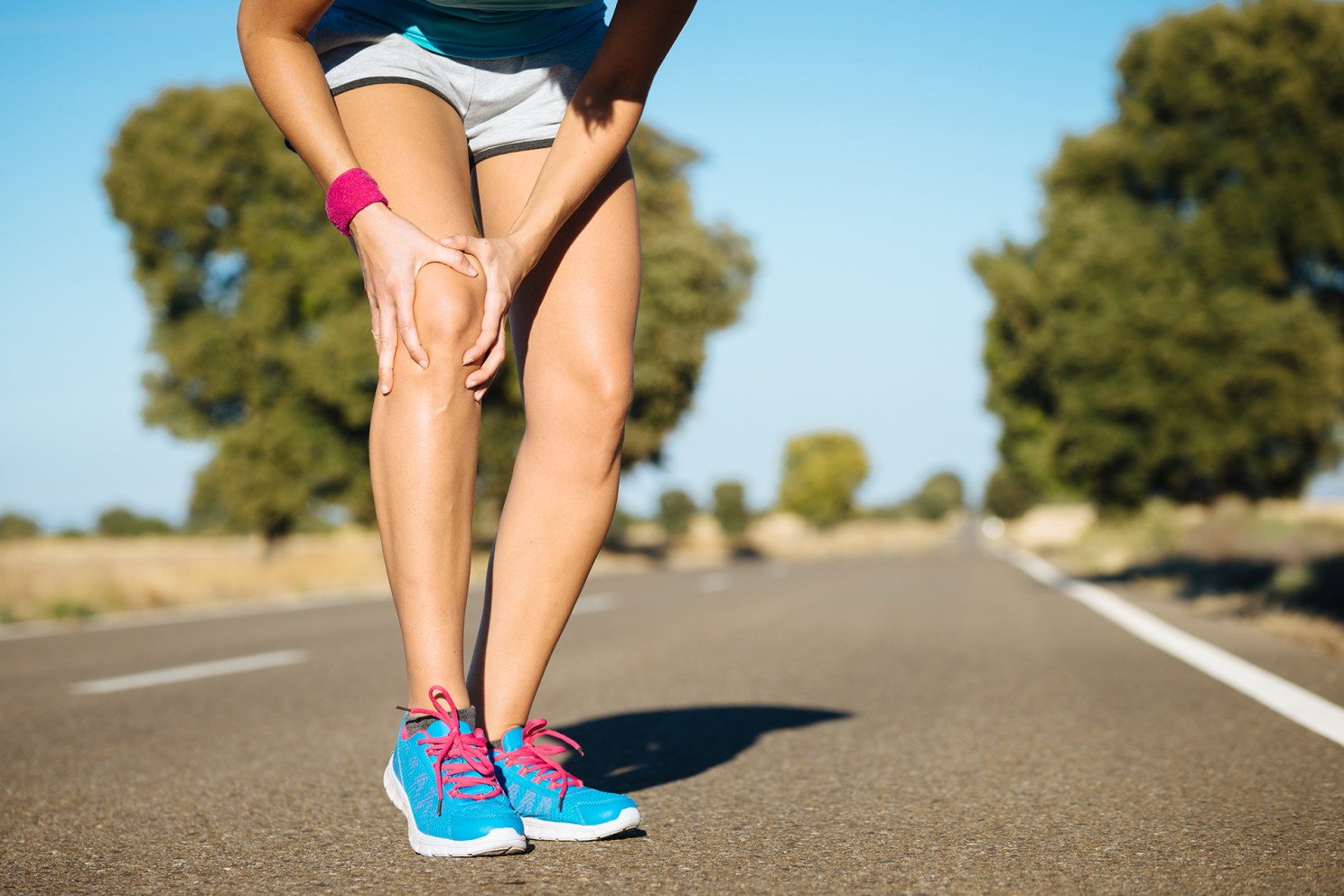
Read before running
New to the sport or just rusty? A rehab doc offers tips on avoiding all-too-common injuries.
-
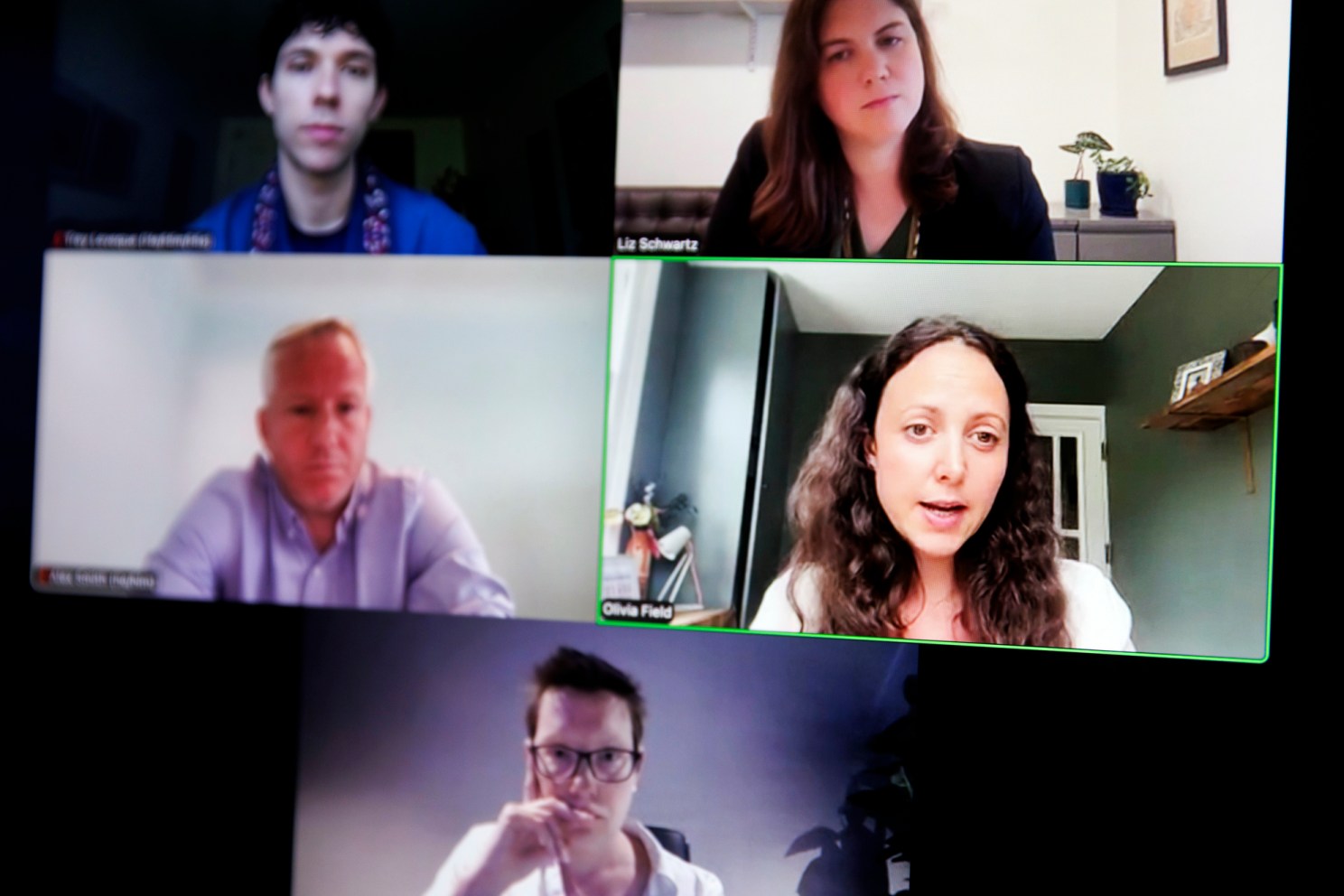
How loneliness became major public health issue
U.K., U.S. experts trace rise in awareness through research, political involvement, pandemic
-
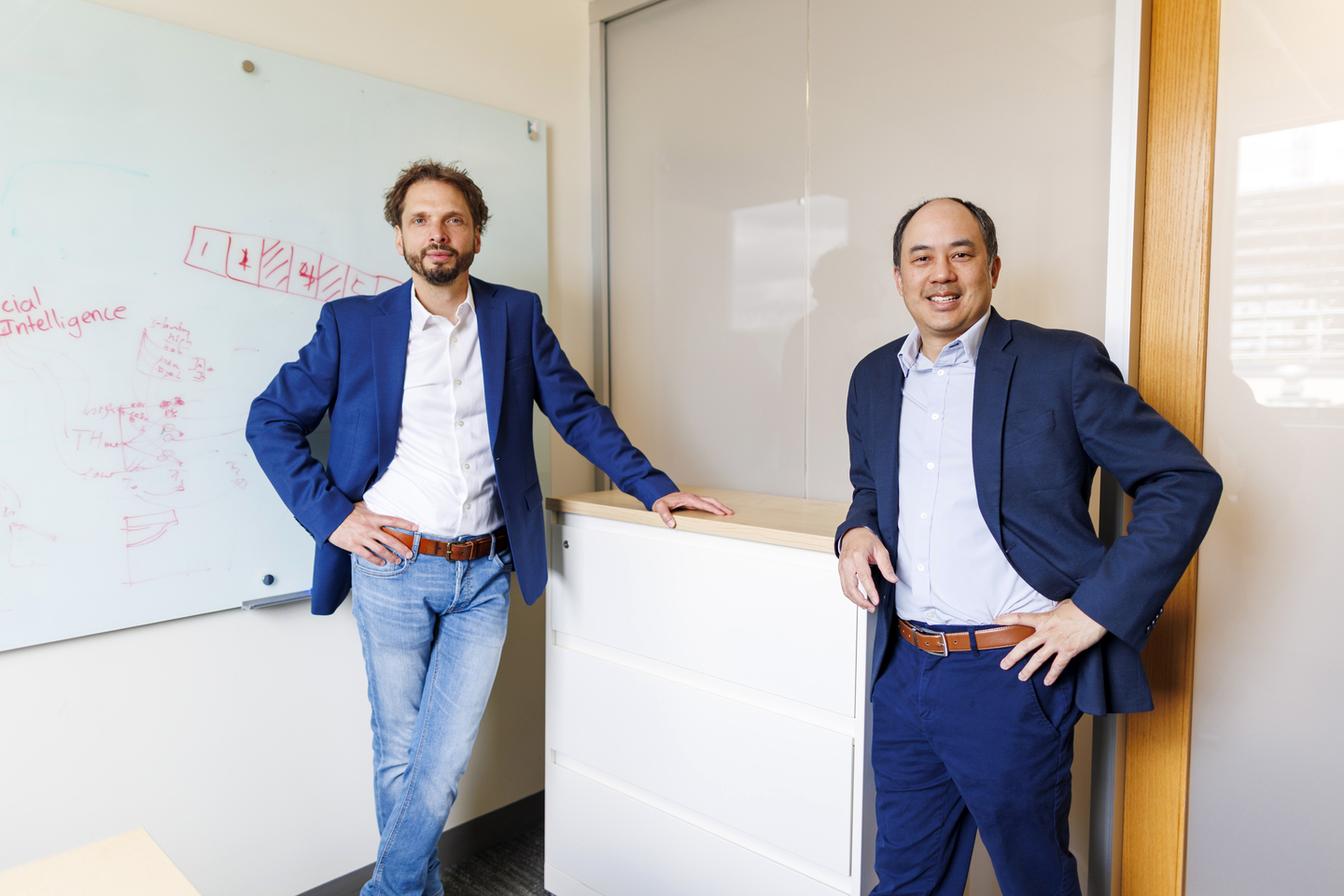
Predicting cancer outcomes with a selfie
Slower ‘face aging’ linked to better survival odds, according to second study of AI tool designed to aid precision care
-
When stress is a punch to the gut
New study traces network of nerves that disrupt digestion, pointing to potential IBS treatment
-
Food as medicine? How nutrition can improve cancer outcomes.
Tufts professor shares early research regarding programs as part of oncology care