Featured series

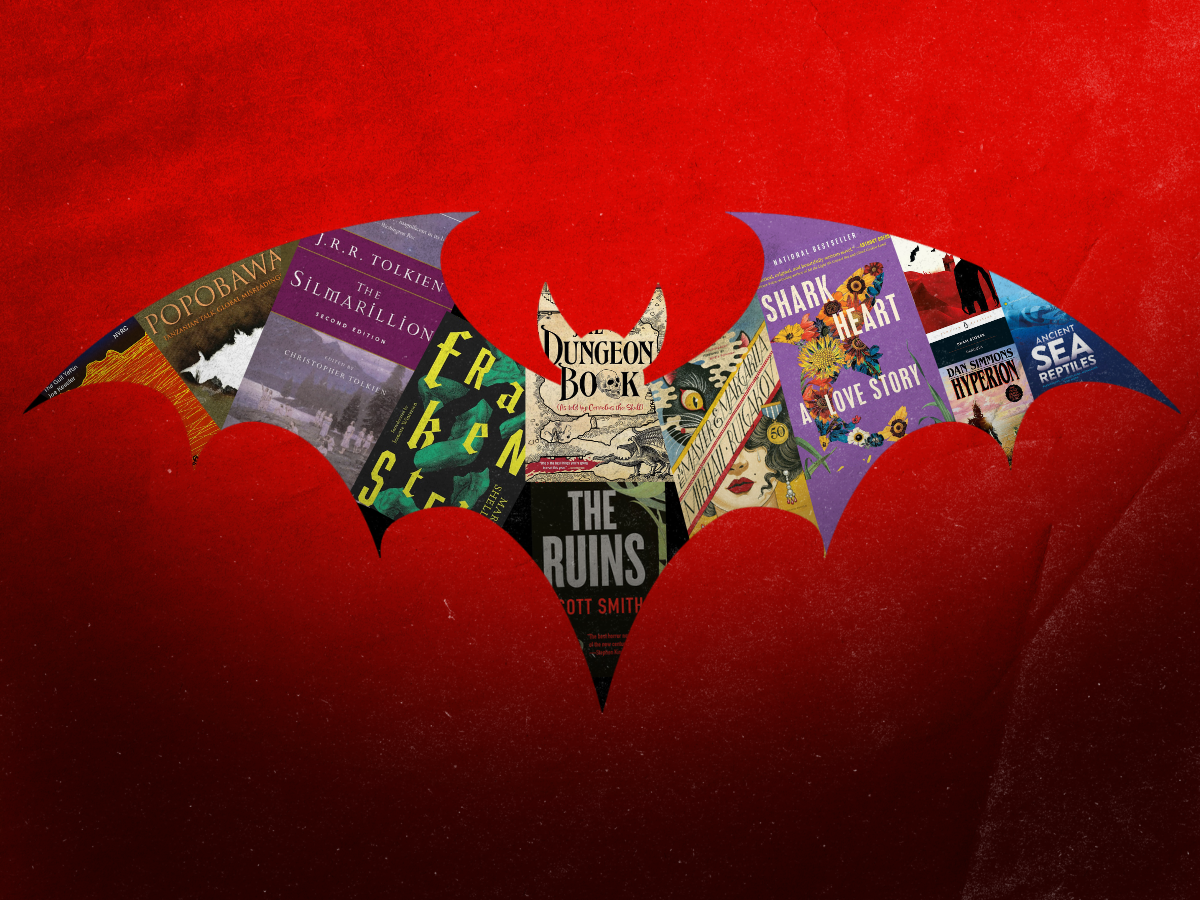
Illustration by Liz Zonarich/Harvard Staff
Arts & Culture
‘They cast no reflection, yet they are a mirror’
Monsters take many forms in our Halloween book recommendations — from vampires to demonic cats to ancient sea reptiles
What do Frankenstein’s monster, Nosferatu, and the Kraken have in common? They’re monsters, of course, but according to Katie B. Kohn, an instructor in horror writing and genre fiction at the Harvard Division of Continuing Education, they also remind us of our blind spots, the things we forgot to fear.
“In this way,” she said, “monsters are always real, always revealing; they show us where we haven’t been looking.”
From the classics to new horrors, Harvard faculty and staff recommend their favorite monster stories.
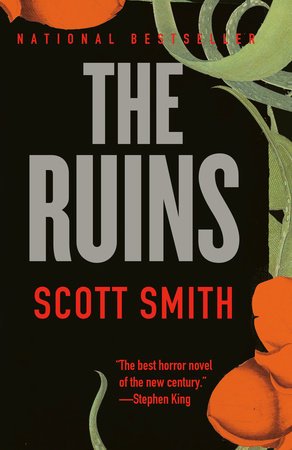
“The Ruins”
By Scott Smith
Years ago — decades, really — I picked up “The Ruins” expecting a forgettable beach read. Just a fun “monster book” to pass the time between summer adventuring. Flash forward 20 years and it’s still the best horror novel I’ve ever read. Don’t watch the movie. Don’t read reviews. In fact, don’t look up anything about it. Head into “The Ruins” blind, just like its misguided squad of post-grad vacationers, and get ready.
“In every bottomless pit, horror plants a seed.”
“The Ruins” reminds us that there are still just as many undiscovered places within ourselves as there are in our wildest itineraries. By the end, it may have you looking over your shoulder. Or worse, to the blind spots within, the holes that go all the way down: “Am I me? Am I still me?”
In every bottomless pit, horror plants a seed.
— Katie B. Kohn, Division of Continuing Education, course head for “Writing Horror” and “Genre Fiction”
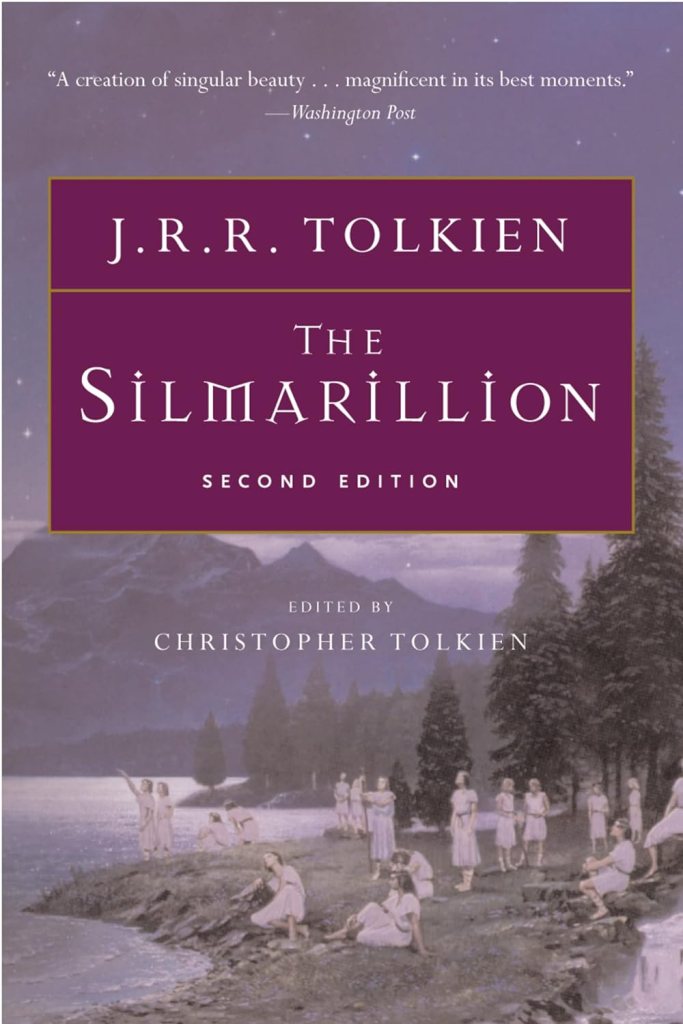
“The Silmarillion”
By J.R.R. Tolkien
“The Silmarillion” is a loose prequel to “The Lord of the Rings,” and it’s got dozens of great monsters — Balrogs (the species of fire-breathing creature that Gandalf fights in “The Lord of the Rings”), dragons, Ungoliant (a massive primordial spider who consumes light), werewolves, orcs, giant eagles, and trolls.
I loved the book as a kid. At the time, I just loved the storytelling, but looking back now, I appreciate books like “The Lord of the Rings” and “The Silmarillion” because so many of the monsters came from Norse and Old English folktales — making them bridges from traditional mythology into modern adventure stories. Tolkien also had a unique take on monsters — framing monstrosity as the product of corruption and moral transformation (e.g., corrupt elves becoming orcs) rather than an inborn biological condition.
I used to pretend to be sick so I could stay home from school and read “The Silmarillion” over and over again. I was so obsessed that I would draw maps of the ancient empires from the stories and give them to my friends as birthday presents!
— Joshua Conrad Jackson, assistant professor of psychology
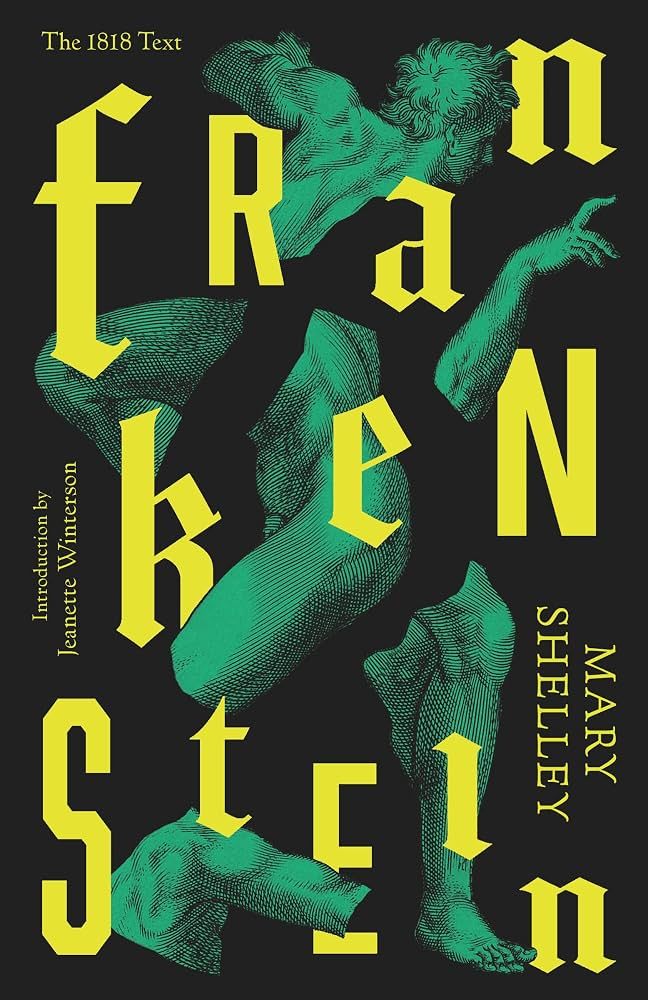
“Frankenstein; or The Modern Prometheus”
By Mary Shelley
I love going back to the classics, and my favorite monster story (and perhaps my favorite novel of all time) is “Frankenstein” by Mary Shelley. It’s simply brilliant and, unfortunately, as relevant today as the day it was written. In the prologue, Shelley says that she “busied herself to think of a story that would speak to the mysterious fears of our nature.” “Frankenstein” achieves that in spades. It is a harrowing tale of humankind’s hubris and, ultimately, our own monstrosity.
— Peter R. Girguis, professor of organismic and evolutionary biology and curator of the Harvard Museum of Natural History exhibition, “Sea Monsters: Wonders of Nature and Imagination”
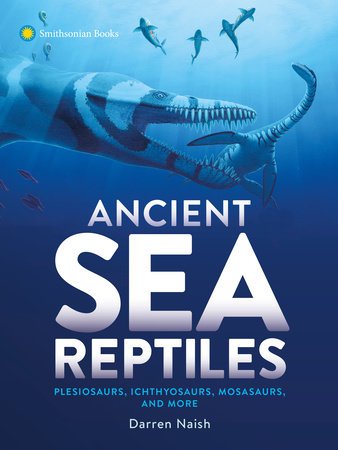
“Ancient Sea Reptiles: Plesiosaurs, Ichthyosaurs, Mosasaurs, and More”
By Darren Naish
Fans of nonfiction might enjoy one of my favorite paleontological works. It looks at the anatomy, behavior, and ecology of ancient reptiles that sat at the top of the ocean food chain for many millions of years. While no sea creature is truly monstrous, these creatures from Earth’s past will leave you grateful that you weren’t a fish living in the Mesozoic.
— Peter R. Girguis, professor of organismic and evolutionary biology and curator of the Harvard Museum of Natural History exhibition, “Sea Monsters: Wonders of Nature and Imagination”
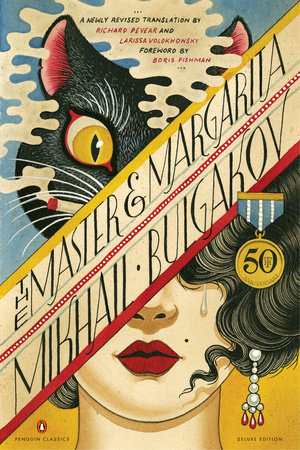
“The Master and Margarita”
By Mikhail Bulgakov
A political satire set in 20th century Moscow doesn’t seem to lend itself to monsters, and yet that’s precisely what Bulgakov gives us here. I’ve long been a fan of fantasy novels, and this text pushed the boundaries of what I thought fantasy was capable of. The novel places the reader in the urban realist setting of Moscow, vividly and nostalgically described, and it is perhaps this very familiarity of large cities and society that makes the appearance of Behemoth so riveting. We encounter our monster in the innocent (dare we say, endearing?) form of a large, black tomcat, one who walks on hind legs, conducts an orchestra, and — oops, tears the heads off of irritating figures.
“We encounter our monster in the innocent (dare we say, endearing?) form of a large, black tomcat, one who walks on hind legs, conducts an orchestra, and — oops, tears the heads off of irritating figures.”
Modeled after the biblical monster Behemoth (Begemot) from the Book of Job, our demonic cat encapsulates everything that monsters represent: the foreign, the frightening, and the ferocious. But this takes on all the greater poignancy when we consider that Behemoth is also a key member of Satan’s retinue in the novel. His monstrosity, then, represents our own monstrosity, that is to say, those not-so-innocent follies and foibles that transform our better nature, and in doing so, bring us far closer to the monstrous beings we fear — perhaps because all along, we saw our own selves within them.
— Sheza Alqera Atiq, preceptor in expository writing
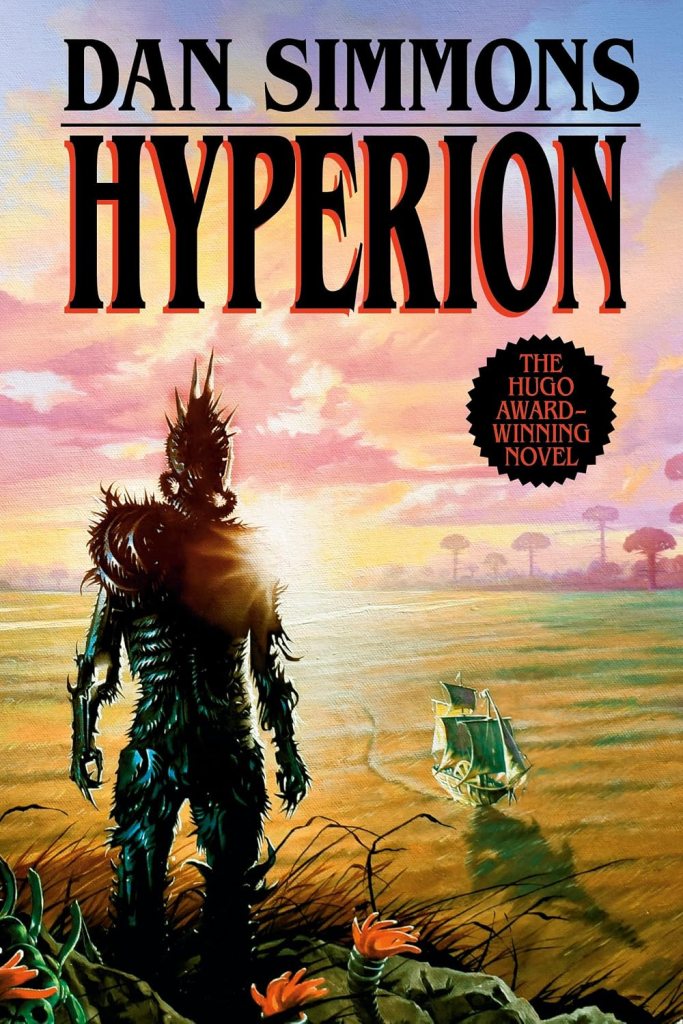
“Hyperion”
By Dan Simmons
Multiple people emphatically recommended this book to me, and it is dense and riveting. It’s a sci-fi novel set in a universe currently at war, following a group of seven people on a pilgrimage to the mysterious Time Tombs on the planet Hyperion. Their goal, should they make it to the tombs, is to approach the Shrike, a truly monstrous being (no spoilers!), and make a wish. You learn why each person was chosen for the pilgrimage via campfire-like flashback stories told from each character’s point of view, creating a uniquely engrossing tale. Each anecdote features the Shrike, building the mystery and horror around the creature.
— Stevie Kennedy-Gold, curatorial associate/collections manager in herpetology at the Museum of Comparative Zoology
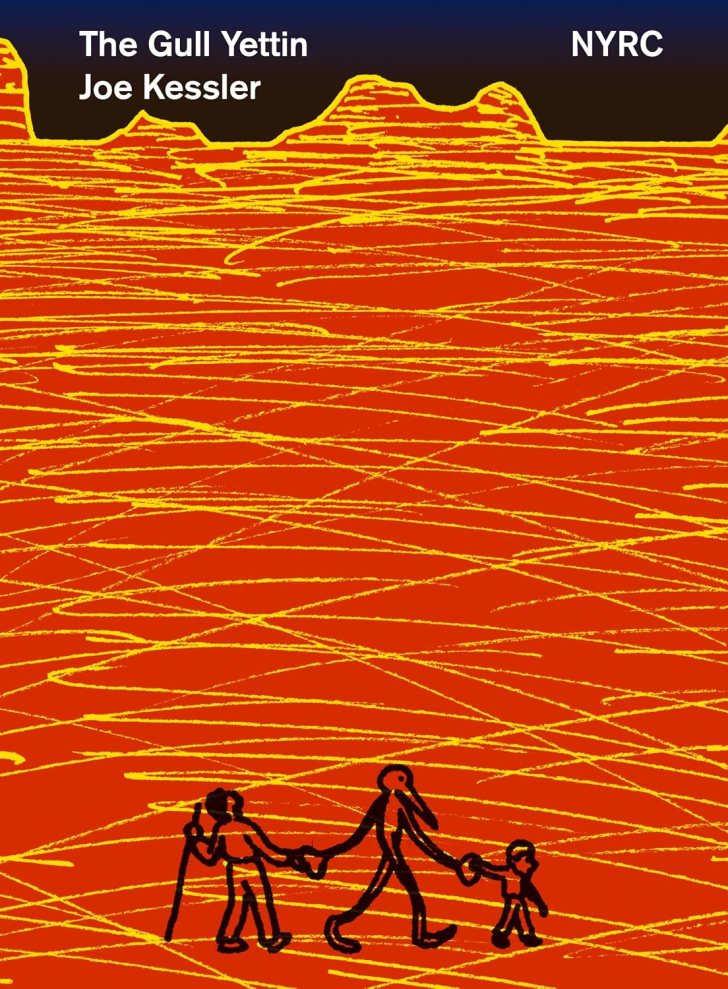
“The Gull Yettin”
By Joe Kessler
This wordless graphic novel follows the relationship between a young orphan and the eponymous creature, who has the body of a human and the head of a seagull, though with a grotesquely elongated beak reminiscent of a plague mask. At the beginning of the work, the boy escapes from a house fire, and the gull assumes a caregiving role. But as the work progresses the dynamic between them shifts: Is the gull protector or menace? Rescuer or kidnapper? Real or imaginary? Kessler engages these historic tropes of monstrosity in an elusive and original way: Most stimulatingly, it internalizes the trope of monstrous shape-shifting as a formal principle. This is a kaleidoscopic work — Kessler is sometimes an extremely precise cartoonist, when it comes to grids and architectural structures, but this tendency butts up against intensely expressive doodles and scribbles, and big washes of clashing color. The work refuses to stabilize into a coherent aesthetic, and that refusal is both a freedom and a kind of nightmare.
— Oli Hazzard, Elizabeth S. and Richard M. Cashin Fellow, Harvard Radcliffe Institute
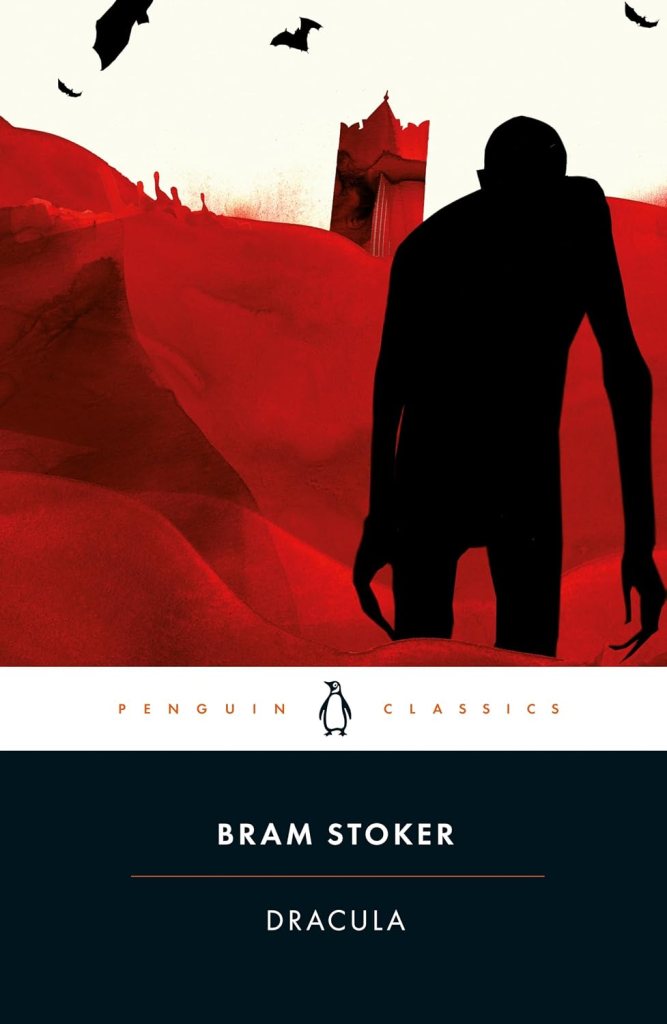
“Dracula”
By Bram Stoker
My all-time favorite monster story. I somehow own three copies of this book and can’t part with any of them. Who doesn’t love an epistolary gothic novel? I was recently gifted a copy with illustrations by Edward Gorey (a Harvard alumnus whose drawings were displayed in a fantastic exhibit at Houghton Library last year). To enhance your reading experience, I highly recommend making yourself a big pot of “paprika hendl” (see Chapter 1) as you follow Jonathan Harker on his journey to Transylvania.
— Caroline Fernald, Executive Director, Harvard Museums of Science and Culture
In the wild Carpathian mountains, an immortal Székely nobleman craves blood and domination. Count Dracula is introduced through an English solicitor, Jonathan Harker, who visits his Transylvanian castle on business and becomes imprisoned. Horrified, Harker witnesses his host crawl walls like a lizard, command bats and wolves, and sleep like a bloated leech in an earth-filled chest. Desirous of fresh prey, Dracula crosses to England where he turns the young Lucy Westenra and sets his sights upon Harker’s fiancée, Mina, sending a band of hunters led by the eccentric Dutch professor Van Helsing in pursuit to his native soil.
“Nina Auerbach once said that every age embraces the vampire it needs and gets the vampire it deserves.”
I’ve been drawn by vampires for over 20 years, precisely because they keep being remade. In the last few years alone, “Nosferatu,” “Salem’s Lot,” and “Sinners” have resurrected the undying in all their dank, many-splendored glory. Lore says they cast no reflection, yet they are a mirror held up to us — a monster not of mindless evil, but of our buried desires and most febrile fears. Nina Auerbach once said that every age embraces the vampire it needs and gets the vampire it deserves. For the Victorians, Dracula was a nightmare of empire and a paragon of unruly desire. In the shadow of AIDS, Anne Rice’s brooding Lestat lived outside the mainstream, lonely and beautiful.
The vampire shows us the horror of getting exactly what we crave: Immortality comes with an insatiable cost. They are cast out, walking only at night and outliving everyone they love. Unlike ghosts, vampires don’t drift toward us from beyond some misty veil. They have appetites. So they linger across the threshold, beneath the soil, among our dead, waiting only to be invited in.
— Lakshmi Krishnan, Jeffrey S. and Margaret Mais Padnos Fellow, Harvard Radcliffe Institute
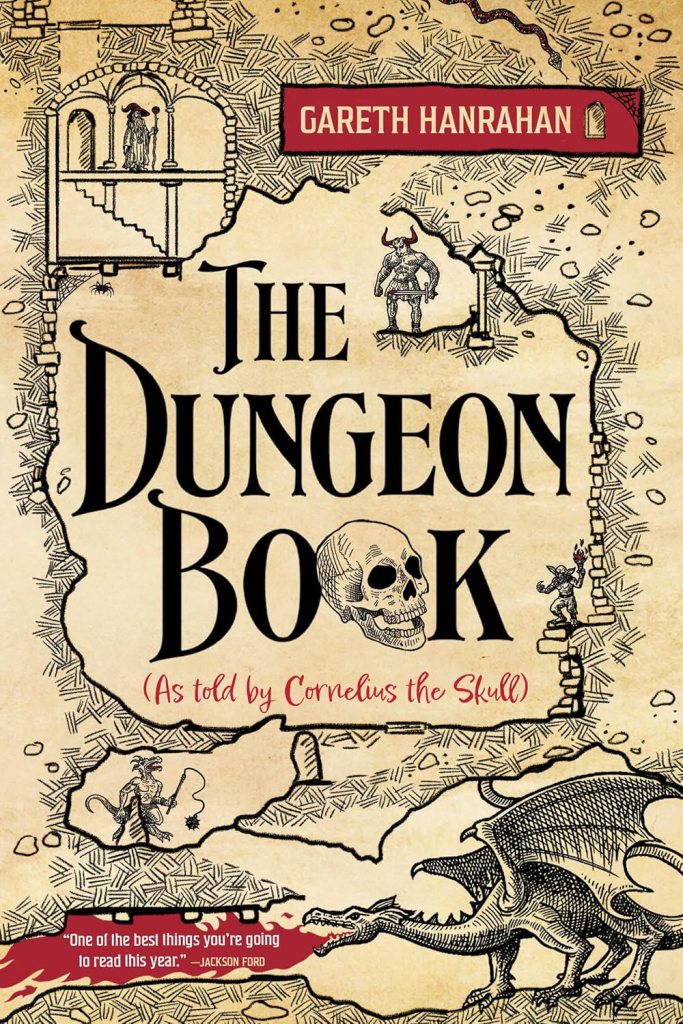
“The Dungeon Book”
By Gareth Hanrahan
Bait is a princess stolen by a dragon and dropped into a dungeon as a toddler. Her family becomes the dungeon’s monsters: goblins, manticores, nixies, slime, and more. This story relies on traditional fantasy’s understandings of monsters while showing the reader how a community of monsters might handle a human toddler dropped on their dungeon step. My favorite part of this book is the storytelling mechanism, reminiscent of “The Princess Bride”: Cornelius, a talking skull and Bait’s teacher, tells the story to the reader. Thanks to this, it feels like a cozy bedtime story about the monsters who live in the dark, and a reminder that “monster” depends on who’s telling the tale.
— Meg McMahon, User Experience Researcher, UX and Discovery, Harvard Library
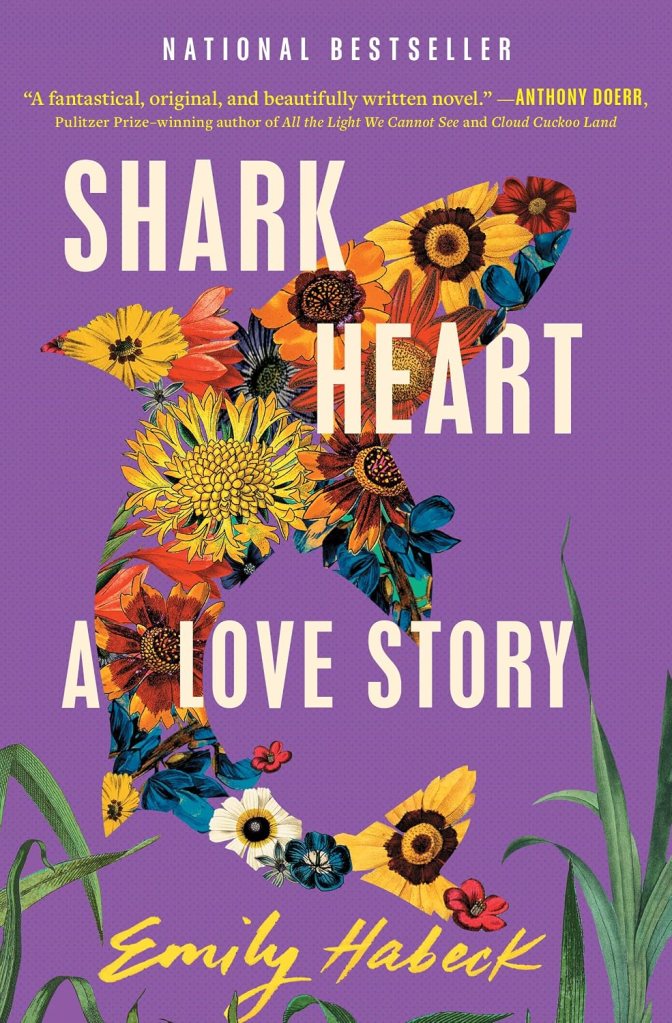
“Shark Heart: A Love Story”
By Emily Habeck
This book is funny, weird, genuine, and heartbreaking. Who knew I could resonate so strongly with someone who was slowly turning into a great white shark? Told through various media including poetry and screenplays, the story that the author has created makes fantasy seem so real. This is a great, quick read, perfect for a weekend trip.
— Hannah Hack, Administrative Coordinator, Harvard University Archives, Harvard Library
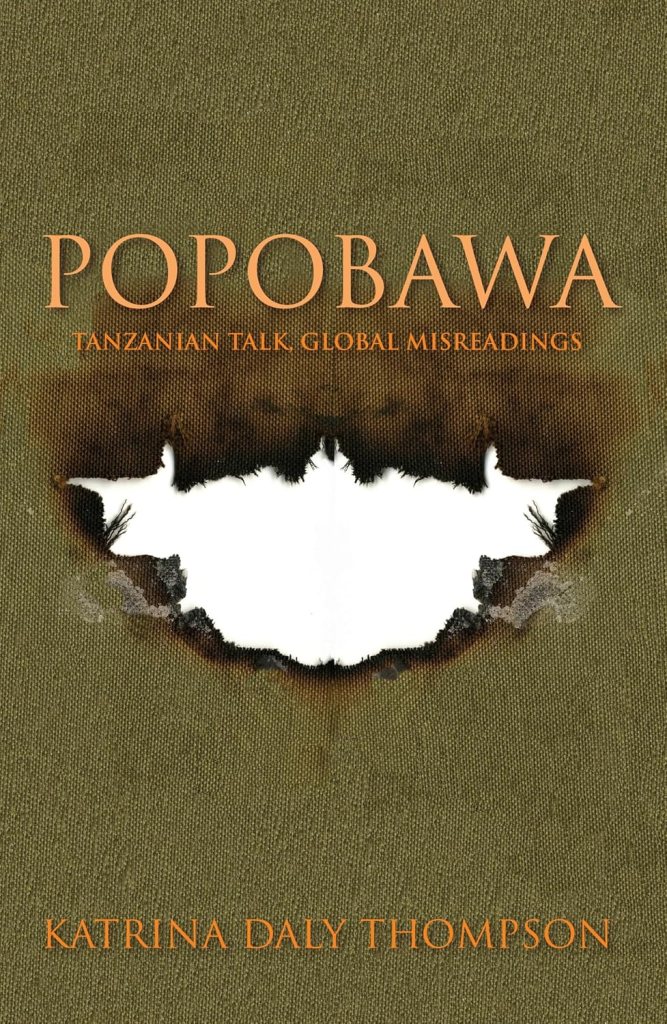
“Popobawa: Tanzanian Talk, Global Misreadings”
By Katrina Daly Thompson
Monsters, at their most meaningful, are malleable, multivocal, and motivational. Allegorizing our standardized nightmares, explaining our otherworldly experiences, shaping our beliefs, and inspiring embodied actions; they not only keep us awake at night, but awaken us to new possibilities of being and being together in the world. As much as they can terrify us into compliance or goad us into violence; they can also open up new avenues of conversation, critique, commerce, communal enchantment, self-expression, and psychological processing.
One of my favorites — the Swahili Coast’s sex-crazed, bat-winged, one-eyed, sleep paralysis demon: Popobawa — illustrates the unpredictable trajectories and myriad functions of successful monsters in the modern world, once they’ve been collectively conjured into existence and let loose into the folklore process of “tradition in dynamic variation.”
Katrina Daly Thompson offers a rich, detailed ethnolinguistic analysis of people’s everyday conversations about a fearsome sleep-paralysis demon, highlighting the usefulness of monsters as discursive spaces of discussion, which can allow for people to speak otherwise unspeakable things, express otherwise inexpressible sentiments, and find ways to share transgressive ideas under the relatively safe guise of supernatural storytelling and monster legendry. Regardless of Popobawa’s origin point, whether conjured as an explanation for physiological sensations of sleep paralysis, or as a weapon of socio-political demonization to supernaturalize one’s enemies, Thompson illuminates Popobawa’s emergence as a flexible rhetorical tool, which offers up a rich source of metaphor, humor, gossip, rumor, linguistic play, and veiled speech to those wishing to strategically discuss cultural taboos and subvert hegemonic notions of gender, sexuality, and power on the Swahili Coast.
— Lowell Brower, lecturer on folklore and mythology