Featured series
Science & Tech
Aramont Fellowships give scientists freedom to concentrate on high-risk, high-reward research

Renewed gift significantly expands the impact of early-career support
A new cohort of young scientists is pursuing high-risk, high-reward research across the life and physical sciences, engineering, and medicine. Their projects include studying dogs to identify brain biomarkers that can shed light on human health, probing wastewater to detect cancer risk across communities, revealing the hidden immune targets that viruses work hardest to conceal, and converting carbon dioxide into valuable chemicals using renewable electricity. These scholars are among those supported by the Aramont Fellowship Fund for Emerging Science Research, which is key to catalyzing discoveries that occur when researchers have the freedom to pursue unconventional paths.
The fund provides vital support for early-career faculty and postdoctoral scholars across the Faculty of Arts and Sciences, Harvard Medical School, the Harvard T.H. Chan School of Public Health, and the Harvard John A. Paulson School of Engineering and Applied Sciences. Established by a gift from the Aramont Charitable Foundation in 2017, the program has supported 30 early-career scientists to date. Responding to the urgent need for research support after federal funding cuts, a generous new gift from the foundation doubles the size of this year’s cohort from the previous year. The 10 awardees are pursuing urgent research priorities across all four Schools.
“Early-career support is so enabling for faculty and researchers,” said Senior Vice Provost for Research John Shaw. “Coupled with the strong network of Aramont alumni, this program provides an invaluable opportunity for the University’s most promising scientists.”
This year’s new fellows and their supported projects are:
“The Physics of Intelligence: Linking Neural Representations and AI Safety and Alignment”
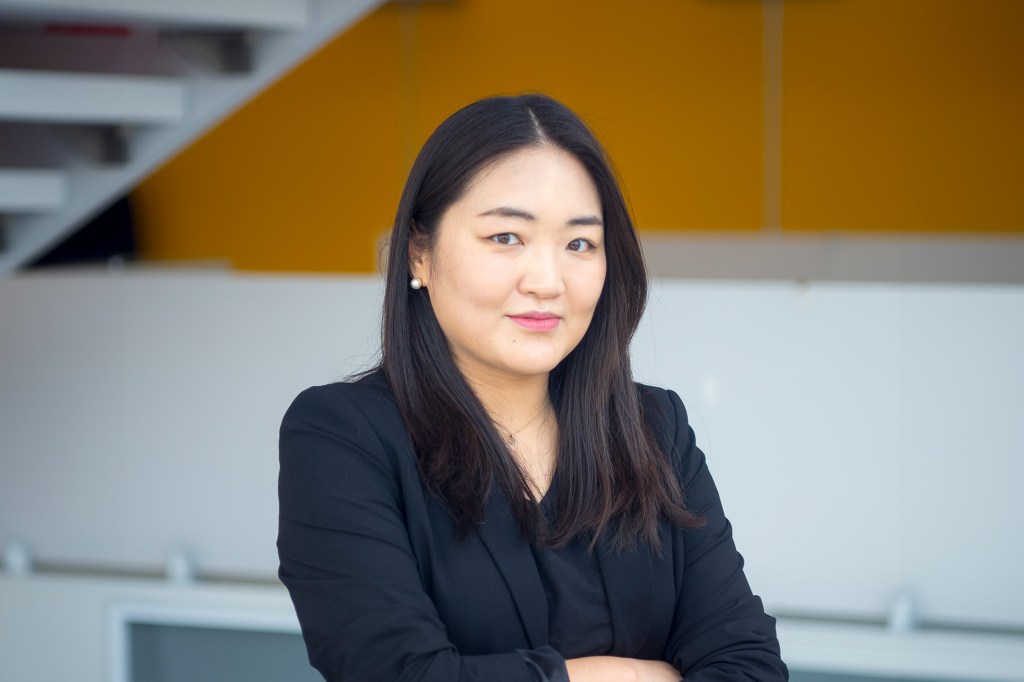
Assistant professor of physics and applied mathematics, Faculty of Arts and Sciences.
AI systems increasingly influence decisions that shape human lives and societies, from medicine and science to education, law, and warfare. It is critical to align these systems’ objectives with human values to ensure that they serve human flourishing. This alignment demands a deep understanding of how AI systems represent, process, and act on information, and parallels a longstanding question in computational neuroscience: How does intelligent behavior emerge from patterns of neural activity? By identifying the principles that govern how neural systems organize and transform information, Chung aims to establish a theoretical foundation for intelligent systems that are interpretable, robust, and aligned with human intent.
“Enabling Heterogeneous Quantum Computing via Molecular-Beam Epitaxial Device Engineering of a Quantum Transducer”
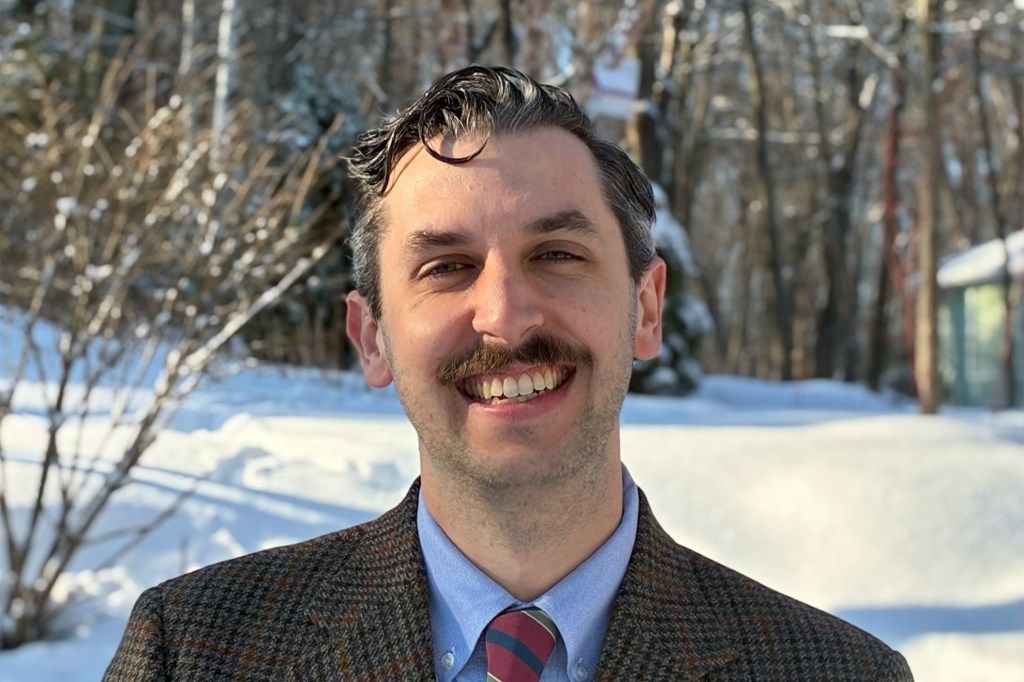
Postdoctoral fellow, Harvard Paulson School of Engineering and Applied Sciences.
Quantum computers have the potential to solve urgent problems in drug discovery, optimization, and simulation; however, a limiting factor is that the best quantum computers operate on a single species of qubits — the fundamental units of information in quantum computing. As a potential solution, Day envisions an architecture where distinct qubit species can work together on a single platform to collectively operate better than any could alone. In this system, there would need to be a way to exchange quantum information between qubit species. To address this challenge, Day will build a quantum transducer capable of serving as a cryogenic link between quantum computers.
“Wastewater Surveillance of Cancer-Related Targets for Community-Level Risk Assessment and Evidence-Based Interventions”
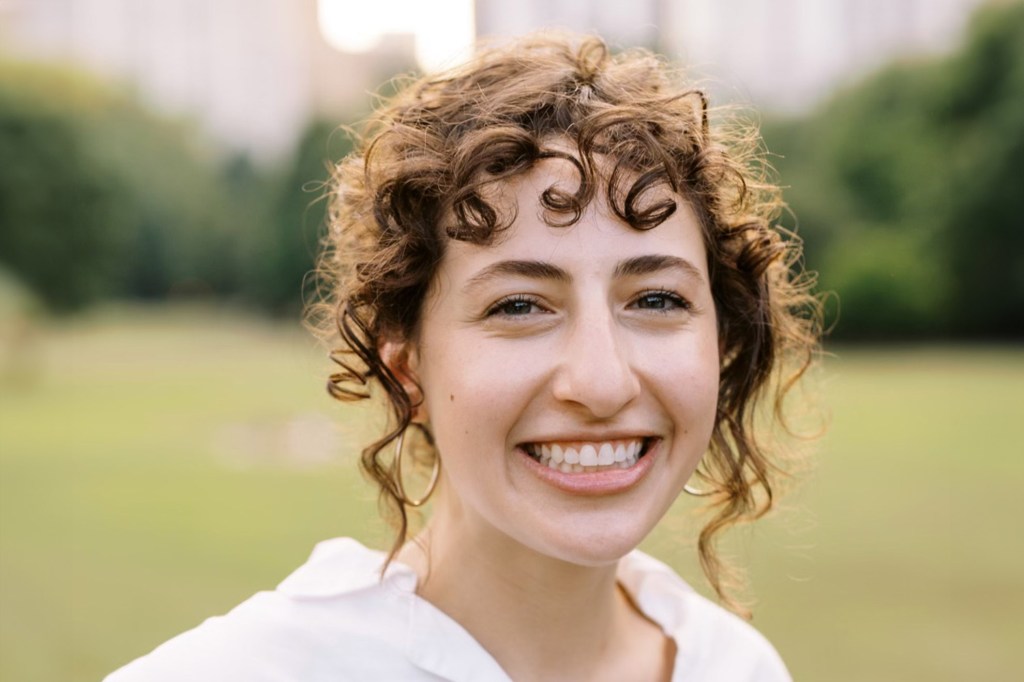
Assistant professor, Harvard Chan School of Public Health.
A community’s wastewater contains a wealth of information. Certain viruses, bacteria, and environmental carcinogens — many of which end up in wastewater — are known drivers of cancer risk but are rarely monitored at the population level. Healy endeavors to develop methods to detect cancer-related signals in wastewater, piloting her novel approach in communities with different cancer burdens to evaluate wastewater’s ability to reveal hotspots of elevated risk. If successful, wastewater surveillance could offer a low-cost and equitable approach to assess cancer trends over time and best allocate public health resources.
“Targeting Neuro-Genetic Resilience: Using a Canine Model to Identify Brain Biomarkers that Protect Against Early Life Trauma”
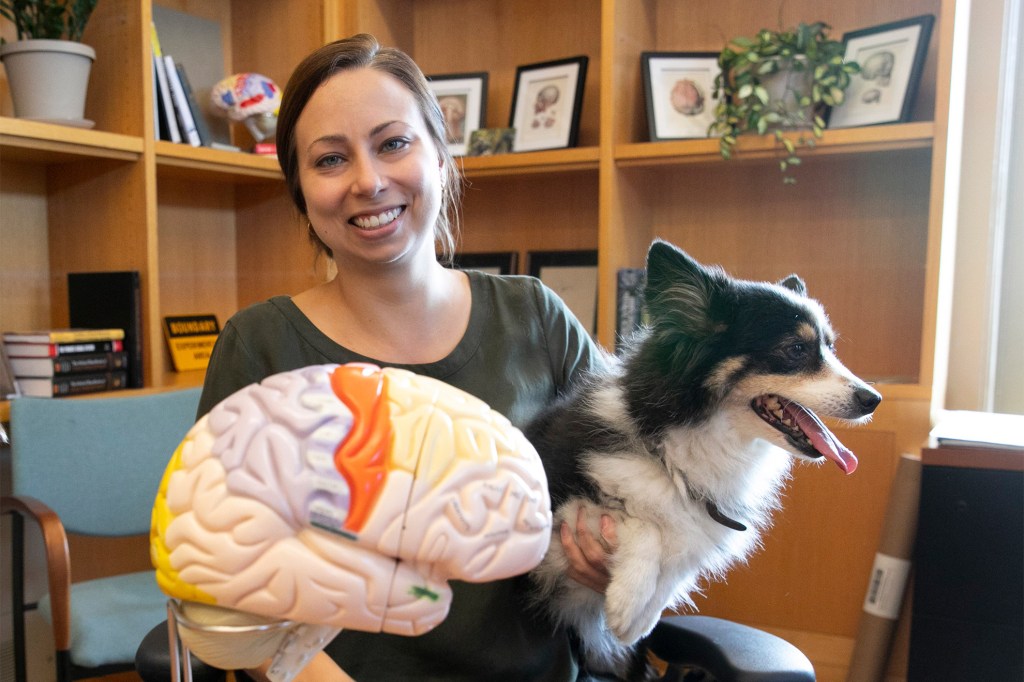
Erin Hecht
Associate professor of human evolutionary biology, Faculty of Arts and Sciences.
Harvard file photo
Understanding how genes interact with the environment to produce behavior is key to deciphering why people who experience the same trauma can have different mental health outcomes. However, translational research has been limited to human studies, which are difficult to control, and rodent studies, which cannot fully replicate human complexity. Hecht is leveraging domestic dogs as a new model because they have relatively simple genetics yet share human stressors. Having already established a dog neuroimaging pipeline, Hecht will add 100 scans to connect genetic, brain, and behavioral data in previously trauma-exposed dogs. With these methods, her lab is positioned to develop a new framework for human mental health.
“Leveraging a Viral Infection Model to Identify Treatments for Inflammatory Pancreatic Diseases”
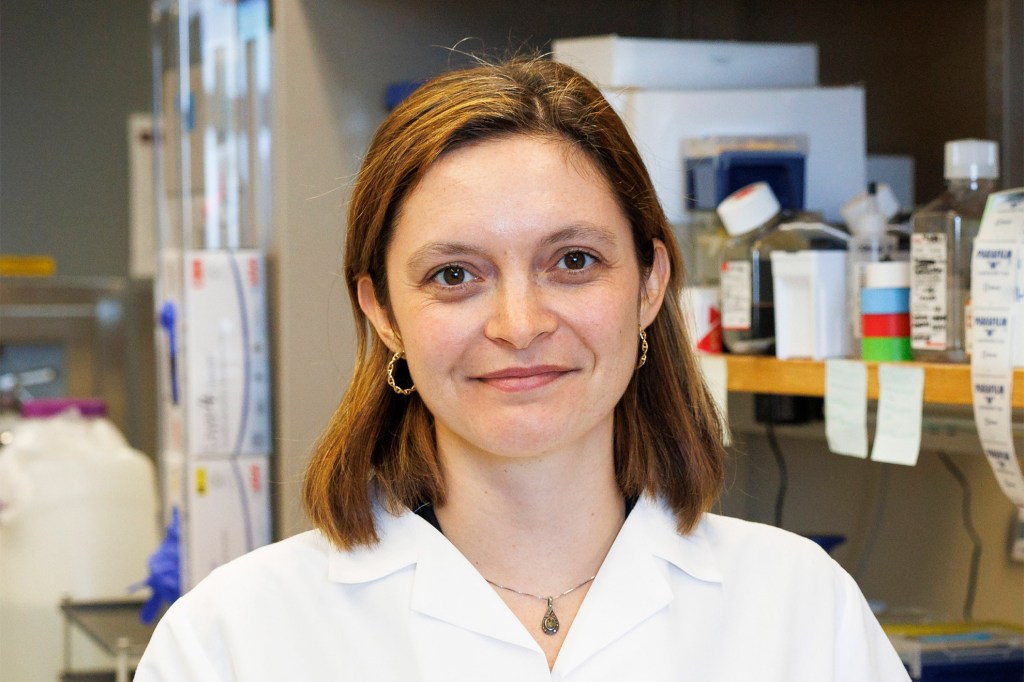
Daisy Hoagland
Postdoctoral fellow, Harvard Medical School.
Niles Singer/Harvard Staff Photographer
Coxsackievirus infection can cause severe damage to the pancreas, a vital organ that regulates blood glucose. Dysregulation of these functions contributes to diseases such as pancreatitis and Type 1 diabetes. Hoagland’s project will leverage unique approaches to improve our understanding and treatment of pancreatic diseases and determine whether coxsackievirus infection has long-term effects on pancreatic function even after viral clearance. She will develop a novel tracking system to follow previously infected survivor cells over time and assess the impact on pancreatic functions. This work will enable the identification of targeted pathways that could improve outcomes and inform new strategies for identifying risk factors and treating disease.
“Decoding the Biology of Longevity and Cognitive Resilience Over Four Decades: Integrating Geroscience and Population Science”
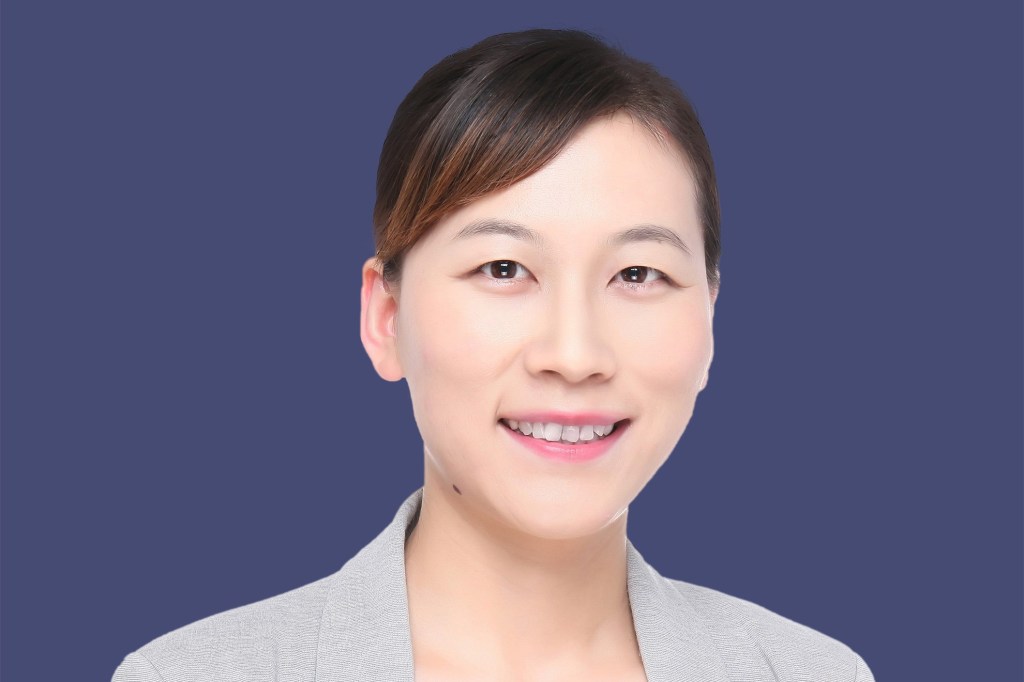
Assistant professor of epidemiology, Harvard Chan School of Public Health.
A small group of people live to age 100 and beyond while maintaining good cognitive function. Despite growing research and sustained interest, key gaps in understanding this exceptional longevity remain. Ma’s project offers an unprecedented opportunity to overcome key limitations of past studies by applying advances in biomarker-discovery technology to a 40‑year Harvard cohort with extensive data on lifestyles, medical histories, and repeatedly collected blood samples from midlife onward. By focusing on biomarkers tied to fundamental aging processes and Alzheimer’s disease, Ma aims to identify early biological signatures and lifestyle factors that predict exceptional longevity and cognitive resilience.
“Mapping the Microbiome–Immune Interface Through Scalable Single-Cell Antigen Discovery”
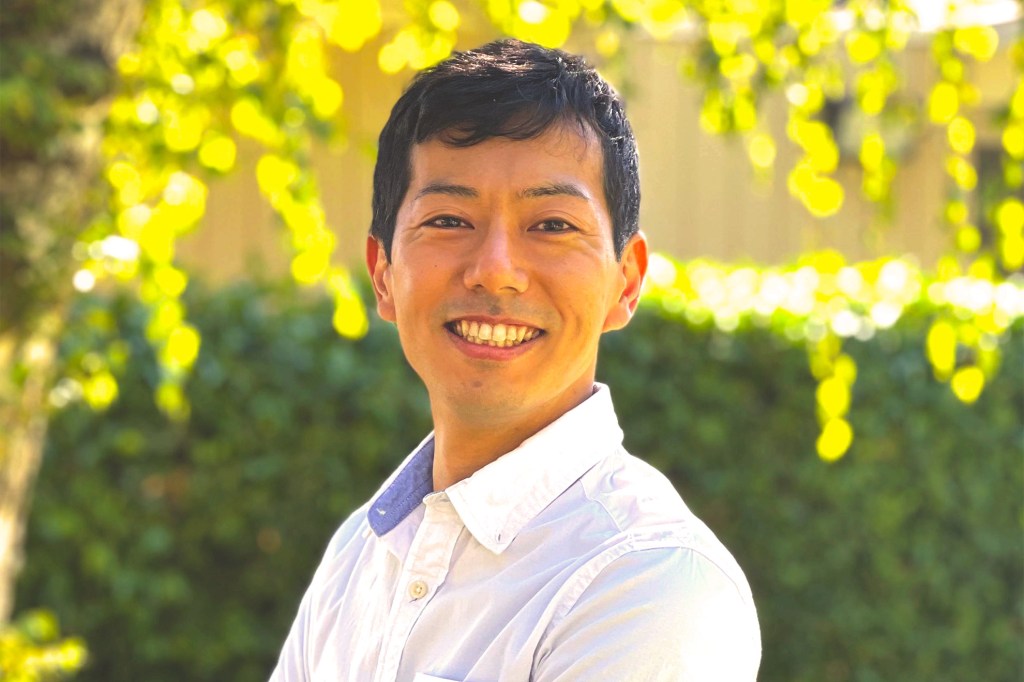
Assistant professor of molecular and cellular biology, Faculty of Arts and Sciences.
T cells help coordinate immune responses by recognizing specific threats, or antigens, through receptors on their surface called TCRs. Scientists need to know which antigens individual TCRs recognize to improve immunotherapies for cancer, autoimmunity, and infectious diseases. However, existing technologies for identifying TCR–antigen pairs do not scale well and struggle in complex tissue environments like the gut or tumors. Nagashima’s project proposes a new approach designed to identify thousands of TCR–antigen pairs in a single experiment, providing proof of concept that antigen discovery can guide rational engineering of microbial communities in the gut to suppress inflammation. This approach could also be applicable to tumors, autoimmune diseases, and vaccines, enabling more precise control of antigen-specific immunity.
“Advancing Experimental Approaches to Uncover Atomic Chemistry Driving Complex Molecule Formation in Space”
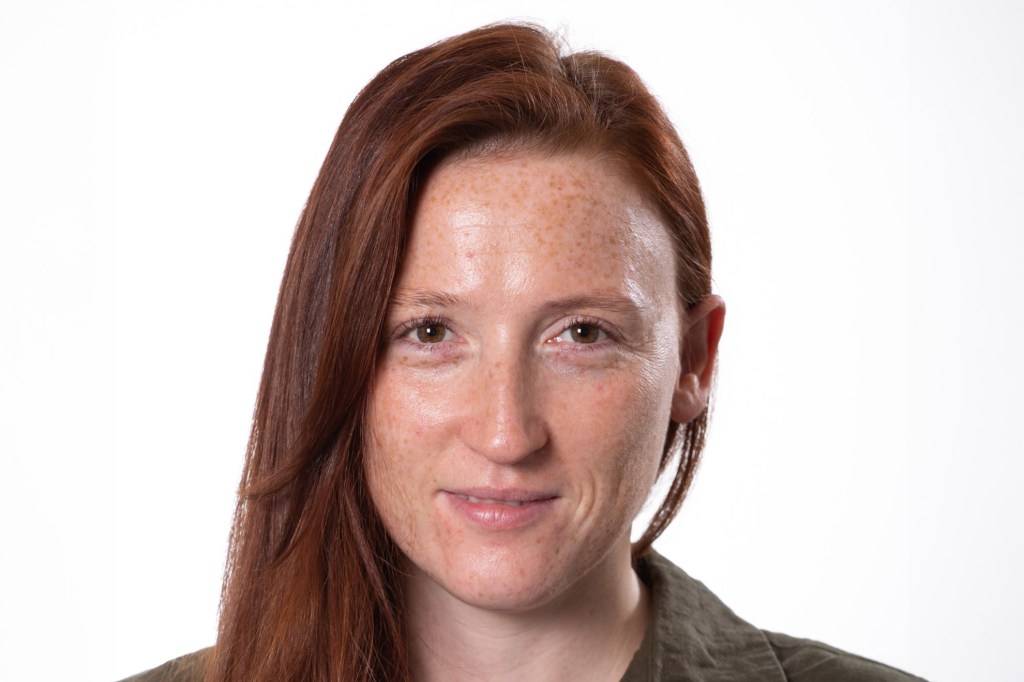
Postdoctoral fellow, Faculty of Arts and Sciences.
Interstellar ices are active chemical laboratories where simple atoms and molecules assemble into increasingly complex organic molecules that seed the formation of stars, planets, and comets. But scientists do not entirely understand how these reactions work. Piacentino will study the reactions by integrating a microwave atom source into an existing cryogenic ultra-high-vacuum (UHV) chamber, and then use infrared spectroscopy to monitor reactivity. The research could reveal pathways to complex organic molecules while also supporting the systematic exploration of atom-mediated chemistry, and the upgraded UHV system will enable controlled studies of reactions in astrochemical environments while providing clean, reproducible delivery of atomic and radical species.
“Combining Temperature and Voltage for Sustainable, Distributed Chemical Synthesis”
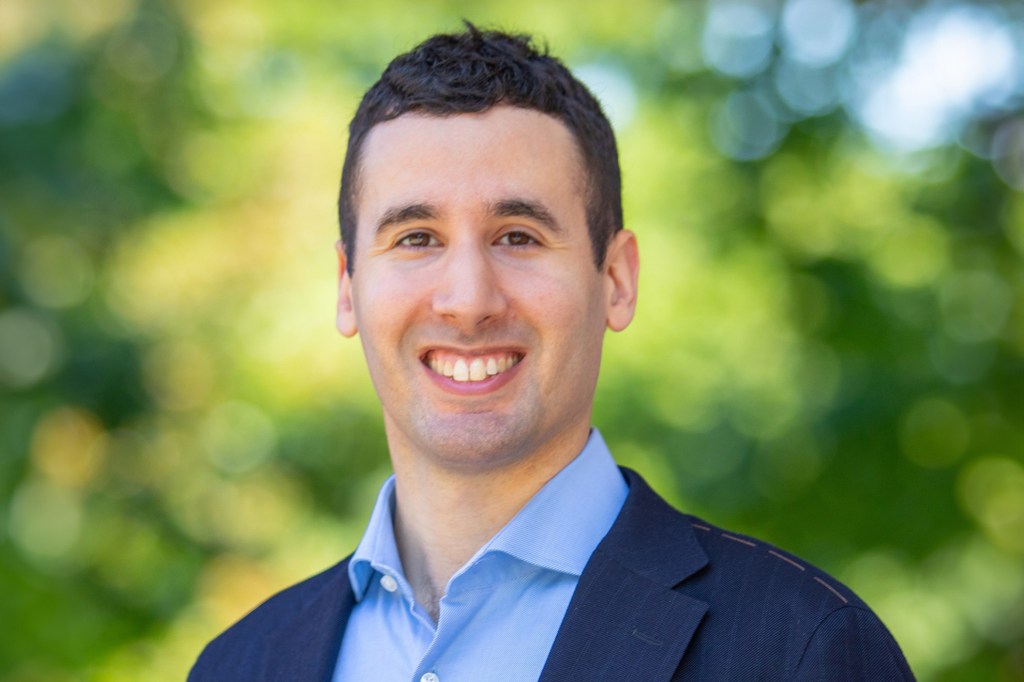
Zachary Schiffer
Assistant professor of applied physics, Harvard Paulson School of Engineering and Applied Sciences.
Photo by Eliza Grinnell
The chemical industry is a major contributor to global greenhouse gas emissions because of processes that rely on high temperatures and pressures. Chemical manufacturing needs new, more sustainable methods to convert resources (such as carbon dioxide, water, and renewable electricity) into valuable products. Electrochemistry is appealing because it uses renewable electricity to drive chemical reactions in mild conditions. However, existing electrochemical methods cannot convert carbon dioxide to the large hydrocarbons needed. Schiffer aims to combine the best aspects of both industrial and electrochemical processes to produce hydrocarbons from carbon dioxide. This approach could support more economical, distributed, and sustainable chemical manufacturing.
“Unmasking the Invisible: The Hidden Universe of Viral Immune Targets”
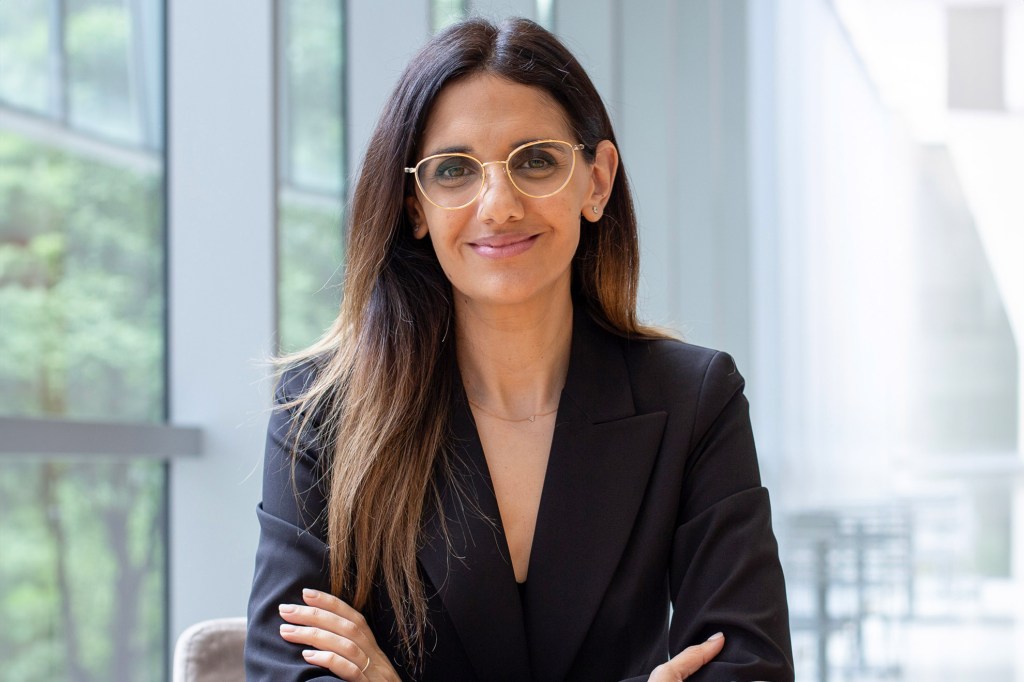
Shira Weingarten-Gabbay
Assistant professor of microbiology, Harvard Medical School.
Photo by Inna Ricardo-Lax
Viruses are experts at disguise. They can infiltrate cells, replicate rapidly, and evade immune detection. Understanding how viruses evade T cells without losing fitness is essential for developing better vaccines and antiviral therapies. Weingarten-Gabbay will map thousands of viral immune targets, engineer a directed-evolution platform to identify T-cell-escape mutations, and quantify fitness costs of immune-escape mutations to uncover how viruses navigate the trade-off between immune evasion and replicative fitness. This project will uncover novel immune targets, illuminate principles of viral evolution, and provide exceptional training for postdoctoral fellows and graduate students in advanced experimental and computational approaches.