Featured series

Health
Taking a fresh look at definition of autism
Some families, activists say term is too broad, masks unique issues of most severe cases as surging rates, federal plans turn spotlight on disorder
A wider public conversation has arisen over whether it’s time for a shift in how we think about categories of autism, amid rising interest in the disorder across the country.
For instance, some op-eds, written in recent weeks by parents and activists, argue the current definition of the condition as a unified spectrum comprising several subtypes is too broad, and the unique issues and intensive needs of the most severe cases get lost.
It’s an argument that sits poorly with Ari Ne’eman, assistant professor of health policy and management at the T.H. Chan School of Public Health and a longtime disability rights activist. He worries that creating a high-needs category risks a return to segregation and neglect — though he doesn’t rule out the possibility that other subdivisions may make more sense.
“The concern is this is a reboot of that fight, with this ‘profound autism’ construct as a new vehicle for litigating fights about inclusion that took place a generation ago around intellectual disability,” said Ne’eman, who was an adviser to the working group responsible for creating the umbrella term Autism Spectrum Disorder more than a dozen years ago.
“I worry that the ‘profound autism’ construct is a political category designed to justify more segregated services, more than a scientific one — there is not really a clear reason to believe the different groups it combines belong in a distinct diagnosis,” he said

“I worry that the ‘profound autism’ construct is a political category … more than a scientific one,” says Ari Ne’eman, assistant professor of health policy and management.
Veasey Conway/Harvard Staff Photographer
The disagreement emerges as a national spotlight has been turned on the disorder. With autism rates surging in the nation, federal officials have recently announced moves to respond to it.
According to the CDC, about one in 31 8-year-olds has been diagnosed with the condition across 16 surveillance programs nationwide, a rate more than four times higher than when the CDC began tracking in 2000.
It is a condition that includes both individuals with minimal or no verbal ability who require round-the-clock care, along with others like activist Greta Thunberg and academic and author Temple Grandin.
In a September press release calling autism an “epidemic,” President Trump and Health and Human Services Secretary Robert F. Kennedy Jr. called attention to contested links between autism and acetaminophen and announced investments into research into potential environmental, nutritional, and medical causes.
On Nov. 19, the CDC updated its website, noting that HHS would be looking at possible causes of autism, including possibly vaccines.
Dozens of scientific studies have failed to find evidence of such a link. Scientists say most of the current research suggests the causes of autism are overwhelmingly genetic.
The overall rise in diagnosis, Ne’eman explained, is likely due in large part to greater awareness on the parts of schools, parents, and clinicians. In addition, the medical establishment has been refining diagnostic criteria, changing who would qualify as autistic.
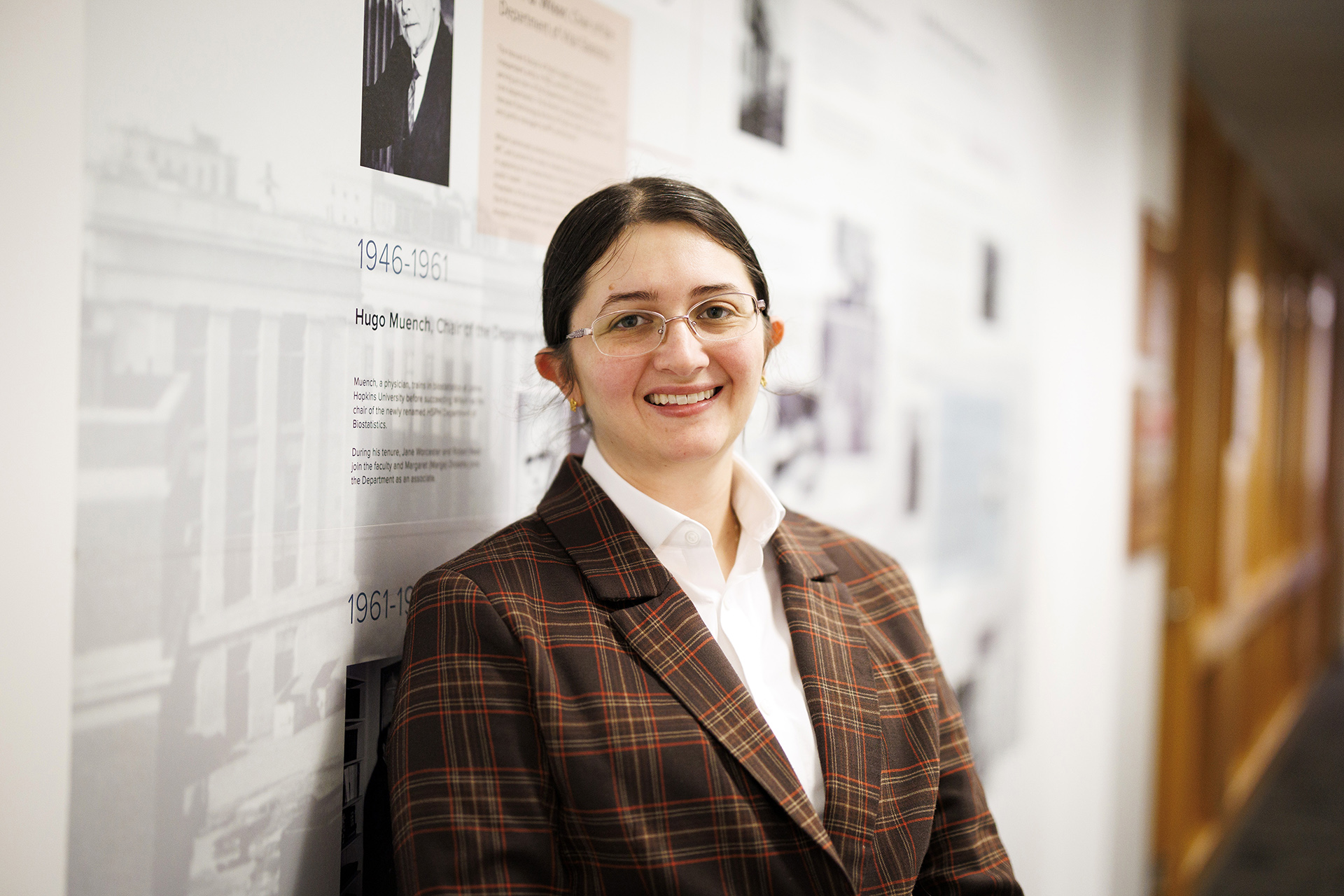
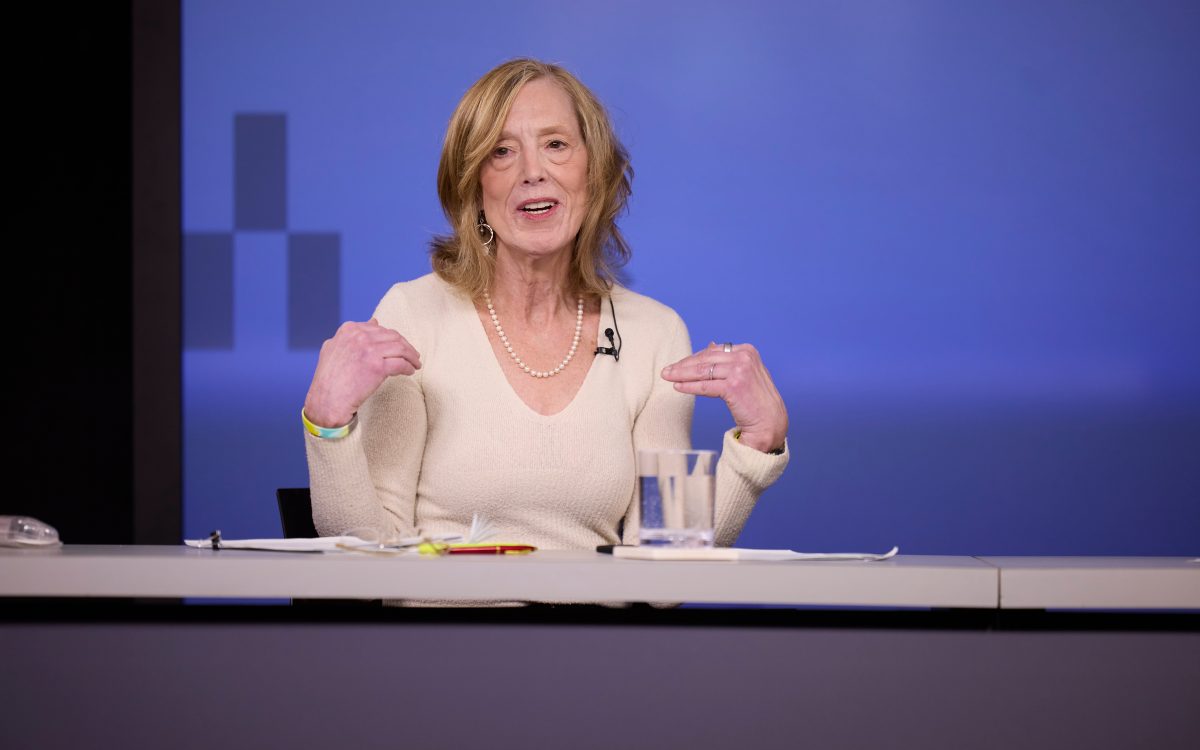
“Major factors contributing to the increase in autism diagnoses include diagnostic substitution and the broadening of the autism criteria,” says Tara Eicher, a postdoctoral research fellow.
Stephanie Mitchell/Harvard Staff Photographer
The American Psychiatric Association’s official handbook is called the Diagnostic and Statistical Manual of Mental Disorders, or DSM, first published in 1952. Autism was officially recognized as a separate disorder in the DSM-III revision released in 1980. Prior to that, it was considered a form of schizophrenia.
A later edition also added a condition called Pervasive Developmental Disorder-Not Otherwise Specified, or PDD-NOS.
Those conditions were later consolidated. In 2013, the DSM-5 — which Ne’eman advised on — further changed the game, including adding sensory issues to the diagnostic criteria and instigating a three-tiered categorization to distinguish between levels of support needs.
“Major factors contributing to the increase in autism diagnoses include diagnostic substitution and the broadening of the autism criteria,” said Tara Eicher, a postdoctoral research fellow at the Chan School. “Both of these changes are overall positive, because they result in more people receiving the services they need.”
Eicher’s work focuses on identifying genetic causes of autism. To date, hundreds of genetic mutations have been implicated in autism, with more expected to be identified in the future, and in many cases the interactions between genetic mutations, gene expressions, and behavior remain unclear.
As calls for a new “profound” category grow louder, Ne’eman worries that such a category risks a return to problems surrounding care. In the 1970s through the 1990s, he explained, advocates in the field of intellectual disability rights successfully campaigned against institutionalization and sheltered workshop jobs at subminimum wages, which were common practices at the time.
But with more people who might once have been labelled intellectually disabled now diagnosed as autistic, Ne’eman fears the table could be reset.
Combining very different kinds of severe impairment — communication and cognition — into a single catch-all category could result in segregation of some patients and a shift away from community living, he argued.
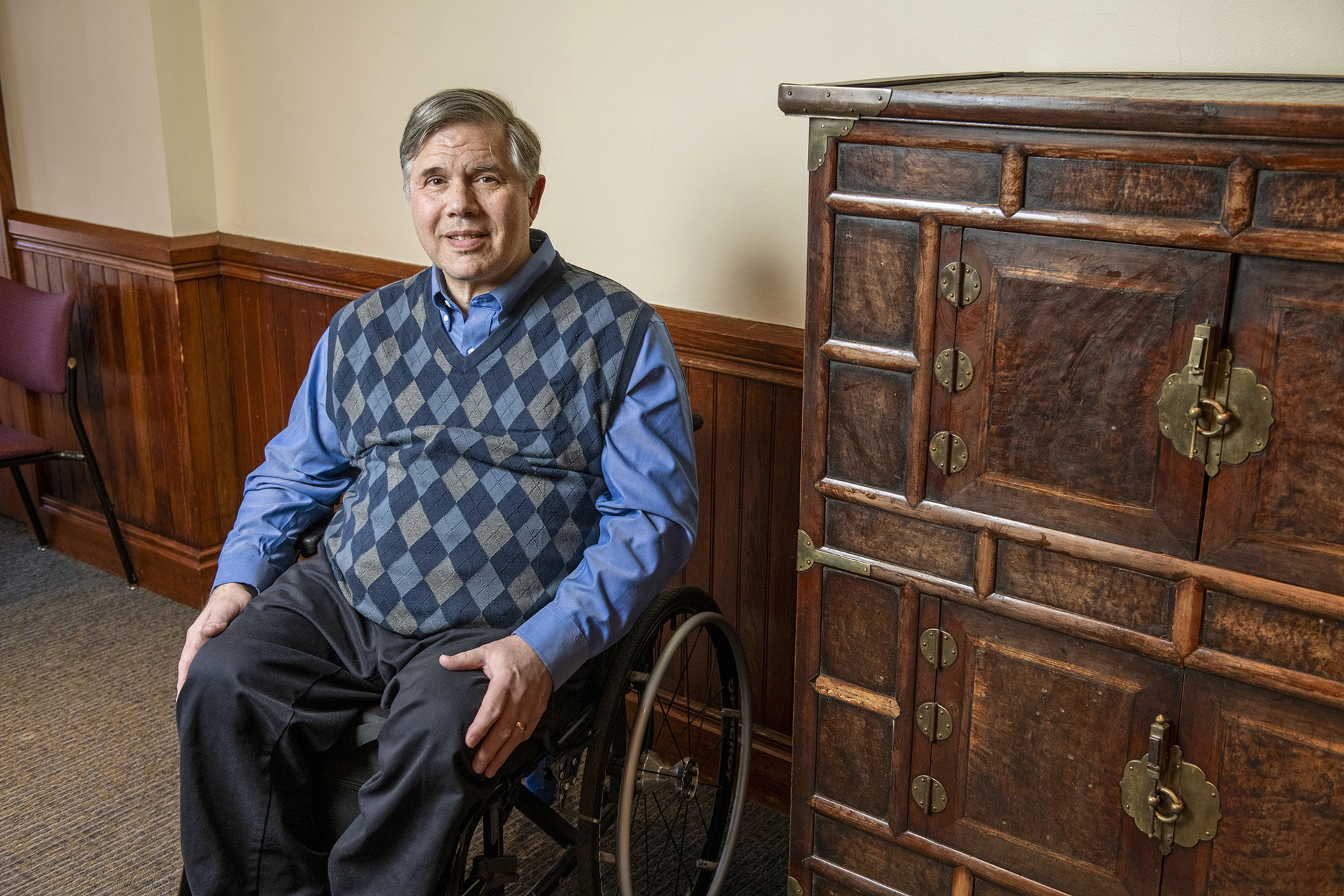
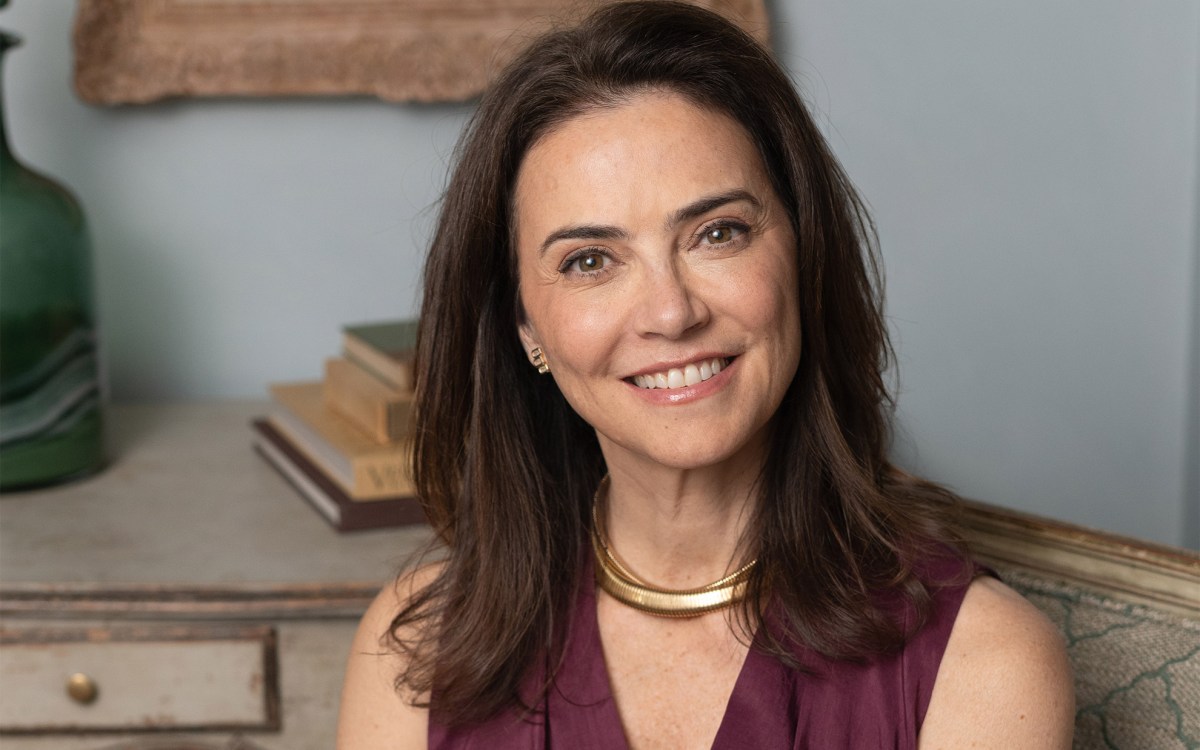
“Ultimately, it’s how scrupulous and thoughtful the clinicians and social policymakers are as far as how these individuals are treated and supported, rather than what label we place on them,” says visiting professor of law Michael Stein.
Harvard file photo
Still, Ne’eman empathizes with the families of those with severe impairment who don’t feel seen by the current system.
“I do have a lot of sympathy for families who say, ‘Listen, I want to be able to talk about the challenges around severe impairment,’ and to have a language for that, to recognize that things are often quite a bit harder than for people who can talk or don’t have an intellectual disability.”
That nuance is one reason Michael Stein, visiting professor of law at the Harvard Law School and executive director of the Harvard Law School Project on Disability, says the terms themselves matter less than how they’re used.
“Whether the category is broader or whether it’s narrower, ultimately, it’s how scrupulous and thoughtful the clinicians and social policymakers are as far as how these individuals are treated and supported, rather than what label we place on them,” he said.