Mental health experts and associations worldwide have emphasized the need to develop religion and spirituality (R/S) training for mental health practitioners to better understand the many ways in which it matters for mental health outcomes. However, most existing training programs rely on approaches that can miss the broader psycho-social and cultural contexts that shape patient experience and wellbeing.
Ethnos-MH aims to fill this gap by introducing psychiatrists, chaplains, psychologists, social workers, and other mental health practitioners to ethnographic approaches that illuminate the everyday connections between psychological wellbeing and religious and spiritual life — how people employ religious and spiritual practices, kinship networks, local ecologies, and ontologically diverse healing traditions to navigate illness and distress.
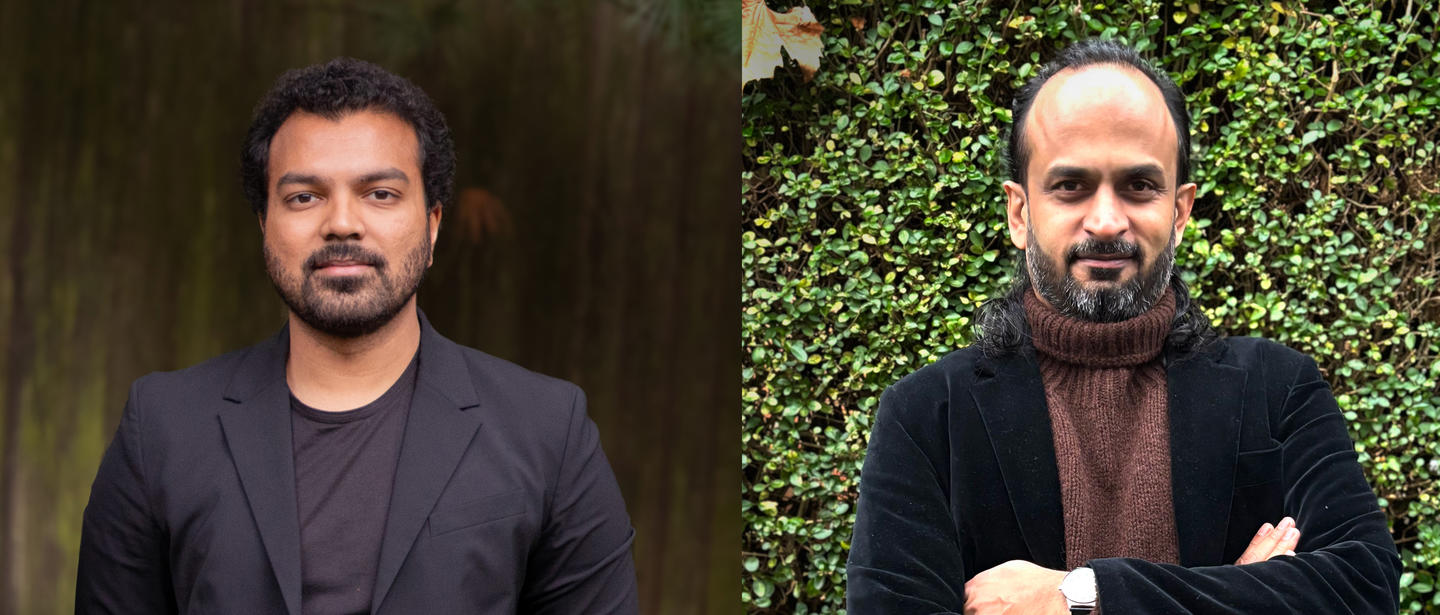
“At present, the gap is not between science and religion as adversarial frameworks for addressing mental health issues,” said Bagaria and Singh. “As practitioners across the world have long emphasized, mental health practice is both an art and a science. We believe that what is currently needed is more careful experience near understandings of how religion and spiritual experiences matter for mental health outcomes. We see anthropology as an ideal bridge to address this need, by bringing diverse disciplinary orientations, regional expertise, and knowledge systems together, and making mental health practice more attuned to the religious and spiritual texture of people’s lives globally.”

 Featured series