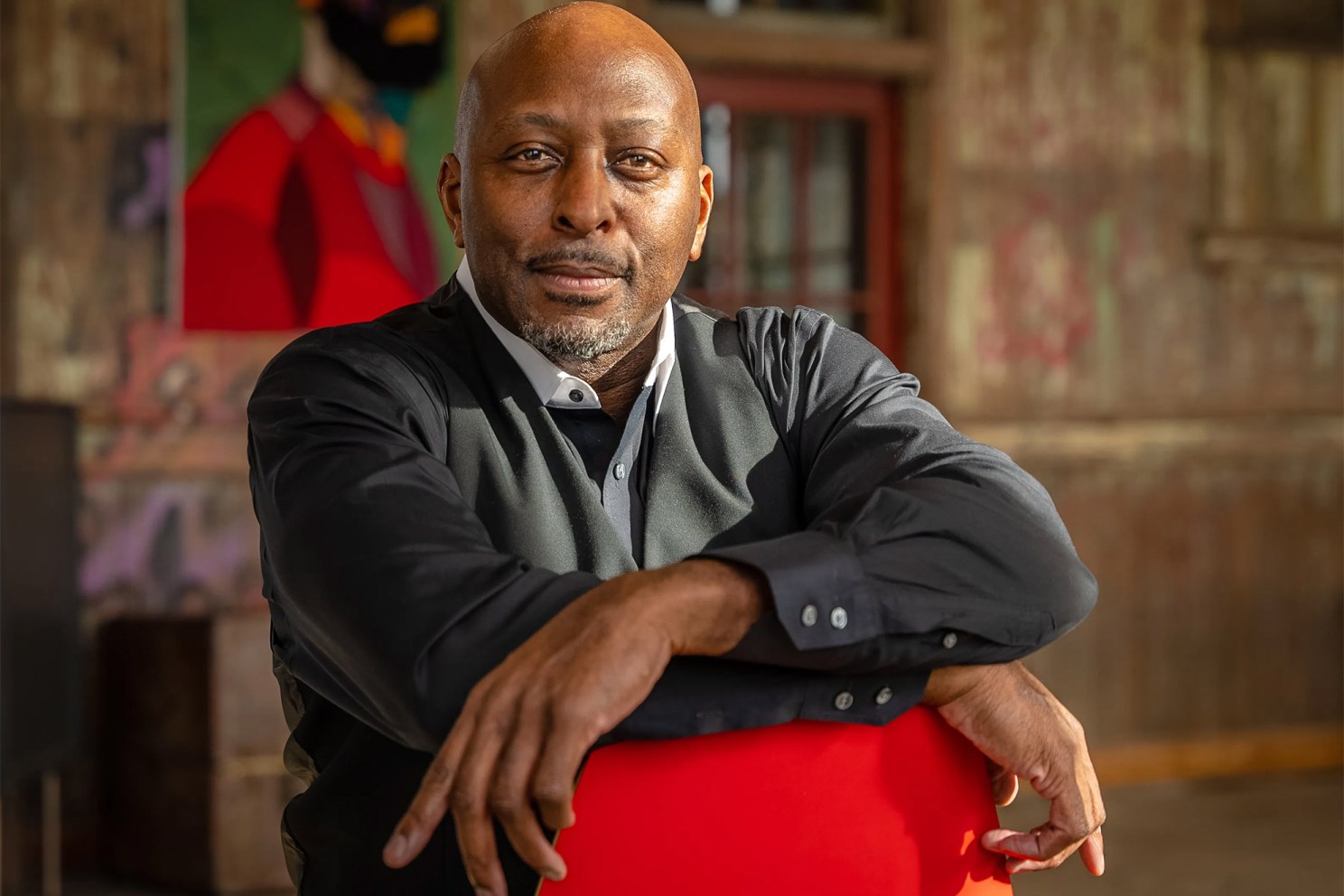
When the COVID-19 pandemic spread across the globe in 2020, Harvard Law School alum Earl Martin Phalen ’93 wanted to do his part to address the increase in job loss and financial instability through his organization Skilled US. Phalen established Skilled US, a multi-state workforce development organization committed to expanding economic mobility for adults and families through access to education, training, and sustainable careers.
Skilled US is a tuition-free program available to anyone 17 and older earning less than $45,000 a year. With an 83 percent completion rate, graduates have gone on to earn as much as $125,000 a year.
“This work is about helping folks who would have lost hope understand that they can get a job to take care of themselves and their families, — and realize the dignity that comes when you’re able to be a provider,” said Phalen.
With its first program starting in Indiana, Skilled US expanded into Massachusetts in 2024 through a $350,000 two-year grant from the Harvard & the Legacy of Slavery (H&LS) Initiative’s Reparative Grant Program. The grant program was established as a way to implement two of the recommendations from the Report of the Presidential Committee on Harvard & the Legacy of Slavery: Engage and Support Descendant Communities by Leveraging Harvard’s Excellence in Education, and Honor, Engage, and Support Native Communities.
The two-year grant from the H&LS Initiative provides resources to 500 unemployed or underemployed individuals in Cambridge and Boston through their participation in Skilled US’s job readiness program. Participation in the program helps individuals improve their economic stability while also addressing systemic inequities that perpetuate poverty in descendant communities.
For Evelyn Thorpe, a local Cambridge resident, Skilled US provided funding and coaching support that helped her acquire her Commercial Driver’s License in 2024, a requirement for her construction job.
“Skilled US opened up thousands of doors for me to be able to work anywhere that I want to work, driving trucks,” Thorpe said. “I have options for the rest of my life. That’s all I’ve ever wanted.”
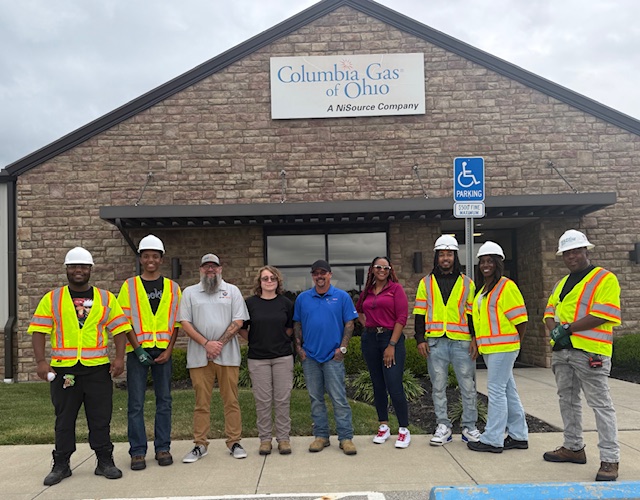
Members of the 2025 Energy and Construction Program at Skilled US gather in front of the Columbia Gas of Ohio in Columbus, Ohio.
Photo courtesy of Skilled US
Organizations awarded grants within the H&LS Initiative’s Reparative Grant Program co-lead their projects with a Harvard partner, such as faculty, staff, students, and alumni.
The Skilled US grant is co-led by Phalen and Fernando Reimers, the Ford Foundation Professor of Practice in International Education at the Harvard Graduate School of Education.
“Over the course of this grant, we have developed strong, trusted relationships with key community stakeholders” Reimers said. “A major milestone has been earning the trust of the Department of Transitional Assistance, which awarded Skilled US funds to braid with the Harvard grant — enhancing the sustainability and scale of our workforce initiatives.”
For Sara Bleich, the vice provost for special projects at Harvard University and leader of the H&LS Initiative, “the work of Skilled US is what a reparative investment looks like –turning grant funding into dedicated training and education that opens doors for jobs and career advancement for descendant community members.”
To date, Skilled US has supported more than 100 people in Massachusetts. Of those people, 93% successfully completed the program.
“I believe that Skilled US is a bridge to end poverty in America” Phalen said. “And I want to demonstrate this by doing it in one major city at a time to show that it’s good for families, it’s good for children, it’s good for all.”

 Featured series