Featured series



Jennifer Wallace.
Photo by Jo Bryan Photography
Health
Why mattering matters
Author of best-seller talks about power of feeling valued, asking for help — and how AI threatens core human need
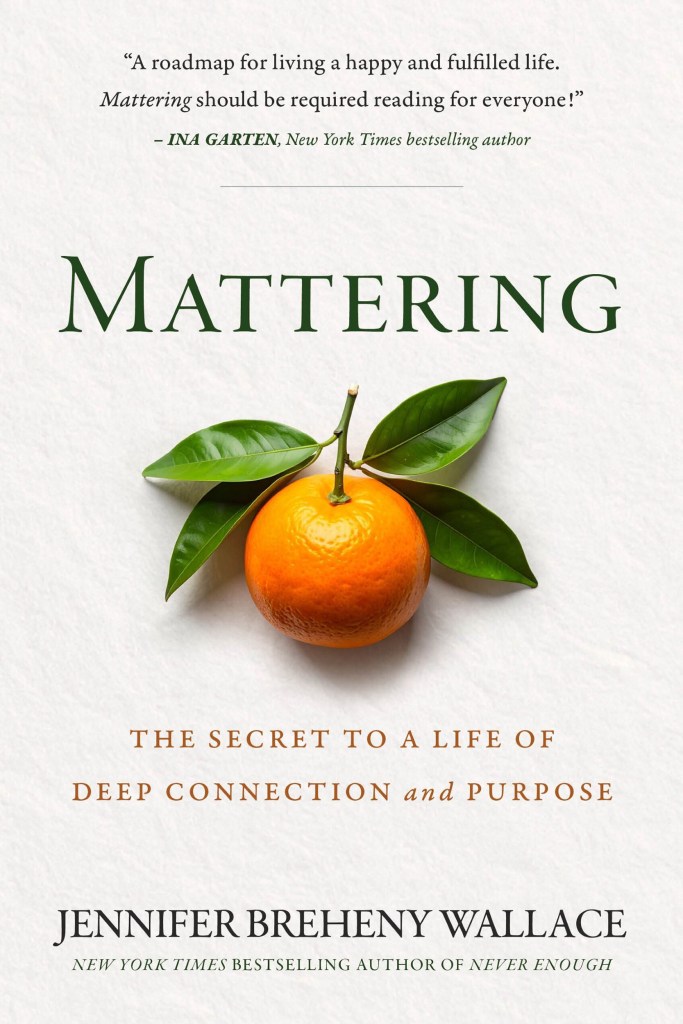
When Jennifer Breheny Wallace ’94 was growing up, her parents held her to high standards, but they also ensured she knew she mattered no matter what. Later, while researching her first book, “Never Enough: When Achievement Culture Becomes Toxic — and What We Can Do About It,” she began to see just how much mattering matters — to nearly every aspect of life. This led to her recently published second book, the instant New York Times best-seller “Mattering: The Secret to a Life of Deep Connection and Purpose,” which she discusses in the following interview, which has been edited for clarity and length.
What is mattering and how does it affect different aspects of our lives?
Mattering is defined by researchers as feeling valued by ourselves, our family, our friends, our colleagues, and society — and then having an opportunity to add value back. There are key ingredients to mattering: feeling significant, feeling appreciated, feeling invested in, feeling depended on. Morris Rosenberg first conceptualized mattering in the 1980s and he talked about how, after food and shelter, it is the motivation to matter that drives human behavior, for better or for worse.
Do you have examples?
When we feel like we matter, we show up in positive ways: We want to engage, contribute, and connect with people. When we feel like we don’t matter, we might withdraw, turn to substances, numb ourselves with our screens. Or someone might act out in destructive ways: Road rage, political extremes, mass shootings, and terrorism are desperate attempts to say, “Oh, I don’t matter? I’ll show you I matter.” A study I quoted in the book shares that for suicidal men, the two most common words used to describe their suffering are “useless” and “worthless.” Those are the words of feeling like you don’t matter.
One thing that keeps me up at night is what AI is doing to this deep human need to matter that we all have. Tech entrepreneurs predict that within the next 10 years, humans may not be required for most tasks. What happens when we no longer have people depending on us, when we don’t have an opportunity to add value? We talk rightfully about universal basic income, getting those basic needs for food and shelter met, but we need more than that. We need to think about how humans are still going to matter.
What are ways that we can show others they matter to us?
To feel like we matter we must feel valued but also have a chance to add value to the world around us. One of the greatest sources of self-esteem is to feel useful. And when we see our value, feel appreciated, and know that people depend on us, we feel that we’ve made a difference.
But I will also make the point that mattering requires balancing our own needs with the needs of others. Think about the research on the caregiver crisis. First responders are burning out. People in medical professions — so critical to everyone else’s needs — never have their own needs prioritized. True mattering requires us to matter to ourselves. Prioritize your needs; not when everybody else’s needs are met, not when it’s the end of the day and you’re exhausted, but really radically prioritize them. Also, find people who remind you of how much you matter. As humans, our resilience rests fundamentally on the depth and support of our relationships. We are often told by the multibillion-dollar wellness industry to soak in a bubble bath and light a candle. Those are great stress reducers, but they do not give us the resilience we need to show up day in and day out for the people who rely on us — and how to show up for ourselves.
Could you talk about the tension between self-reliance and mattering?
We have become so self-reliant in our culture today. But when I don’t ask someone for help, when I don’t lean on someone, I am denying that person the chance to be a helper, to let him or her know how much they matter to me. When we think about mattering in those terms, then asking for help isn’t weak or selfish. It’s an act of generosity. It is how we reinforce to someone that we need them in our lives. It’s how we send them the signal that they matter to us.
Do we have agency over our own mattering or is it something that’s in the hands of other people?
We do have agency. Especially during life transitions, our sense of mattering can get rattled. Maybe we’re going through grief, where we mattered so much to someone and now they’re gone. Maybe we’ve retired, lost a job, or relocated. I talk about two ways to take agency over our mattering during transitions. The first one is looking for role models: Who are people who have gone through similar life transitions? Use their example to create a blueprint for yourself. And then the second way is to lean on the power of invitation. We often feel like we need to have our lives in order before we accept or extend invitations. But there’s wonderful research called the beautiful mess effect which finds that we overestimate how put together we need to be to earn someone’s trust and admiration — and underestimate how letting somebody in to see a little bit of our messy lives makes us more authentic and actually draws people closer to us. You don’t need to wait for your life to be perfect to invest in your mattering.