Featured series


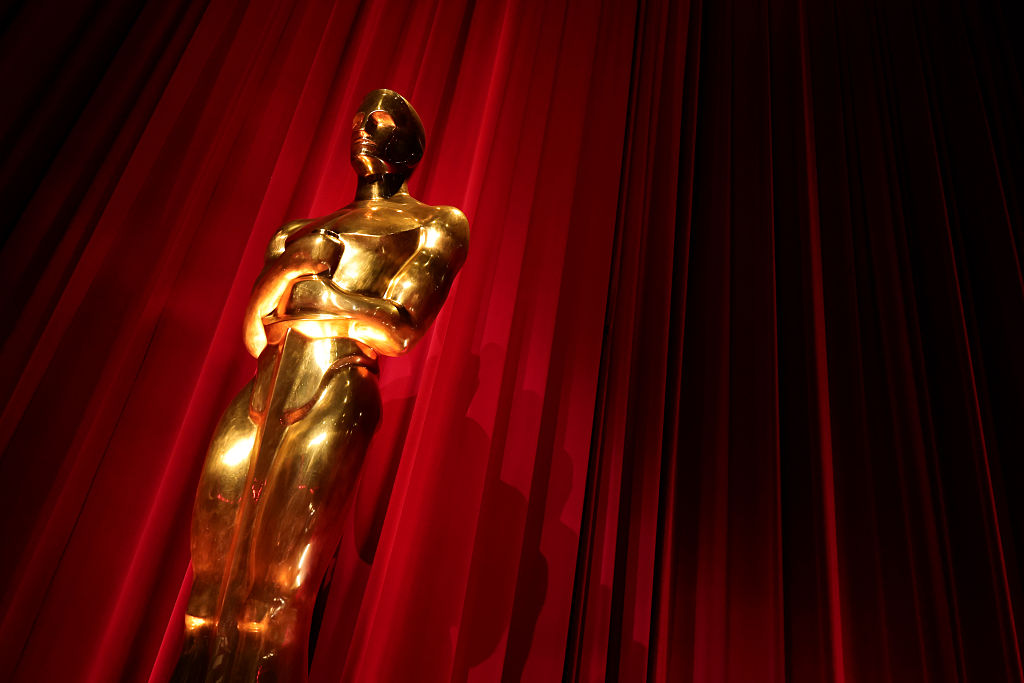
Photo by Emma McIntyre/WireImage
Arts & Culture
The downside of winning an Oscar
Alum with Academy Award to his credit details hills and valleys of Hollywood career
In film school, writes Edward Zwick ’74 in his 2024 memoir, “We were all contemptuous of awards. As we got older, it turned out we were not so averse to winning them.”
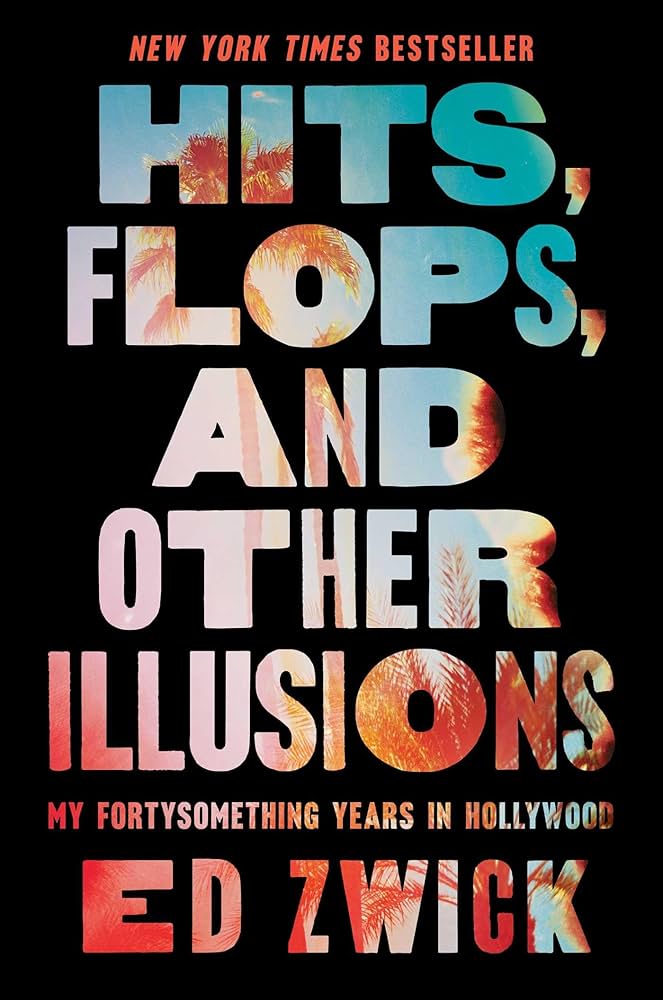
Zwick — who directed the Academy Award-winning “Glory” and won an Oscar for Best Picture for his work as a producer on “Shakespeare in Love,” among other achievements — describes his career in “Hits, Flops, and Other Illusions: My Fortysomething Years in Hollywood” as a roller-coaster ride: days upon days in dingy hotel rooms followed by starstruck nights on the red carpet.
Ahead of the 98th Academy Awards, the Gazette asked Zwick what he makes of this year’s nominees, and what four decades in Hollywood have taught him about the value of winning a golden statue. This interview has been edited for clarity and length.
How did your award wins and nominations shape you as a filmmaker, and how do you think about them now?
Early on I had a kind of adolescent view of most things, a kind of contemptuous view of institutions. In my view, institutions had never been a very good judge of art. But Hollywood is a very seductive place. You’re surrounded by peers and the media. You begin to give these institutions greater importance. I fell prey to that, particularly as I was given a certain amount of attention for some of the things that I had done.
But for me, because it happened when I was young, it anticipated all sorts of hills and valleys, things that worked and things that didn’t work. It became clear to me eventually that the awards had very little impact on my self-esteem or on my process. The day after you win an award, you still have to get up and face the blank page. In fact, I found that success has this weird counterintuitive effect. There’s something anxiety-provoking about it: Why did this thing work when the others didn’t?
“The day after you win an award, you still have to get up and face the blank page.”
I found that only through failure do you learn to apply real critical analysis to the process, to why you made the choices that you made. Because there’s an alchemy to things that work that can’t necessarily be replicated.
How have you seen the film industry change since you were coming up?
Movies, when they were at the apex of the culture, had an ephemeral quality. A movie came to your local theater and you went to see it without any expectation that you would ever see it again. They had this momentous quality to them.
But as television became an alternate viewing experience, and then as DVDs and streaming came around, the market just got more difficult. Obviously, COVID had a huge impact on the movie-going experience as well.
Now we see movie production influenced by the algorithm, which presumes to tell us we should make a film because it has some relevance to another film and will therefore partake in its success. So we begin to see this imitative quality. And then films that are more unique or more challenging become a much more difficult bet and are therefore given smaller budgets and less marketing.
Add that on top of competition from YouTube, TikTok, and everything else, and movies take on an increasingly secondary place in the culture. Ultimately, audiences have to be trained and educated, and it’s hard to want what you haven’t seen. I worry that as audiences get accustomed to movies that were designed for mass appeal, that cycle will only continue.
Some would argue that unusual, challenging films are still being made to some degree. Looking at this year’s crop of nominees, for example, there’s “Sinners,” which racked up a record-breaking 16 nominations, and “Train Dreams.”
Oh, there are certainly wonderful and important films being made. It’s absolutely still possible.
With that in mind, what sticks out to you from this year’s nominees?
You mentioned “Sinners” and “Train Dreams.” “Hamnet” is a wonderful movie. And there were some great foreign movies, too. Joachim Trier’s “Sentimental Value” is quite wonderful as well.
But it’s really like comparing chalk and cheese. How do you compare “Train Dreams” to “Sinners” and say which one is better, or “Sentimental Values” to “Hamnet”? Sometimes a movie wins because it strikes a fashionable chord, or just by virtue of its unique qualities, or because of a clever marketing campaign.
As someone who’s been there, what advice would you give a nominee when it comes to the emotional roller coaster they’re sure to be on, whether they win or not?
I’d say to have a sense of humor about it. It’s a chance for some recognition, and that’s not to be diminished, but it’s also not to be overvalued. I think most people in Hollywood came to do what they do out of love and artistic impulse, and that’s what sustains them.
What made you set out to write a memoir when you did?
Had COVID not happened, it might never have come to be. I was about to start a project, but we were shut down literally the day before shooting was going to start. We thought, as we all did, that the shutdown might be brief, and we could get back to it, but that turned out not to be the case. So as lockdown went on, I did something I’d never really done, and I looked at some of my old movies. What I saw in them wasn’t their flaws or their virtues, but rather, the situations, the anecdotes, and particularly the people, these relationships that had been so intense and amusing and loving and vexing.
I just started writing about it. In the beginning I didn’t even think of it as a book. Eventually I labeled the file on my computer “B–k” so as not to offend the gods. But as I wrote, I came to realize that from a 30,000-foot view, there was a trajectory that spoke to a time of remarkable transition in the business. I found there was a kind of autumnal quality to it, that it would reflect something that was not quite a bygone era, but something that’s no longer the center of our culture.