Featured series


Health
Six cancers rising faster in younger adults than older ones
Large new global study fuels growing concern over trend of increases in several types
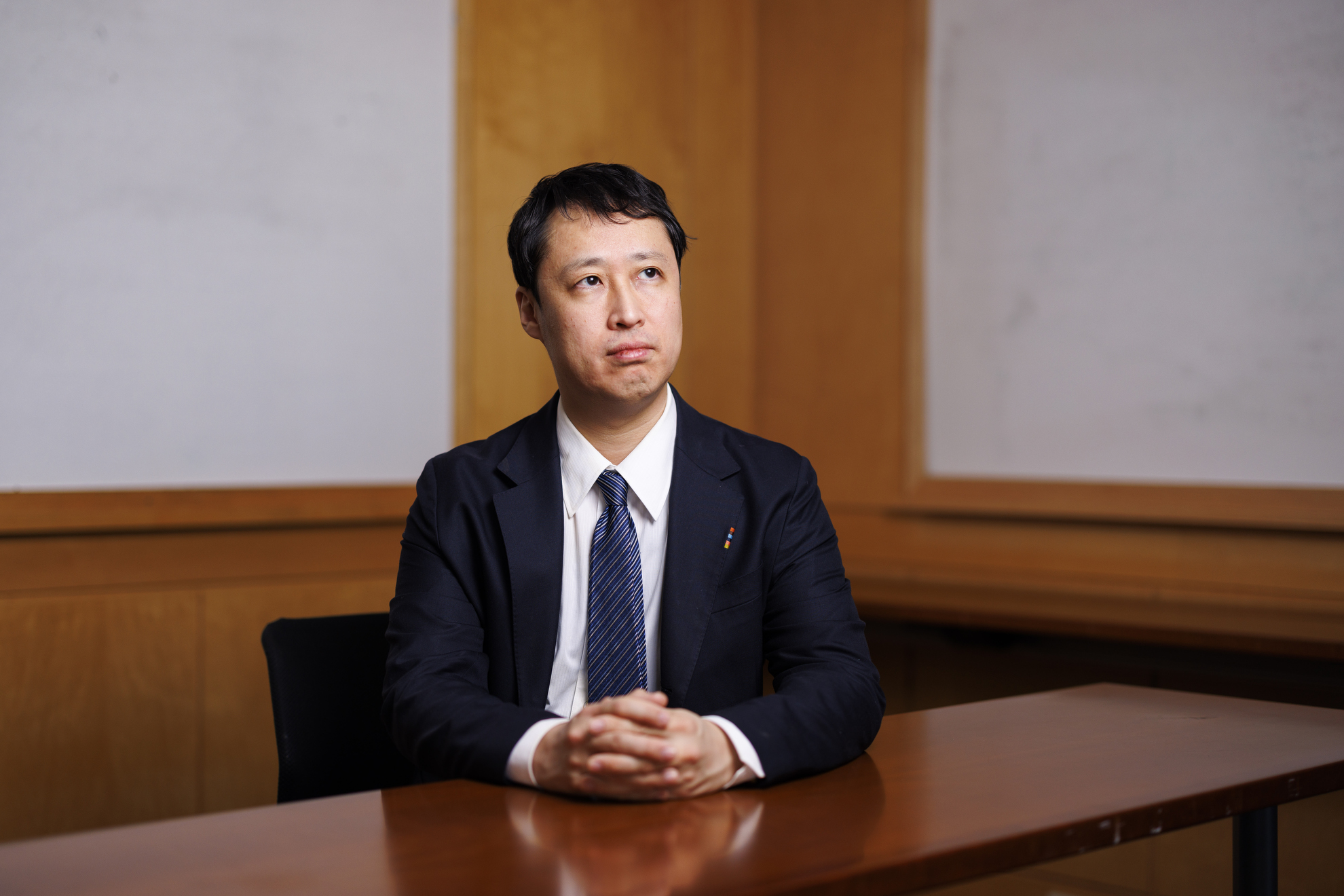
Tomotaka Ugai, senior author of a new global cancer study.
Veasey Conway/Harvard Staff Photographer
Six cancer types are rising faster in younger adults than in those who are older in at least five countries, a new study of global cancer incidence shows, and two types — colorectal and uterine — are becoming both more common and more deadly among the young.
The massive study combed through data from two large cancer databases to better understand the recent rise of cases in adults under 50, a trend that belies the traditional understanding of the disease as one that disproportionately affects the elderly. Though still relatively rare among those in middle age and younger, the rising incidence of several cancer types in that cohort has raised concern among experts.
The work, published in November, painted a disturbing yet complex picture that varies globally according to cancer type, sex, and national context. The study examined cases that occurred between 2000 and 2017 and found 13 cancers on the rise in those under 50 in at least 10 countries, and six cancers — colorectal, cervical, pancreatic, prostate, kidney and multiple myeloma — rising faster in younger adults than in older adults in at least five.
The trends of both higher incidence and mortality in those under 50 occurred in fewer countries — in five for uterine cancer and, for colorectal cancer, three nations for females and five for males.
Colorectal cancer, particularly in North America, Europe and Oceania, drew particular attention from the authors, who said that 10 percent of global cases already occur in those under 50.
They cited estimates that, by 2030, colorectal cancer incidence in those ages 20 to 34 will rise by 90 percent, and, in those ages 35 to 49, by 46 percent.
The news is better, however, for late-onset colorectal cancer, with several countries showing incidence declining, likely in part due to screening programs that target older adults and detect precancerous growths early.
Tomotaka Ugai, an instructor in pathology at Harvard Medical School and Brigham and Women’s Hospital, a department associate in epidemiology at the Harvard T.H. Chan School of Public Health, and the study’s senior author, said though additional work is needed, the study does fill in some blanks in a concerning global cancer picture.
“There is a possibility that exposures like obesity or Western diet or sedentary lifestyle might be shifted toward younger populations.”
Despite the broad patterns seen, however, the study was limited by the fact that the databases used do not cover every nation. Missing are parts of Asia, Africa, and South and Central America.
Ugai said that a more detailed understanding of the young-onset cancer picture in every nation is needed to design interventions such as enhanced screening guidelines.
Some countries have already taken such steps.
In the U.S., for example, screening guidelines have shifted younger in recent years. In 2021, the U.S. Preventive Services Task Force lowered the recommended age to begin screening for colorectal cancer from 50 to 45. Similarly, in 2024, it recommended all women begin breast cancer screening at age 40. Their earlier guidance was that women start screening between ages of 40 and 50, based on individual circumstances.
In their results, in fact, the researchers, from the U.S., Japan, and South Korea, detected evidence of already improved screening procedures for some cancers, which the authors said may be one factor in rising incidence rates.
In those cancers, including thyroid, prostate, and non-melanoma skin cancers, there was no increase in mortality despite rising incidence, likely an indication that improved screening is detecting more cases early enough that they are treatable, or that are clinically insignificant and may have been missed before.
The analysis, published in the journal Military Medical Research and supported by private funding, also provided clues about the reason for the rise in young-onset cancers. The increase in cancer among younger adults is strongly tied to rising rates of obesity, the authors said, and is climbing most rapidly in wealthy nations.
“There is a possibility that exposures like obesity or Western diet or sedentary lifestyle might be shifted toward younger populations,” Ugai said. “And younger populations might be exposed to new risk factors for the early onset cancers, which might be unknown or still need investigation.”
Future work, Ugai said, will involve international collaborations to better understand what’s going on in these cases. They’ll also augment data from large-scale studies with analyses of individual tumor tissues in an effort to better understand mechanisms in tumor biology and microenvironments that might be at work.
“Many studies, including our studies, indicate that the incidence of early onset cancer has been increasing in many parts of the world,” Ugai said. “But that doesn’t mean that many cancer types have been increasing similarly everywhere. All over the world, the situation is very, very different, so we need to know more about what’s happening now, what are the risk factors, and how to prevent these cancers.”