Featured series

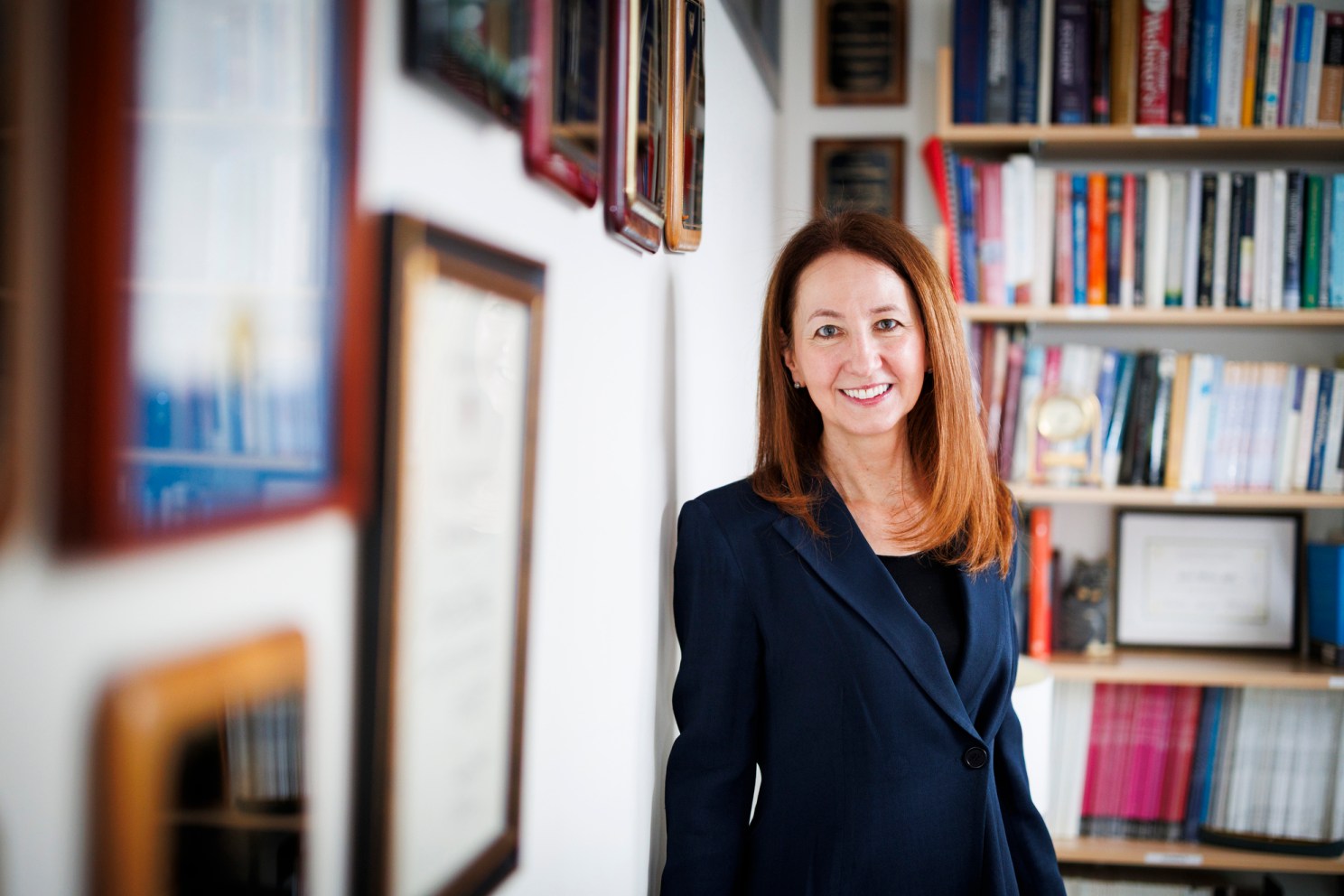
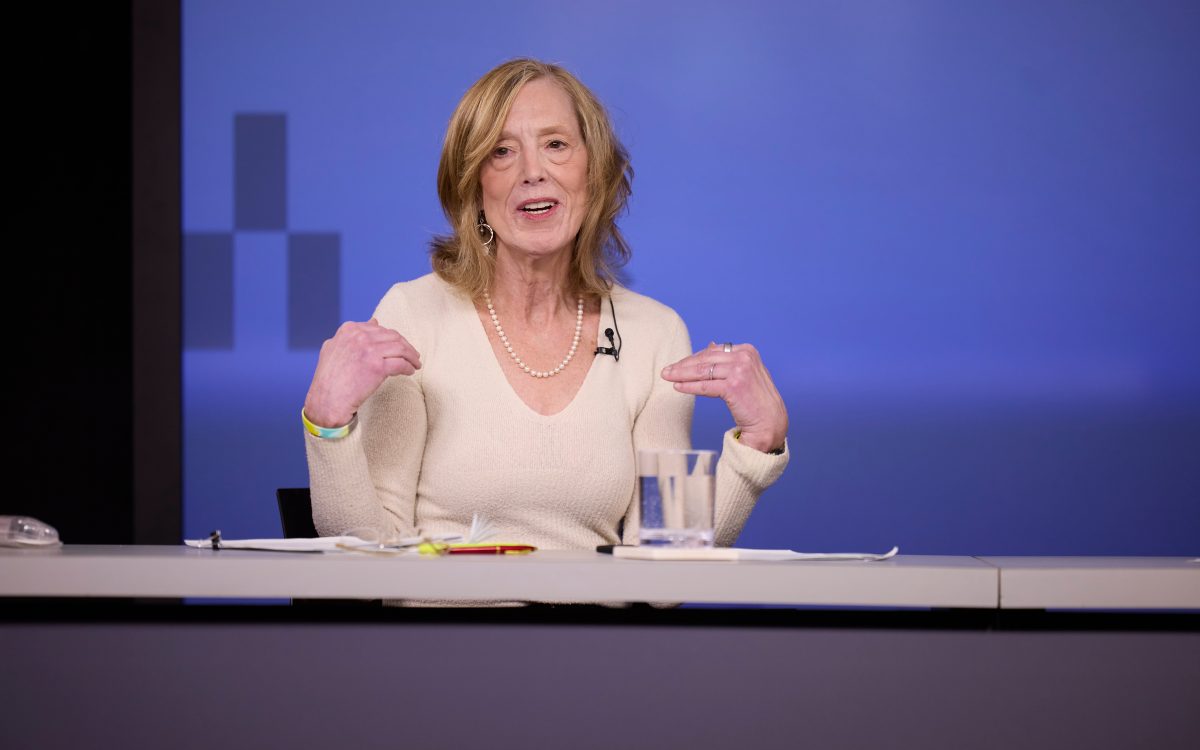
Sabine Wilhelm.
Stephanie Mitchell/Harvard Staff Photographer
Health
Need a cheaper, more accessible OCD treatment? There’s an app for that.
New system to address disorder that affects 8.2 million Americans shows promise in study
Those who experience the paralyzing psychological and social effects of obsessive-compulsive disorder can often find relief in cognitive behavioral therapy, or CBT. But not everyone who may benefit from the therapy has access to it, and researchers have noted both the barriers and the growing need.
Now, a recent trial of Perspectives, a new CBT-based smartphone app developed at Massachusetts General Hospital, shows promising signs that it may help OCD sufferers overcome the many barriers to treatment.
The need is significant. An estimated one in 40 American adults, or about 8.2 million people, have or will develop OCD in their lifetime. Symptoms include recurring and uncontrollable thoughts, repetitive compulsive behaviors, or both, and they often first appear during the teen years.
In this edited conversation, Sabine Wilhelm, chief of psychology at Mass General Brigham and director of the Center for OCD and Related Disorders at Mass General, spoke to the Gazette about the study and why she and the other members of the app team are so encouraged by the findings.
What are some of the challenges people seeking treatment for OCD typically encounter?
OCD is a very common and severe disorder. Given that there is a major need for treatment, you would think that many therapists would know how to treat it, but actually it’s very challenging to find evidence-based treatment for OCD.
Cognitive-behavioral therapy is the gold standard psychotherapy for OCD and has been shown to achieve good treatment outcomes. It is a structured, skills-based intervention that helps people change the unhelpful thoughts and behaviors that keep OCD going.
CBT has been around for several decades, but despite the good outcomes, there are simply not enough providers who know how to help individuals with OCD.
In cities like Boston, you might be able to find therapists who specialize in OCD treatment, but even here, there are long wait lists for patients. If they can find a provider, they can usually only find one who sees them in their private practice, and that can easily cost several hundred dollars per treatment session. Many people cannot afford this.
“In addition to the provider gap and the cost of care, there are other barriers to treatment as well.”
Sabine Wilhelm
But in addition to the provider gap and the cost of care, there are other barriers to treatment as well.
For example, traditional CBT usually requires weekly sessions. But it can be challenging to take time off in the middle of the workday to see a therapist, or it might be difficult to arrange childcare, or it can be hard to arrange for transportation to get to treatment sessions.
But even if these logistical barriers can be overcome, many individuals will say that there is too much shame and stigma associated with psychiatric care, and as a result, they might not seek the help they need.
That’s why we thought: “Why don’t we see if we could offer treatment for patients with OCD on a smartphone app?”
In the trial, 120 participants with OCD used one of two treatment apps for 12 weeks. What kinds of improvements did patients show?
We compared Perspectives, which delivers smartphone app-based cognitive behavioral therapy specifically designed for OCD, and HealthWatch, a general internet-based program that provides information about topics like healthy eating and exercise, which we enhanced with a module that teaches patients about OCD.
Both interventions included limited support from a bachelor’s-degree-level coach. Our main question was whether the targeted CBT for OCD app would help people reduce their OCD symptoms more than the HealthWatch program.
Our primary outcome was focused on OCD symptom severity.
Our preregistered treatment endpoint showed a trend toward lower OCD severity in the Perspectives group, and when we analyzed symptom change across the entire treatment period, the Perspectives group showed a clear and statistically significant advantage, with a moderate‑to‑large effect size. That’s a meaningful difference in clinical research.
We also measured treatment response, which was defined as at least 25 percent reduction in OCD symptom severity.
Sixty-five percent of participants using Perspectives met this “treatment responder” threshold, compared to only 41 percent of the patients in the HealthWatch group. What that means is that both treatments worked.
Learning about OCD, as well as learning about other topics such as eating healthy and exercise, and having a coach to interact with, helped. But the targeted CBT-based approach produced stronger results.
We found similar patterns in other areas, like day-to-day functioning and quality of life. Those using the CBT app improved more over the course of treatment, too.
One of the biggest differences was in how much patients liked the treatment.
“One of the biggest differences was in how much patients liked the treatment.”
Sabine Wilhelm
Ninety-one percent of the patients using Perspectives said that they would recommend it to a friend who had similar problems, compared to only 53 percent of the HealthWatch group. Satisfaction with treatment was substantially higher in the Perspectives group as well.
The dropout rate tells the same story: Only 5 percent dropped out of the app-based treatment, which is remarkably low for an app, compared to 23 percent in the HealthWatch group.
Taken together, the stronger clinical outcomes, higher satisfaction, and very low dropout suggest that the OCD‑focused app was not only more effective, but also a much better fit for what patients needed.
Do you have a sense yet of why patients seem to have better results from the CBT-focused app?
The most likely reason why is because it delivers the core components of cognitive behavioral therapy for OCD, especially exposure and response prevention, which means that patients learned to go back into situations that they avoid or endure with high anxiety, while at the same time refrain from rituals.
They also learned cognitive strategies, including stepping back from their thoughts and considering an alternative perspective, as well as mindfulness skills. We know from decades of CBT research that these are the techniques that really help patients with OCD.
“When something feels tailored to your actual problem, you’re more likely to engage with and stick with it, and that is essential for getting better.”
Sabine Wilhelm
The HealthWatch program included some education about OCD and was also supported by a coach, but it didn’t offer the active skills that directly target OCD symptoms.
When something feels tailored to your actual problem, you’re more likely to engage with and stick with it, and that is essential for getting better. And importantly, we built the Perspectives app with the help of patients, clinicians, and researchers and technologists from Koa Health in an interactive, iterative design process, refining the app based on their feedback. That meant the tools, language, and exercises felt personally relevant and engaging from day one.
That combination of targeted CBT content, high credibility, and a design shaped directly by patient users and experts likely explains why patients reported better results with Perspectives.
What conclusions can be fairly drawn at this early stage?
The clearest conclusion is that both programs helped reduce OCD symptoms, but the Perspectives app showed more meaningful clinical benefits and was much better liked by patients.
What feels especially exciting is how scalable this approach could be.
Traditional treatment requires weekly sessions with a licensed clinician, which can be very hard to access. This is especially true for OCD, where specialists are limited, expensive, and often have long wait lists.
In contrast, Perspectives delivered evidence-based CBT with minimal human support: The entire 12-week program required only about 75 minutes of coach time per patient.
Because it requires so little clinician time and is much less expensive, this model has the potential to reach people who live far from specialty clinics or who can’t afford high-cost treatment.
“Patients don’t need to take time off work, arrange childcare, or travel to appointments; they can engage with the treatment privately and on their own schedule.”
Sabine Wilhelm
And importantly, it may fit more easily into people’s lives. Patients don’t need to take time off work, arrange childcare, or travel to appointments; they can engage with the treatment privately and on their own schedule.
For individuals who feel stigma or shame about seeking help for mental health concerns, using an app can also feel more comfortable and accessible. These results make me hopeful that we can eventually offer effective, evidence-based OCD treatment to people nationally, and ultimately internationally, who otherwise would have no access to care.
Are there other aspects of this app that merit future study?
Yes! One important next step for us is to determine how to further personalize the app. We’d like to understand how to tailor the treatment and level of support to each individual’s symptoms and needs.
For example, some people might benefit most from and prefer an app, whereas others might benefit more from seeing a traditional therapist or prefer pharmacotherapy.
Another promising direction we want to explore is adding more adaptive features. These are brief, carefully timed interventions that show up exactly when someone needs extra support.
We’re also interested in understanding why the app works as well as it does — which components are driving the most change, and how people are engaging with the tools day‑to‑day. That kind of insight can help us refine the program.
And finally, we want to test how this model works in real‑world settings. Understanding how best to roll this out more broadly will be an important part of the next phase of research.
So there’s a lot of work ahead. We want to improve personalization, deepen our understanding of what drives change, and study how to bring this kind of treatment to the people who need it most.