Featured series

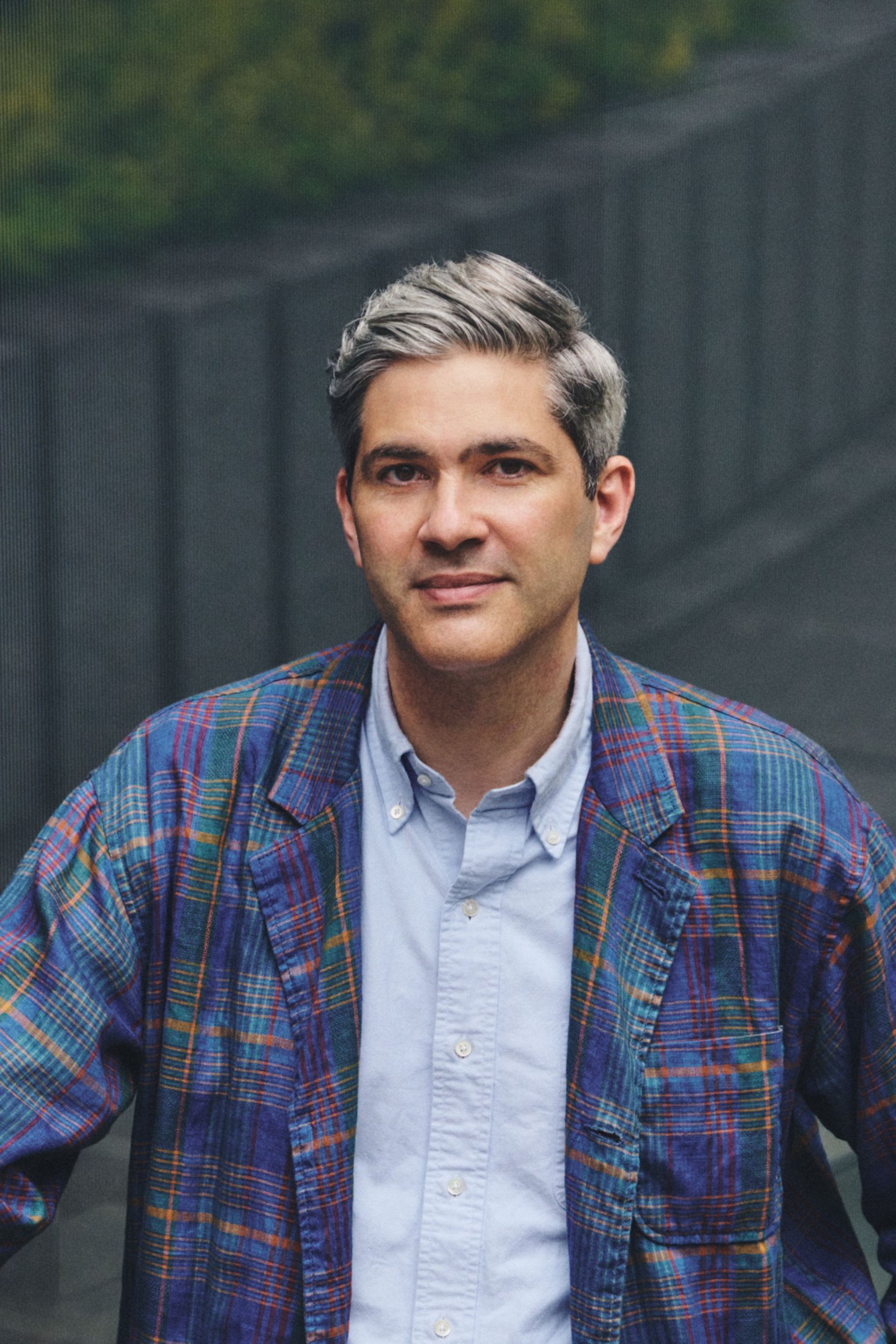
W. David Marx.
Photo by Seishi Shirakawa
Arts & Culture
You’re not the only one who’s bored
‘Blank Space’ author says pop culture of 21st century has mostly been a dud
Pop culture of the 21st century has mostly been a bore, full of reboots, mashups, and flash trends but very little in the way of truly innovative art.
That’s according to W. David Marx ’01, author of the new book “Blank Space: A Cultural History of the Twenty-First Century.”
“Culture has been central to the narrative of the last 25 years — but merely as entertainment, commerce, and politics,” Marx writes. “We can feel what’s missing — there is a conspicuous blank space where art and creativity used to be. For all the energy invested in culture today, little has emerged that feels new at a symbolic level.”
In this edited conversation, Marx looks deep into the void — and explains how we might escape it.
In the book, you describe the 21st-century mainstream as an omnivorous monoculture. Can you explain what you mean by that?
The term monoculture describes what it feels like when culture is really controlled by a small group of people, so the format is more or less conventional, and you can’t really bend from it. And the omnivorous part started in the ’80s and ’90s among sophisticated, cosmopolitan consumers, where you’re no longer only consuming high art, but it becomes a higher-status thing to consume all art — highbrow, middle brow, lowbrow, global, local.
So to say we’re living in an omnivorous monoculture is to say everyone is consuming everything, and yet there are still very few people who are rising to the top. In Taylor Swift’s case, it’s almost 20 years without being dislodged, which is quite rare compared to artists in the 20th century. But then you have someone like Lil Nas X, who rose through a combination of hip-hop and country, and by that point, there were really very few genres that it was surprising to mix and match anymore. So this is different from monocultures of the past in the sense that there’s a wider range of what’s allowed inside, but it’s still kind of all operating under the same set of formulaic principles.
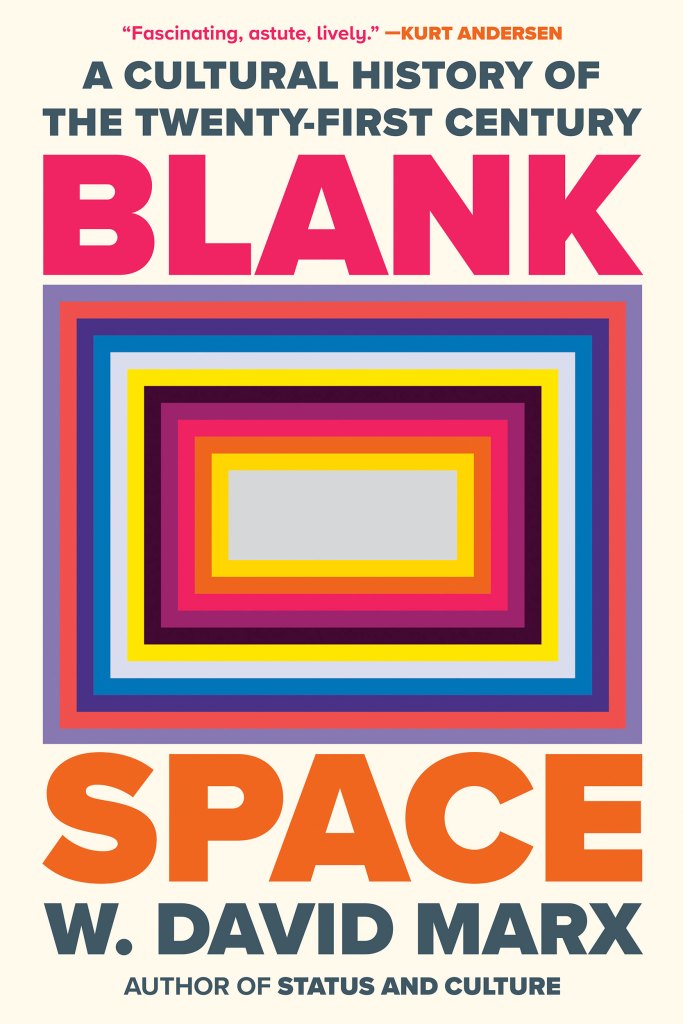
Courtesy Penguin Random House
Is your argument that there hasn’t been as much creative innovation in the 21st century?
Oh, there has certainly been creative innovation. In fact, more people are creating things than ever before in the history of the world. I’m more worried about a crisis of valuation.
Previously, innovations that came from the margins used to sweep through and bring these giant changes. That’s become much less frequent.
The trap genre is a good example of where a big change did happen and can still happen. You have this very localized form of hip-hop coming out of Atlanta that has a very specific sound that’s different from previous sound, and it rises up the charts. All the major artists start changing their beats to sound more like trap. Country music starts sounding like trap. You can point to songs from that time and say, “That’s so 2014,” because the songs have a very specific feel to them. That’s rare in the 21st century; we just see fewer sweeping changes. Now we tend to see cultural innovations that might be novelties, in the sense that they’re new, but they’re not really considerably different and they don’t inspire a whole new generation of innovative ideas.
How has technology shaped that trend?
Historically, the only way to reach a large number of people was through newspapers or magazines, and those had gatekeepers — editors who decided what they were going to report on. The major change in technology is that we no longer have gatekeepers: Every single person has the ability to broadcast.
Digital platforms found that not curating — letting the audience vote with their views — was a much better financial strategy. Because these are monetizable platforms based on views, ad impressions, and clicks, they’re going to optimize for whatever is the most popular. It’s a completely different way of choosing culture.
If social media is the main entity making the choices, then it’s going to choose what is already popular. It’s going to over-index for things that are immediately understandable and relatable, and then you’re going to have a whole generation of creators who know they can make a living creating content for it. The medium itself really becomes the content; creatives are now working backwards from how to make money, rather than from pure creative expression.
Right. It used to be that “selling out” was the worst thing an artist could do, and that’s just not the case anymore. What changed?
Part of it is that omnivorous thinking. If you start from, OK, if Britney Spears is popular, that means there must be some sort of democratic groundswell and we need to figure out what it is about Britney Spears that appeals to people, and try to bring that into our criteria of artistic excellence. Then one of the proof points that this music is good is that it’s also a business success, and business success itself becomes a heroic act.
Jay-Z is one of the most famous examples. He famously had the line, “I’m not a businessman, I’m a business, man.” He’s saying that at a time when hip-hop artistry is seamlessly becoming this entrepreneurial pathway to being not just a multimillionaire but a billionaire.
Taylor Swift is another example. Harvard’s own Stephanie Burt argues in her book that Taylor Swift is a poetic genius and a business genius at the same time. Her argument is that Swift really knows how to connect with her audience, which is something that you’d also say about an entrepreneur: They know what the customer wants. So judging something for its artistry becomes inseparable from business logic.
Where do we go from here?
I want to be clear that there aren’t easy fixes. But if people who really care about culture come together and start believing that cultural invention is a social good, then it becomes something we should all be championing, rather than just going through the motions of “There’s another thing coming, I should comment on it.” We need people who care about cultural invention to create their own little worlds that are separate from the market forces that are often quite damaging to it.